Why Most Travel Photos Feel Disconnected
Most travel photos feel disconnected.
They’re non-emotional, meaning often of strangers in random places that don’t mean anything.
Or they’re of the same popular spots on Instagram that have been photographed millions of times before.
Now don’t get me wrong.
I’ve done (and still do) a lot of both before.
I’ve taken plenty of photos of normal plain things without thinking about it first.
I’ve struggled often in the past with taking pictures that looked more than just “someone who’s there for the first time”.
And getting “connected” with only a few days in a new place can be really challenging.
That being said, I’ve learned many lessons from the trips I’ve been on.
And there are several things you can do to help make your photos feel more connected instantly.
Let’s begin.
Learn to Photograph Faces
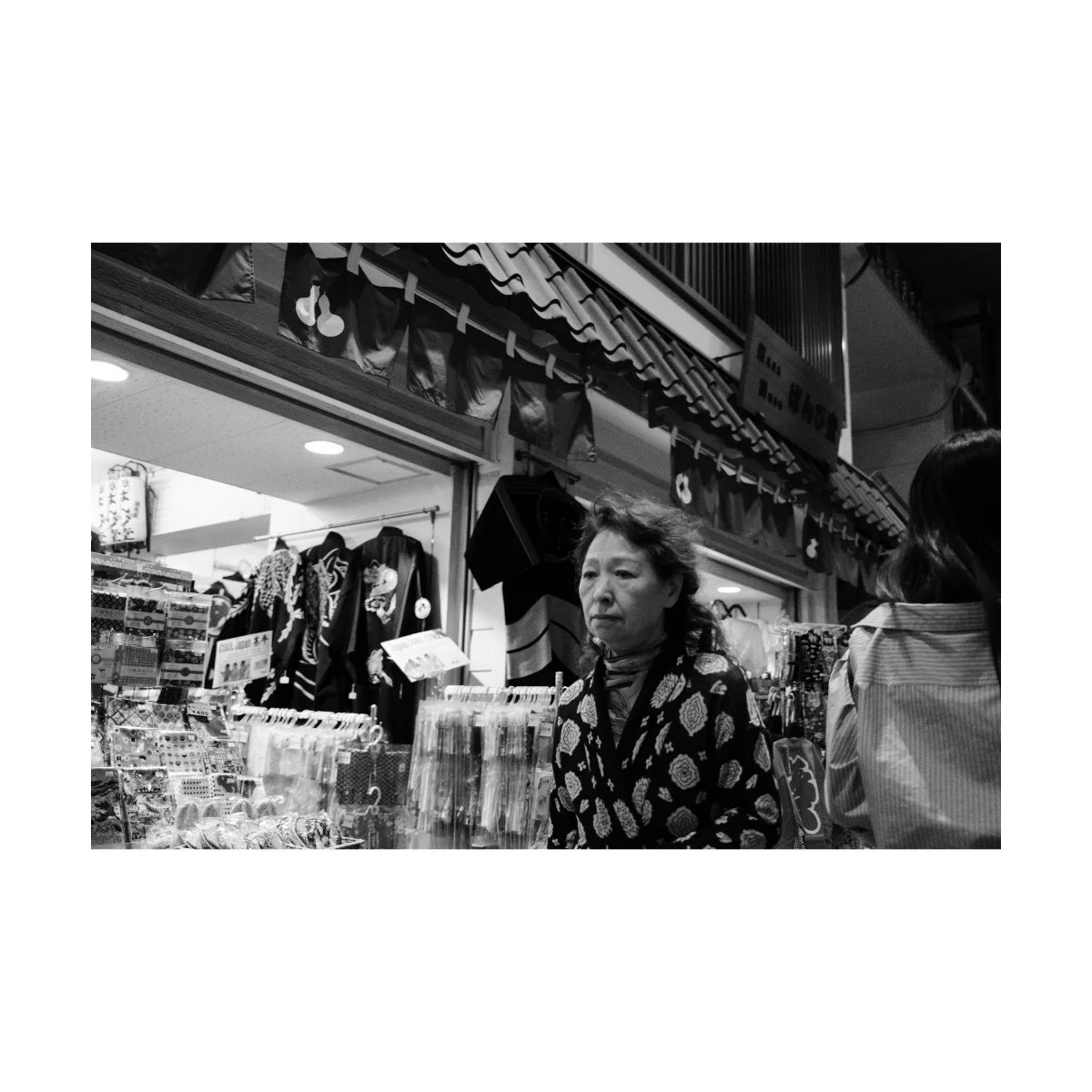
When it comes to photography, nothing captures and shares emotion more easily than a face.
There’s the natural disposition of the person, the wrinkles and lines, and the expressions they’re making.
And someone’s face, whether they’re exhibiting a visceral expression or not, can tell a thousand stories.
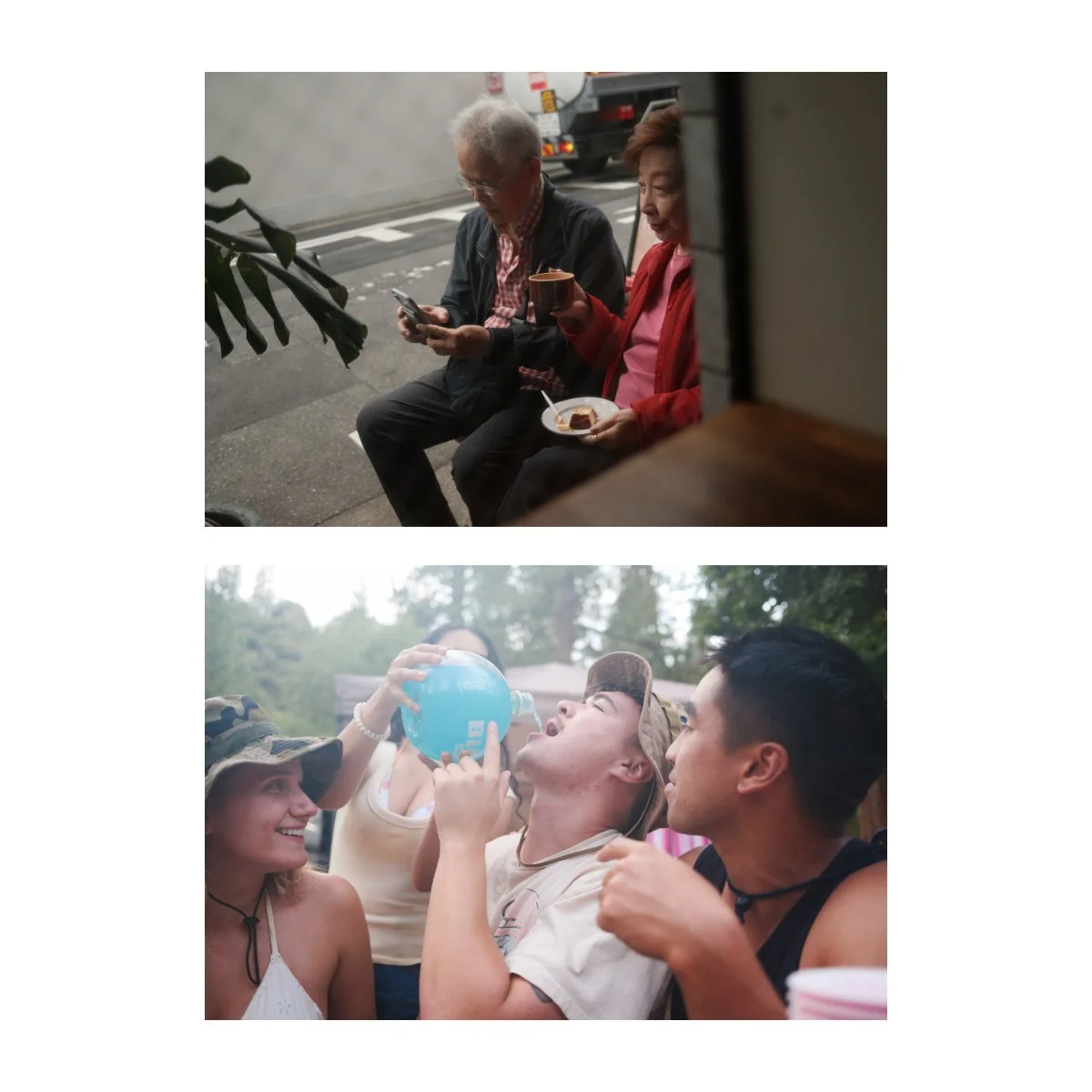
Of course if the person is smiling or showing some kind of expression, it’s better, but having a face in the shot in the first place is the key to drawing a viewer in.
Because these are things the viewer recognizes biologically, within an instant, without having to do much guesswork.
So capturing faces well is like a cheat code to making your photos feel more connected.
And it can be done without even getting to know the person.
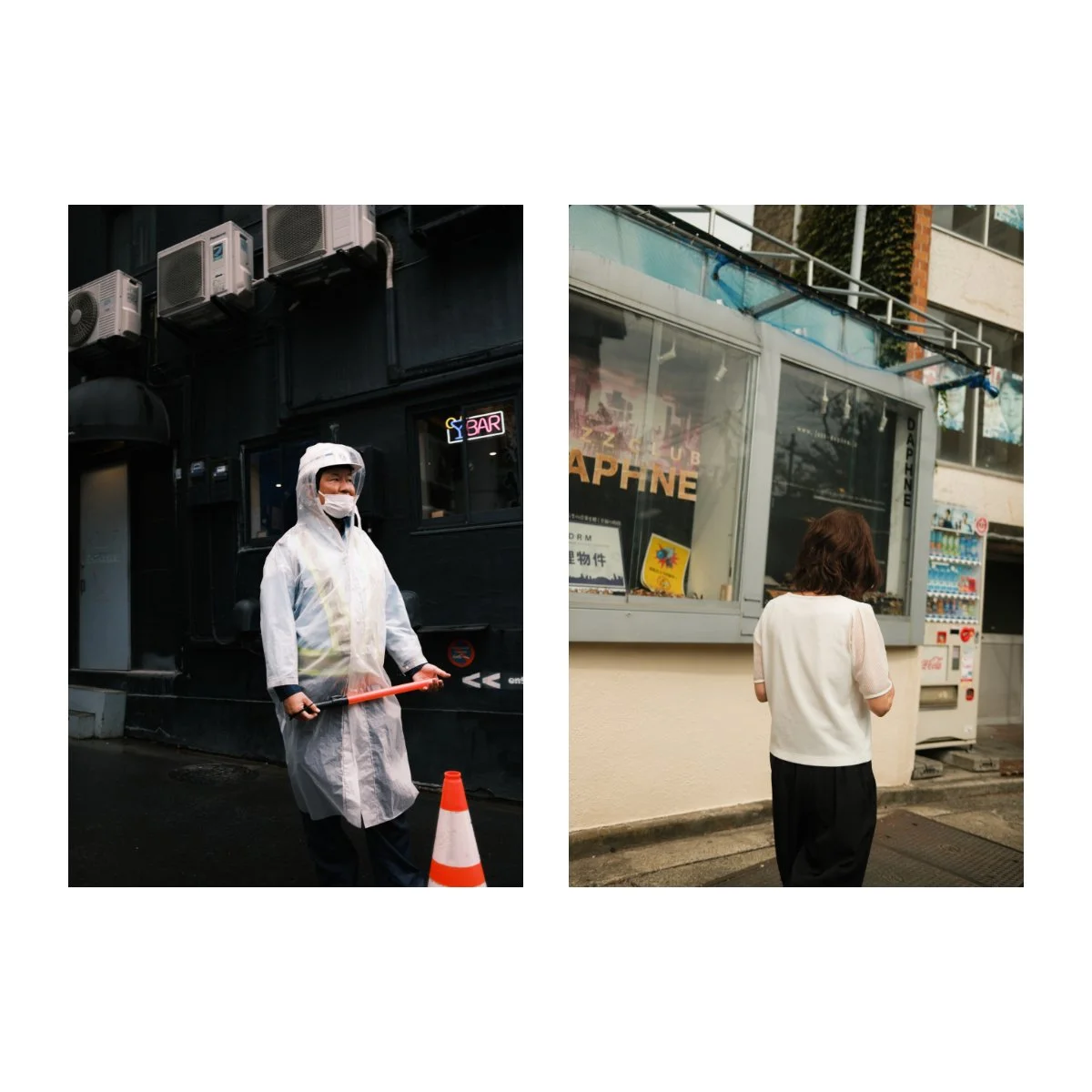
In contrast, most travel photos feel disconnected because they lack that emotion.
It’s just the same “back of the head” shot over and over again.
Which again, I’ve personally done too many times before.
This isn’t to say you shouldn’t shoot from behind.
Back of the head shots are easy to do, non-confrontational, and you can still get a pretty good result.
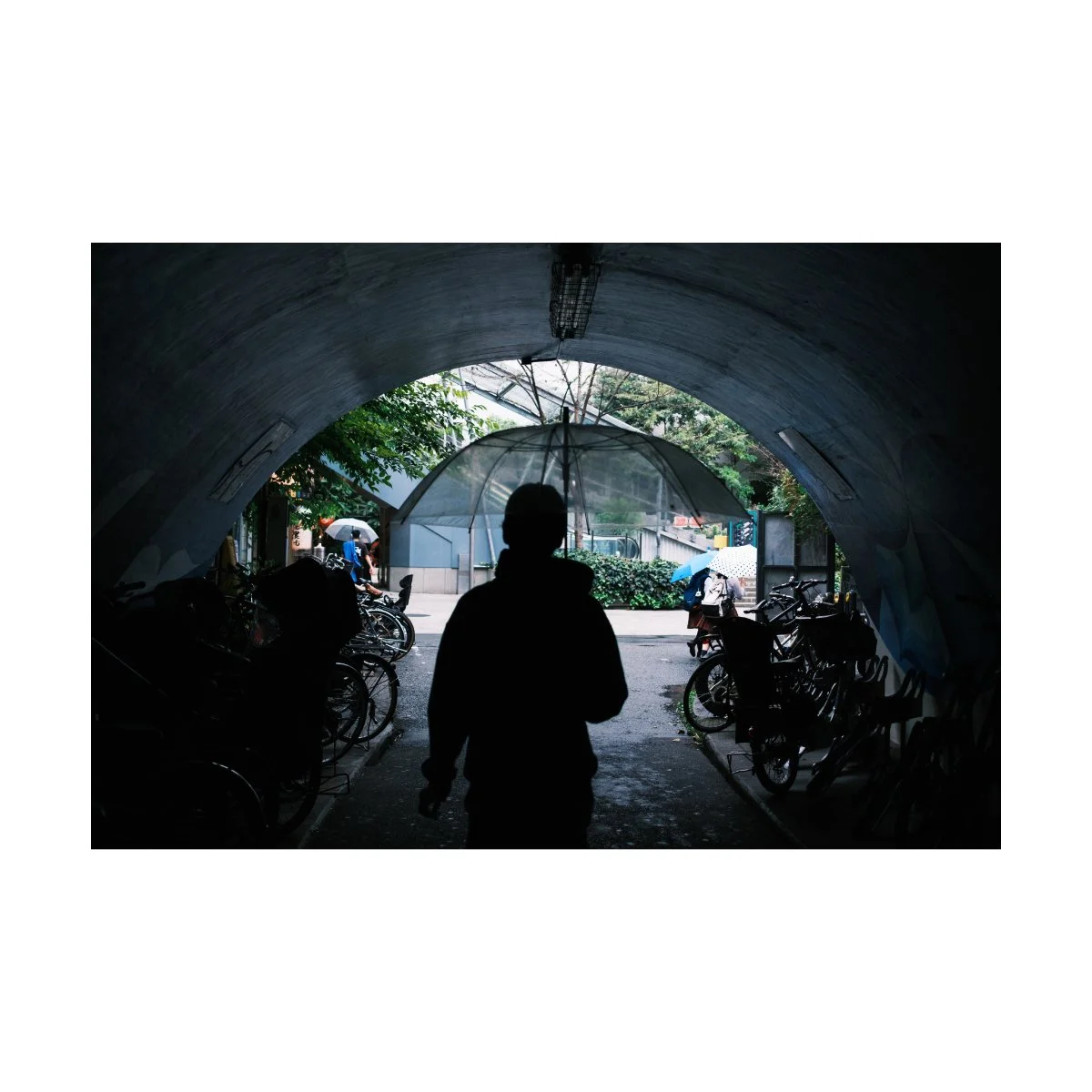
But they still lack the emotional connection needed from a person to get the right impact for our viewer.
So if we can learn to step outside of our comfort zone and start photographing people’s faces, our catalog will become that much more well-rounded.
You can do this several ways, the first being: just be bold and do it.
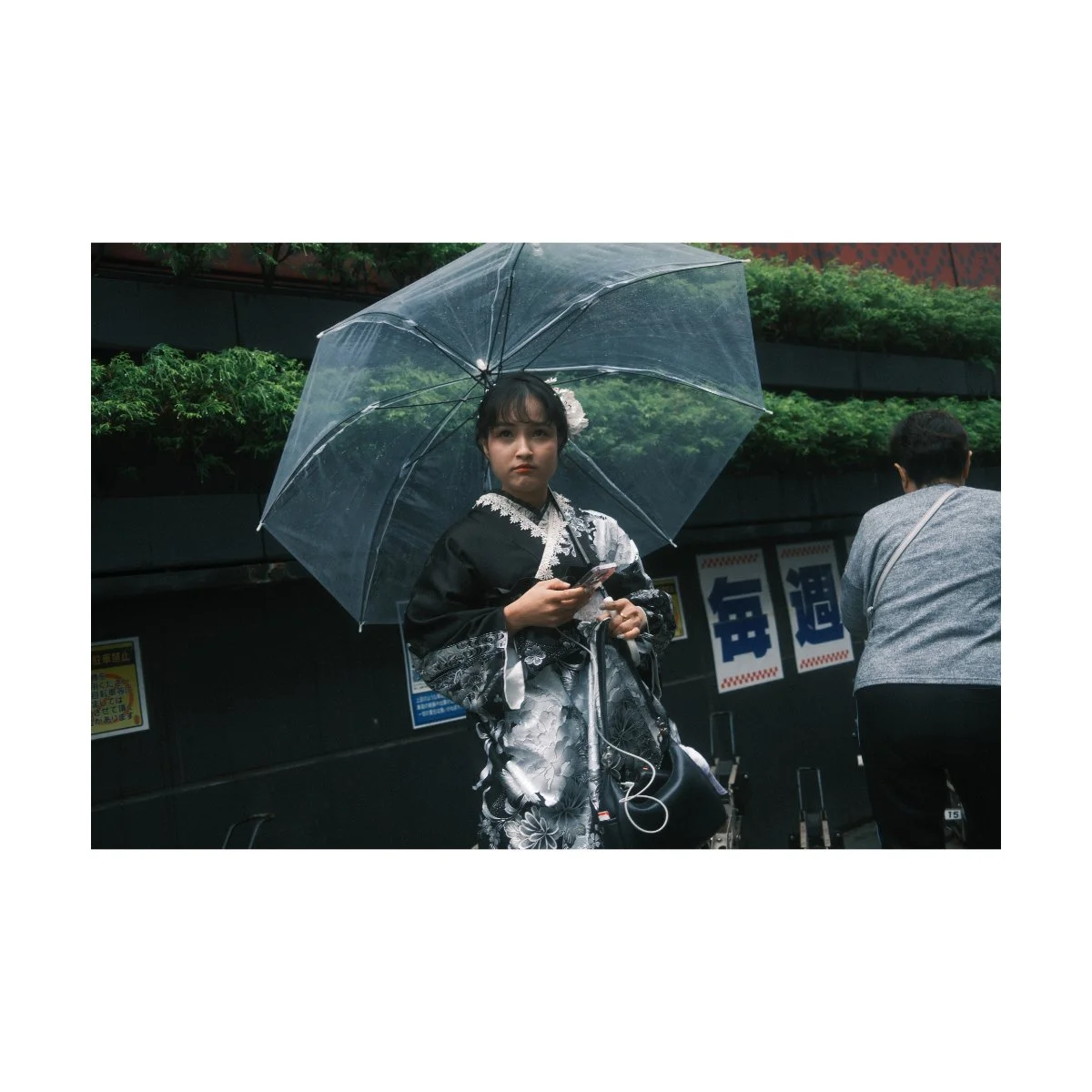
If you know the person, it makes it much easier, but if you do some form of candid photography, you’re gonna have to get comfortable photographing strangers.
Techniques like zone focus photography can help with this as well.
I’ve made full articles on both being bolder in street photography and learning zone focus photography, check them out.
Learning how to capture faces in your travel photography, although a bit scary, will be worth it.
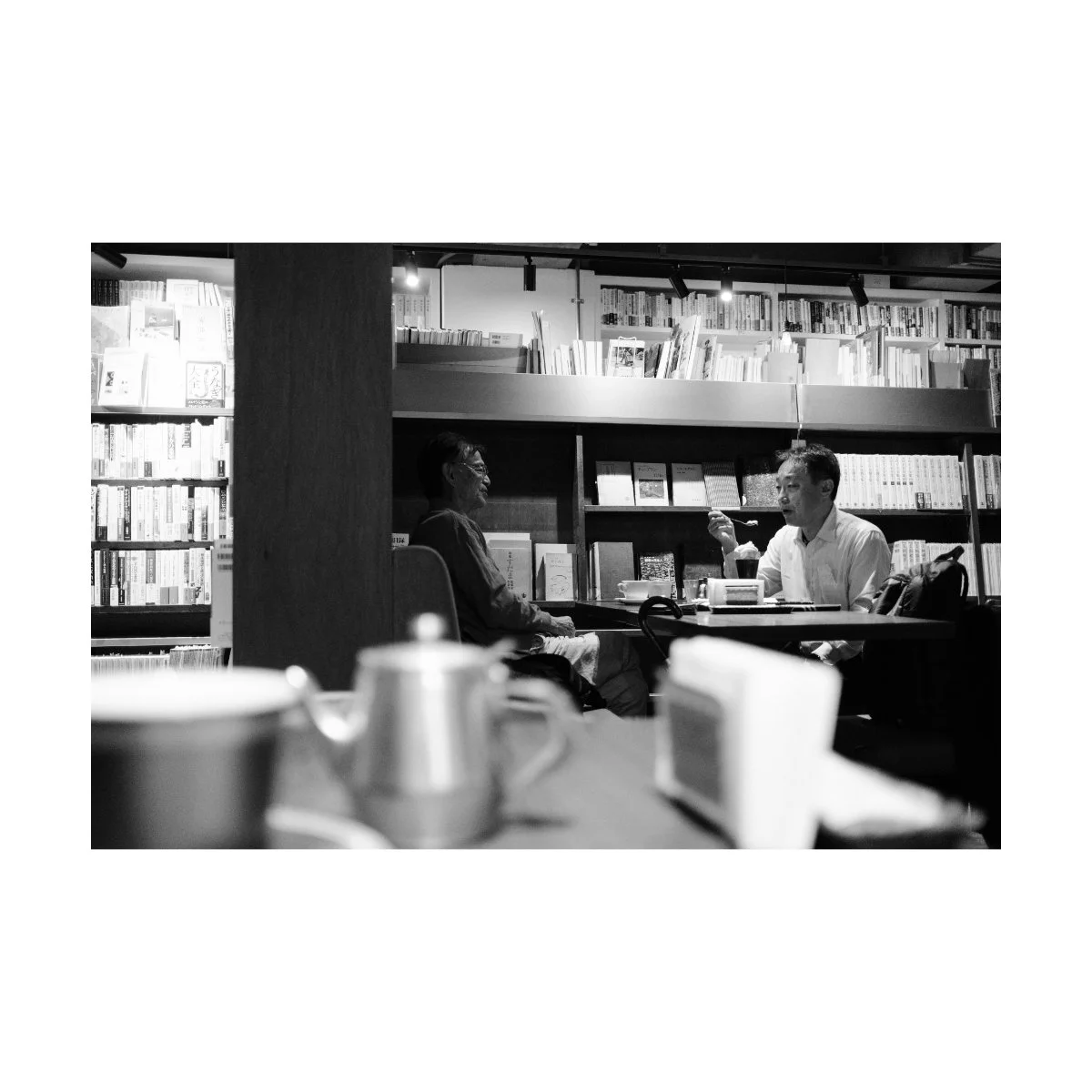
Because then your subjects will become less like subjects, figures taking up space in your shot, and more like people, who have a life of their own.
And you’ll notice how much longer your spend looking at a photo when there’s a face with emotion behind it.
It’s not necessary for every shot, but in the right moment, it’s the best way to make your photos more connected.
The Same Spots, Again
Perhaps one of the most frustrating parts about travel photography is spot hunting.
You’re going to this place far across the world because you have something you want to photograph.
It could be something you’ve seen on the internet or something you’ve heard from a friend.
They said “it’s worth it”, so you’ve taken their word and decided to go.
And you spend all this time planning, thinking, and waiting.
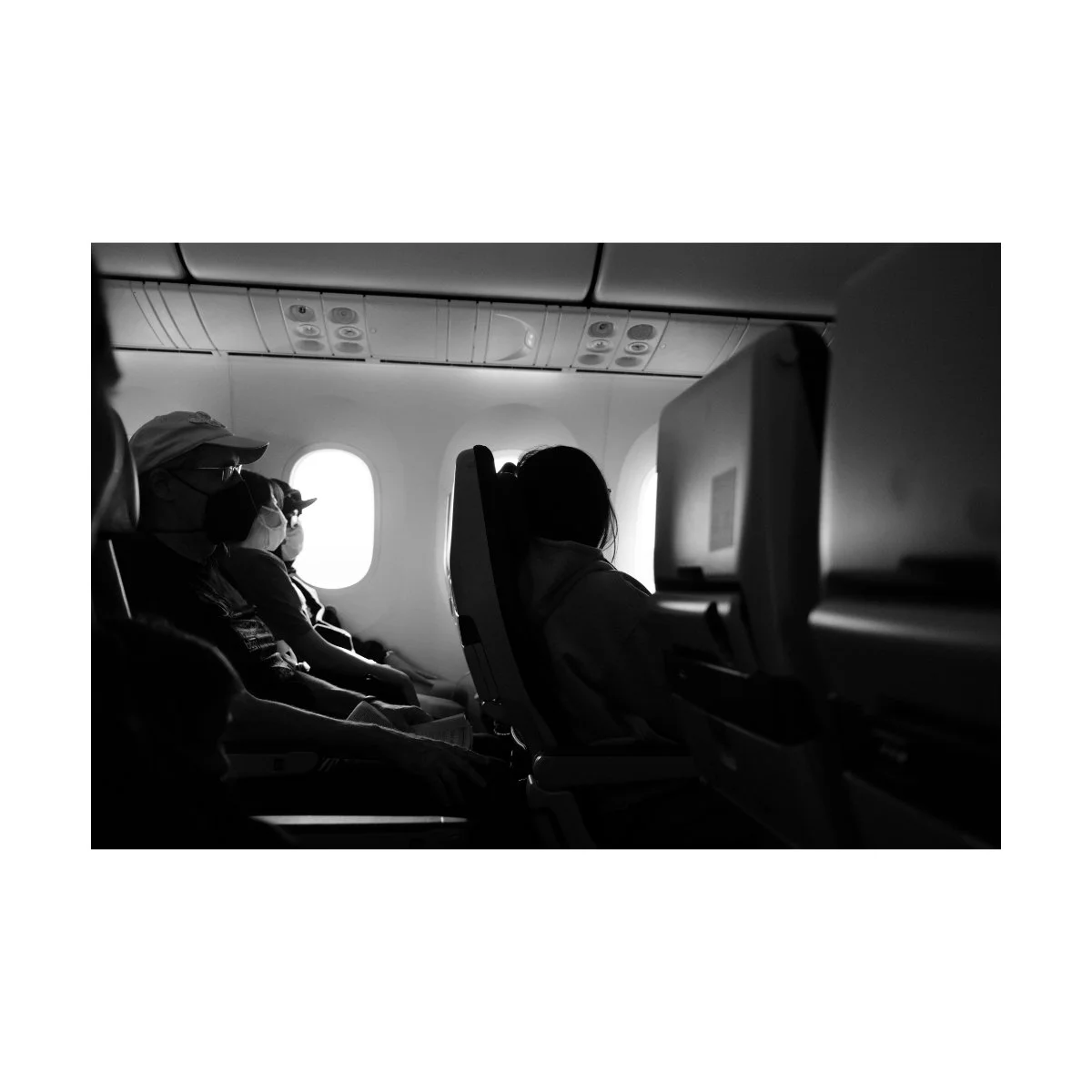
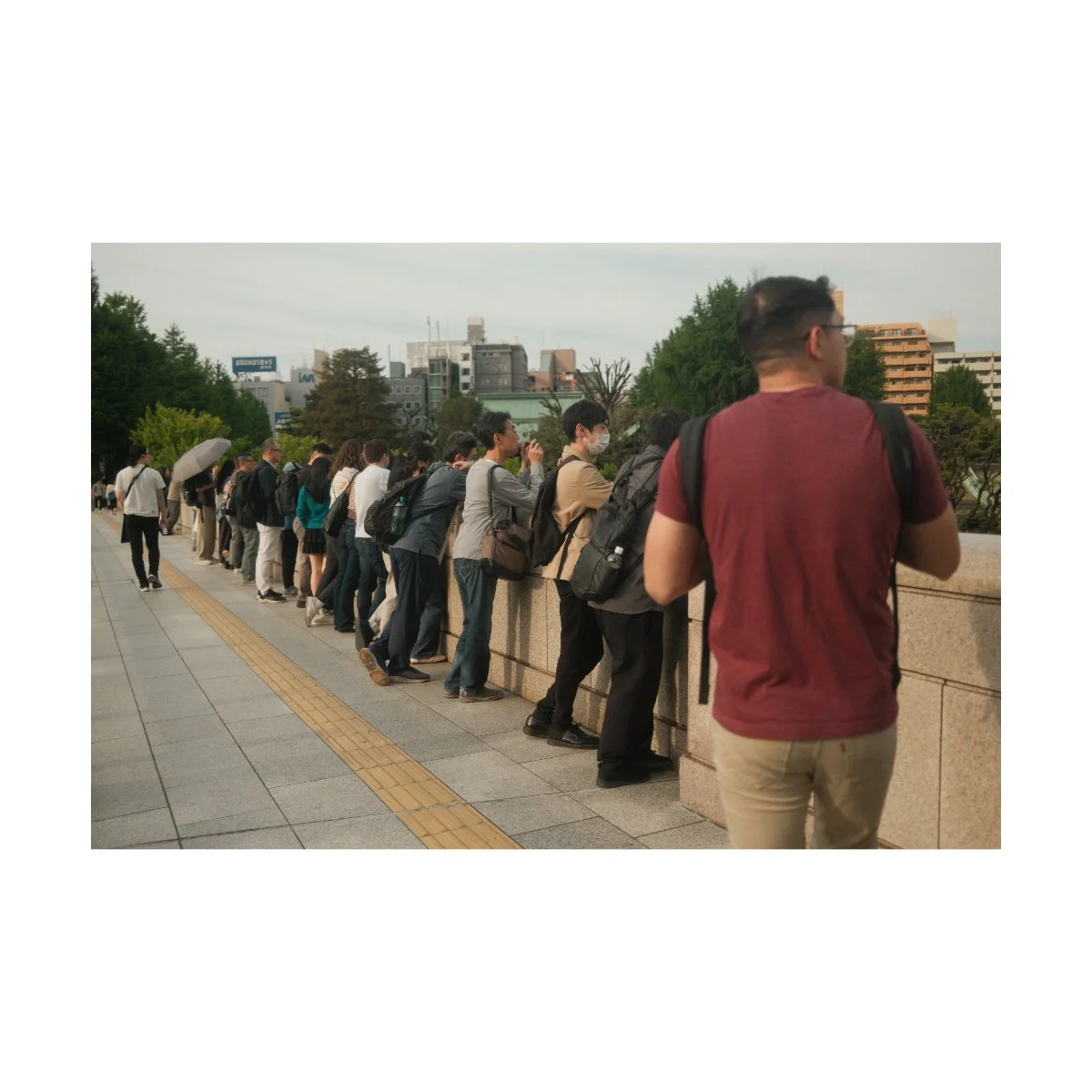
You take time off and travel all across the world, wake up early whilst jetlagged to get there at the right time, and you finally get to the spot, only to find that it’s packed, filled with endless amounts of people.
Or the view or destination is underwhelming, a shell of what you expected it to be.
That was my experience to Kyoto in a nutshell, and to a lesser extent, Mt. Fuji.
Landmarks like the Yasaka Pagoda and the Chureito Pagoda I had seen many times before online, and I really wanted to capture those shots.
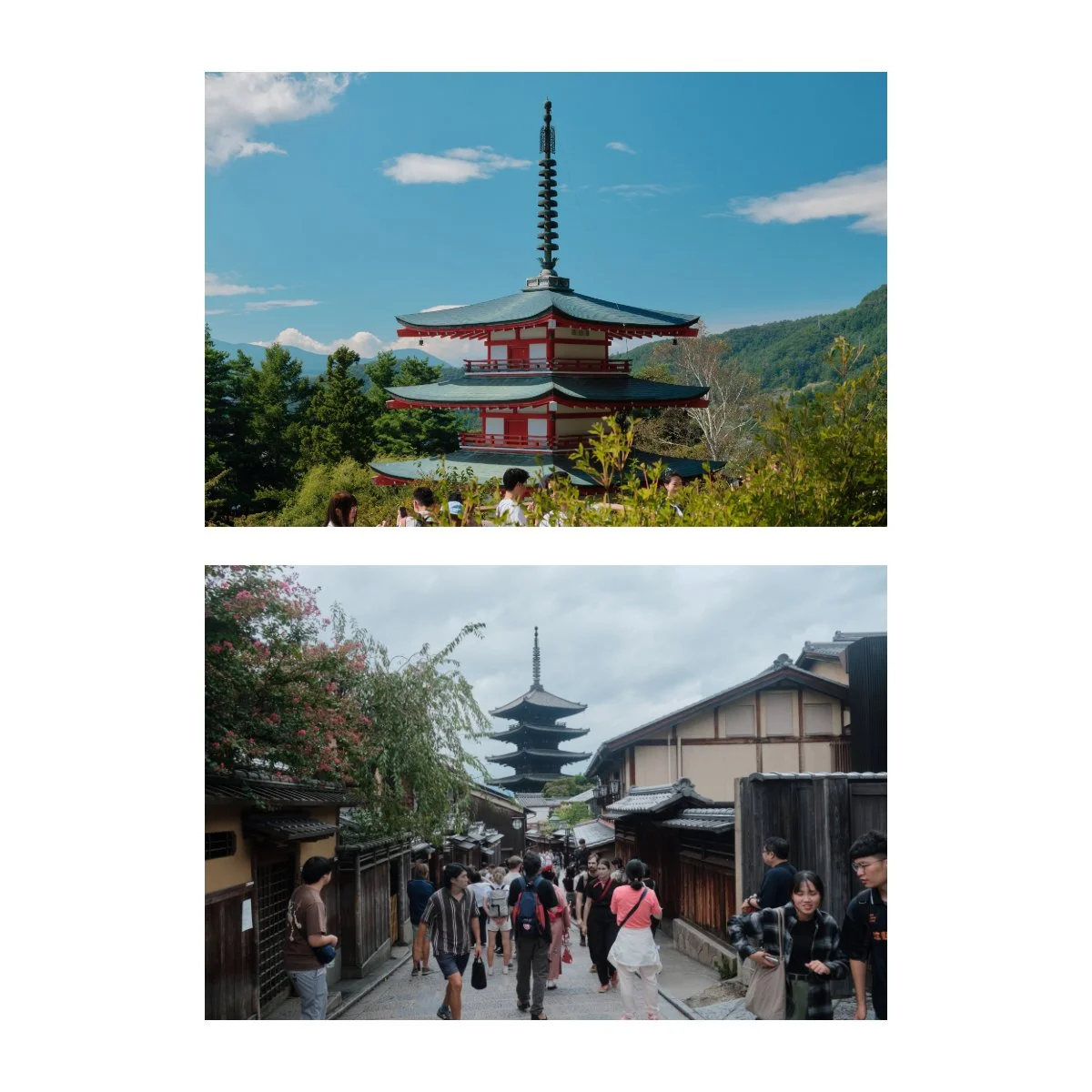
But those places were filled to the brim, which made getting shots without people in them tough.
I also wasn’t there at the best time of day or year.
It was still neat to see, but getting out there and experiencing it for myself, made me realize something important.
I learned, that if me and several thousand other people were taking the same shots of this view or structure, then our photos would look more or less the same.
There’s only so many different angles or viewpoint for this particular shot.
But it’s not as if these were the only beautiful views in the entire country, right?
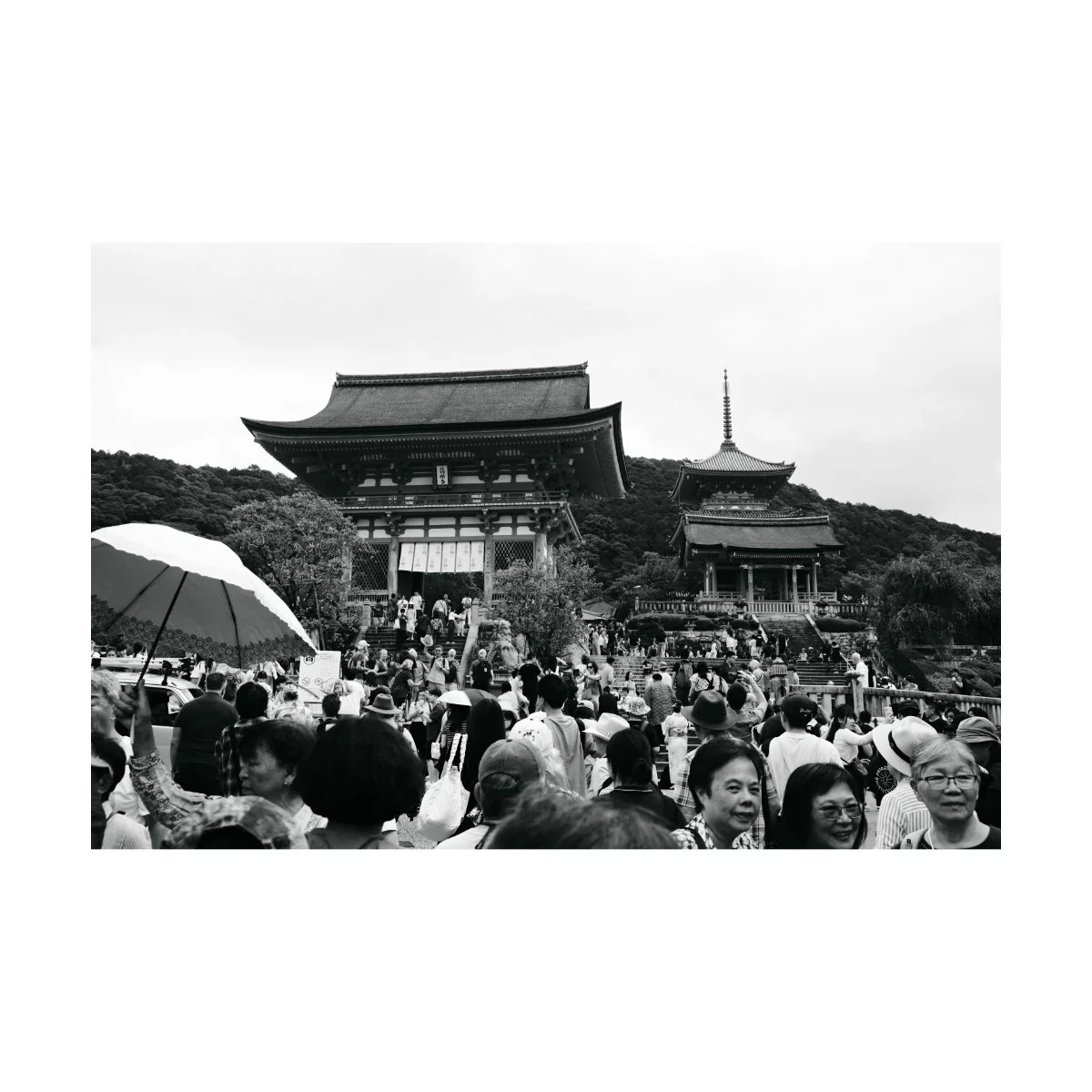
Popular spots are popular spots for a reason, but in the era of social media and Instagram, popular travel destinations have quickly become the “only spots” to visit.
Meaning, the places that gets all the attention online will get 90% of the foot traffic, and other lesser known, potentially just as good spots, won’t.
But if you want your travel photos to feel less disconnected, you gotta stop going to the same spots as everyone else, or else you’ll keep taking the same shots as everyone else.
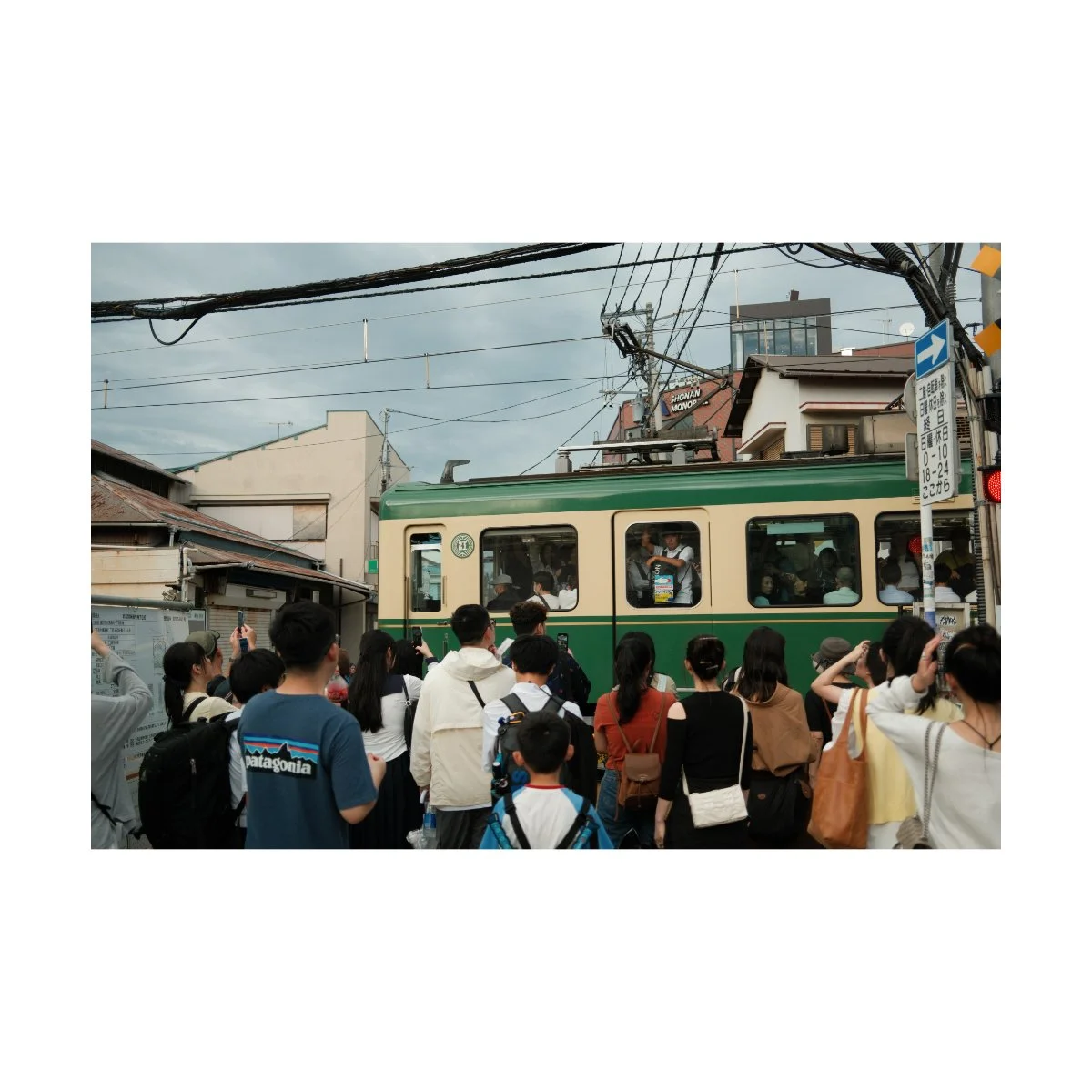
Similarly, many of these “hot spots” are just hot spots for tourists.
If you’ve been to a tourist trap before, you’ll quickly notice how few locals you’ll see there.
So ironically, unless you want to capture the “tourist experience” in a foreign country, it’s better to expand your range a bit.
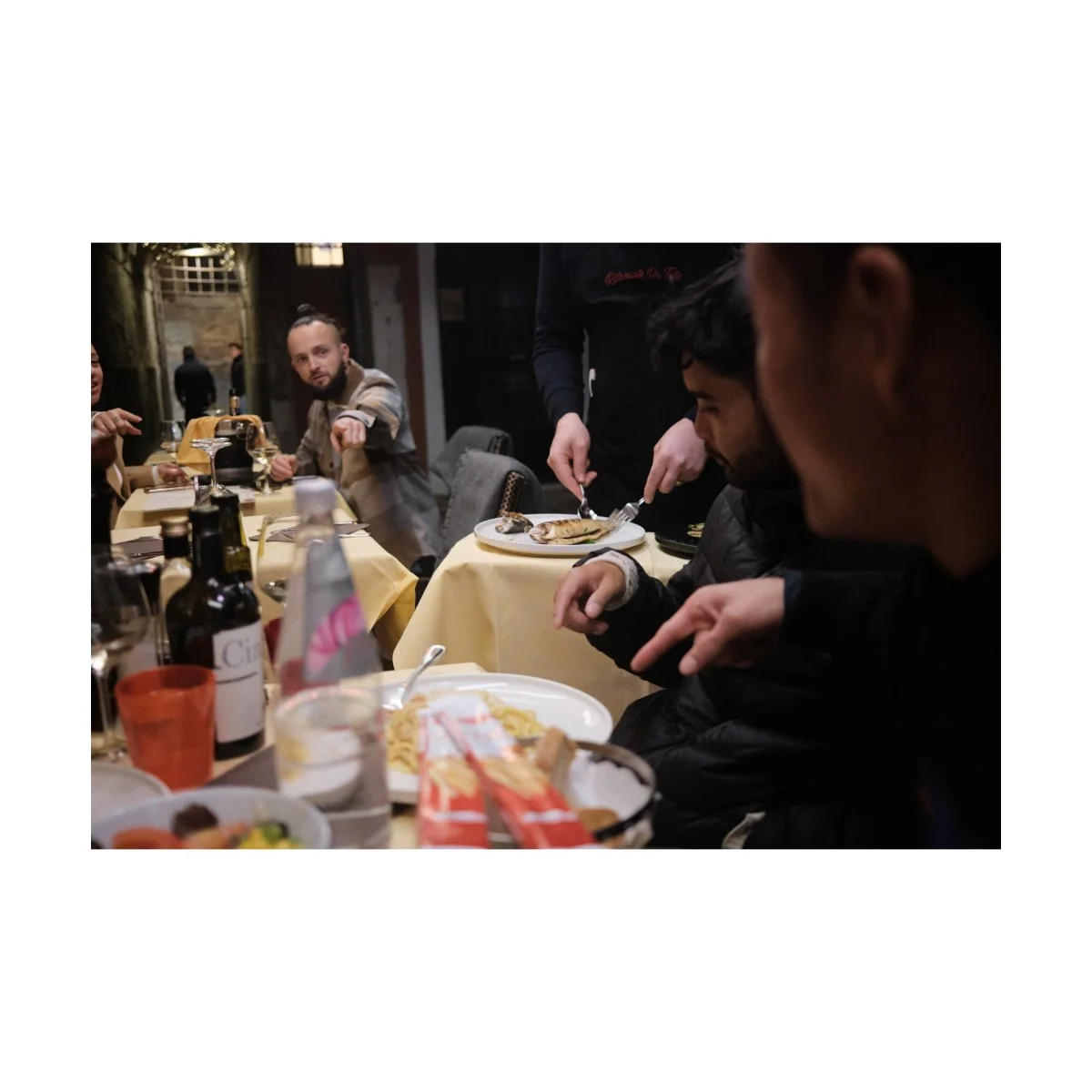
Start looking for little hole in the wall shops.
Ask some locals where they like to go.
Get off Instagram and find places that aren’t on your Google Maps in English - because that’s a key indicator of who that shop is marketing to.
And seek to find hidden gems and views that aren’t taken over by the masses.
They exist, trust.
It might be a little awkward at first, and maybe you’ll even be denied service, but the more you push yourself to go away from the tourist traps and into something more genuine, the more connected your photos will be.
Connect, Literally
So now we’ve learned to capture faces and look for hidden gems.
But ironically, we haven’t yet talked about the most straightforward way to make your travel photos feel more connected.
It’s to literally connect more.
And I mean this in the most obvious way.
I know, I know, this is a tough one, especially if you’re more introverted, like me.
But it literally makes the most difference.
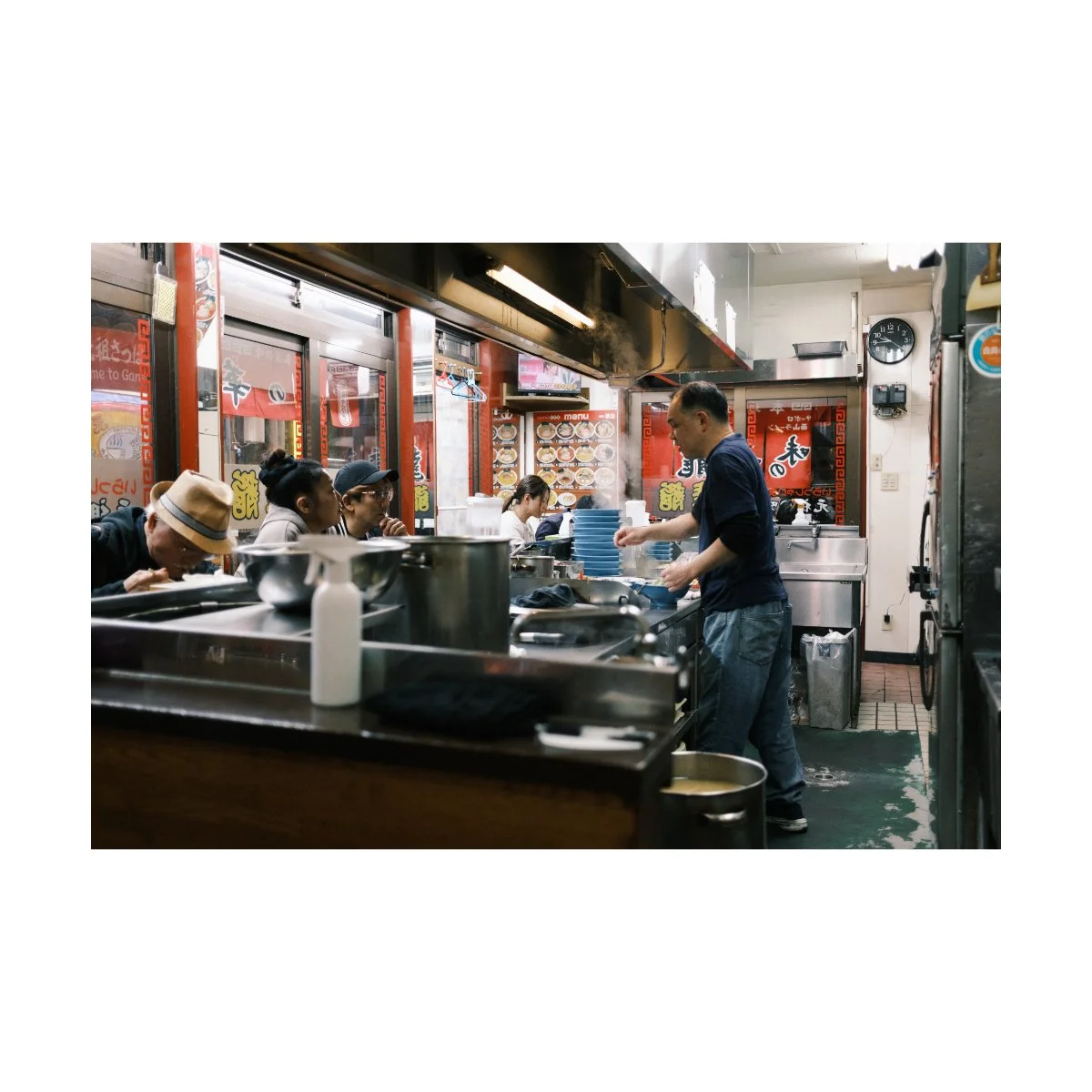
You see, all people, locals and tourists alike have different stories of their own.
It doesn’t necessarily mean you have to take pictures of strangers you meet, although you can, but talking to people in general may make you realize you’re more part of this foreign place than you thought.
And that can have a direct impact on the photos you take.
This can be the random guy you met in a hostel from Saudi Arabia that you explored the streets of Shibuya with, and got halal the first night after staying awake for 30 hours.
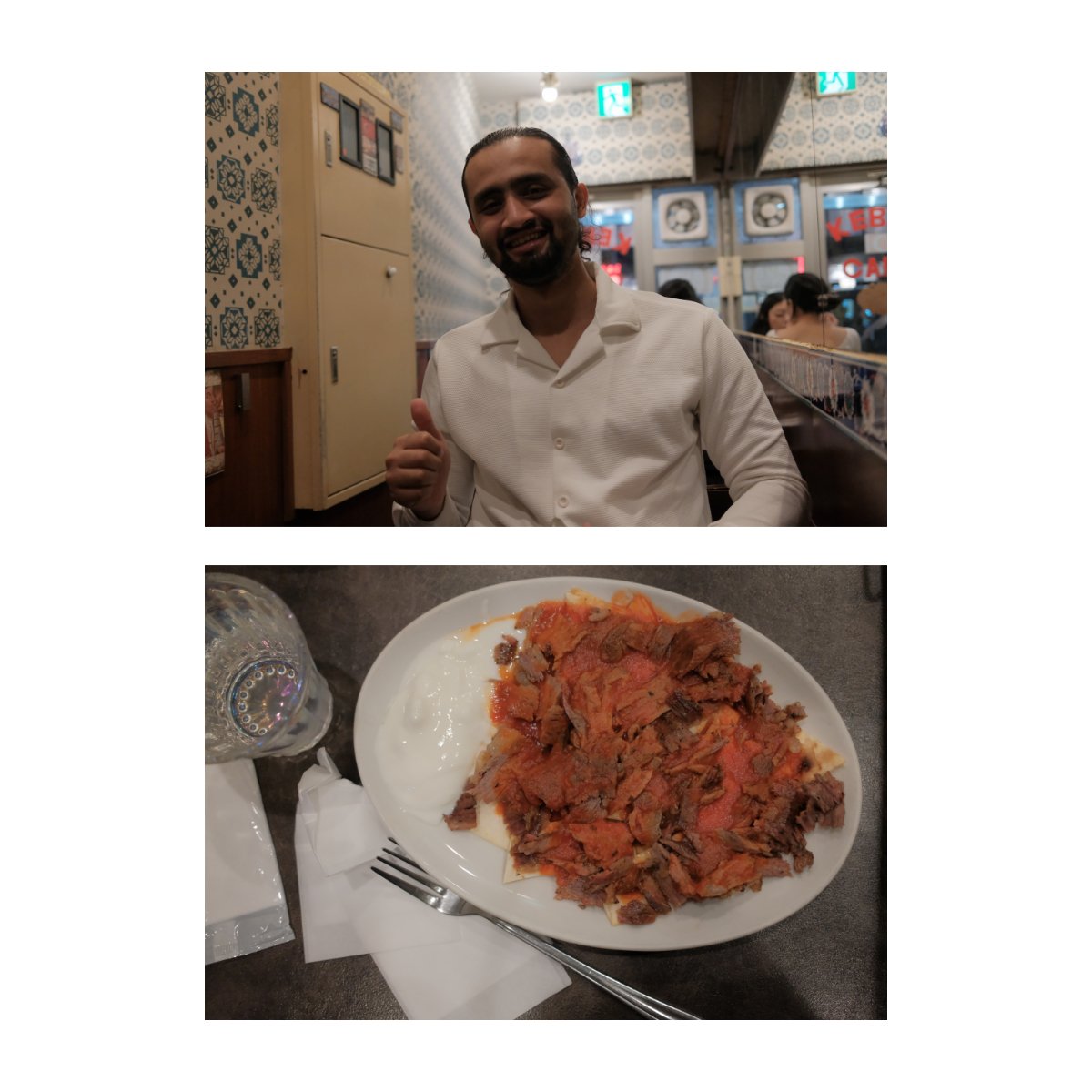
Or the nice girl at the coffee shop you met when coffee crawling outside the city center, that you had a nice conversation with.
Or the guy from England who just quit his job with no plan in mind and landed in Tokyo without knowing anything about anything there.
Or the couple from Spain who made it out to Fujiyoshida to catch a glimpse of the most famous mountain in Japan.
Or even the random Vietnamese guy you met in Paris working as a bouncer.
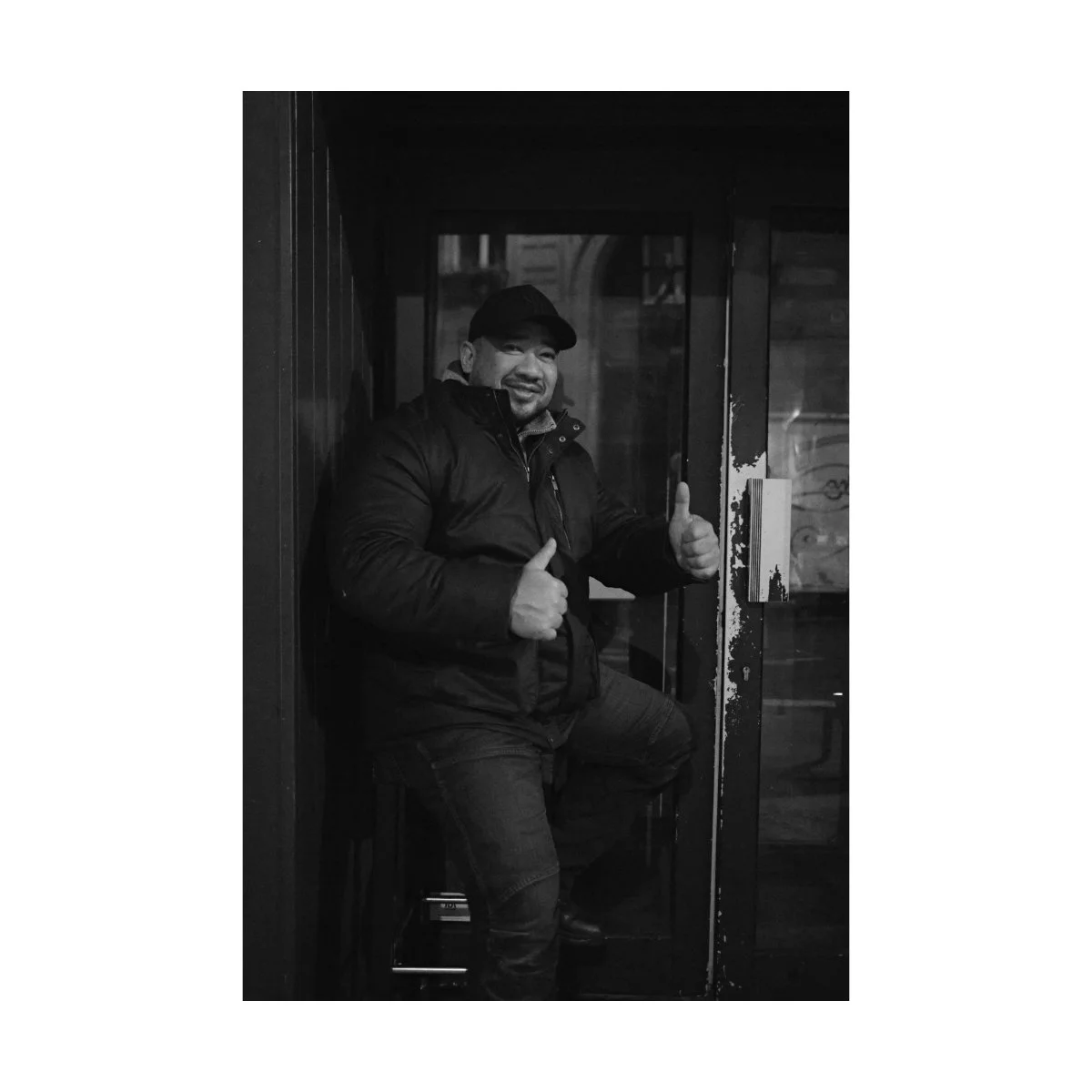
So many people with so many different lives that upon talking to them will make you realize how connected everything actually is.
Whether they’re travelers or locals, there are many ways to connect that will bring you into the place you’re at, and lead to better photography.
Because photography is simply a blend of what you the photographer sees and what the actual world is.
And what you the photographer sees is heavily influenced by perception.
So the people you meet and the people you talk to will change how you perceive the place you’re in, and thus the photos you take, whether it’s directly or indirectly.
You’ll also find yourself going to places and having little adventures you wouldn’t have expected, or have done alone.
Some of my best photos I’ve taken because I got lost and had to go on a 30 minute detour to find my way again.
So if your travel photos feel disconnected, and you want to make them more connected, the most impactful way is simply get more connected.
Whether it’s a fellow traveler at the hostel you’re staying at, the bartender on a late night, or someone random you bump into, meeting someone new and hearing their stories can open your world.
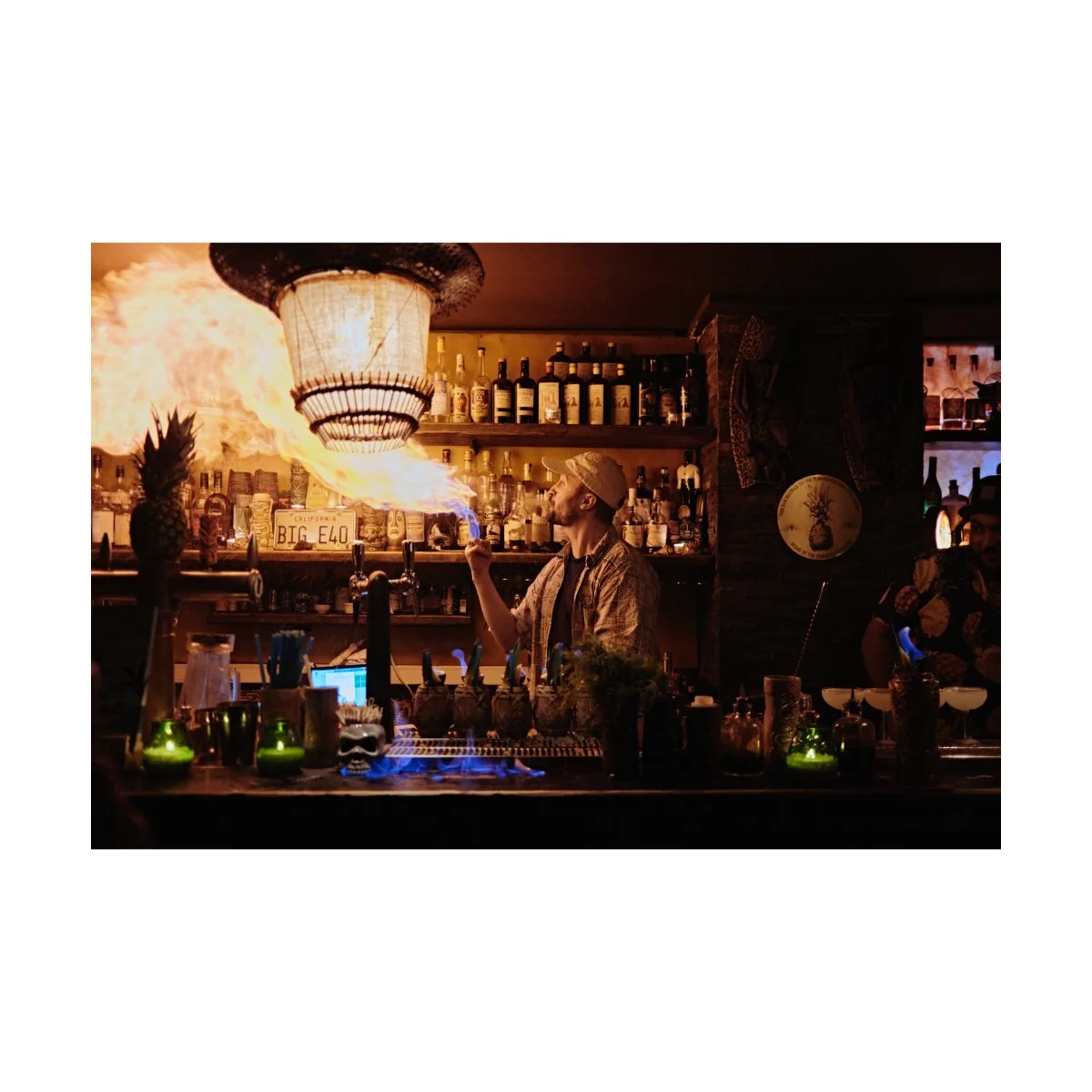
If you do these three things: learn to photograph more faces, find better spots that aren’t so tourist heavy, and literally connect more by talking to people, your travel photos will magically begin to change.
And it might not even be because you leveled up your compositions or changed your framing.
But rather because you learned to capture a side of the world you were missing or avoiding.
You could be the same exact photographer skill-wise, but your photos will feel completely different.
At least, that’s how it’s been for me.
So, I hope you found this useful - if you did, please share it with a travel buddy of yours.
If you want to learn more, check out either Photography Essentials (it’s free) or Photography Systems.
And stay tuned for more, happy shooting.