Travel fundamentally changes you.
Going to a new place, seeing new sights, meeting new people, and taking great photos.
Depending on where you go, the experience should alter your perspective of the world, because you’re opening yourself up to a new part of it.
That being said, there are endless lessons and learnings we can take from travel.
But if I could bottle up all of my experiences over the last 8 years and pick the eight most important photography ones, these are what I would choose.
Let’s begin.
The Gear You Buy
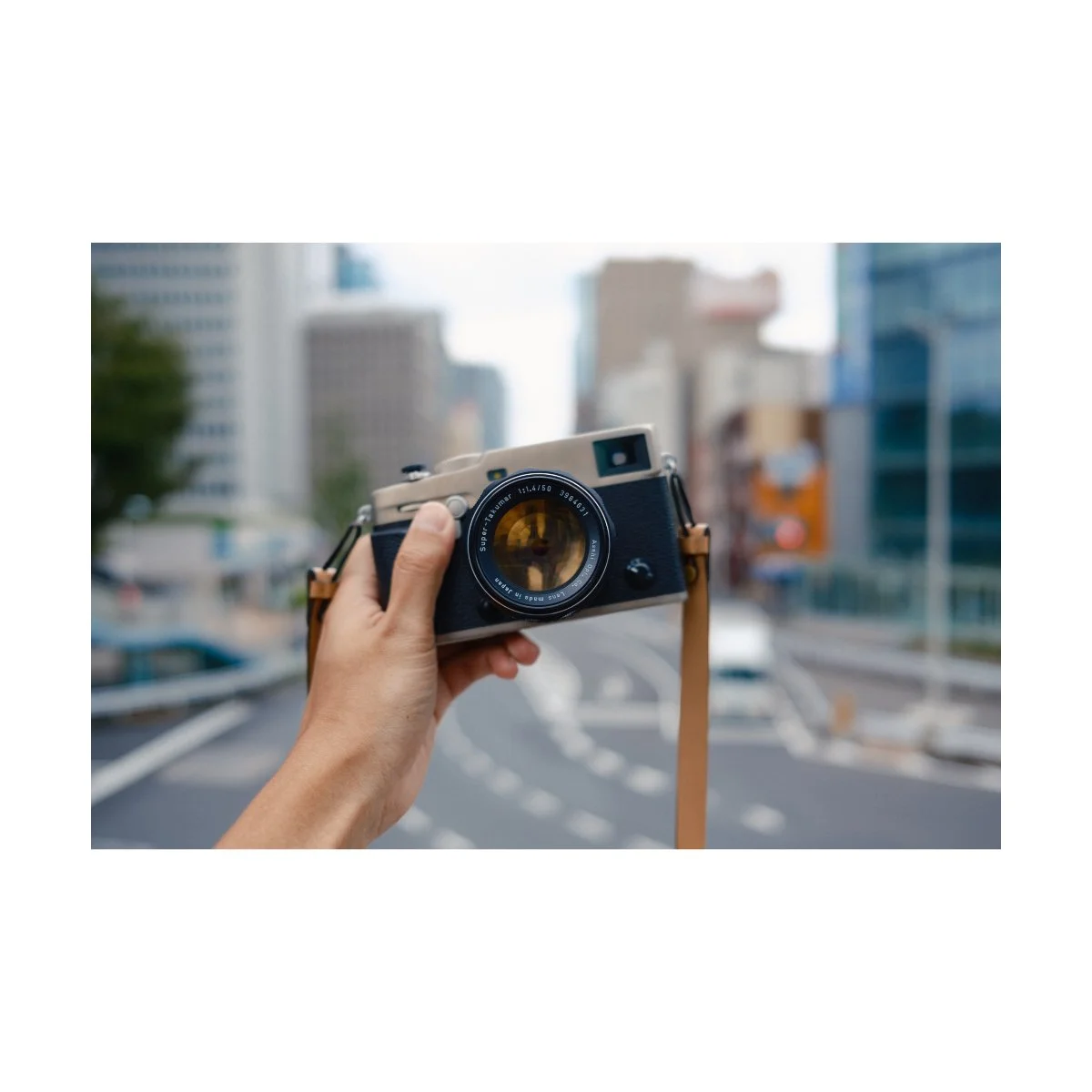
Recently I made an article called “The Cameras That Shaped My Photography (and what I’m using in 2026)”.
In there, I go through a list of the most important bodies and lenses I’ve used, and how each piece of gear changed or added to my current photography.
Reflecting on that, although there were tons of gear I sold and didn’t keep, each piece taught me a valuable lesson or filled a gap in my photography.
I shoot street and travel primarily with just the Fujifilm x100vi now, but it wasn’t always that way.
In fact, I’m only comfortable doing so because I’ve checked all these boxes, tried different gear, and fixed many weaknesses.
And if I didn’t go through that, I wouldn’t know why this camera fits all my needs, and may still be looking for other gear or other types of travel photography.
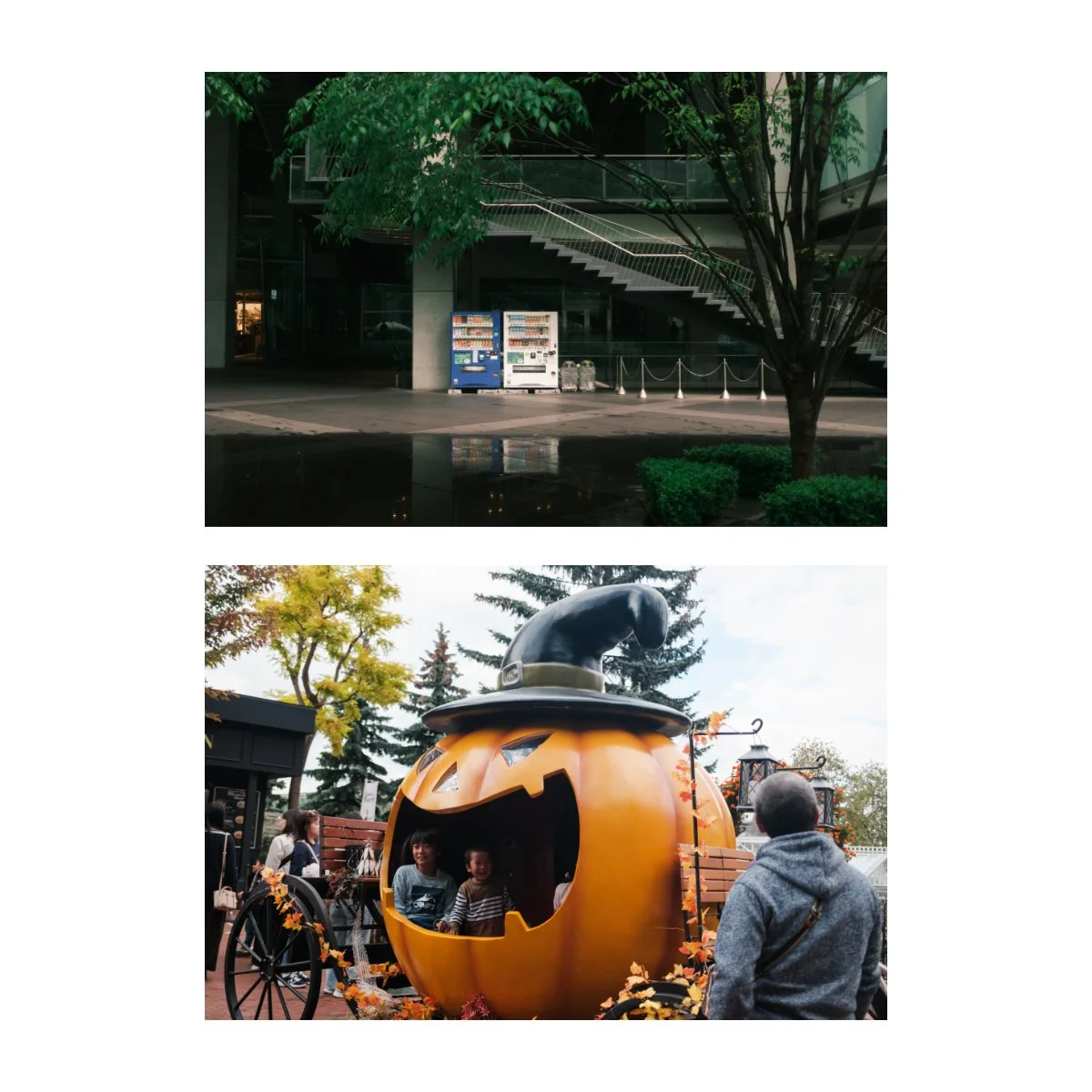
This is simply to say: not all travel photography is the same.
What you want to capture and what I want to capture could be completely different.
Travel photography can also get very niche or highly specific.
You could prefer intimate stories, getting to know people, and learning the culture.
Or you could simply enjoy the scenes, the landscapes, or even street based travel photography.
The gear you buy should aim towards what suits you and the photos you want to capture, not what everyone else is using.
Once you get clear on that, and start buying and using the right gear that suits you, you can get very specific on what you need and don’t need.
This brings clarity, and with clarity comes ease, and better work, because you’re no longer trying to do five things at once.
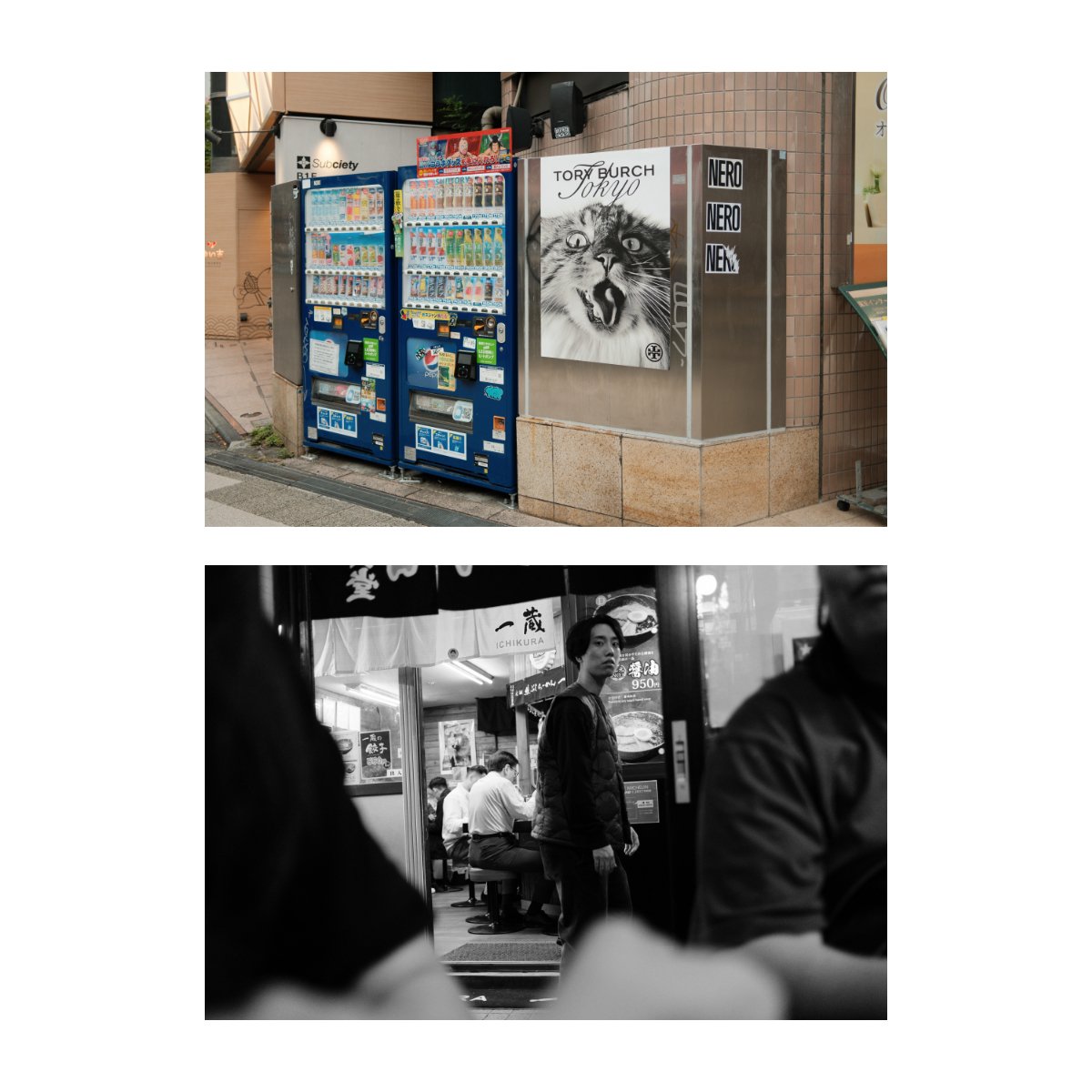
So for me, I personally don’t need a 50mm for my travel photography.
I also don’t need a super wide lens.
The 35mm eq on the x100vi will cover 90% of all my bases, and I’ll keep an 18-55 for the occasional sightseeing - if I need it.
I’m happy to say I’ve closed the door on many of these other types of photography, at least for now, which allows me to focus on what I truly want to capture.
This is a conclusion I’ve found over years and years of experimentation.
Don’t buy something just because someone says it’s good for “travel photography”.
Figure out what you want to capture first, then stick to the gear that suits you or makes it easier to do so.
Then, everything gets clearer.
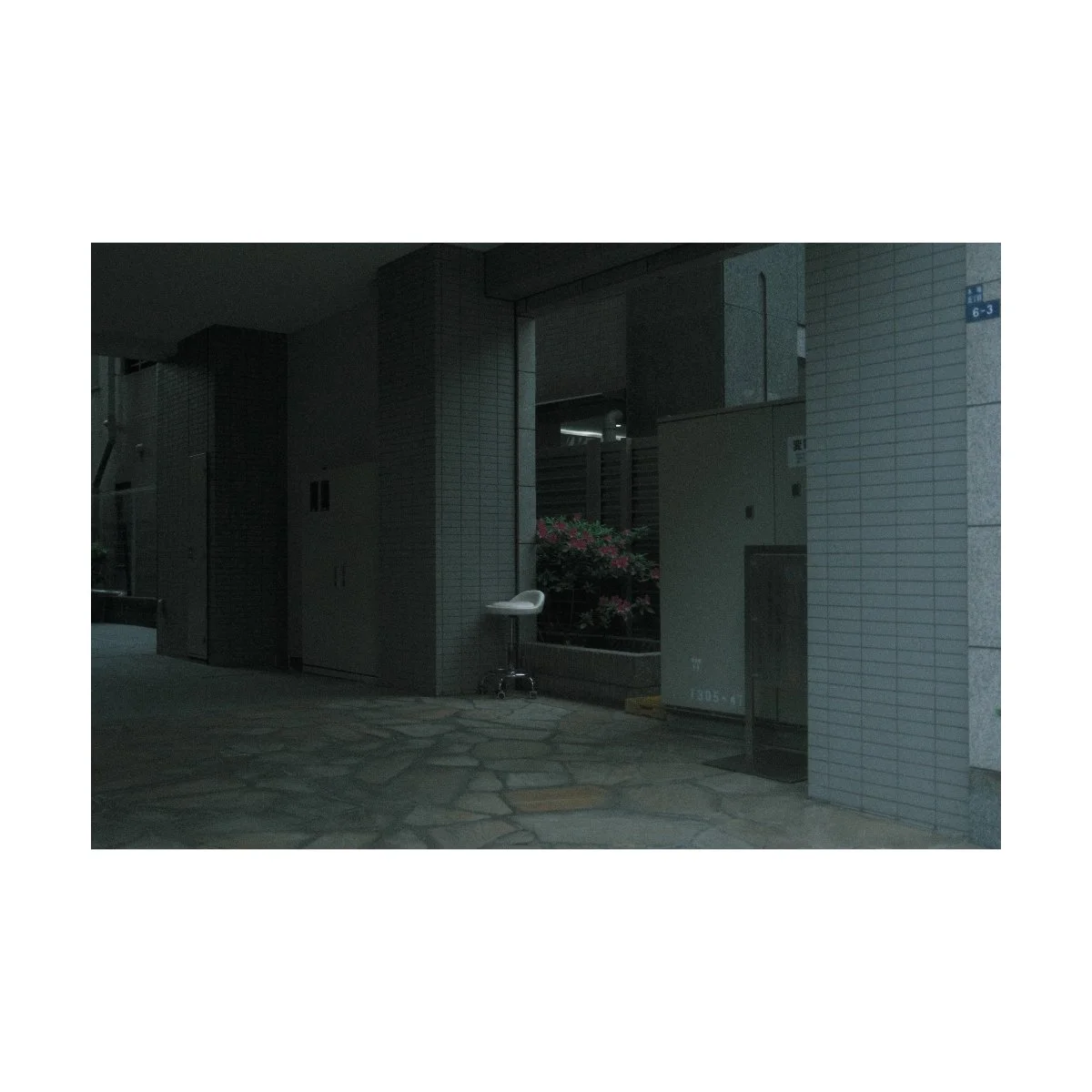
Take Less Photos
One of the biggest problems I’ve had over my years of travel was the accumulation of too many photos.
I’d go on a trip for a few weeks, snap away, and then come back with thousands and thousands of photos I’d have to sort through and edit.
And it’s a nightmare.
Because it feels like I’m on a never-ending treadmill.
More and more trips come by every year, whether it’s something small like camping or something big like a different country, and I get bogged down by this endless archive of photos.
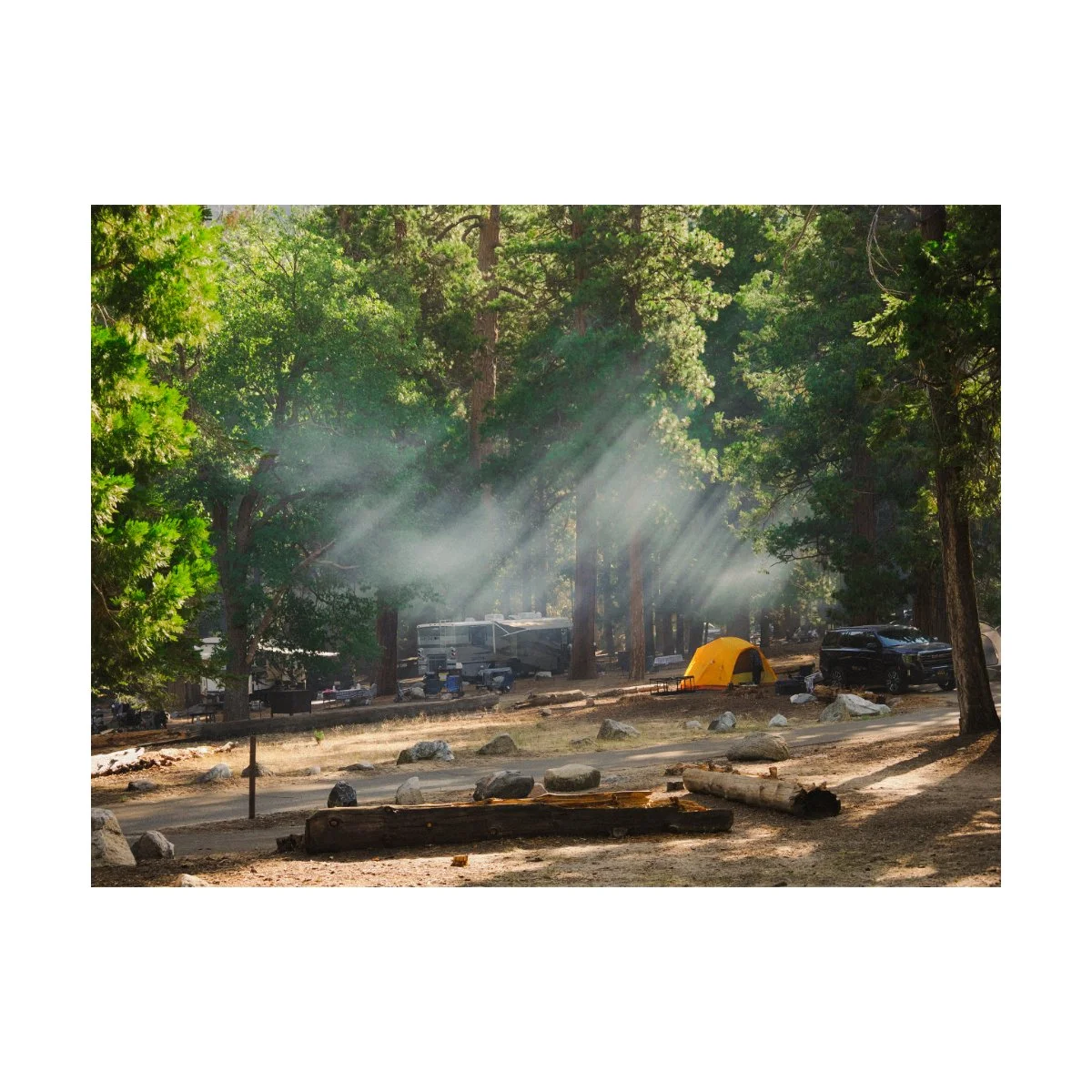
But this year, in 2026, I’ve finally had enough.
I’ve realized there was no way I’d ever get through everything with the way I was shooting and editing, and I needed to change my whole workflow to keep up.
Which meant two things:
Take less photos.
More ruthless culling. (and a faster editing method)
Culling we’ll talk about later in a workflow video, but let’s talk about taking less photos for now.
If we want to lessen the backlog of photos, the simple solution would be to take less photos to begin with, right?
Right.
But although this concept is obvious, it’s not so easy to do, because it requires self-control and self-trust.
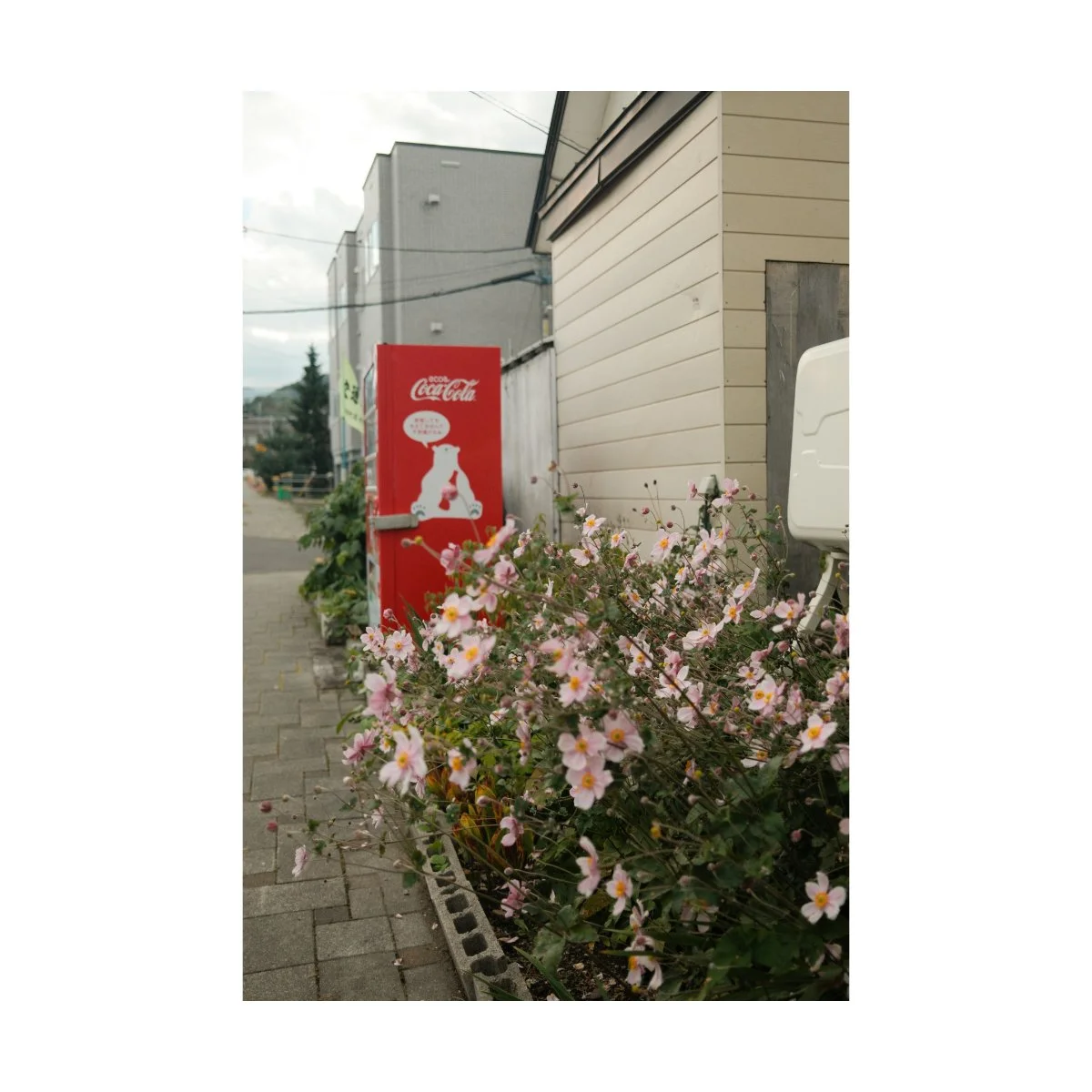
Too often in travel we get trigger happy.
It could be a new scene, a new place, or just an ordinary street.
We snap away taking pictures of things that aren’t really good photos, we’re just excited to see something new.
I’ve done this on too many occasions in the past, and it’s left my hard drive filled with thousands of photos that just suck.
Understanding this, we need a little self-control to prevent us from firing the shutter.
So nowadays, instead of taking a photo whenever I feel tempted, I first ask myself, “Is this a photo work taking?”
It’s a simple directive, but you’d be surprised how often you’ll find the answer being:
“No, this photo is going to suck anyways.”
So self-control in this context means: don’t take a photo you know is going to be bad or mid.
It sounds obvious, but you’d be surprised how many times we break this rule.
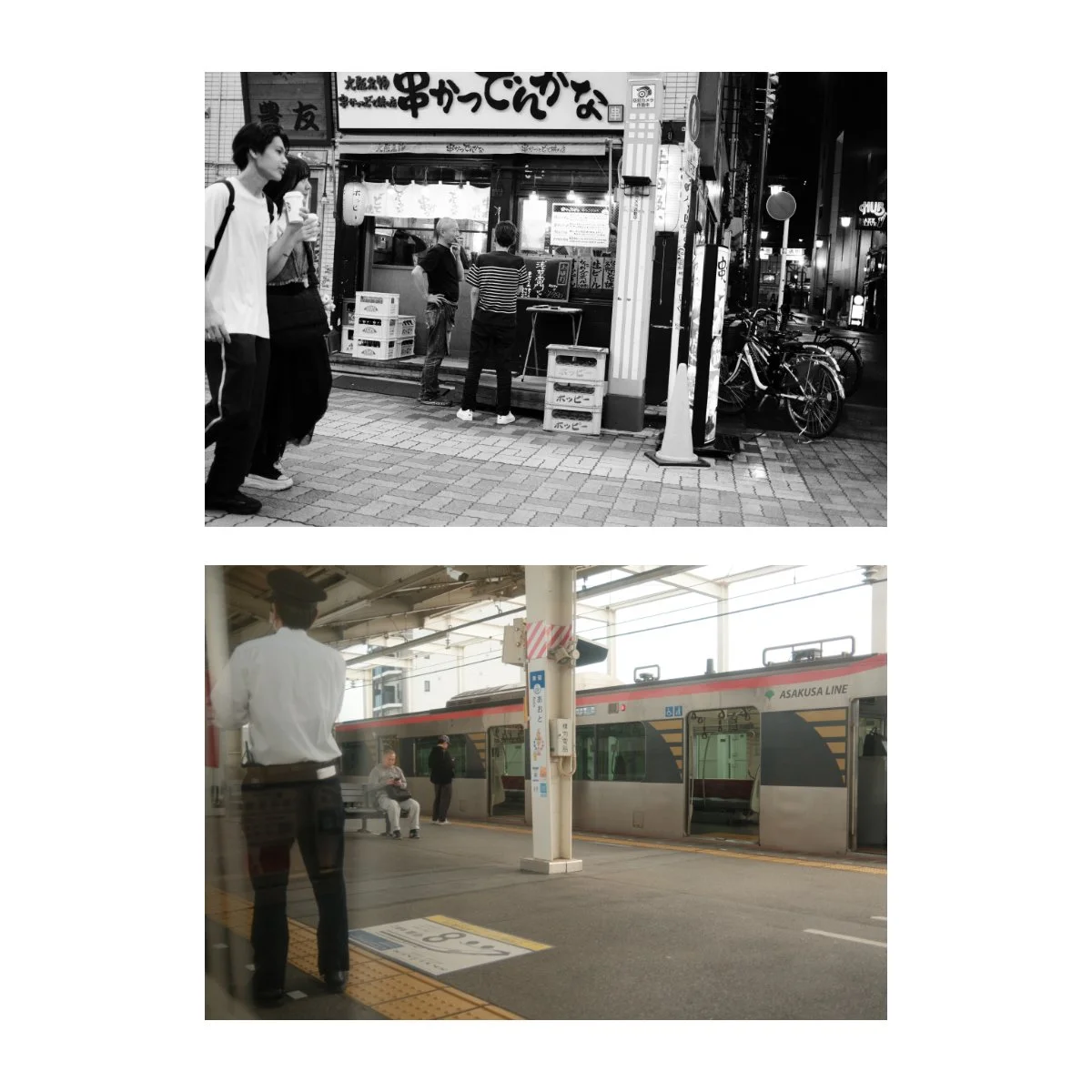
The hard part is the worry or anxiety we might have about our limited time in this place.
We think the moment is going to go away.
“What if I don’t get the shot? It’s never going to happen again.”
“If I don’t take it now, when’s the next time I’m going to come back to this country?”
And so we take a bunch of pictures we never end up using anyways, because they don’t look good.
But trusting yourself as a photographer, that you can distinguish bad from good, and that you have taken this exact photo before, and it sucked, meaning you don’t need to take it again, is the key.
Yes of course, you do want to leave room for experimentation, because sometimes off-hand photos can turn out good.
But simply asking yourself that question before firing the shutter will save you from plenty of poor frames.
Having the self-control to let some shots go, trusting you’ll be able to capture it when the moment comes, and allowing yourself to live in the moment.
All will contribute to taking less, but better photos.
Less is More
At the end of the day, much of travel photography is just travel.
We save up for a trip to go to some place we’ve been thinking about for years.
We want to bring this lens, that lens, and “Oh, but what about this camera?”
And then when the time comes, we’re lugging a bag full of 3 bodies and 6 lenses.
We have to pay for extra baggage weight or maybe check-in an extra bag, and then we worry about our stuff getting tossed around and damaged on the flight there.
We bring all this stuff to cover our bases thinking we need it, spurred by the urgency and limitedness of a vacation, but we forget about the whole “travel” part.
Because although having 6 lenses to get every shot might sound great, carrying that all around is a traveler’s nightmare.
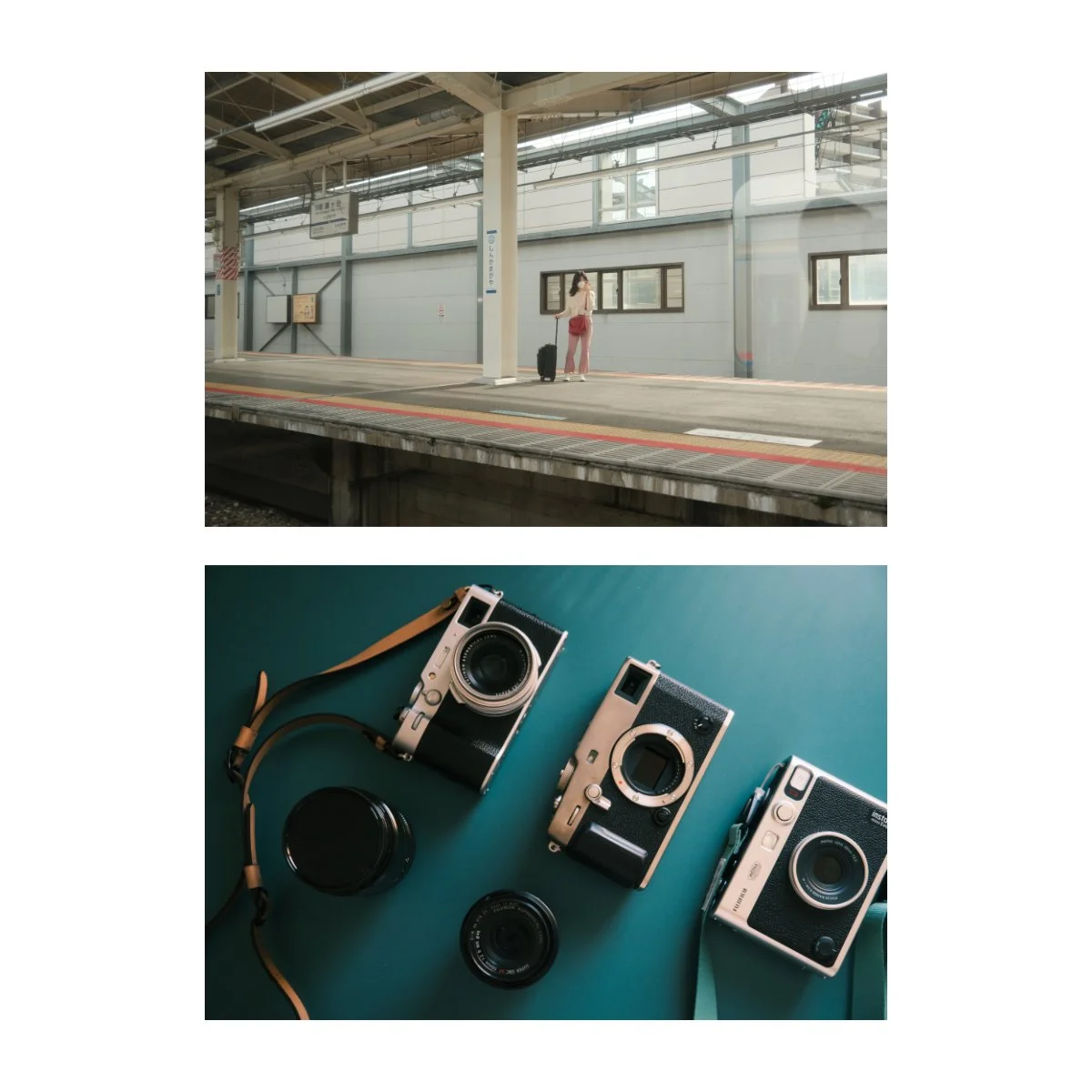
So remember, for travel photography, less is 100% more.
And travel itself is 100 times easier when you bring less.
Your anxiety may provoke you and tell you bring more, but when the time comes you’ll probably end up just using one body and one lens for the majority of the trip anyways.
Because it’s so much easier to just use what’s on hand than rummage through your bag and switch lenses.
We’re creatures of convenience - unless we’re super serious landscape photographers on a mission to get that bucket shot, we’re more likely going to do what’s easiest for us.
Meaning find the body lens combo that gets 90% of the job done.
The rest, just leave at home - you won’t miss it.
Don’t Be in a Rush
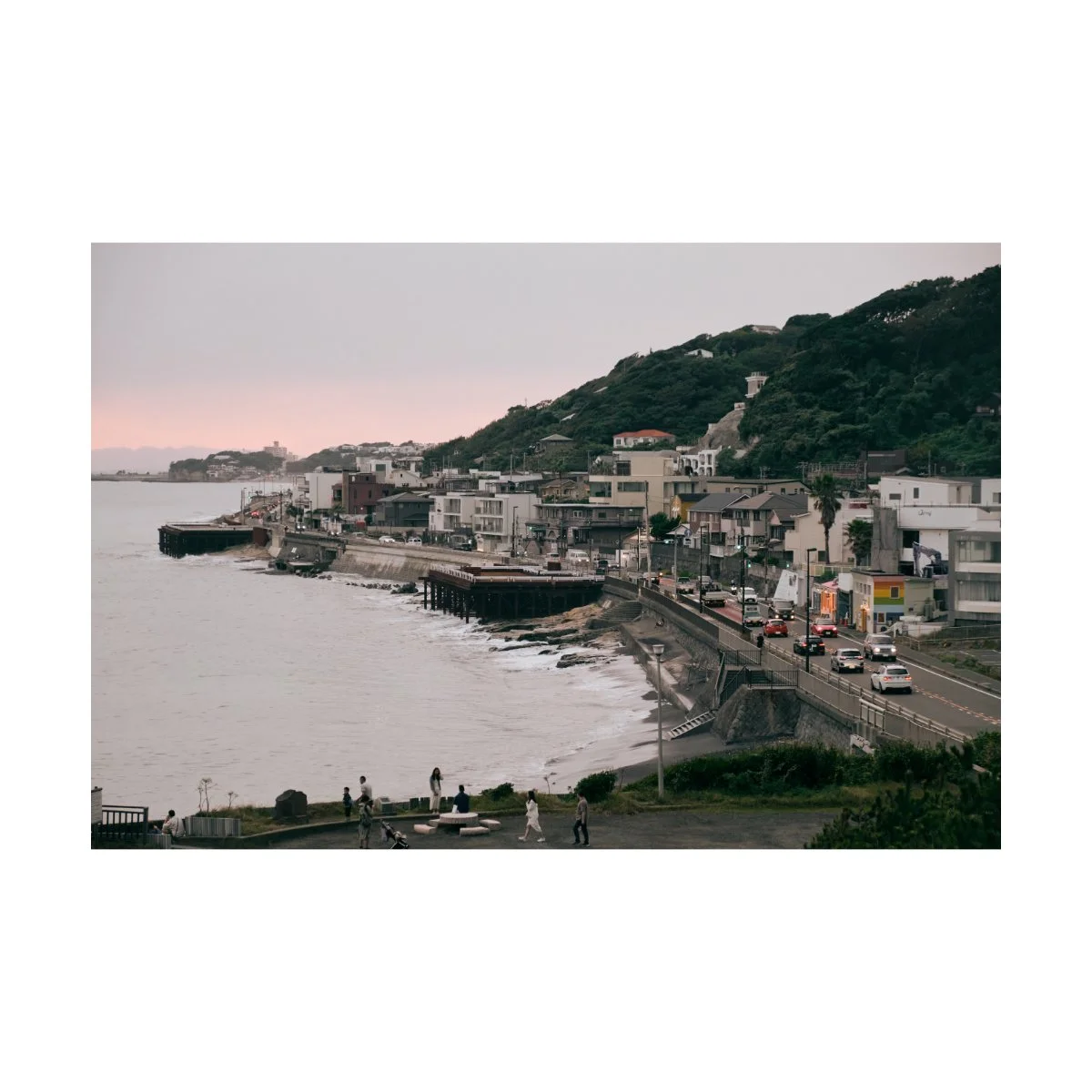
Recently I’ve been sorting through an archive of images from my Japan trip in 2024.
In there, I got a lot of decent shots, but I also noticed much of what I did wrong.
And I’d find myself deleting hundreds of photos that just weren’t great.
The problem was, I was snapping away at people and buildings I found interesting in a flurry, but few of them were substantial, intentional, or usable.
Thinking back on it, the issue I had was rushing too much.
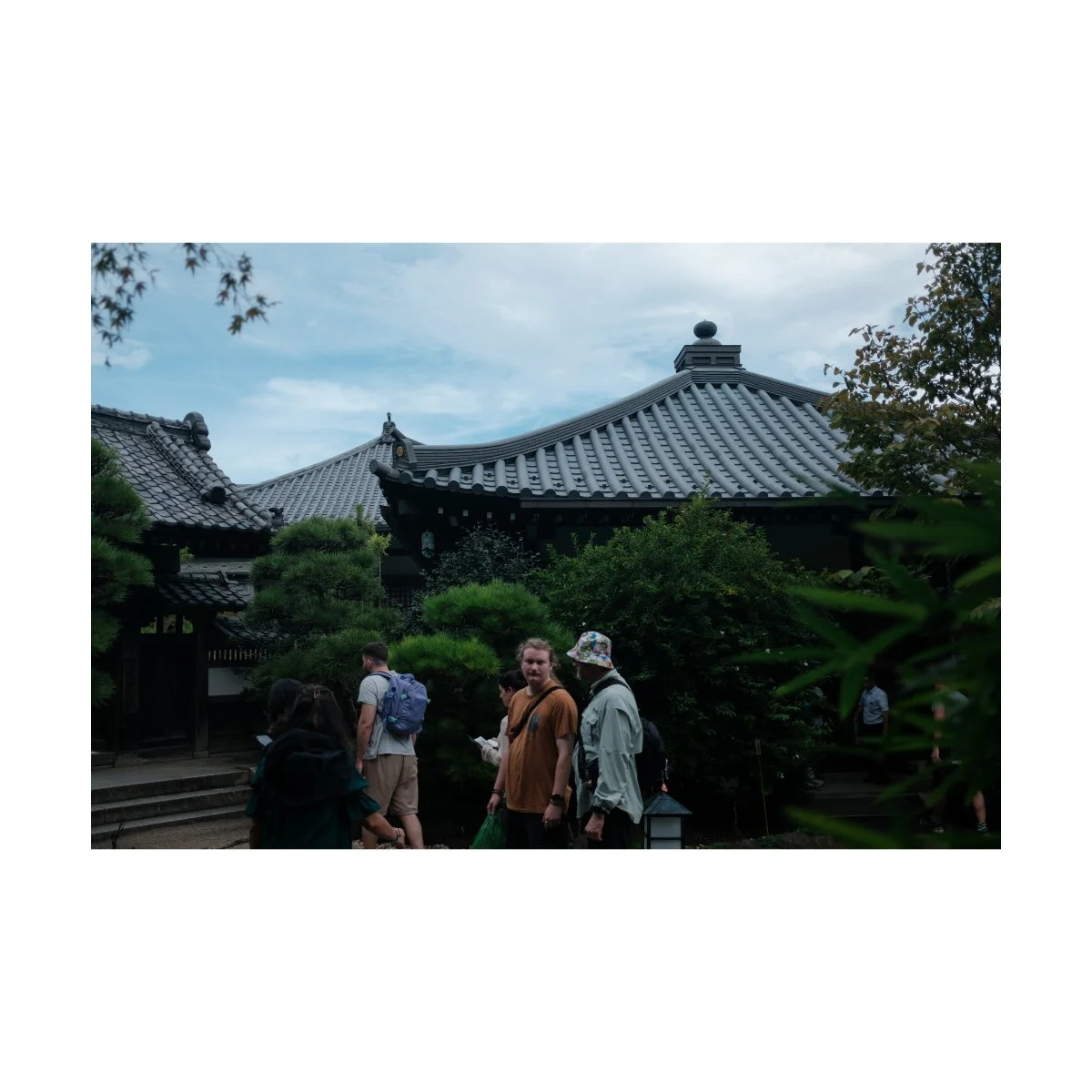
Back then, I was less comfortable with street photography than I am now, and for some reason I didn’t want to be seen taking photos.
So many of my shots were drive-by photos, trying to be quick, and trying not to stop.
Some shots worked out, but many would have been much better had I waited a split second to just get the shot right.
I’m glad to say that lately, that’s been something I’ve improved upon, and my photos have gotten better because of it.
The major lesson here being: don’t drive-by, slow down, and don’t be in a rush.
Really take that extra second to nail the framing, don’t be scared, and be bold with your photography.
Because if rushing is going to result in a worse shot, that you’ll probably end up not using, you may as well have not taken that shot to begin with.
But if you’re going to take the shot, put in that extra bit of commitment to make it good by taking your time.
Plan a Solo Day
Have you ever been on a trip with a group of people and someone got annoyed of you for taking too many pictures?
In my personal experience it’s rare, but that might just be because no one wants to say anything.
But the fact of the matter is, group travel and solo travel is different.
When you’re on your own, you can go at your own pace, go to the places you want to see, and spend as long or as little as you want there.
You can stop as many times as you want to take pictures of random stuff and you don’t have to worry about slowing the group down.
That’s one of the great freedoms of solo travel.
But we’re not always going to be alone, and getting along with other people is important too.
So if you’re with a group, being conscious or considerate of time is important.
Because you don’t want to slow down whatever schedule there is, or annoy people because you always go missing taking photos.
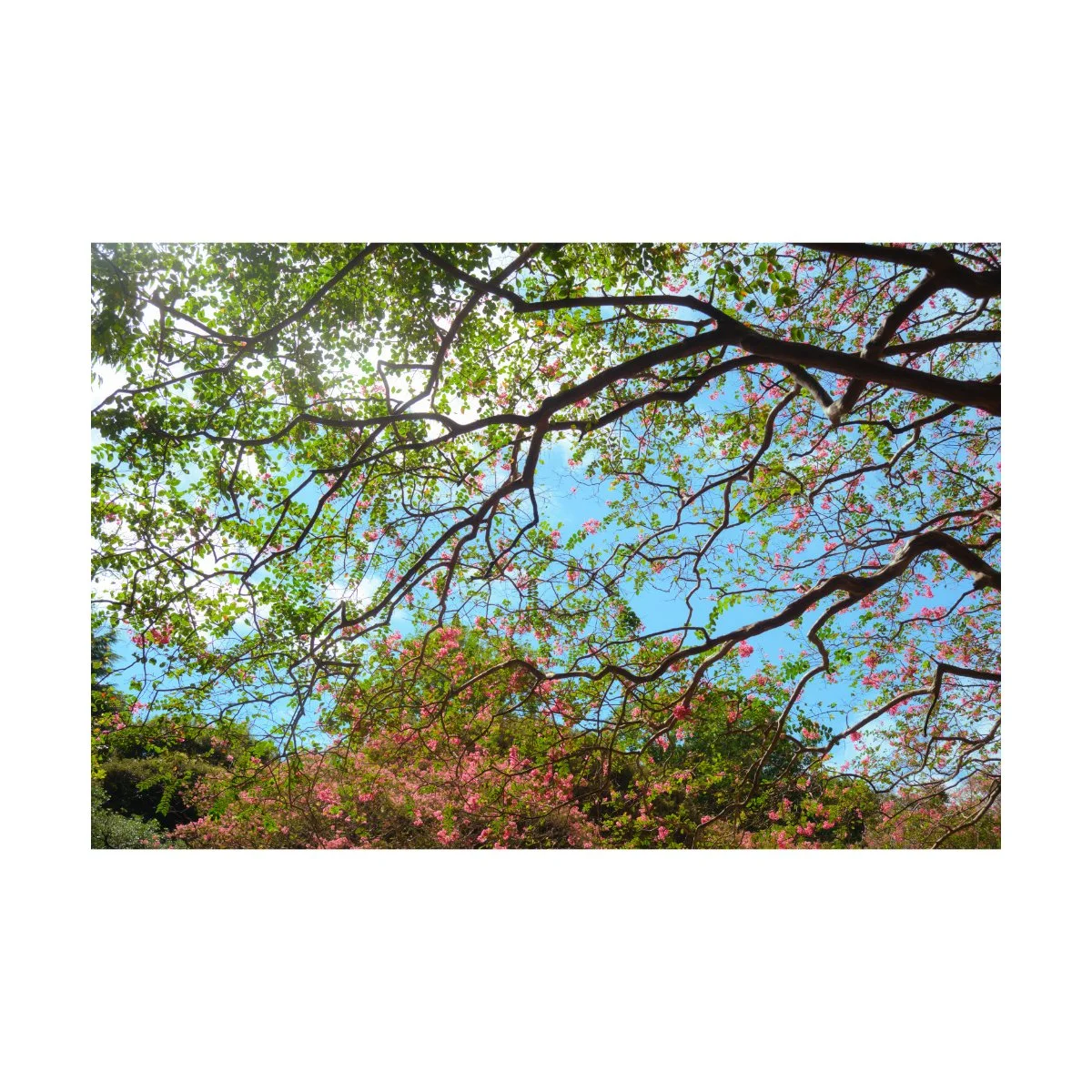
Something you can do when you’re traveling with people is to plan for a solo day or two.
Give yourself a blank day where you can be on your own and just do photography.
You can do this multiple times on a trip or have a set time like golden hour where people know you’re going to be off taking pictures.
This can be hard if you have a family, but finding some kind of middle ground where you can do your thing can make less conflict between you and others.
I’ve found that when expectations are set ahead of time, and people know you’re going to be taking photos, there’s less friction.
Go to Places You’re Actually Interested In
A big inevitability of travel are the tourist traps.
In every country there are places that are famous (for a reason), and crowded beyond measure.
It’s your choice if you want to go to these places, but I’d recommend leaving room for stuff you personally enjoy.
A lot of people end up with boring travel photos because all they go to are the tourist traps.
But if you make it a point to integrate things you actually like, you’ll find more unique photos and more enjoyable moments.
Me, for example, I love coffee, and I love going to cafes.
So wherever I travel, I’ll make sure I start my day by going to an interesting cafe or coffee roastery.
Sometimes, even twice a day…
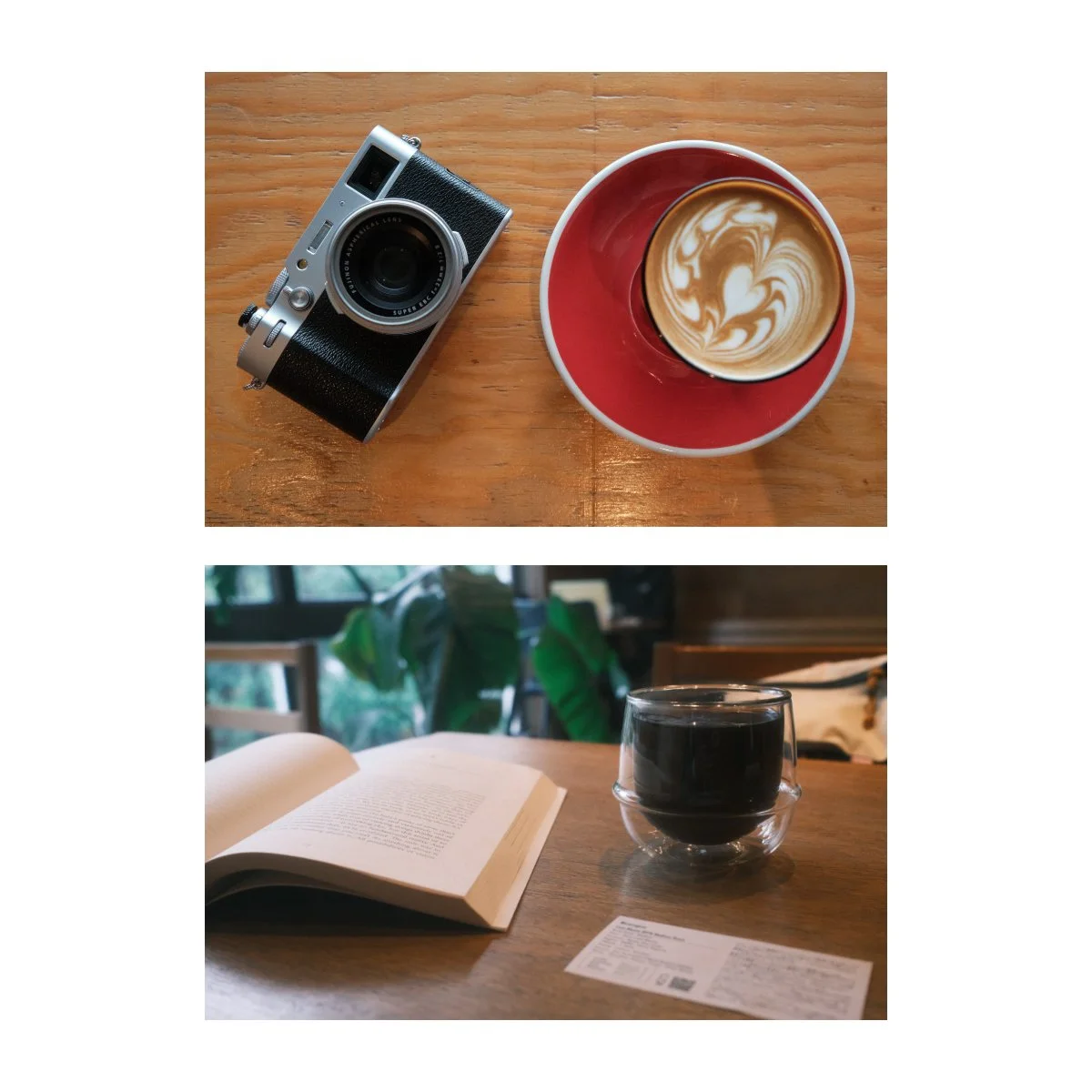
My drinks of choice by the way:
At home I’ll often get cappuccinos or mochas, but when I’m in Japan, I’ll always get their hand-drip coffee.
Although Japan is known for things like matcha, I think Tokyo has some of the best drip coffee in the world (maybe I can’t quite say that yet because I haven’t been everywhere).
This interest, naturally leads me to many random streets with small little coffee roasters away from the city center that I wouldn’t normally go to.
And I find tons of gems, both coffee and photography wise.
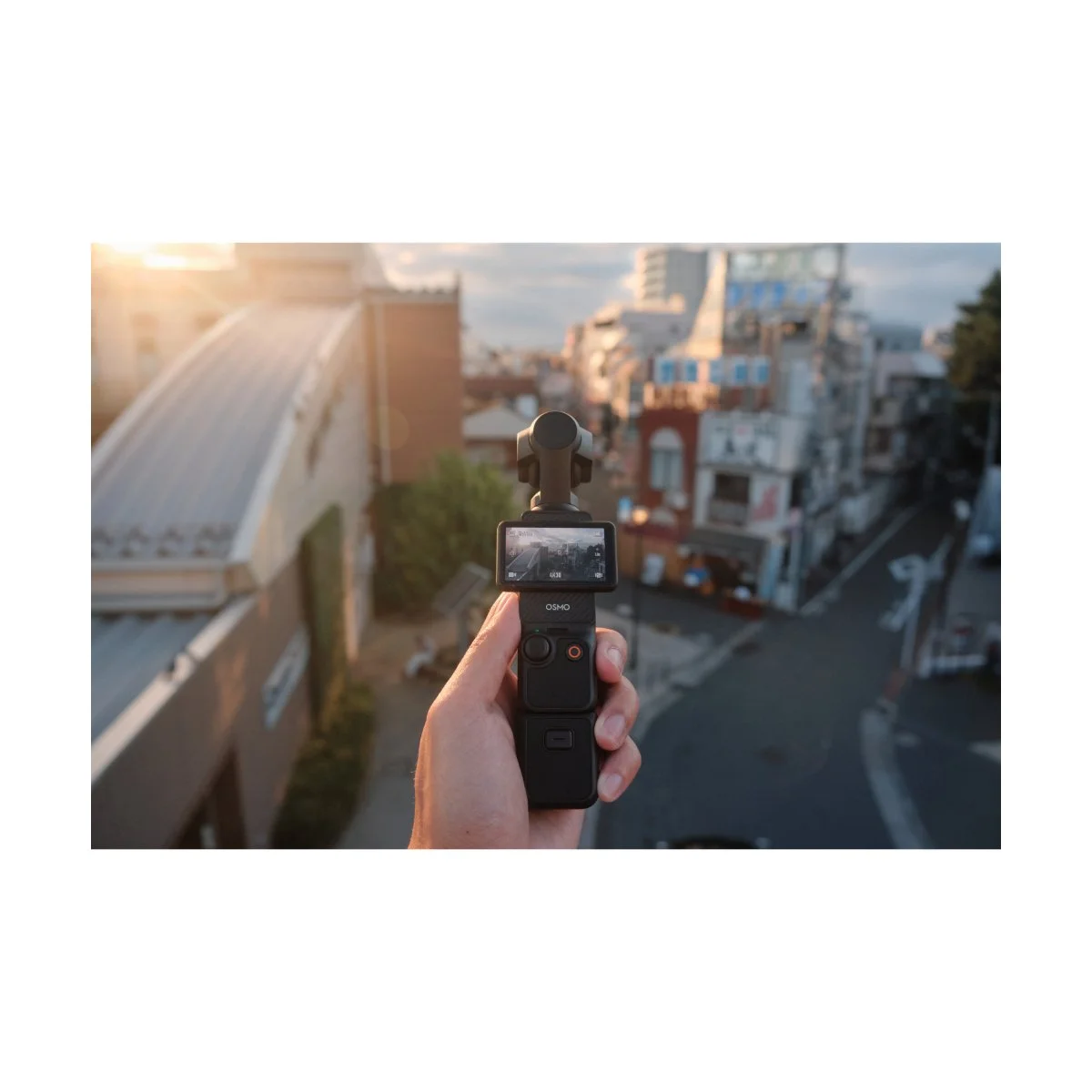
Nice little aesthetic streets, parks I wouldn’t find on Google Maps, and walkways with different views of the city all give me a new angle to photograph with.
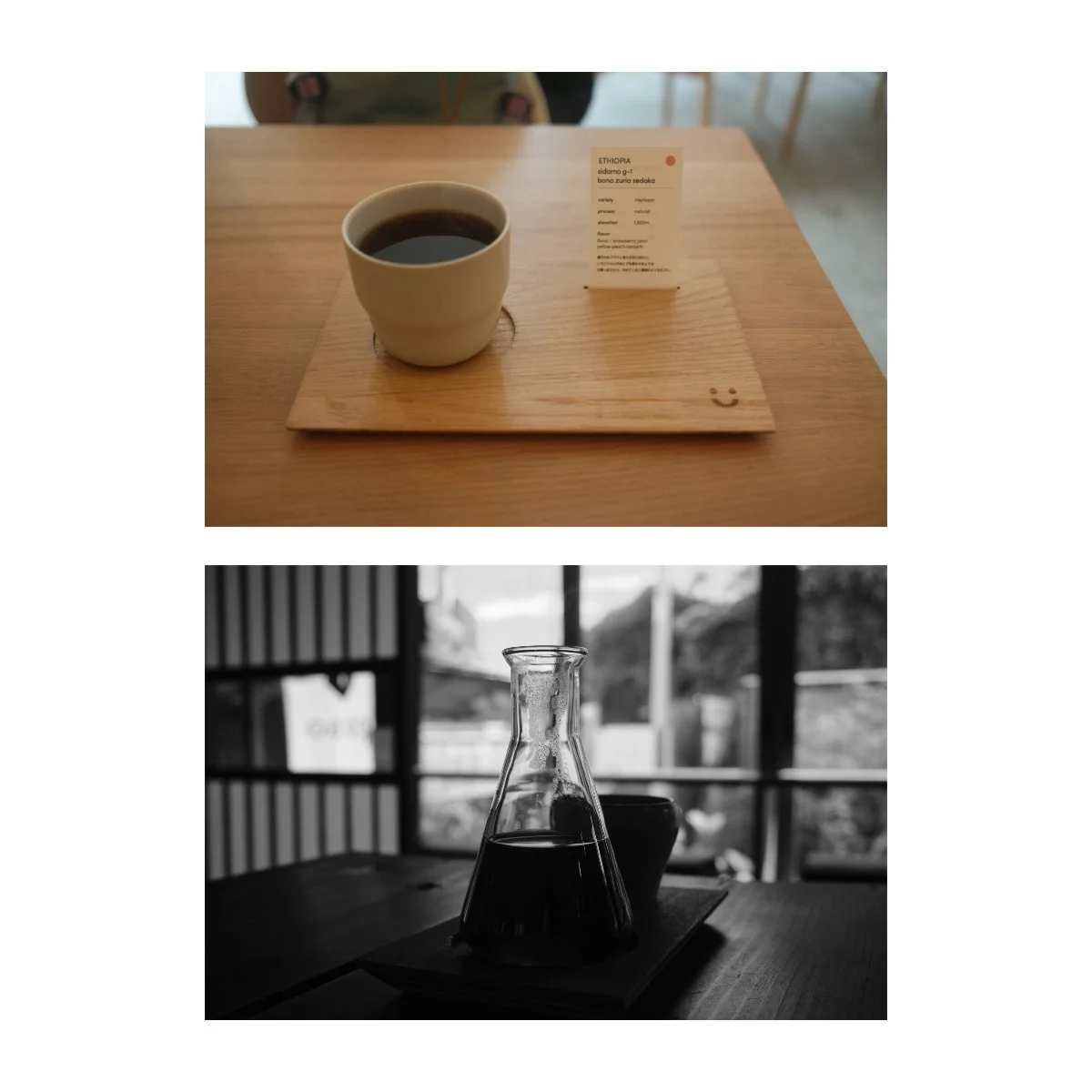
So a great way to level up your travel photography is to simply photograph alongside doing something you’re actually interested in.
Don’t worry too much about the bucket shots, Instagram shots, or top ten lists you’ve seen online.
Of course, if some of these places overlap with your interests, go for it.
But I think better travel photos comes from a unique catalog or intersection of places you’re interested in, alongside places that are popular.
And you’ll just have more fun that way.
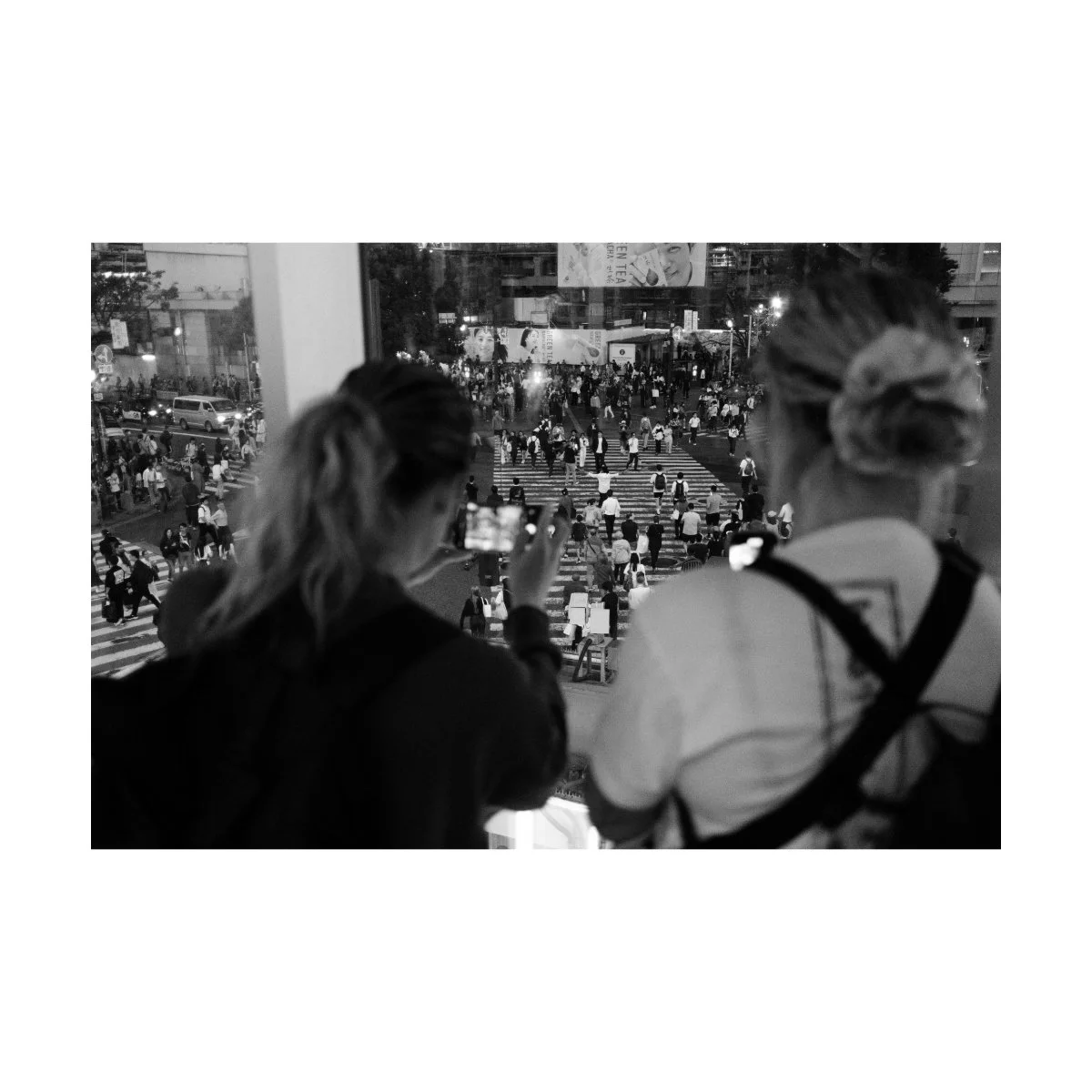
Sometimes the Spectacle is Worth It, At Least Once
Although I give some criticism to the tourist traps and typical overhyped places, some of them are worth seeing at least once.
On my earlier trip to Japan in 2024, I made the effort to go to many of these places, and some were cool, others not so cool.
But I still think it was worth seeing the spectacle, at least once, because I could close the door on many of these places, and never go again.
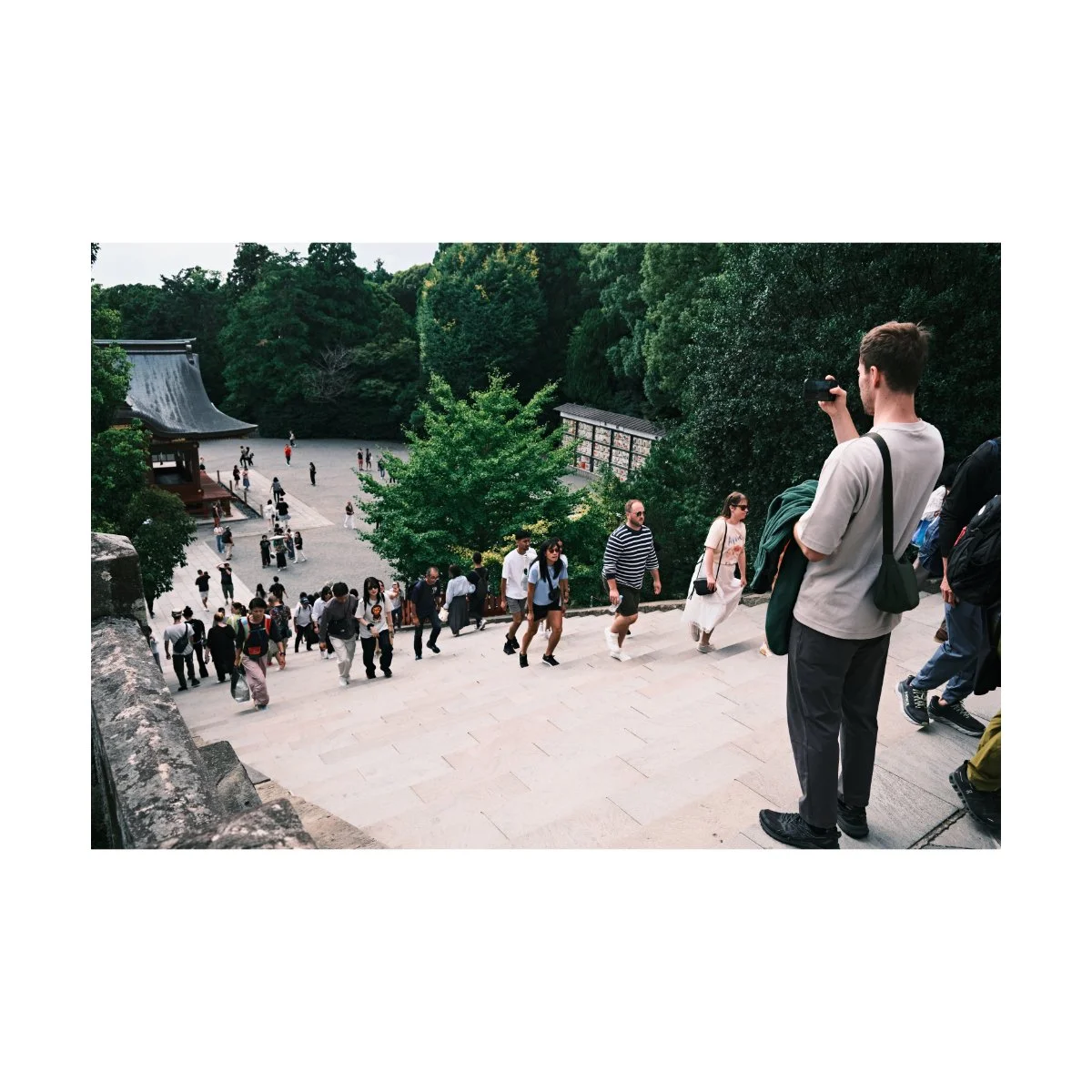
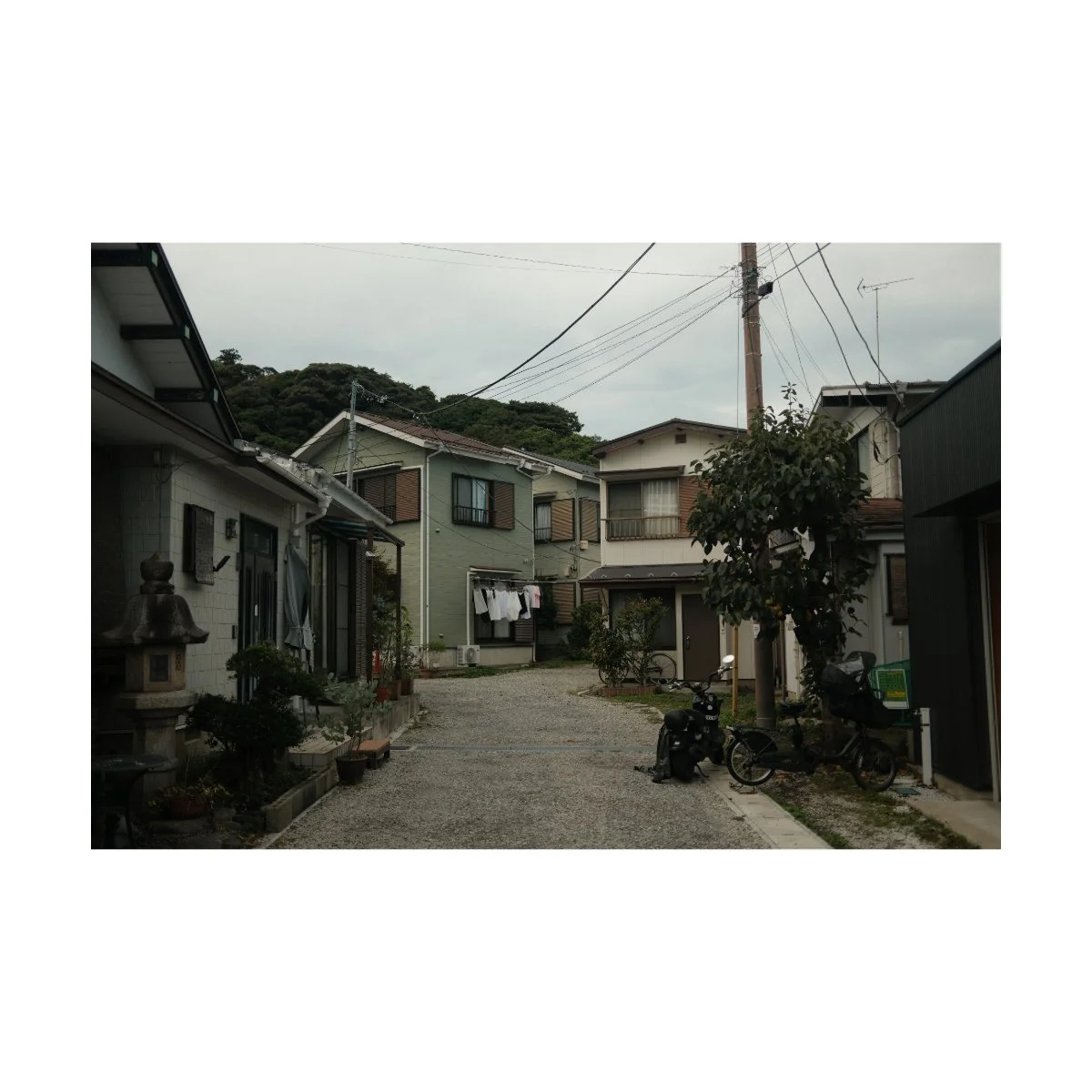
Areas like Kamakura and Fujiyoshida were crowded with tourists, making it hard to get the desired shots, but also had small magical moments of their own.
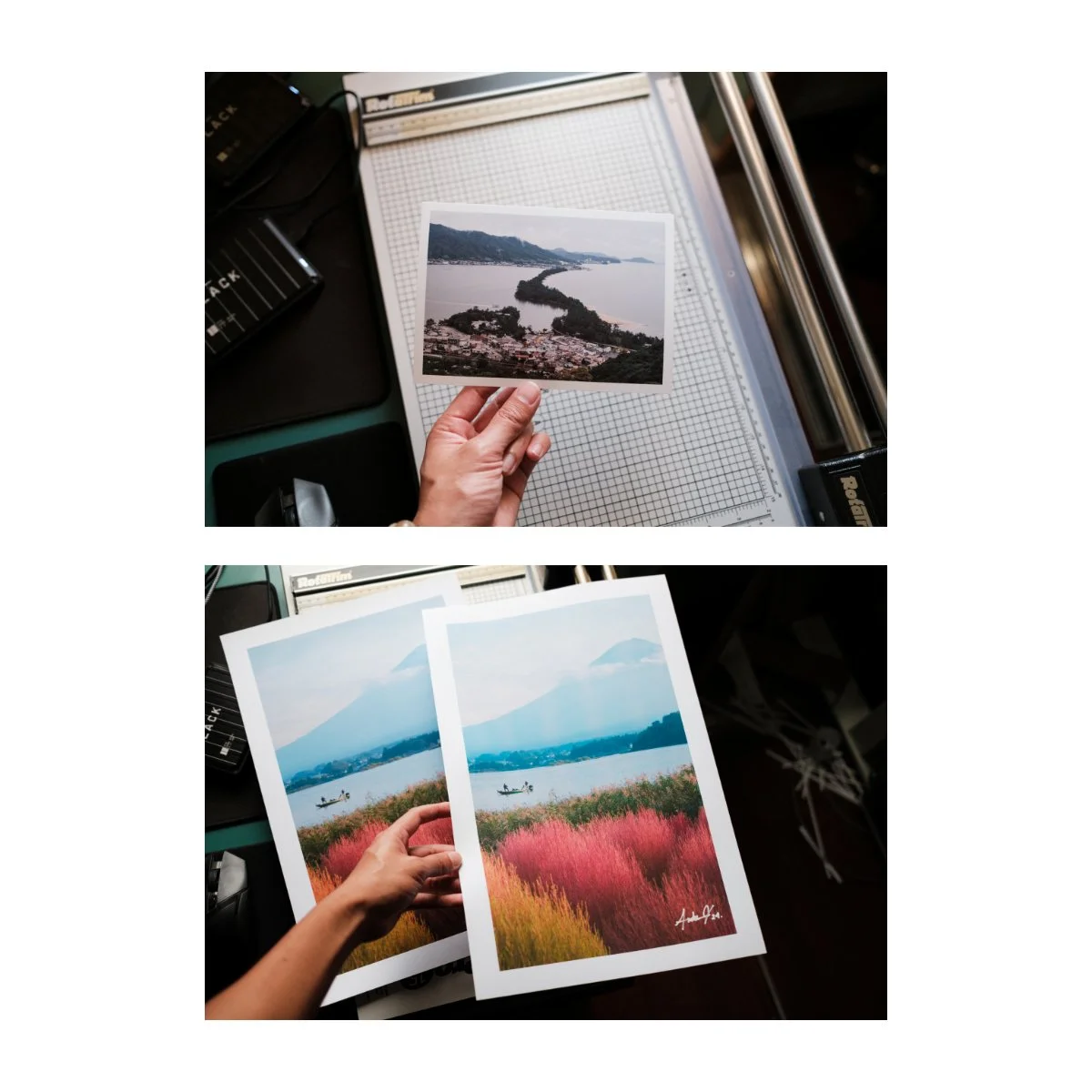
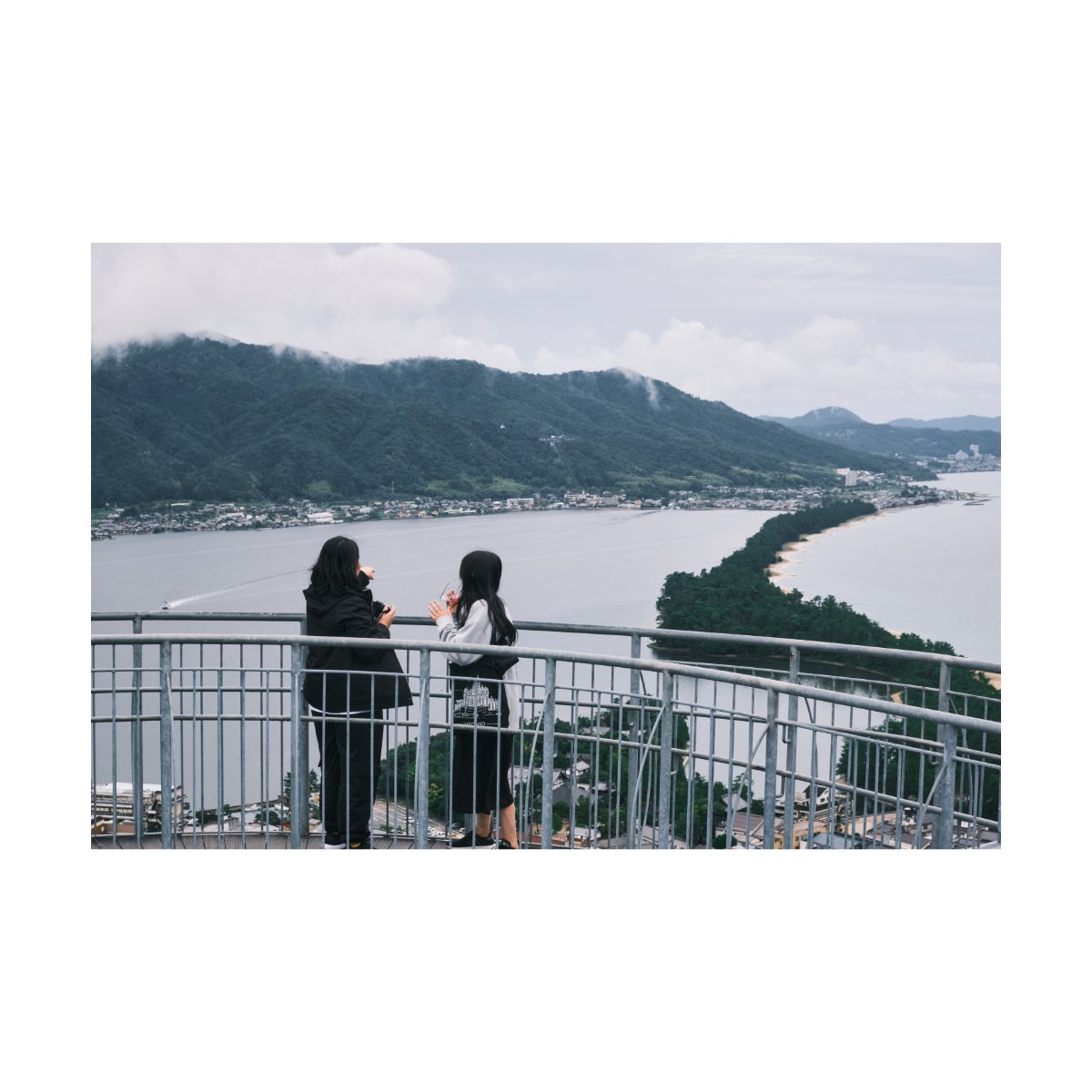
In fact, places like Oishi Park and Amanohashidate resulted in some of my personal favorite photos, making the whole experience worth it.
And I think I would have regretted not going.
That being said, places like Kyoto were way too packed and it was near impossible to get the shots I wanted without people being there.
The problem is, you’re never going to know if something is going to be worth seeing in person or if it’ll look better in real life than on Instagram.
It’s all a gamble and you’ll have to pick and choose carefully with your limited time.
I personally recommend making a top 3 list, and put in the effort to see those things specifically.
Everything else, you can let go.
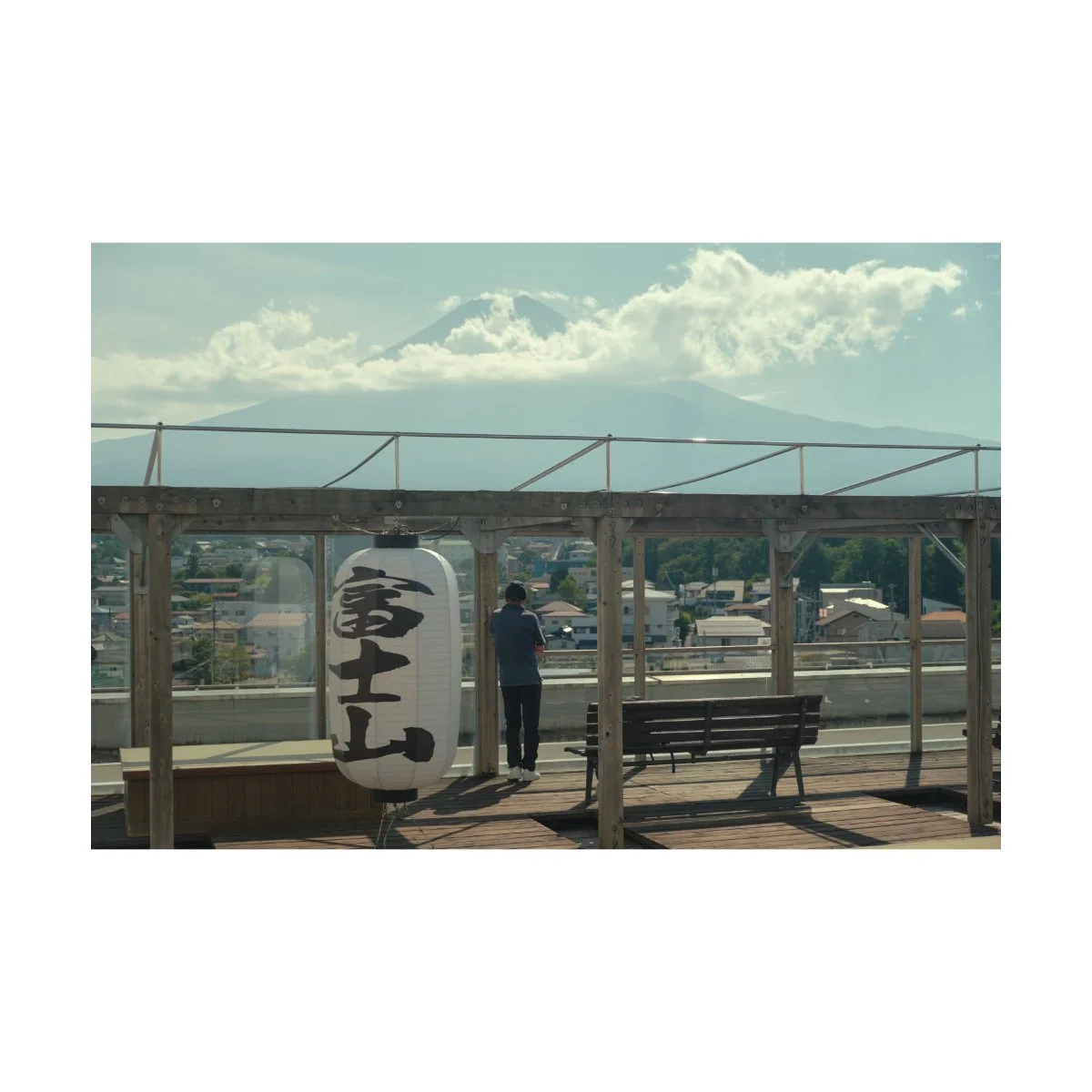
Because if you try really hard, you can make the sunrise, get to the spot, and see the one or two things you really want to - but not everything you want to.
Hunting and hunting every day can be exhausting and sometimes travel is better spent relaxing.
If the view ends up being underwhelming, well that becomes another story you can tell people.
And on the off chance that this place lives up to or exceeds expectations, well fantastic - that makes it all worth it.
Because some of these spots are famous for a reason, and seeing these sights are half the reason we get on a plane and go halfway across the world in the first place, right?
Slow Travel
In the past I used to have much more angst and anxiety around travel.
Although I’ve found ways to save, travel isn’t exactly the cheapest thing to do.
I just happen to do it more than some of my peers because I find it worth the expense, at least in this point in my life.
Similarly, you’re only going to be in this place for a short period of time so there’s a need to make the most of it.
These factors, in a weird way, can over inflate the importance of a trip.
There are implications and expectations to it, and that can add all sorts of unnecessary pressure.
Travel then becomes less relaxing and enjoyable, and more tense and high paced.
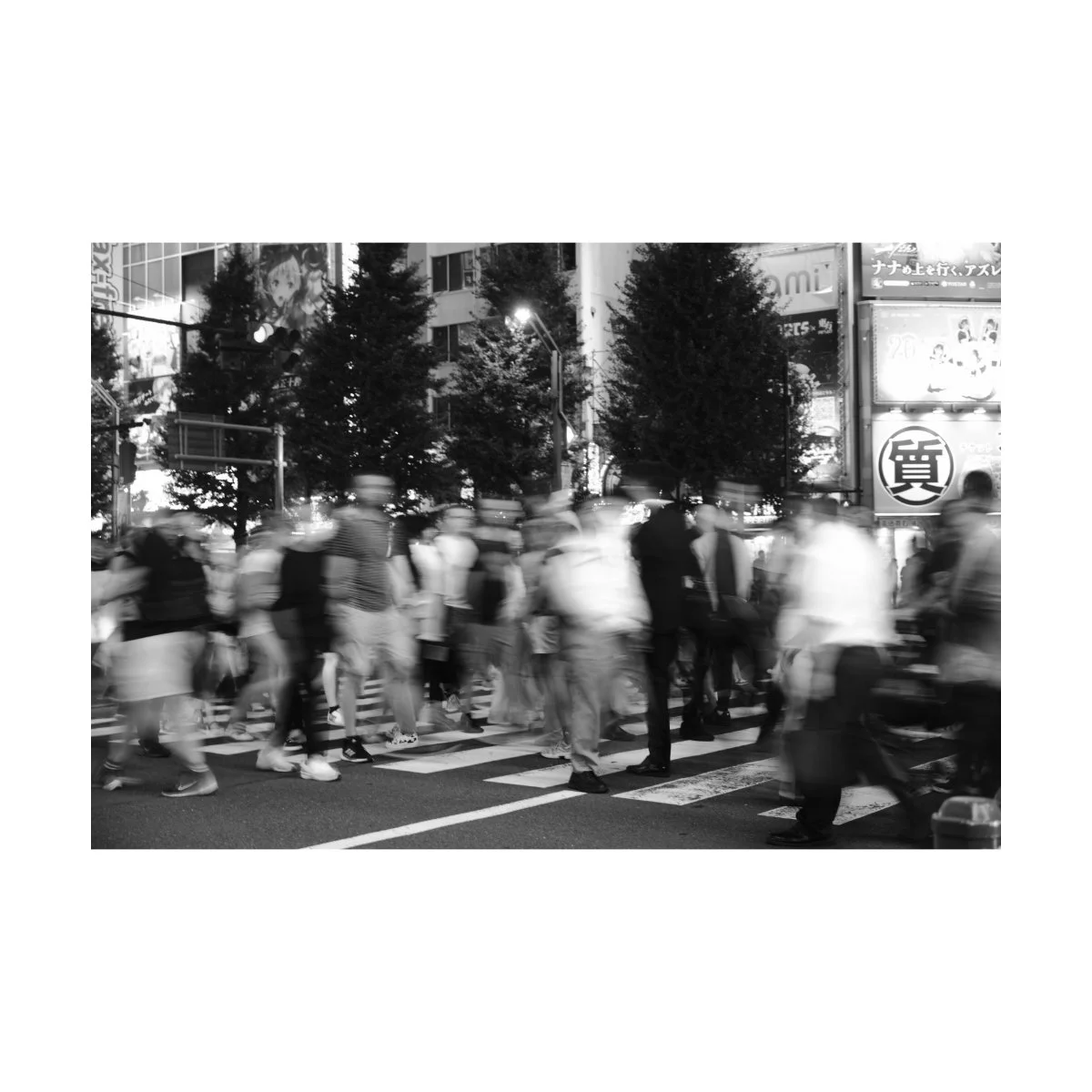
So a great shift that has changed the way I travel was a concept called slow travel.
Instead of traveling fast, trying to get everywhere with a packed schedule, travel slow.
Leave just one thing on the agenda for a day (maybe combined with similar things in the same vicinity) and don’t try to checkmark everything in a hurry.
Instead, go at your own pace - the most desired pace for you to have the most enjoyment.
And sometimes, leave yourself some blank and open days, where there’s nothing to do but sit around and enjoy being where you are.
Traveling like this has made travel for me much more relaxed, enjoyable, and pressure free.
I still have things I want to do, but I’ll get them done at my own pace, rather than buzzing around frantically.
And I think the photos I get become much better as well.
Because slow travel allows me to take my time and really compose the shot, like we mentioned earlier, as well as observe the world around me.
So I pay attention to more things, notice more things, and take better photos.
It’s going to be weird at first, but once you get used to it you’ll realize how much time you actually have, and that there’s no need to rush to begin with.
Because every moment you spend becomes enjoyable, so what’s the rush when you’re having fun?
I think the concept of slow travel is very analagous to how we live our lives.
Too often we are running back and forth doing things to maximize our short time here, that ironically, it’s hard to really know if we’re enjoying it.
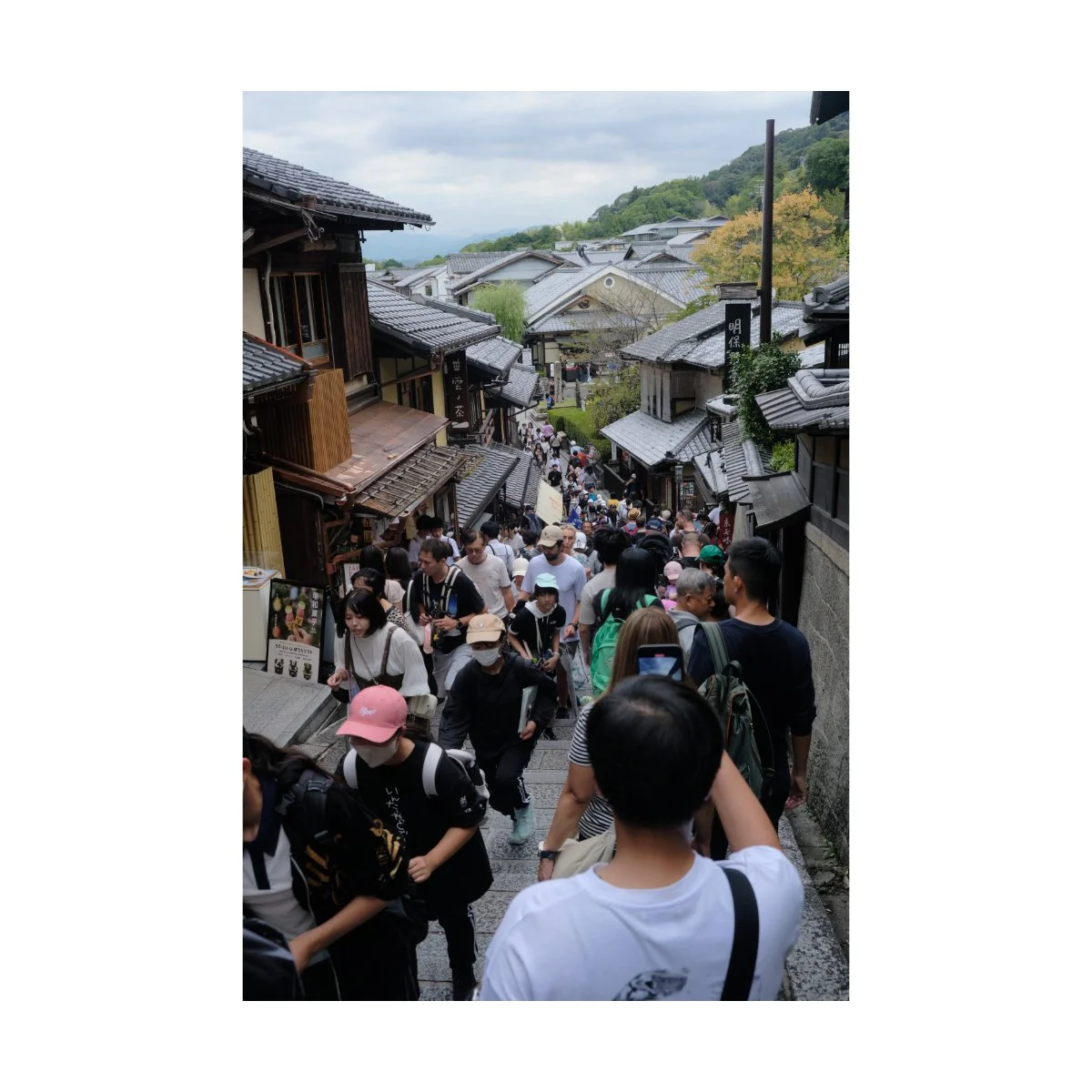
But going at our own pace, not necessarily stopping and doing nothing, just not rushing, might be the key.
If we go too fast life becomes a blur, but if we go too slow we feel restless and unproductive.
So that middle ground of doing things at the right pace will allow us to feel satisfaction from doing things and enjoying them at the same time.
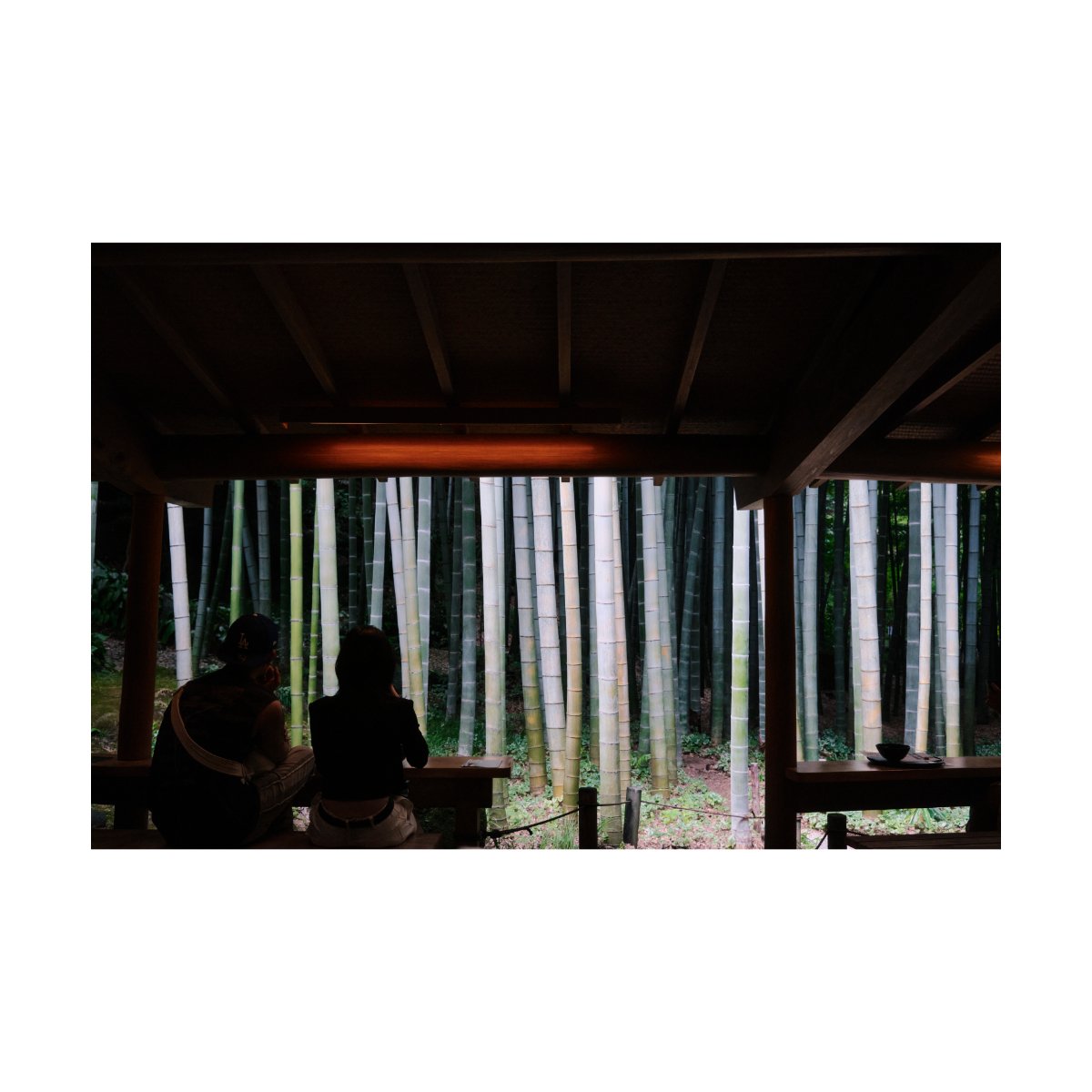
So there it is.
Those were eight important lessons from my eight (and counting) years of travel photography.
If you have any lessons of your own you want to share, leave them down in the YouTube comment section.
If you found this helpful, do share this with a friend who needs to see it.
And if you want to learn more, check out either of the resources Photography Essentials and Photography Systems.
Thanks for reading, best of luck, happy shooting.