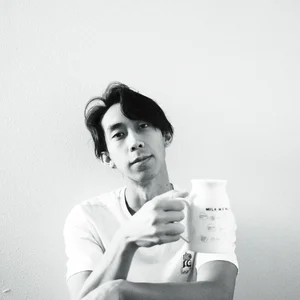
Early in my photography journey I was obsessed with finding the perfect camera.
Lenses and bodies were expensive, and I didn’t want to buy something that ended up sucking.
So, like many of you, I watched a bunch of gear reviews, looked at all the spec sheets, and went back and forth multiple times.
Until, eventually biting the bullet and buying the gear.
But the irony was, not every piece of gear worked out, and there were few (if ever) perfect choices.
Which meant that over the course of the long term, I ended up selling back a lot of bodies and lenses anyways, sometimes at a loss.
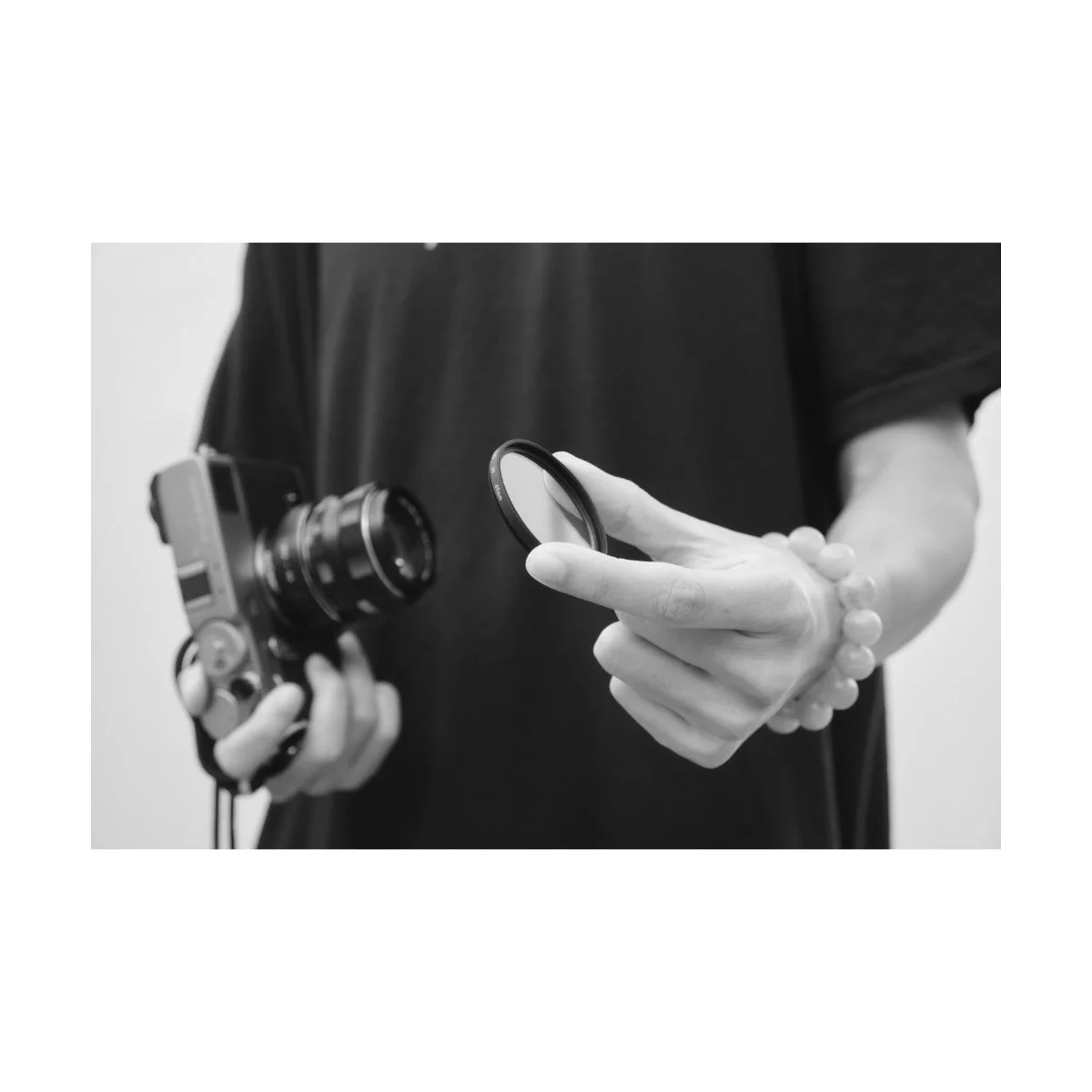
But they all taught me something valuable, even the gear I sold.
Each body or lens reflected a time and space within my photography journey, and they brought me to where I am now.
Today I’ll share with you the cameras that shaped my photography, as well as what I’m using in 2026.
Stumbling Upon Street Photography (rx100 iii)
My first real photography camera was the Sony Rx100 III.
Before that I had only used action cameras and iPhones, as I was more into video back then.
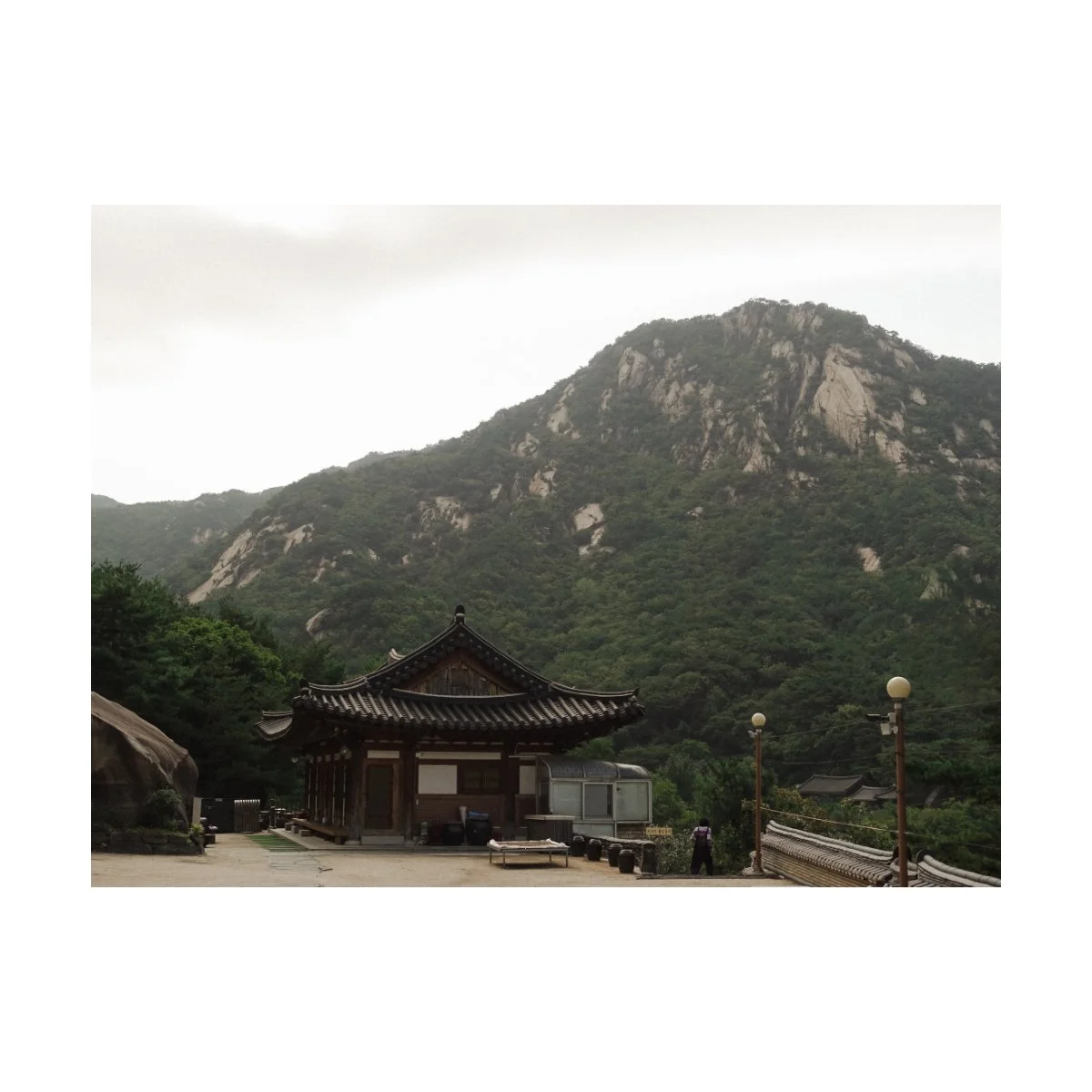
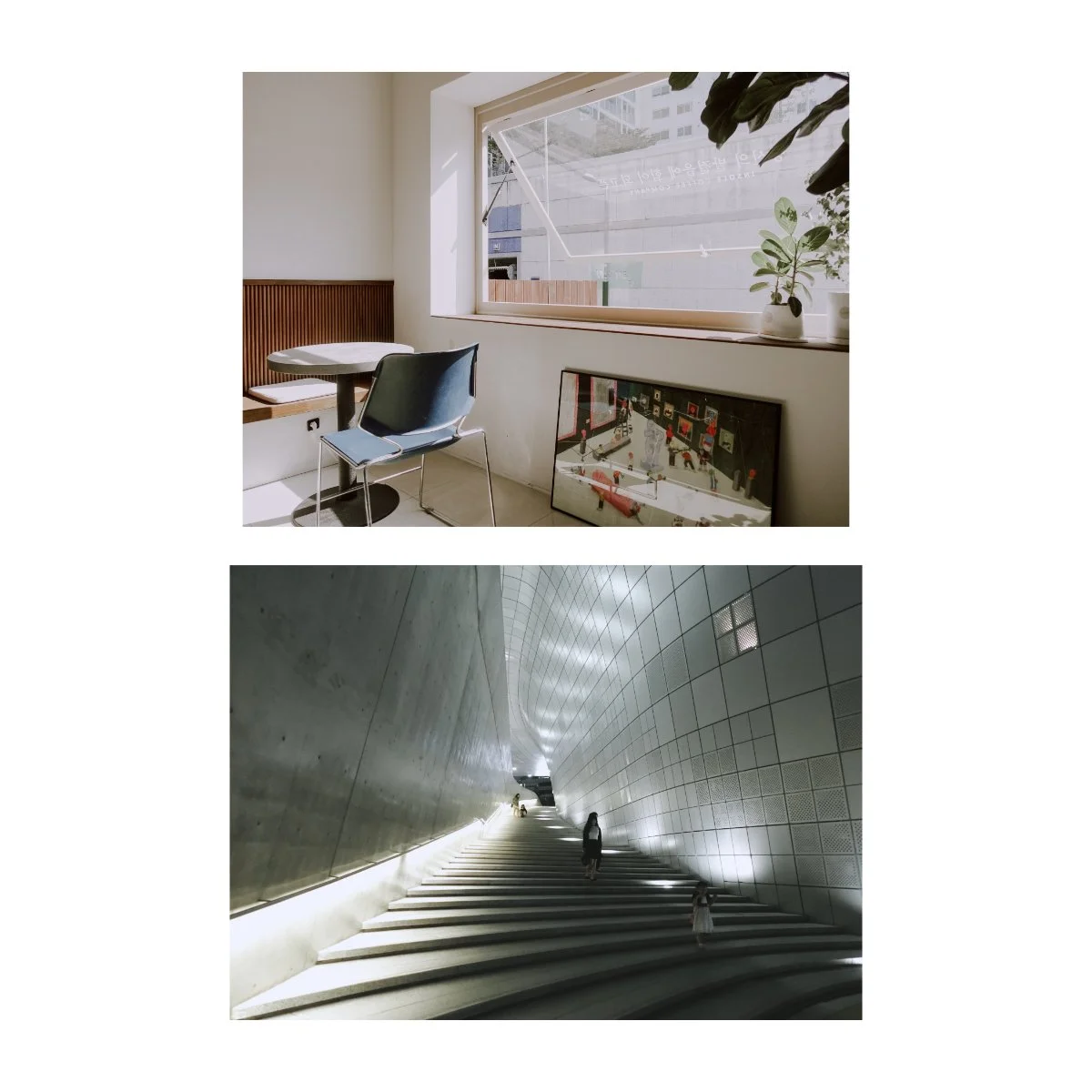
But in 2019, when me and a few friends decided to go on a trip to Korea, I started taking photos, and have never really stopped since.
Back then I didn’t know what street photography was.
I didn’t know what I wanted to capture.
I wasn’t even sure why people preferred photos over videos.
I just understood that there was something missing in my videography, composition wise, and the only way to figure that out was through photography.
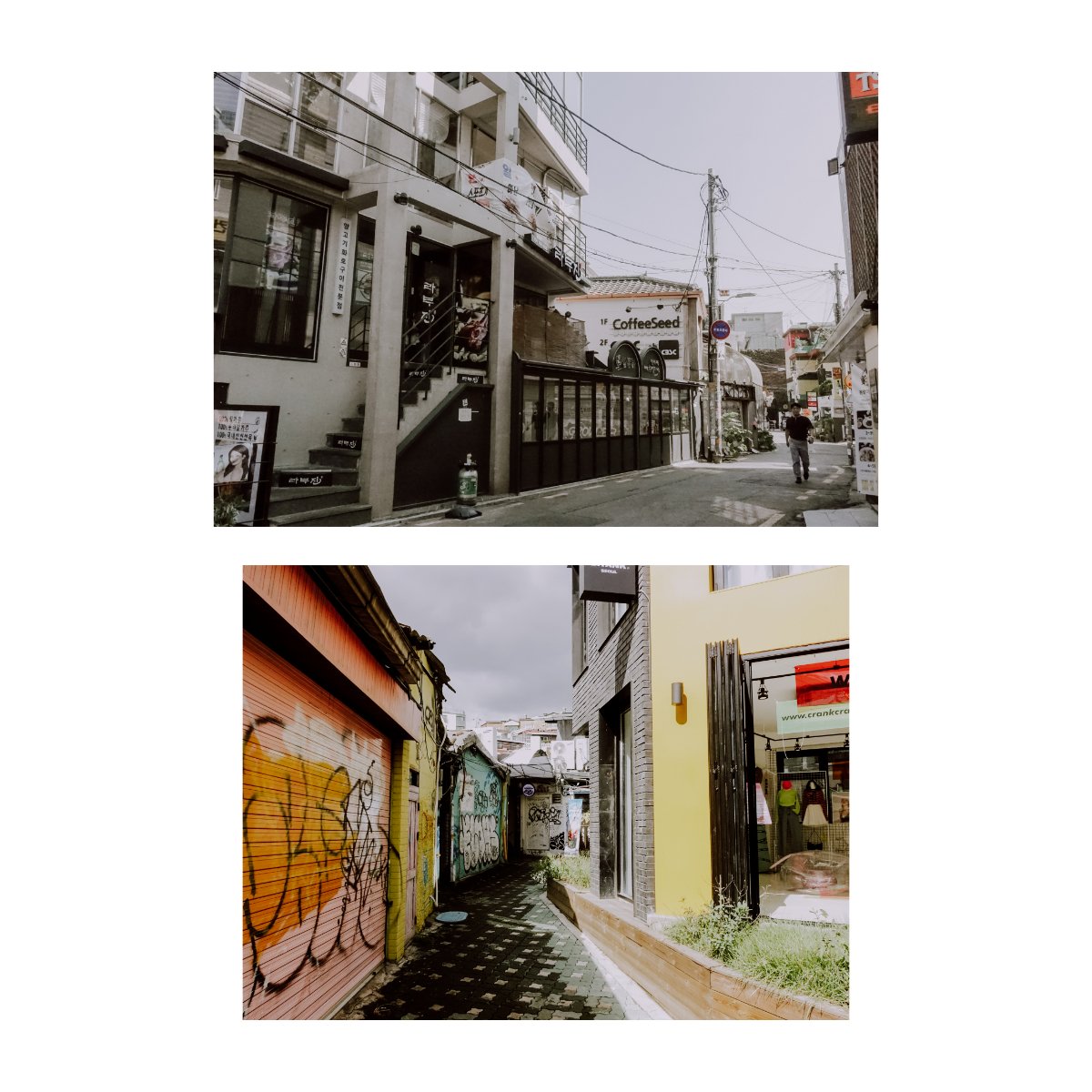
So I spent that time photographing as much as I could.
The compositions were messy, the edits were kind of ugly, and there was no real understanding of what I was doing.
But looking back, in a sense, that could have been my truest state of photography.
Because I was unmuddled by the outside world, preconceptions, and ideas of what my photos should look like, I was able to enjoy it more, I think.
The Rx100 is a great series of compact cameras which have surprisingly held up well throughout the years.
They’re small and portable, simple to use, and decently priced as an entry level camera.
I think they’re a solid choice for anyone trying to get into photography or videography, as they can do both, and really allow you to familiarize yourself with the craft.
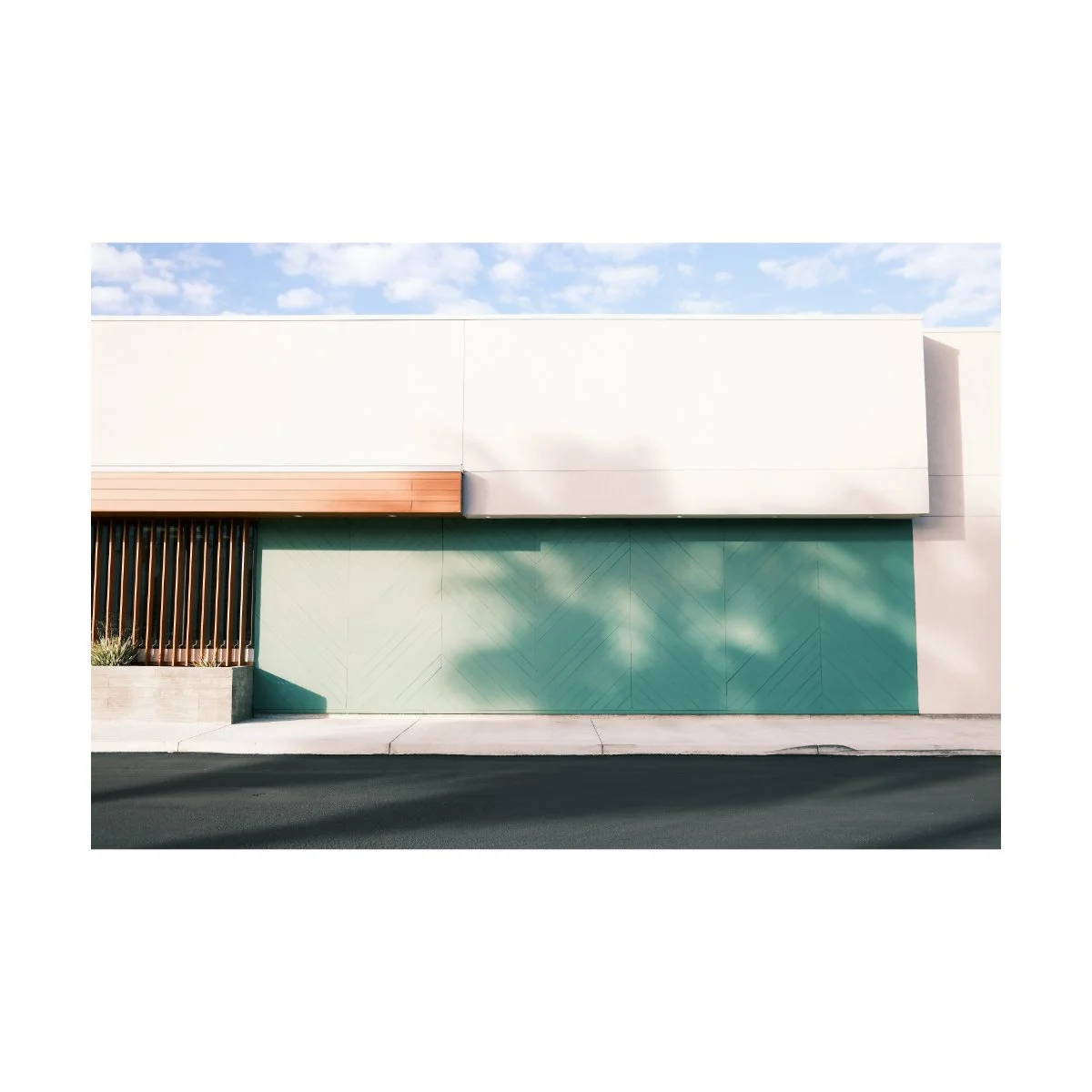
I did eventually outgrow the camera, but the Rx100 III marks an important first step in my photography.
The Journey Begins (x100v)
Eventually I did end up selling the Rx100.
Although it was a great camera, I felt like the body and handling were a bit lacking.
I wanted something more, that would allow me to understand photography better - and that brought me to Fujifilm.
Fujifilm had manual controls (which made manual exposure easier and faster), Film Simulations (which made learning aesthetics more fun), and all the updated bells and whistles for video and image quality.
My first Fujifilm camera was actually an X-T30 with the 18-55, but coming from a pocket sized point and shoot, it felt big and uninspired.
It just wasn’t doing it for me.
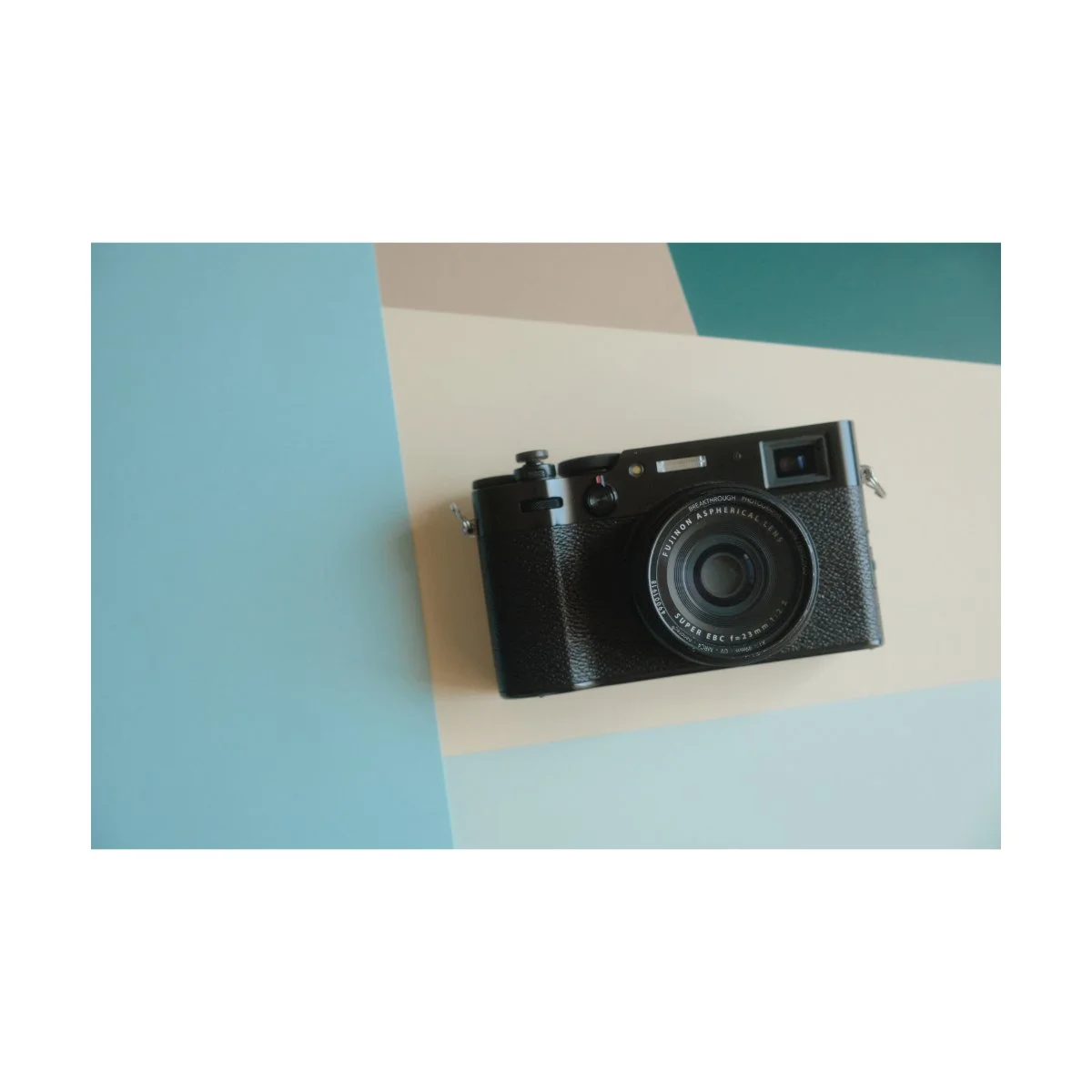
So despite not being exactly made for it, the Fujifilm x100v became the perfect hybrid since I needed something both for daily photography and to record YouTube videos.
I sold my X-T30, picked up a lightly used x100v (before the internet found the camera and spiked the prices), and my world changed forever.
No lie, it felt like I had magic in my hands.
The camera felt great to hold and fiddle with and I loved the pictures that came out of it.
For sure the difference was the F2 lens, the shape and design of the camera (which does make a difference), and the dedication to make the 35mm eq work (which became my favorite focal length).
They added a sense of completeness to what I wanted and needed.
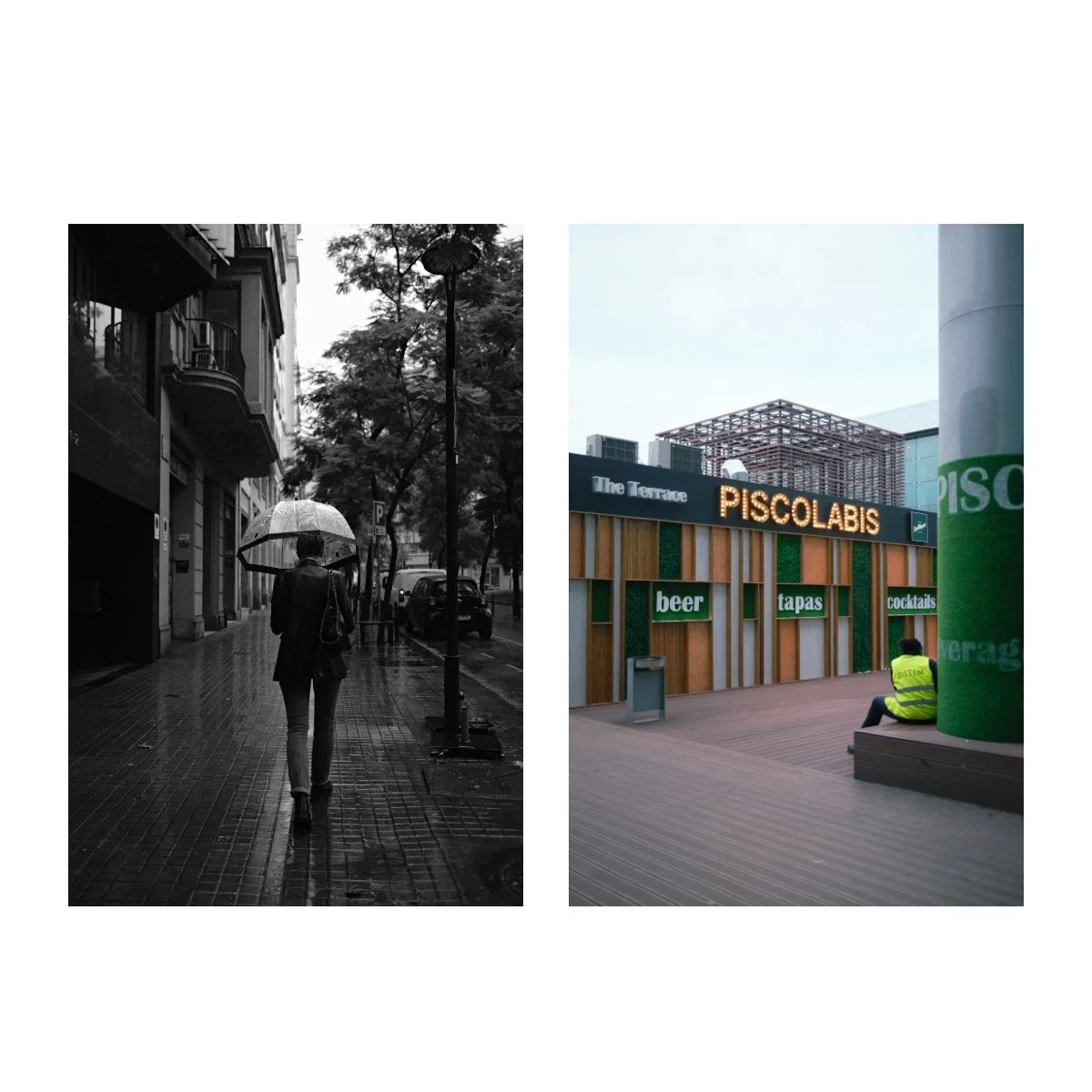
From there on I just had so much fun using it.
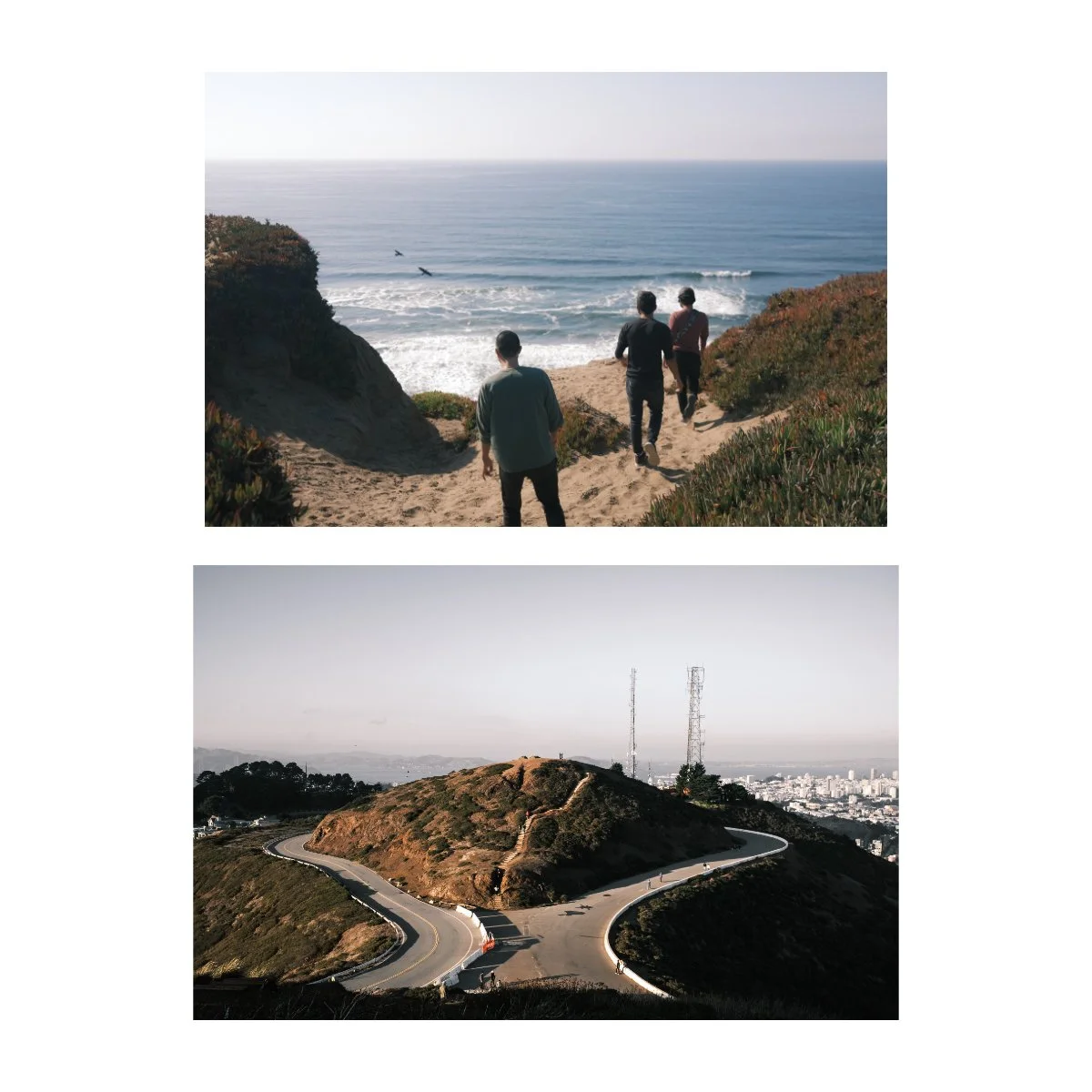
Bringing it with me on road trips, making videos with it, learning photo editing, and trying out different film simulations and recipes.
I still wasn’t all that great at photography, but that didn’t matter, because I was enjoying taking photos.
The x100v could be considered my first love (camera wise).
And all the gear after that could just be me chasing that feeling again.
Eventually, I did reach a point in my photography where I had to ask myself questions about what I wanted to make, and more importantly, what I needed to learn to make my photos better.
Which brings us into the next phase.
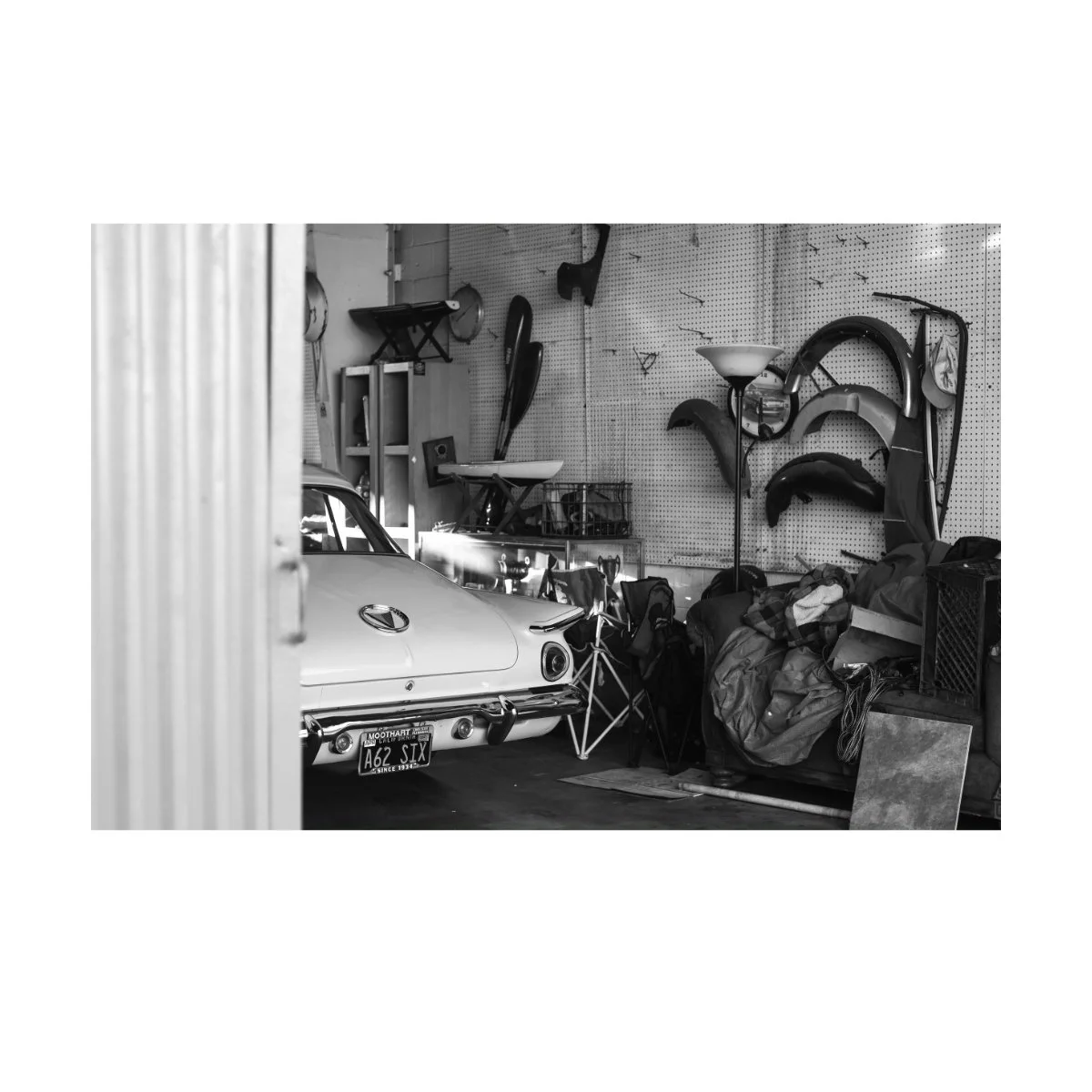
Expanding My Range (xt4, xpro1, and 18mm)
Looking back on it, I could have probably stuck to the x100v forever and never looked back.
But this next phase was something I needed to go through, because finding the perfect camera that early on was a stroke of luck.
Since the x100v is a fixed prime point and shoot, I didn’t yet get to experience and learn the many other sides of photography.
So even though I found my favorite, a part of me kept wondering: how would my photos look in these other focal lengths or with other gear?
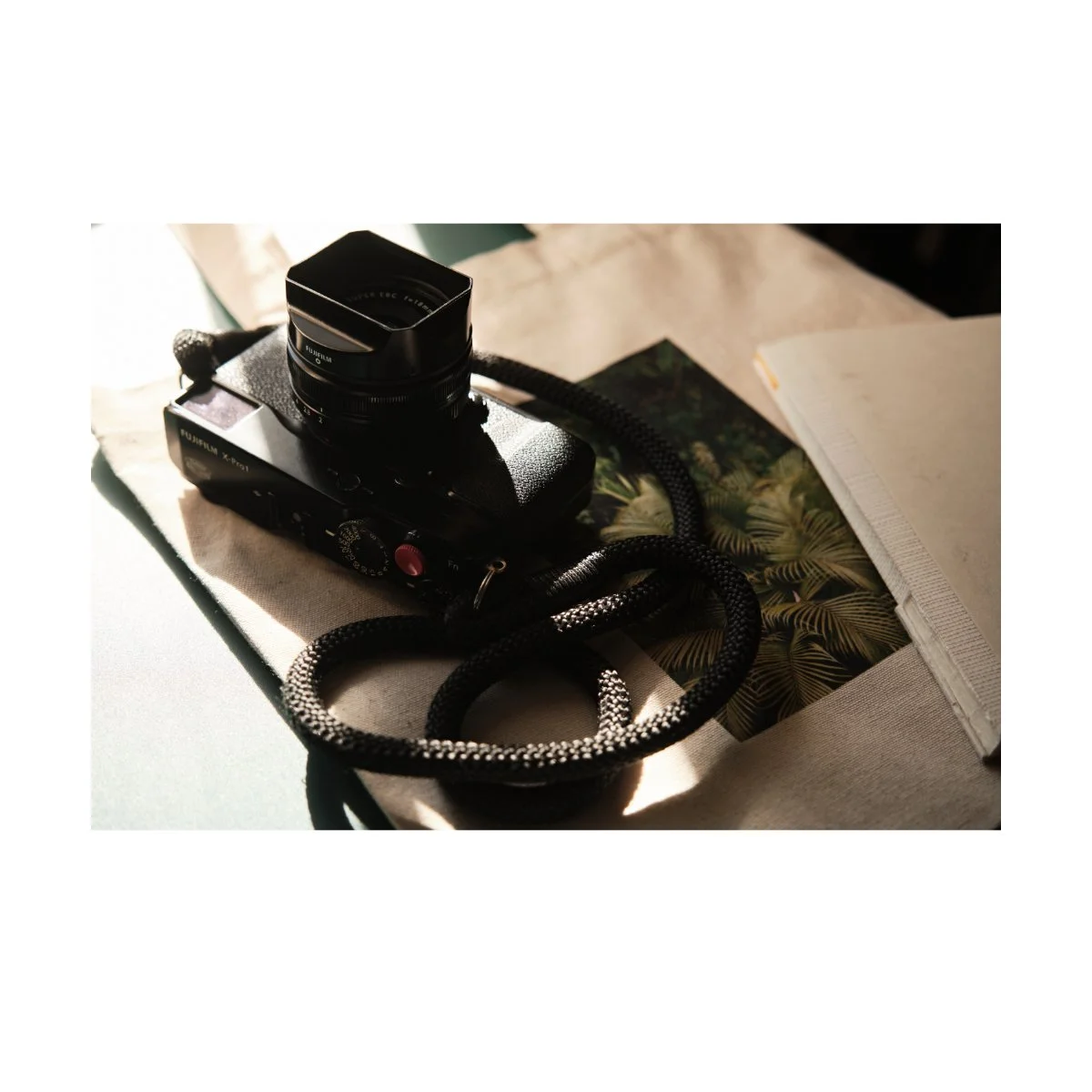
This led me to pick up cameras like the Fujifilm X-Pro1 with the 18mm, the X-T4 with the 16-55, and even dive into film photography.
I began to experiment with all sorts of things that weren’t the x100v.
Part of this was because I needed to learn how to use other gear.
The other part was because I couldn’t help but wonder if I was missing out on something.
People have different favorites, and because others praised other things, I wanted to test that and see it for myself.
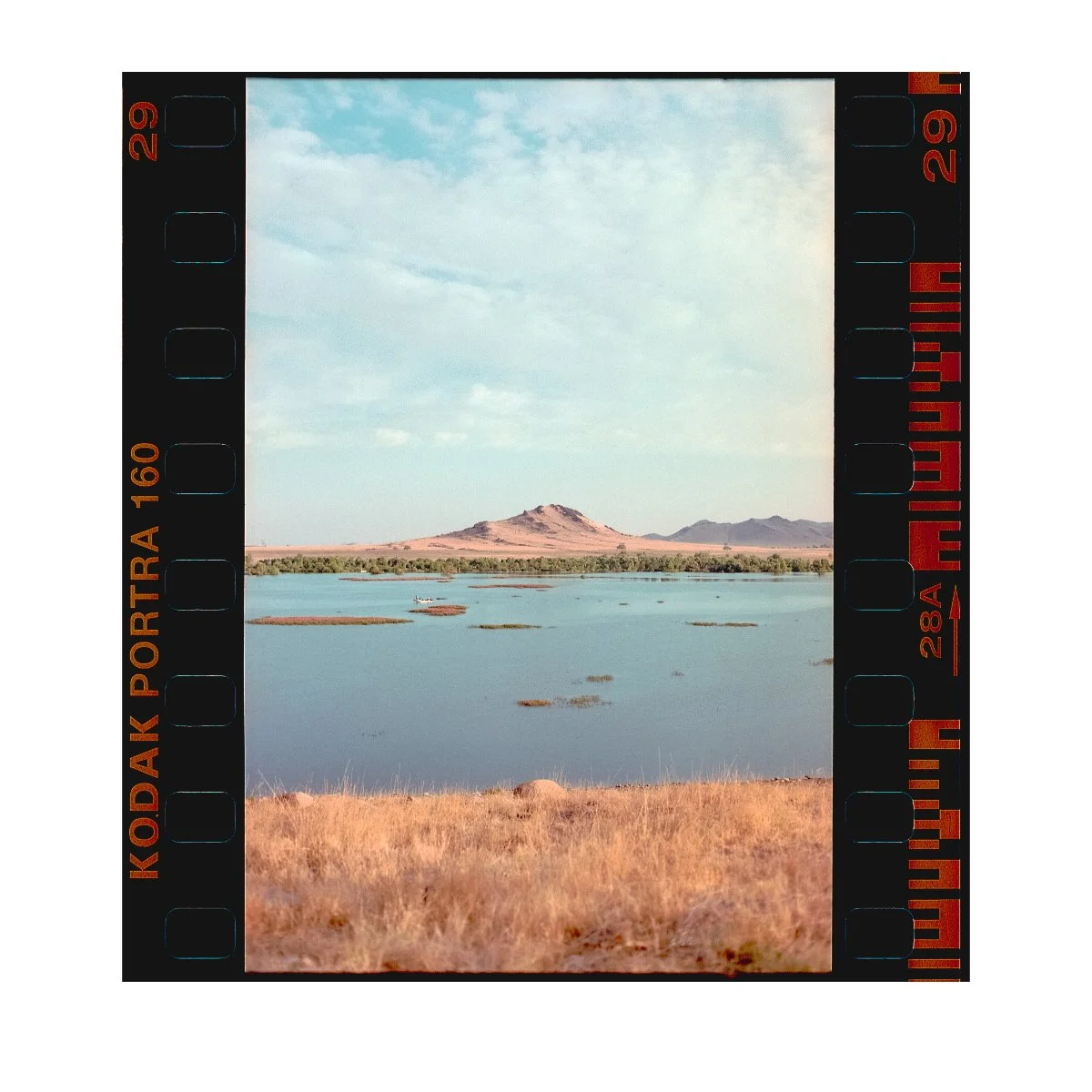
The X-Pro1 taught me much about sensor, megapixels, and how to make photography work on an “older camera”.
The 18mm made me realize how far you could get with a lens that wasn’t very popular back then (and also that 18mm wasn’t my preferred focal length).
The X-T4 I needed for video and to film myself, and I still use it today.
The 16-55 showed me the possibilities of having really good glass, as well as helped me learn and understand the other various focal lengths, tighter ones especially.
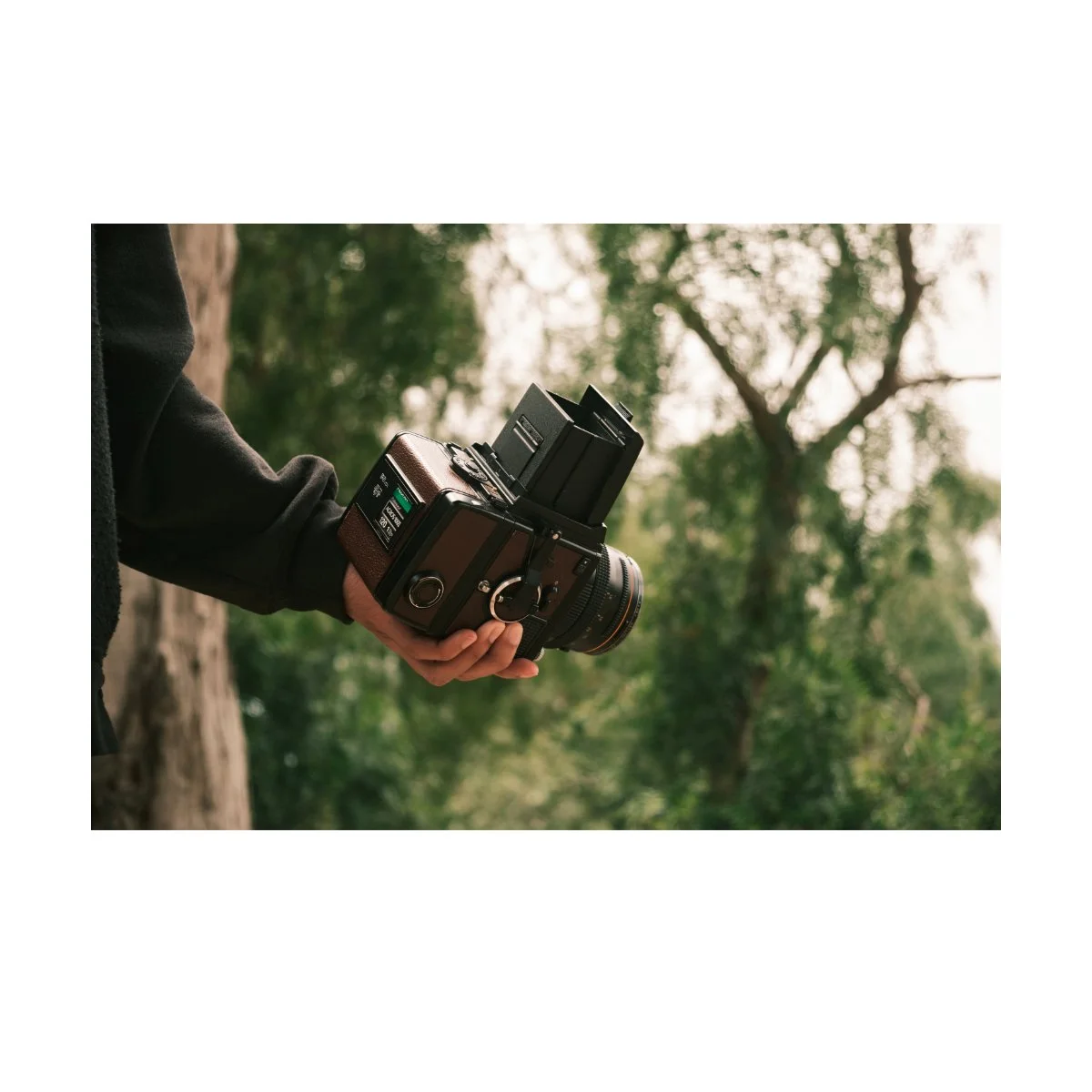
Stuff like the Konica Autoreflex TC and the Hexanon lens that came with it helped me step into film and learn how to shoot on older glass.
Things like the Bronica SQ-A taught me to slow down, really compose the frame, and was a fun and novel way to experience photography.
These different bits and pieces of gear, even though I only have one of the four left, taught me some pretty important lessons.
And it allowed me to close the door on many sides of photography I’m no longer focused on now.
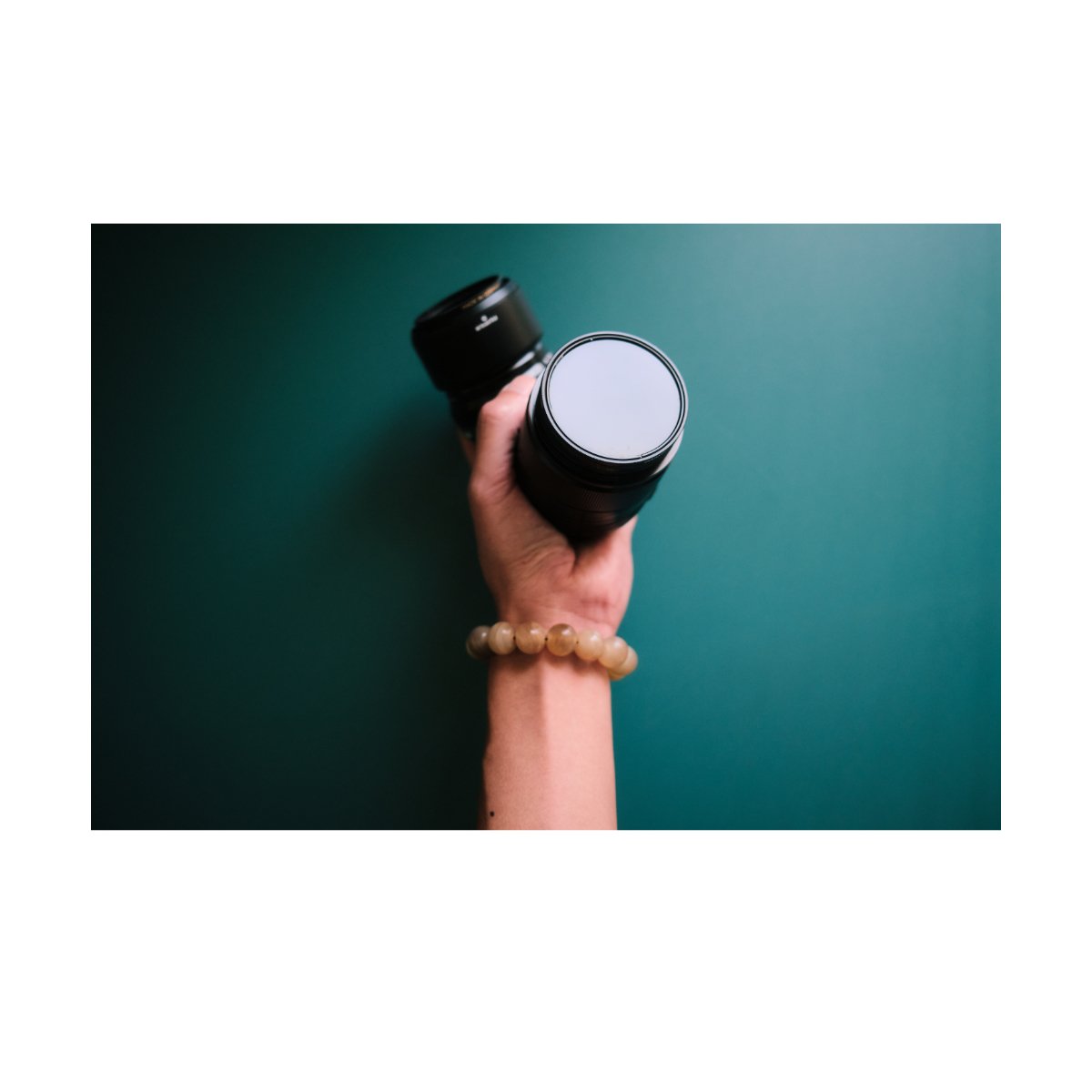
Getting Uncomfortable (xpro3 and various lenses)
In one’s photography journey there will come a point in time where you stagnate.
Where you’re not getting any better, you keep doing the same things, and you don’t know why.
In those moments it’s important to be honest about your weaknesses.
And sometimes, although I don’t often recommend buying gear you don’t need, it can be a good idea to experiment.
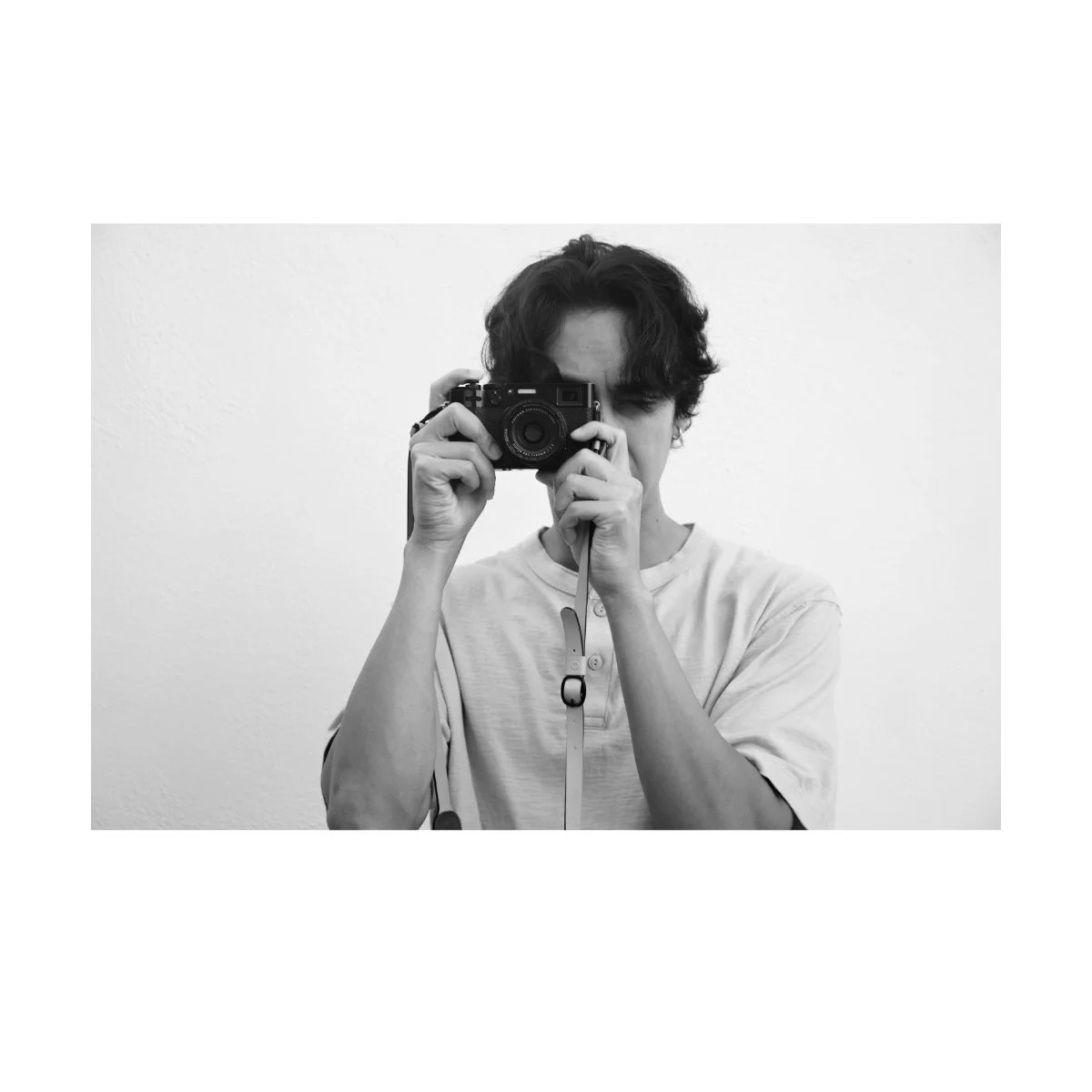
For me, I learned there were many focal lengths and styles of shootings that I wasn’t very good at.
Tighter lenses and slower bodies were challenging to me, because I’d become so accustomed to the x100v.
But they were things I needed to learn because my style of shooting wasn’t getting me good results.
So I needed to step out and buy the appropriate gear to cover the weaknesses I had in my photography.
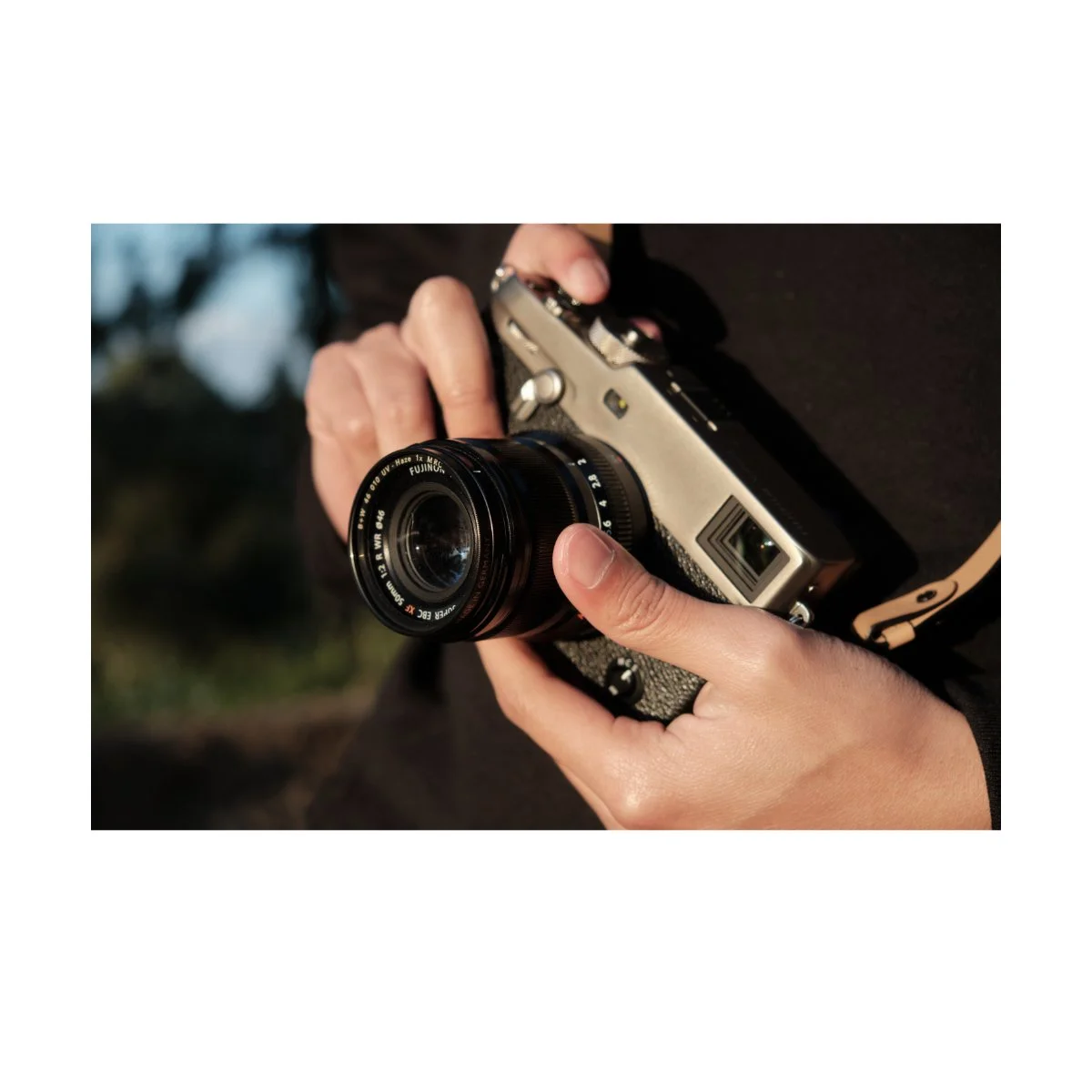
The X-Pro3 for example, I picked up to help with my street photography, only to realize that the viewfinder experience forced me to slow down and intentionally compose.
The XF 33mm f1.4 showed me what a modern lens and a slightly wider aperture could do, as well as taught me how to compose at one of the most important focal lengths.
The 50mm f2 showed me that I’m really not interested in the more telephoto side of photography and that environments and scenes are big for me.
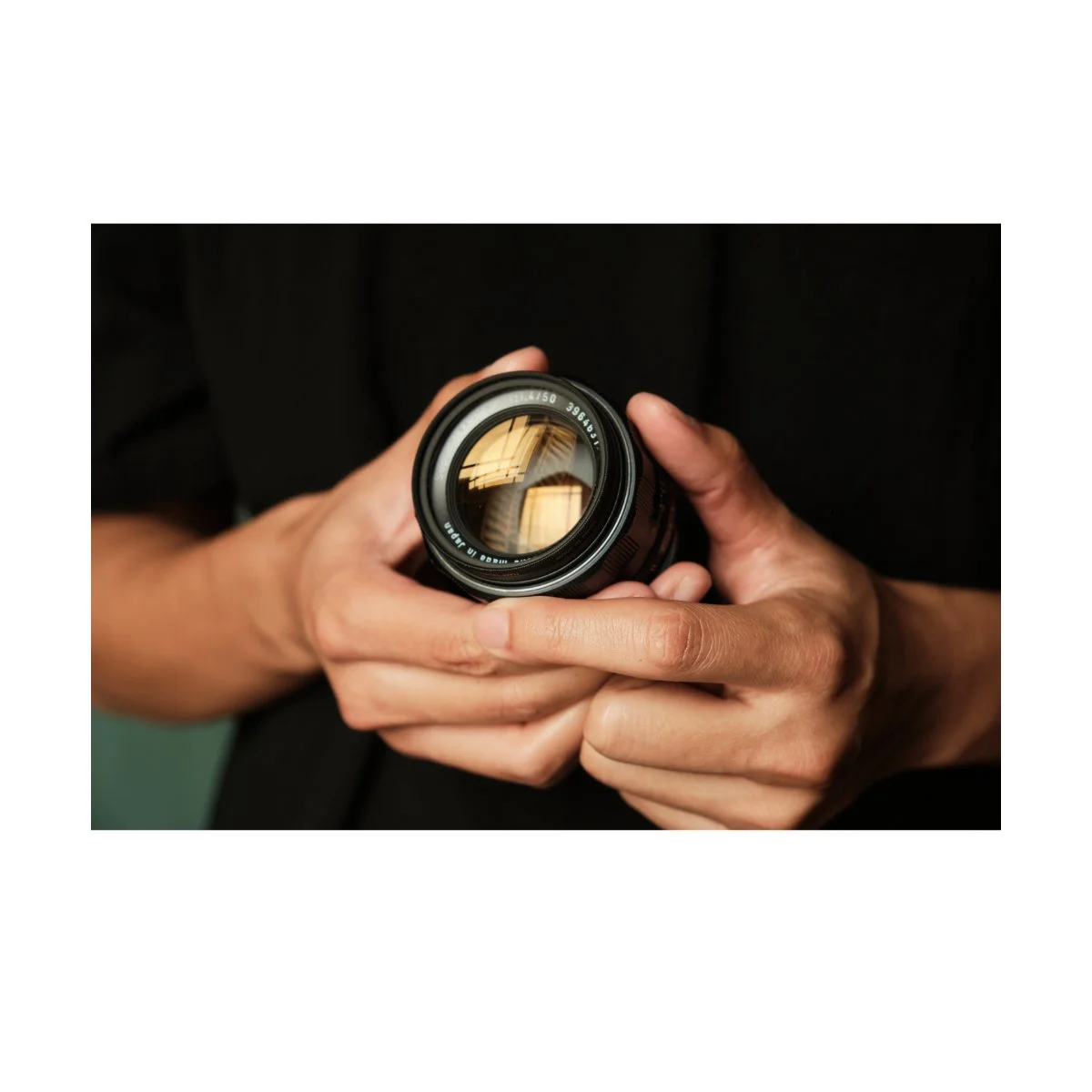
The Asahi Super Takumar 50mm f1.4 was like a vintage reset, reminding me that modern lenses are all pretty sharp and have a cleaner look in comparison to older lenses, but you can still get good results regardless.
And the 18-55, which I used instead of the 16-55, taught me the importance of stopping down and how to pick the right focal length for each particular shot.
Notice how each piece of gear I chose in this phase was different.
I could have bought something like the 23mm f1.4, which I was quite interested in and would have suited my photography better, but I didn’t.
Because I knew that wasn’t what my photos needed.
It would have just resulted in me taking the same photos on slightly different glass.
Each piece of gear I chose was uncomfortable in some way, as they deviated from the x100 experience.
But they all forced me to figure it out and find a way to make it work.
Which changed how I viewed other focal lengths and the world itself.
So when I switched back to the x100 series, my photos actually got better.
Because shooting with something I was bad at taught me a lesson I needed to learn, that would have been harder to learn on the x100 alone.
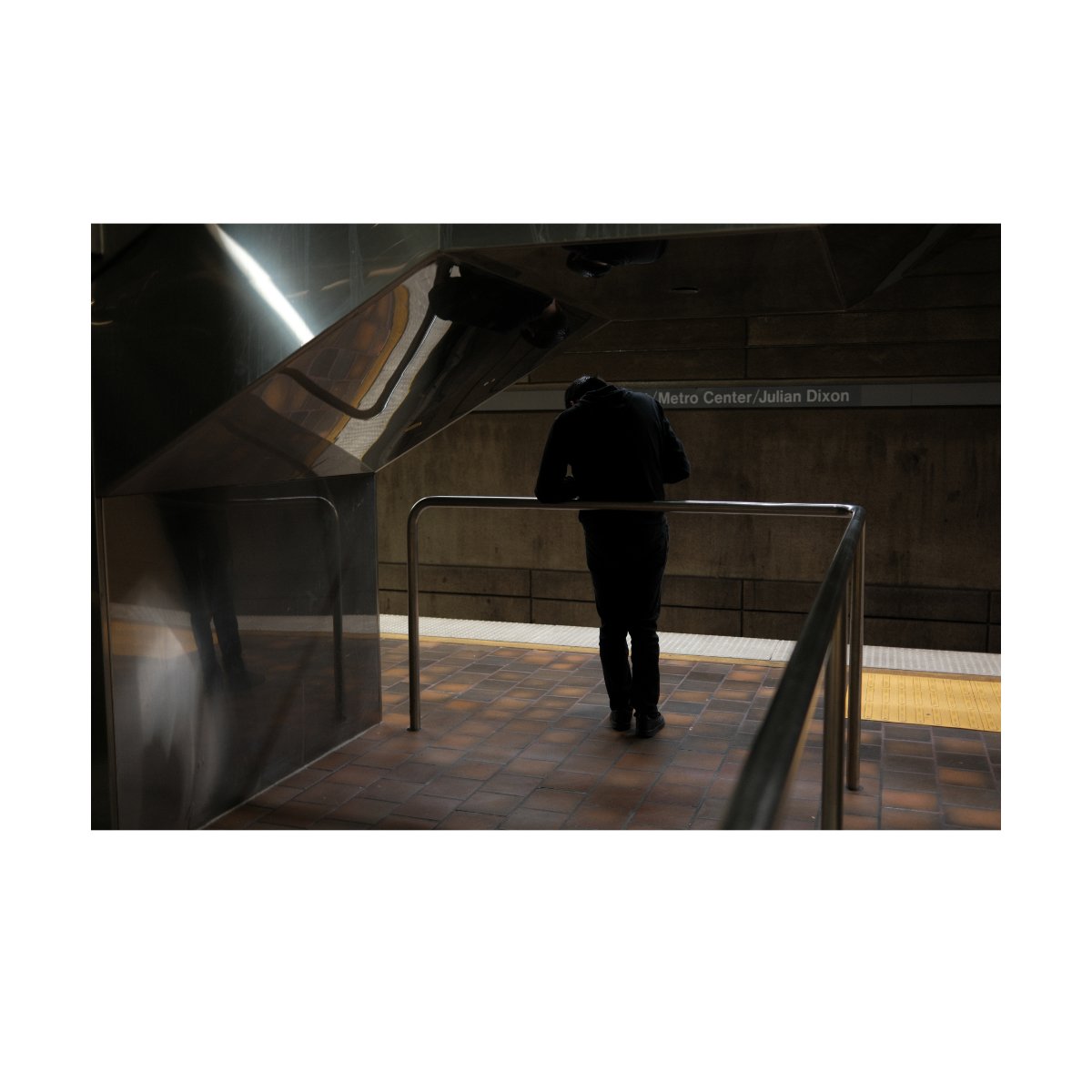
So, if you suck at something in photography, or you find yourself stagnating, that could just be the craft revealing to you your weakness.
Learning that thing through a limitation, like a piece of gear is a streamlined way to do it, although it can cost you some dollars.
Return to the 35mm Eq (x100vi)
After spending many years using different gear I’ve finally reached a point in my journey where I feel comfortable shooting on just the x100.
I’m no longer worried about missing shots at different focal lengths because I didn’t bring “that lens” with me.
Similarly, I’ve learned the many lessons I needed to and have applied that to my x100 photos.
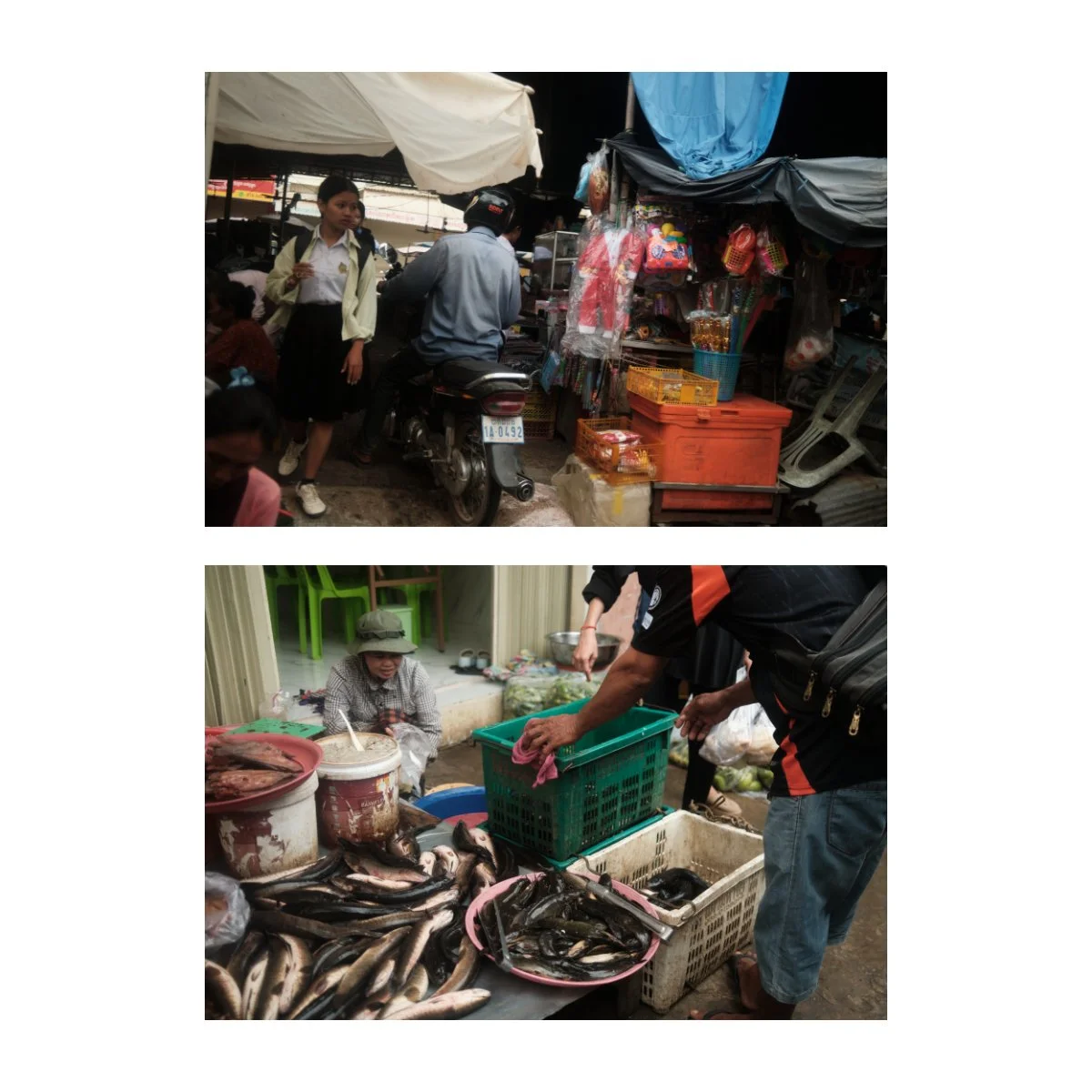
A year and a half ago I took a trip to Cambodia, and shot mostly on the x100v, and I loved it.
Back then I fantasized about how great it’d be to sell all my gear and just use the one camera.
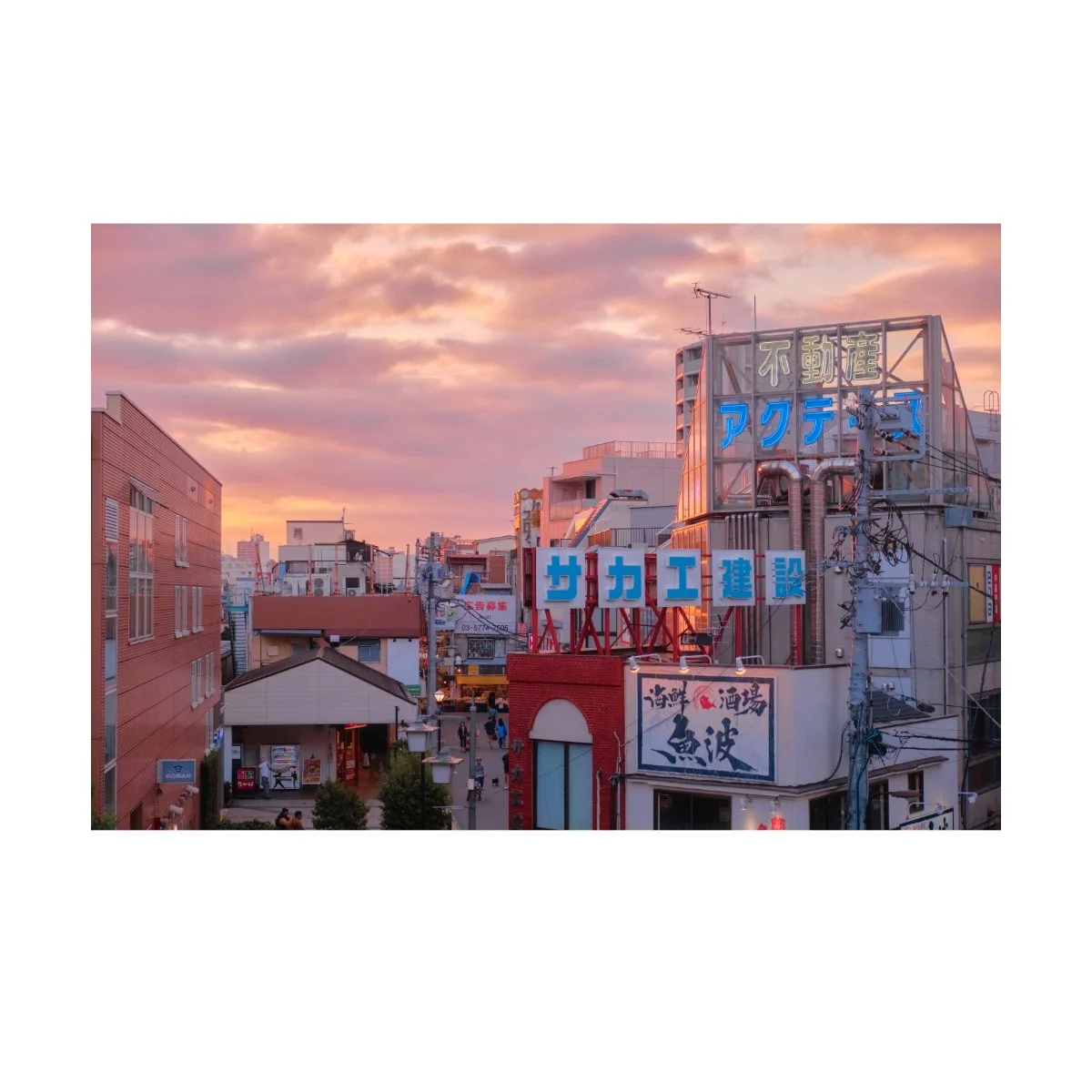
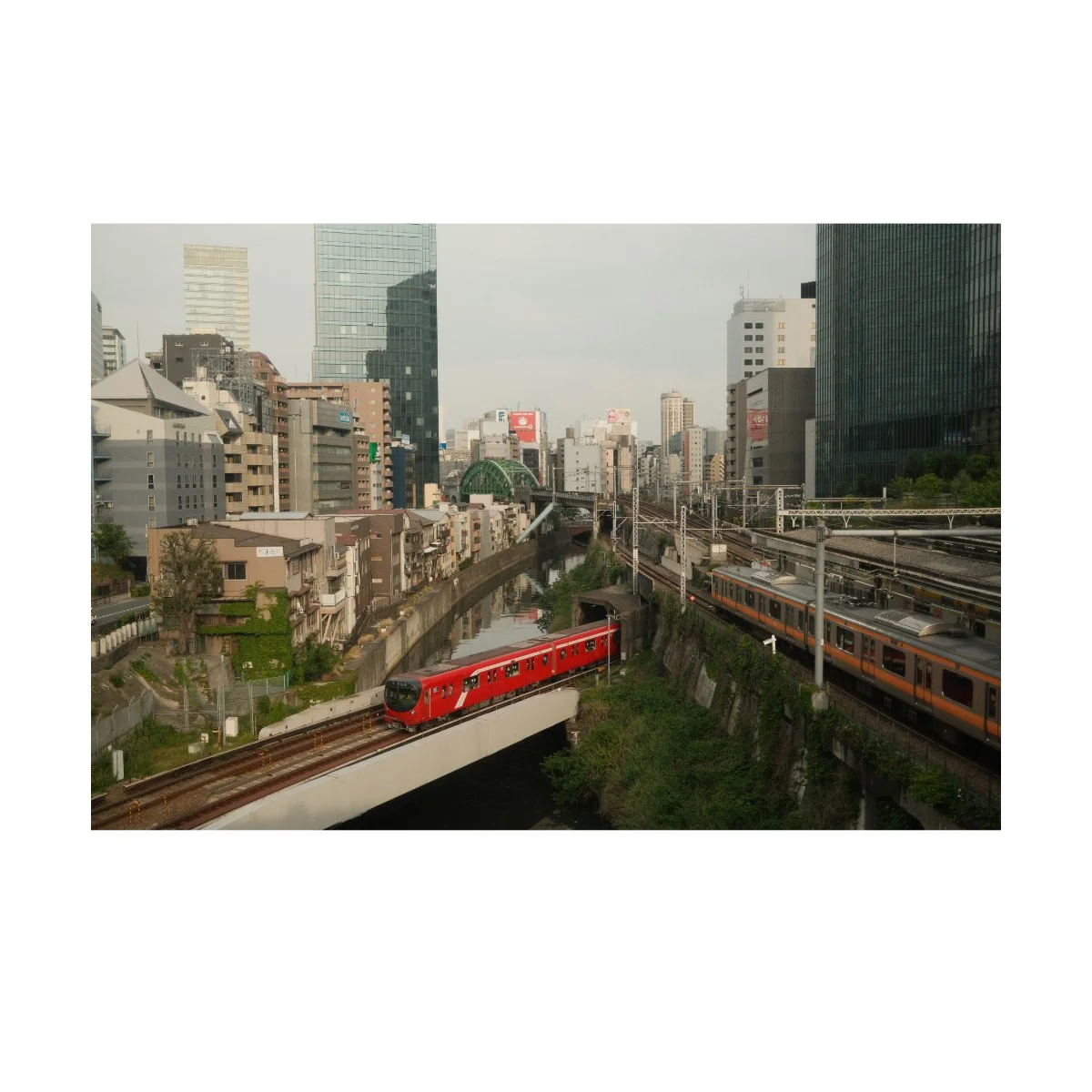
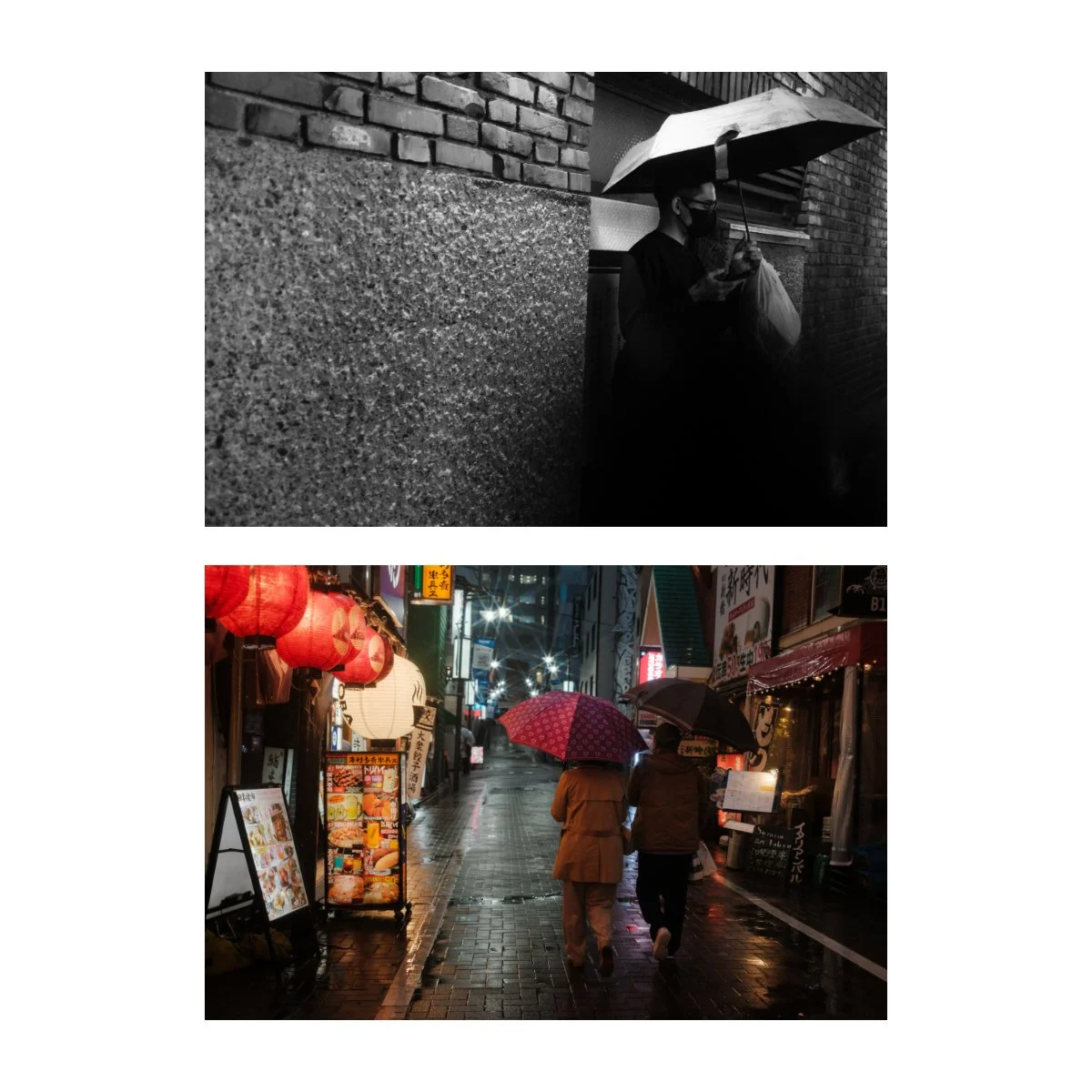
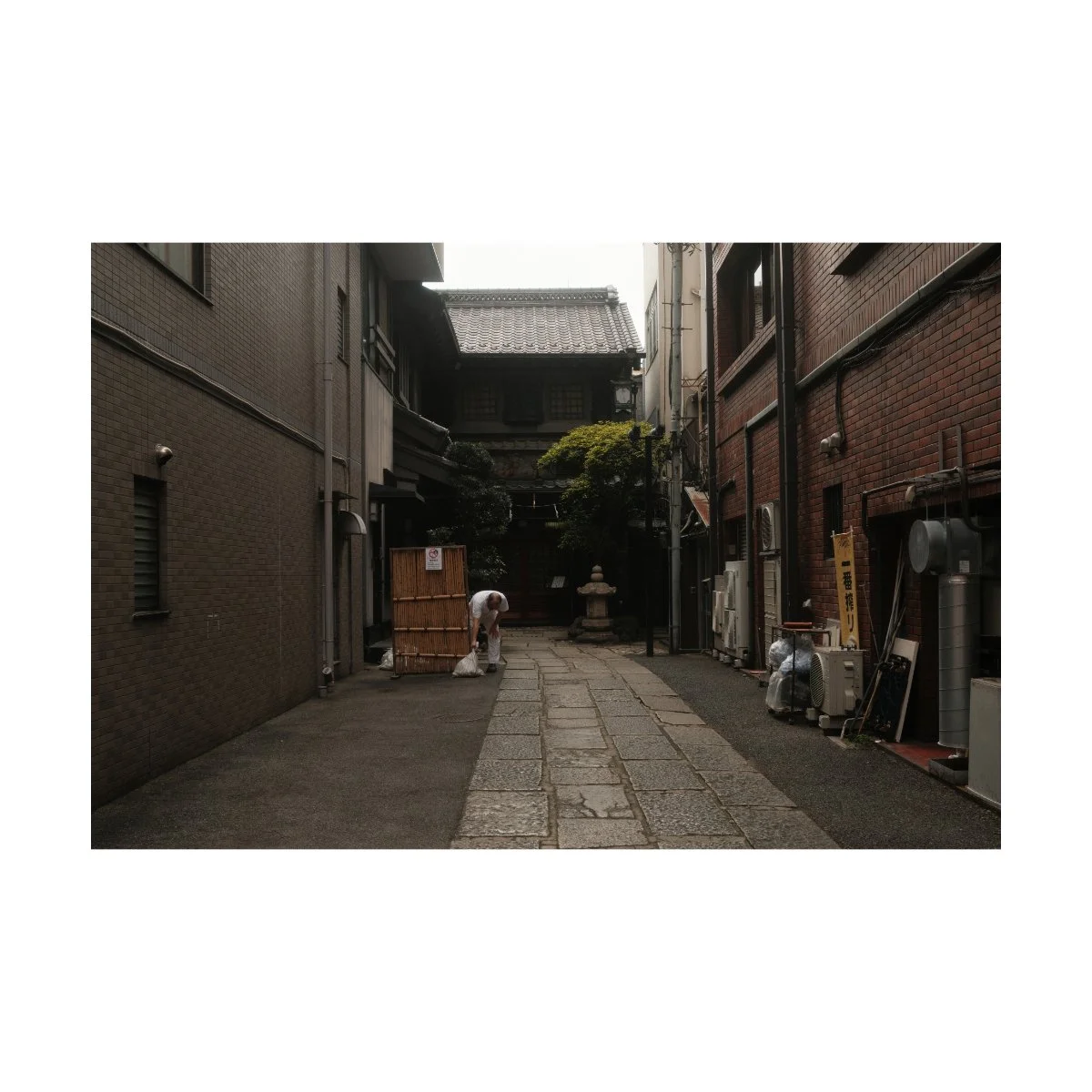
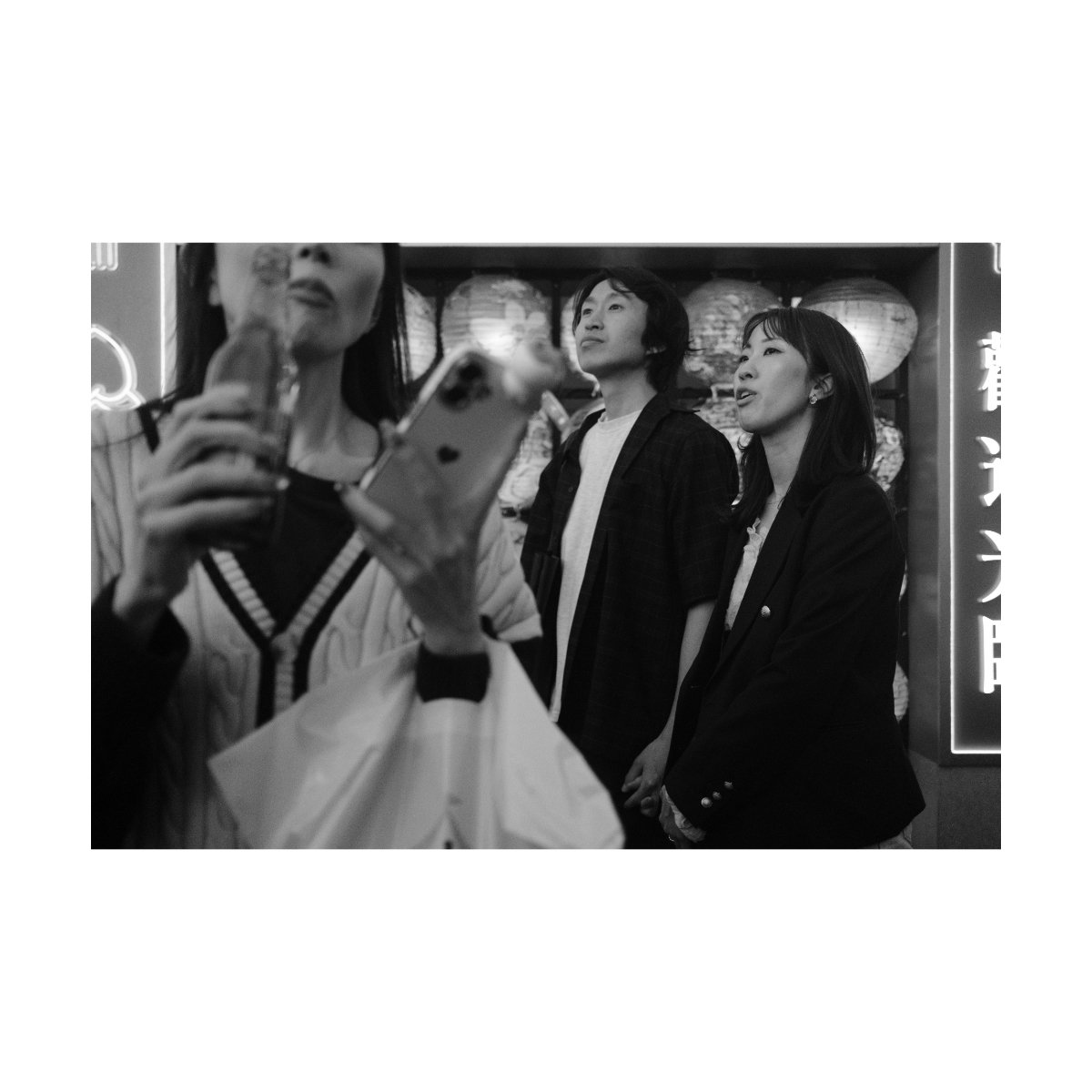
Recently I spent two weeks in Tokyo and only used the x100vi, and it was great.
Shooting one camera one lens is a great relief because there’s less to worry about and the results are better.
So this sentiment has been growing and growing in me, and I think it’s proving itself true.
I know what I want to capture and I’m okay with letting the other photos or looks go.
Because I want to be an expert at just this: street photography with the 35mm eq.
I’ll still have the 18-55 if I ever need to shoot a landscape here or there, but if I’m trying to take photos with different pieces of gear at once, my photos will be worse.
I’ve finally come full circle in my journey, and it’s awesome.
But here’s the thing.
I didn’t know I was expanding my range back then.
I didn’t know I was covering my weaknesses or learning the things I needed to learn to improve my photography.
The pieces all make sense now, when I’m looking back on the whole experience retrospectively.
So if I could go back and do it again, I’d be more intentional - because there was a lot of gear I didn’t need to buy.
I think many photographers buy gear for no reason and they don’t think about what they want to capture or what they’re weak at.
But if you begin to look at gear as a way to shape your photography, to eventually reach a point where you can narrow down what it is you want to capture, then every piece of gear becomes relevant.
Don’t buy gear just to buy gear.
Think of gear in lessons, as a way to try something new, fix a weakness, or make you better.
Then it’ll matter less and less whether you ultimately keep that lens or not.
Because finding something that doesn’t work out is still as valuable as finding something that does work out.
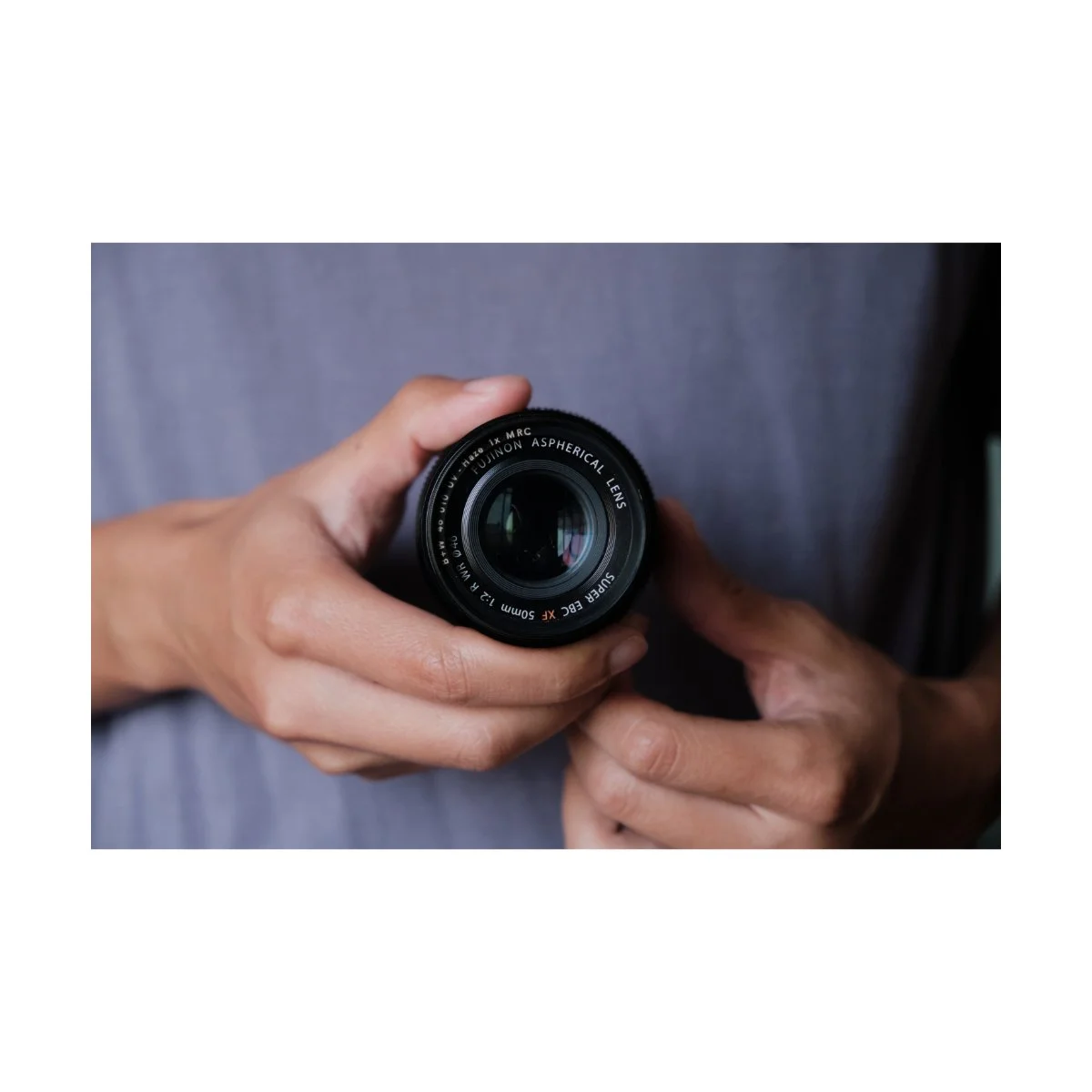
For example, I no longer have to worry about 50mm or 14mm photography, because I’ve learned I don’t care that deeply about it.
Each piece of gear should contribute, in some way, to what you want to do with photography overall.
This may mean a longer journey or a shorter one, one camera or ten, but they’ll all add up.
And don’t overthink it.
If you know in your heart this camera and lens is the perfect combo for you, and you don’t need anything else, you can ignore all the other gear noise, and just focus on the work.
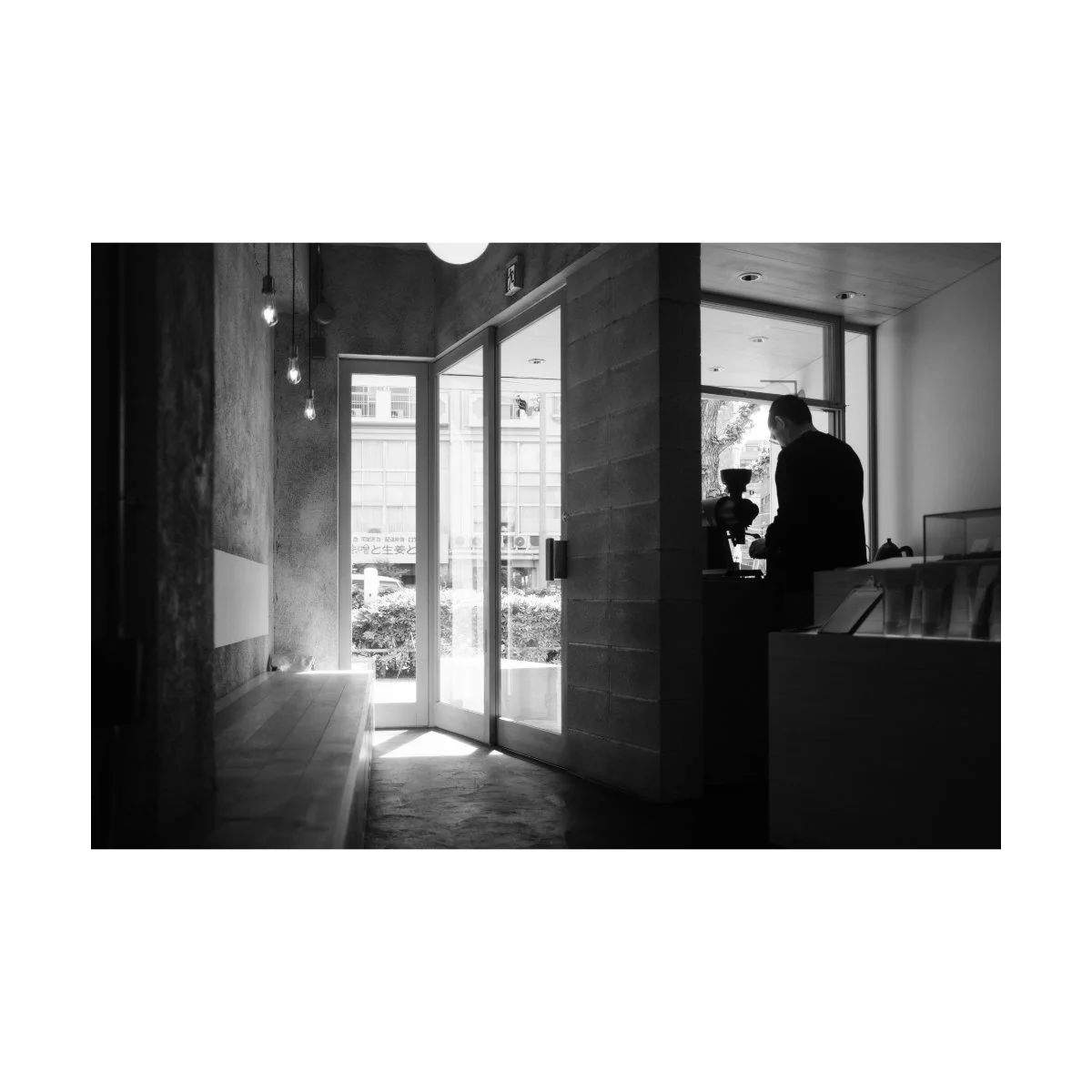
So that was a runthrough of the cameras that shaped my photography.
I am now back to using just the x100 cameras (and the X-T4 for video), and I plan to keep it that way for a while.
Hopefully you found this useful or interesting - share this with a friend if you did.
If you want to learn more about photography check out either Photography Essentials or Photography Systems.
Thanks for reading, happy shooting.