Right Camera, Right Time. - The Unusual Success of the Fujifilm x100v & x100vi
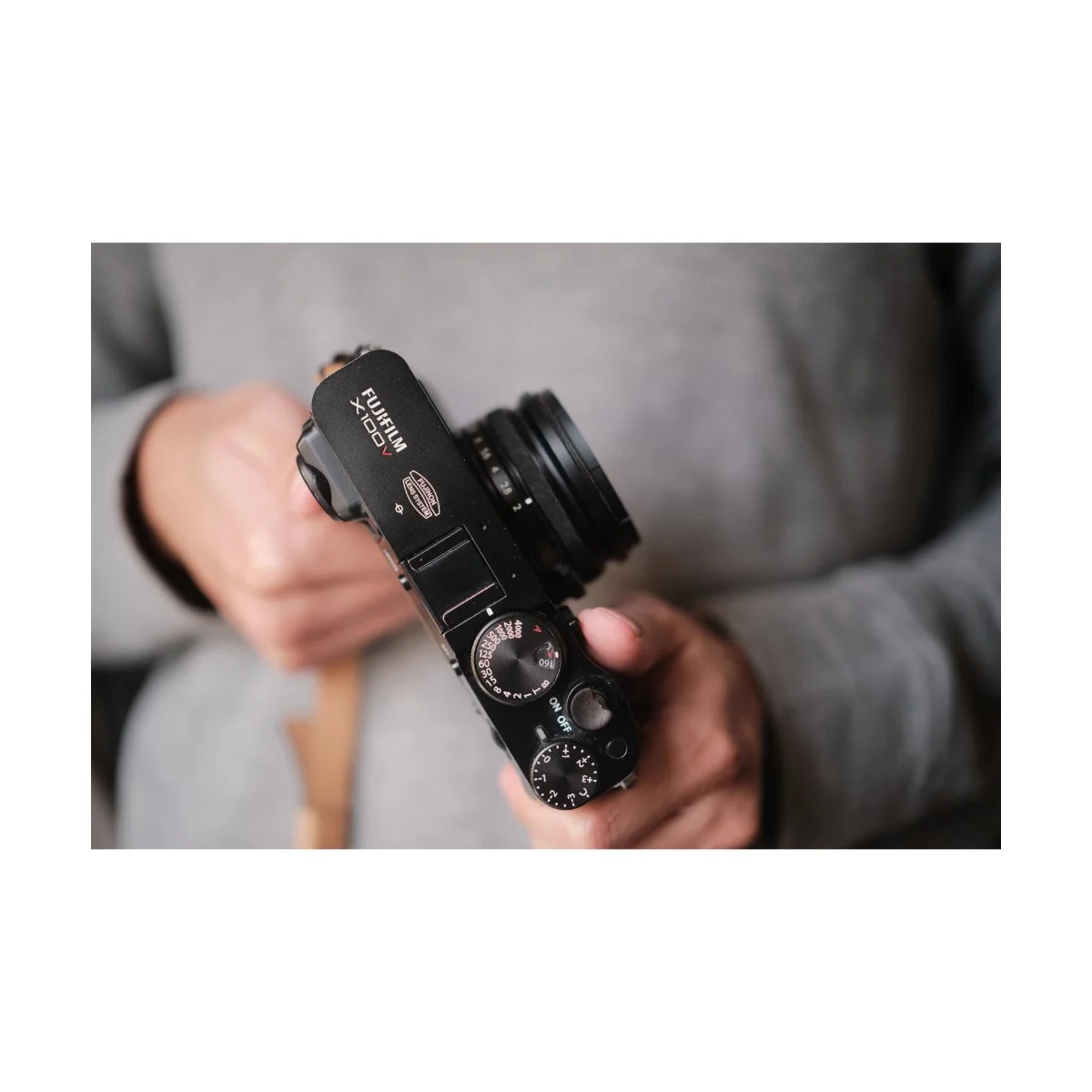
6 years ago Fujifilm released (debatably) their most popular camera ever - the x100v.
2 years ago, it’s successor, the x100vi (also a very popular camera) came out.
Now whether you like them or not, you can’t deny the success of these cameras.
They’ve been in very high demand, constantly sold out or backordered, and resold at much higher prices for a long long time.
And although they might not match everyone’s preferences, functionally, they’re great cameras.
So why then, have these cameras broke the market, (and are still so expensive) while other cameras aren’t?
Well, unlike cameras like the Fujifilm X-Pro3, which I mentioned felt like the right camera at the wrong time, the x100v and x100vi were the right cameras at the right time.
Let’s get started.
The Perfect Storm
The success of the x100v and x100vi is due to what I’d consider a perfect storm.
A bunch of coinciding elements that came together and made people want this camera.
There are plenty of these, but today we’ll just cover the main three.
Smartphones
Smartphones, although one can view as a competitor to the x100, actually led many people to buy one later.
You see, the 2010s was characterized by pushes and pulls in the consumer market.
For a while, people pulled away from cameras, because everyone now had one on their phone.
Phone cameras were more convenient, actually started taking good pictures, and were much easier to post with on newly prolific social media platforms.
And many people could care less about carrying a separate camera for photography - it just wasn’t as convenient.

During that time, four previous iterations of the x100 existed: the x100 to the x100f.
These weren’t bad cameras and were actually liked within the photography community.
But they existed for years without making waves like the x100v.
This is because although they were good cameras, the general market wasn’t quite ready for them.
Everyone was using their phones so it wasn’t the right time.
Fast forward to 2020 and things began to change.
By then, the saturation of smartphones was becoming tiresome and their pictures felt stale.
Everyone’s photos looked the same, the downsides of overusing your smartphone was noted, and people wanted something different.
Hence, cameras like the x100v, began to take off.
This also coincided with a resurgence in film photography - so let’s talk about that.
The Film Train
Around the same time smartphones were taking off, a parallel counter-culture was emerging.
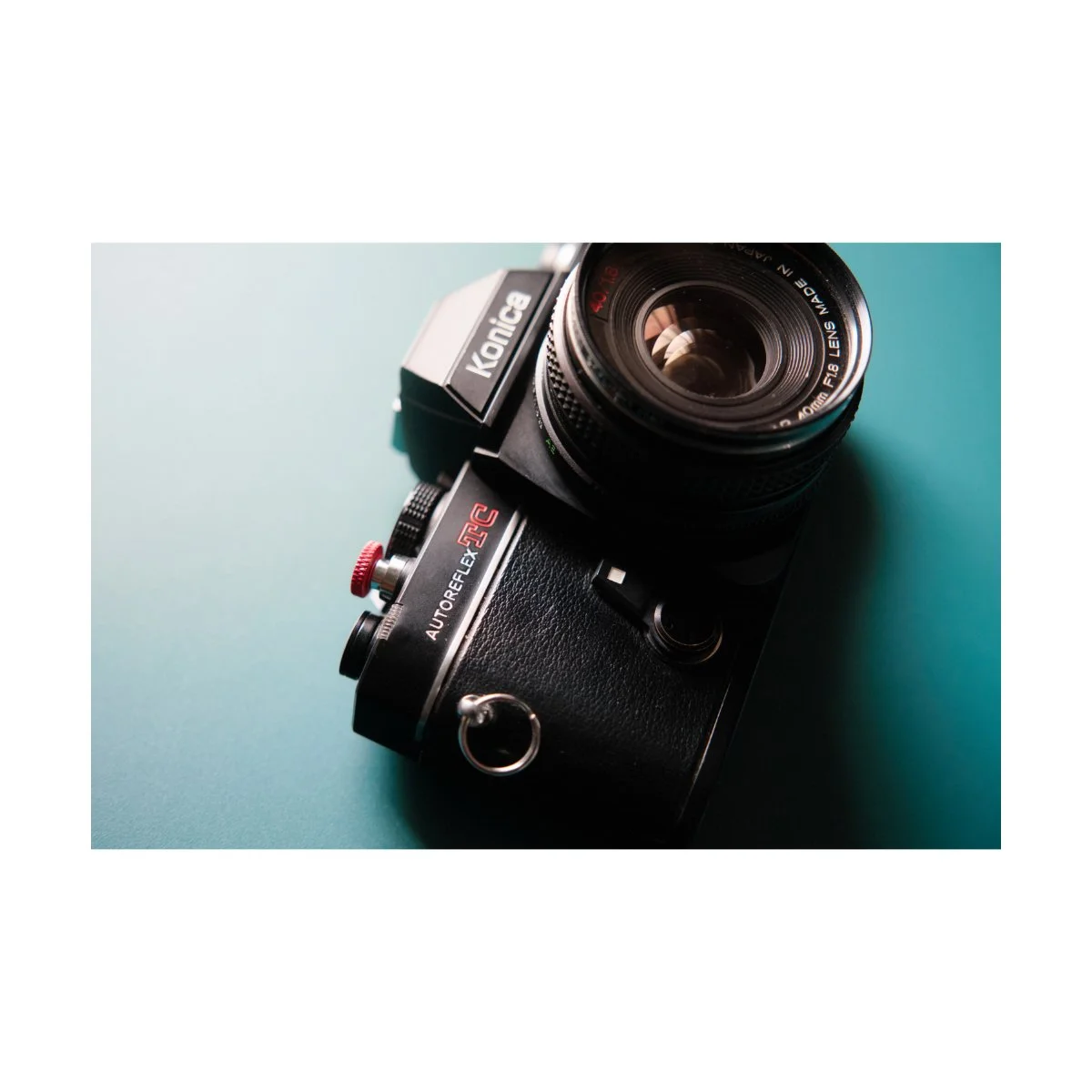
Many young people were grabbing their old parents’ film cameras, buying and refurbishing used ones off the internet, and beginning to shoot film.
While smartphones were convenient, easy to access and share, film felt more thoughtful, permanent, and novel - and the pictures looked better.
It was then we witnessed a large resurgence in film photography - a medium many previously thought would die.
This need or desire for a more dedicated shooting experience was recognized early by Fujifilm.
Many of their digital cameras retained physical manual controls and they created plenty of Film Simulations to match.
However, their cameras were largely overshadowed by others and many color profiles were seen as gimmicks back then.
So again, they had to bide their time and wait, because it wasn’t right for the market just yet.
It wasn’t until later when the film train began to die off that people started truly looking to Fujifilm.
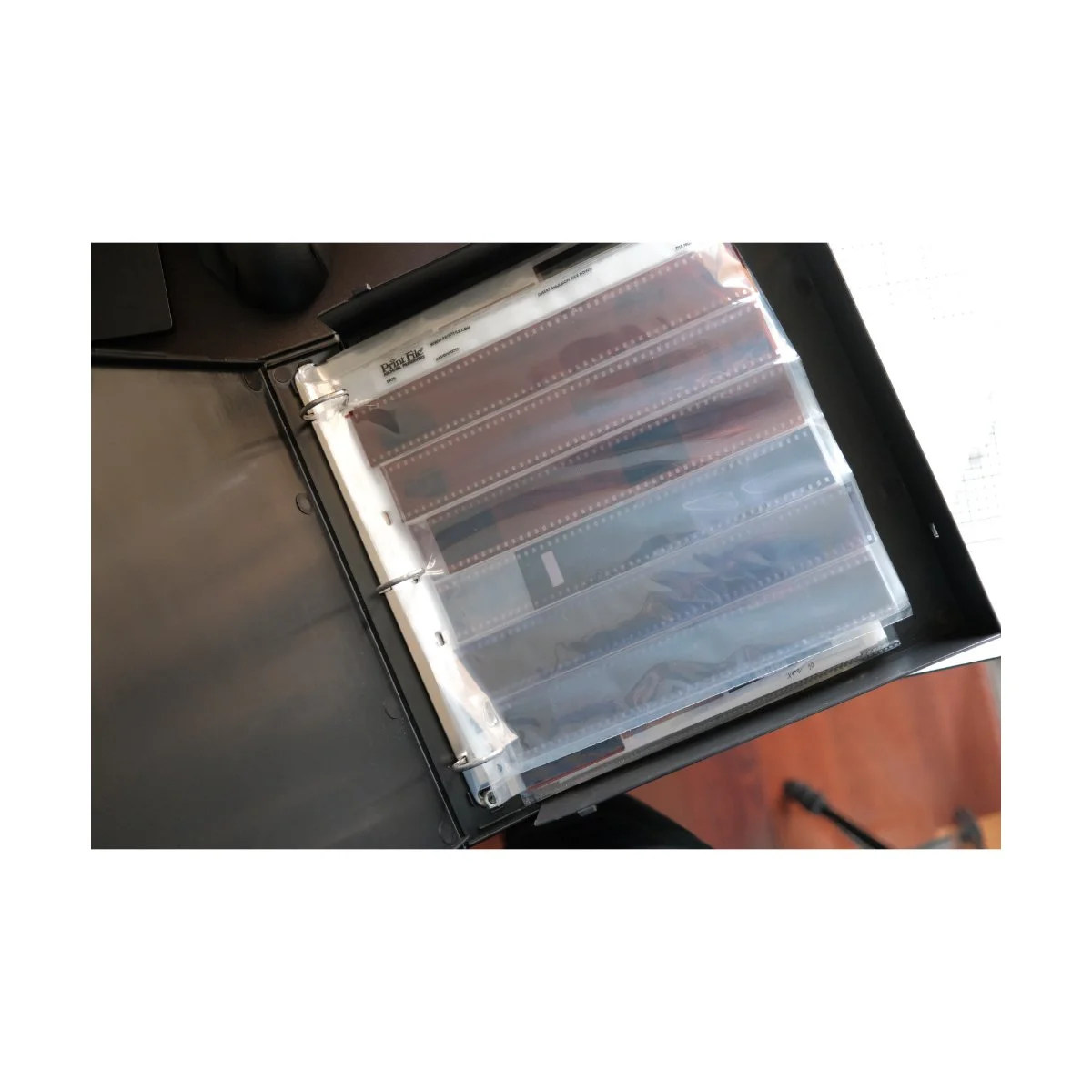
Because let’s be honest: unlike before, film has gotten much more expensive to shoot, develop, and scan.
It’s also a bit of a chore to archive the film and maintain the cameras (many of them are old and have problems).
So it became an obvious choice: If I could get similar good film-like photos from a digital camera, with the same manual shooting experience, why not use that?
It’s easier, more convenient, transfers are fast, archiving takes less space, and it’s not a smartphone.
It makes sense in retrospect, it just took a while for these products to develop and for the market to accept.
So finally, let’s talk about the last nail in the coffin that made the x100v the right camera at the right time.
Covid 2020
Perhaps the most pivotal gateway to the x100v’s success was a blip in time we’re all familiar with.
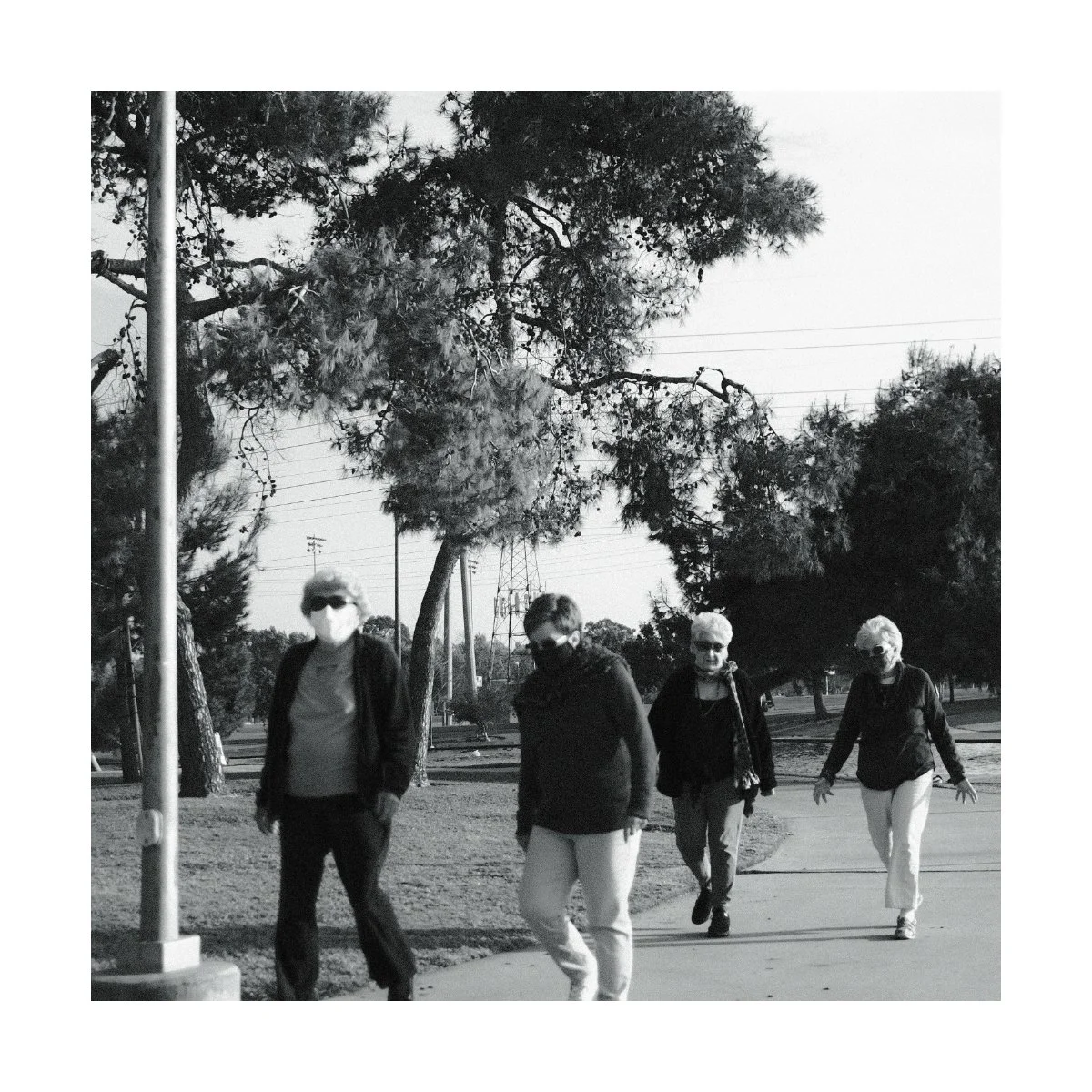
In 2020, when the x100v was released, was also when Covid struck - and changed the world forever.
Labor moved from in-person to remote and everyone washed their hands more.
But paired with that, many people ended up with a lot more free time.
People were going out less, there was more time away from work to think, and many found themselves questioning their lives and existence.
“Is this what I really want to do with my life?”
“How do I want to spend the next 5 years?”
“What’s actually important to me?”
It’s funny how much clarity can be achieved when you’re not busy all day.

It’s here I saw many people around me start to pursue new hobbies.
Things no one had time for they suddenly had a lot of now.
Things people were always interested in but never got to try were now available.
And people started doing things that were fun and enjoyable, like photography.
Paired with the two things we mentioned earlier, a desire to get away from smartphones and the need for a digital film experience, cameras like the x100v took off.
It was also arguably the best form of the camera.
After years of development the specs were truly modern and image quality was great.
The design and shape of the camera made it not only look good but functionally practical.
Film Simulations had continued to get better and the variety of custom recipes were well supported.
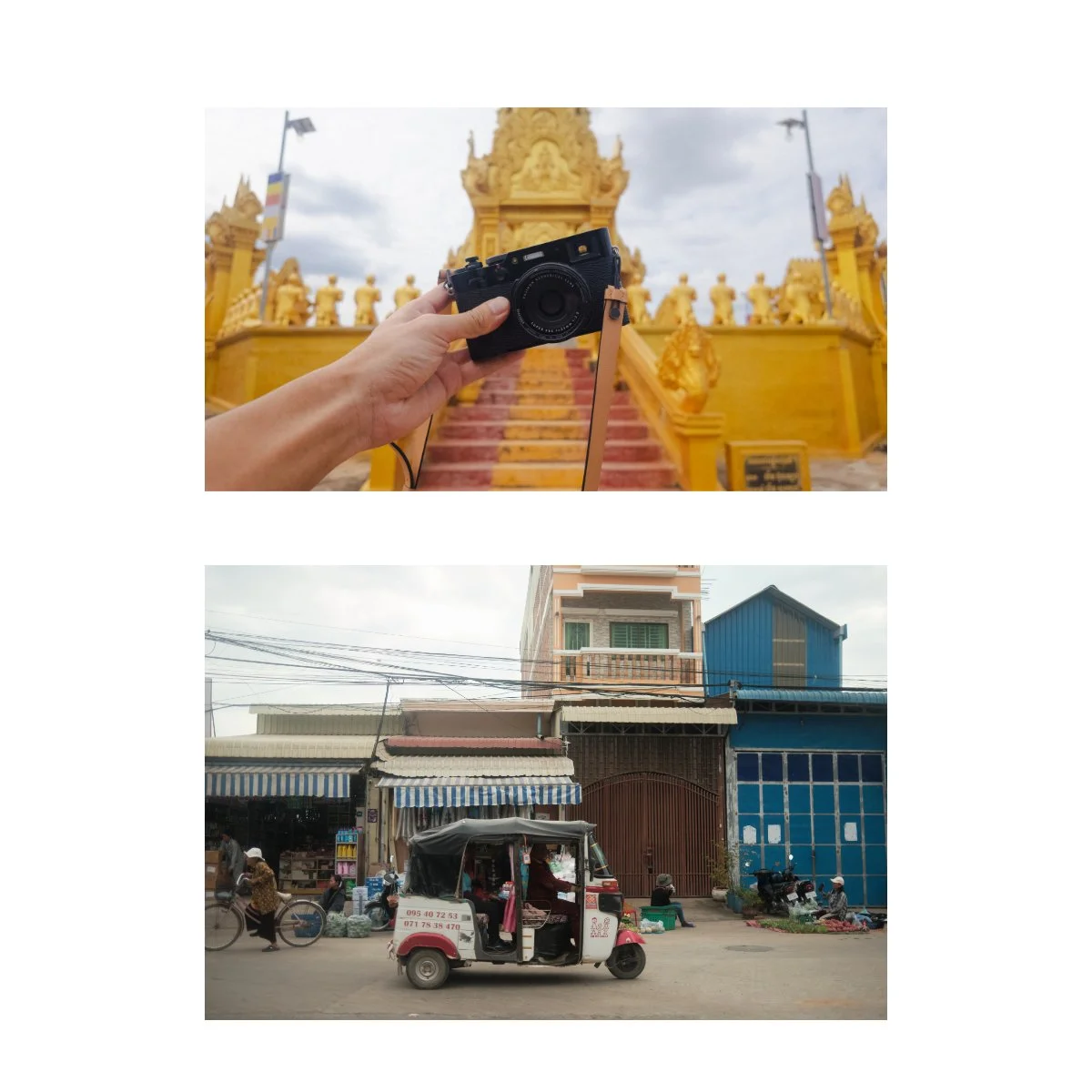
The x100v was perfectly positioned to take advantage of this time in the market.
You could call it luck, but we can’t forget the previous decade of iteration and development.
They teach us a lot about how we should approach our work as artists.
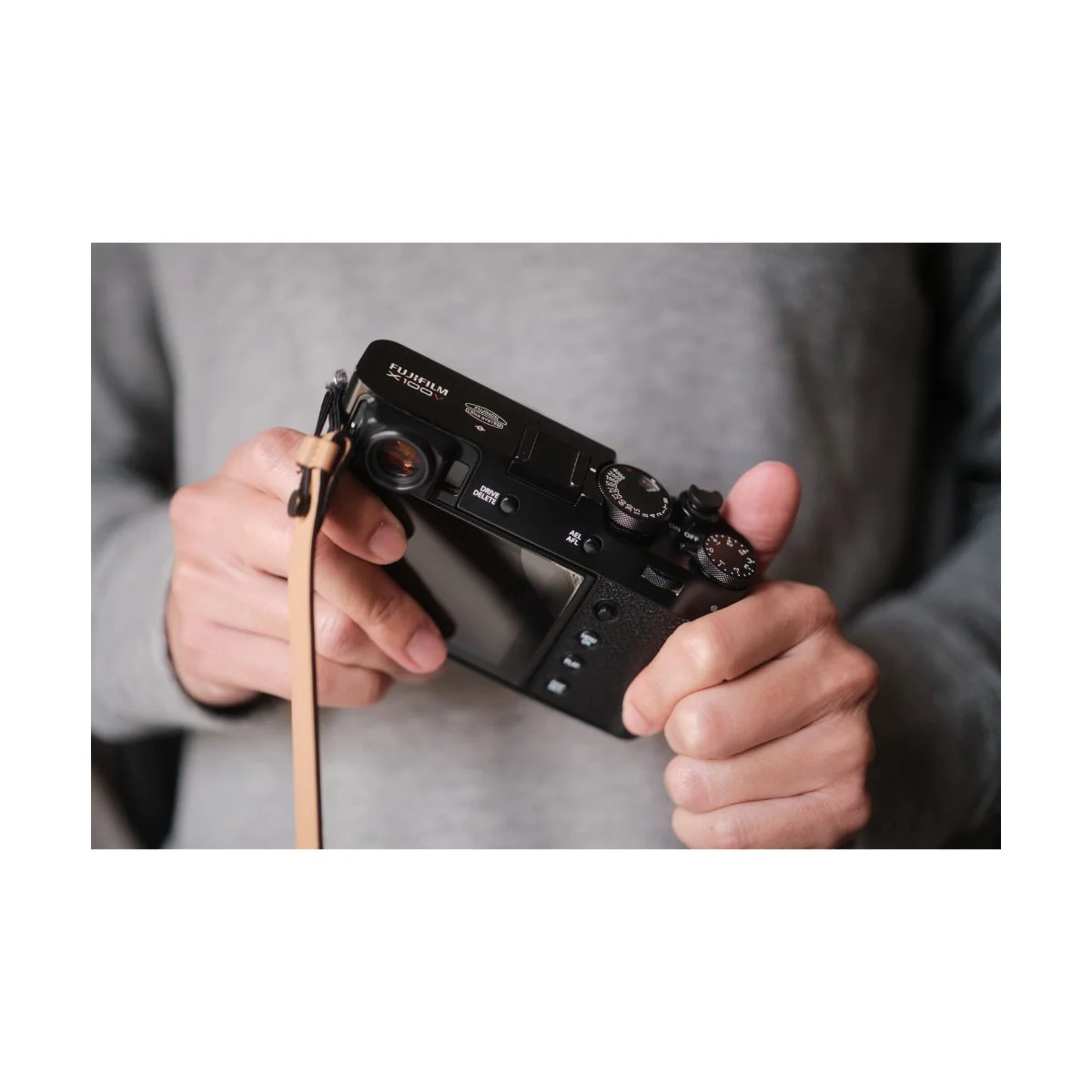
Not Predestined
So the x100v is popular - great, we know that.
But what does that mean for us as photographers?
Well, I make these points not to flex the camera but to drive home a lesson we can all make use of.
You see, success in anything isn’t easy or predestined.
One can look at cameras like the V or VI and claim it was all luck - that all of these social and cultural movements made it happen.
And without them would this camera have actually taken off?

Maybe not, but in actuality, you can’t look at the V and ignore all the iterations before it.
The success of the V impinged on the backbone of four previous not-as-popular cameras.
Again, this doesn’t mean the previous generations were bad or even “failures”, just that the scale of popularity was vastly different.
It took a whole decade of continuous improvements and work to make this camera what it is today.
Not compromising on the values and intent of what was being built, not quitting and jumping ship, and little expectation of a future pay-off like this.
How many people can say they’ve worked on building something and making it better for more than a decade?
I think a lot of people nowadays, especially in a fast moving dopamine infused short-form world, find it difficult to be patient.

They find it hard to work on something consistently for a long time and not see any progress or result from it.
And they lack conviction in their beliefs about what might work and what can work.
It’s a big reason why everyone has “ideas” but few ever follow through on them.
But success in anything rarely comes quick and fast.
If it does, well there’s downsides to that as well.
So although you could view the success of a camera like the x100v as “luck”, I’d beg to differ.
There were certainly many coinciding factors that helped push this camera.
But in my opinion, it was less blind luck, and more manufactured luck.
Yes, although a myriad of things contributed to it’s success, if the effort wasn’t put in to make it a good camera to begin with, it wouldn’t have been able to capitalize on the perfect storm.
The camera became the right camera at the right time by continuing to be there when it wasn’t.
This applies to projects you’re working on as a photographer, goals you want to reach in life, and whatever you’re trying to get better at.
Not everyone will understand why you want the things you want and why you do the things you do.

People will tell you to take the safe route, but this is your life and your gut is saying “go for it”.
The world outside will be crazy, but you must remain calm, centered, and keep doing your thing.
Judgement, annoyances, and lack of results will all come and try to push you off your path.
But you must ignore them, pretend as if they don’t exist, and keep on working.
Creatives, photographers, and camera builders alike are often working in the dark, with little to no expectation of payoff.
You can’t prove something is going to work, you can only keep working on it.
So this process is normal - and if you’re doing anything worthwhile in life, that’s the takeaway.

Don’t worry about timing.
Don’t worry about it being “too late”.
Don’t worry about results.
Because it probably won’t be the perfect time.
But it also doesn’t matter because we can’t control timing.
That’s why they say:
The best time to start was yesterday and the second best time is today.
So, if we just start, stick with it, and continue to improve, eventually it will be the right time - and when it does, we’ll be ready for it.
It’s either that or do nothing, be unprepared, and miss yet another opportunity.
That’s the big lesson we can take from the x100v being the right camera at the right time, and I hope it serves you well.
If you’re interested in learning how to improve your photography, shoot more and stress less, check out Photography Systems.
It’s there we deal with the psychology and framing of getting better - I think you’ll find it useful.
Thanks for reading, happy shooting.