The Secret to Always Getting Sharp Photos (Regardless of the Gear You Use)
For many years “sharpness” has been a quality photographers hunted for in their photos.
People would judge lenses based on their sharpness, companies would market gear based on their sharpness, and people would pixel peep, trying to get the sharpest photos.
Which is understandable, because, who doesn’t want sharp photos, right?
But contrary to what some might think, sharpness isn’t always that important, and a good image is not always about the lens.
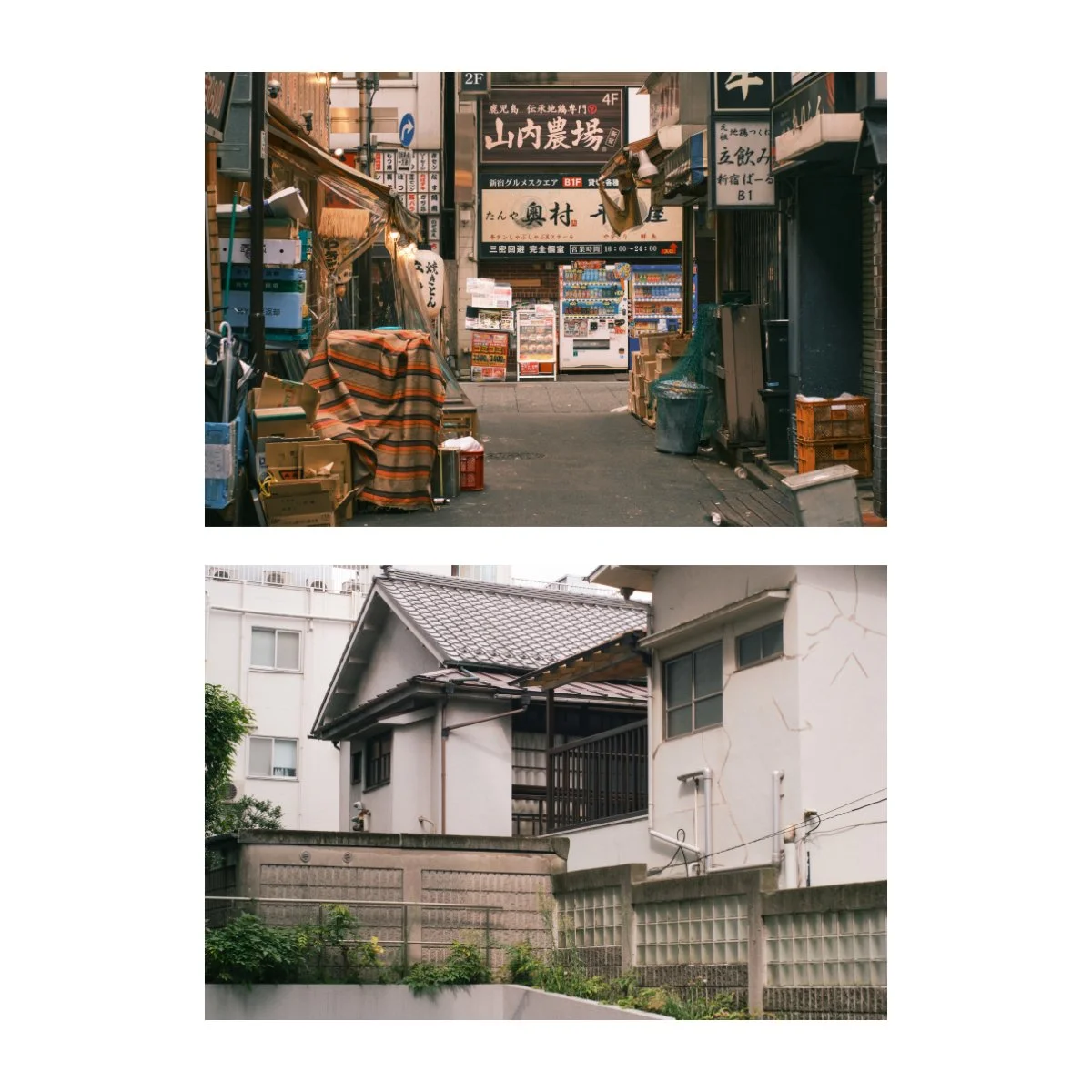
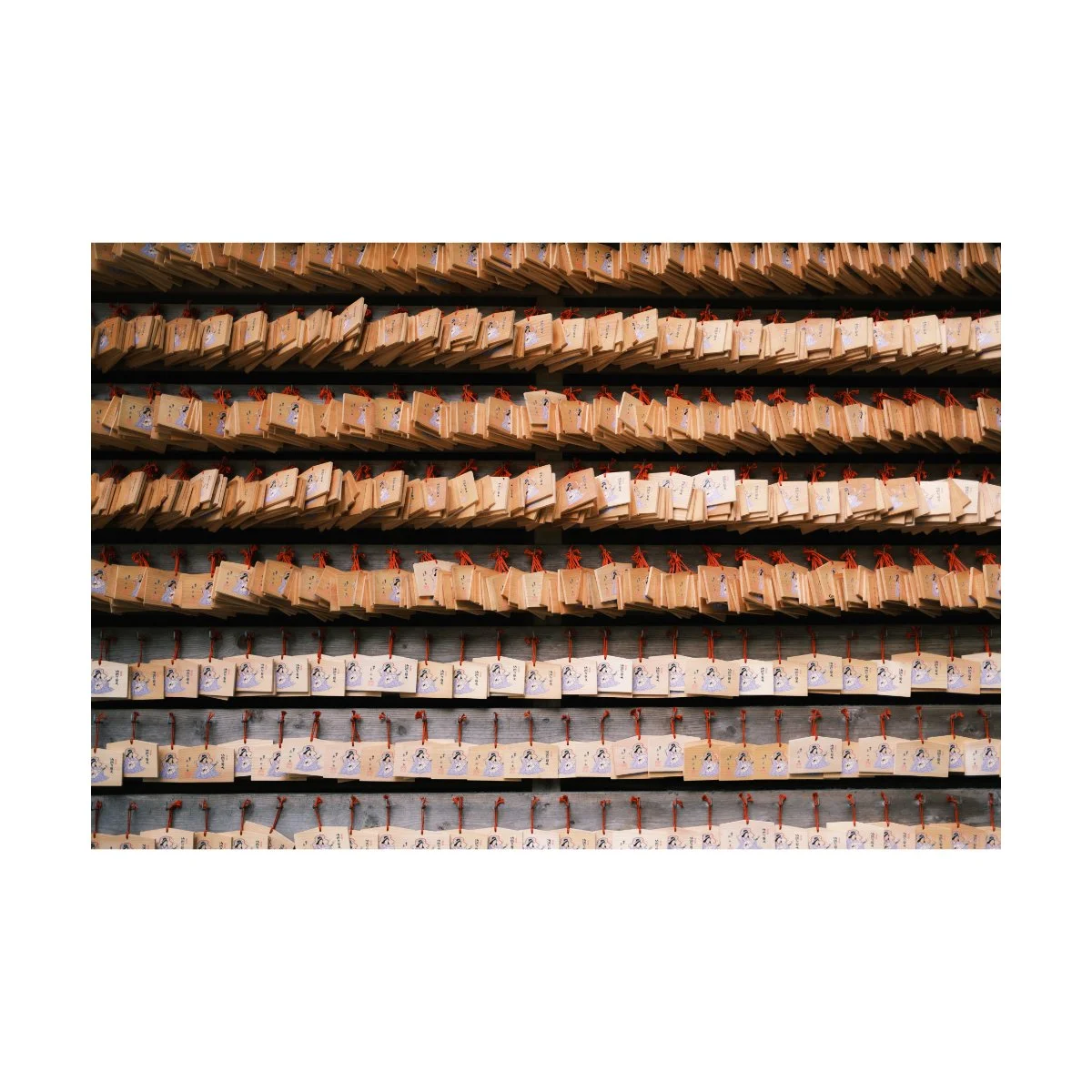
Let me share with you a few different photos from different lenses I took in the past.
At a glance, you might be able to recognize whether one is “sharper” than the other.
But as we peruse through these sets of images, you might also realize that some of these images still look nice, even though they don’t exhibit the clinical “sharpness” of a more expensive lens.
Well, would you be surprised to find out that many of these images were taken with the vintage Asahi Super Takumar 50mm f1.4?
Back in the day this was touted as a pretty sharp lens, but by modern standards, falls short.
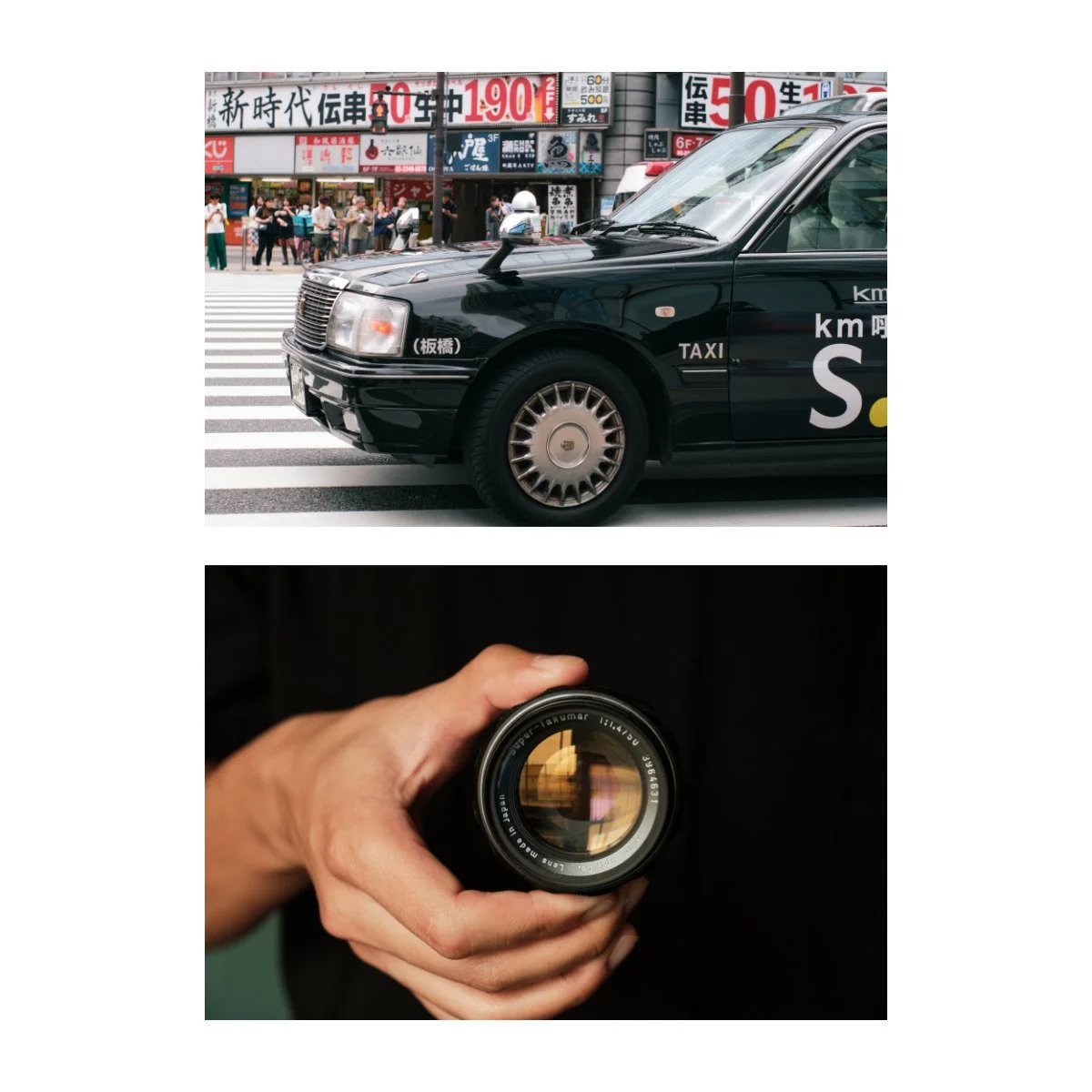
So why then, do many of these photos still hold up?
Well, it’s for one simple reason.
What people think about when they think about sharpness, isn’t actually sharpness.
They simply want the “look” of a sharp photo, which can be determined by other characteristics in photography.
And as long as you get those things right, your photos will look good, even if your lens isn’t super sharp.
Photography nowadays is less about technicality and the age of pixel peeping is over.
No one’s going to hold a magnifying glass to your photo to check the corners.
And bad photos can still be taken on a technically sharper lens.
Understanding that, let’s talk about how we can get sharp photos, regardless of the gear we use.
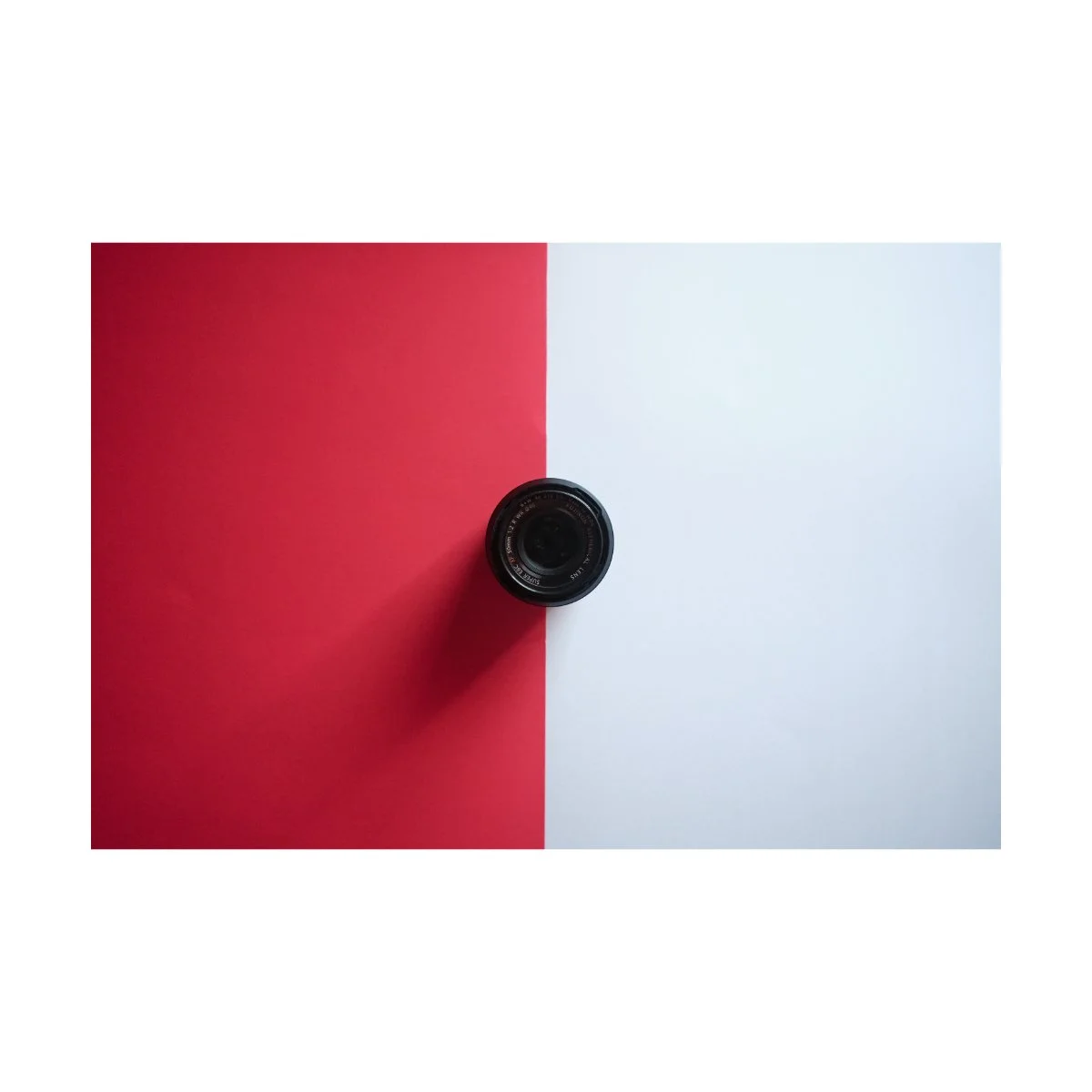
3 Things That Determine Sharpness
So if sharpness isn’t determined by the lens, what is it determined by?
Well there are three main aspects in photography I like to think contribute to this “sharpness” - and none of it is technical.
This should break your perception of what sharpness is but also allow you to get “sharp” looking photos regardless of the gear you use.
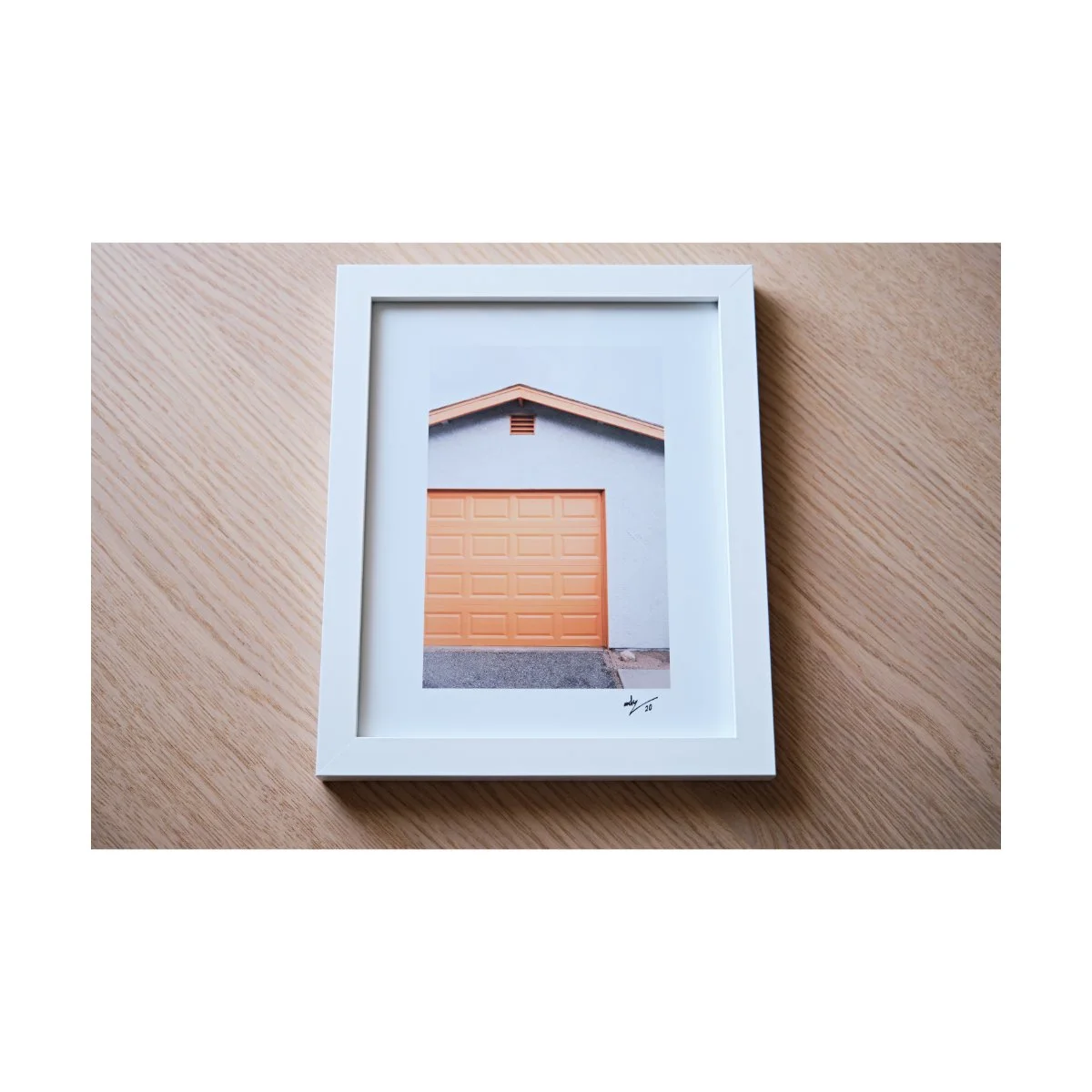
The Feeling of Sharpness
If we want to get sharp photos we must first understand how sharpness works.
As much as the technical and specification side of photography is valued, we as humans don’t see those things when we’re looking at an image.
Just think about it.
When’s the last time you scrolled on Instagram and zoomed in to some creator’s photo trying to see how sharp it was?
Probably not ever.
Even if you did, the resolution and quality of photos on social media platforms couldn’t give you that feedback.
And yet, you still knew it was a good photo and you still pressed like.
Why?
Well, probably because although you couldn’t judge how sharp the photo was, it still gave off that “feeling of sharpness”.

Humans are very emotional beings.
So we look at photos from the emotional side - the content matter, the expressions, the feelings the shot conveys.
Those are all more important aspects about photography than clinical perfection.
You see, as photographers we don’t necessarily need the sharpest photos, but rather photos that still give off the feeling of sharpness.
We’ll talk a bit more about how to achieve this feeling in a bit, but just keep this concept in mind.
Sharpness in photography is a proxy for quality, and quality can be achieved by other means, regardless of the gear you use.
So as long as you get that part right, it’ll still have the same emotional reaction in the viewer as a really sharp photo would.
That reaction being: “Wow, that’s a good photo!”
And then your photos will “feel sharp”, even if they were taken on a budget lens.
The Baseline Level of Sharpness
The next concept that should change how you view sharpness is what I like to think of as a “baseline level”.
You see, we just covered how the technical and emotional side of sharpness are different.
You could take a graph and technically measure from left to right how sharp a lens is.
But the viewer, who processes images emotionally, won’t see sharpness linearly.
Instead, people tend to view sharpness in binary terms, rather than a spectrum.
What do I mean by this?
I meant that sharpness, at least for image quality and viewership isn’t a matter of how sharp your image is - it’s a matter of if is your image sharp or not.
As long as your photo is sharp enough to showcase it’s of good quality, that’s all that matters.
So as long as we have a baseline level of sharpness, it doesn’t matter how much more sharp our images are from there, at least for the viewer.
And nowadays, most modern lenses, even third party ones, are sharp enough.

If you’re a landscape photographer or someone in a field that demands corner to corner sharpness, this may not apply to you.
But most viewers, are not going to go in with a microscope to see how sharp your image is.
The image quality of your photo will most likely be recognized within an instant, and then their attention will go into the content of the image.
Which is the true thing we want them to focus on in the first place.
Just think about the many great photos taken in the 20th century on lenses that fall far short of modern image quality.
Many of them weren’t the sharpest photos, but they were sharp enough.
So you don’t actually need the sharpest lens out there, just one that is “good enough”.
If someone is judging our photo by how sharp it is, rather than how good our shot is, then something’s wrong.
And a good shot, even if it’s slightly less sharp, can override lens sharpness, and still get the emotional impact we talked about earlier.

Sharpness is a Reference Point
The final thing we must understand if we want to understand sharpness is that sharpness is a reference point.
What do I mean by this?
Well, think about what you’re doing when you look at a photo.
When we’re looking at a photo, typically it’s in isolation.
Meaning one photo at a time.
So unless you have a sharpness grid laying next to your photobook, it’s unlikely you’re going to notice something’s off (past the baseline level of sharpness of course).
Because we can only see how sharp or unsharp something is in reference to something else.
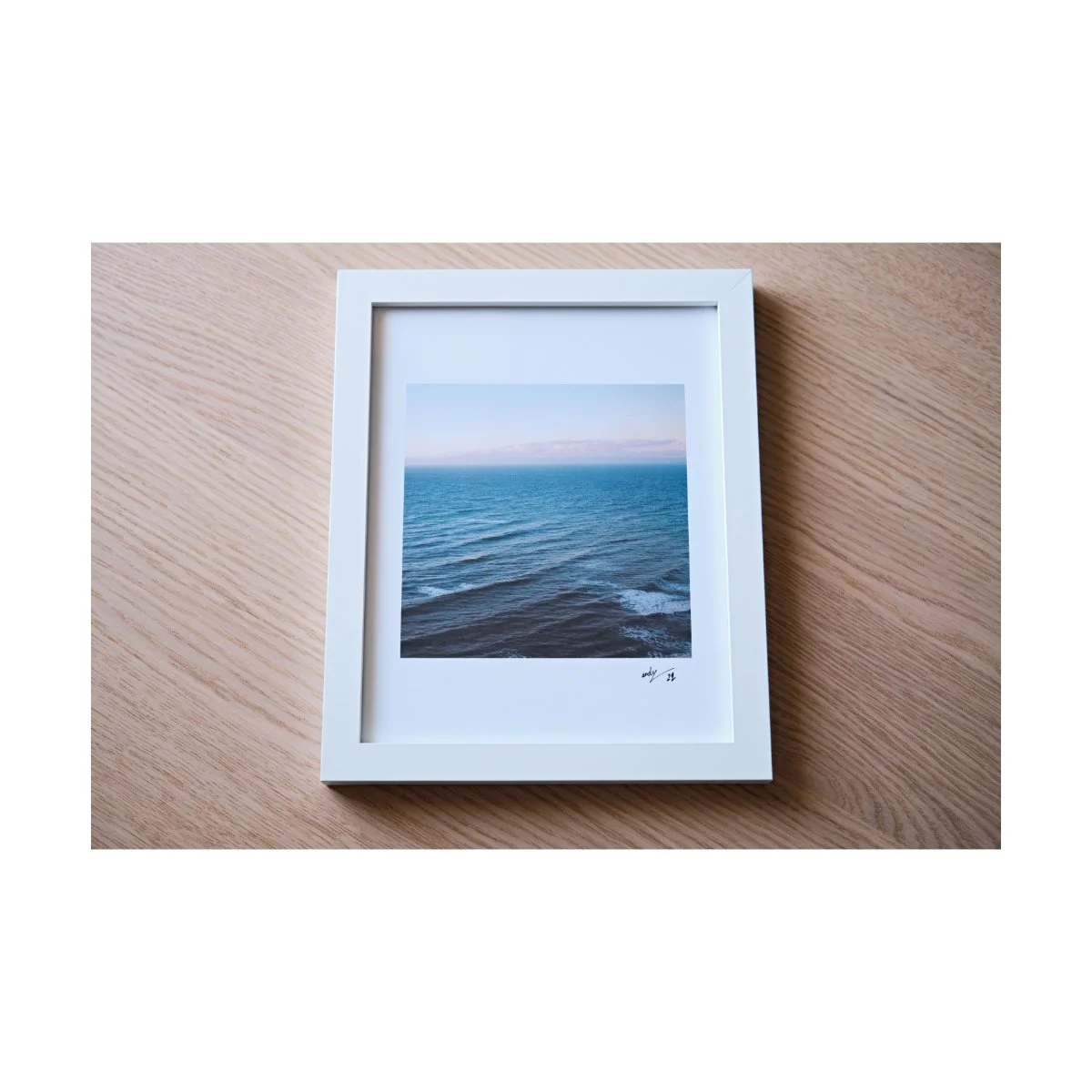
For example, if I’m holding a print of a photo I took with a vintage lens it’ll probably look pretty good to my eyes.
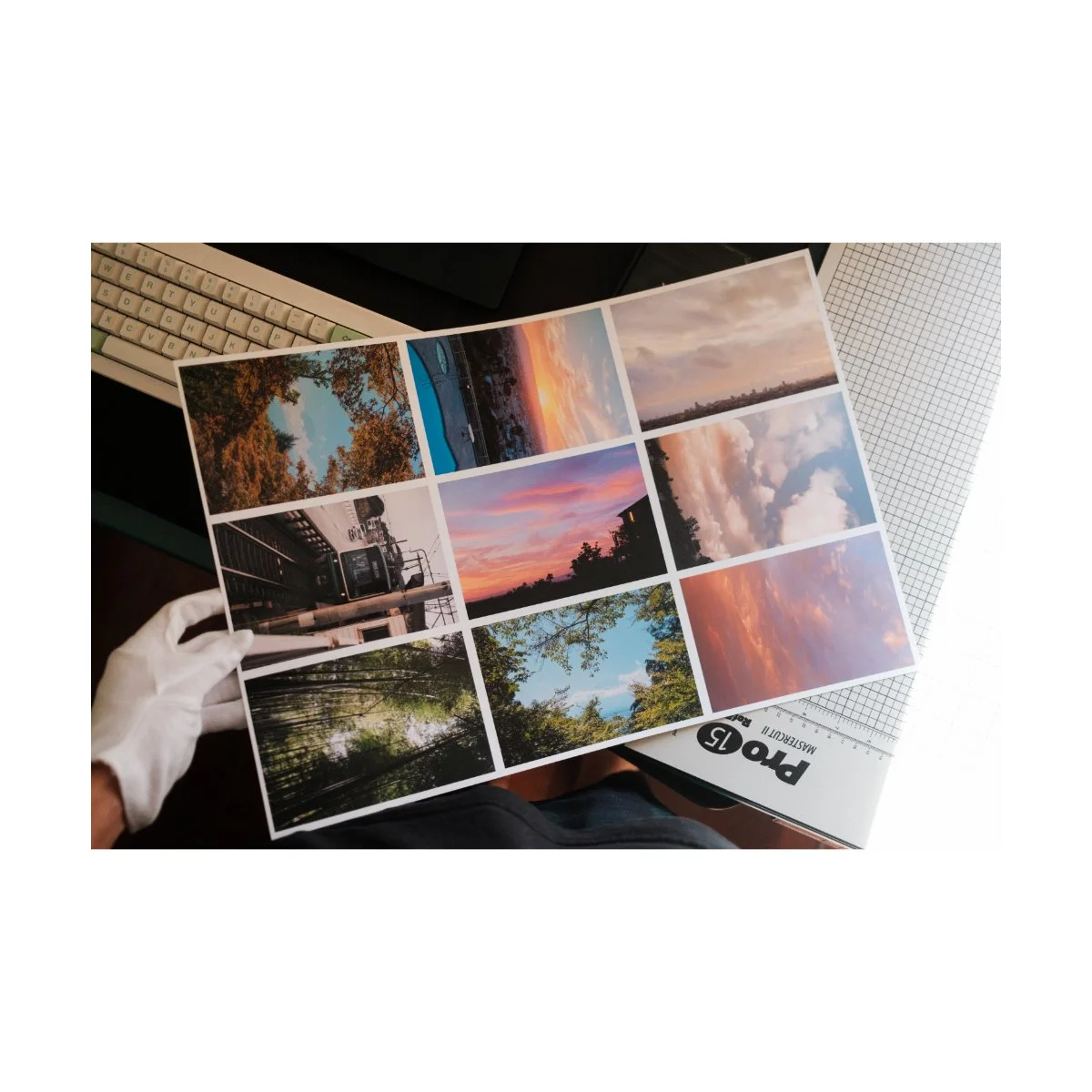
It won’t be until I pull up another print taken by a newer lens and compare them side by side, that I’ll be able to tell the difference.
Once I do that, suddenly the vintage lens print looks less sharp, and the newer print looks more sharp.
So our perception of sharpness is determined by what we’re referencing it to, not actual sharpness.
Meaning, if we only use the same lens for a certain photography project, it’s unlikely anyone will notice the sharpness or unsharpness of our photos, because they’re all taken with the same thing.
Which also means sharpness matters much less than we think it does, because we only notice it when we’re looking for it - or if it’s really bad and obvious (below the baseline).
Understanding these three things we can worry less about sharpness, manipulate variables to make our photos seem “more sharp”, and focus more on the the actual content matter of our photography.
Because:
Better gear doesn’t always mean sharp photos.
And worse gear doesn’t always mean unsharp photos.
Good photos taken well with a cheap lens can still be very sharp.
And bad photos taken poorly with an expensive lens can look very unsharp.
Now, let’s talk about ways we can achieve this feeling of sharpness, regardless of the gear we use.
Tips for Getting Sharp Feeling Photos
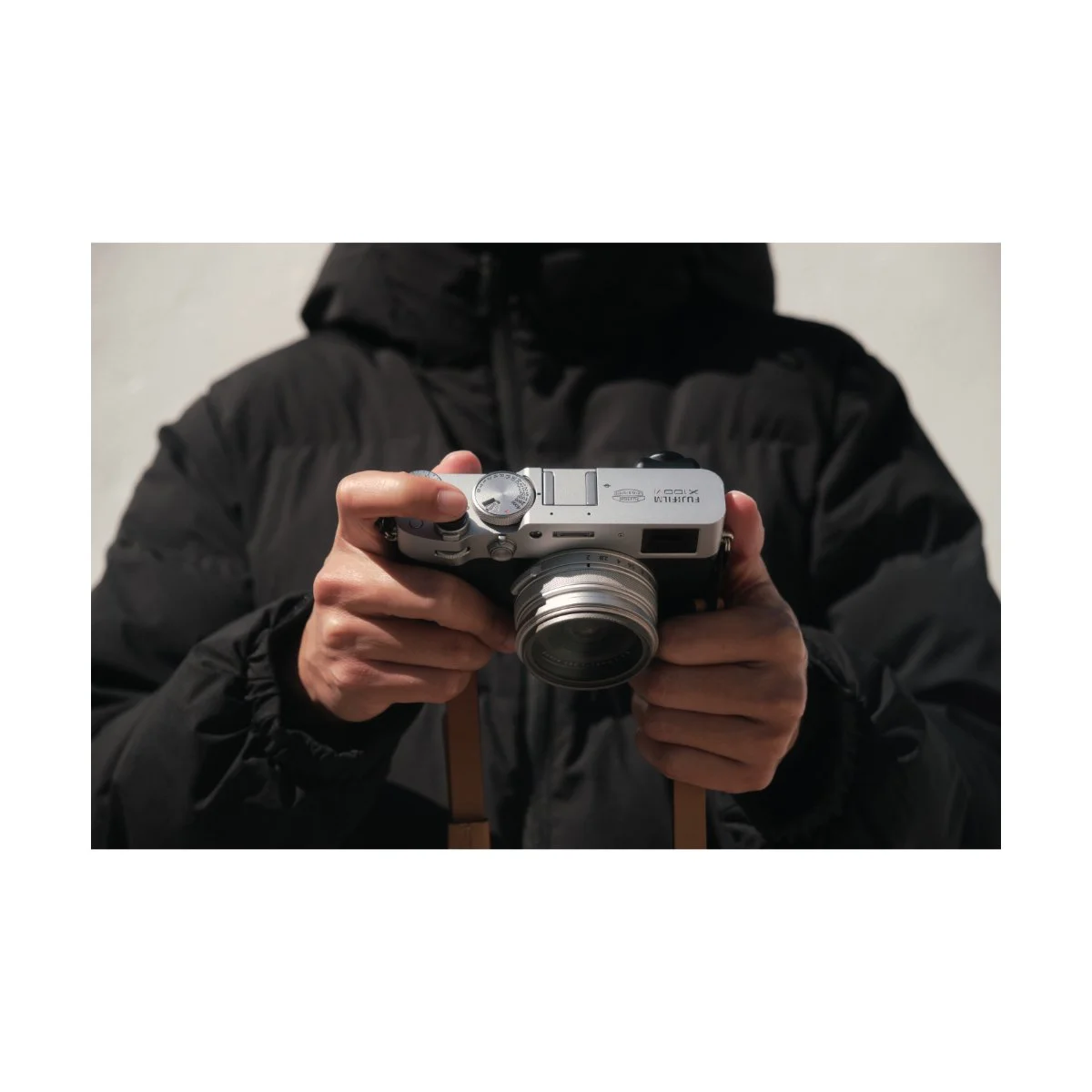
Now that we understand the difference between technically and emotionally sharp photos, let’s talk about how to achieve sharp photos, with any lens.
Again, most modern lenses are sharp enough, especially for social media; so unless you’re shooting with a rock, you will be fine.
Nailing Focus
Focus is one of the few basics in photography that’s becoming a lost art.
Nowadays, focus is pretty easy because most modern cameras have good autofocus capabilities.
But understanding focus to it’s deeper level can make the difference in your images.
Because not only are you literally telling the viewer what to look at, but an out of focus subject will never be sharp.

A simple exercise you can do to test your understanding of focus is to simply shoot in manual focus for a day.
If you’ve been shooting autofocus for a while, you’ll realize how much more difficult manual focus is.
Because even a slight deviation from a perfect in-focus subject will be noticeable.
This is true especially on lower apertures.
Because the range of focus, or depth of field, is much smaller, and your window of accuracy as well.
So shooting wide open at something like f2 takes a lot more patience.
When you spend some time nailing focus manually, you’ll realize why some of your normal autofocus shots look a little less sharp.
Sometimes it’s not because of the lens - it’s because you simply missed focus by a hair.

This can happen even on newer bodies, because pressing the shutter on a moving subject can cause the shot to be a millisecond earlier or later, and thus a fraction out of focus.
Out of focus means blurry, which means a softer or less sharp image.
Even when autofocusing, there is a small delay in both the movement of the subject, the autofocus of the camera, and the pressing of the shutter.
Autofocus gives us a lot of leeway, which can cause us to cut corners on photography we didn’t even know we were.
But when you take the time to focus manually, you’ll be forced to slow down, and you’ll realize how much nailing the shot matters.
And when you go back to autofocus, your images will look sharper - but not because your lens got better.
It’ll be because you nailed timing and focus down to a T.

Raise Your Aperture
Sometimes nailing focus on wider apertures can be challenging.
So, the easiest thing we can do is simply raise our aperture.
When we raise our aperture we increase the range of focus of our lens and can therefore get more stuff in focus.
When we get more stuff in focus, more stuff looks sharp, and mistakes are less noticeable.
It’s also harder to mess up when you’re shooting at a higher aperture number.
I know, I know, everyone likes to shoot wide open, it gives you bokeh and a debatably nicer look.
I personally prefer f2 as well, but have been coming around to other apertures like f4 and f8.
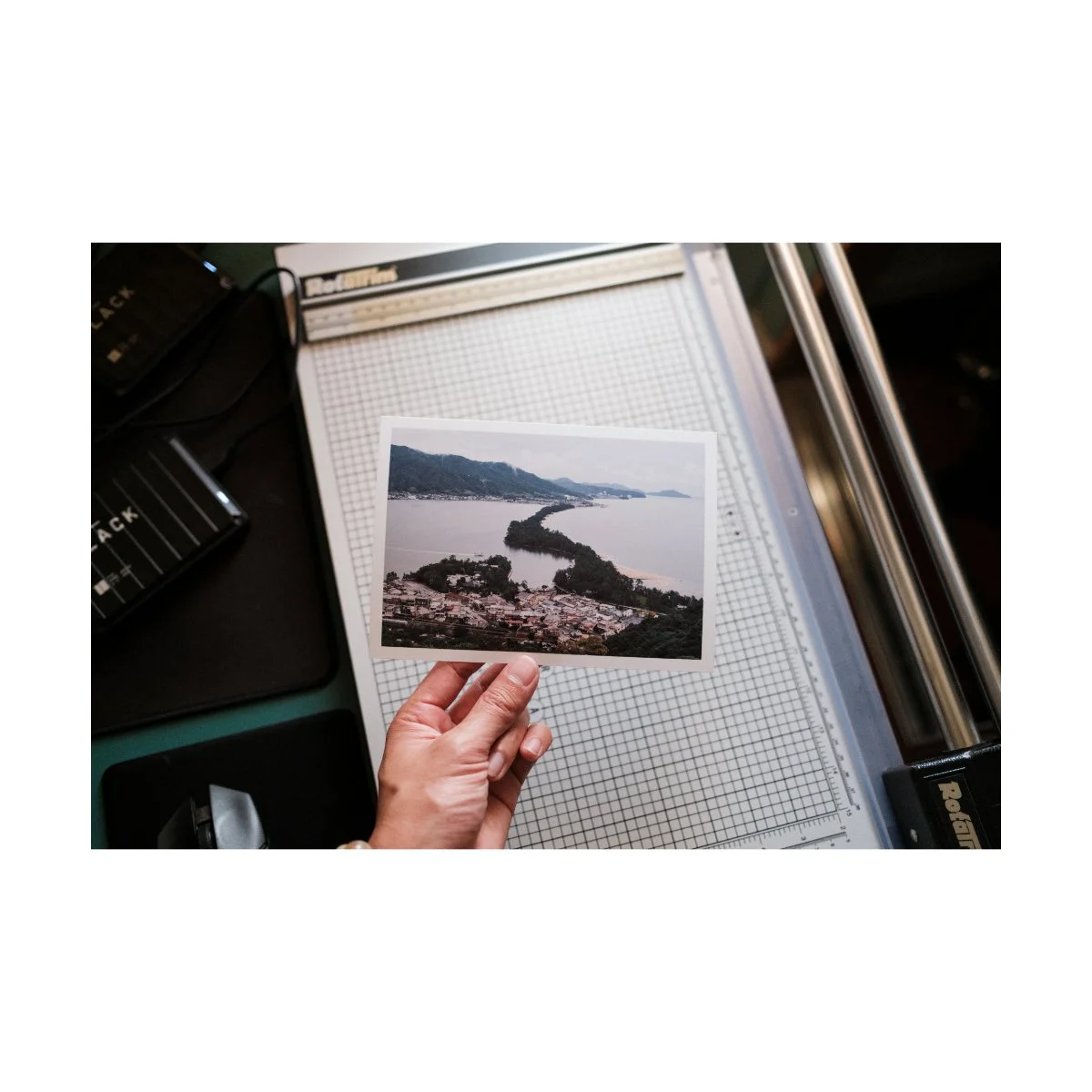
F8 is something you should consider if you’re using a cheaper third party lens.
Because although many modern lenses are above the baseline for sharpness, as we mentioned earlier, this can vary at apertures.
So even though you may have a lens that goes to f2, it might not be very sharp wide open.
Similarly, some lenses aren’t fully sharp to the corners.
Of course this varies depending on your gear, but if we’re talking about getting sharp photos regardless of our gear, raising the aperture is something anyone can do.
Going to f8 will eliminate most of these problems for most lenses.
And contrary to what some might think, f8 is quite underrated and doesn’t look all that bad.
So if you’re worried about sharpness, raise your aperture, it’s easy and will make an instant difference.
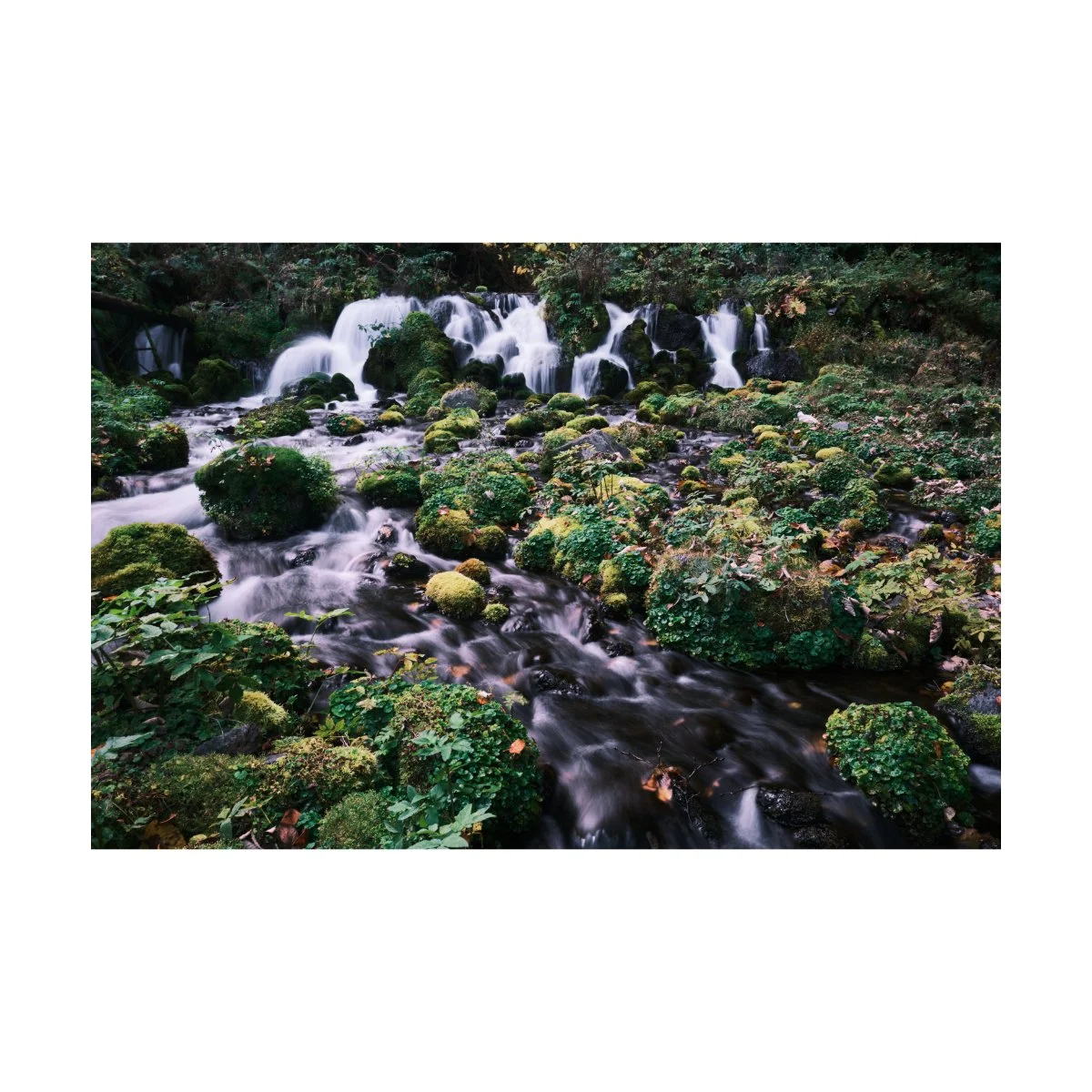
Raise Your Shutter Speed
In addition to focus, shutter speed is one of the settings that can instantly make your image look more or less sharp.
Because shutter speed is essentially how fast your camera takes the picture, taking photos at too slow of a shutter speed can make your images blurrier, and consequently less sharp.
Vice versa, taking photos at a faster shutter speed can make your images less blurry and more sharp.
Either can be used for artistic purposes, either to do motion photography or capture stills, but in general, if you want “sharper photos”, raise your shutter speed.
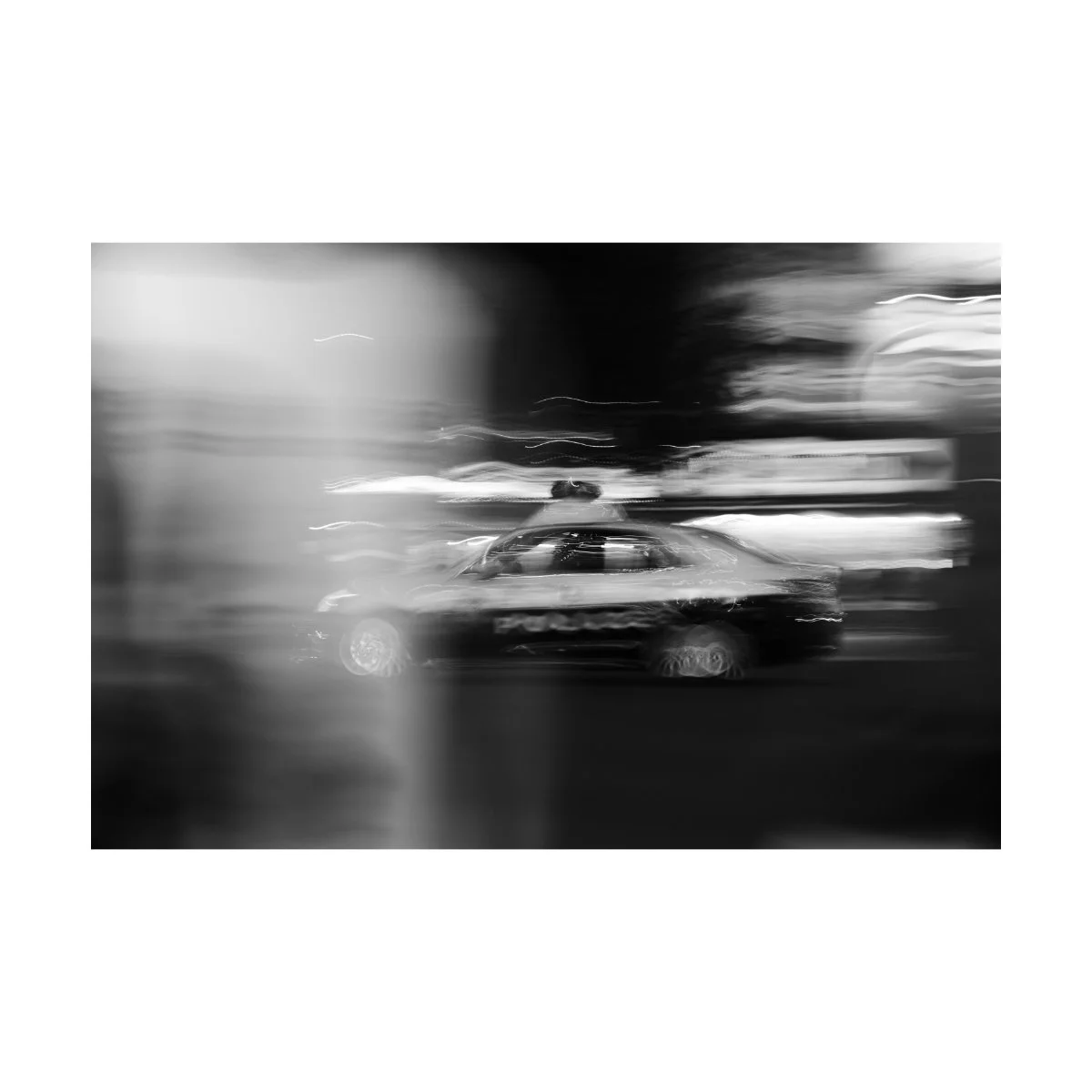
I remember when I first started photography I read a blog that recommended me to take photos at 1/50 or 1/30 of a second.
Now I don’t remember what kind of photography they were teaching, whether it was portraits or if they had a tripod, but that recommendation was dead wrong.
Because it was way too slow, and unless my subjects and hands were completely still, I’d get blurry photos.
So nowadays for all of my street and travel photography, I’ll shoot at mainly 1/500.
If I need a little more light I’ll go down to 1/250, but rarely below.
If it’s bright out, I’ll go up to 1/1000.
This ensures that whatever I capture will be frozen in time, unaltered or affected by the movement of my hands.
And images will be more sharp, because there’s less blur.
The exact shutter speed you shoot at will be influenced by your style of shooting.
If you like to whip around and move fast, that might require an even faster shutter speed.
But that’s for you to figure out - this is what works for me.

Remember, the more movement in your photo, whether it’s by you the photographer, or by the subjects of your scene, the more possibilities for blurriness.
So a minimum shutter speed to slow down the surrounding world is required.
Otherwise you’ll have to hold the camera stiller and/or be more precise to compensate.
Which means blurrier photos more often.
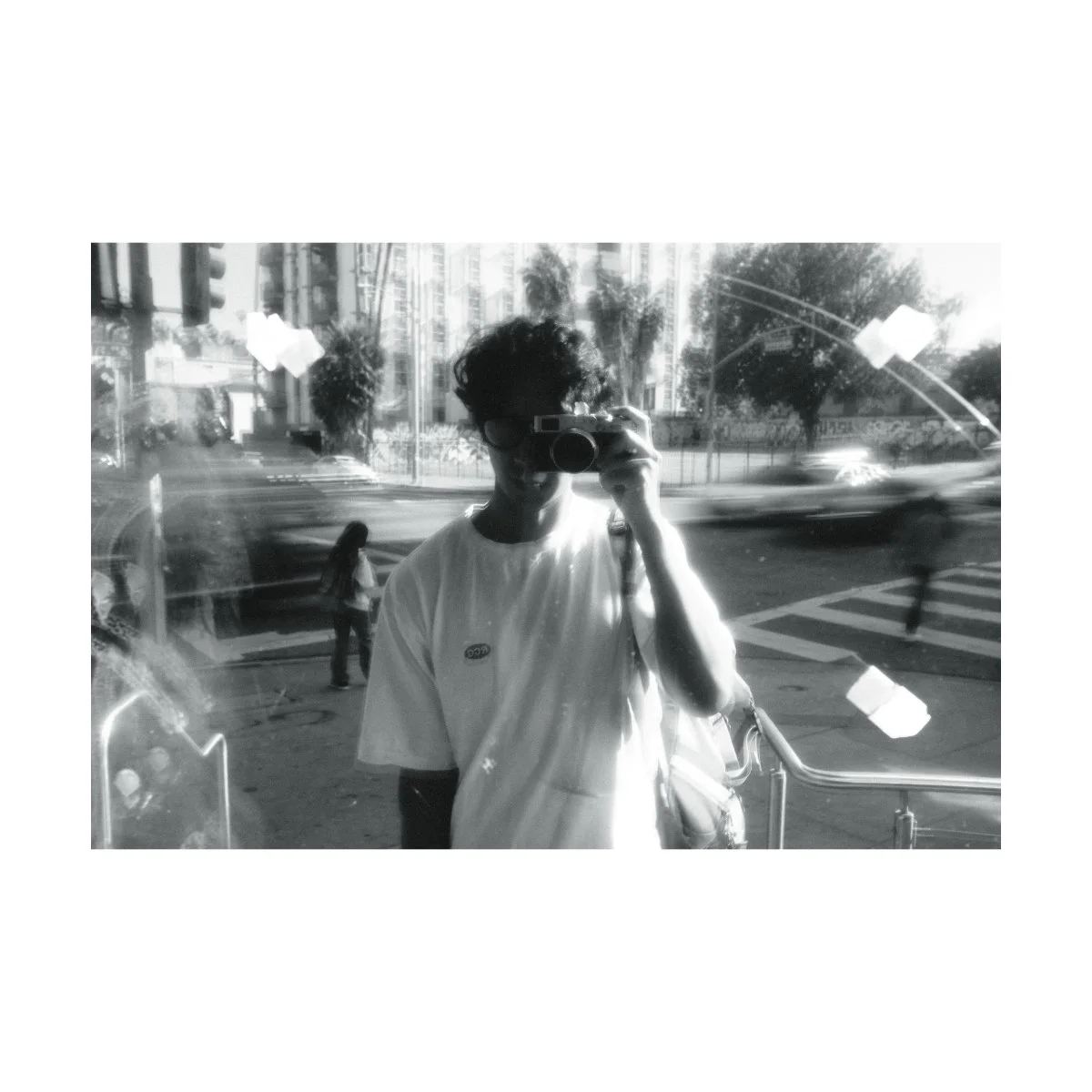
Don’t Rely on IBIS
Since blurriness and image sharpness is affected by shutter speed (visually), then comes into question IBIS.
IBIS or any image stabilization in general can be a useful tool to shoot at slower shutter speeds.
Because it stabilizes extra motion, you can get sharper photos at lower shutter speeds.
But in my opinion, one shouldn’t rely on IBIS.
Although it can be useful, I think it can handicap many photographers into thinking they have more leeway than necessary.
In my experience, there was a period of time when I was spoiled by image stabilization and shooting fast.
I liked to move fast because it was decisive, in the moment, and I stood out less.
But the results weren’t always there and even many static shots came out slightly blurry.
So maybe that was my anxiety working underneath.
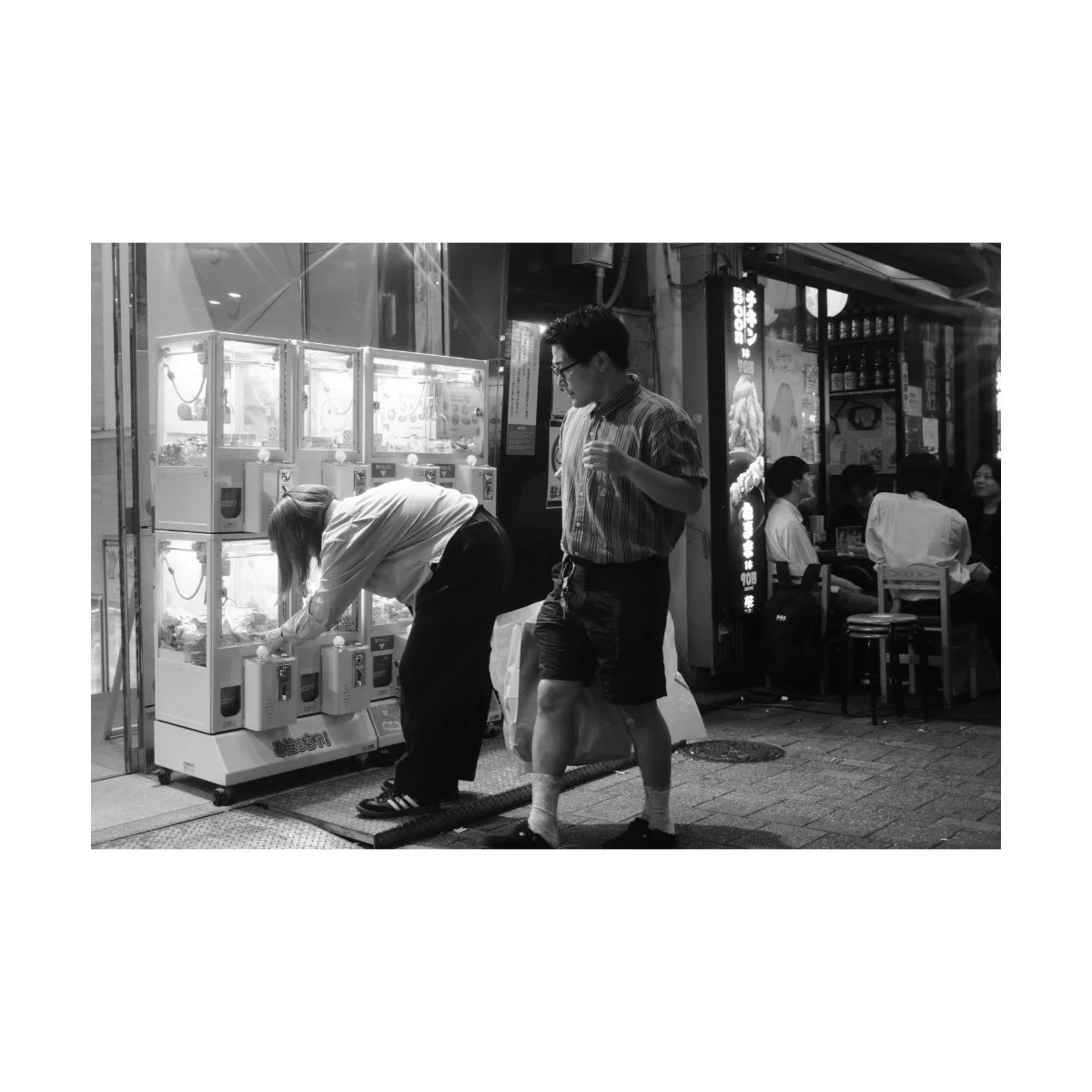
Lately, I’ve been shooting much slower and being more patient in my photography, and the results are noticeable.
Being still, nailing the settings, holding the frame, and not using things like IBIS.
All of the little basics that go into taking a photo really makes the difference.
Because no matter how good your camera is, holding it still will produce better results than moving it fast with IBIS.
So just reminding ourselves that we already have all the tools we need to take sharp photos.
We just need to focus on using them well and we won’t need things like IBIS.
IBIS can make a difference and help in super lowlight situations, where you need to drop your shutter speed.
And of course if you shoot super-telephoto you might need some stabilization to get the shot in the first place.
But that’s besides the point.
I just think it encourages bad habits and leads to a lot of cutting corners in the overall scheme of things.
It’s best we don’t learn to rely on these tools, such that we can nail everything the proper way, which I think produces better results.

So hopefully by now we understand that sharpness isn’t about the lens we use.
Because many photos can be less technically sharp, but still give off the feeling of sharpness.
Sharpness is a very emotional thing for viewers, serves as a proxy for image quality, and is only seen in reference to something else, like a sharpness grid.
Most photos will look good as long as we reach a baseline level of sharpness - and this is achievable by most lenses nowadays.
In fact, as long as we focus on the controllables in our photography, all of us can get very sharp photos.
We do this by nailing focus to a T, raising our aperture if needed, shooting at a faster shutter speed, and not relying on things like IBIS.
Focusing on these details, the basics, will have your images looking way sharper with the same lens.
That’s the simple secret to always get sharp photos no matter what gear you use.
If you have a friend who’s struggling with sharpness and pixel peeping, send them this - it might help.
If you want to learn more, check out either of the resources Photography Essentials or Photography Systems.
Thanks for reading, and happy shooting.