Street Photography Perspective Tips That Instantly Improve Your Photos
When I first started my photography journey one of the things I really wanted to learn was how to make ordinary things look good.
I saw other photographers taking photos of simple subject matter, but their photos and my photos looked completely different.
As I took more and more pictures, my compositions got better, but it wasn’t later that I realized that the missing element to my photos was perspective.
You see, unlike exposure and photo editing, perspective is one of those things that rarely gets talked about.
But it’s still one of the most important aspects about photography because it creates the underlying web which makes all your photos work.
Without it your photos wouldn’t have structure, and they wouldn’t look “right”.
Today I’m going to share with you some simple street photography perspective tips to level up your photos that you can use today.
Let’s get started.
Dead-On Shots
To first understand perspective, let’s begin with “dead-on” shots.
Dead-on shots are in my opinion the most basic, most foundational perspective shot.
What is a dead-on shot?
Well, it’s literally as it’s named: photographing a straight, level, properly oriented shot.
It’s simple in theory, but can sometimes be the most challenging part of photography because it requires an understanding of symmetry, orientation, and a bit of OCD.
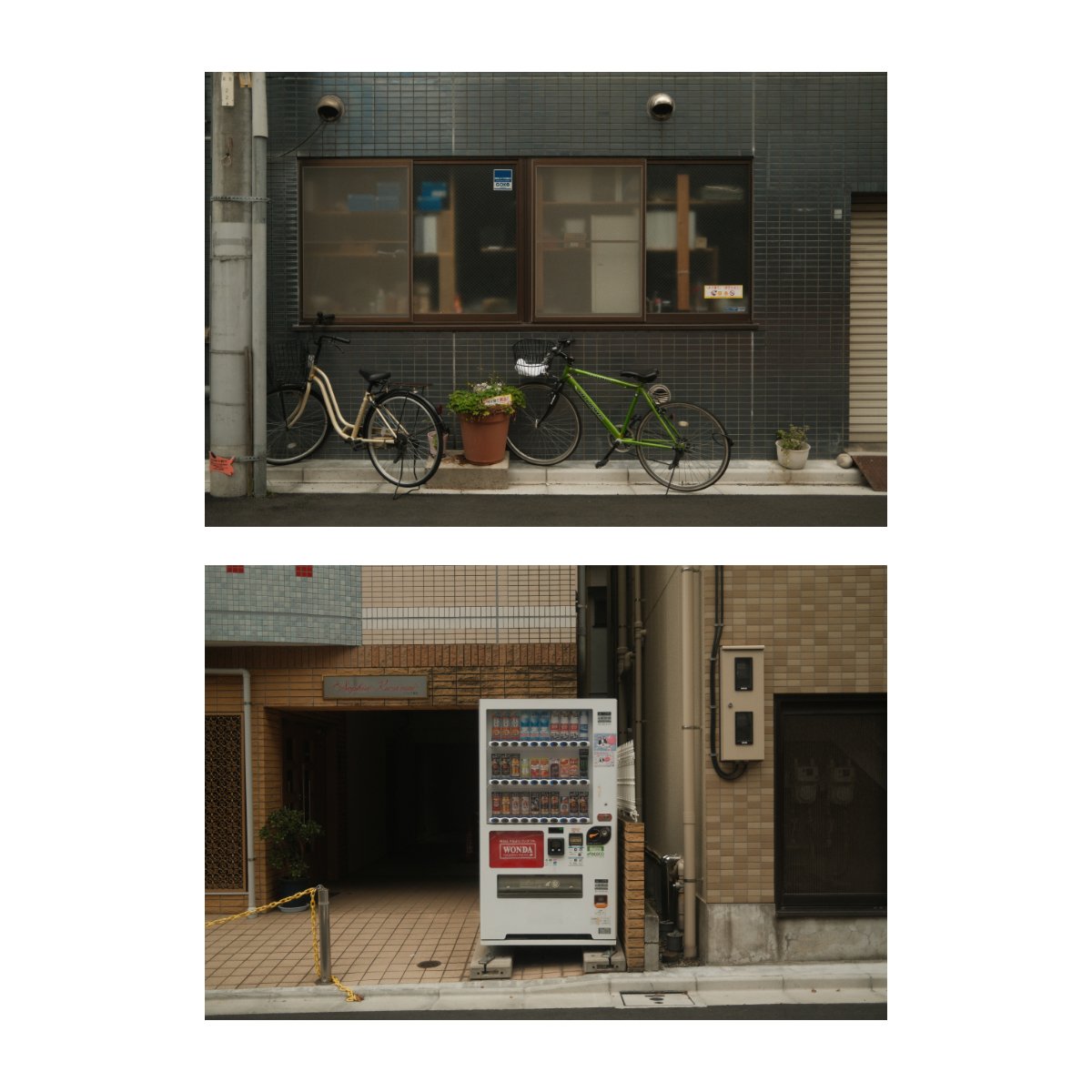
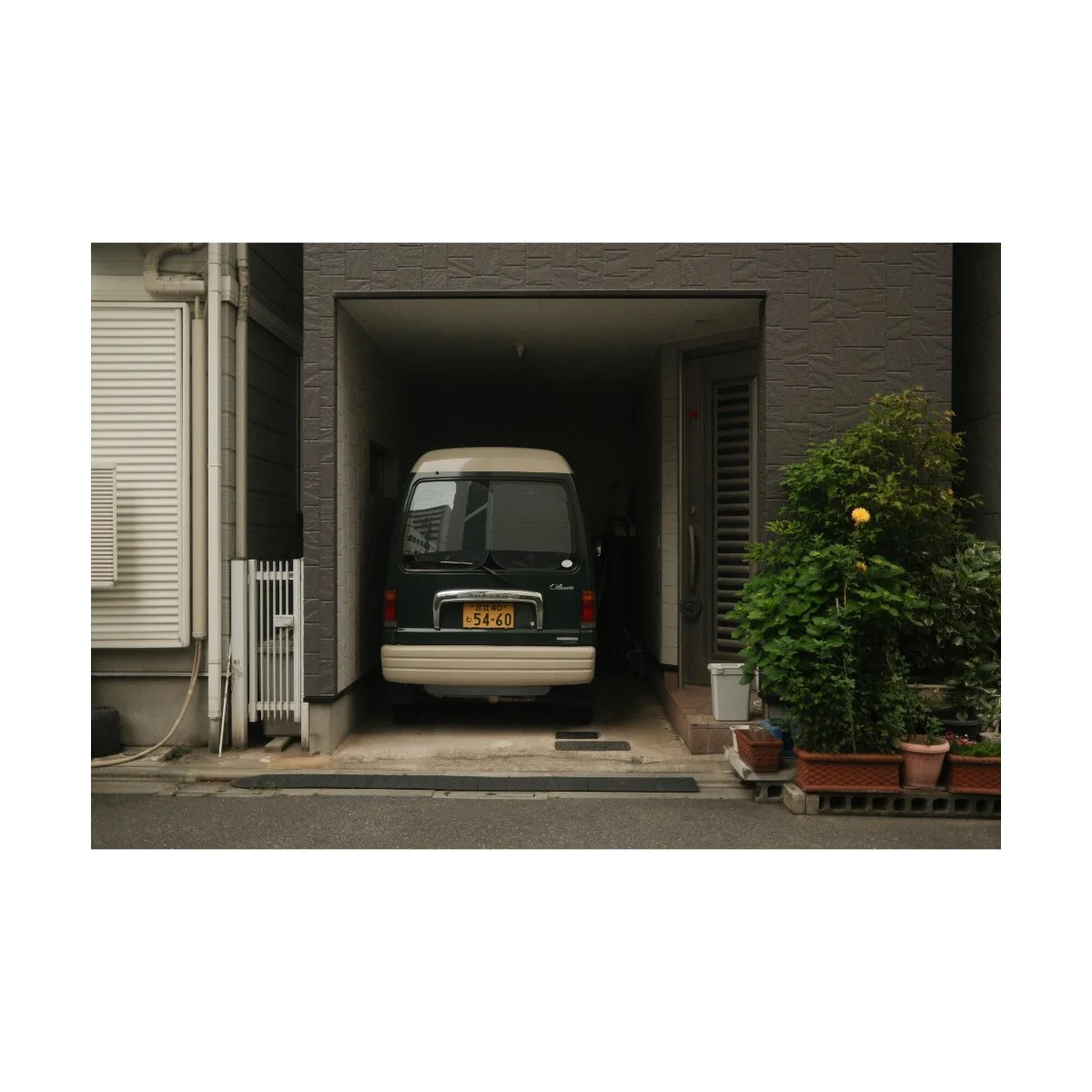
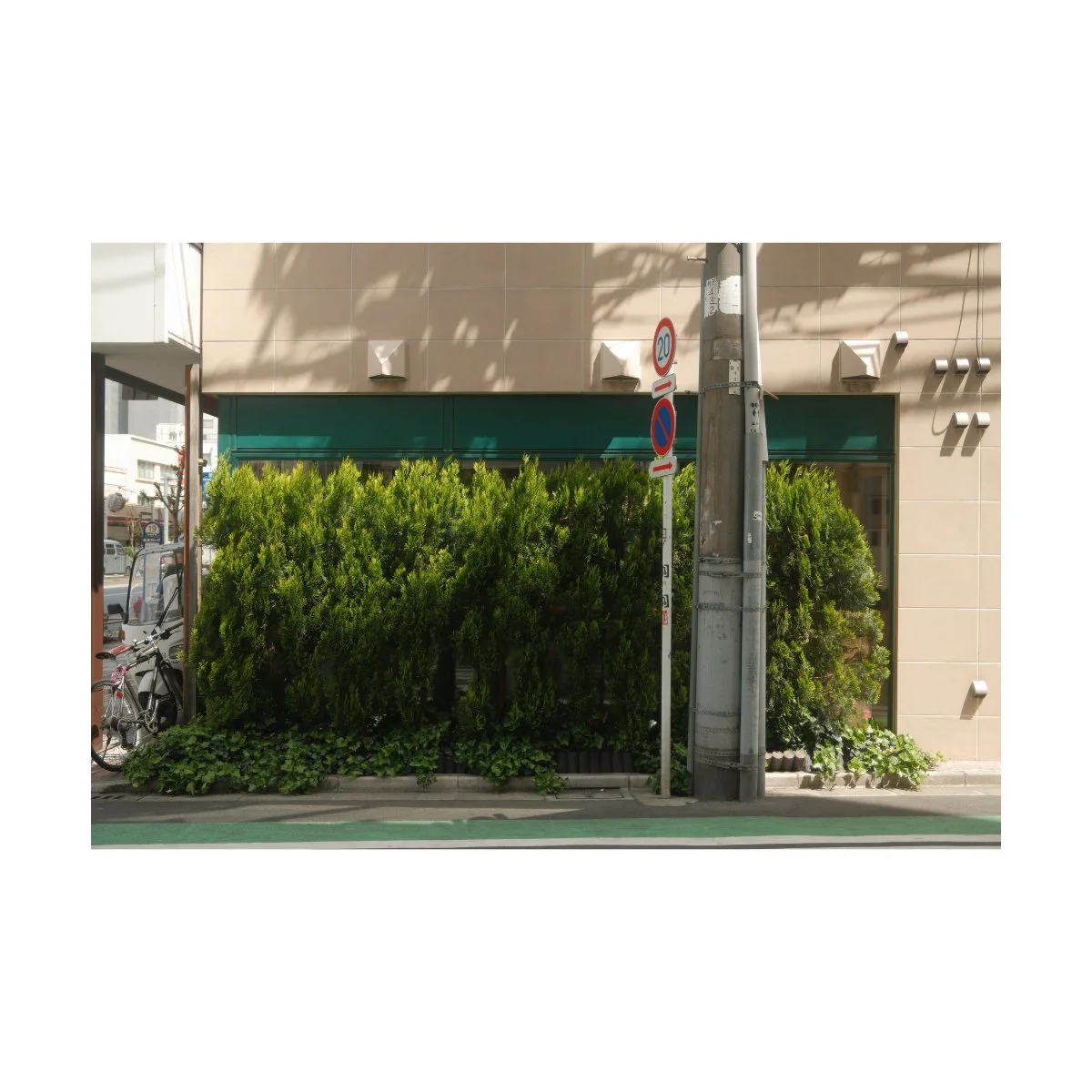
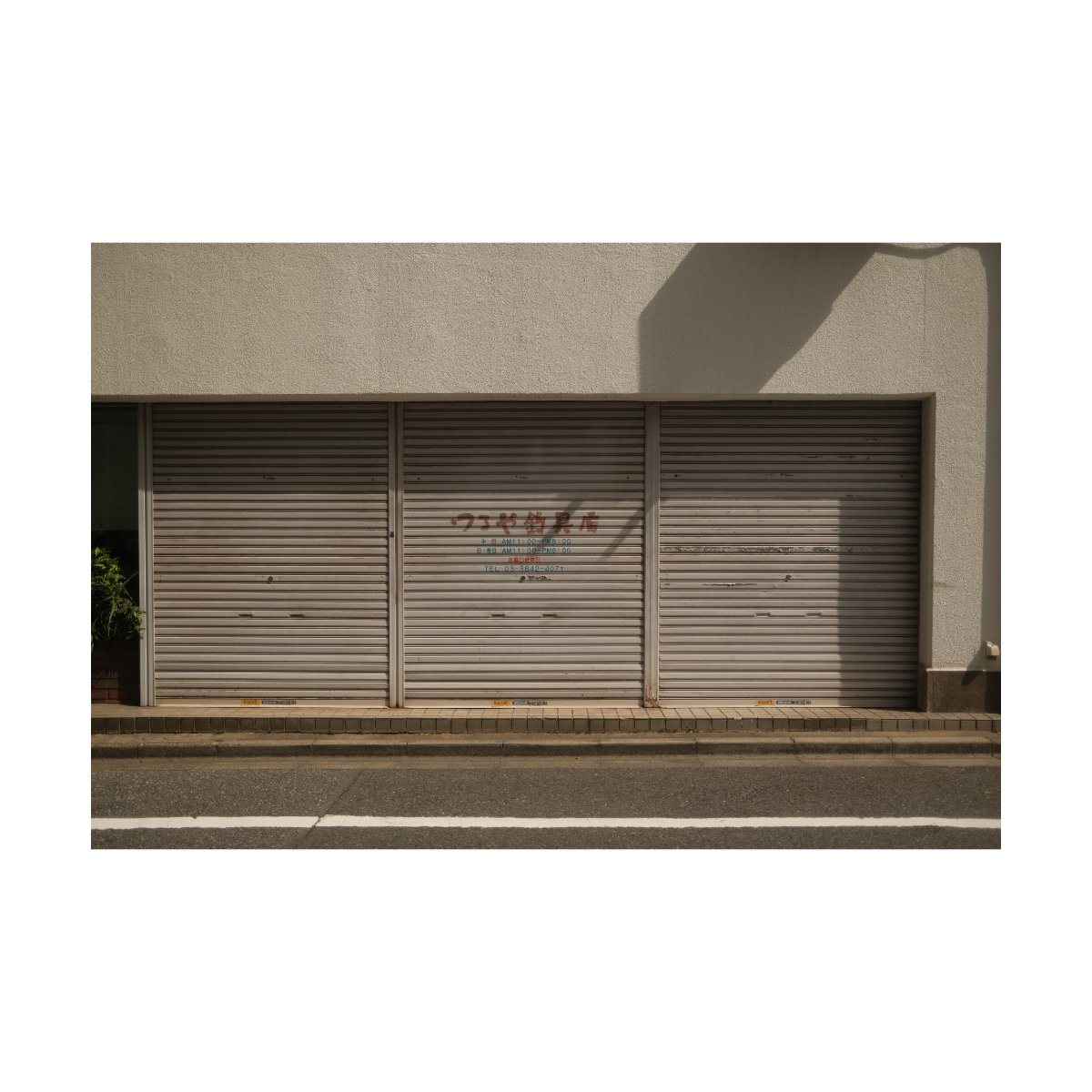
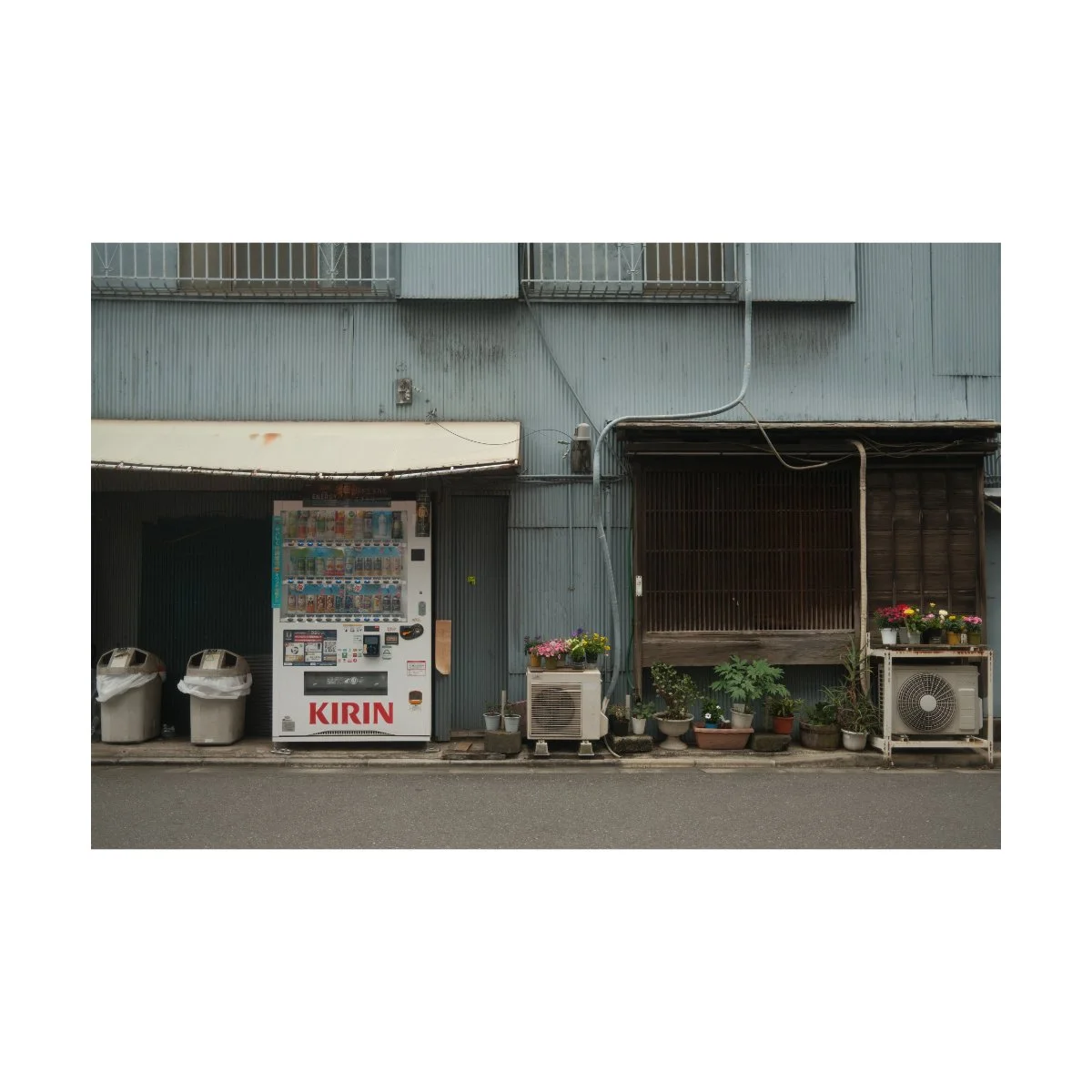
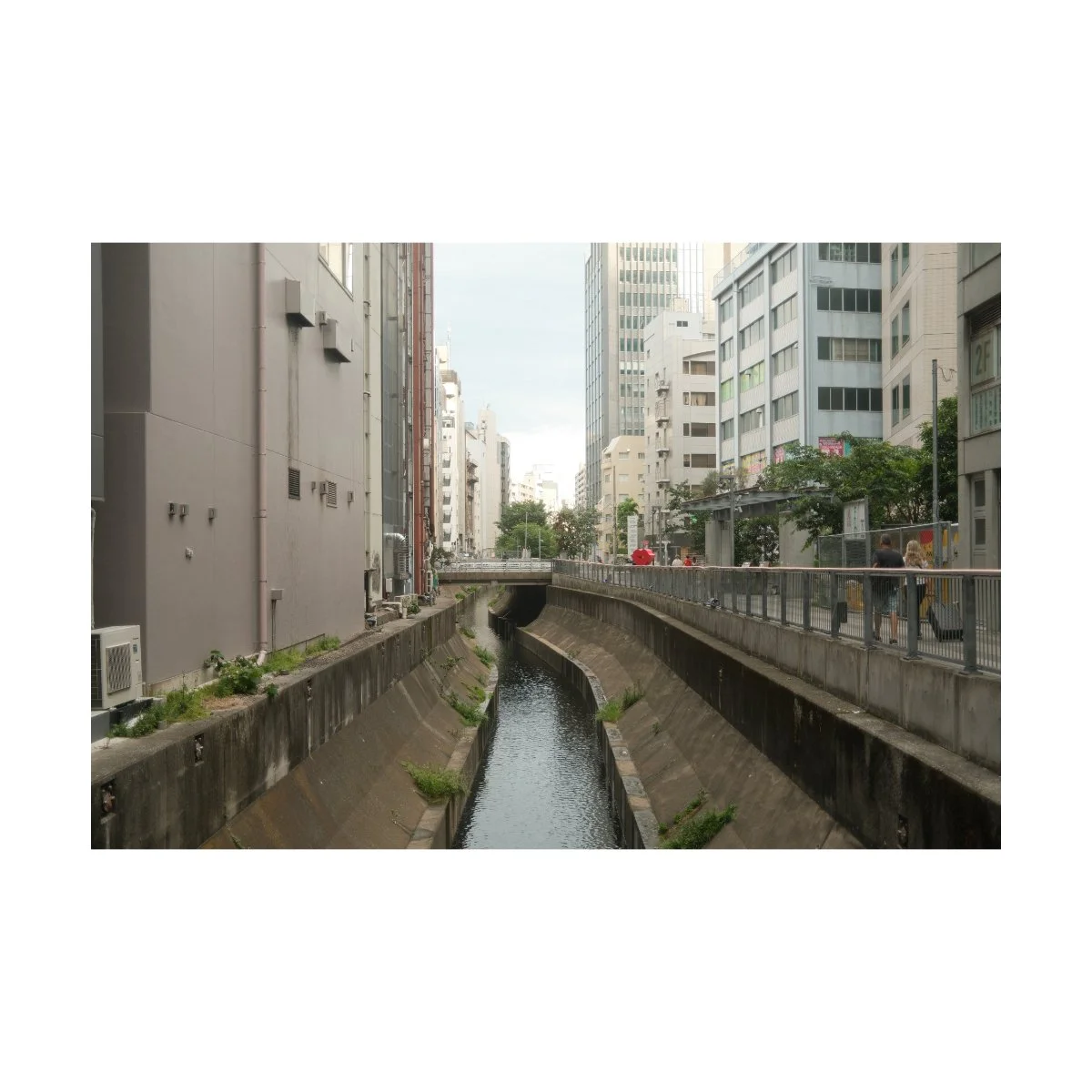
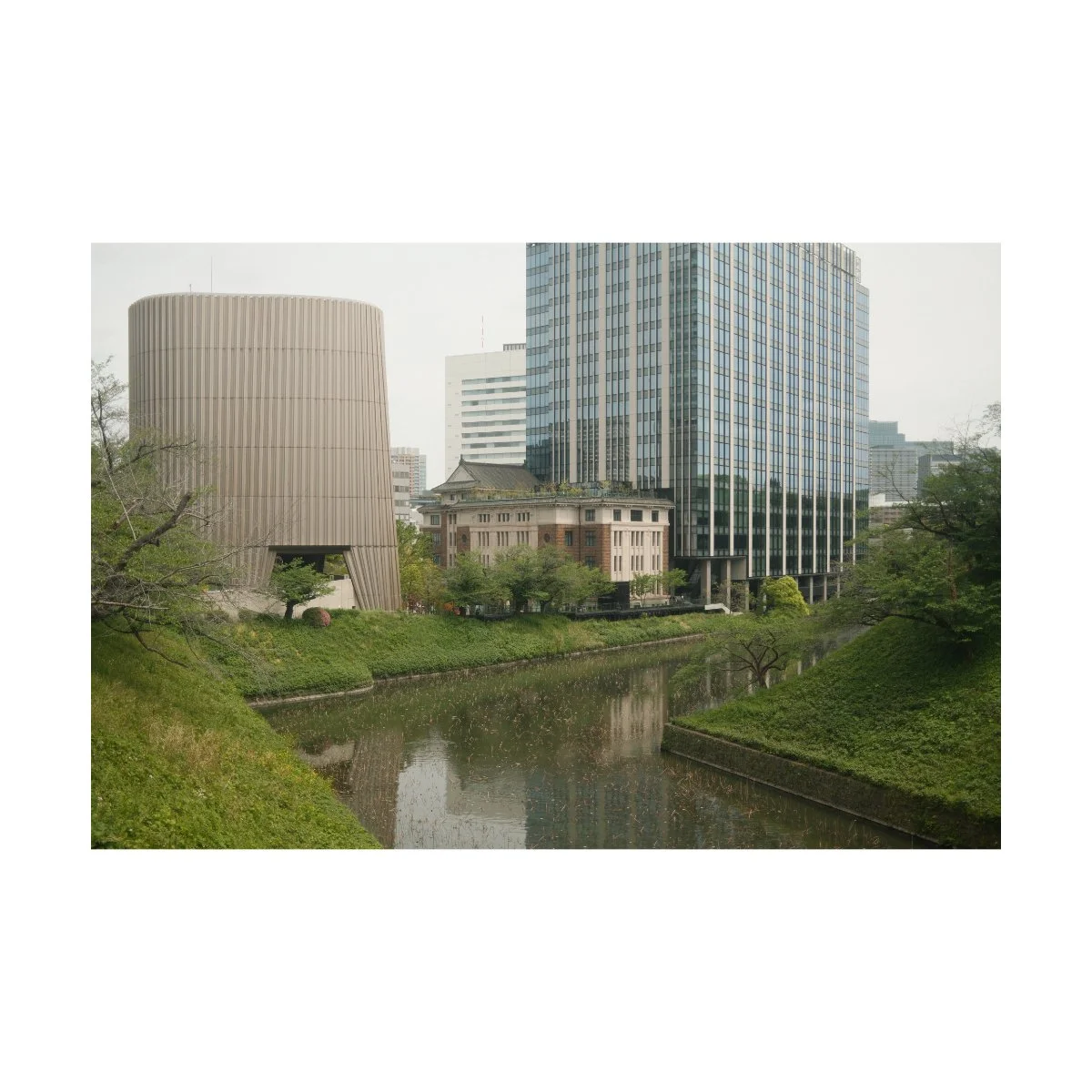
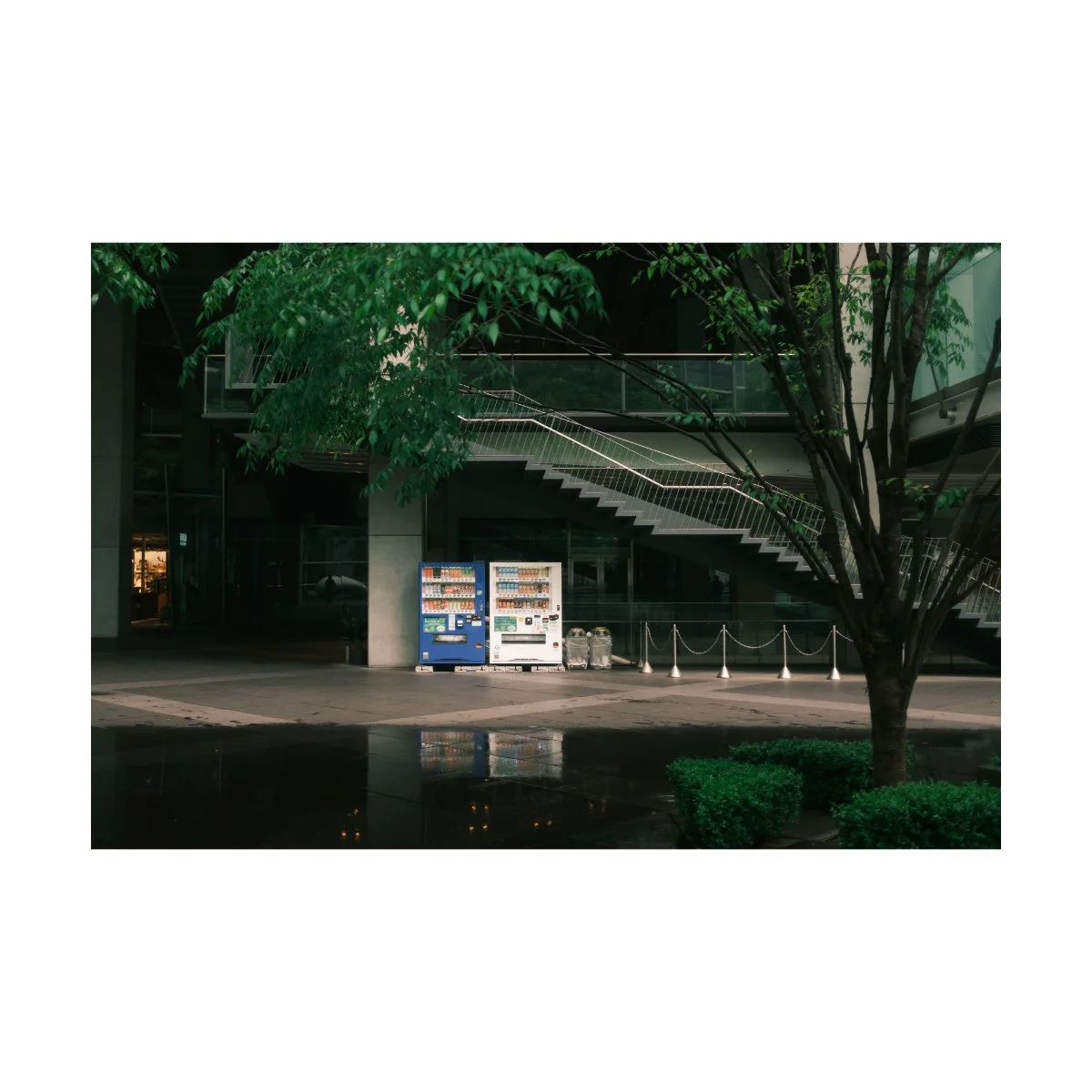
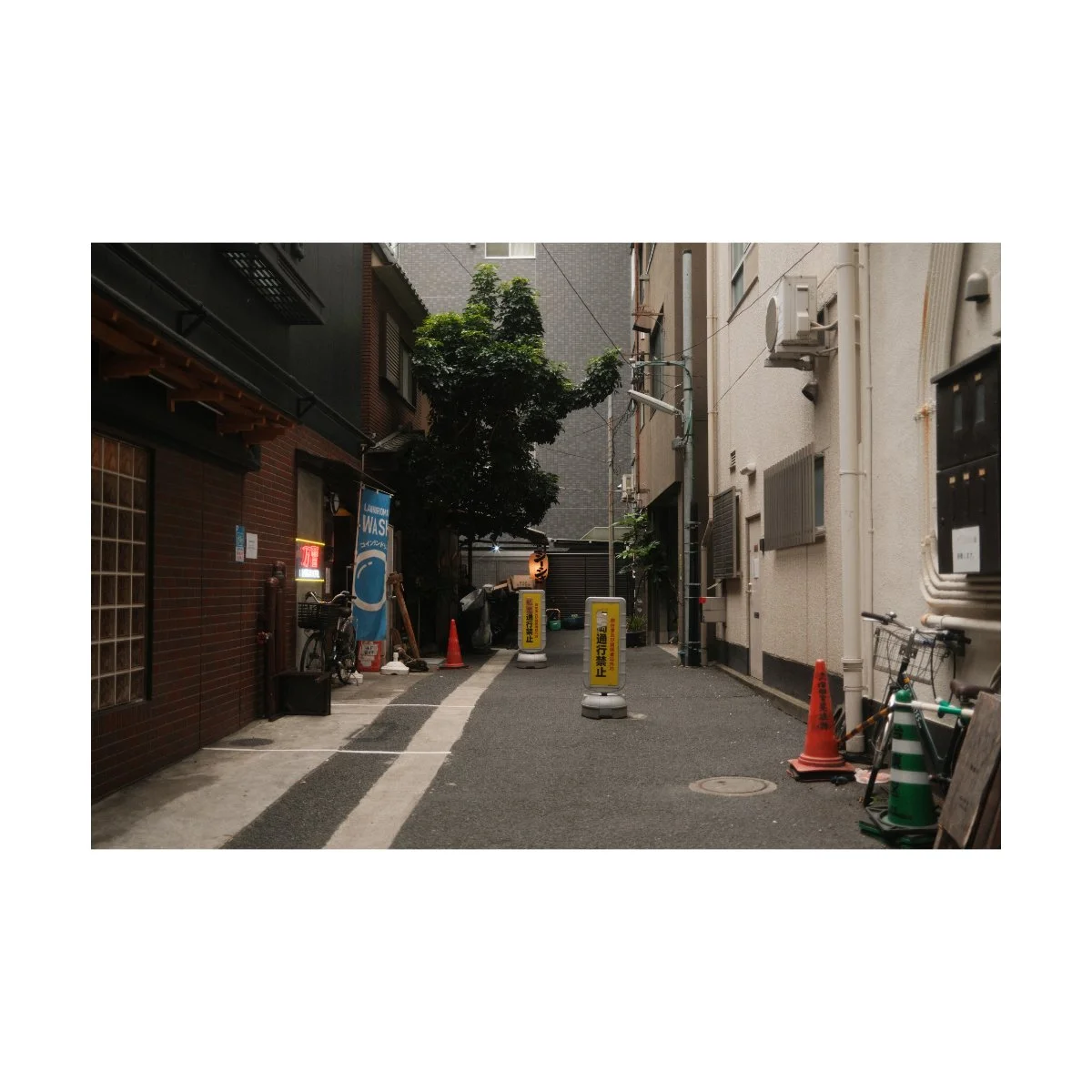
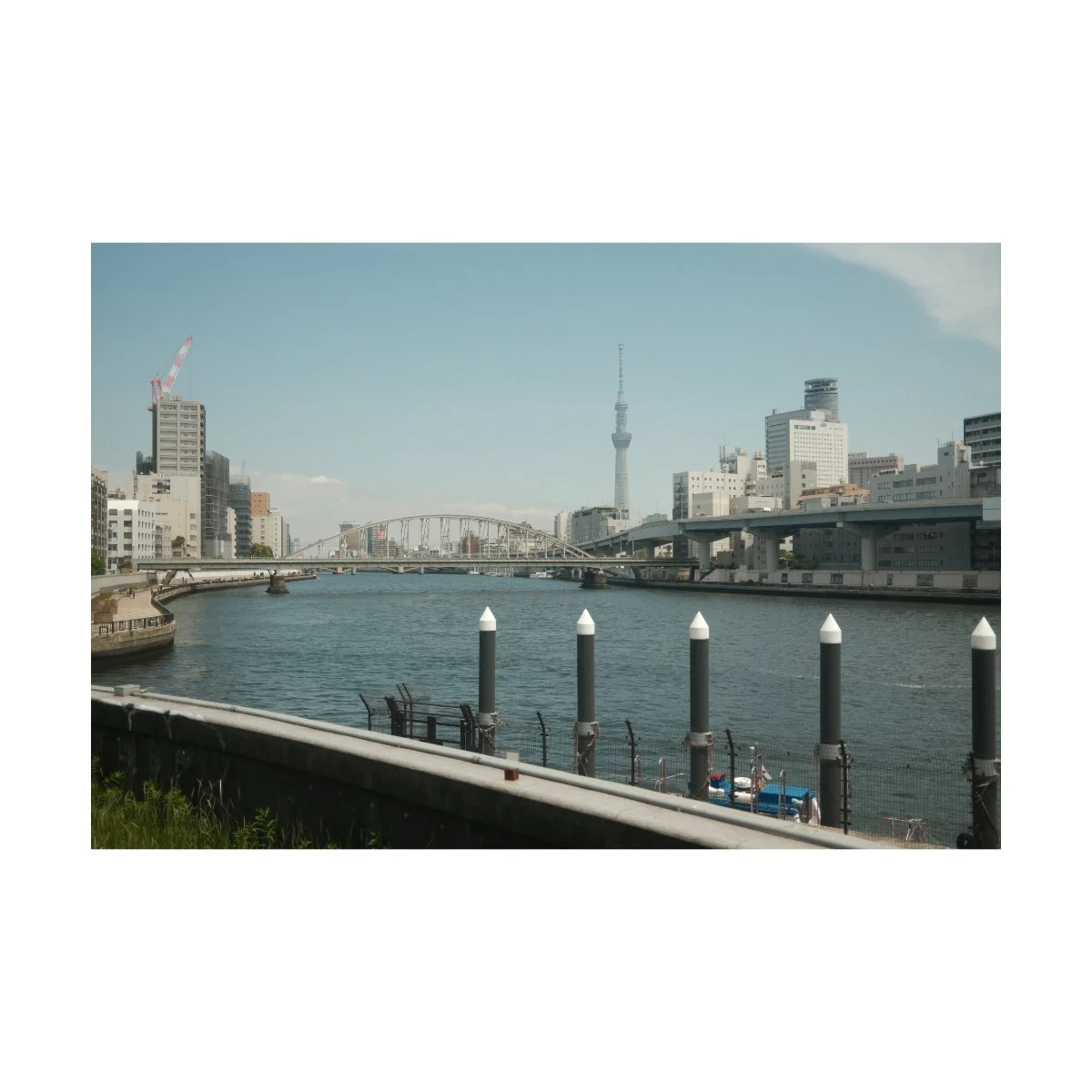
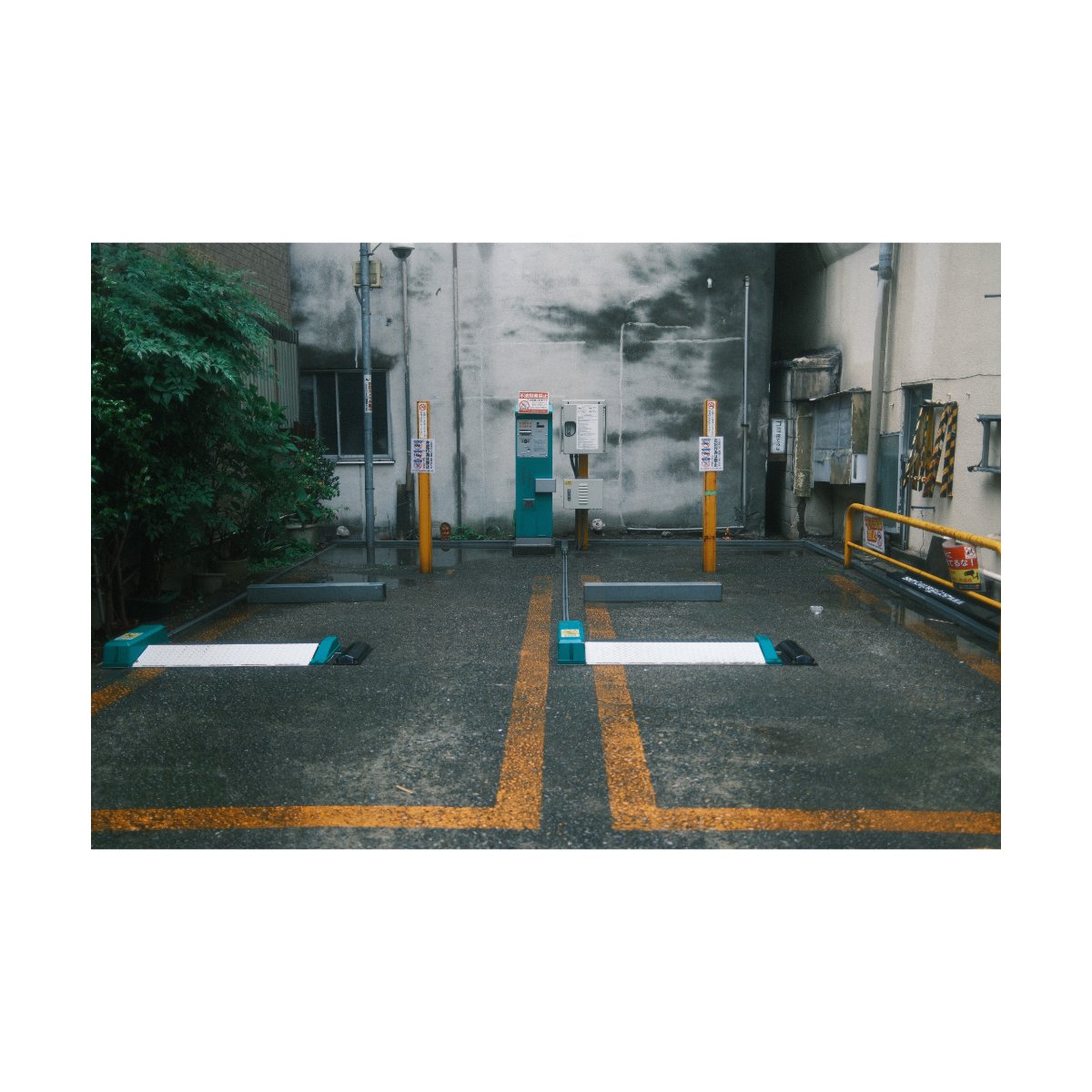
Take some of these dead-on shots I took in Tokyo for example.
Many of these looked good in-camera as I was taking them, however still required some straightening and adjusting in post.
And for simple shots like these, where the subject is the scene, an improperly oriented shot would be more noticeable, and not look good.
So although it’s “simpler”, the importance of getting things right is higher.
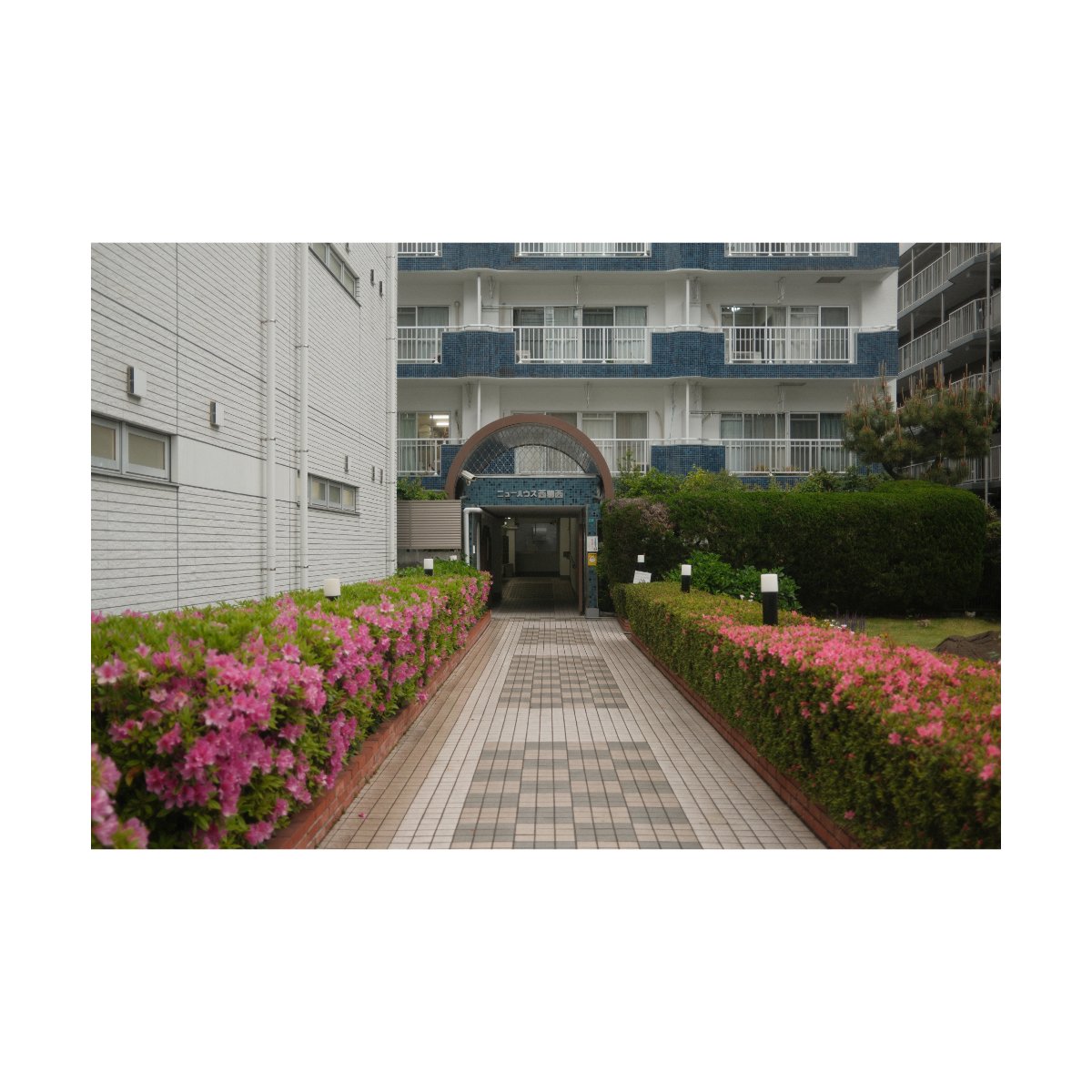
Street scenes in Japan, visually, are what I’d call asymettrically symmetrical.
Where everything looks straight, lined up, and perfect, but aren’t actually so.
In fact many of the doors, windows, plants, power lines, poles, etc are often at slightly different angles than one another.
This can mess up your alignment and make it difficult to get things perfectly dead-on.
Furthermore, if you’re above the average height in Japan, which I am, things are built smaller there.
So getting even perspective, where your camera isn’t angled down, requires you to get down or lower the camera, making things a bit harder to frame.
So you might be thinking: that’s great Andre. But why does this matter?
That’s a great question.
Dead-on shots matter because they give you a “true north” for perspective.
When you learn how to properly center, straighten, and align your images, you build an understanding of an ideal perspective.
Once you build that understanding, you have something to reference back to.
So although a lot of street photography can be taken at weird and unique angles, often times they’re unintentional and accidental.
But when we have a true north, we can better play with angles because we know what is up, down, left, and right.
And then we can shoot at angles with intention, changing the view of our photos.
That comes from our ability to get things straight on, whether we care for that type of photography or not.
Because if nothing’s on center, everything’s off center.
Similarly, our brains are wired to be straight up.
I talk about this in the perspective chapter of Photography Essentials (check it out, it’s free), but when you tilt your head left and right, notice how everything stays level.
We have equilibrium centers in our ears that make it so everything remains upright (for the most part).
So dead-on or straight up shots are actually how we see reality, and angled or tilted perspectives are not.
Those are simply what our cameras see because they’re not on a gimbal.
Meaning if you want to take photos that better convey what the eye sees, it means getting things dead-on.
Symmetry itself is also visually appealing for the viewer, but that’s a topic for later.
The point is, dead-on shots will be the foundation of your understanding of perspective in photography.
And although it’s technically as simple as lifting your camera and taking the picture, there is still a struggle there - and it’s harder than it seems.
So, let’s move on to some of the things that will help you improve your dead-on shots.
Finding Anchor Points
One of the most effective ways to get better perspectives is to look for anchor points.
This is both something you can do in-post and in real time.
What is an anchor point?
An anchor point refers to something we can latch onto, which holds our frame together, that we can use to straighten our perspective.
It could be a pole, a building, or a line.
Sometimes it’s the horizon, sometimes the subject, and it could even be everything itself.
Anything that’s integral to the structure of our photograph becomes a good anchor point.
The better you are at finding and utilizing anchor points, the better your perspectives will look.
Take this photo for example.
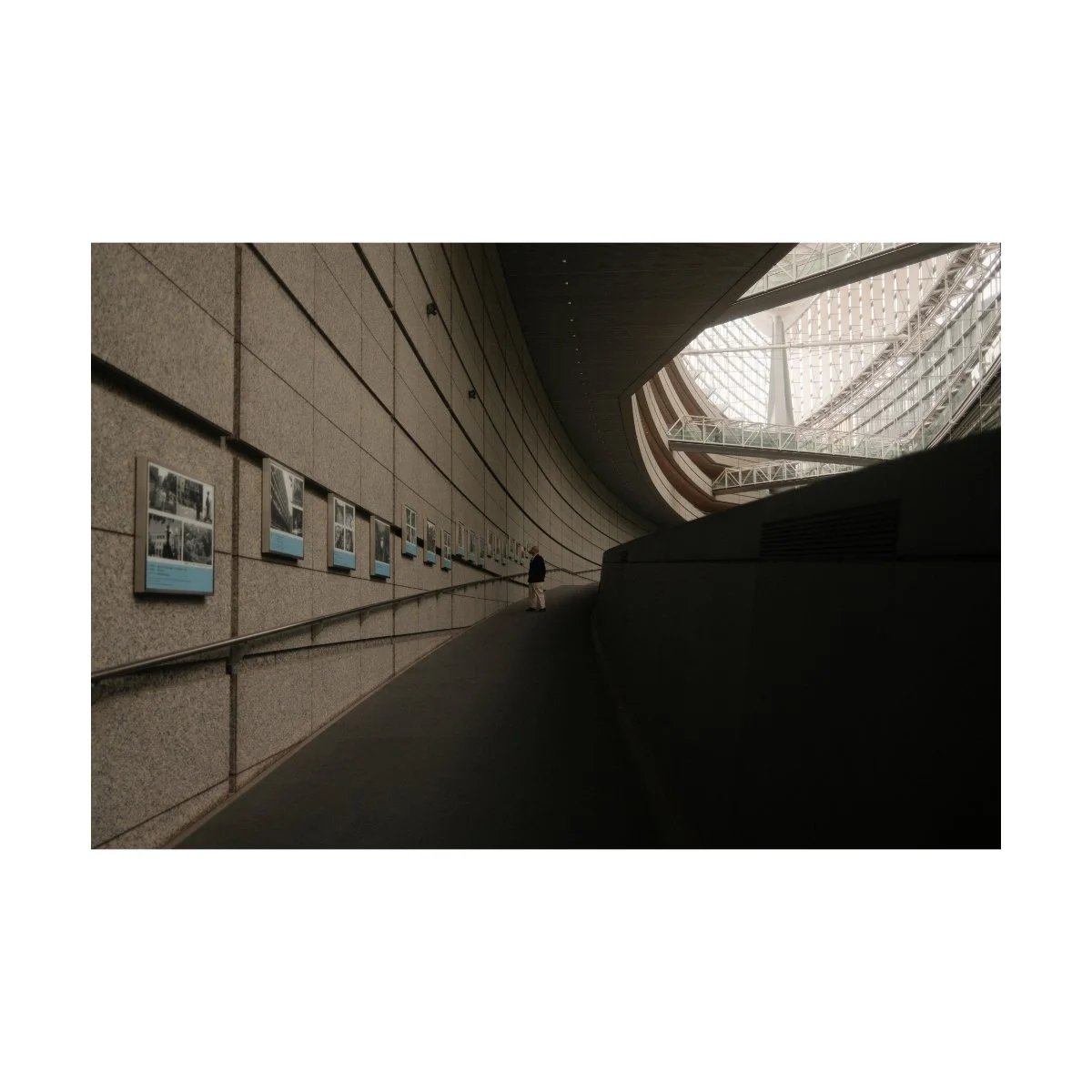
This was a shot I took at the Tokyo International Forum.
Where do you think the “anchor point” is?
Right, it’s the subject, the man in the middle.
Everything else, the leading lines and the symmetry stems from that.
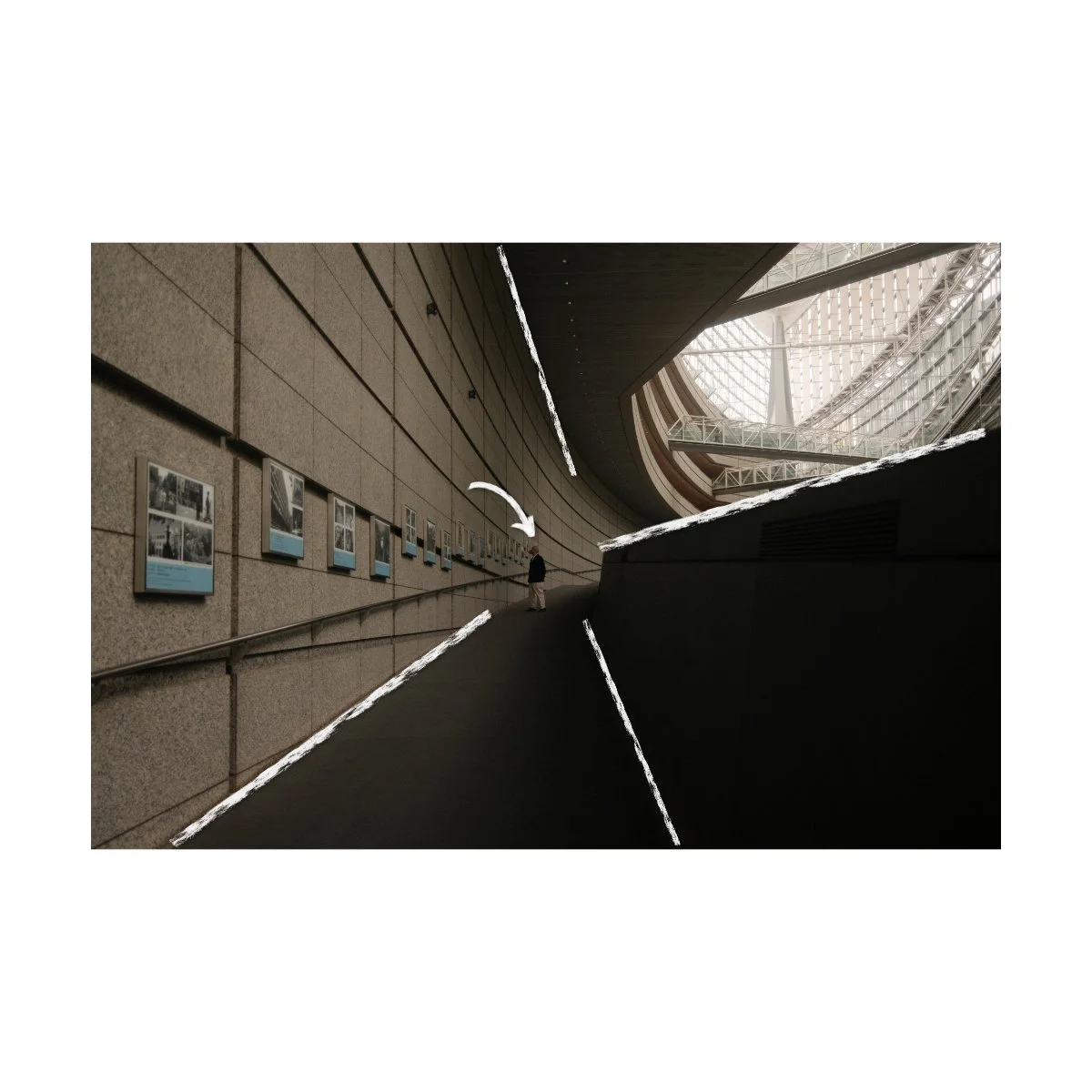
But the subject in the center is the most integral part of this frame, since it holds it all together.
Which means, as long as I get him dead-on, straight, and centered, everything else follows.
So some of my lines and angles can be a little bit off but it’ll still look right, because the anchor point is straight.
Let’s check out another photo where the anchor point is a little less obvious.
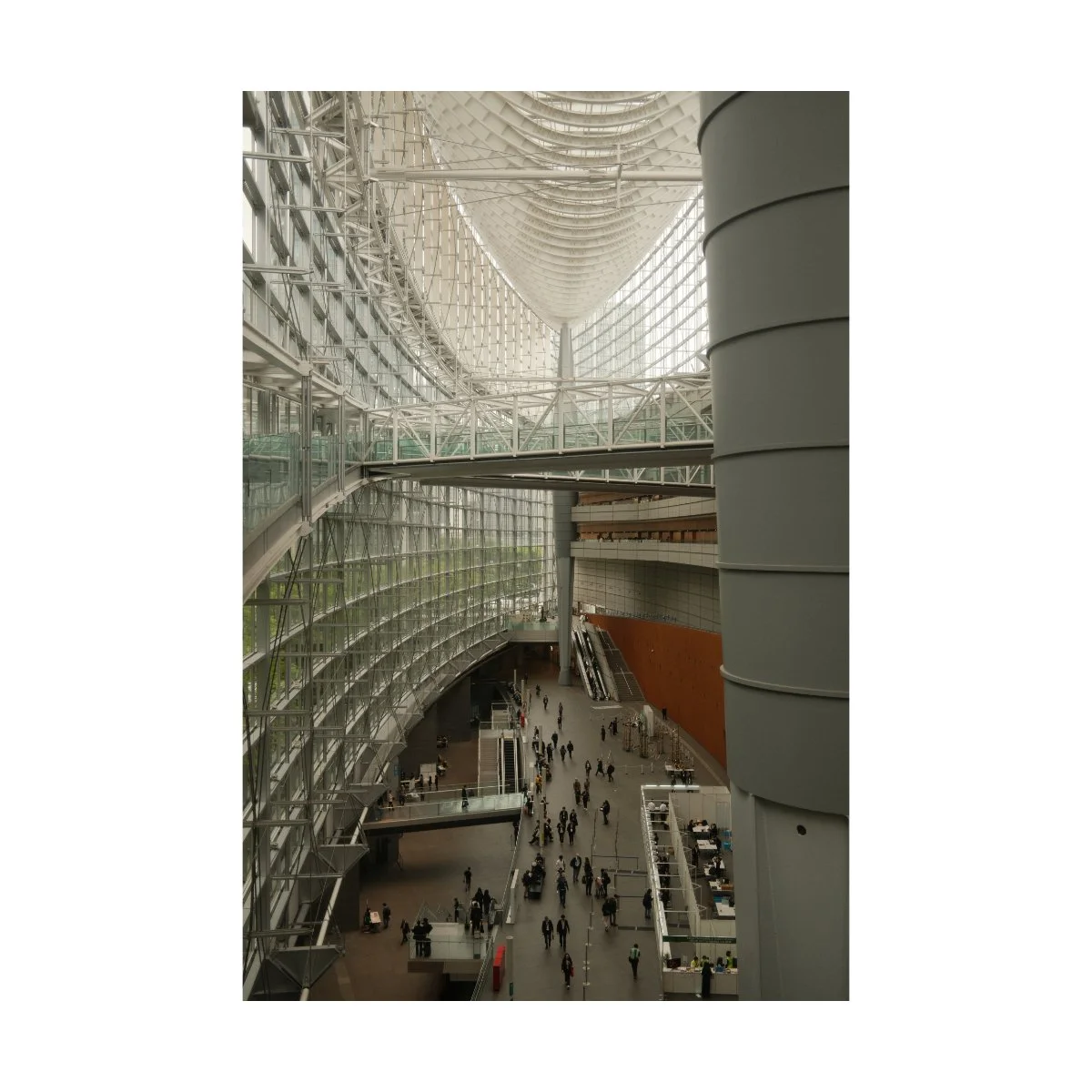
Same setting, but a bit of a different shot, and as you can tell, there’s a lot going on.
There’s a ton of different lines, no clear perspective, and walkways that interfere with our horizon line.
And although there are good straight lines, they’re not perfectly level, so aligning our frame to them won’t look good.
In situations like these, where the anchor point isn’t obvious, we have two options: work with the best anchor point available or create an imaginary one.
So using this structure far off in the center could be a great vertical anchor point.
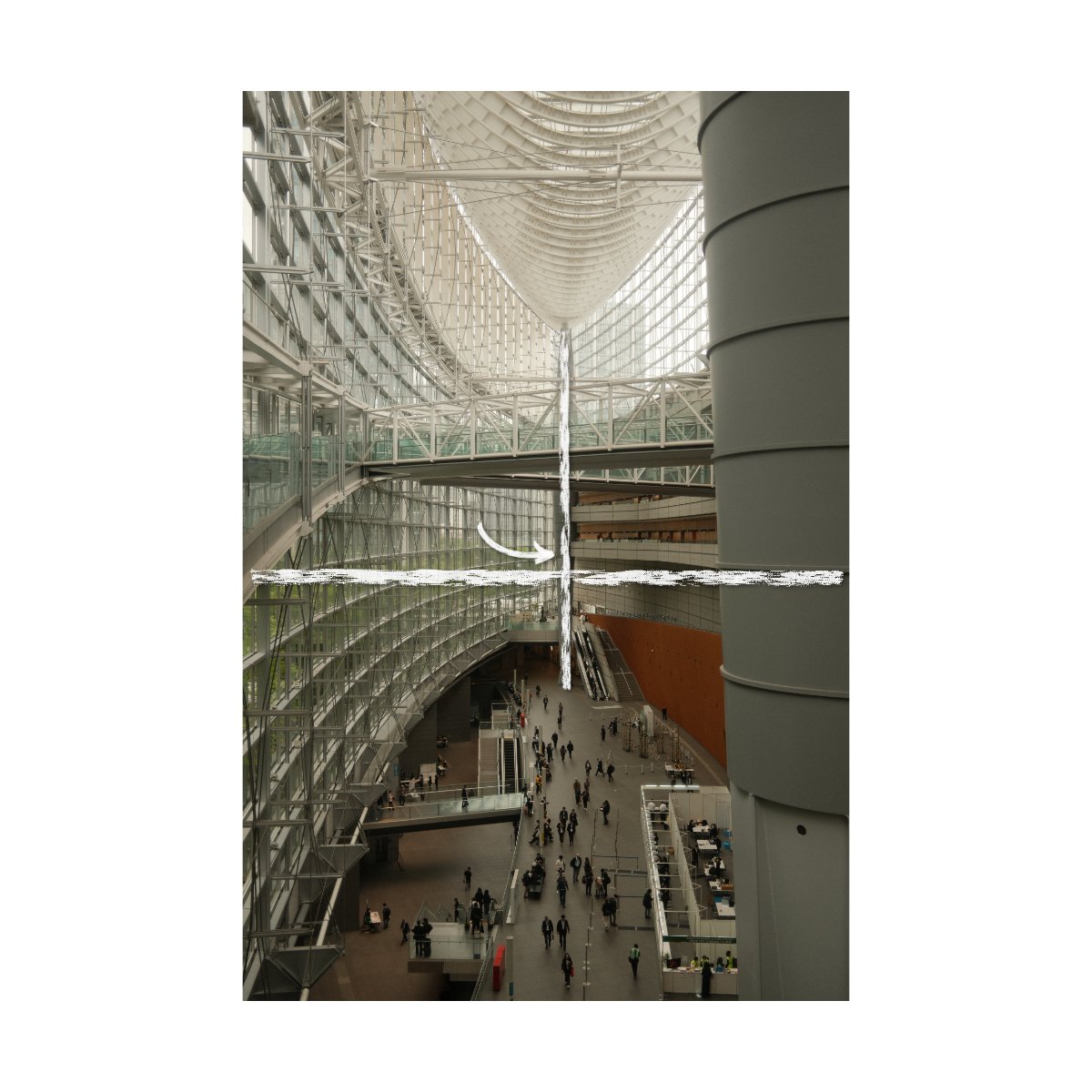
Or imagining there was a straight horizontal line that ran through the center could work as well.
Adjusting and aligning our frame to either of those will get us a better dead-on perspective.
Now because the world is highly variable, it’s not always going to be perfect.
Which can mean adjusting your frame to what isn’t perfectly straight, but still looks straight to the viewer.
The amount of anchor points in photography are infinite and they could technically be anything, but don’t overthink it.
Once you start looking for them, you’ll get better at finding them.
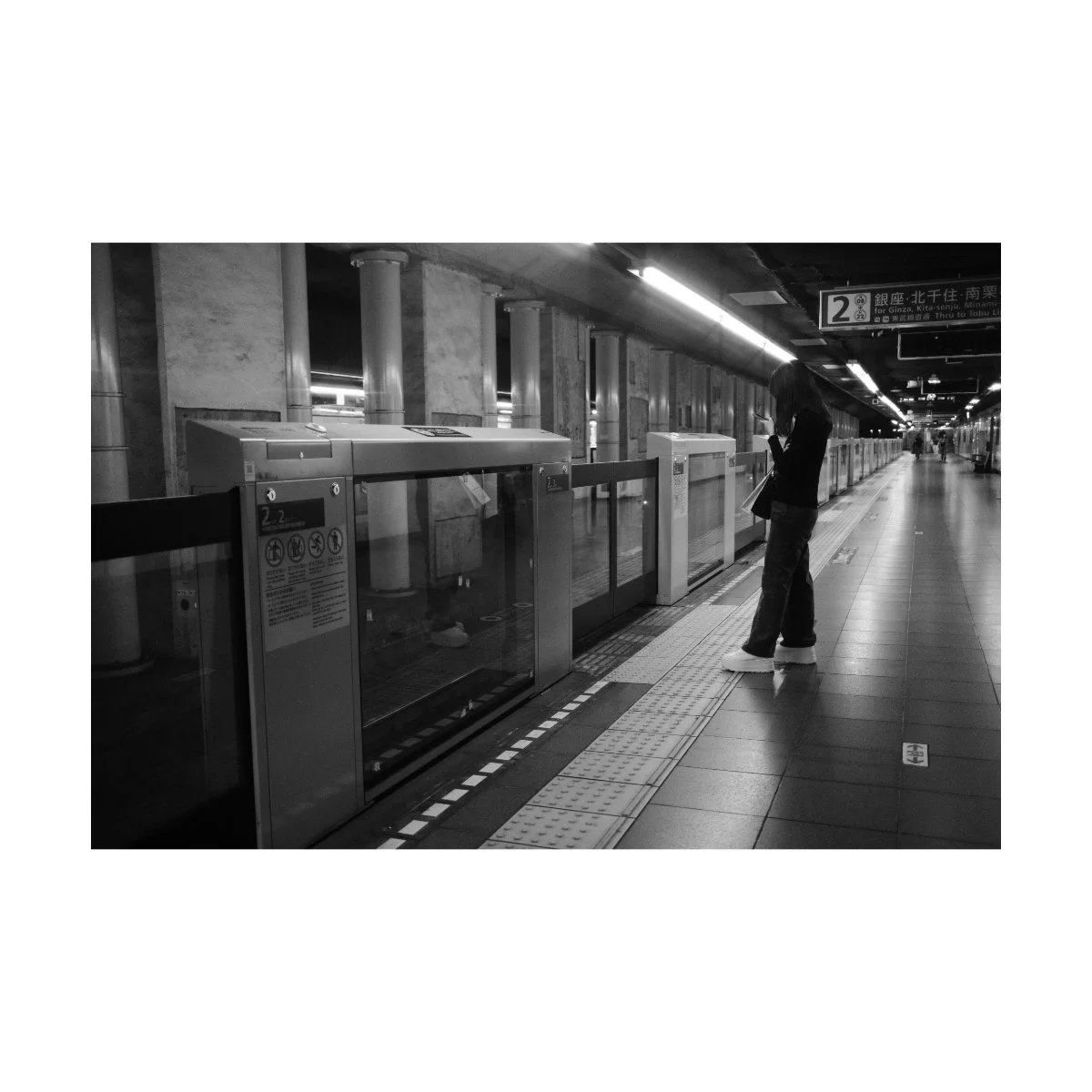
So my recommendation first, is to just repeatedly ask yourself:
What is the anchor point of this image?
And then align your shots to that.
You’ll start noticing your perspectives line up that much better and easier.
If you get the anchor point wrong, you’ll know, because your shot will look off.
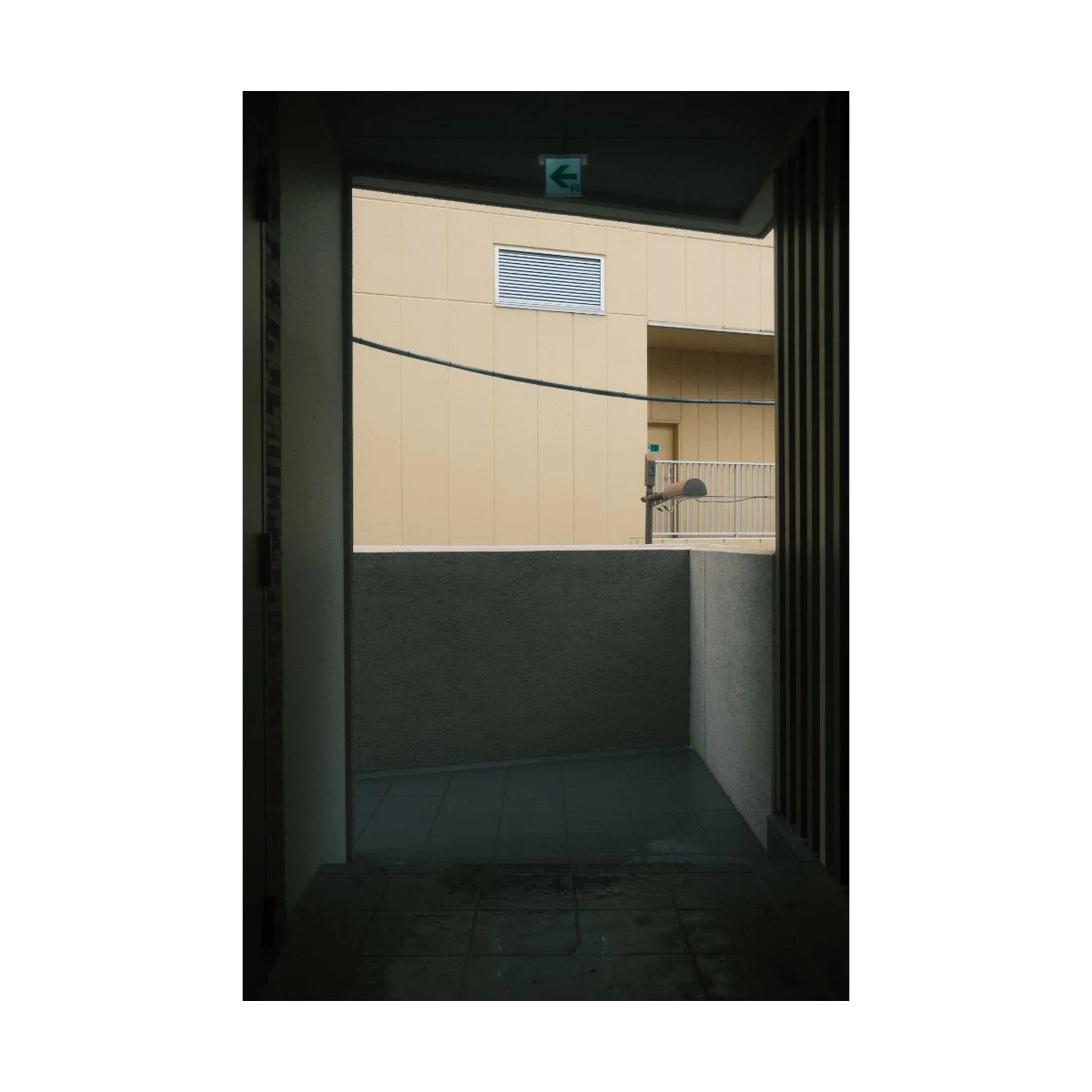
Focal Lengths
Naturally, when it comes to perspective in photography, the focal length you shoot at will affect the angles of your shots.
Focal length in street photography largely comes down to preference.
But when most people hear the word perspective, they probably think wide angle.
This is because a wide angle makes it easier to catch the majority of the room, big buildings, and leading lines.
But perspective is still an integral part of photography, even if you shoot on a tighter lens - it’s just less noticeable.
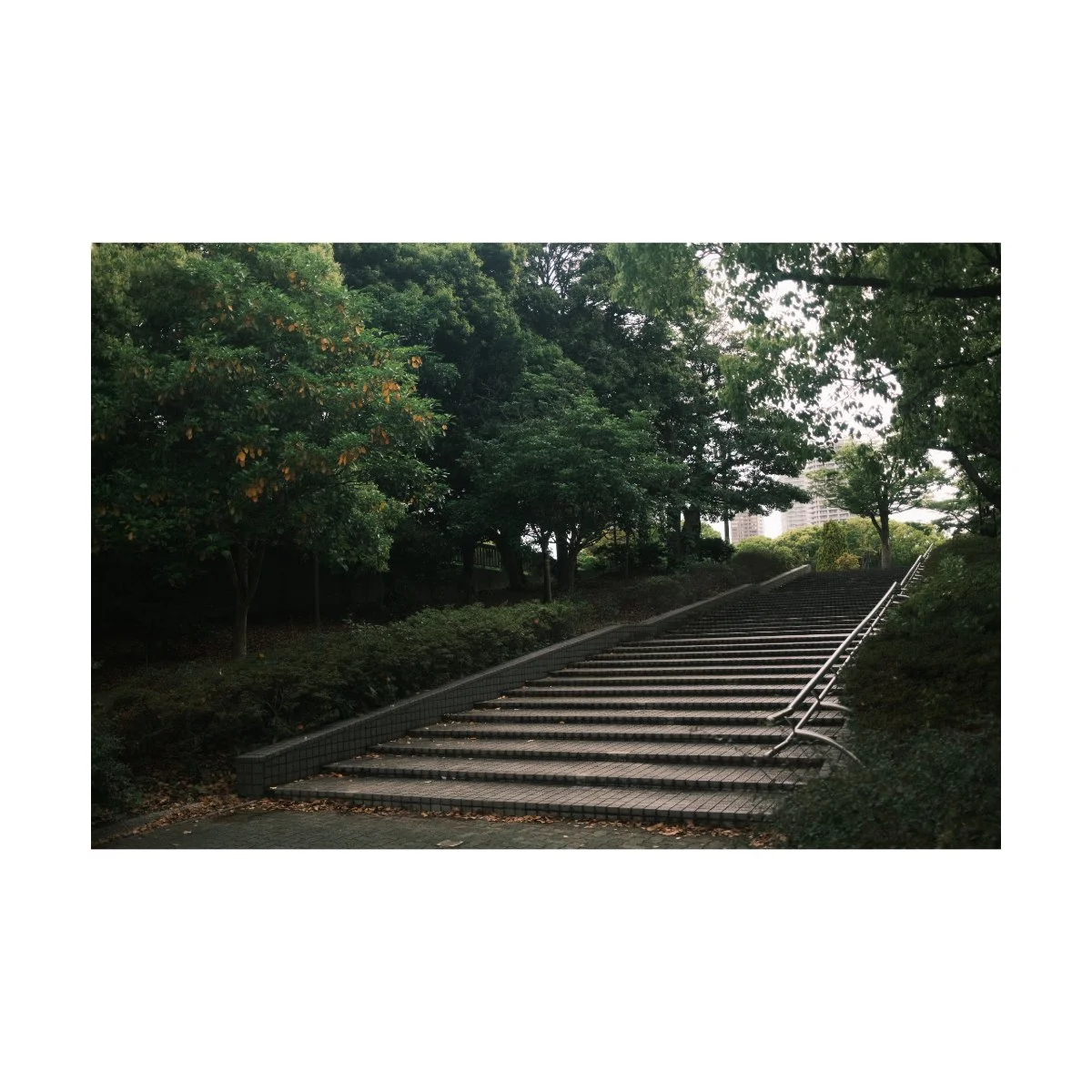
So a big problem I see in many beginner photographers that shoot on tighter lenses (because they’re often recommended) is a lack of understanding of perspective.
Their shots don’t come at the right angles, are too high or too low, too left or too right.
This is because they have a tighter lens, so all they have to do is point and shoot.
But they’ve not been punished for taking that photo on a wider lens so they don’t yet know the difference it makes.
But their shots would look much better with some sense of perspective involved.
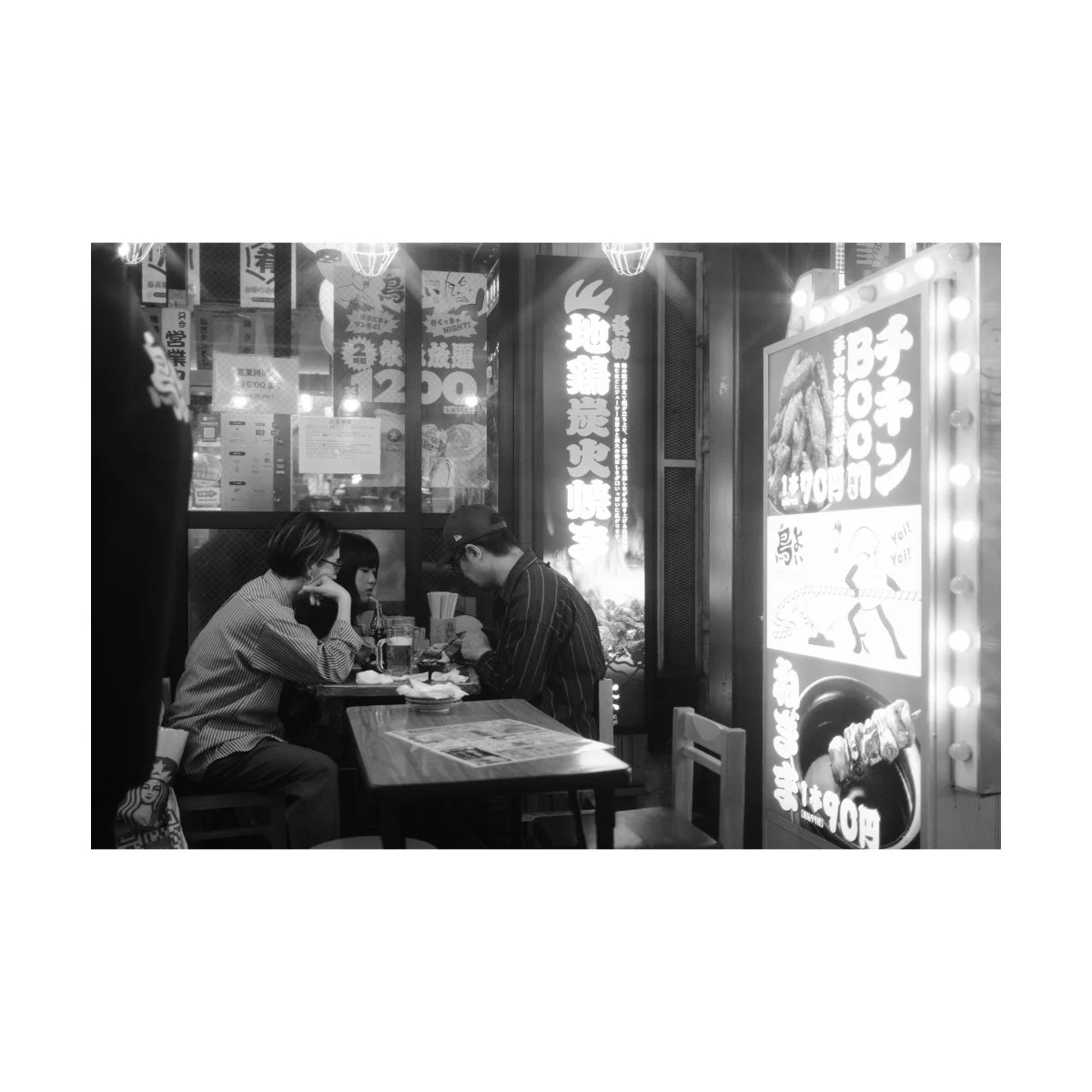
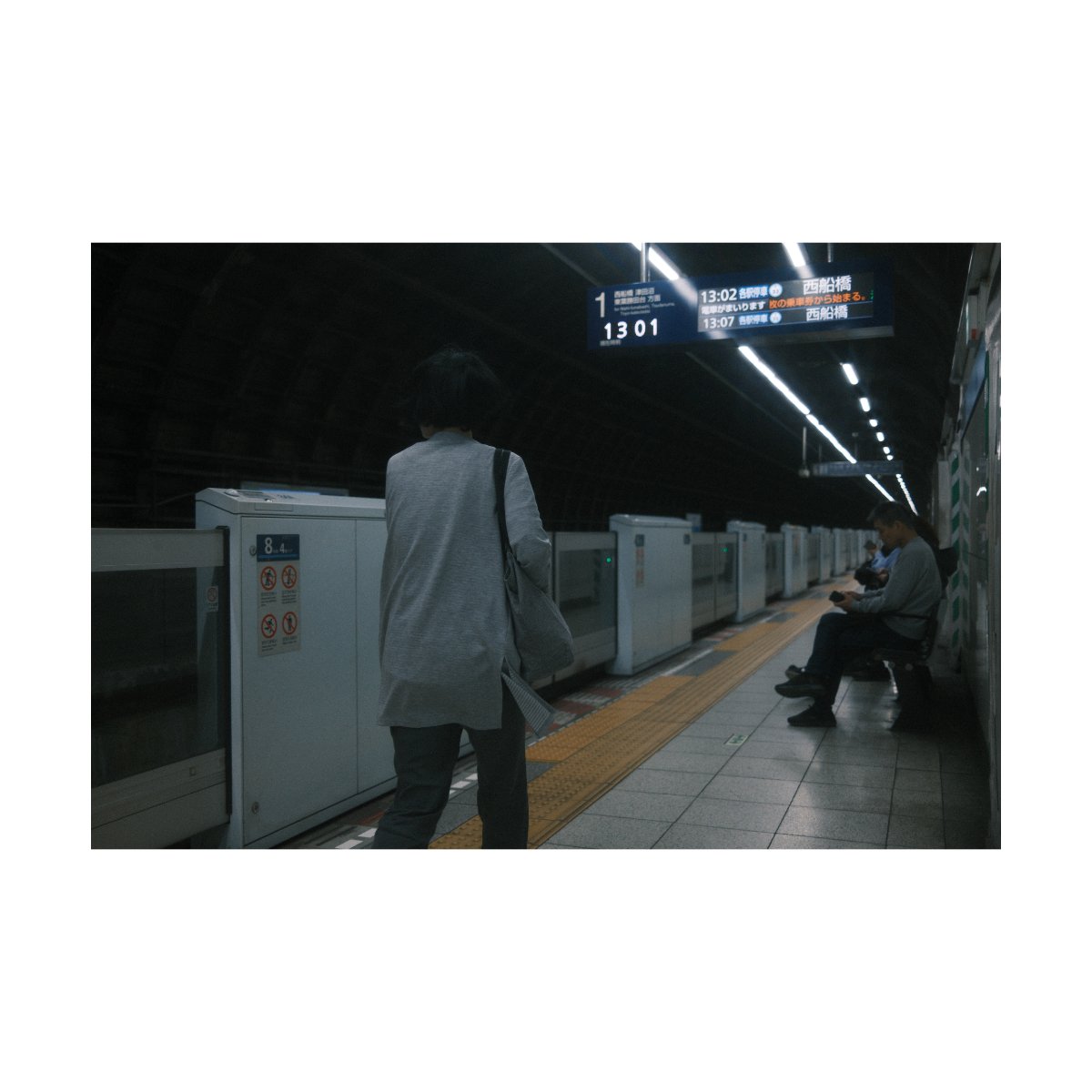
As you can tell, my preferred focal length of choice is the 35mm eq.
It’s a little bit of both, tighter than a true wide lens, but wide enough such that mistakes in perspective are pretty noticeable.
But it’s still something I prefer, especially for street photography, because much of the environment gets integrated in the shot.
You can also use buildings, structures, and vending machines to frame your subjects.
If you want to truly study perspective, I’d recommend shooting with something on the wider end first, because the look will be exaggerated.
The tightest I’d go would probably be 40mm full frame.
Anything tighter and your shots become more “zoomed in”, making it harder to feel the damage of bad perspective.
Then, if your preferred focal length is a tighter one, once you go back, you’ll notice the changes.
You’ll understand how angles affect your shots and you’ll realize how little things like bending down or stepping to the right an inch really does make a difference.
And then you’ll finally have structure to your shots, because perspective is more than simply leading lines on wide angle lenses.
A Simple Exercise for Orientation
Although perspective rarely gets talked about like this, photographers have long known the importance of it.
That’s why little things like the leveler in your camera was added - because simply leveling your shots will make them that much better.
It’s just telling someone to hold their camera straight isn’t the most exciting thing to do.
But understanding what is “straight up”, both vertically and horizontally, is important in photography, because that’s orientation in a nutshell.
It’s important to be able to see that not only with our eyes, but also our hands.
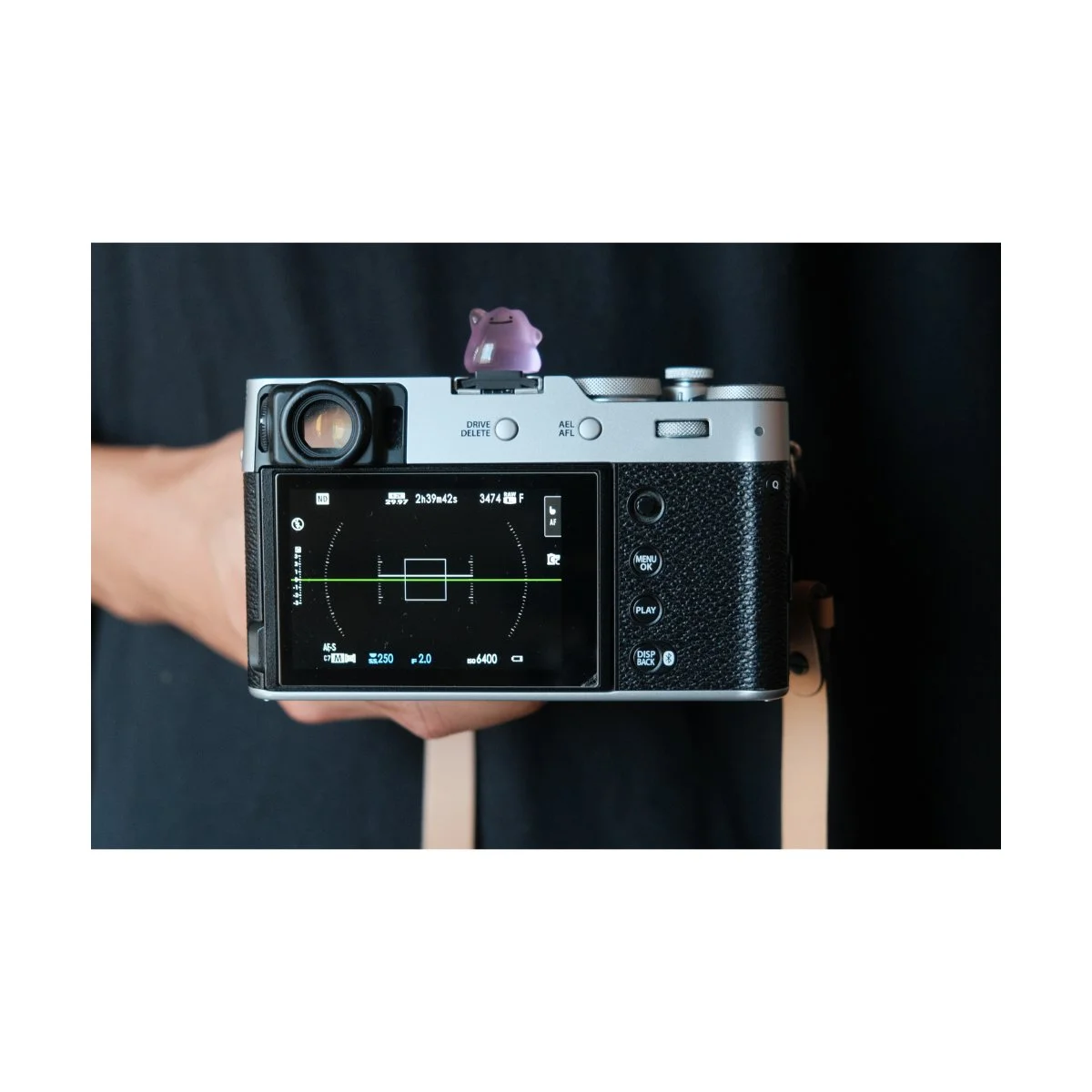
So personally, I don’t use levelers or grids.
I think they can be useful, but they get in the way of my shot and what I’m seeing.
Instead, I’ve opted to simply train my hands to be level as often as possible.
Just imagine every time you lifted the camera to take a picture it was already level, as if it were on a gimbal.
That would make your dead-on shots much easier because you’ve eliminated another thing you had to do before pressing the shutter.
You can do this by practicing in your room right now.
Simply lift your camera as if you were taking a shot and see where it ends up.
Is the frame perfectly straight or do you have to pause and make some adjustments before you press the shutter?
The less time it takes to get things level the less energy you have to use to “fix the frame”.
I’d recommend practicing this for both one hand and two hands and both vertical and horizontal shots.
Keep doing it until it’s muscle memory and street photography will take less effort.
If you master this you’ll save so much time in the field.
Of course there will be moments when you do have to adjust to get the shot right, and you should take your time on things and be patient, but you get my point.
It’s one less thing to worry about.
Now if you have the reverse problem, where going too fast is messing up your shots, you need to practice patience.
The good thing about perspectives are that: the scene isn’t going anywhere.
Maybe the subjects are moving and the lighting is getting lower but the general scene isn’t going to leave you.
So if your shots aren’t on level, are crooked, or at a weird angle, you can slow down and line things up.
Make sure you stand in the exact center of the street, or at the correct spot - it makes a difference.
You can get to the right orientation faster by doing the exercise we talked about earlier, but if you have the time, take the time.
Photography is a mixture of action and patience, and that applies to perspective too.
Your Best Friend
Ideally in photography, we want to do as little editing as possible.
If we could take a shot and it come out looking exactly how we wanted it to or how we saw it, that would be amazing.
Unfortunately, the real world doesn’t operate like that and we make mistakes all the time.
It’s times like these where one of the simplest editing tools becomes your best friend.
The straightening tool (and sometimes crop tool) in Lightroom or Capture One is so useful for getting better perspectives.
You might know this by different names like the Rotation Tool, Transform Tool, or Perspective Slider - whatever, same stuff.
The real world is busy and it’s difficult to pay attention to everything.
So often, there will be things you didn’t see while you were taking the picture.
It could be a crooked pole that’s throwing your symmetry off or a plant that’s getting in the way - that’s normal.
The straightening tool allows you to adjust and fix your perspective shots, even if it’s just a tiny rotation to the side.
Similarly, the Transform Panel allows you to adjust weird angles in your photos.
We mentioned earlier how being taller can make a simple dead-on shot come out at a downward angle.
I often use the vertical slider to fix that.
These are important tools for our workflow, so don’t feel ashamed for using them.
Perspective relies heavily on symmetry and weight so it’s easy to mess things up.
And if a quick adjustment makes the whole image work, why not use it?
The idea is to try and make things as perfect as we can SOOC, and then adjust when necessary.
The better of a job you do in real time, the less work you have to do later.
But at the same time don’t feel bad for having to straighten things out later - that’s part of the process.
Find Perspective Subjects
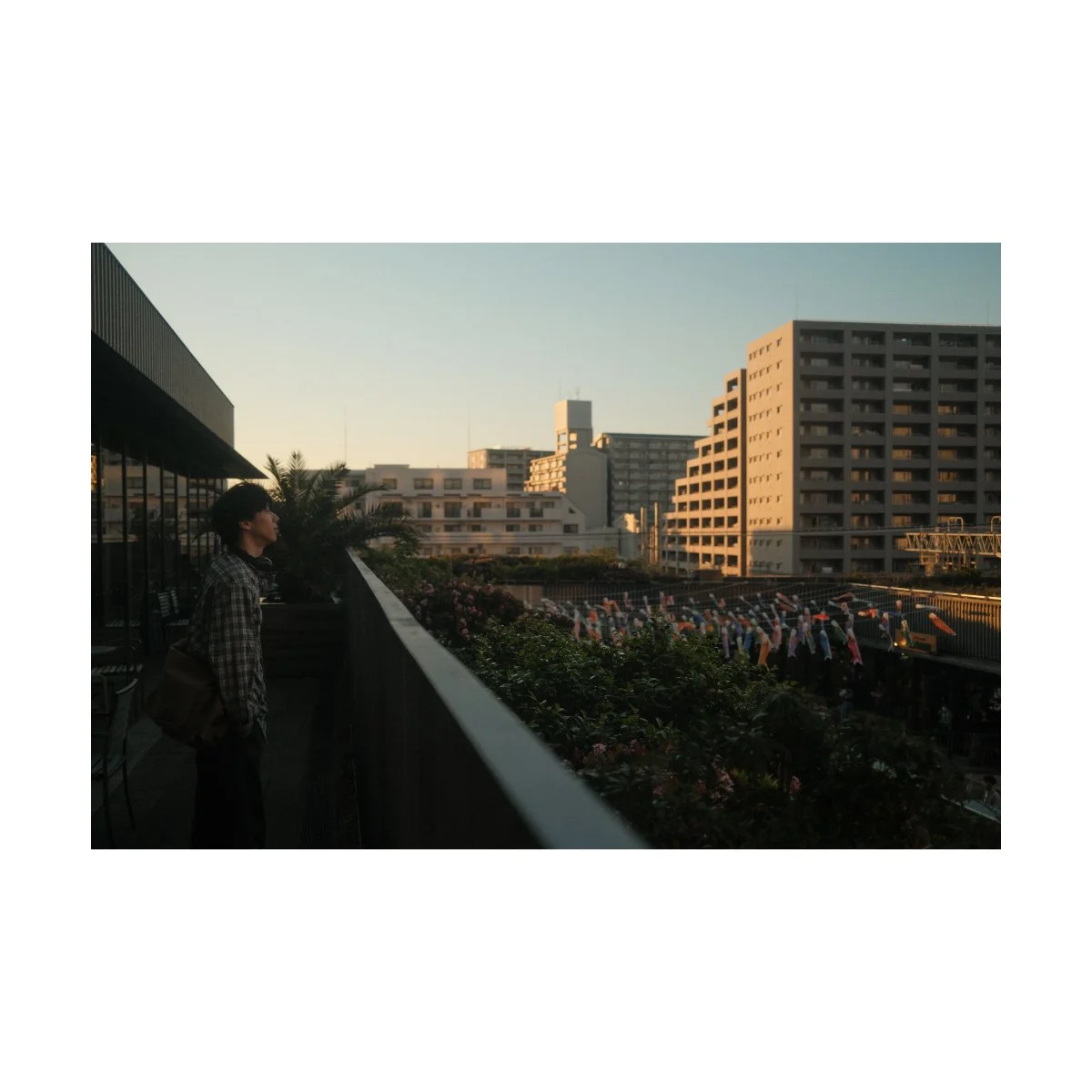
The final tip I want to give for street photography perspectives is to look for “perspective subjects”.
What do I mean by this?
I mean, that often in street photography, we are looking for interesting things, typically subjects or scenes.
Perspectives are a type of scene but can also be a subject in itself.
We just don’t commonly think of perspectives as subjects, like we would people, objects, and landmarks.
But training ourselves to look for perspectives as the subject itself will allow us to get better perspective shots.
Hence, finding perspective subjects.
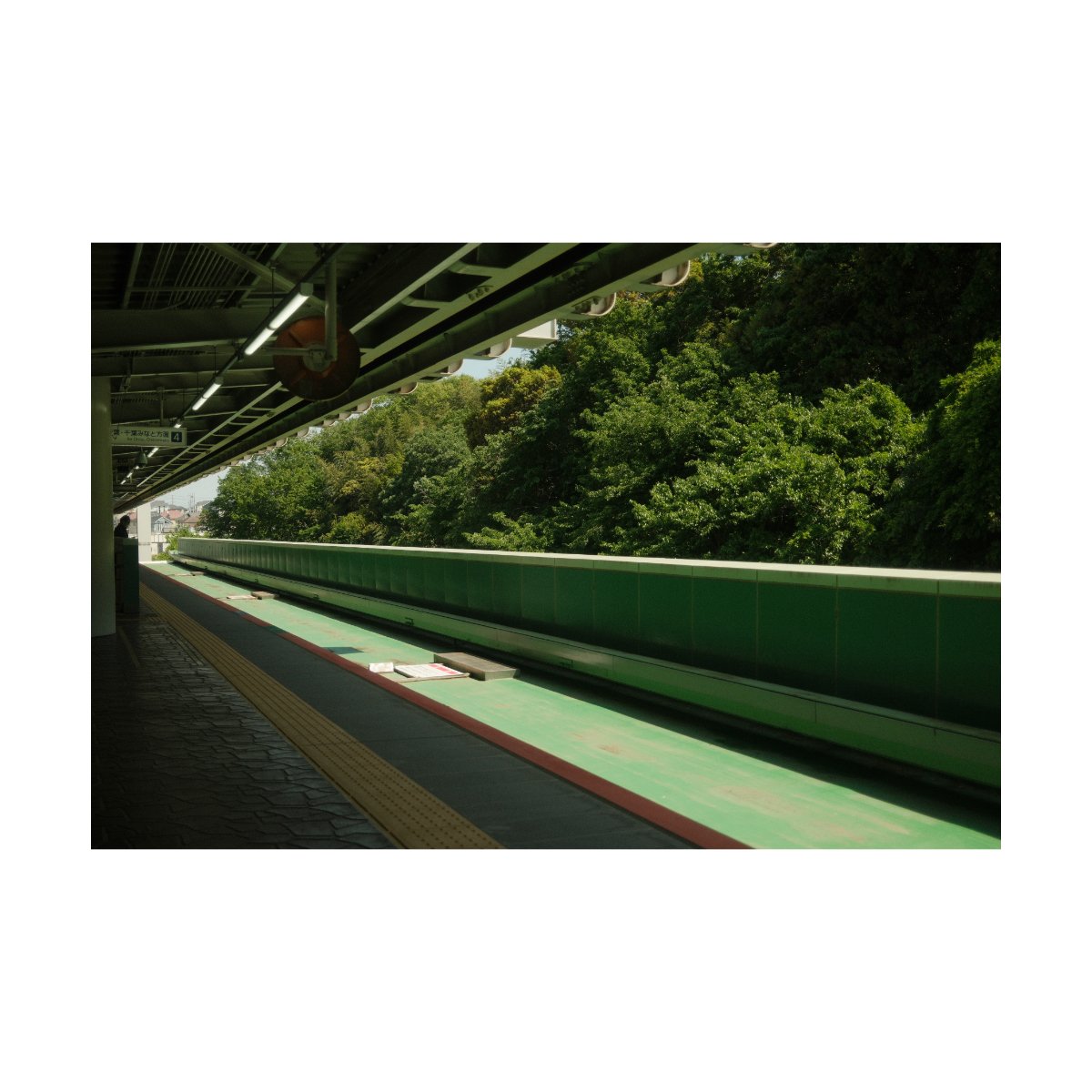
I’ll give you a few examples.
If you think about what makes for an interesting perspective, one would commonly think of leading lines.
A street that’s straight down the middle and sidewalks that branch out from it.
Or maybe the sideways angle of that where two lines converge at the end.
Or it you have a dead-on shot, your perspective doesn’t have the angles, but rather flat horizontal and vertical lines in them.
Extending this further, we could use highways, buildings, and roads to draw lines within our frames.
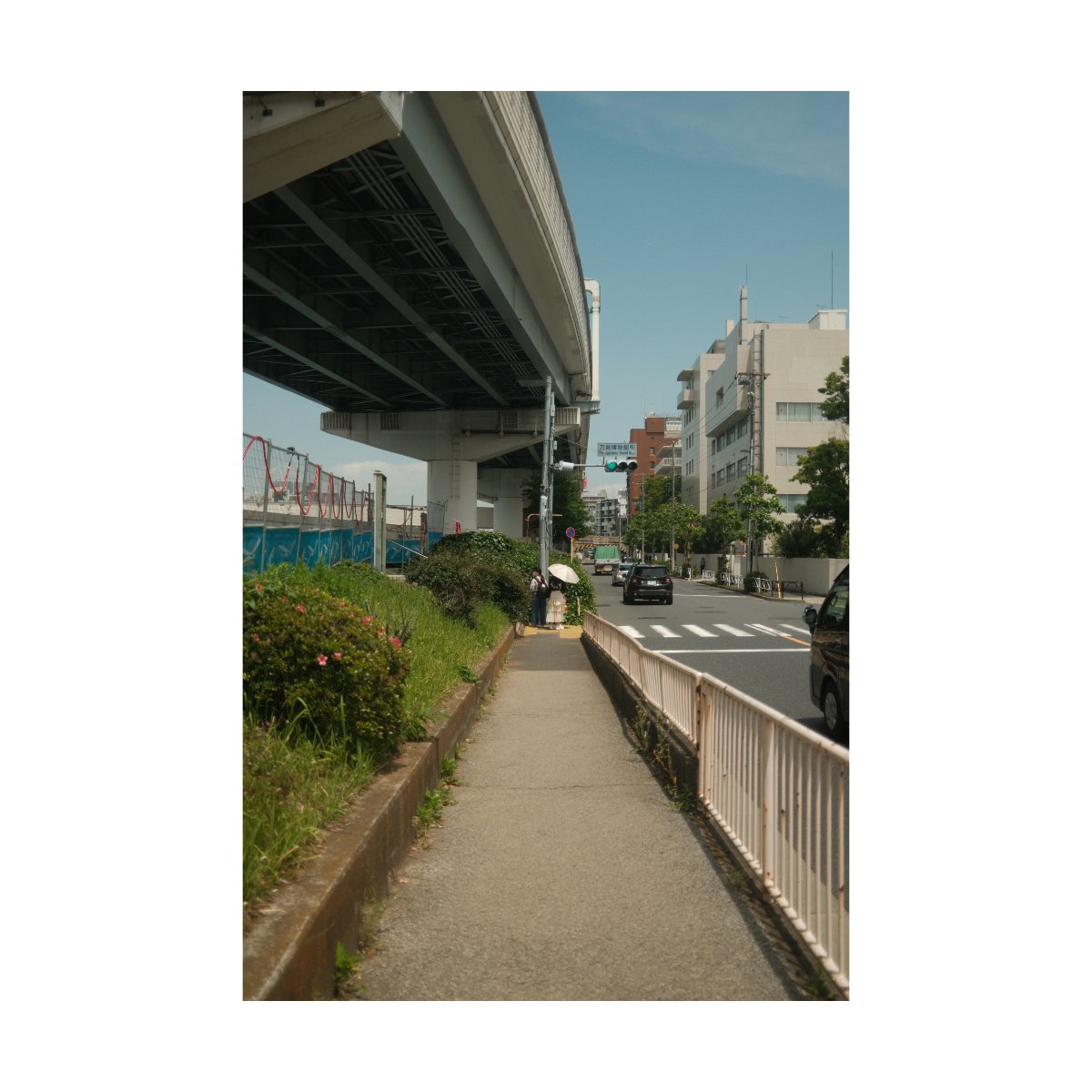
Perspective is all about these lines, and once we train ourselves to see them, we can actively find them.
So finding “perspective subjects” means looking for these lines and shapes first, as if they were subjects themselves.
Then, you can simply photograph the scene as is.
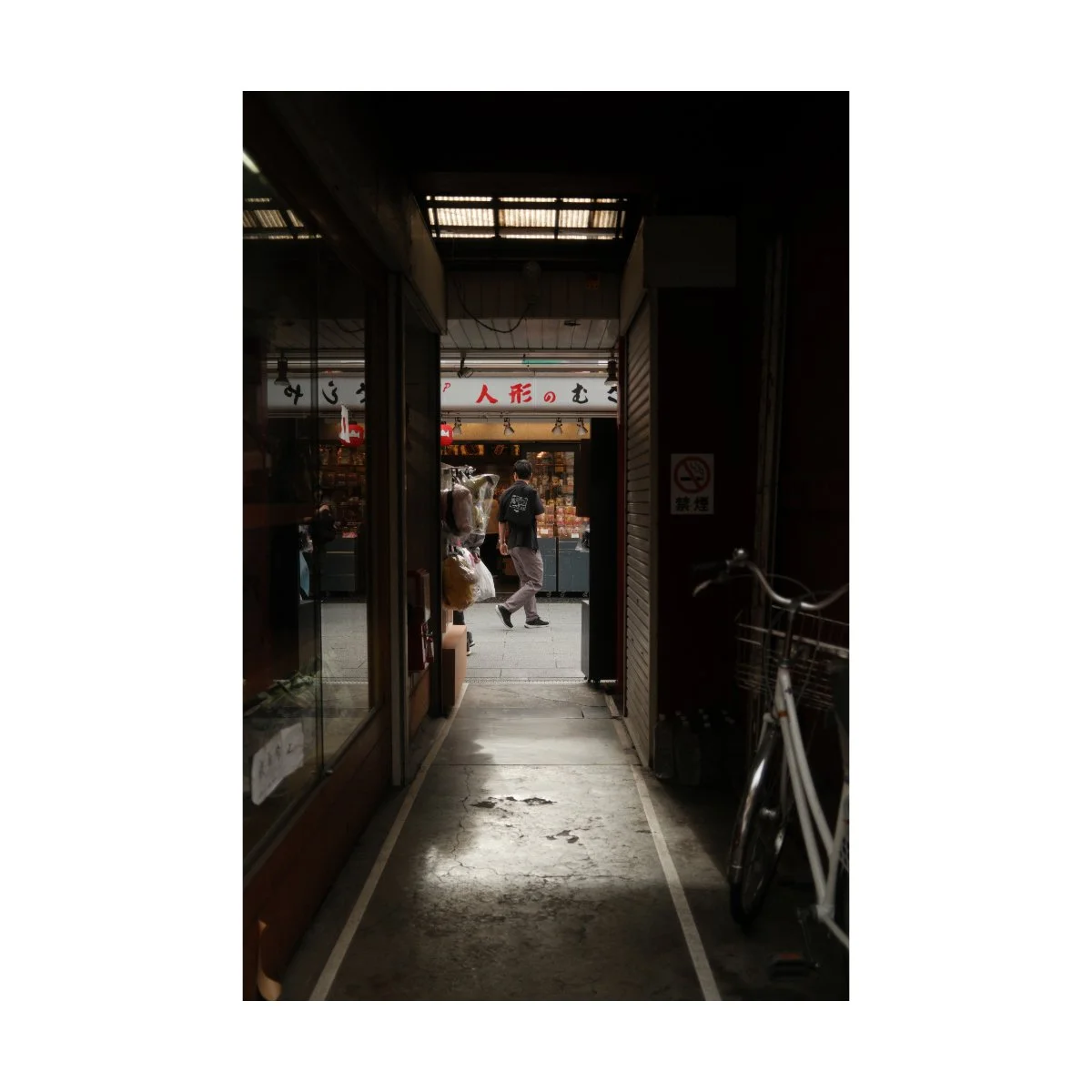
Or you can wait for a subject to enter the perfect spot and then press the shutter, which would give you a nice blend of subject and scene.
The viewer will be attracted to the subject, but for some reason everything looks good.
This is because what’s holding the frame together, as we mentioned earlier, is the perspective, giving the photo structure.
And when you have a photo that can look good with or without a subject, that’s when you’ve captured this well.
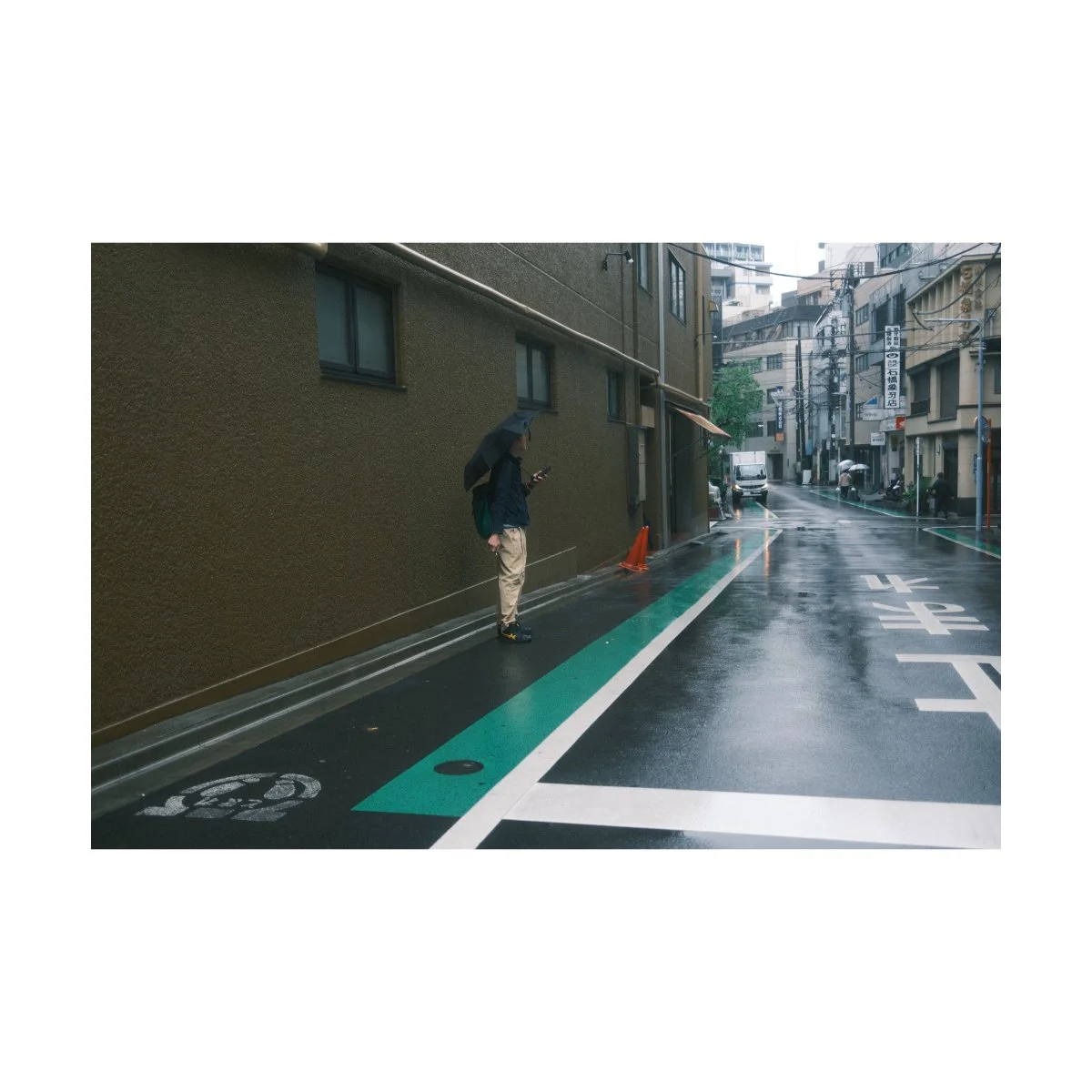
So if you want to take better perspective shots, treat them like a subject and look for them.
Use the tools we mentioned earlier to align your frame just right.
Then blend what you’ve learned with already clear and natural subjects and you’ll get a better result.
This mixture of scene and subject is something I personally enjoy and seek to capture in much of my street photography.
And it all comes back to a basic foundational understanding of perspective.
Anyways that’s enough writing for me today, I hope you found this useful.
If you did, please share this article with a friend who needs some perspective in their lives.
If you want to learn more, we have a whole perspective chapter in Photography Essentials - it’s free.
You can also learn more about improving your photography as a whole in Photography Systems - check that out as well.
Thank you for reading, and happy shooting.