How to Improve Your Photography So Fast It Feels Wrong
This past year I’ve made some changes to how I approach photography that have gotten me massive results.
Before I used to shoot all willy nilly, and that worked a bit, but it didn’t necessarily give me the results I wanted nor did it fix the holes in my photography.
So, I improved some things, changed some things, and learned from that process.
It was slow at first, but lately it’s been showing up in my photos themselves, where skills are accumulating and working together, and one plus one feels like three or four instead of two.
Today I’ll share with you the three most important tips to improve your photography so fast it feels wrong.
Let’s begin.
Be A Photographer
Often times, what holds many artists back from getting better, isn’t the gear or talent, it’s the lifestyle.
Getting better at anything requires time and effort, and that applies to hobbies like photography as well.
And ironically, because many creatives can be free-spirited, that can prevent them from being consistent enough to actually get good.
If you want to improve your photography so fast it feels wrong, it comes back to this.
Don’t just ask: “How can I take better photos?”, “How does that guy edit?”, “What camera does he/she use?”
Ask: “What is that person doing day by day, that I’m not doing, that is leading to results I’m not getting, that I want?”
Because that’s actually the difference.
Habits, routines, and systems are all an integral part of growth that can’t be ignored.
Many creatives simply don’t talk about it because it’s a bit of a boring topic and some artists don’t even realize they’re doing it.
They paint all day every day and that’s normal for them.
But not all of us do that - and that’s the difference, not the paintbrush they’re using.
So if that’s not already normal for you, you’ll benefit more from doing something photography related each and every day, as opposed to watching photography content.
For example, you can take a less talented photographer, give him a consistent photography schedule, and within half a year or a year he’ll have gotten that much better than his peers who had the talent, but lacked the lifestyle.
Furthermore, doing it long enough will build the habit such that it feels normal, and you no longer need as much motivation or inspiration to get out there.
It’s literally like having a solid gym routine, where you’re locked in, as opposed to a loose one, where you workout once every blue moon.
Therefore, the most important thing when it comes to growth is consistency.
What you want as a photographer is not to take great photos, but to be a photographer that can take great photos.
So ask yourself questions like:
“What would an expert photographer do in this case?”
And then just do it, even if you don’t feel like it.
The more things you do that expert photographers do, the more similar results you’ll get.
A few tangible things I’ve changed in my own photography recently:
taking less bad shots when I know they’re going to be bad
being more ruthless with my culling
being looser with my photo edits (more on this in a different article)
shooting more from the front
Simple and obvious stuff, but things I would often overlook.
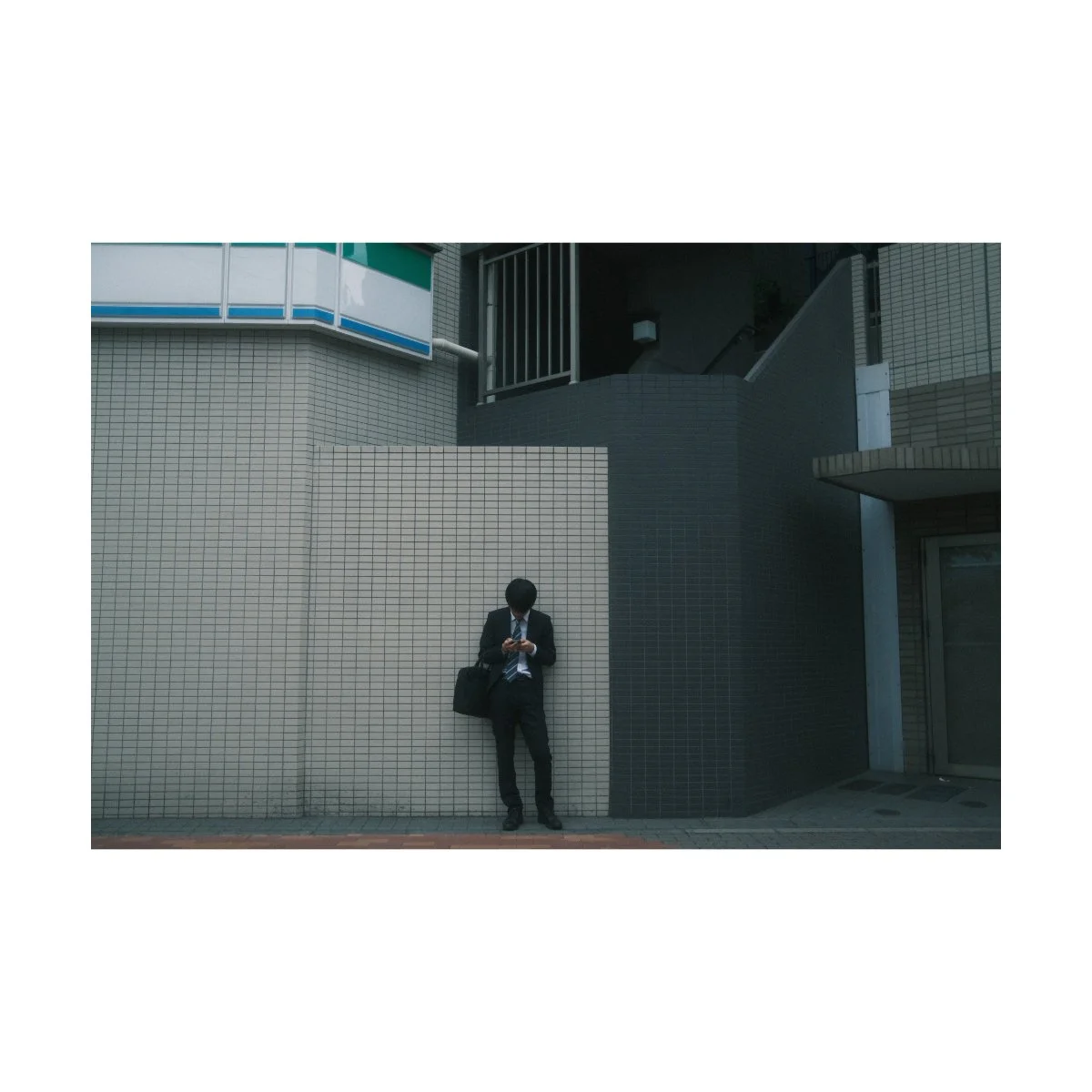
Now, at the same time, don’t think so hard about the cameras, the settings, or the edits.
Focus on building the lifestyle and habits so you can show up every day and do what you need to do to get better.
You can’t get stronger if you don’t do any reps.
Focus on volume and the gaps or questions you have about photography will be answered in the process.
Start with 1/photo session a week, and adjust the frequency based on your goals or needs.
If you want to learn more in totality about systems and the process of improving, check out Photography Systems.
If you already have a consistent photography system in place where you’re constantly showing up and doing the work, then your problem isn’t consistency - it’s patience.
Chances are you are getting better, just not as fast as you want to or not in a noticeable manner.
But if you zoom out and look at your photos from half a year ago, two years, three years, you will see how much better you’ve gotten.
You just need to practice patience and have the right frame of mind.
Also learn to focus more on what you’re doing, not how good/bad your photos are - that will help keep you grounded.
Intentionality
In photography there is a time to be free-flowing and there is a time to be intentional.
Street photographers for example, I’ve found to be very good at being free-flowing.
They’re used to going out, seeing what happens, adapting to the situation, and taking candid photos.
This is because the real world is often unpredictable and multivariated.
Portrait or wedding photographers on the other hand, seem to be better at being intentional.
Because there’s an idea or shot in mind, general poses that tend to work well, and a slightly more controlled environment, it’s easier to just get the shots you know look good, rather than roll the dice every single time.
But, since we do mainly street and travel photography here, let’s talk about the side of intentionality street photographers tend to lack.
Let me ask a question:
When you go out and take photos, what are you thinking about?
Do you have a plan in mind, something you want to capture, a project you’re working on, or some aspect about photography you want to improve?
Or do you just go out and take photos of whatever you see?
Because in my experience, I’m used to doing the latter.
There’s nothing wrong with that of course, you can get good shots either way.
But I’ve found that when it comes to getting better, especially for the technical side of things, it’s easier to do so when you work on it.
I know, crazy revelations, right?
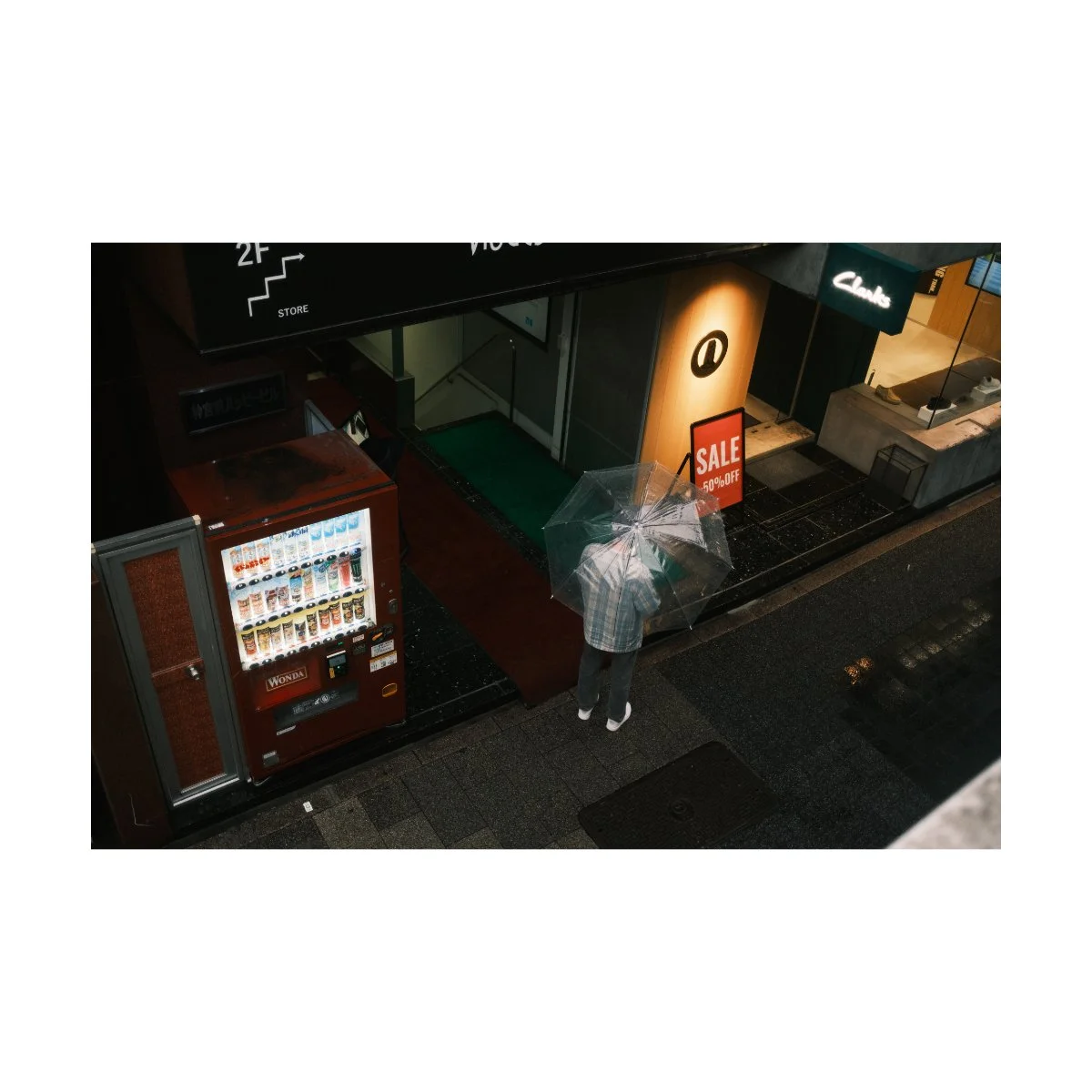
This is something my photography had been lacking over the years.
I realized that many times I’d just go out and see what I could get, but I wasn’t ever really looking for something specific or trying something new.
I could still capture moments, but my photography lacked intentionality.
Intentionality meaning: have an idea on what you’re going to work on or what shots you’re going to capture for each photo session.
It could be:
Today I’m gonna work on my manual exposure only.
Or today, I’m gonna shoot in only one specific focal length and really try to master that.
Find a specific strength or weakness you want to improve and constrain yourself to it.
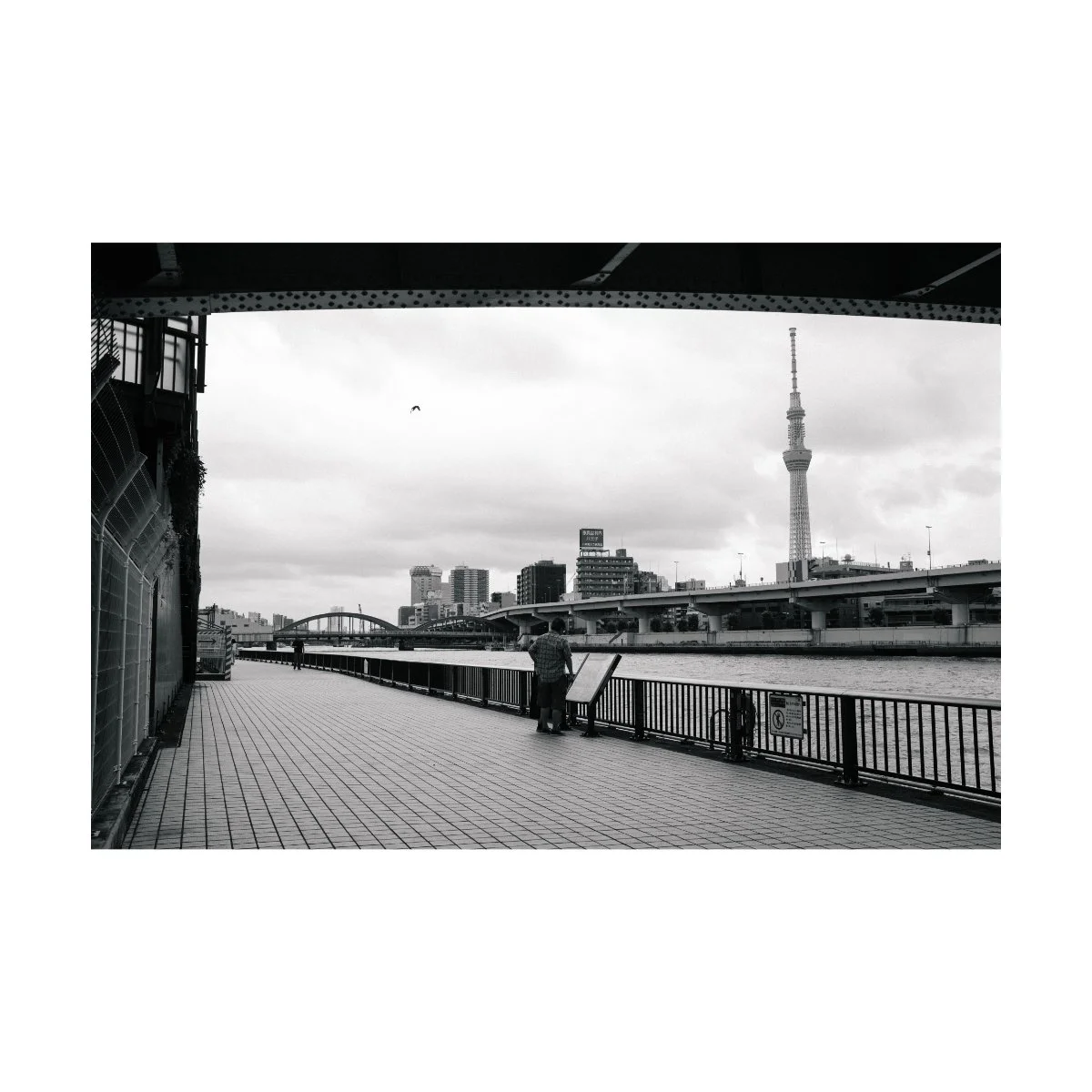
You could also go out with a destination in mind - a specific location you want to capture and that’s the goal.
I’ve done this many times this year and it’s not only given me better results, but an assignment to work on.
Now understand that, ironically, you might actually take worse photos for a short period of time.
You’ll miss shots, your focus will be off, they may be exposed incorrectly.
But because you’re limiting yourself to a weakness, a location, or a process you’re not used to, bad photos are natural.
And if you stick with it, that’s where the growth occurs.
One, you’ll start getting better at the thing you once sucked at (shocking, I know).
Two, when you go back to your free-flowing state you’ll be able to do that new thing well.
Three, your photography as a whole will level up because that specific skill you worked on adds another layer, usefulness, or option for you.
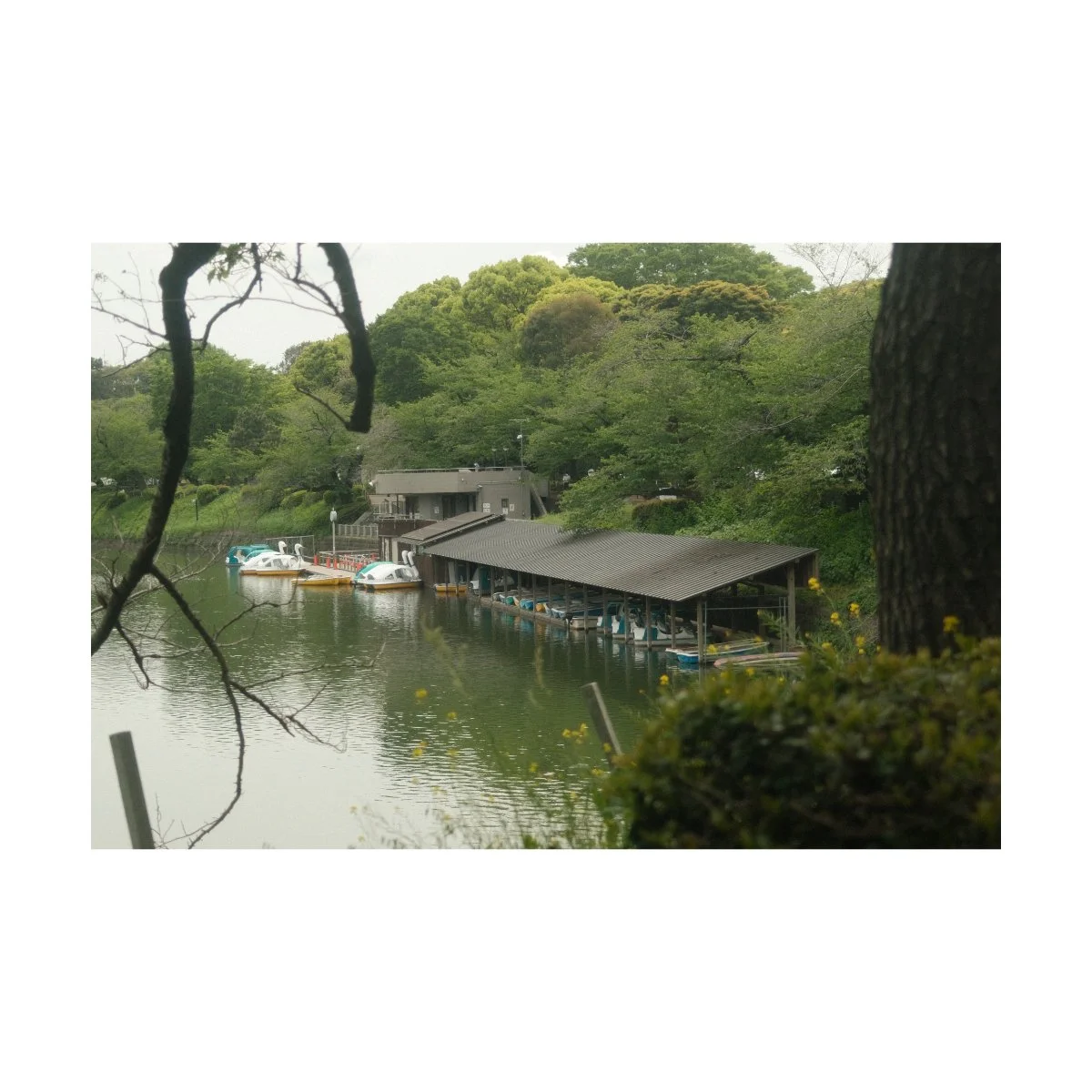
It’s like expanding your toolkit.
Before you had a hammer and a screwdriver but you didn’t know how to use the screwdriver.
So you just hammered everything in and it worked, but not as good as it could have.
Then you took some time to learn how to use the screwdriver and now you can use both effectively.
It’s just most people never take the time to learn how to use the screwdriver, and that reflects itself in their photography.
Nowadays, I have specific shots or things I look for in my street photography.
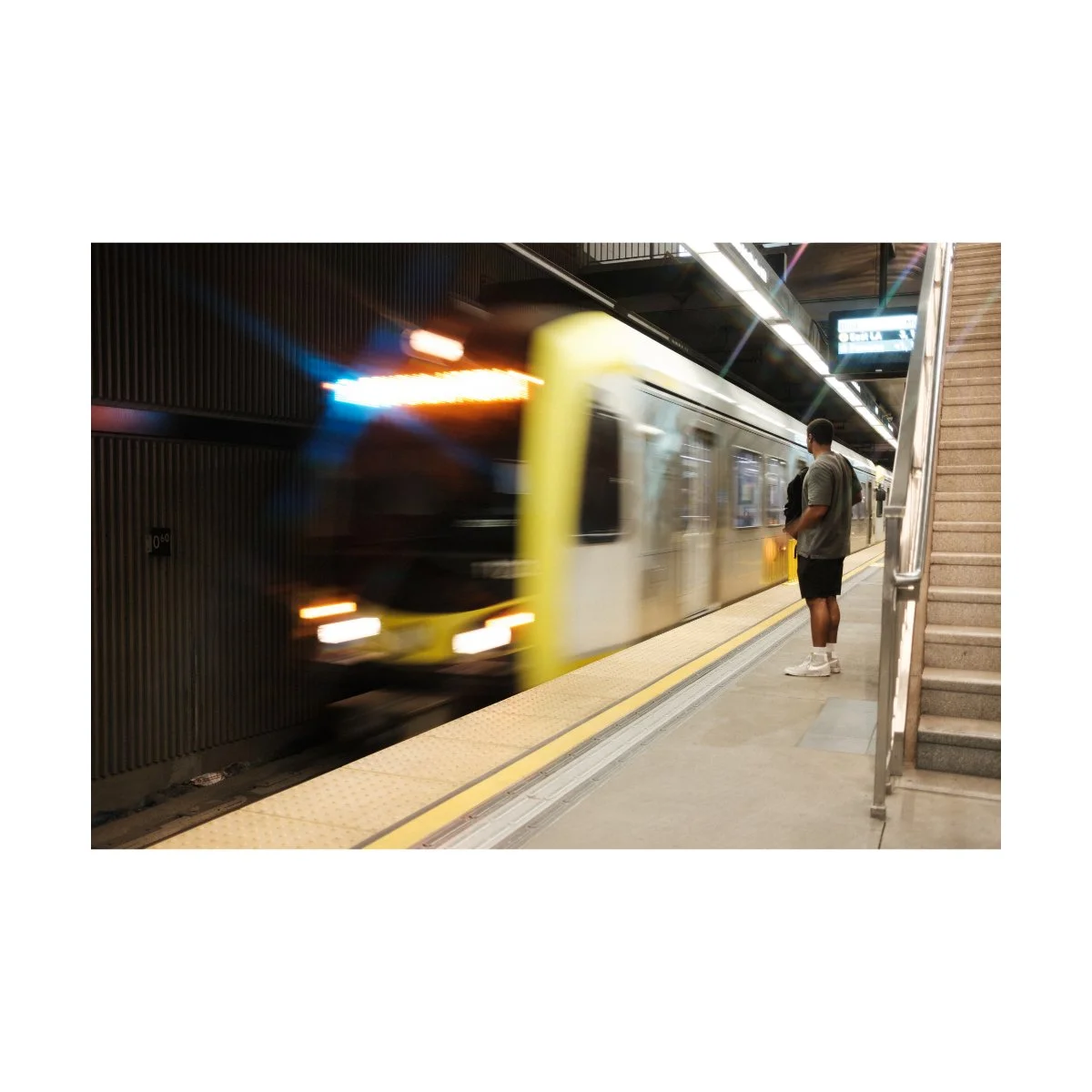
A few months ago I was focused on capturing long exposure motion photography with trains in the background.
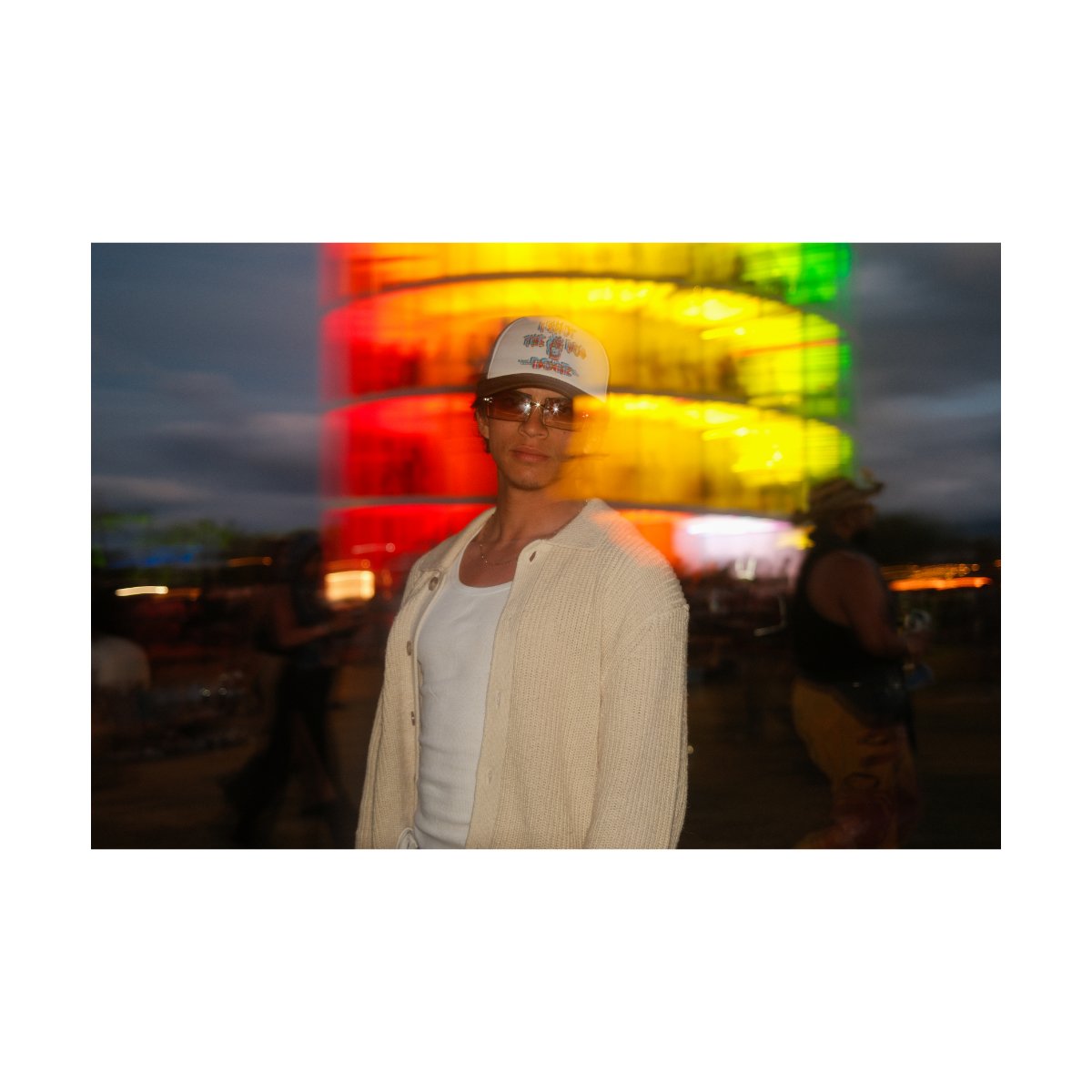
Lately I’ve been more focused on faces and photographing from the front.
There is still plenty of room to be spontaneous, but adding each component has filled a gap or weakness in my overall skillset.
And that’s made me much more better than if I just walked around aimlessly.
Just imagine you worked on something specific every week for the next year.
Pretty soon you’d have very little you don’t know how to do, right?
So go out with intention and pick what you’re going to work on - it’ll can feel like a step back in the short term but will really benefit you later.
The Snowball Effect
If there’s anything to understand about improvement, it’s that it doesn’t happen overnight.
The human mind gets excited about the idea of getting good quick, because we want things fast and we want things now.
But if we can remind ourselves that the fast way is the slow way, making progress in anything becomes much more streamlined.
You see, improving your photography is like a snowball.
I don’t live in an area with snow so I don’t know how true this is but…take the analogy for what it is.
You take a small little snowball, roll it down a hill, and by the end it’s huge.
The same principle applies for compounding your money, stacking skills, and improving your photography.
Progress compounds.
It’s not so much a linear curve where you go out every week and you get that much better.
Rather, some skills take time to unlock, sometimes you’ll have bad photo sessions, and sometimes progress is invisible.
But once the skill is unlocked, things start to make sense, and you’ve done it long enough, results will show.
Over the course of months and years, things add up, and in the grand scheme of things, there is no wasted effort.
This is a difficult concept to explain to some people because they look at other great athletes or artists and for them, it looks like they got there overnight.
But we don’t often see the years and years of hard work and effort behind them.
If we want to improve our photography so fast it feels wrong, we must understand that the most growth comes at the end.
It takes time to get our habits in place, learn the things we need to learn, and fail thousands of times.
But once those pieces are in place, there will be many moments when you’re surprised at how fast you’re growing.
It’s like building a puzzle.
If you’re waiting and waiting for the finished product, you’ll be disappointed until you get there.
But if you’re patiently picking up the individual pieces (which are like the skills or lessons you need to learn to become a complete photographer), you might get far enough to finish the whole thing.
And once you do, there will be a larger net effect.
Because a complete puzzle has more impact than loosely separated pieces.
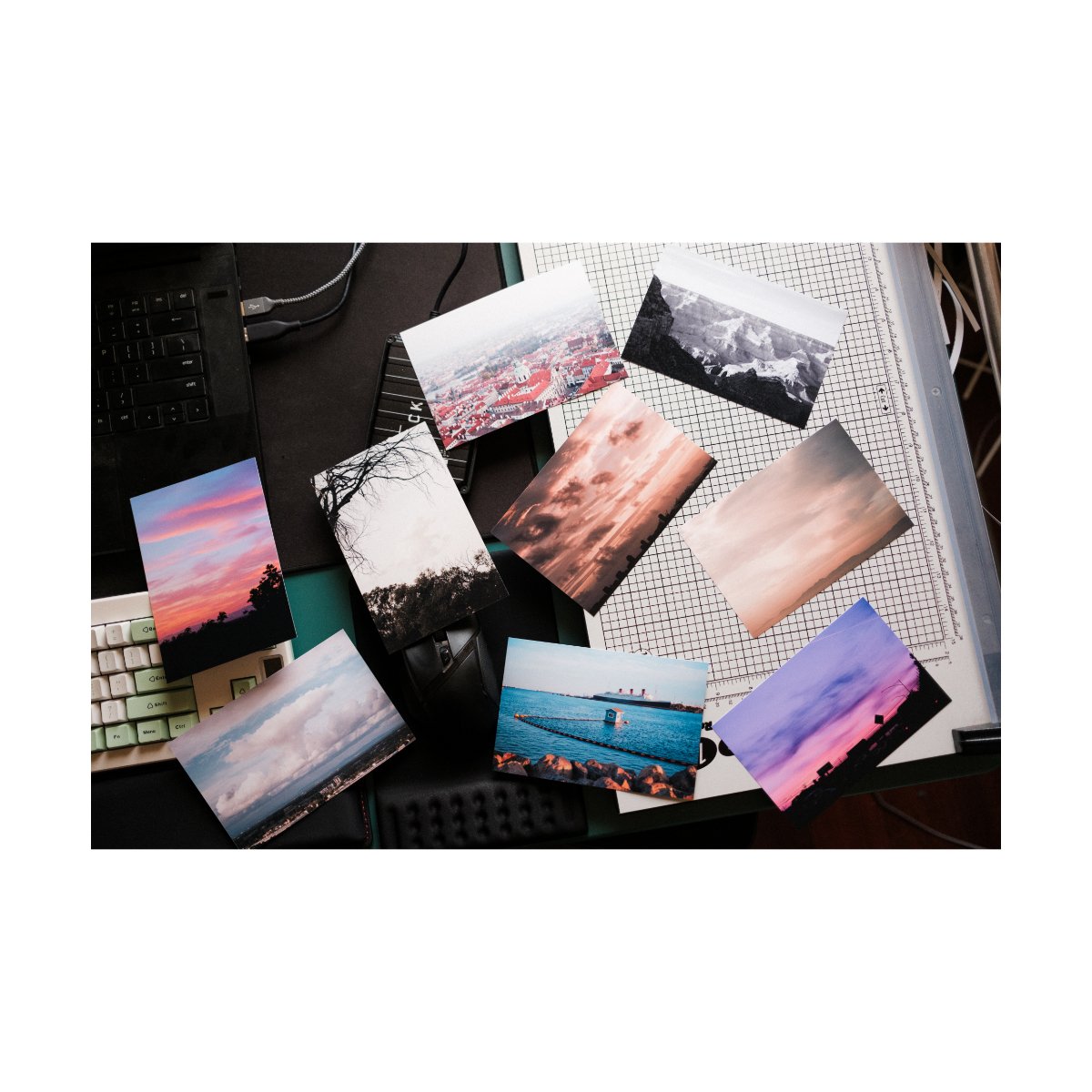
So it’s not that you’re a “bad photographer”.
It’s more like your puzzle isn’t yet complete, and you need to continue to accumulate skills and learnings to fill the gaps and get better.
Progress is the result of small consistent efforts compounded over time.
The beginning is the hardest part and it’ll feel slow at first.
But once things get started, you’ll begin to build momentum, and things that once troubled you before, will become easy.
It’s then you’ll have times where you’re getting all these good photos, and you’re killing it, and it feels wrong, because you know how hard it used to be.
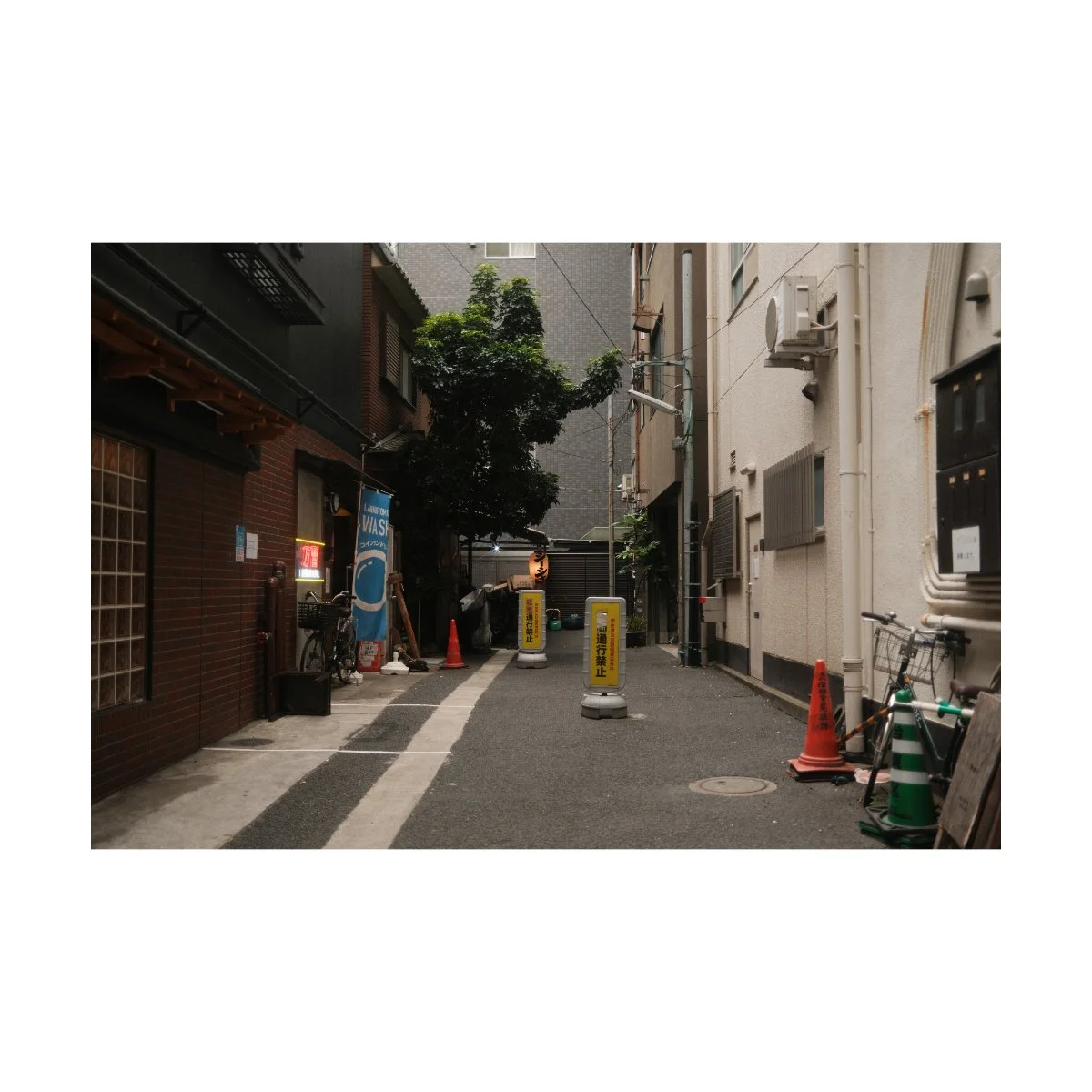
In short, these are the three things that will improve our photography so fast it feels wrong:
First, we start small and build the lifestyle, by focusing on doing the things required to become a better photographer.
Second, we save time by being intentional.
Having a plan on what to work on or look for will make every photo session a lesson, even if we didn’t get any good shots.
Third, we understand how progress works through the snowball effect.
Progress takes time, and the fast part (which we want) comes later.
So remain patient, stick to the first two, and once momentum builds and the third starts hitting, you’ll feel like you’re on a rollercoaster.
Anyways, I hope you enjoyed this.
If you did, share it with a friend who also wants to improve their photography.
Again, you can learn more about improvement and building systems in Photography Systems.
But otherwise, happy shooting, thanks for reading.