Turn Your Travel Photography from Basic to Brilliant
About a year and a half ago I was exploring Japan, traveling to different areas, and seeing new things.
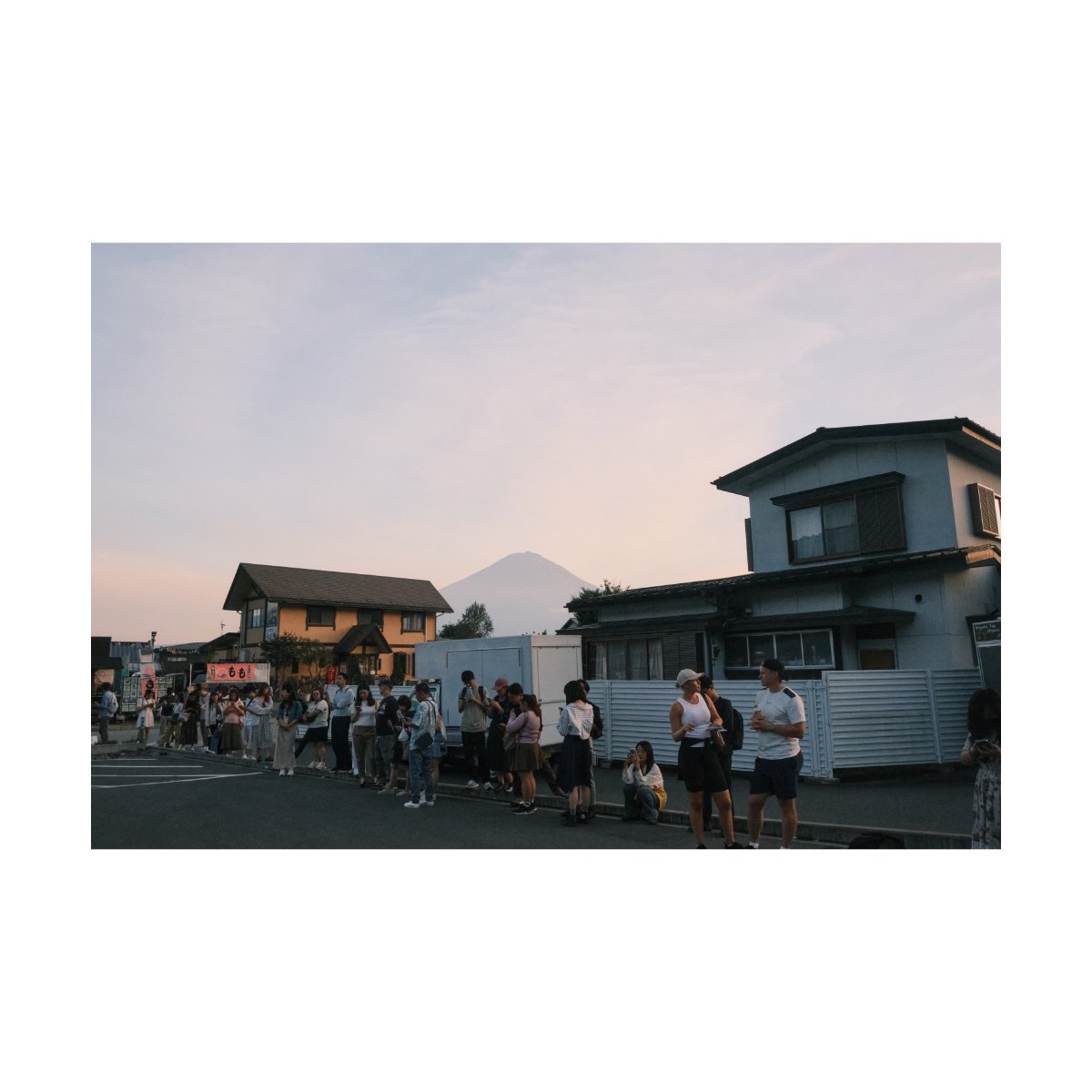
One day I decided to make a day trip to Mt. Fuji, explore the town of Fujiyoshida, and get some print worthy images.
Yet, at every landmark I went to, I was met with the same thing over and over again.
Dozens of tourists taking the same exact photos I was.
Among the chaos I had a stark realization:
There is literally nothing special about the photos I’m taking right now.
I then had to figure out:
How could I make my photos different from everyone else’s?
How do I get shots in the first place with all these people here?
How can I make my travel photos less boring?
Today I’ll share with you some of the things I’ve learned to help turn your travel photos from basic to brilliant.
Let’s get started.
Keep Variating
One of the most popular photo spots in Japan is a structure called the Chureito Pagoda.
At the right time, with the right lighting, in the right season, you can capture this tall five storied pagoda with Mt. Fuji in the background.
It’s very picturesque and you’ve probably seen many of these images already online.
If you’ve read my Mt. Fuji article, you’ll know - this was a place I had to visit.
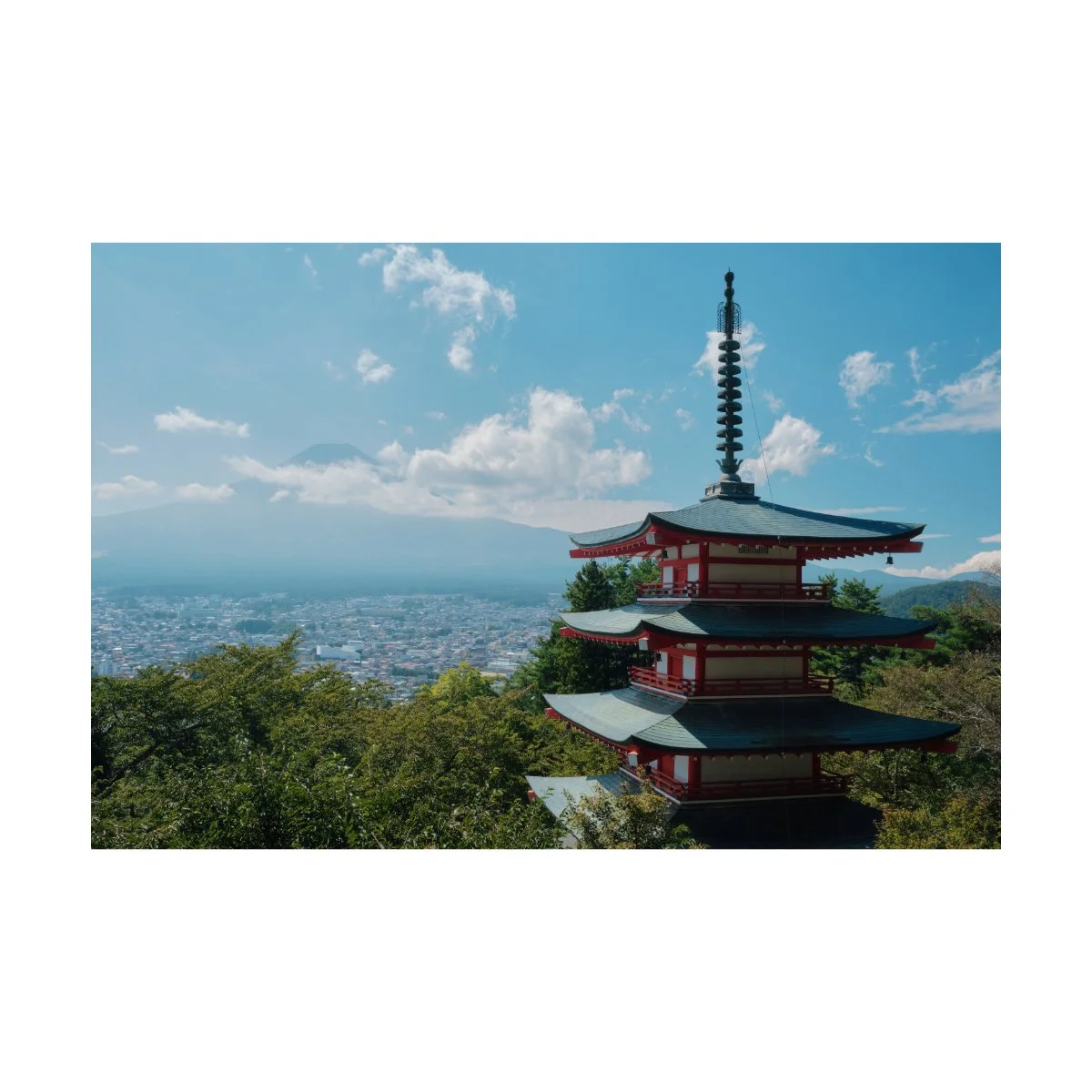
The view itself was pretty nice and the primary shot wasn’t that hard to get.
The problem was, the elements that would have made this photo more interesting were outside of my control.
The clouds, the lighting, the color of the leaves, were all as they were.
Bright, blue and green, and a fairly normal composition.
I came at the wrong time - so if I wanted to make these shots more interesting, I had to figure out other ways of doing so.
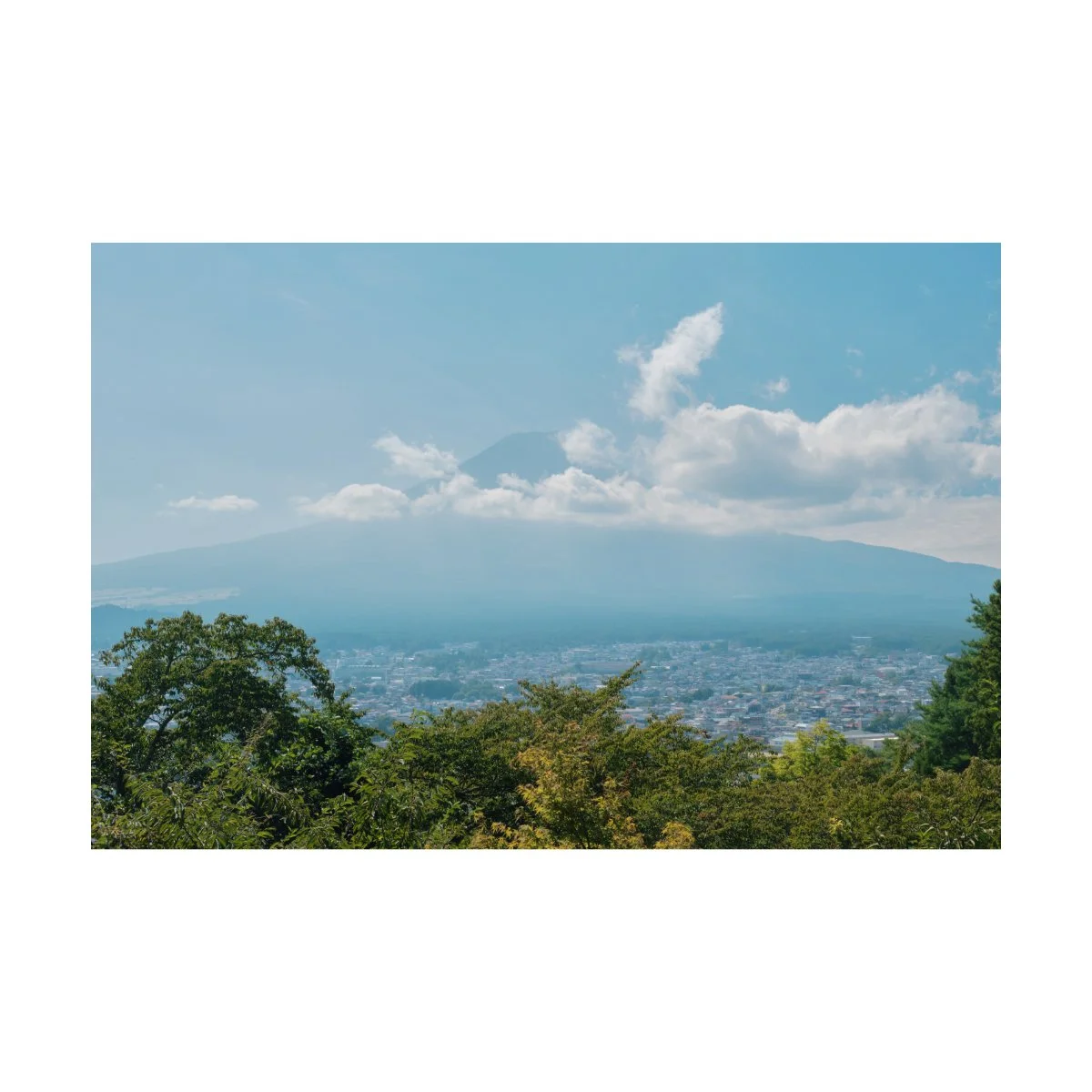
So I spent the next hour or two searching for different ways to compose Mt. Fuji.
I tried everything.
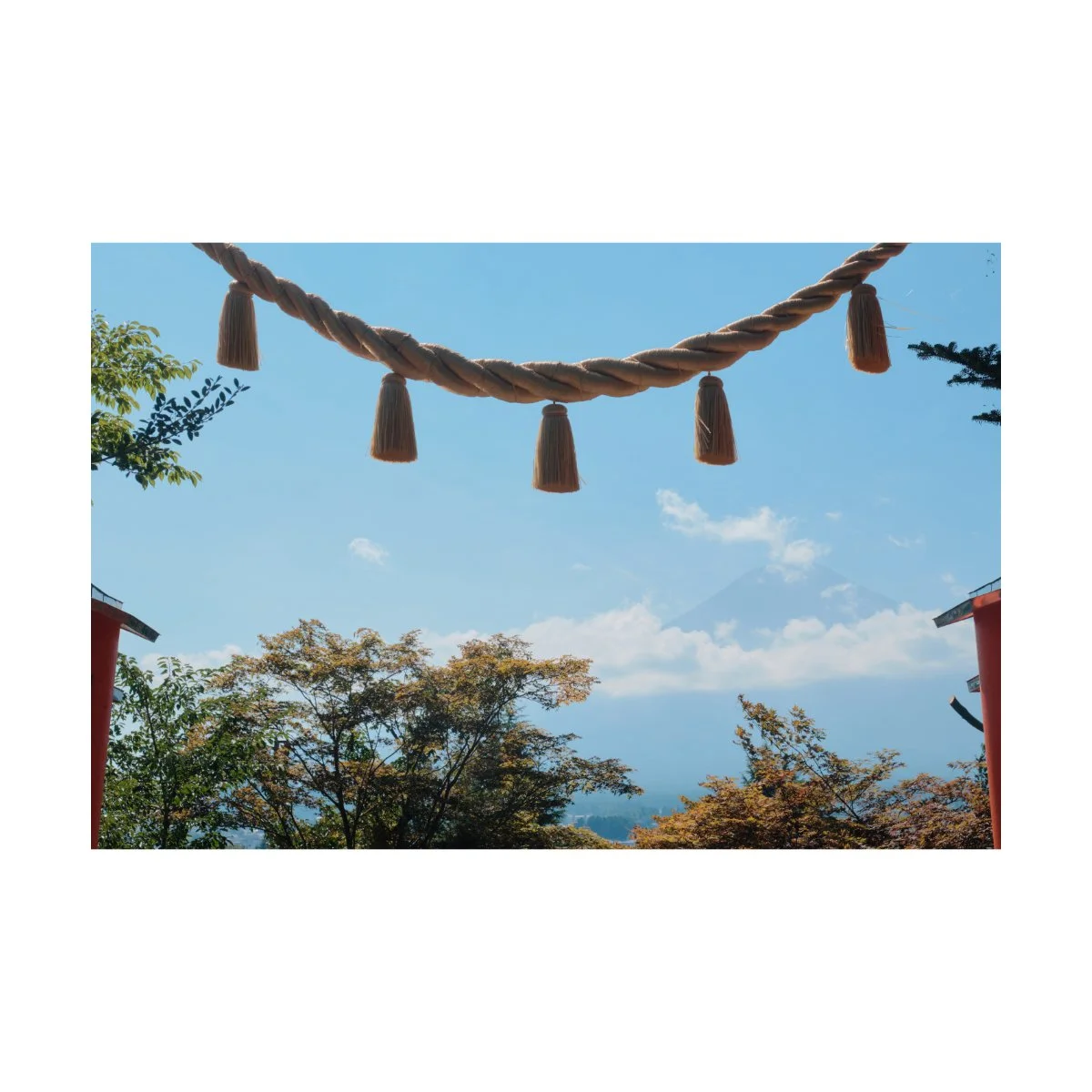
I looked for little holes or gaps in the trees to frame the shot.
I paired the mountain with different backgrounds and angles.
I used different subjects like torii gates to add to the image.
And I walked to random spots of Fujiyoshida in search of more unique views.
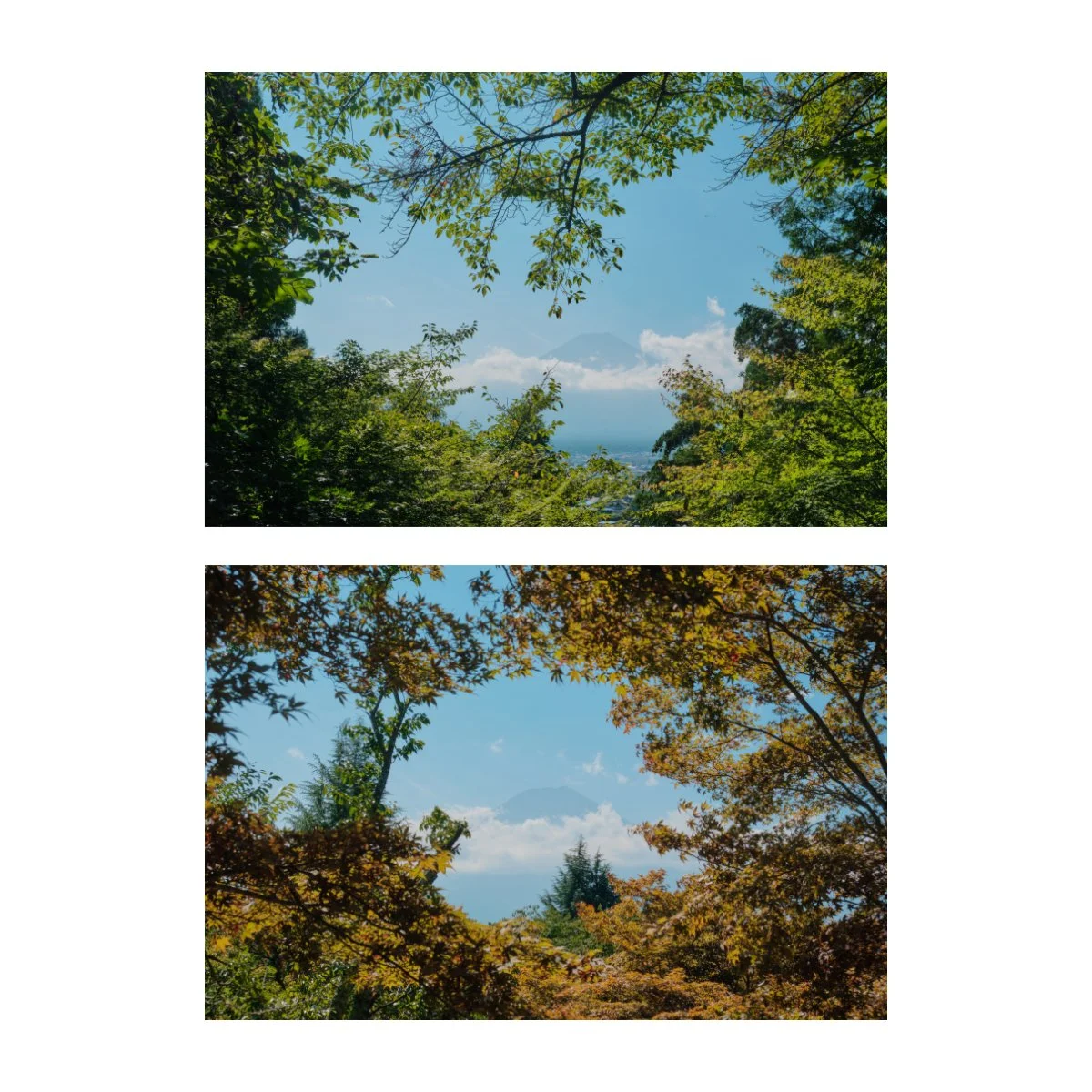
The important takeaway here is to focus on what’s in your control, not what’s out of it.
Many times when you travel, the conditions will be non-ideal.
Shots won’t look like how you expect or want them to, but you’re still going to have to find a way to make it work.
Yet you can still get a large degree of interesting shots simply by asking yourself:
“How can I make this more interesting?”
“How do I frame this differently than everyone else?”
“What’s unique about this day that I can work with now?”
I wouldn’t say these other shots were better than the original, but they allowed me to try a bunch of new things, practice my compositions, and at the very least, make this Mt. Fuji shot more interesting.
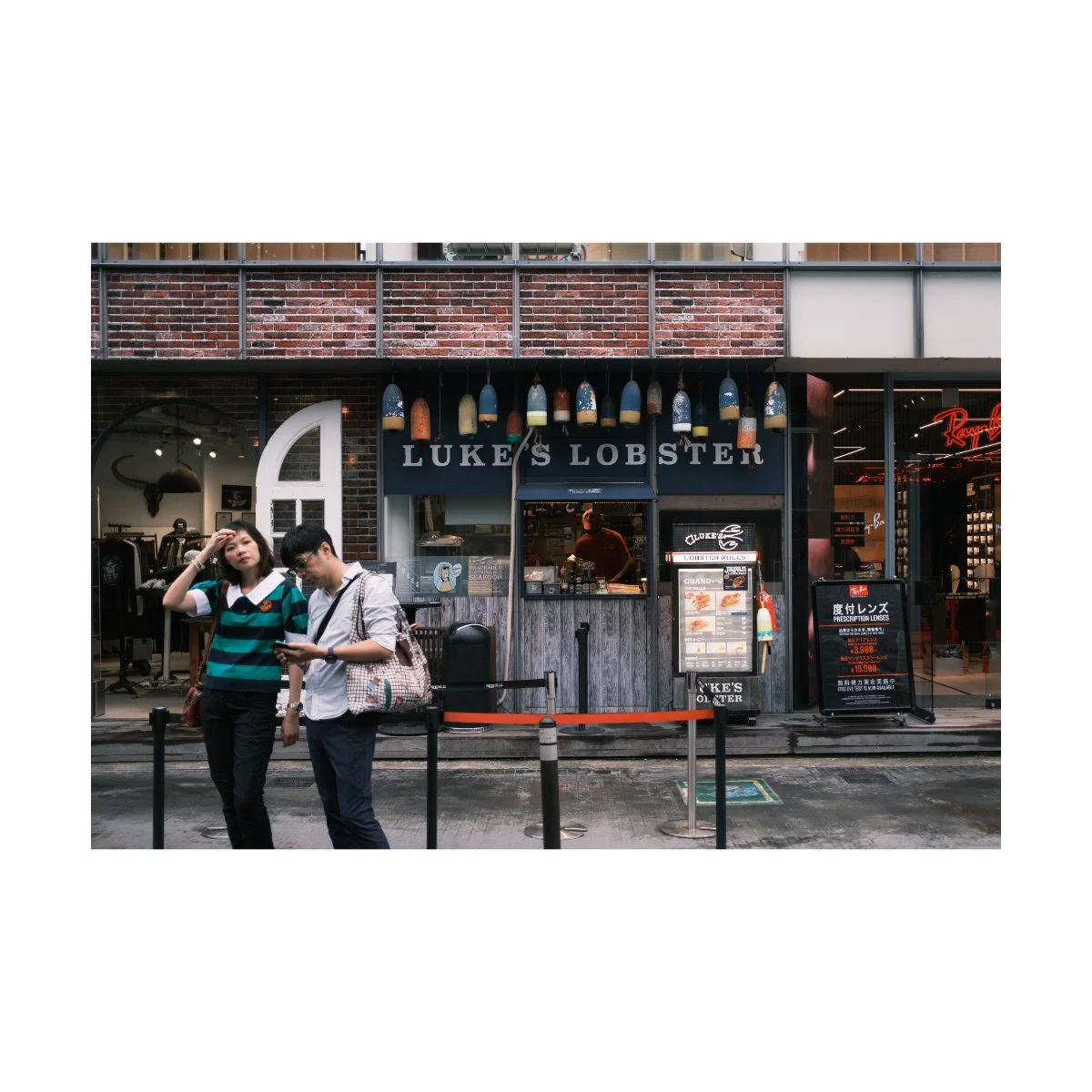
Avoid the Tourist Traps
In my time in Japan I naturally went to many touristy areas.
These were places I really wanted to take photos of that were probably worth seeing at least once.
But if I could go back and do it all over again, I probably would have avoided some or at least cut my losses sooner.
Spots like the beachside train station in Kamakura, the Mt. Fuji Lawsons, and even the picturesque walkway up to the Yasaka Pagoda in Kyoto, although nice, were filled with people.
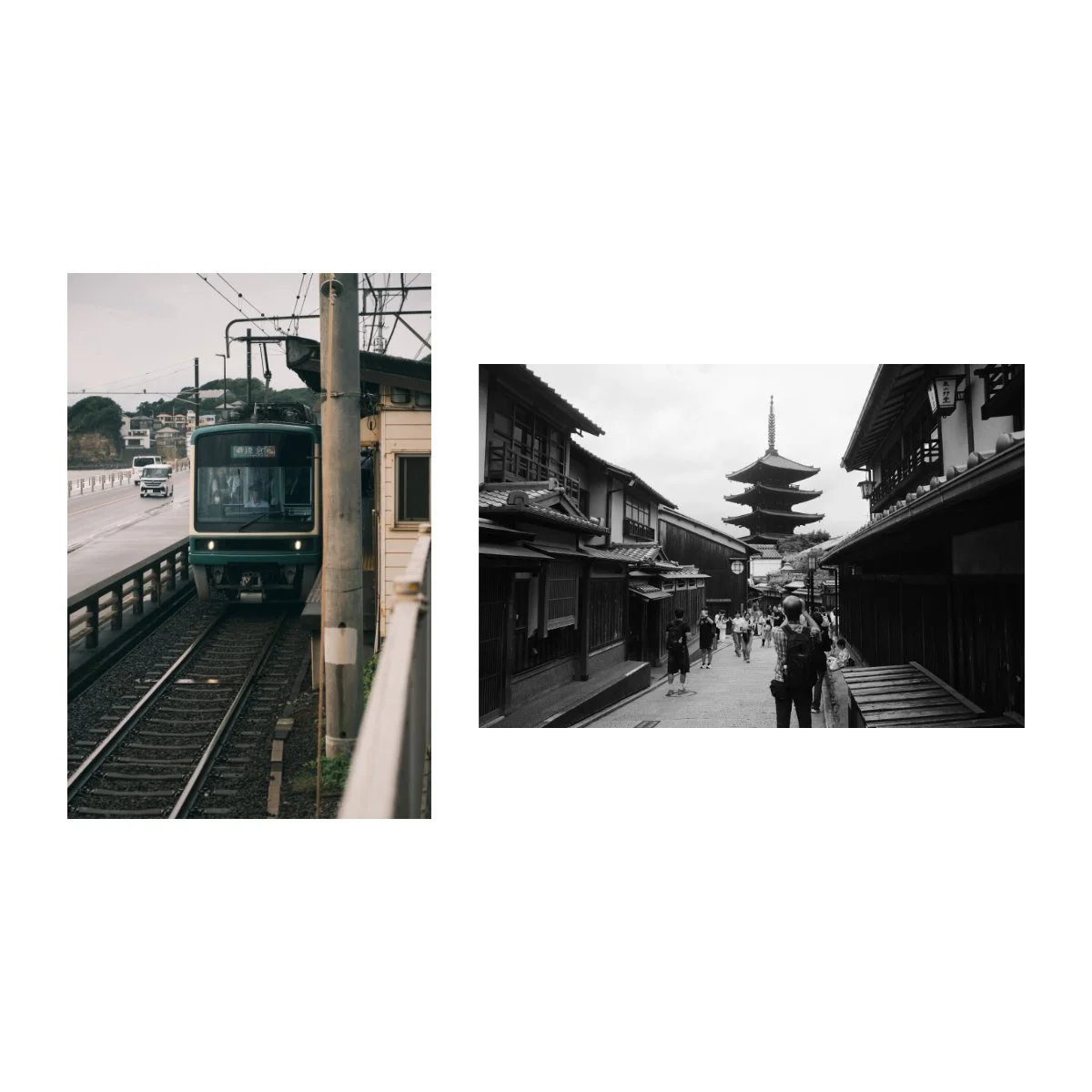
Because of that, it was nearly impossible to get good shots and the experience of doing so sucked.
You’d have to be willing to wake up at sunrise and stay in a hotel nearby to get the kinds of shots you see online.
And if you’re not willing to go that far, it might be better to avoid the tourist traps all together.
I think the latter approach serves more people well.
It allows you to relax more and adopt a slower pace to travel.
There’s less pressure around getting to a certain place at a certain time and you’re more flexible.
And you can really take in where you are and focus on capturing that.
Which should result in better photos anyways.
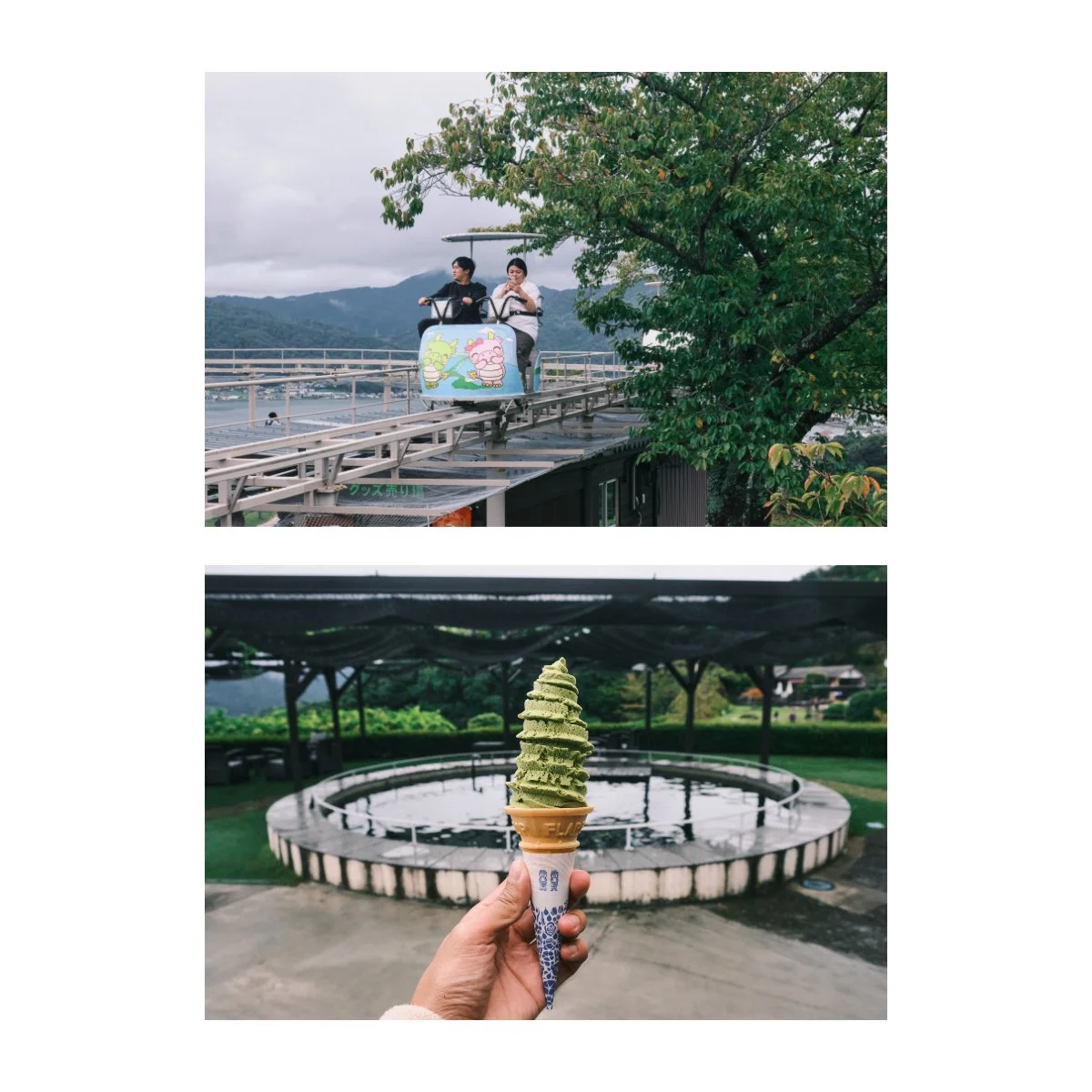
If you absolutely must go to some tourist destination, make sure you plan around it.
Expect it to be crowded, stay somewhere nearby, go early, and cut your losses if it gets too hectic.
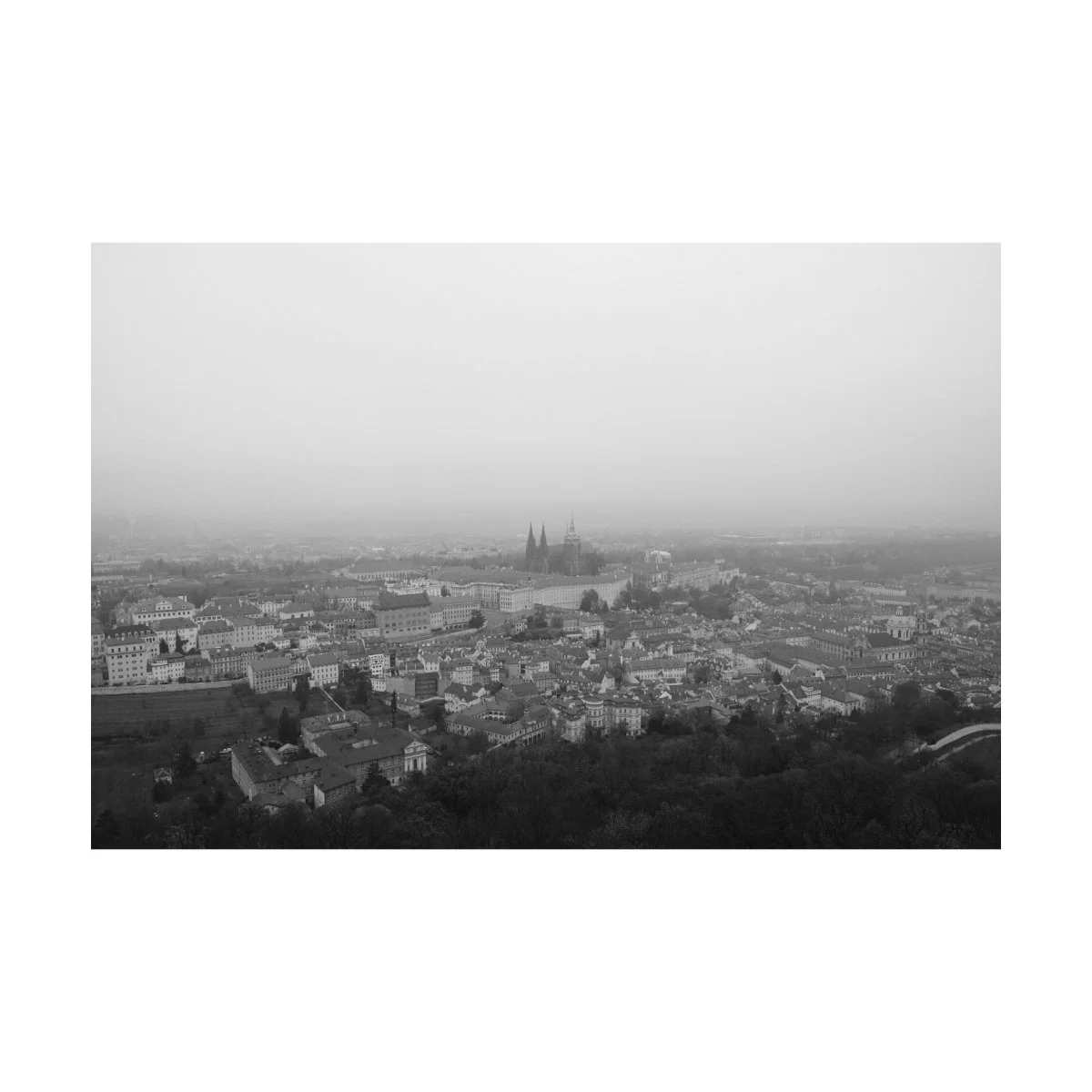
Connection, Not Composition
Back in 2021, I went on a trip with a few friends to Europe.
We were at a bar in Venice, and one of the bartenders caught our eye.
He was very jolly, had a great smile, and had super long hair like Hagrid from Harry Potter.
It was there he introduced us to the Czech beer Pilsner Urquell, which ended up being the beer we drank for the rest of the trip.
It’s been years since, but I still remember him, his energy, and what he looked like.
And because of that memory, I really like these photos.
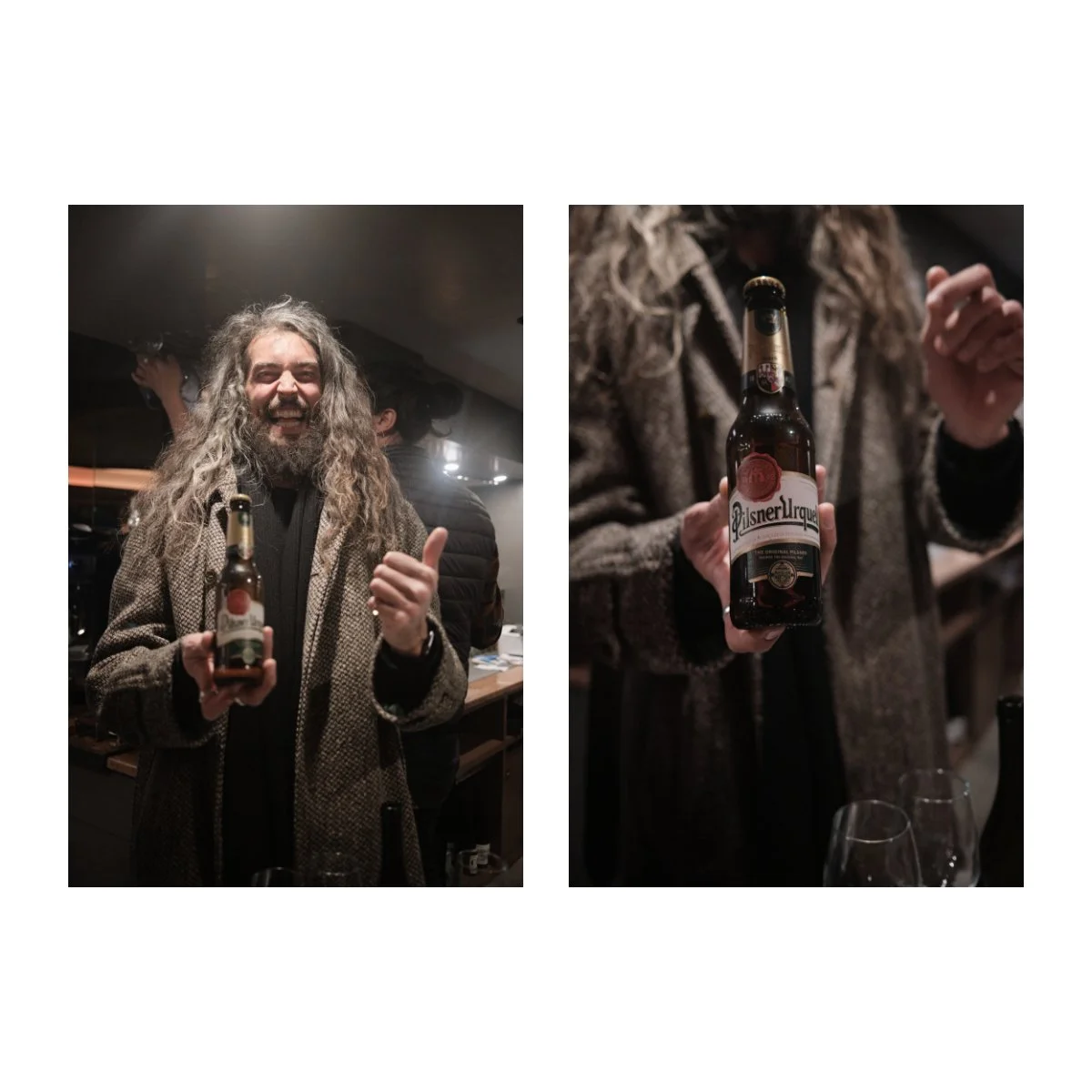
You see sometimes, the best photos aren’t the ones with the best composition or framing.
Those can actually be quite simple, but the connection, either to the people or place, is what makes certain photos stick.
This doesn’t mean every shot needs to have a greater story to it.
I myself like taking simple photocard photos that just “look nice”.
But my point here is that the more we can think about story and place real time, while we’re still there, the more we can seek out shots that better tell that story - and showing that in a photo can make all the difference.
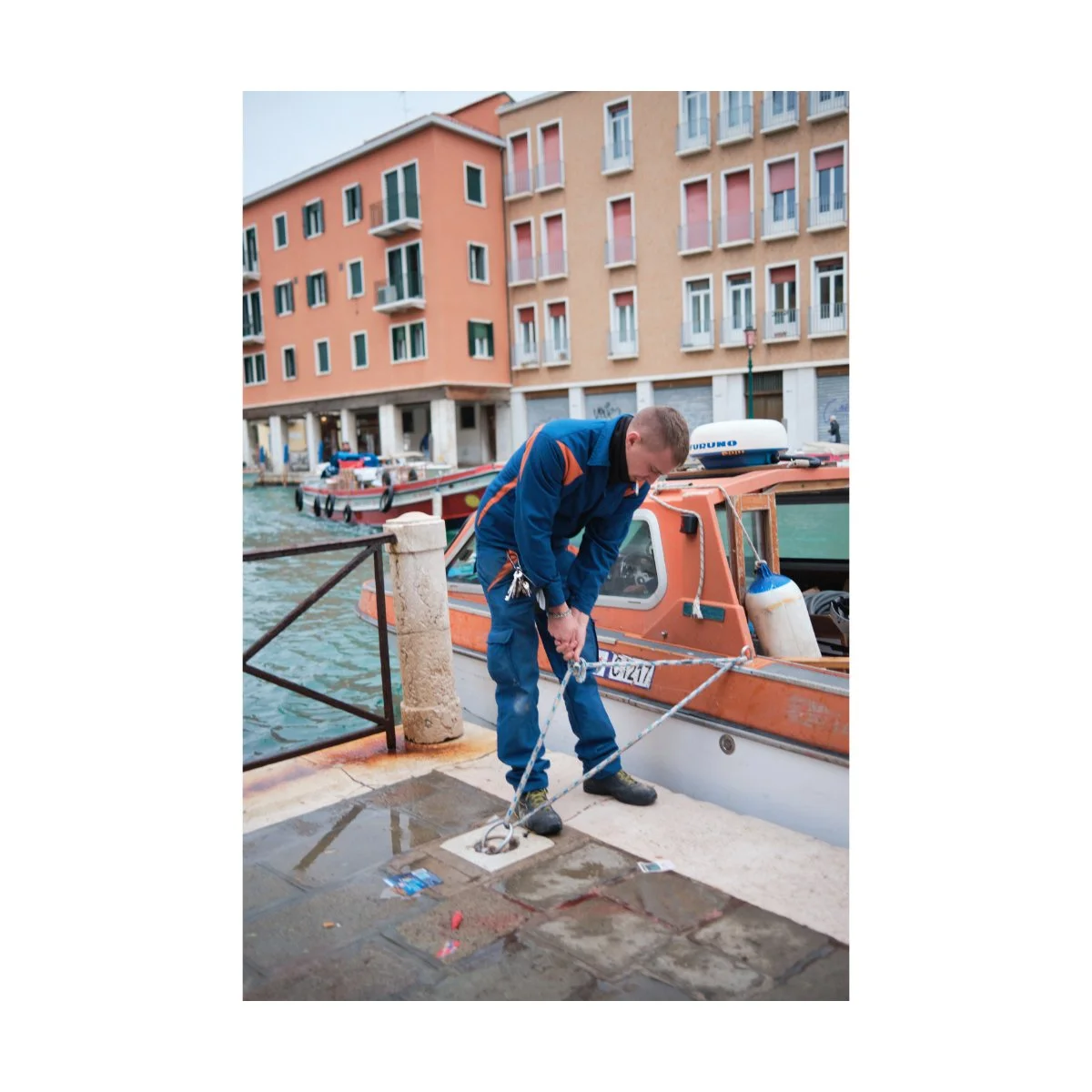
If you want to make your travel photos less boring, start thinking connection, not composition.
“Who am I? Where am I?”
“What’s happening right now?”
“What’s unique about this very moment?”
And then take photos that capture that.
If you do it right you’ll quickly start to see the changes it makes in your photos.
And once you get it, it becomes like a drug.
You’ll start to see it everywhere, and you won’t be able to stop.
Trigger Happy
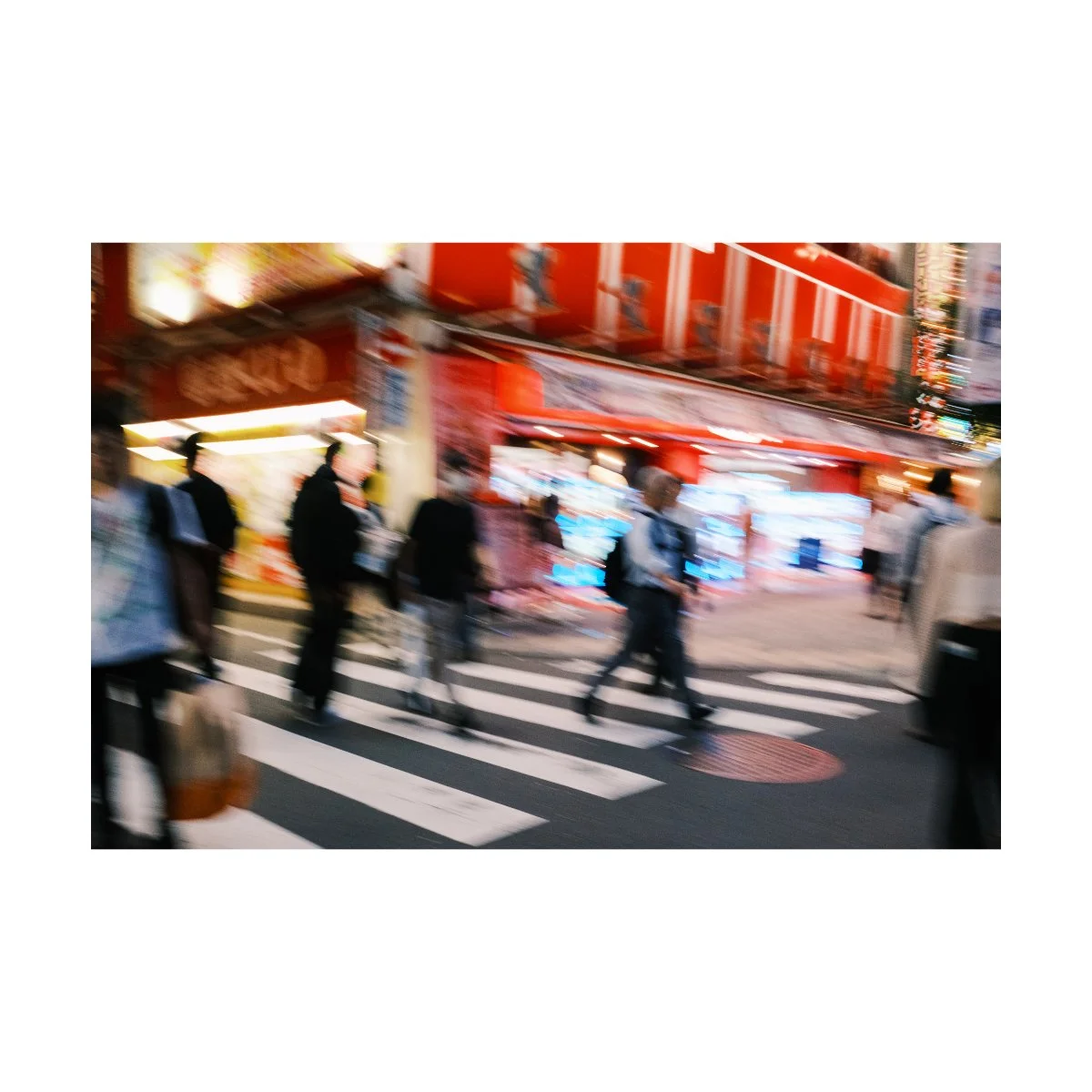
Have you ever looked back on your photos from a trip and all the beginning shots sucked?
They’re either framed poorly, of something completely uninteresting, or misexposed.
And you can almost see the progression of when you start to lock in and take better photos.
This is something that happens to me all the time whether I’m traveling to a different country or just going on a simple photo session:
The beginning frames suck.
This happens due to a combination of reasons.
The first would be: I need to get warmed up so I start snapping away to just get myself into a rhythm of looking and taking photos.
The second, which is what we’re going to focus on, is being too trigger happy.
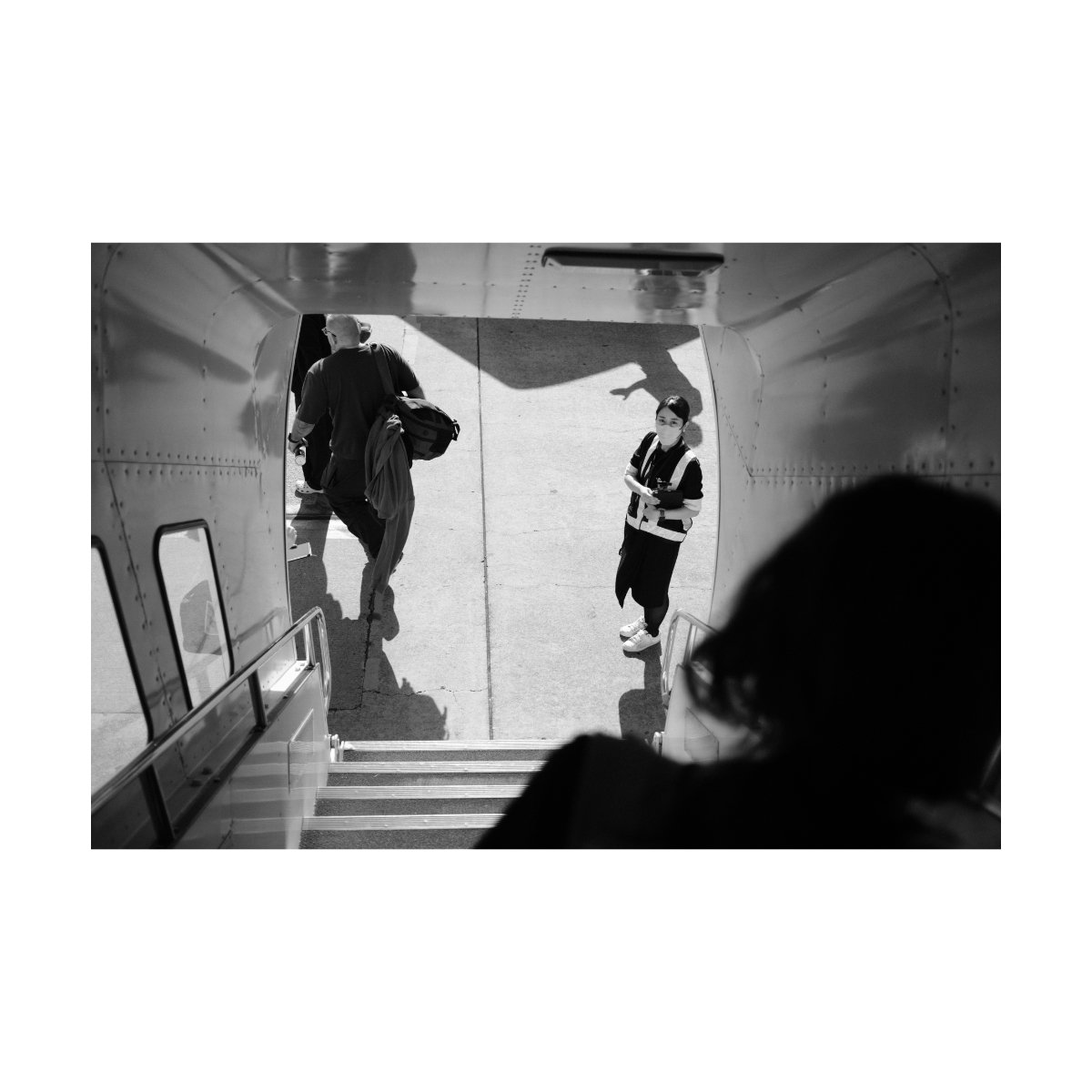
Many times when we’re traveling and entering a new place, we get excited.
We see something new, interesting, or a view we’ve never seen before.
The buildings look different, the streets look different, the people look different.
And we can’t help but take pictures.
The big problem here is, a lot of these photos we take in our excitement suck.
Because what’s compelling us to take a shot isn’t the vision for a good photo, we’re just excited to see something new.
I’m sure many of you can relate to this experience.
You’re not necessarily taking good photos, you just want to take pictures.
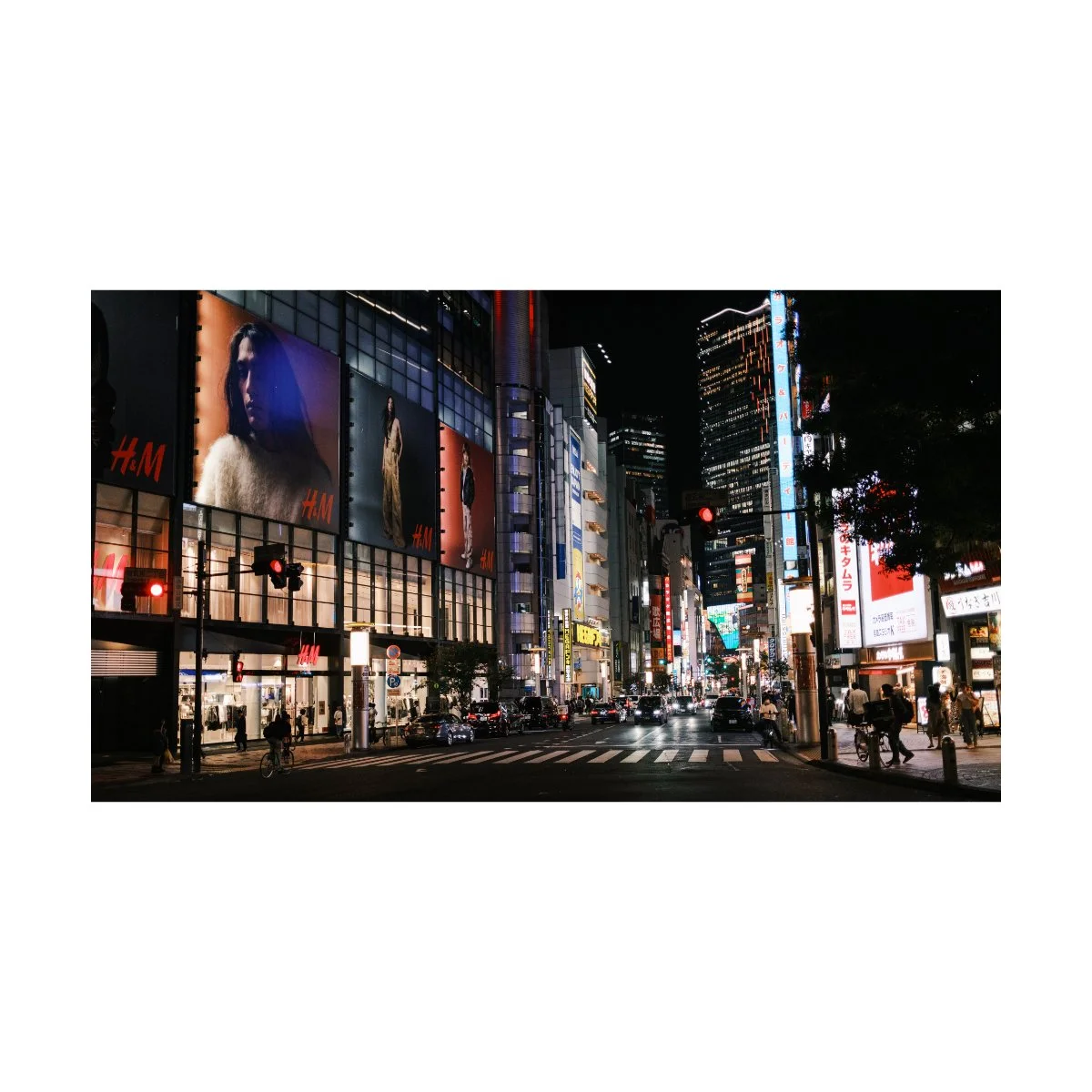
The solution here would be two things:
One, just accept that you’re going to take a bunch of bummy photos at the beginning of a trip because that’s part of the process.
Or two, practice patience.
Learn to recognize the difference between excitement and a good shot.
That way you can wait and look for the good shot, before pressing the shutter.
Otherwise many shots (which would have normally came out well), might be taken at the wrong time or angle.
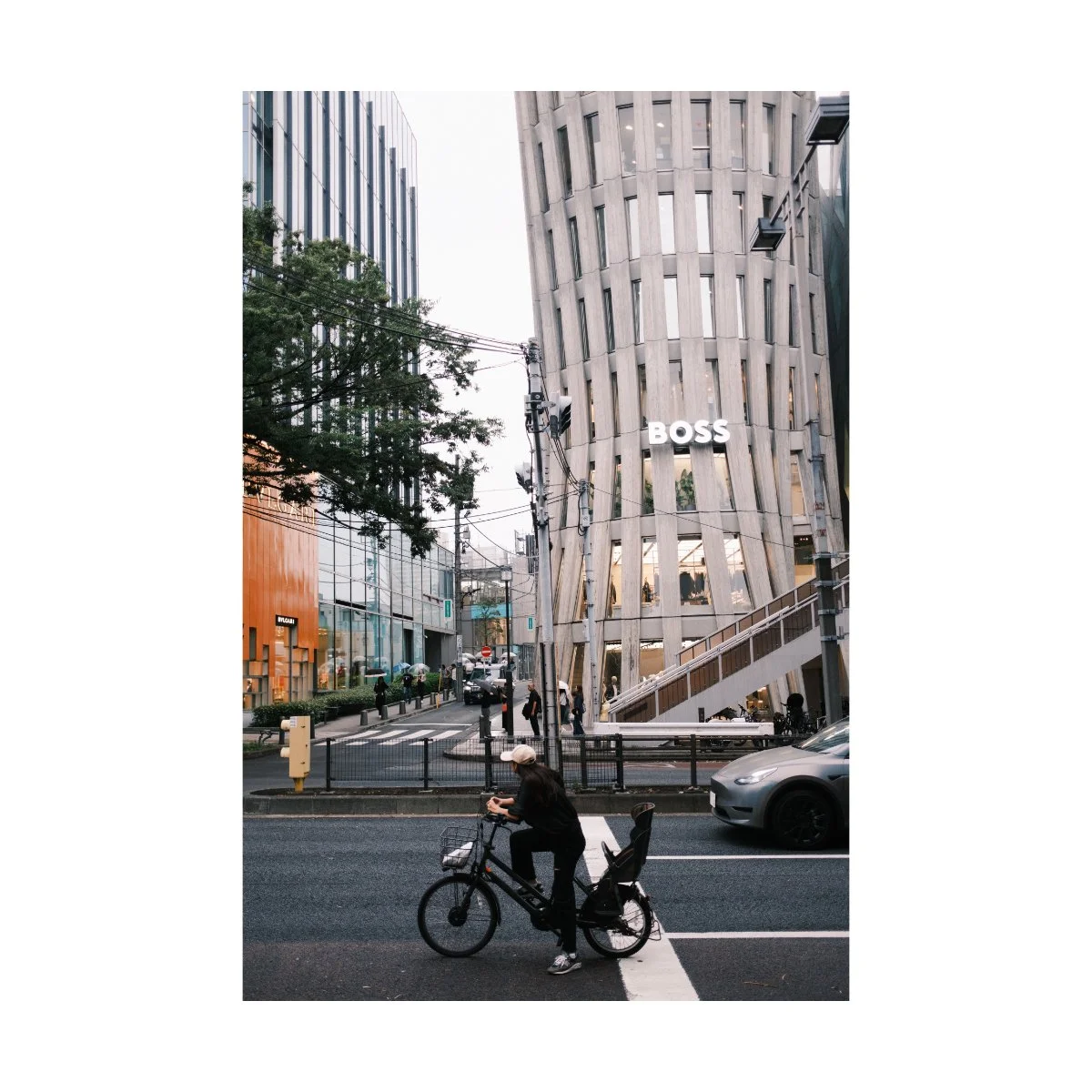
Now one could argue that because it’s your first time in a new place you’re able to see things uniquely and differently from someone who lives there - and that could actually make your photos better.
I don’t disagree with this, although I’d argue that this happens after you’ve calmed down and start looking.
The ideal place to be is a relaxed calm state, while the world around you is moving.
That way you can think and act both methodically and intuitively.
And then you can start asking yourself, “What actually stands out to me?”, rather than taking the photo with no clear focus.
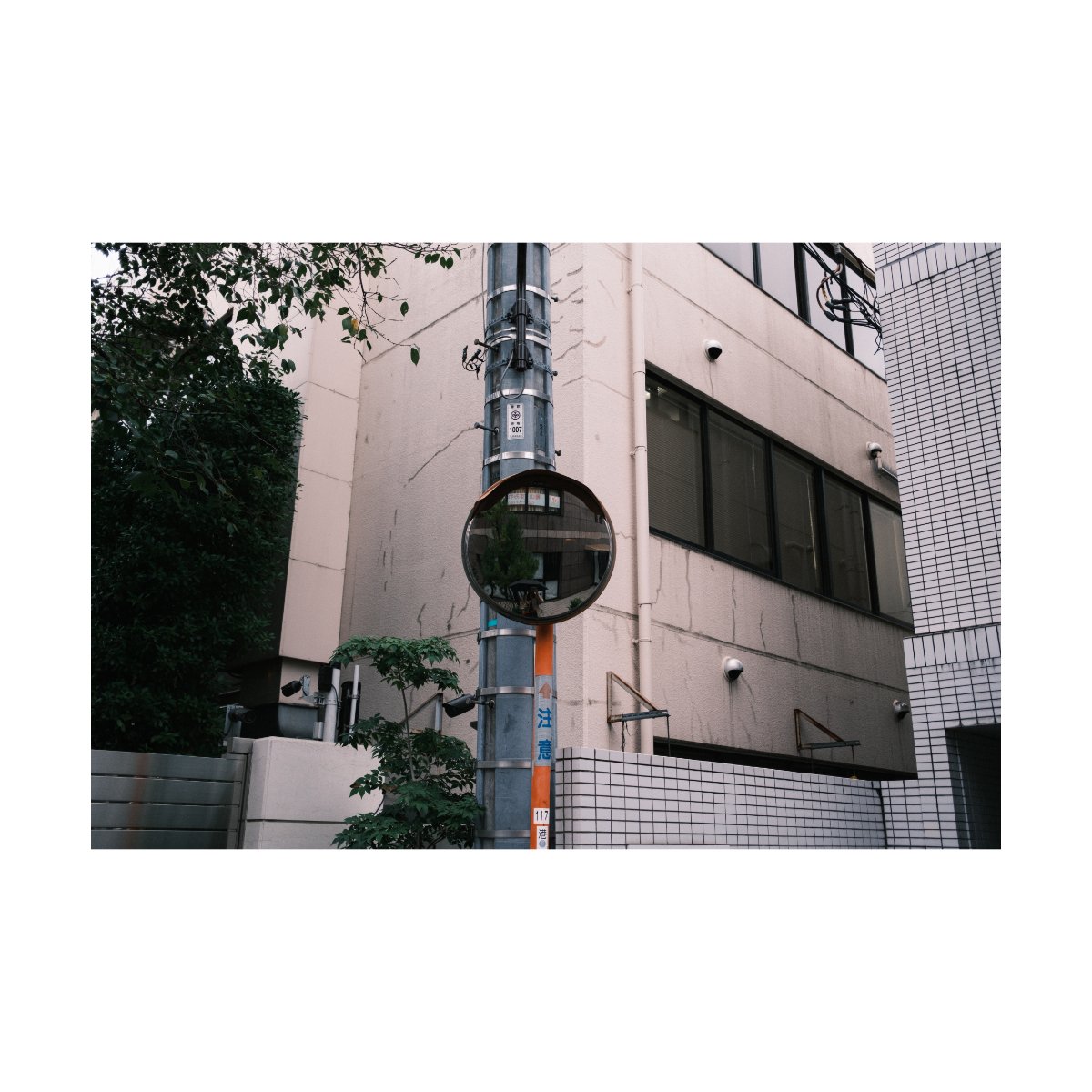
Time to Wander
When I travel I like to give myself an unhealthy amount of time to wander.
I’ll take public transportation or walk around more often than I’d need to, preferring trains over Ubers.
I get lost a good amount and find myself at random streets or coffee shops that were not part of the original plan.
And I’ll do a lot of what other people might think of as “pointless drifting” or a “waste of time”.
But ironically, allowing myself the proper time to wander has given me some of my better shots.
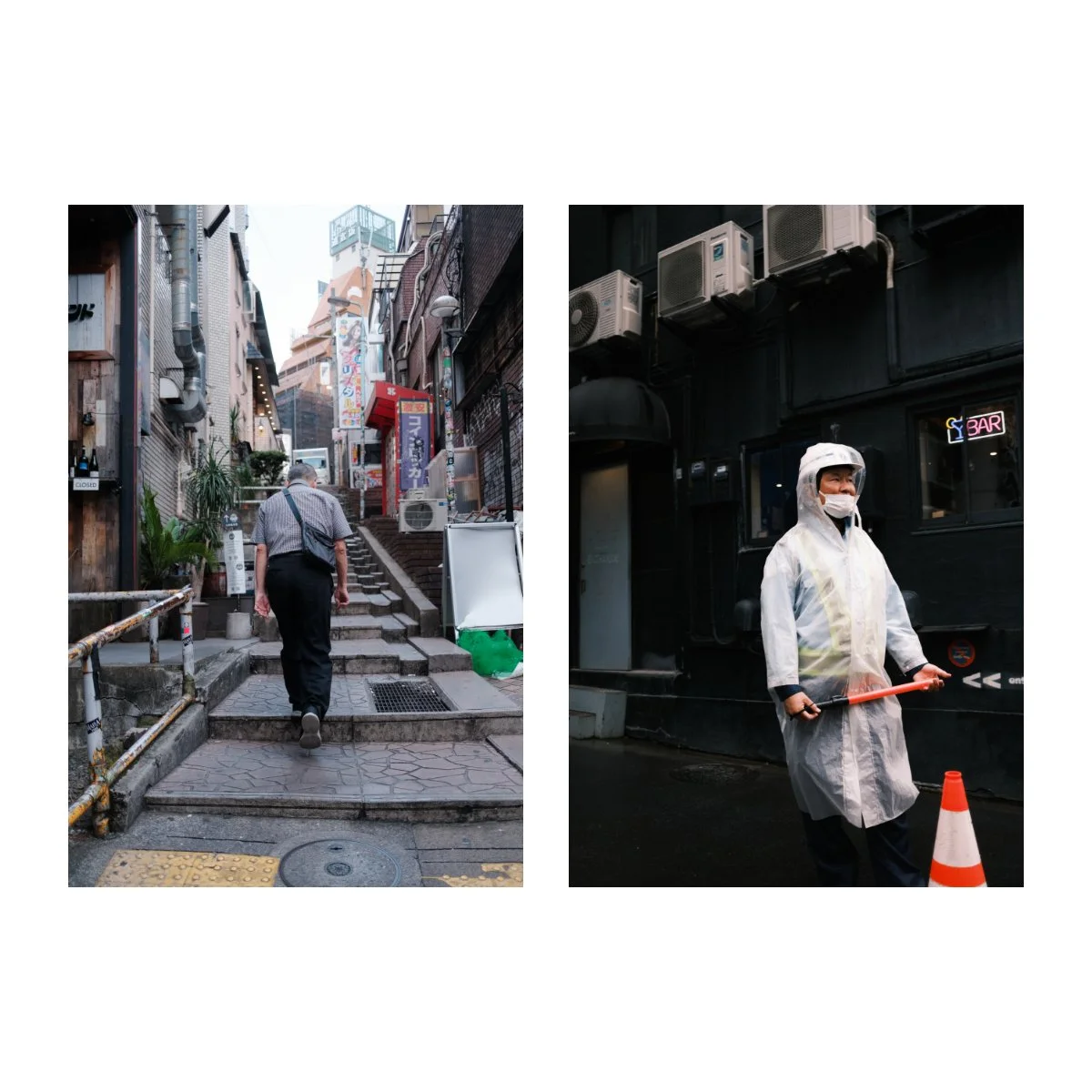
Personally, I think travel photography has an element of candidness that can’t be ignored.
It’s quite similar to street photography, just with a combination of scenery and landscapes.
And if you’re looking to improve your travel photos, adding that street element is key.
There are several reasons for this:
allows you to acclimate
allows you to integrate
allows you to find hidden gems
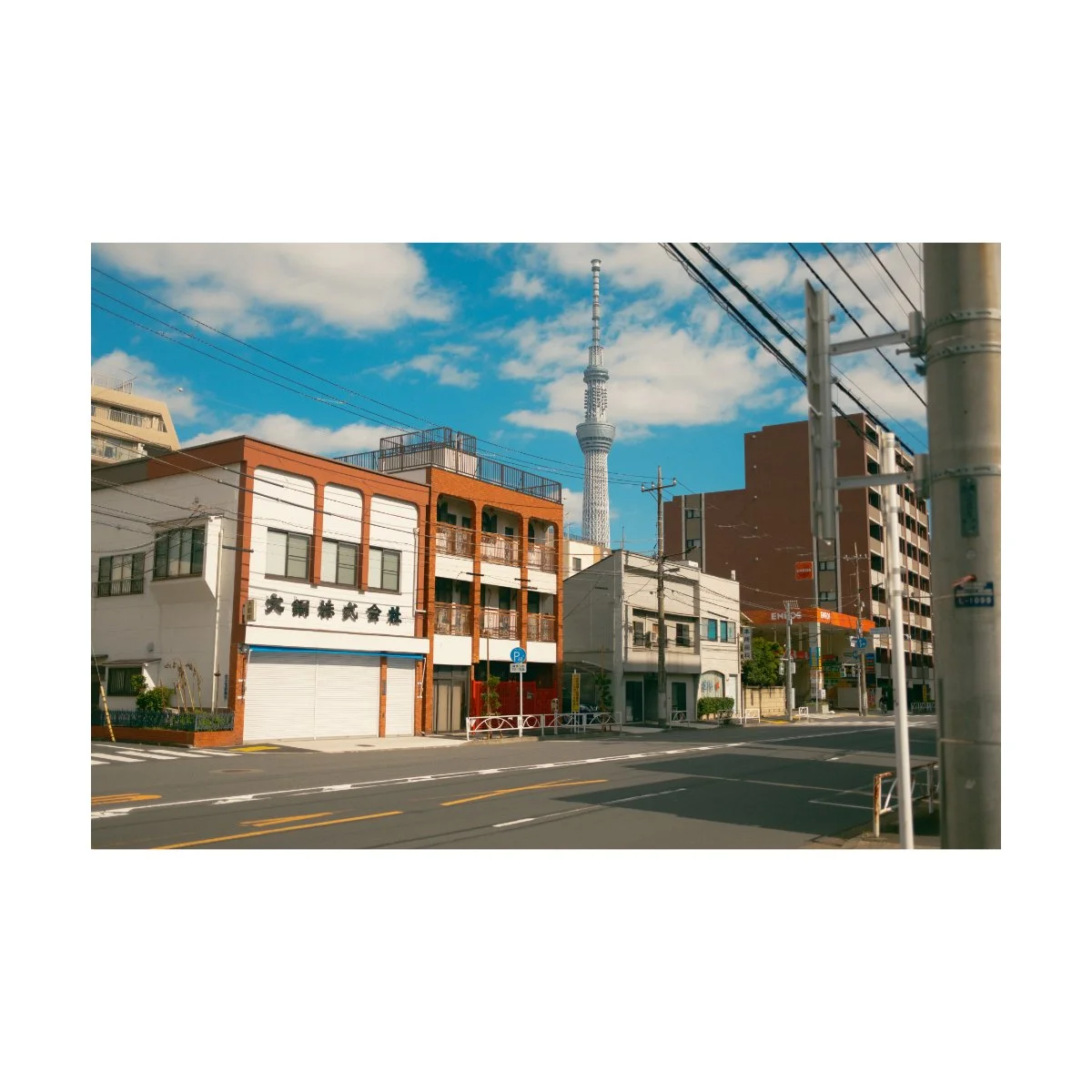
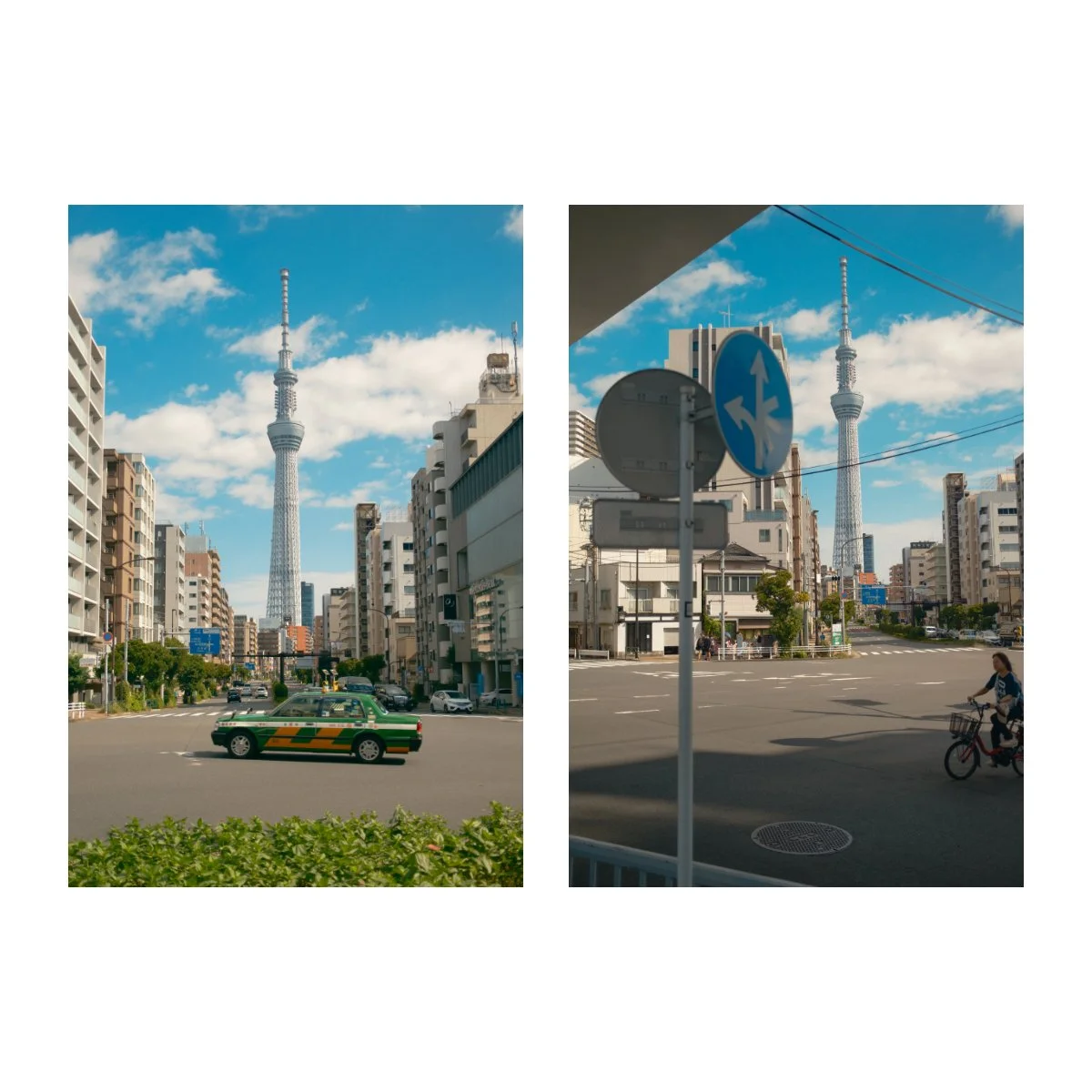
Take some these photos I took of the Tokyo Skytree for example.
This was not a pinned marked out location on Maps.
I was just randomly walking around Tokyo, looking for interesting streets and exploring mindlessly.
And I simply stumbled upon this intersection that I thought lined up really well.
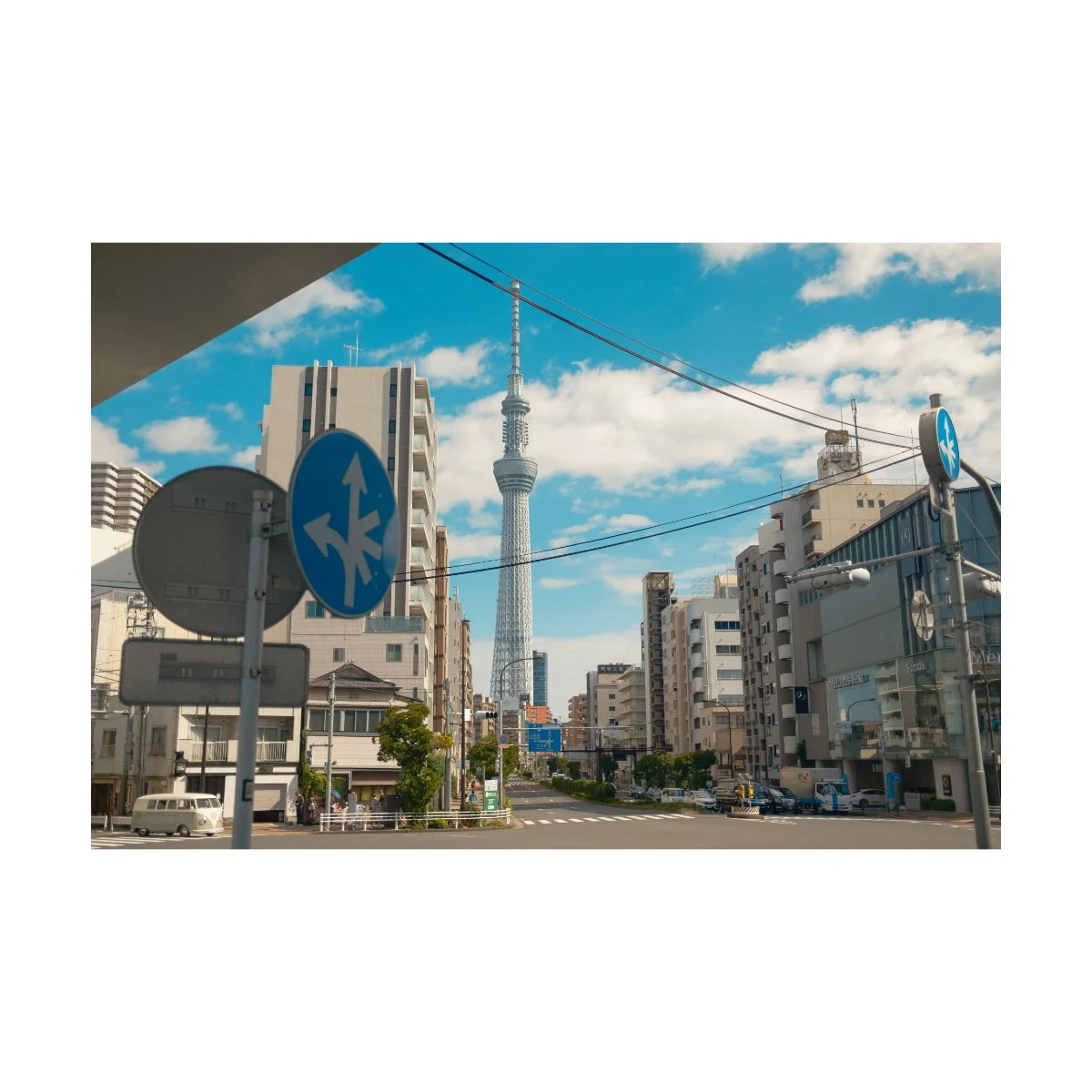
I then used the surrounding objects and environment like signs, wires, and a bush for the foreground to frame the subject in an interesting way.
I’m quite happy with the results, but it wasn’t a planned spot or destination - I was just wandering and the shots came to me.
Now, doing this while you’re traveling with others can be difficult, of course.
My recommendation is to plan some time where you can be alone so you can have your own little adventure.
Then, just get out and walk around.
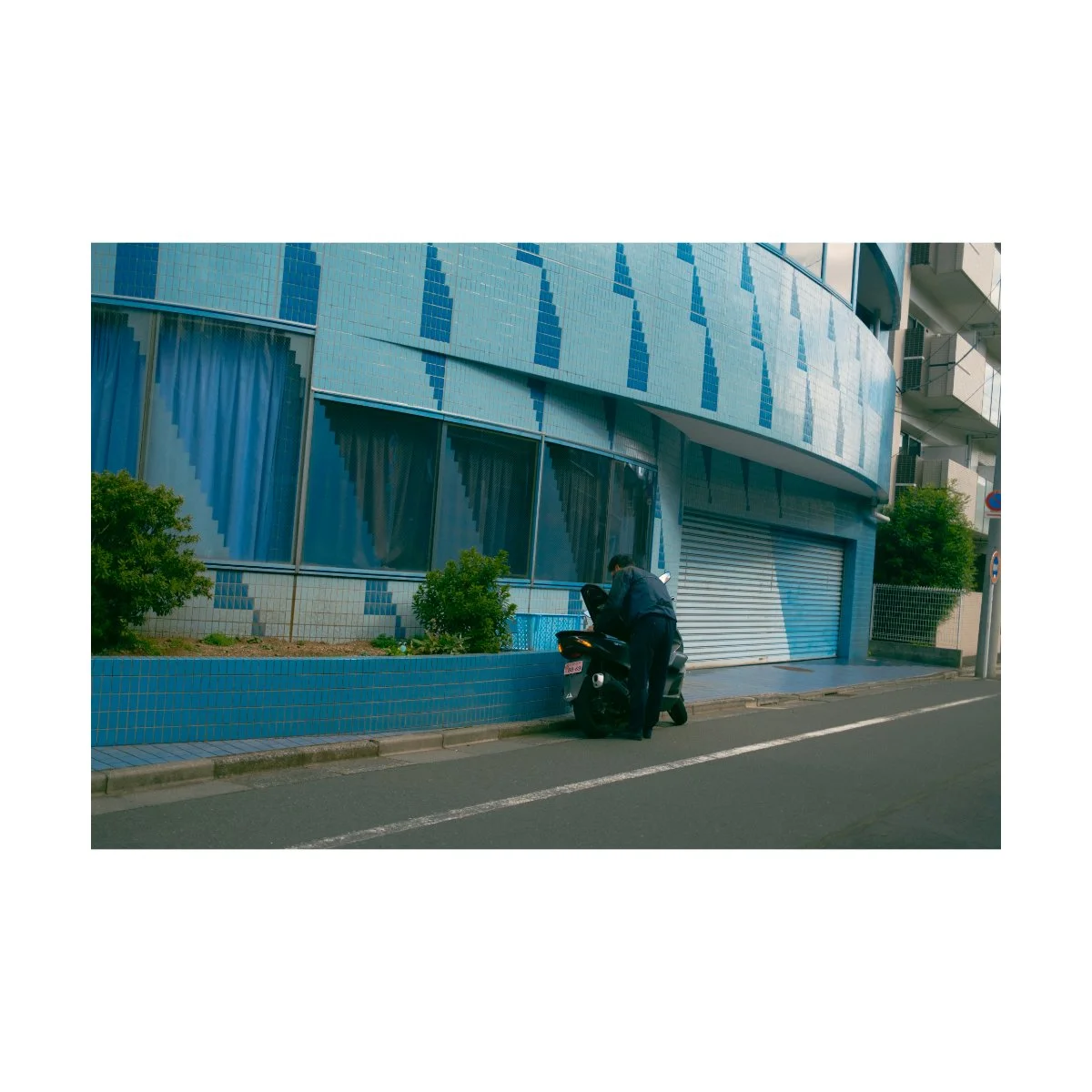
It’ll give your catalogue a side of the city, town, or country, that one wouldn’t see just scrolling on Google Maps.
And naturally, that will make your photos more interesting.
So those were 5 tips to help turn your travel photography from basic to brilliant.
If you have any more that you’d like to share with others, leave them in the YouTube comments.
If you wanna learn more about improving your photography, shoot more and stress less, check out Photography Systems.
It’s there we focus heavily on the process and psychology of getting better.
I think you’ll find it useful.
Thanks for reading, happy shooting.