Mastery of the Streets Comes From One Prime Lens
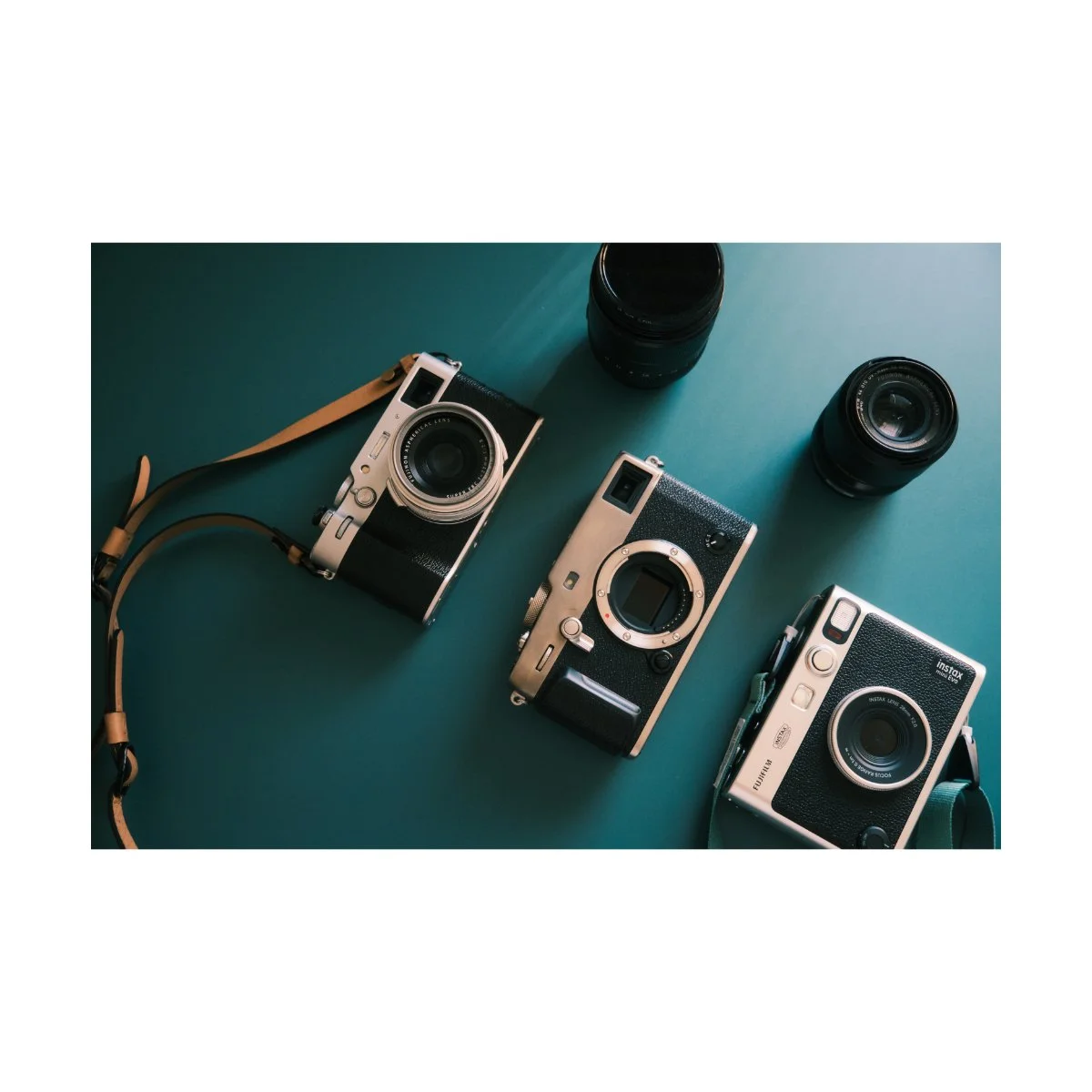
Imagine you had all of the camera gear in the world.
You had instant access to every lens, every body, every filter and schematic.
It could be whichever brand of your choosing: Leica, Fuji, Nikon, you name it.
And you could instant summon it whenever you needed it.
Do you think you’d take better or worse photos?
In my honest opinion…I think worse.
It’s easy to imagine the great benefits of this superpower; having instant access to any piece of gear would be amazing.
But if you stop and think about it for a second, you can quickly see the downsides.
The first and foremost being:
“What do I use?”
“Which should I summon?”
“This would look great on a Fuji, but it would also look great on a Leica.”
And then you sit there thinking and deliberating, and before you know it the shot’s gone.
You see, contrary to our natural thought process, having more gear doesn’t help us, it hurts us.
And true mastery of the streets actually comes from just one lens.
Let’s begin.
Decision Fatigue
In a 2012 interview with Vanity Fair, former President Barack Obama was asked how he managed the overwhelming responsibilities of presidency.
His response:
“You’ll see I wear only gray or blue suits. I’m trying to pare down decisions…I don’t want to make decisions about what I’m eating or wearing. Because I have too many other decisions to make.”
This automation of decision making seems to be common amongst people in higher positions of work, like Steve Jobs and Mark Zuckerberg.
Some may think of this behavior as robotic, but it highlights something important.
What Obama was referring to here is called “decision fatigue”.
We as mortal human beings have a limited amount of decisions we can make on a daily basis.
Every decision you make, big or small, important or irrelevant, drains us of our decision making power - kind of like a stamina bar in a game.
And when our stamina bar is very low, it become extremely taxing to make even the easiest of decisions.
Therefore, it’s in our best interest to not only learn how to make better decisions, but also make less decisions, so we can make better decisions.
Whether you’re a simple guy trying to improve your photography or the president of a country, it all applies.
Take for example coming back home from a long day at work.
You’re exhausted, you’re tired, and maybe you’re irritated from people.
At that point in time you don’t want to make any decisions.
When your partner asks you what you want to eat you might reply:
“You can pick.”
“I don’t know.”
“I’m too tired to choose.”
In fact, you probably wish you could just sit there and vegetate for a second while all of those other things are decided for you.
That’s decision fatigue.
Once you begin to recognize the importance of decisions and how they affect our progress in life, you’ll start to protect the few decisions you make on a daily basis.
Because the more time and stamina you waste on pointless decisions, the less stamina and energy you’ll have later.
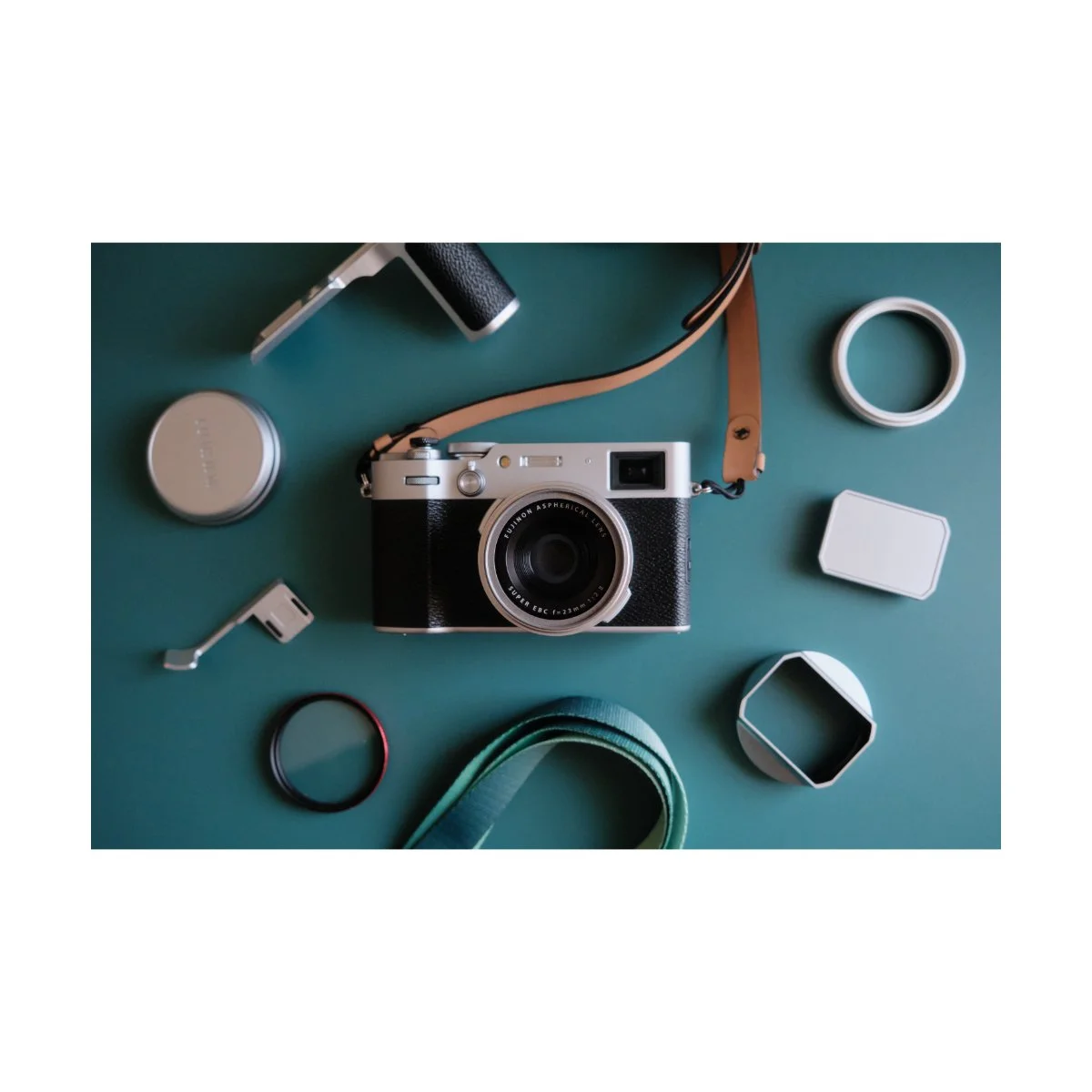
For street photographers, we must ask ourselves something simple:
“Does it really matter which camera and lens I use today?
Will it really make that big of a difference if I go out with a 23mm versus a 35mm?”
Probably not.
And if that’s the case, I’m better off just grabbing something and going, rather than sitting there and deliberating for thirty minutes.
Here’s where street photographers can save a lot of our decision stamina:
By having one preset camera and lens, we no longer have to make decisions about what to use.
We can grab and go and just start taking pictures.
Furthermore, when we’re out in the field, we don’t need to think about switching lenses.
Everything is predestined, preset to the setup we know works best, or the one we wish to improve on.
And then we can save our decisions for the more important parts:
is this a photo worthy shot?
which settings should I use?
how do I frame or compose this well?
Which will make a more direct impact on the quality of our photos.
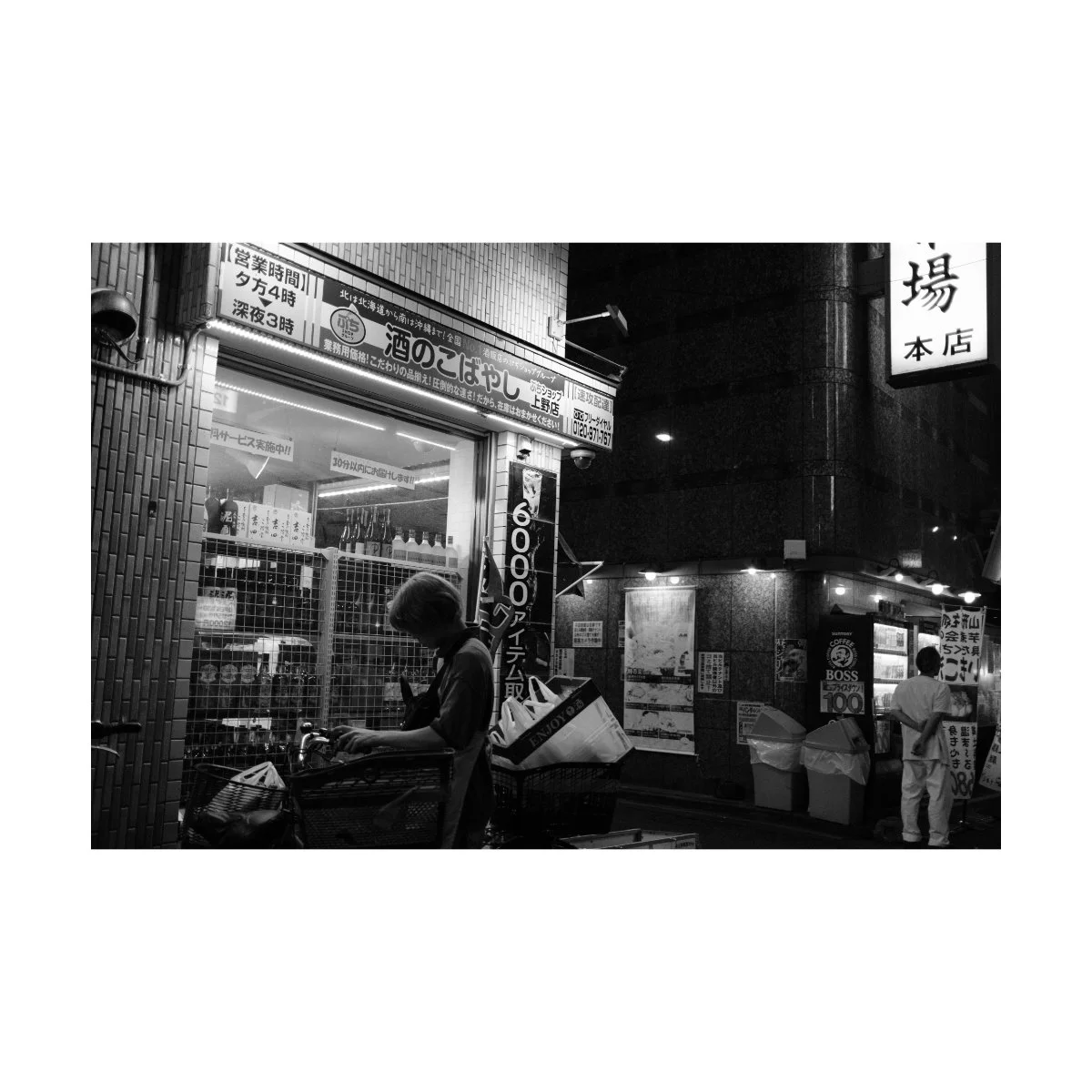
Mastery of the streets comes from one lens.
Constraints Are Key
The recently retired Terence Crawford, who many see as one of the greatest pound for pound boxers of all time, once shared how it felt putting on 8oz gloves for the first time.
Prior to that he had only used heavier gloves, so within the next 26 seconds his opponent was on the ground, knocked out.
The gloves, represented a physical constraint or limitation, and the removal of weight was like taking that off.
In photography, I like to think of a singular prime lens in the same way.
As opposed to a zoom lens which gives you the flexibility to shoot at multiple focal lengths, a prime lens only has one option.
Which forces you to move your feet or be more patient to get the shots you want.
This also applies to carrying around multiple primes.
Committing to one lens means you can’t change lenses midway in a photo session - yet you still have to figure out how to get the shot.
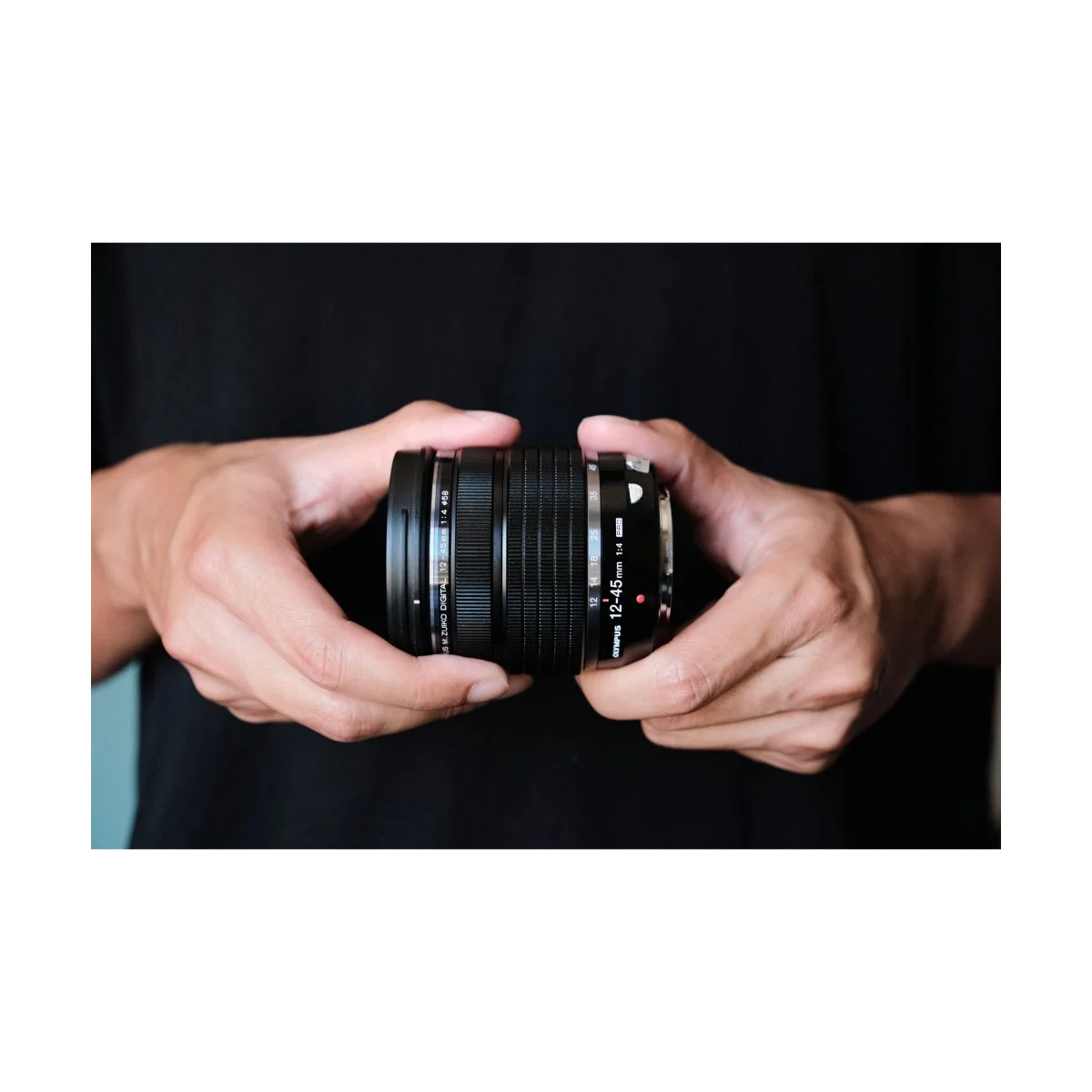
Constraints are key for any discipline, whether it be photography or boxing.
It’s often we think having more options or a greater range of focal lengths as being “better”.
But in actuality it’s worse for our growth.
Because it’s denying us the opportunity to learn how to work around the limitation.
It also adds to our decision fatigue that we talked about earlier.
The more focal lengths at your disposal, the more time you’ll spend picking between focal lengths rather than getting the shot.
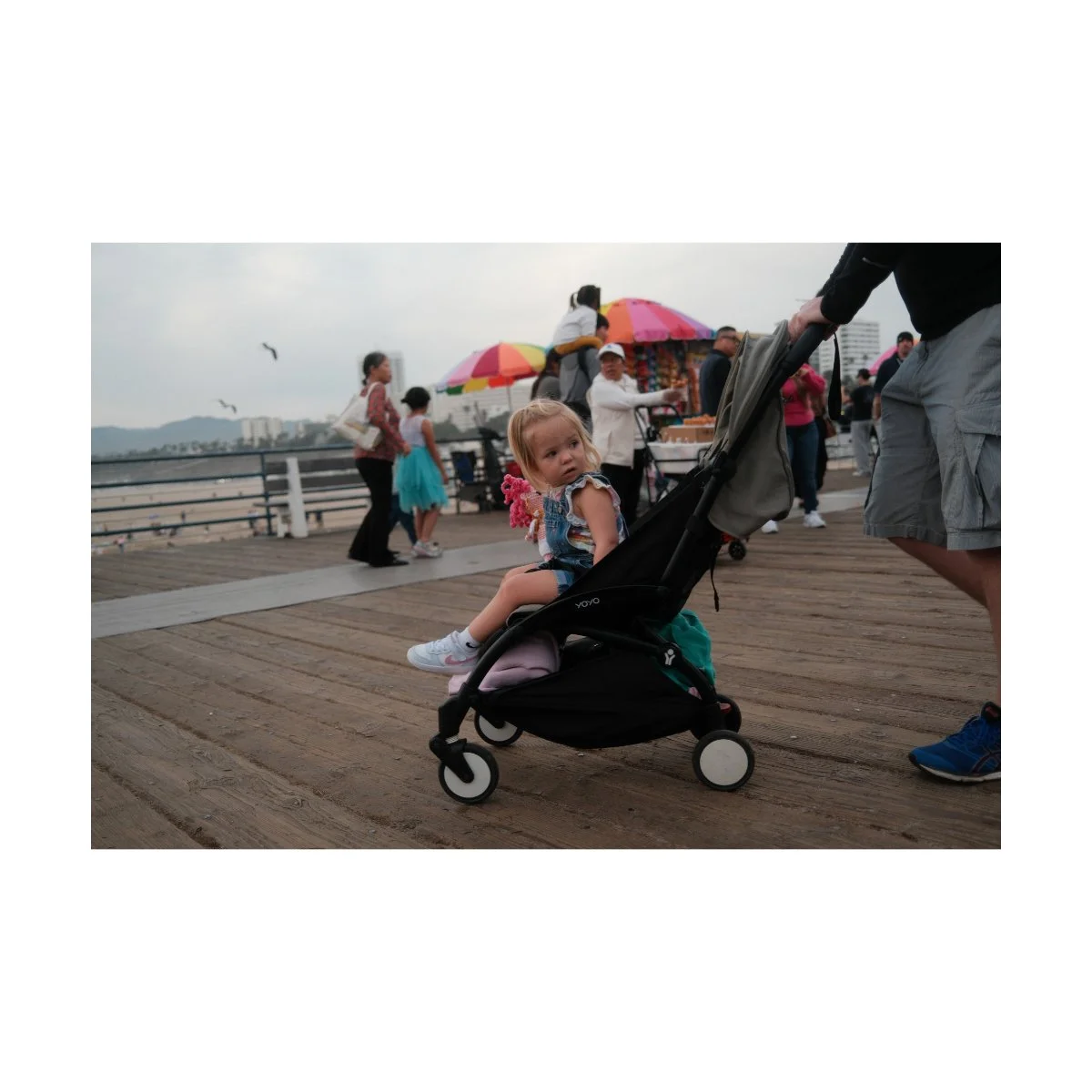
As opposed to shooting with just one prime lens, the focal length is already decided - you just have to get to the shot.
Now you might be thinking:
“So what if I treat a prime lens like weighted gloves?
And then when I go back to a zoom lens, it should be way easier right?”
In some aspects, yes.
Personally, I’ve had many moments where I’d spend a lot of time with a single prime, and then when going back to a 18-55 I’d be surprised with how much easier it is.
But despite that, I still prefer to commit to the 35mm eq for street photography.
I find that although I have less range, my focus is clearer.
Instead of trying to do five different things well, I only have to do one thing really well, and that’s often easier.
Plus, the more I practice, the better I get, making me understand photography more.
So whether you want to commit to the FL or just treat it like a training tool, I’d recommend spending at least one month with one single prime.
It might change your photography completely.
Double Down
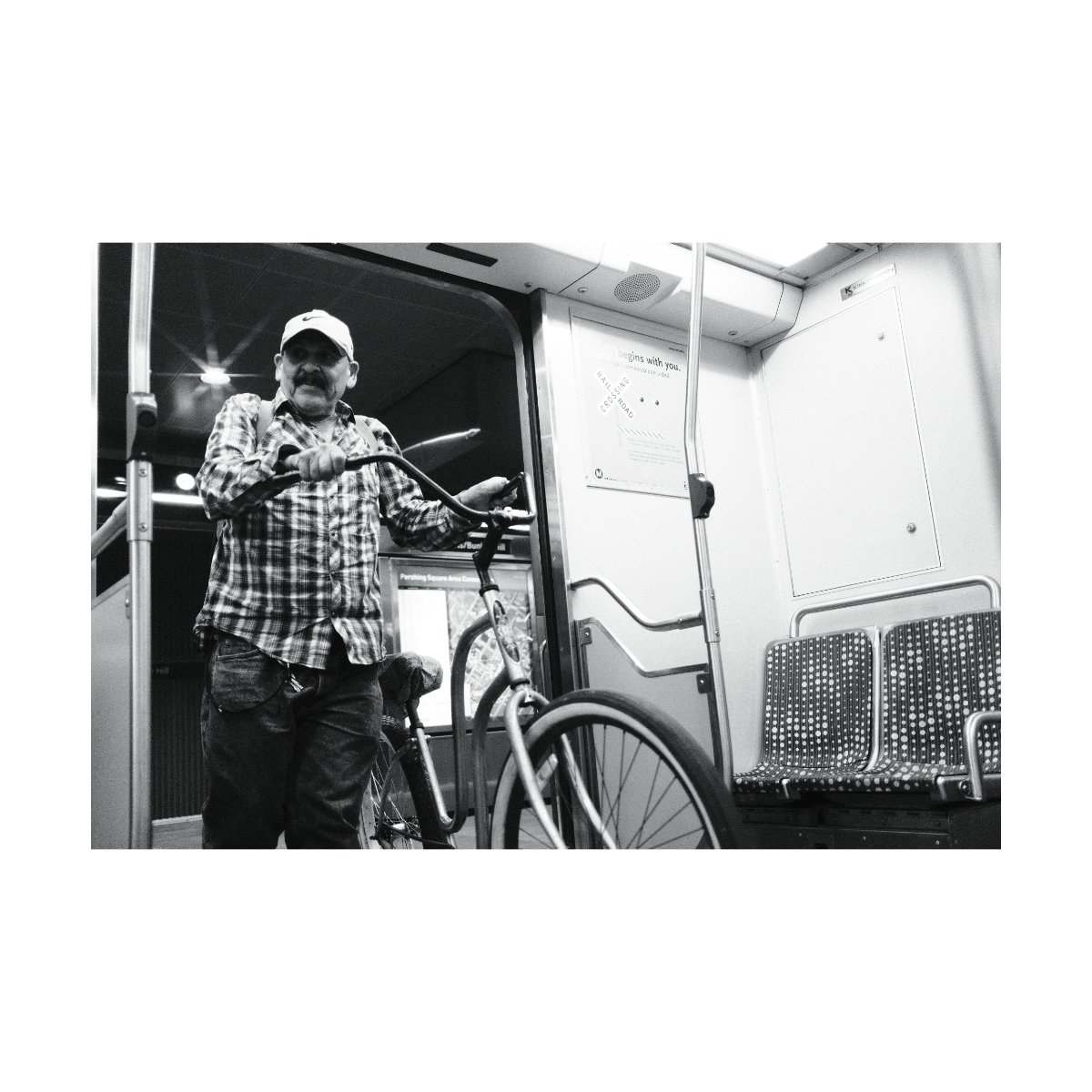
If we study the greats of street photography, many of them stick to one primary focal length.
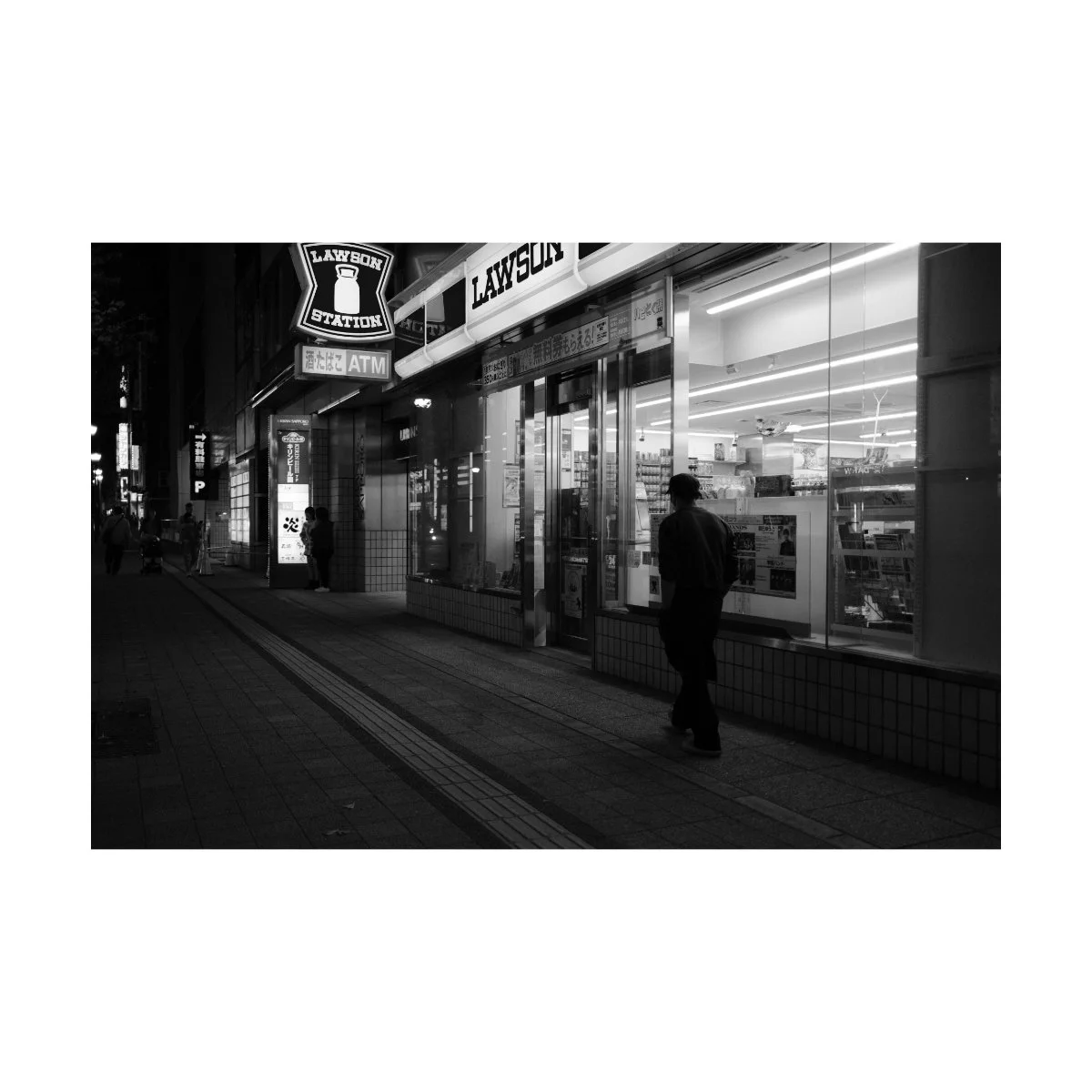
Henri Cartier Bresson was known to have shot with a 50mm eq for most of his work because he believed it to be the ideal natural field of view for what he wanted to capture.
Joel Meyerowitz shot mostly 35mm while occasionally stepping out to different focal lengths or formats.
And Daido Moriyama’s work is often synonymous with the 28mm, capturing close, immersive, or distorted views.
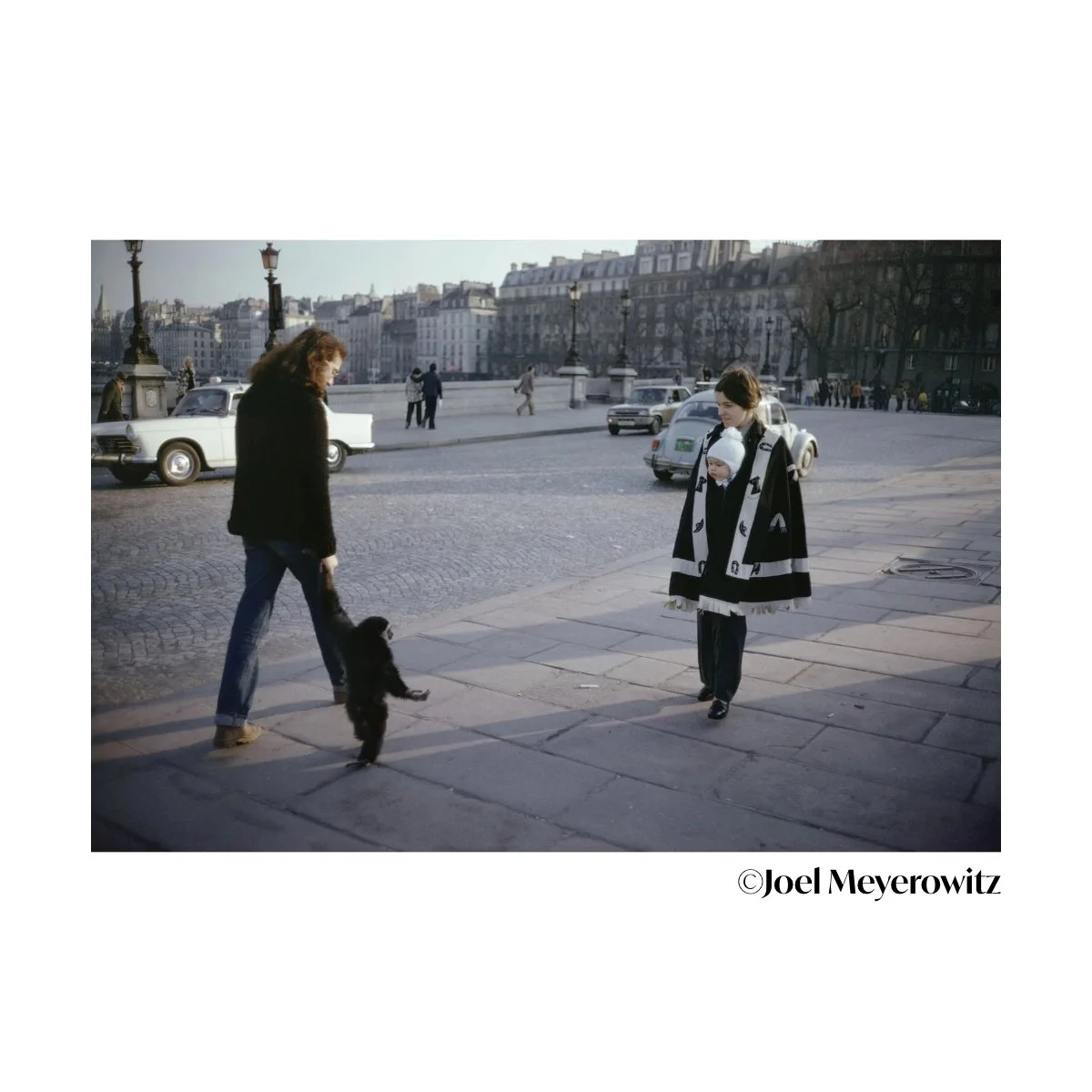
Besides the benefits we mentioned earlier, a single prime allows your work to have a consistent visual style.
This is important especially when it comes to building a photobook or collection of images.
When you switch focal lengths too often, the viewer gets confused subconsciously.
But when you stick to one, the spreads flow easier and everything feels connected.
There are exceptions to this rule, of course.
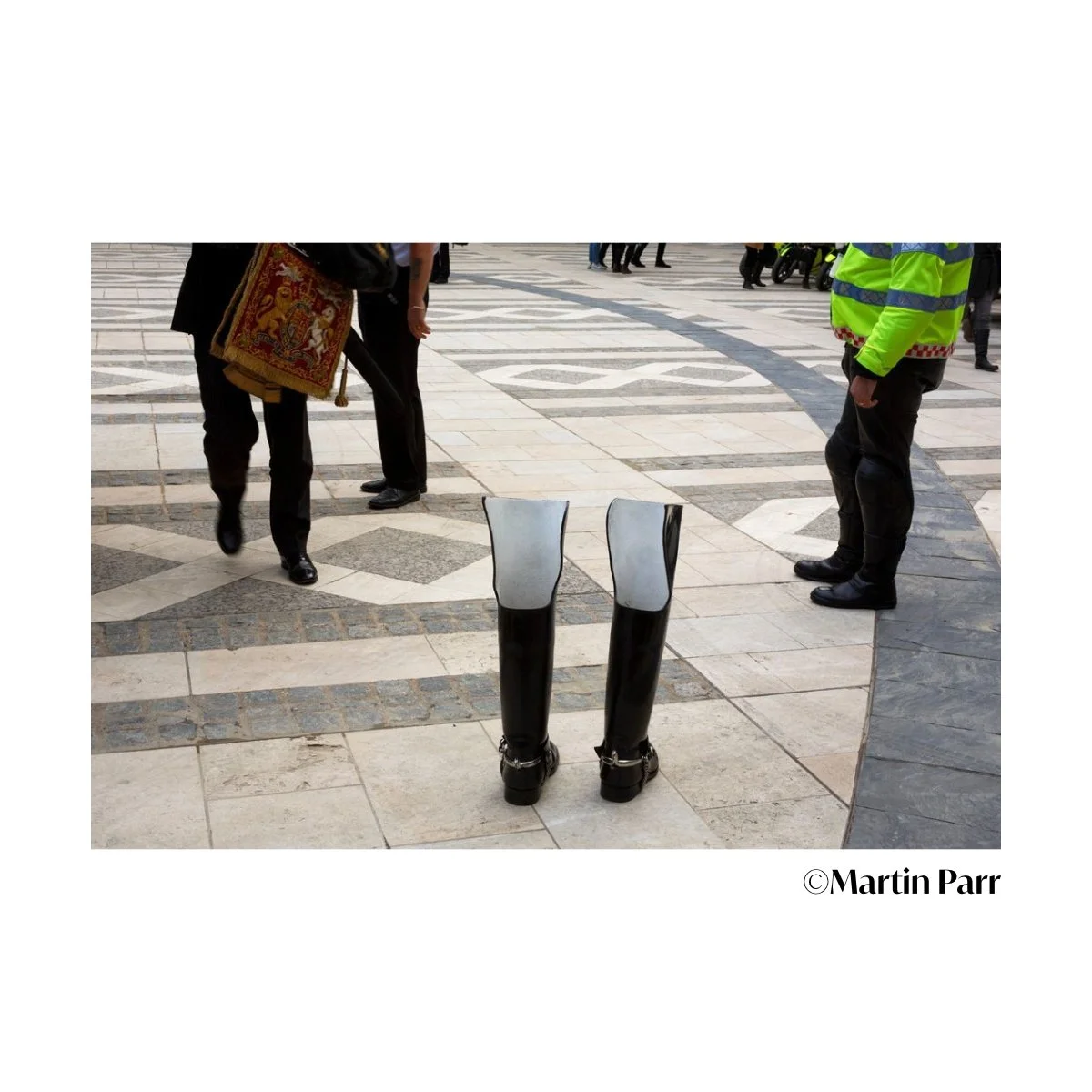
Martin Parr used a variety of focal lengths ranging from your standard street photography ones to tighter long range zoom lenses - and for him, it works.
But it still requires conscious thought and effort to bring those images together.
In my opinion, what it bottles down to is the look you want and what you’re trying to capture.
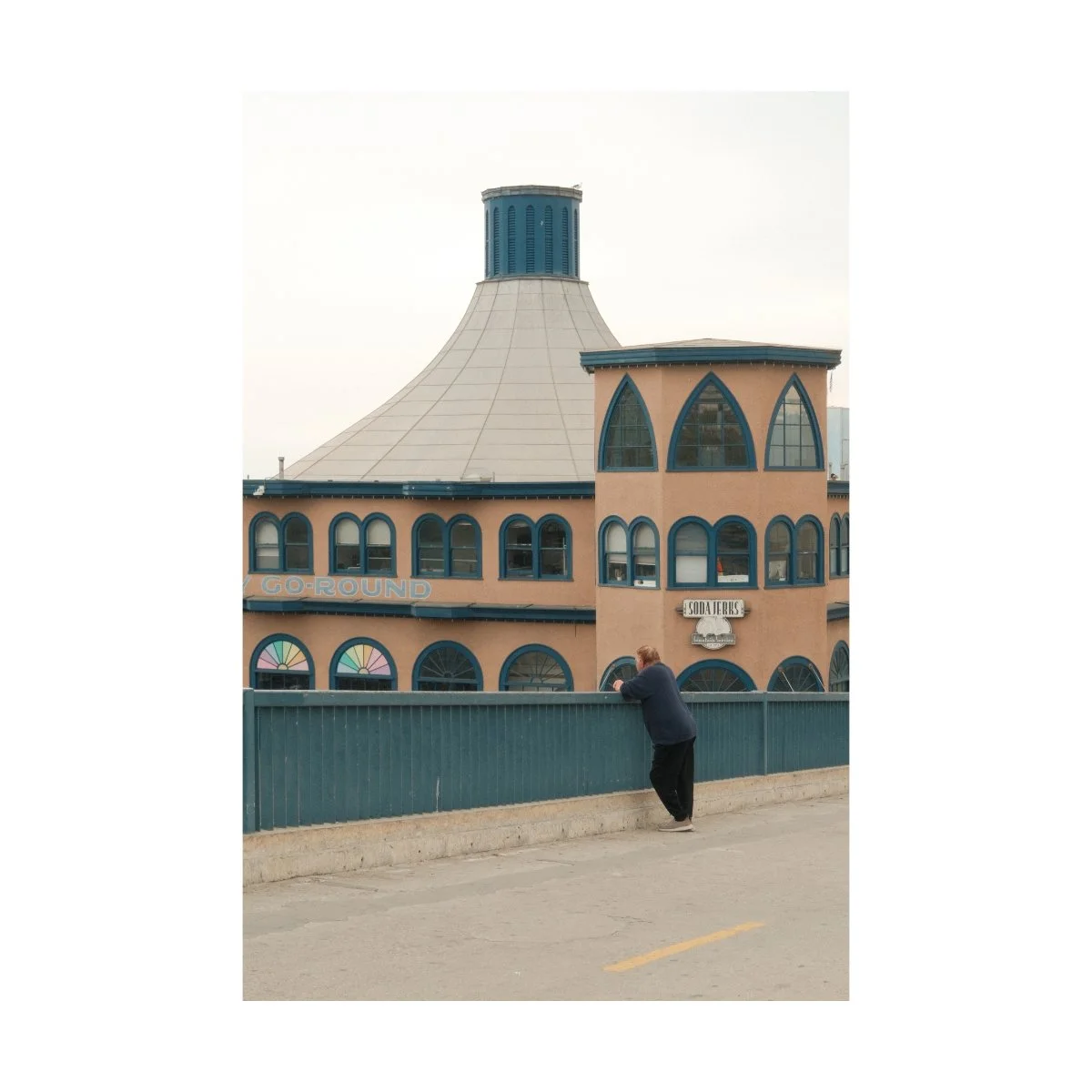
Lately, I’ve been doubling down on the 35mm eq focal length.
It’s always been my favorite for street photography and documenting my own life, but for the past couple of years I’ve been experimenting with many other lenses.
I felt like it was a good move to try different things, get a feel for other looks, and expand my range.
Lenses like the XF 33mm f1.4 and the 50mm f1.4 Super Takumar taught me a lot, but they weren’t exactly what I wanted to capture.
So I’ve learned that what I want to see, capture, and express is the 35mm, in all it’s glory.
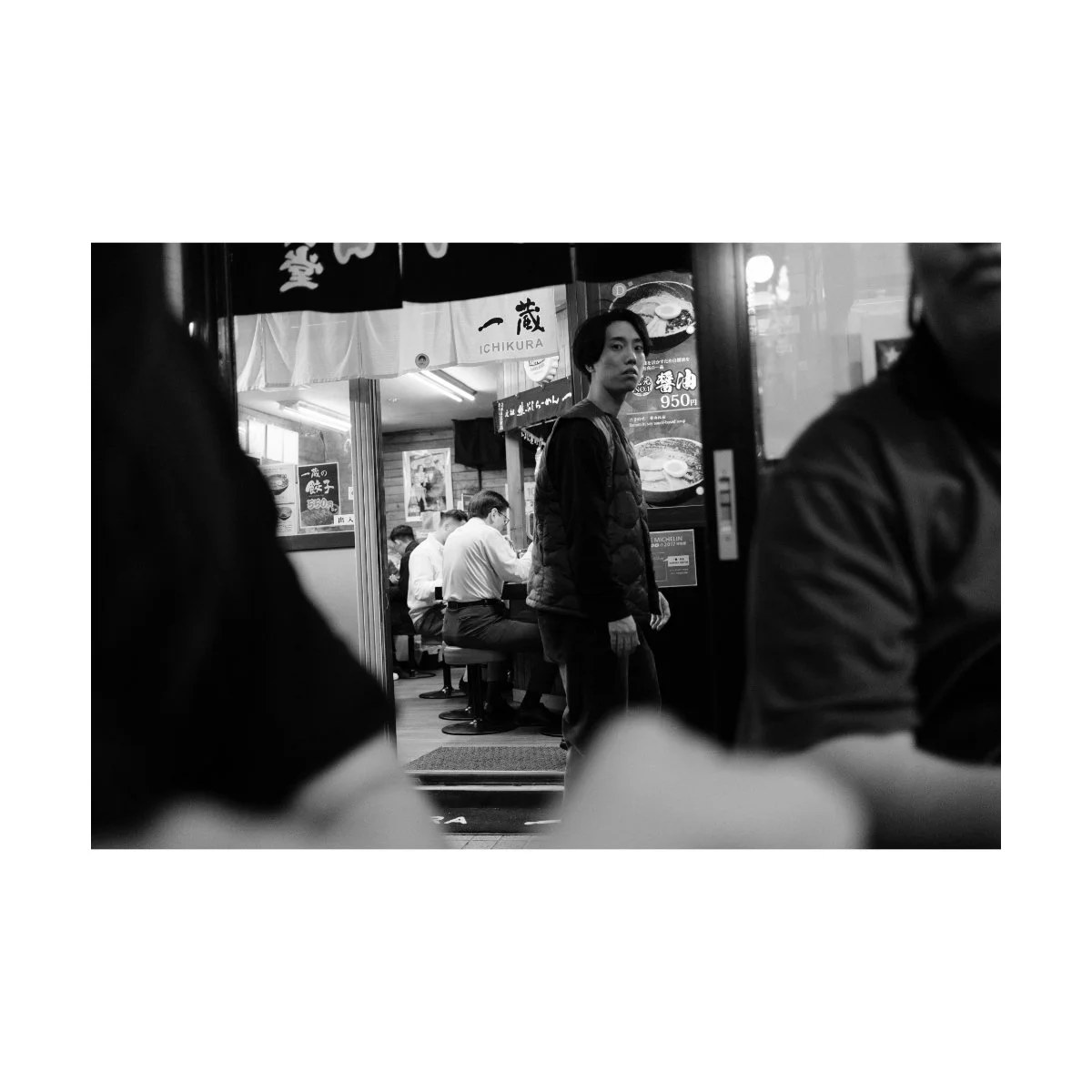
It’s challenging in ways, forces me to get in the mix, and limits my range, but that’s what looks best to me.
I’ll use other lenses for things like landscapes and travel, obviously, because I’ll need the range.
But my street photography has shifted more from “what do I need to learn” to “what do I want to show”.
In my head, what I want to show is too difficult to capture if I used multiple focal lengths.
I’d be spreading my shots thin and wouldn’t get good enough to reach the level needed to express that.
And since much of street photography is coincidental, I want as many coin flips as I can get to roll into the 35mm eq basket.
Which requires going deeper and deeper into one specific look, rather than an inch deep and a mile wide in many.
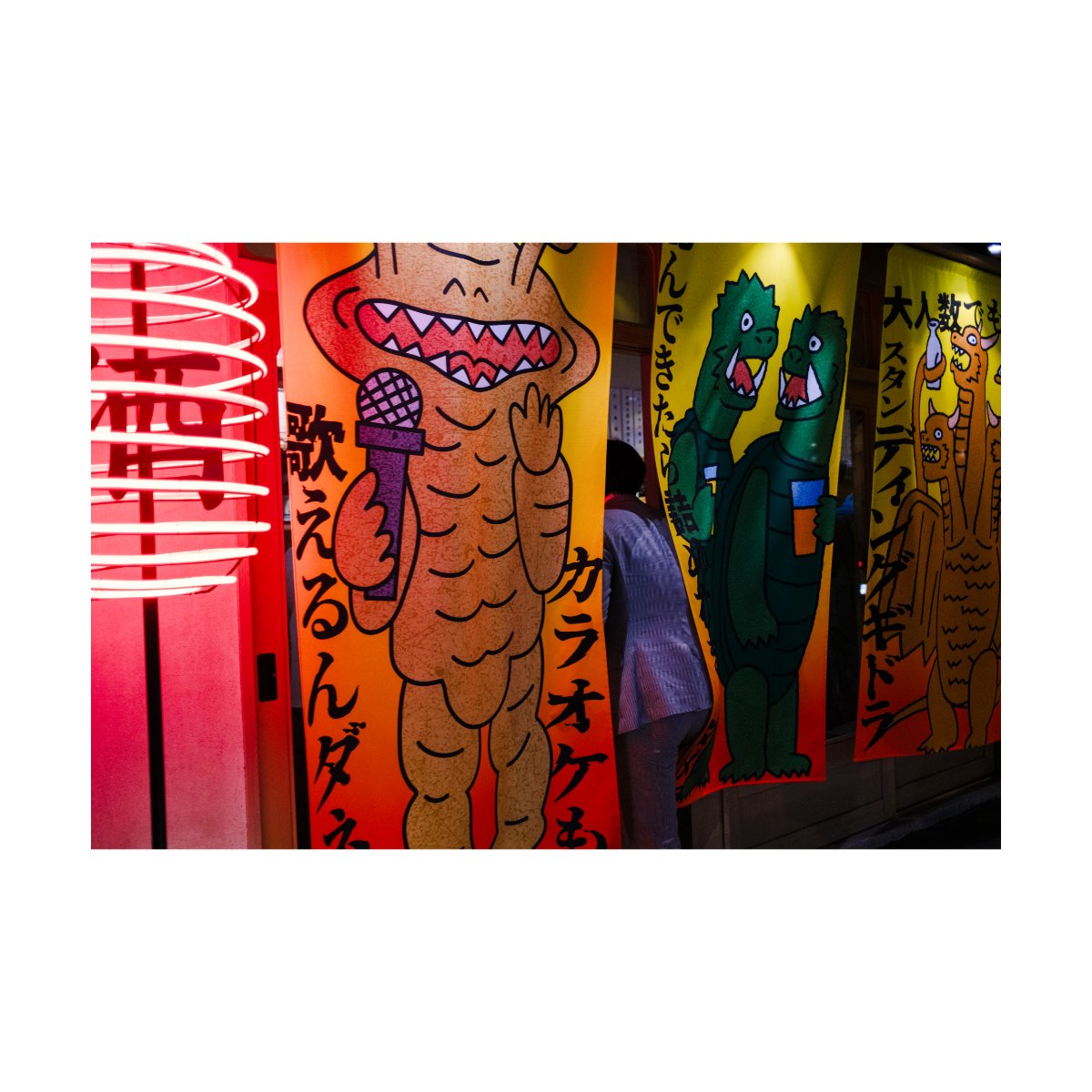
You see, many people view focal lengths as an arbitrary number.
And they look at other popular photographers and copy what they use.
“So-and-so uses this, so I’ll use that.”
But as you gain more experience in street photography, you’ll begin to recognize what each focal length is good and bad at.
And you’ll start to link the focal length to a particular look in your head.
The look in your head that excites you and you want to do more of, is the focal length you should be using.
Everything else you can ignore.
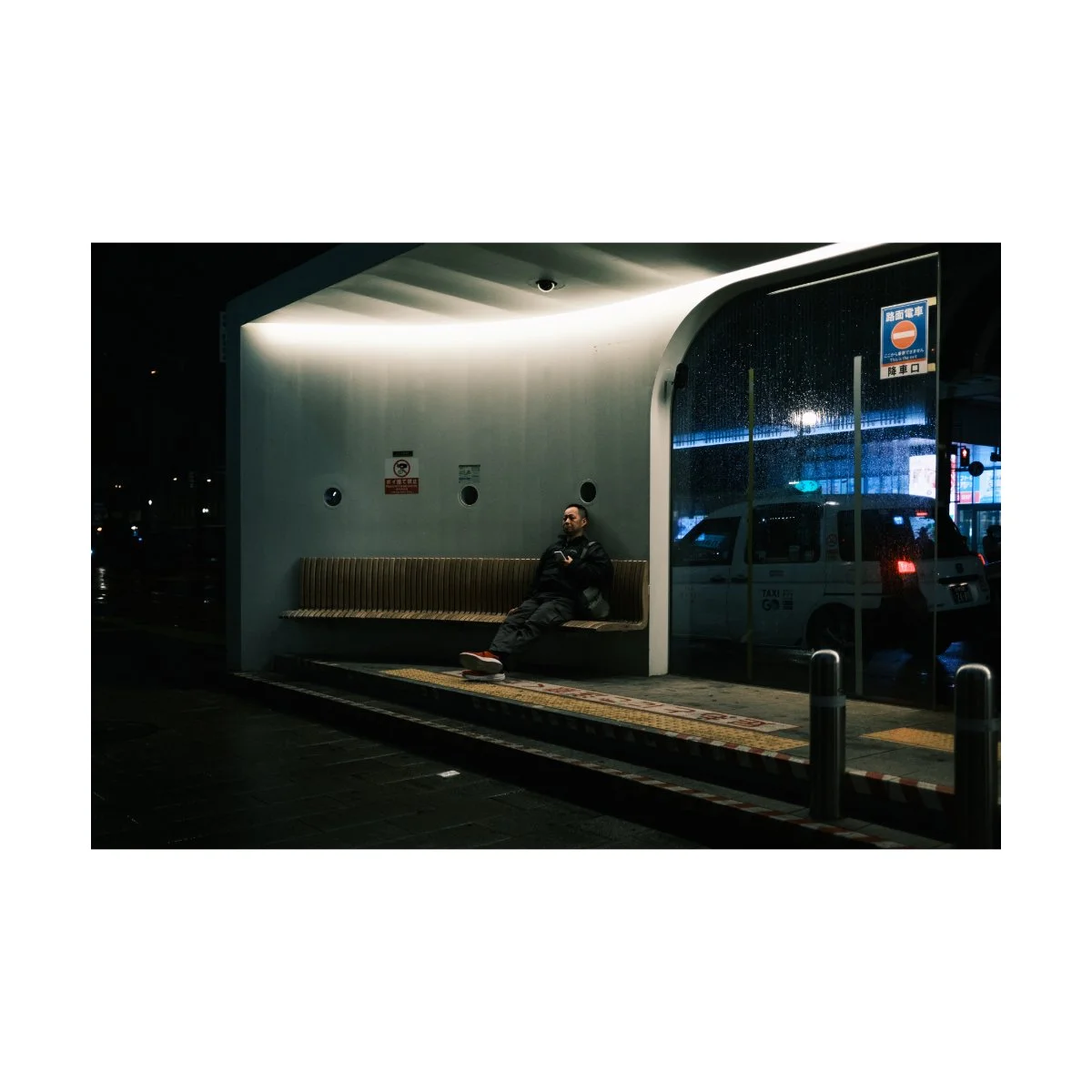
Think of it like multiple hands grasping for money.
“Money” is a representation of attention and creativity.
We’ve only got so much of it so we’re better off spending it on the things we really want.
And spending it on things we kind-of want is still less satisfaction than spending more on the primary thing.
In that case, it makes more sense to double down and use more of our attention and creativity on the stuff we really want to capture, rather than the stuff we kind-of want to capture.
Make sense?
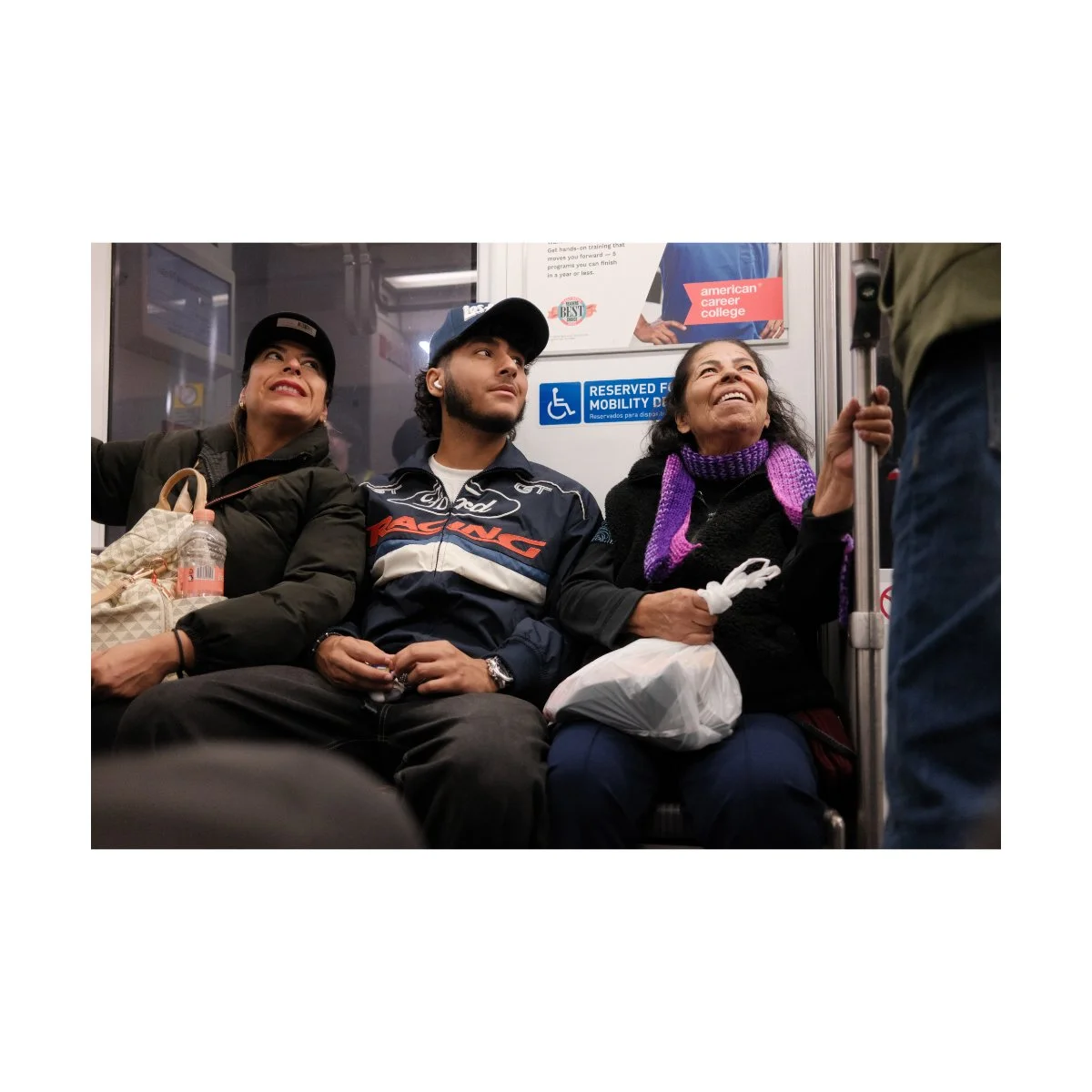
So that’s why mastery of the streets comes from one prime lens.
If you’re going to remember anything, remember:
decision fatigue will make things harder
constraints are key to improving
double down on the look you want to capture
I hope this helped, share this with a friend if it did.
If you want to learn more about improving your photography, shoot more and stress less, check out Photography Systems.
It’s there we cover everything from the process of improving to the psychology of it all.
If you found this useful, I think you’ll find that useful.
Thanks for reading, happy shooting.