How the Introverted Street Photographer Can Win
Many people think being extroverted is a “cheat skill”.
Something that allows others to do things easier and better than someone who is introverted.
And people fall victim to being an introvert, using it as an excuse for why they are who they are.
But…that’s not always true.
There are advantages to being an introvert, especially for street photography.
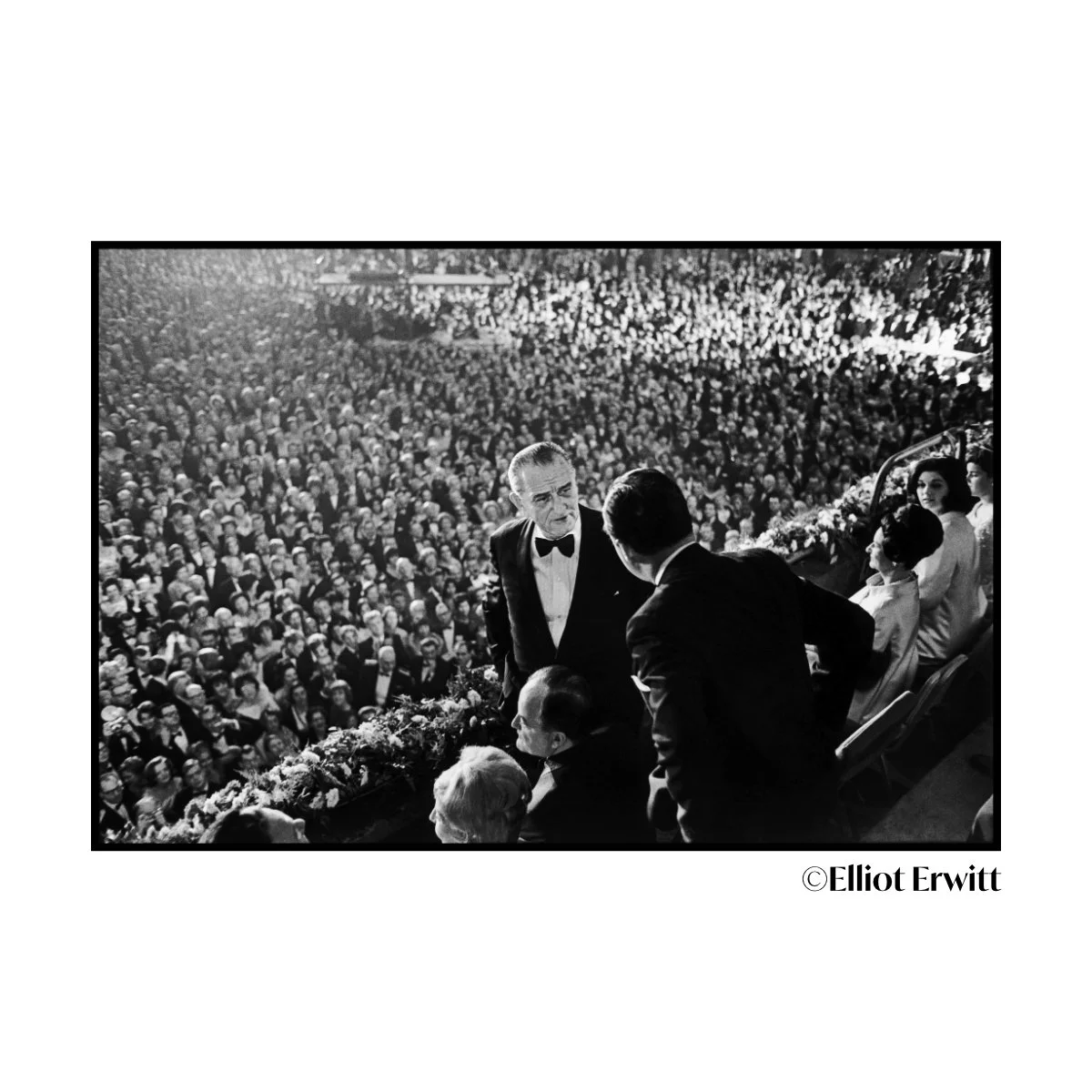
The late photographer Elliot Erwitt once said, “The whole point of taking pictures is so that you don’t have to explain things with words.”
Furthermore, identity is flexible, so you can change yourself and become a different person, if you want.
Introvertedness can be a part of you, but it doesn’t have to hold you back, especially from your goals.
If you’ve watched some of my videos maybe you think I’m an extrovert.
I talk a lot, I share a lot, and I speak decently.
But would it surprise you to find out that I’m actually the opposite in real life?
I tend to be reserved, keep to myself, and I don’t always like people.
In fact, recording videos can be tiring at times - because it’s more talking than I do on a weekly basis.
So I get it.
But at the same time, I’ve been determined not to let my introvertedness hold me back from doing the things I want to do or being the person I want to be.
This is how the introverted street photographer can win.
Opportunity for Growth
The renowned writer Ralph Waldo Emerson once said:
“Do the thing you fear and the death of fear is certain.”
For many people, the natural response to fear is to run.
We see something that scares us, we feel that worry or tension in our bodies, and we must take action for that feeling to go away.
Taking action could mean fight or flight.
But in the 21st century where there are no lions on our backs and the consequences of avoidance isn’t death, running has become the default option.
We can always not to do the thing that scares us.
This is a problem because: avoiding our fears doesn’t make them go away.
That’s just a temporary solution for something that will always remain on the back of our minds.
The introverted street photographer especially, may shy away from circumstances that challenge their nature.
Taking pictures of strangers may make them nervous for fear of being seen, drawing attention to themselves, or enticing conflict.
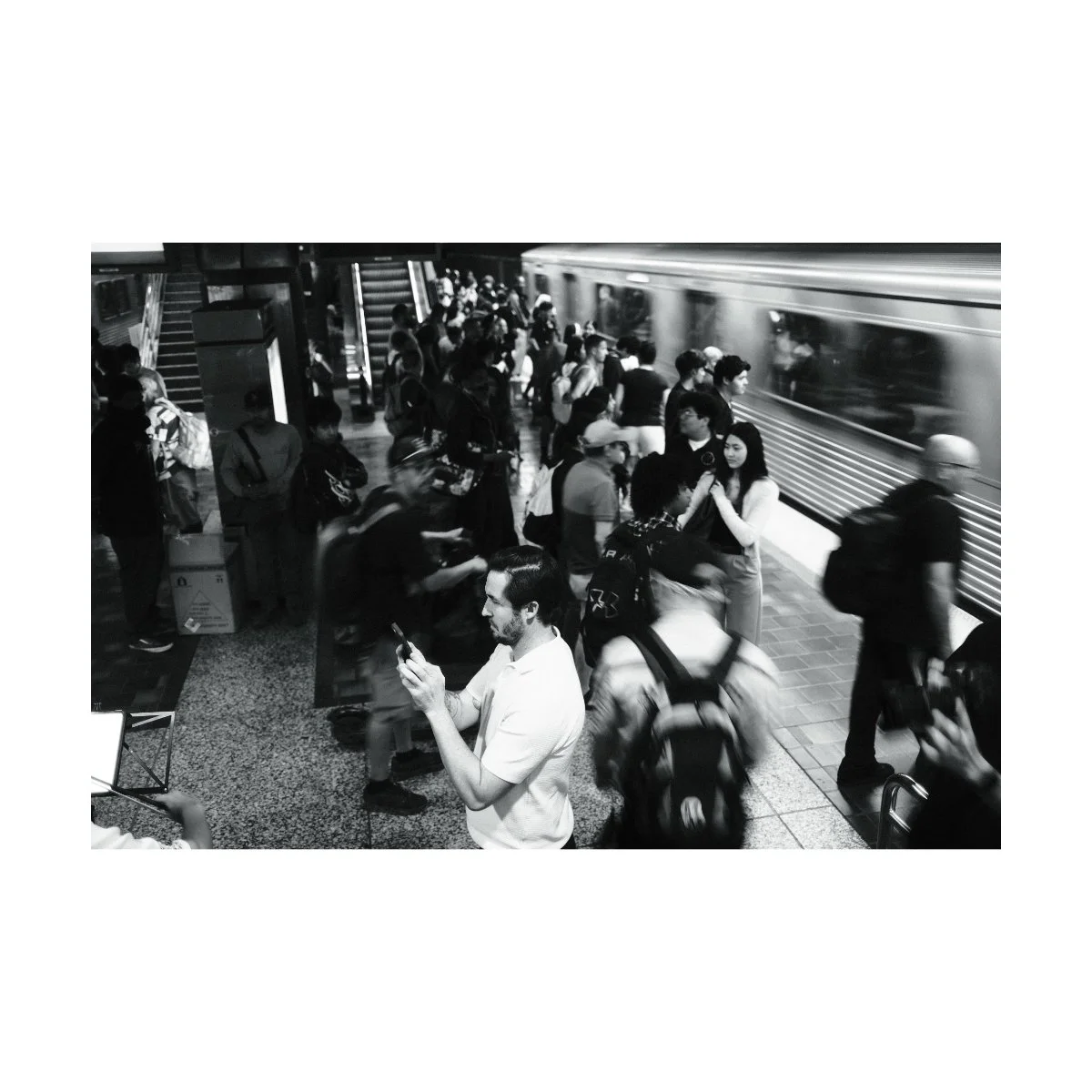
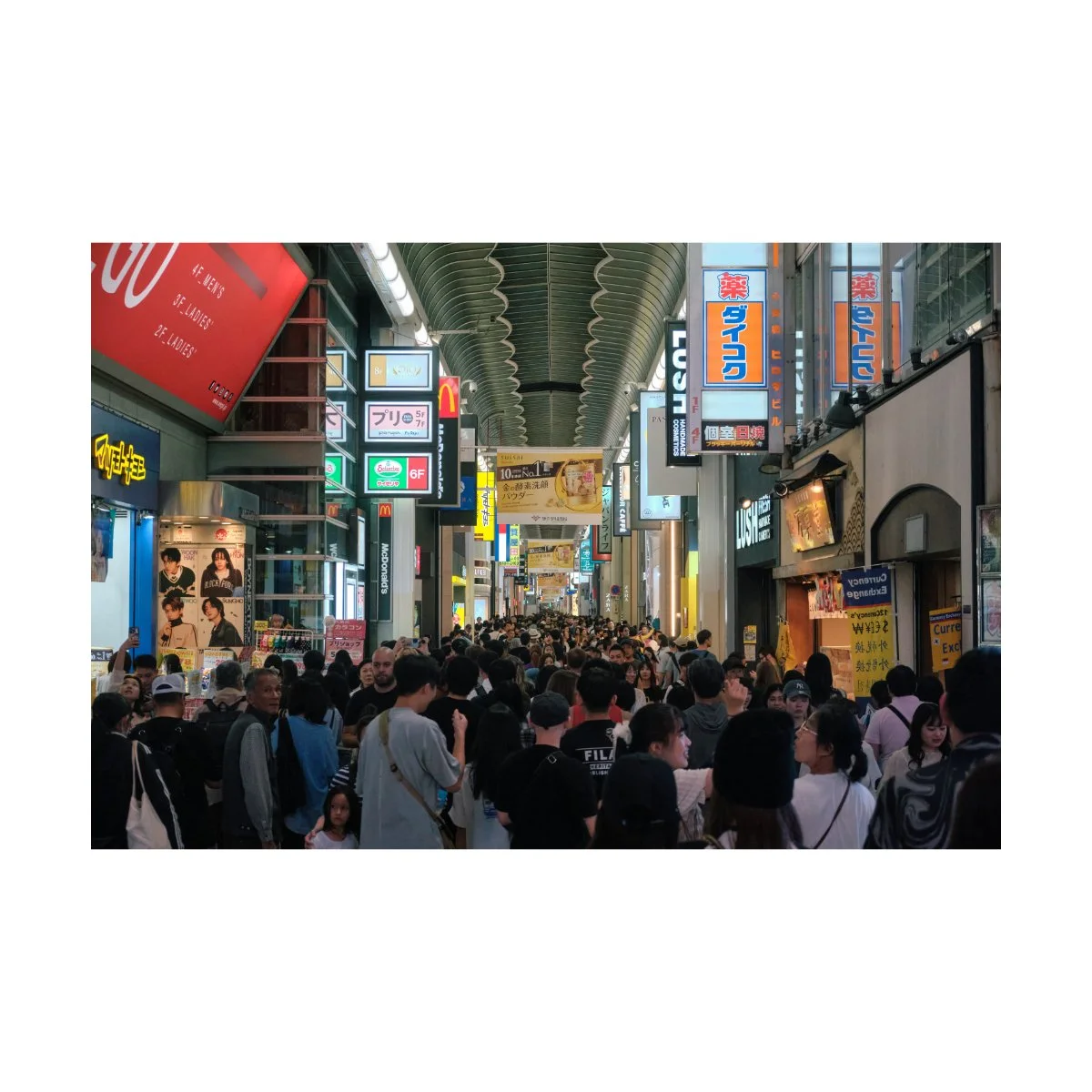
Going to crowded areas may be too loud, visually stimulating, or chaotic.
Being decisive in the moment might be hard, if you overthink or hesitate.
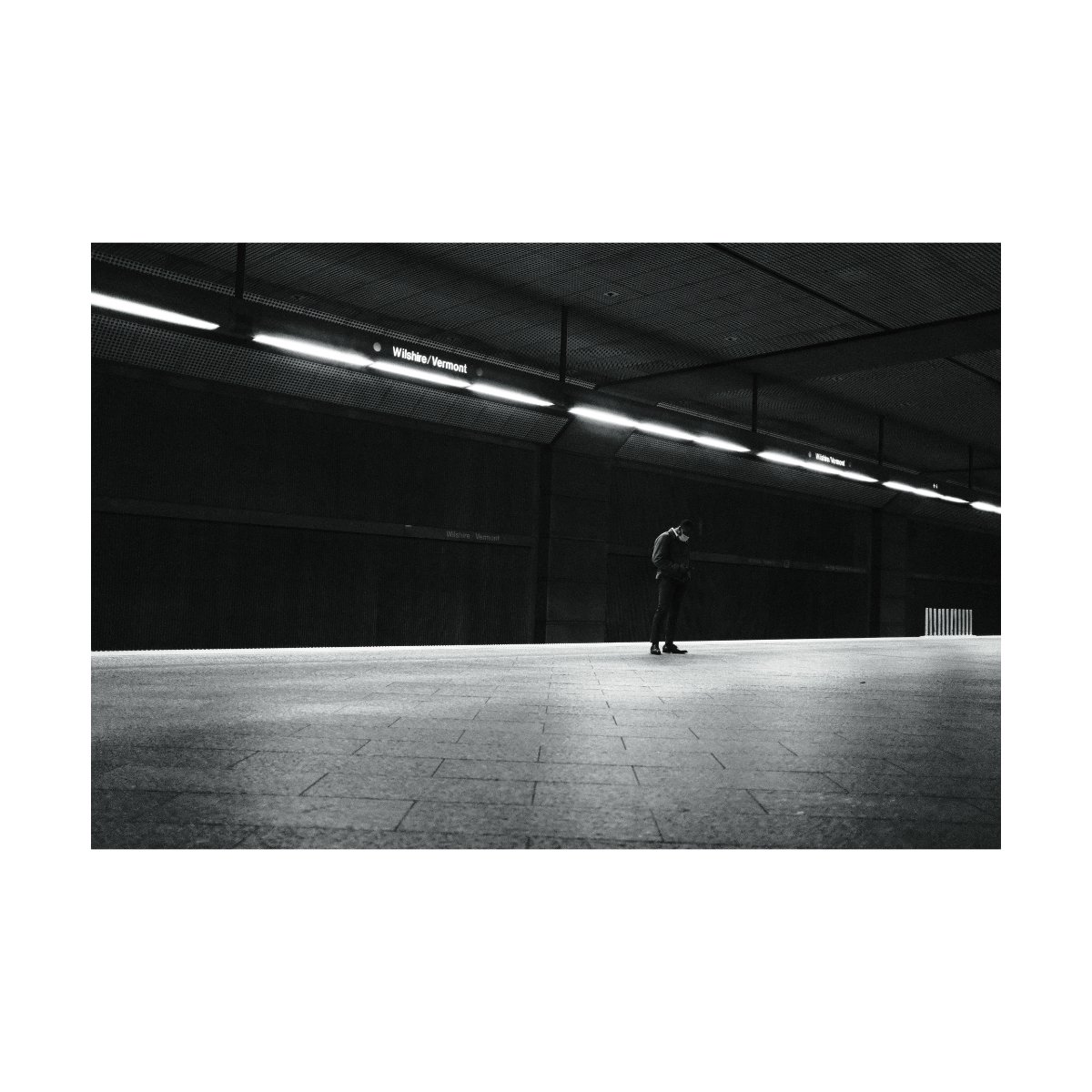
The primary solution for this is to learn to reframe the things that challenge you as opportunities for growth.
These are not hopeless dilemmas, it’s not “just how it is”, and they are not things you need to run from.
Everyone faces challenges and fears - the difference in experience is how you choose to view it.
Therefore, changing how you view challenges will naturally affect how you operate - and it’s something you can get better at.
When you reframe hard stuff as opportunities for growth, you become more inclined to them, leading you to do more harder things, and become stronger because of it.
When you do the thing you fear, the death of fear is certain.
Conversely, when you run/hide from the thing you fear, the growth of fear is certain.
It’s your choice, and we choose every single day.
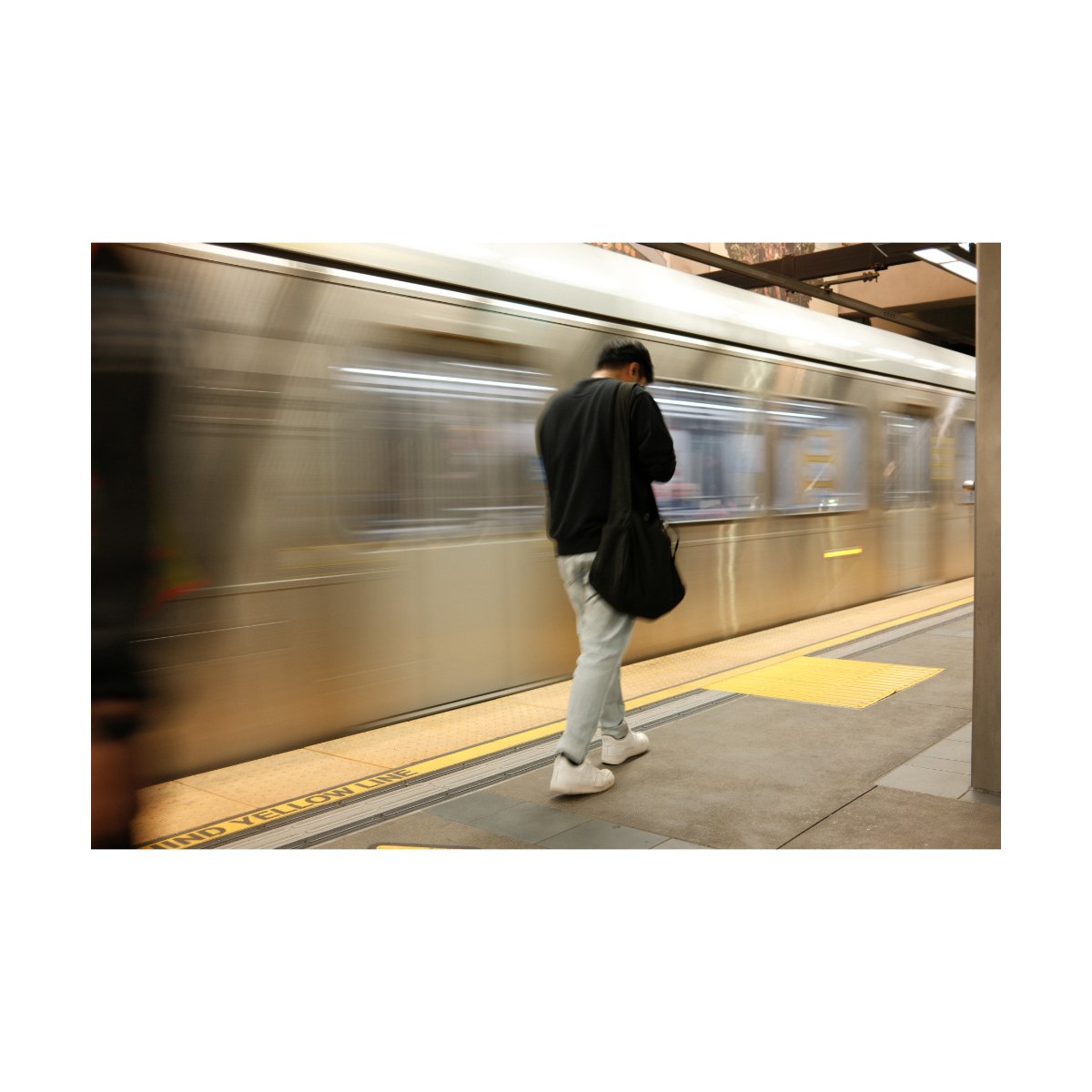
Strength Not Weakness
In a 2018 interview with the Daily Mail, the famous producer Will.I.Am said, “I’ve got ADHD – it’s a gift, not a flaw”.
He talked about how despite his suffering he learned to control and view ADHD as a positive in both his life and music creation.
In today’s world it’s easy to look at ourselves for everything we’re not, call ourselves “traumatized” by our past experiences, and create a story about how everything is harder for us.
Psychology might call this the “Victim Mentality”, where other things are to blame and we are the victims.
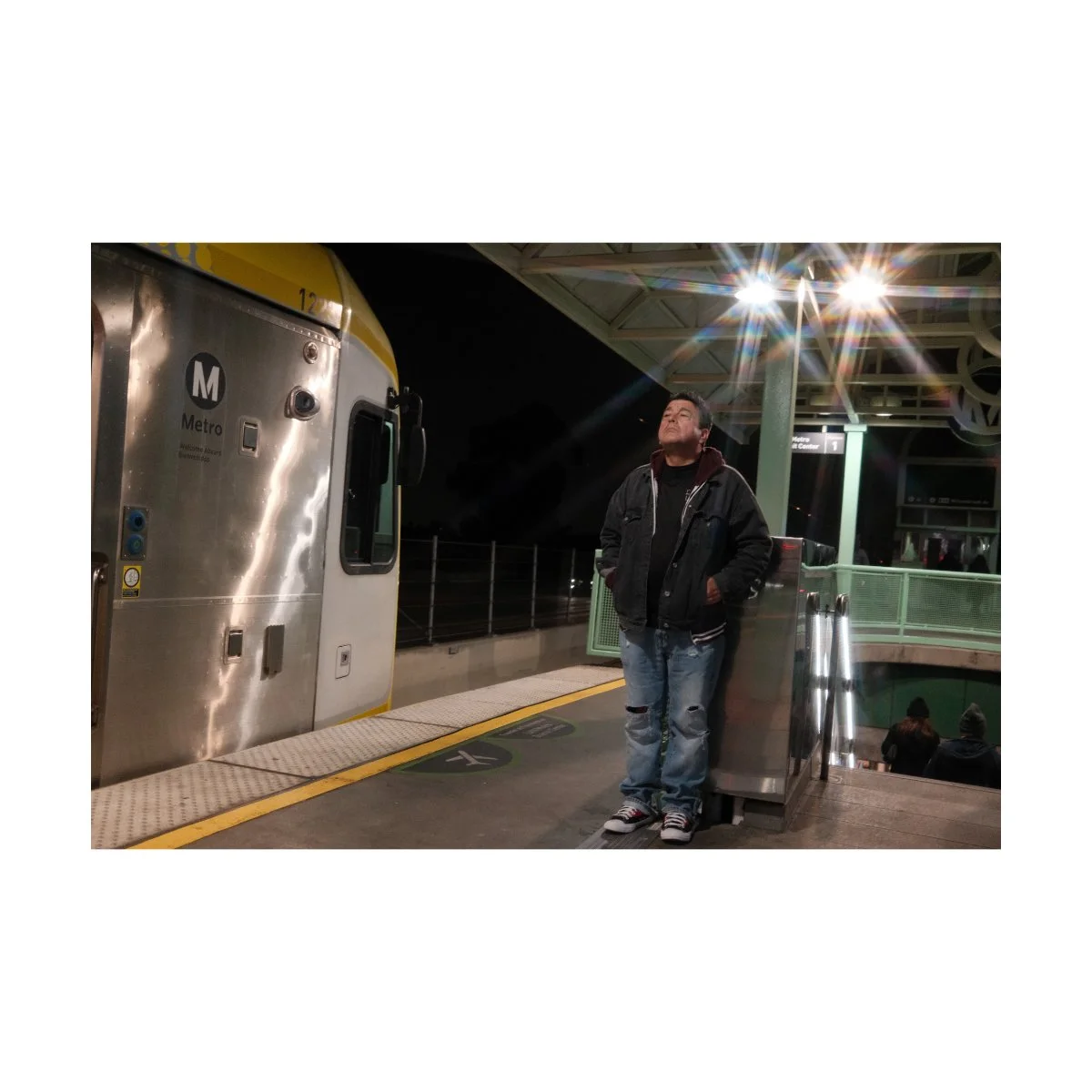
Now, this isn’t me undermining anyone’s problems or hardships.
Life IS hard and not everything is our fault.
But that doesn’t mean we need to fall prey to the hopelessness of it.
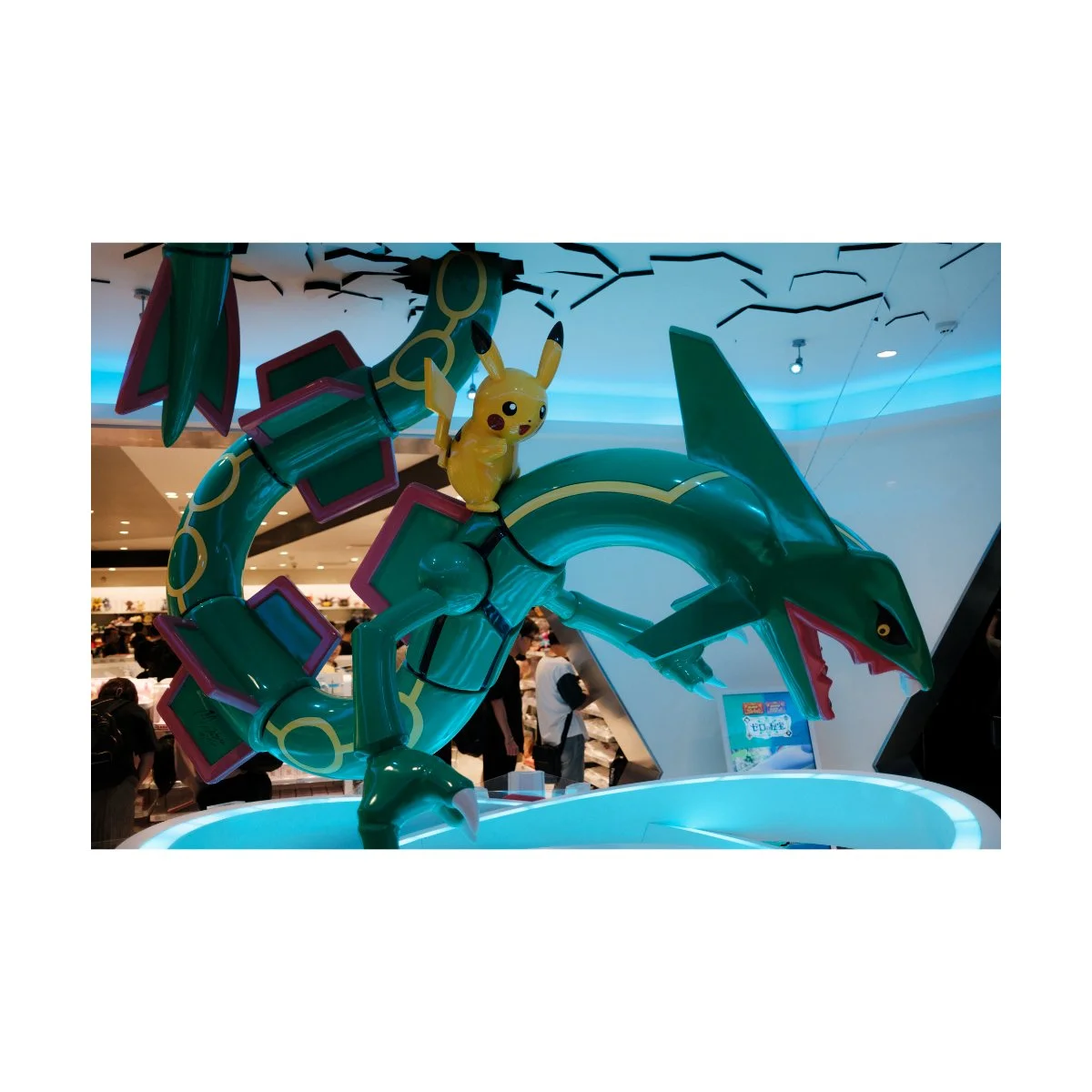
In actuality, there are many successful people around us with ADHD or autism like Michael Phelps, the most accomplished Olympic swimmer, or Satoshi Tajiri*, the creator of Pokémon.
(*Tajiri is widely rumored, not confirmed)
These people have learned to reframe their “weaknesses” as strengths or superpowers.
And one could imagine a world where neither of these people did what they did because they let their quirks hold them back.
So it doesn’t matter if it’s ADHD or introvertedness.
You can spin a narrative about any personality or character trait and claim that that’s the reason you can’t do the thing.
An introverted street photographer can easily dissuade themselves by saying, “I can’t do that, I’m too shy.”
Or, “Street photography isn’t for me because I don’t like people.”
But, if you flip the switch and tell yourself that that’s exactly why you should do that thing or are good at that thing, then the whole world opens up.
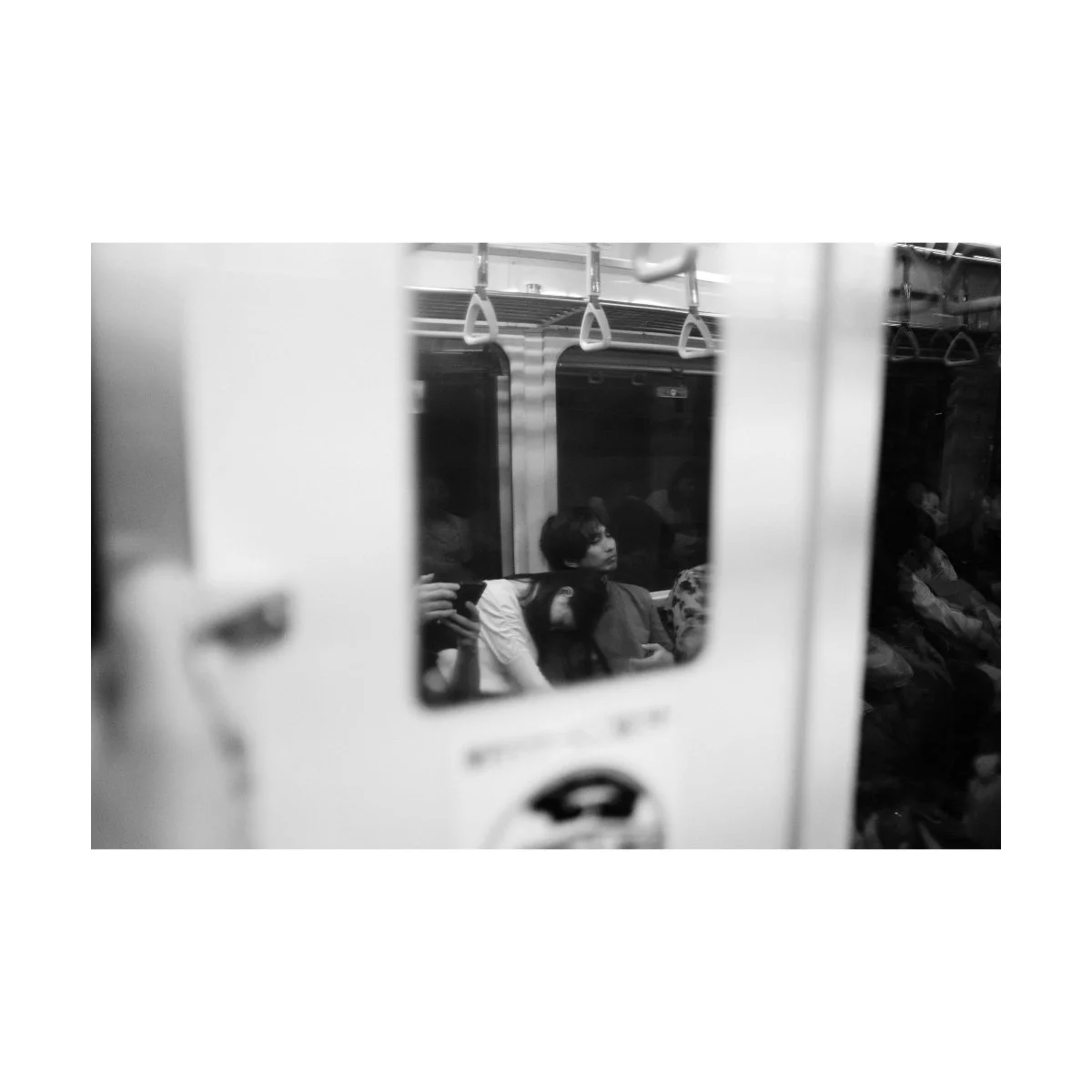
Maybe because you are introverted, you are more observant.
You see, notice, and pay attention to the little things everyone else ignores.
And that reflects well in your photography.
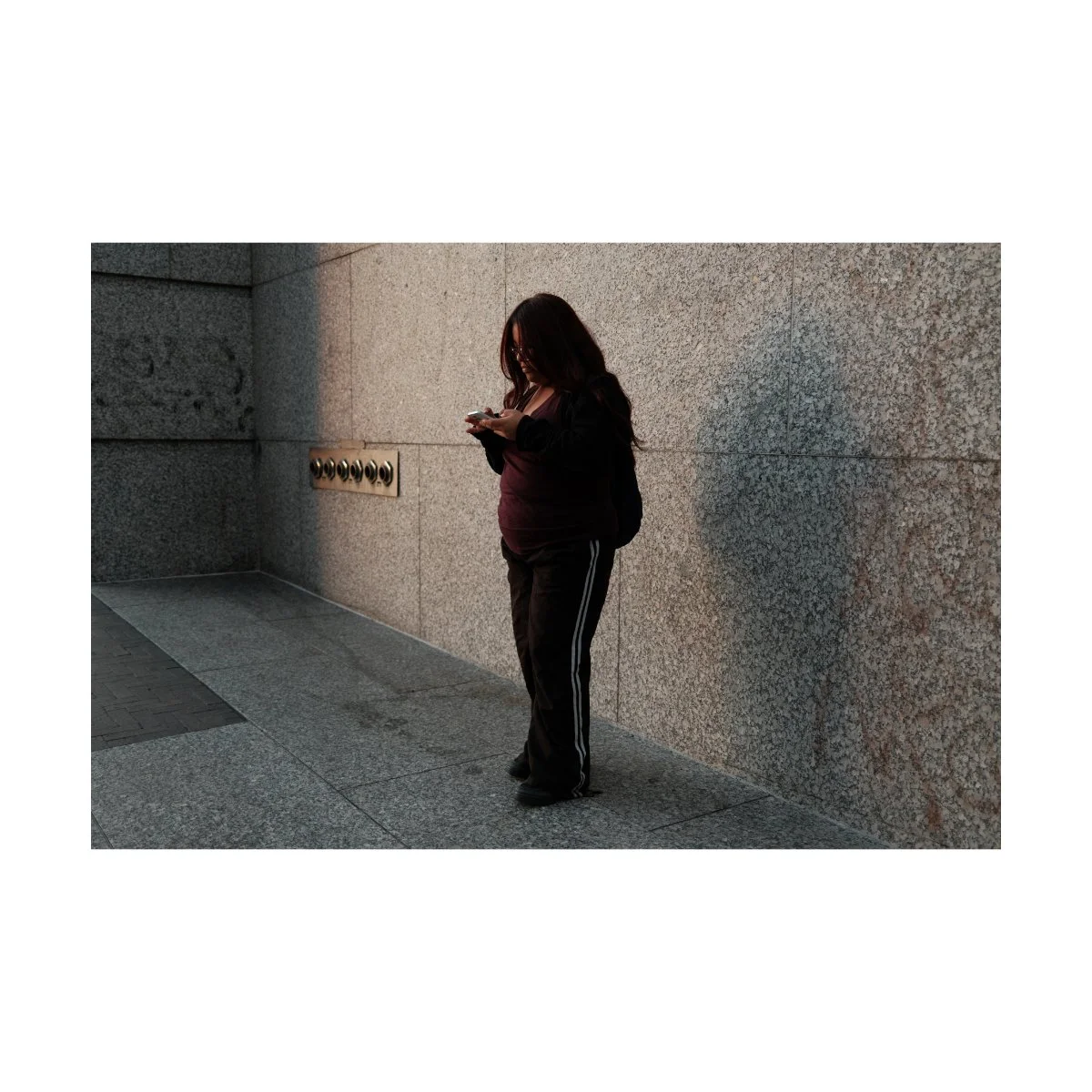
Maybe because you’re introverted you’re good at blending in and going unnoticed.
Which makes it easier to get shots, avoid confrontations, and not ruining the moment.
Whatever you think is your biggest weakness - that’s actually your biggest strength.
Don’t blame it - use it.
Stop Calling Yourself Introverted
Over the past couple of years I’ve made some changes in my life.
A big one was choosing to stop labeling myself.
Meaning, I would stop calling myself things like “introverted” or even say “I’m a photographer”.
Because the language we use affects our psychology much more than we think.
Before, if someone would ask me if I wanted to do something out of the ordinary or why I acted a certain way, I might respond by saying things like “I can’t”, “I’m introverted”, or “I’m shy”, or whatever.
Which might be true but that’s a bad habit to get into.
Let’s play this out for a second.
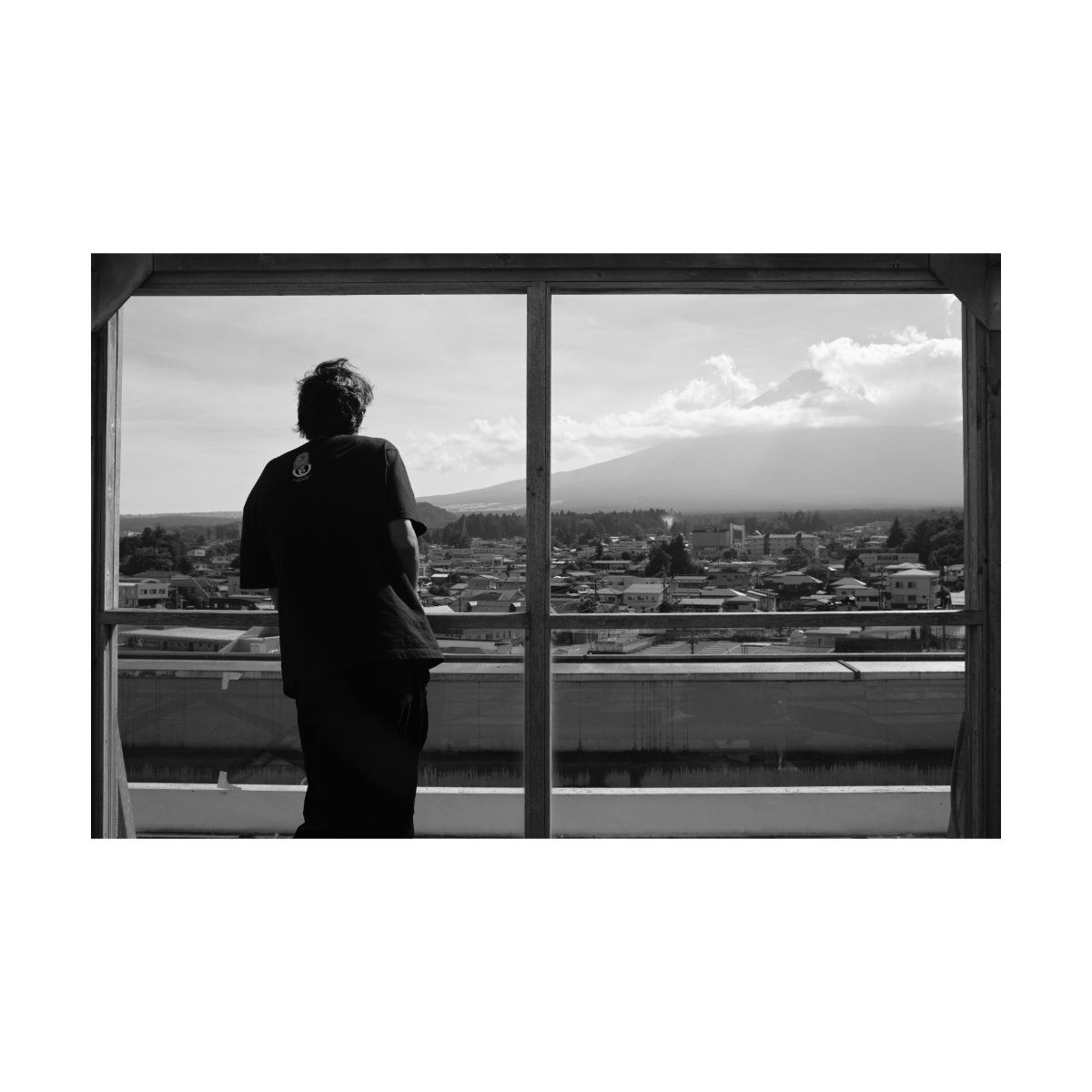
If I build a habit of saying “I’m introverted”, what am I teaching my brain?
I’m teaching my brain that this is the way I am and there’s no changing that.
And in these situations this is how we act and this is how we respond.
Which again, might be true, but if that results in something undesirable, then we shouldn’t keep doing it.
So the problem arises when it’s better for us to act differently.
If the thing I want to do requires to me more extroverted, talk to that person, or act more adventurous, it’s never going to happen when I’ve built up the habit of telling myself “I’m not”.
I’ve told myself so many times “I’m introverted”, “I’m shy”, “I’m whatever”, that I’ve fixed myself into this identity.
This identity forces me to act a certain way or in a way I don’t want to.
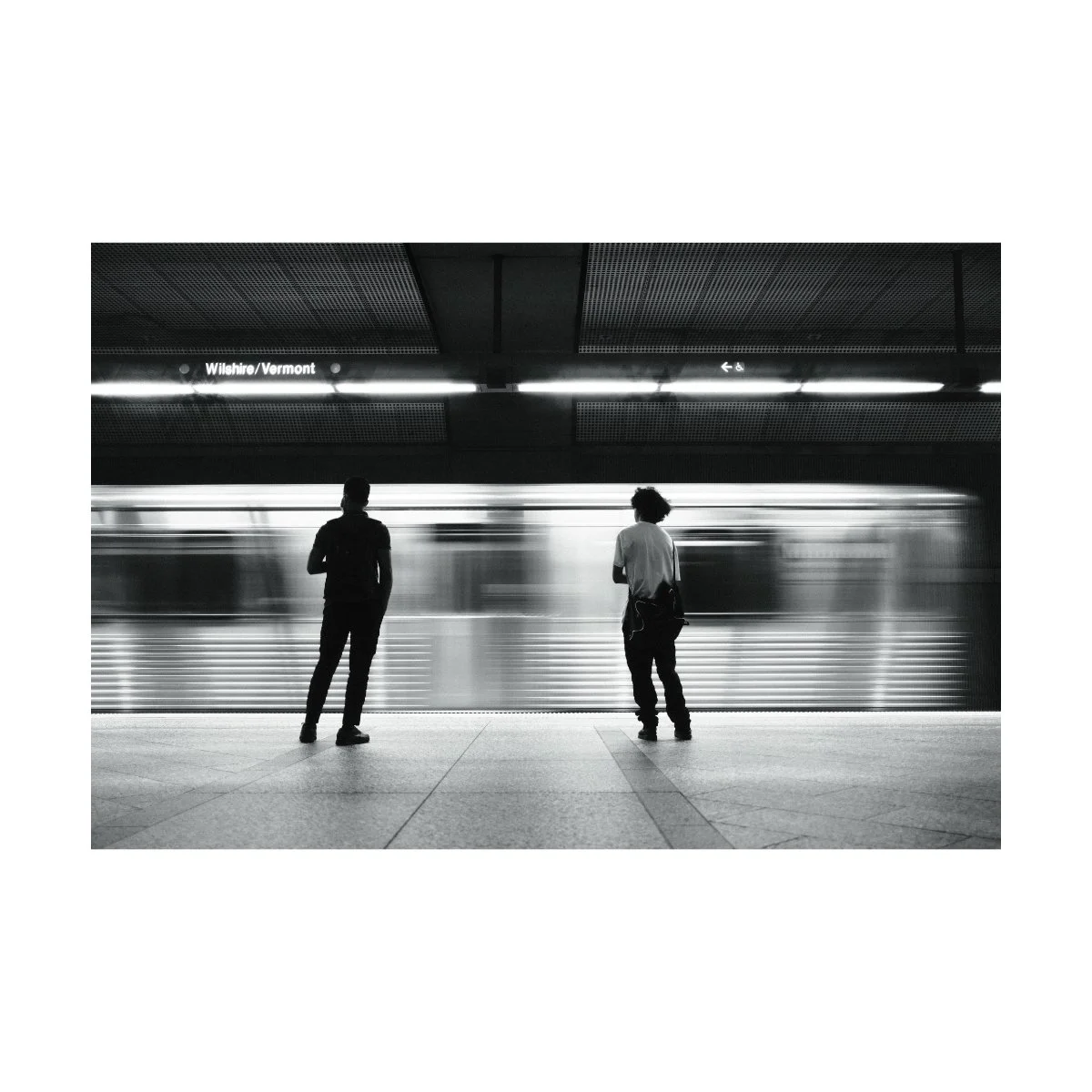
If I had to be honest with myself, yes I tend to be introverted, but there are some times when I’m not.
I have plenty of evidence to suggest otherwise.
Meaning a more accurate statement would be exactly that: “I tend to be introverted”, not “I am introverted.”
Because I’m not introverted, I’m me.
Imagine for a second that you told yourself “I’m extroverted” a billion times.
If you do it enough you might actually believe it.
Furthermore, believing you are extroverted will lead you to do more extroverted things - stuff you might not have imagined doing before.
And technically, you can still be introverted and do extroverted things.
So this isn’t to say being extroverted is better than being introverted.
Rather, that our personalities are heavily influenced by the way we think and what we tell ourselves.
As you think, so shall you become.
The way we get around this is by discarding the game in the first place.
Stop calling yourself introverted or extroverted.
Say, “I tend to be introverted” instead.
That’s a more accurate statement, which doesn’t fix your actions or mold your identity.
And it opens the gates to give you permission to act differently.
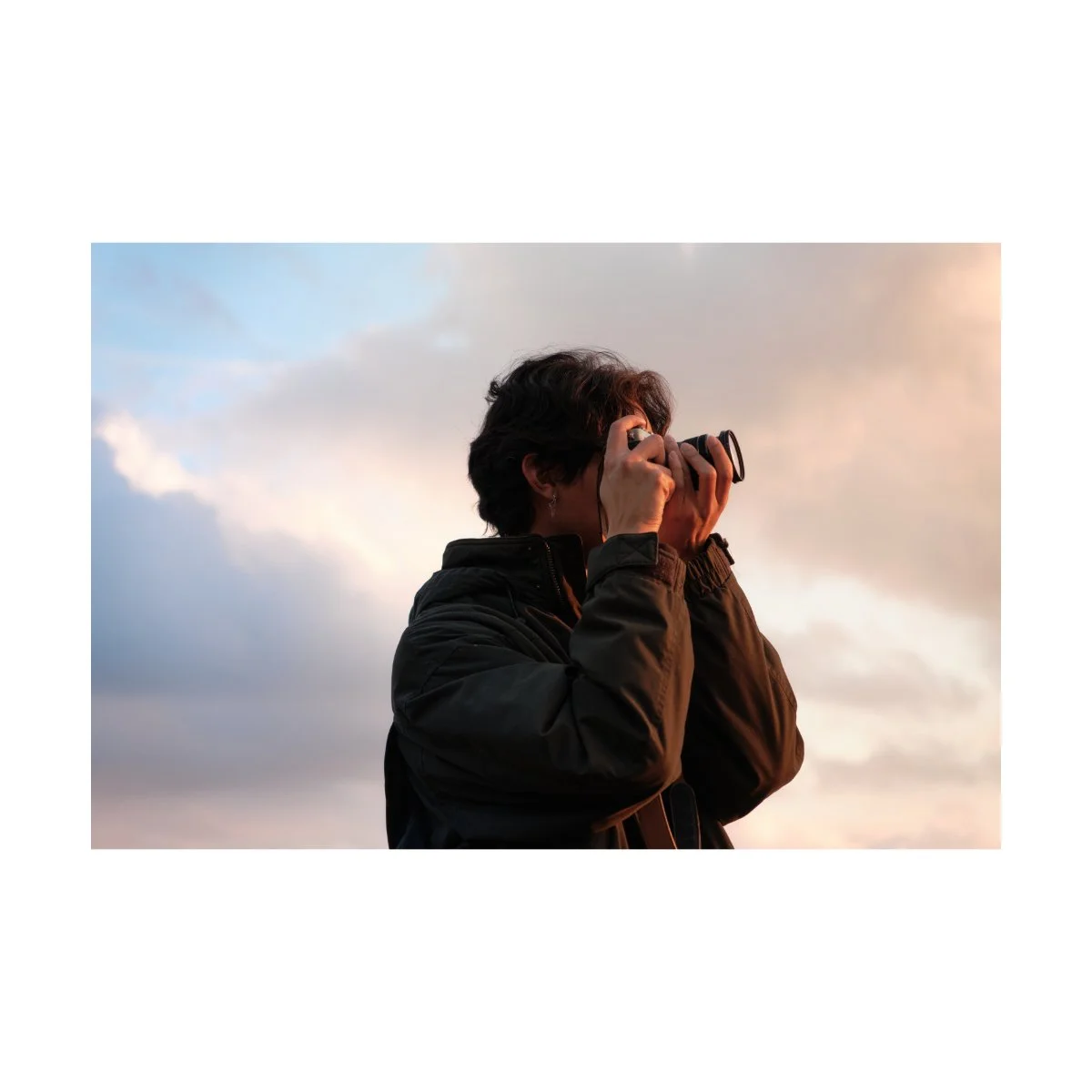
Instead of saying “I’m a photographer”, I try to say “I do photography”.
That way, I’m not constrained into everything a photographer is or does.
Of course, I don’t always do it for these articles, that’s just an awkward way of writing, but you get the point.
Finally, when it comes to actions, start acting according to the person you want to become, not the person you’ve labeled yourself as.
Instead of thinking “I can’t do that.”
Think: “What would the person I want to be do?”
If the person you want to be is more assertive, wants to take more action, etc, then you can do that even when you’re currently not.
If the person you want to be does the exact opposite, well, that’s okay too.
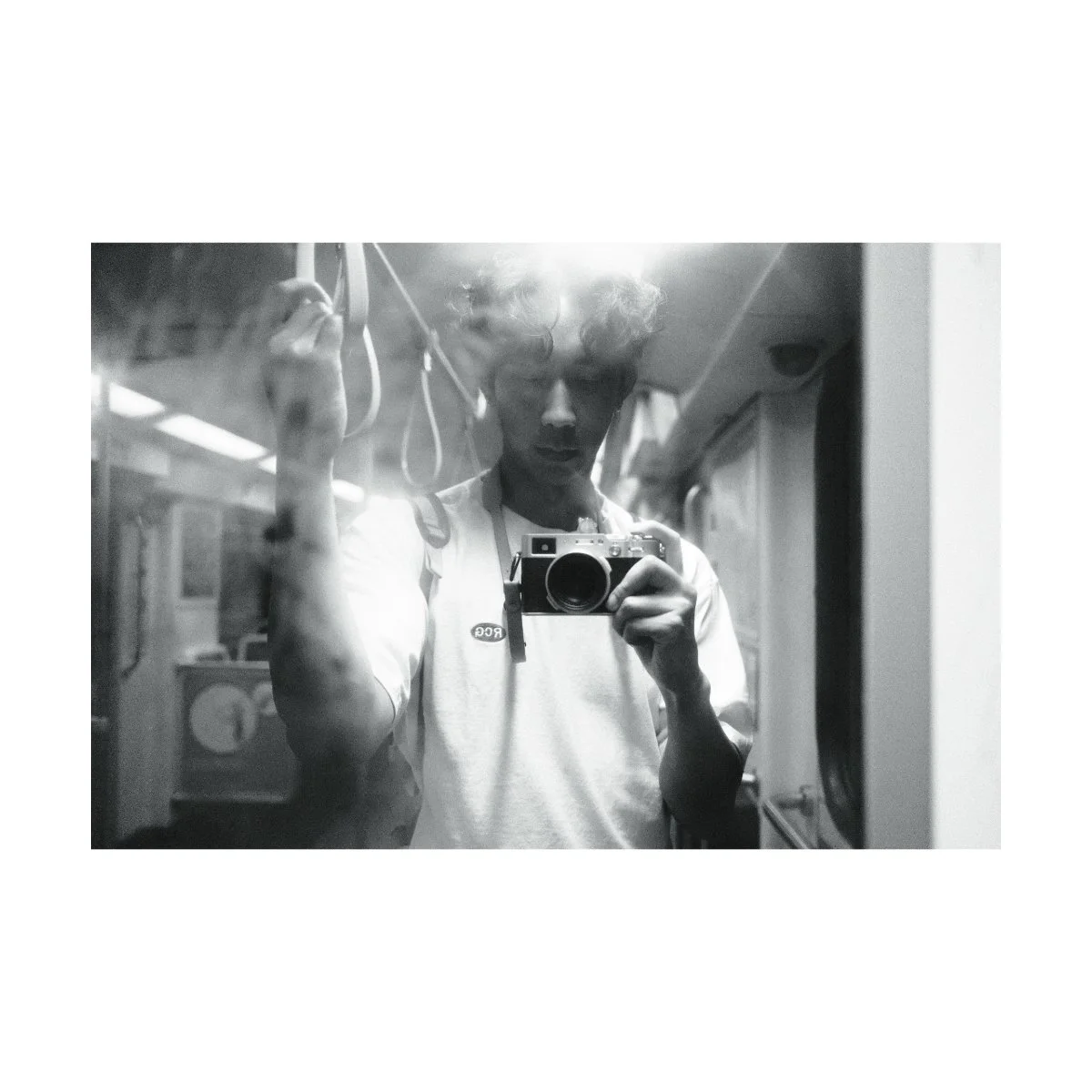
So ultimately, how does the introverted street photographer win?
It starts by recognizing fears as opportunities for growth.
It’s scary to do things outside of our nature, but it’s either that or run away and hide forever.
Remember: “Do the thing you fear and the death of fear is certain.”
Second, don’t fall victim to your uniqueness.
What you may consider a weakness is also your greatest strength.
Your introvertedness could be the very reason you see and observe things others can’t - use it.
Third, stop calling yourself an introvert.
Be careful with your language - labels do us no favors.
If you want to change, all you have to do is ask yourself who you want to be, and then act accordingly.
That’s how we challenge ourselves for growth, utilize our strengths, and reshape our identities.
It’s how we win as “introverted” street photographers and at everything else in life.
If you found this useful, share this with a friend who could also use this.
If you want to shoot more and stress less, check out Photography Systems.
It’s there we cover everything from the process of improving to the psychology of it all.
If you liked this, I think you’ll like that as well.
Thanks for reading, happy shooting.