In 11 Minutes I’ll Improve Your Photography Composition by 111%
Photography composition is not as complicated as you’d think.
You see, many times in the past I’d lend out a camera to a friend or family, who knew nothing about photography, let them take pictures, and they’d get pretty good results.
The main difference between a beginner and an expert then, is just understanding why it works, and the ability to get those shots more consistently.
But it’s not always required, because many times we can take good pictures without knowing why they’re good to begin with.
So why then, does every photographer seem to harp so much about composition?
Well, it’s for a few reasons.
Composition is an integral part to what we do and it’s limitless - there are so many different types of compositions.
This amorphous nature makes composition seem more confusing than it really is.
And for many, if we don’t understand something, it must be important.
Well, composition is important, but it doesn’t have to be overcomplicated, nor do we have to overthink it.
Because photography is simply pattern recognition.
And many of us are already doing the “composition” thing, we just might not realize it.
From here, taking better photos just requires a bit of troubleshooting, self-observation, and a few tweaks.
Today I’ll share with you the few compositional frameworks that have made a dramatic impact on my own street and travel photography.
Many of these were things I didn’t know I was doing, that was working, that I honed in on and made my photos better.
Let’s get started.
A Game of Subtraction
Perhaps the single most important framework that serves as the foundation for my photography was a simple concept I shared years ago.
The video was called “Master This and Photography Becomes Effortless”, and till today, still remains my most viewed video.
There, I coined the phrase, “Photography is not what you leave in, it’s what you leave out.”
If we think about why good photos work, it all stems from this simple concept.
Let’s think about it for a second.
Why do tools like cropping seem to make our photos better?
Cropping is sometimes considered “cheating” or a bad habit to build, but it works.
Another question:
Why does shooting on tighter lenses in street photography tend to be easier?
Wider lenses can result in distorted perspectives and tends to be more challenging for beginners.
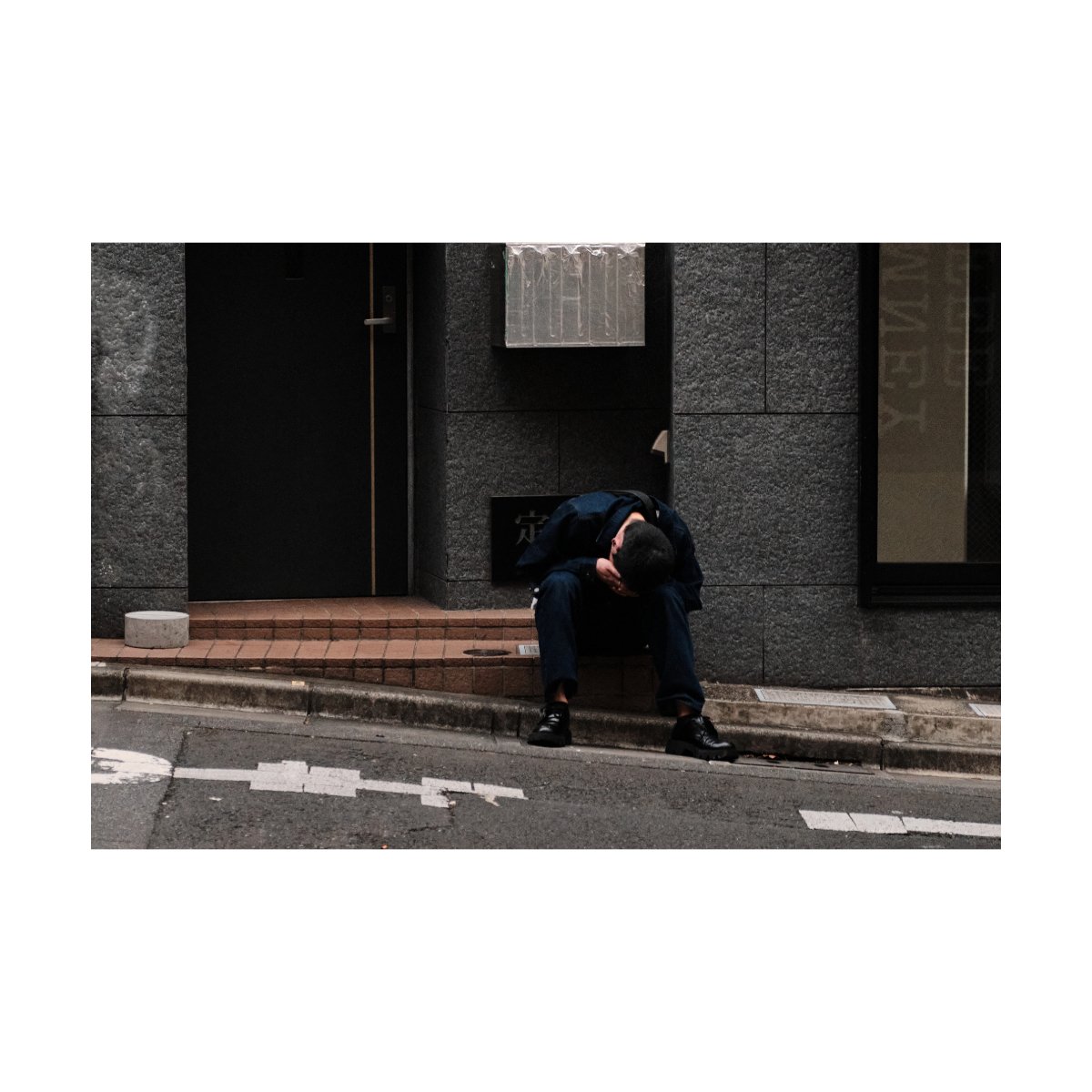
Well, these all follow a similar concept: less is more.
You see a big problem many beginners have in photography is leaving too much stuff in.
We see a scene or a moment and we are captivated, and take the picture of it’s entirety, without thinking first.
But much of the stuff in our frame is unnecessary and gets in the way of what we’re actually trying to convey.
We think all of it’s important because we’re looking at it with two eyeballs, but in actuality, that’s not true.
In fact, many of our photos would be better if we just focused on the parts of our frame that were necessary, and left the rest out.
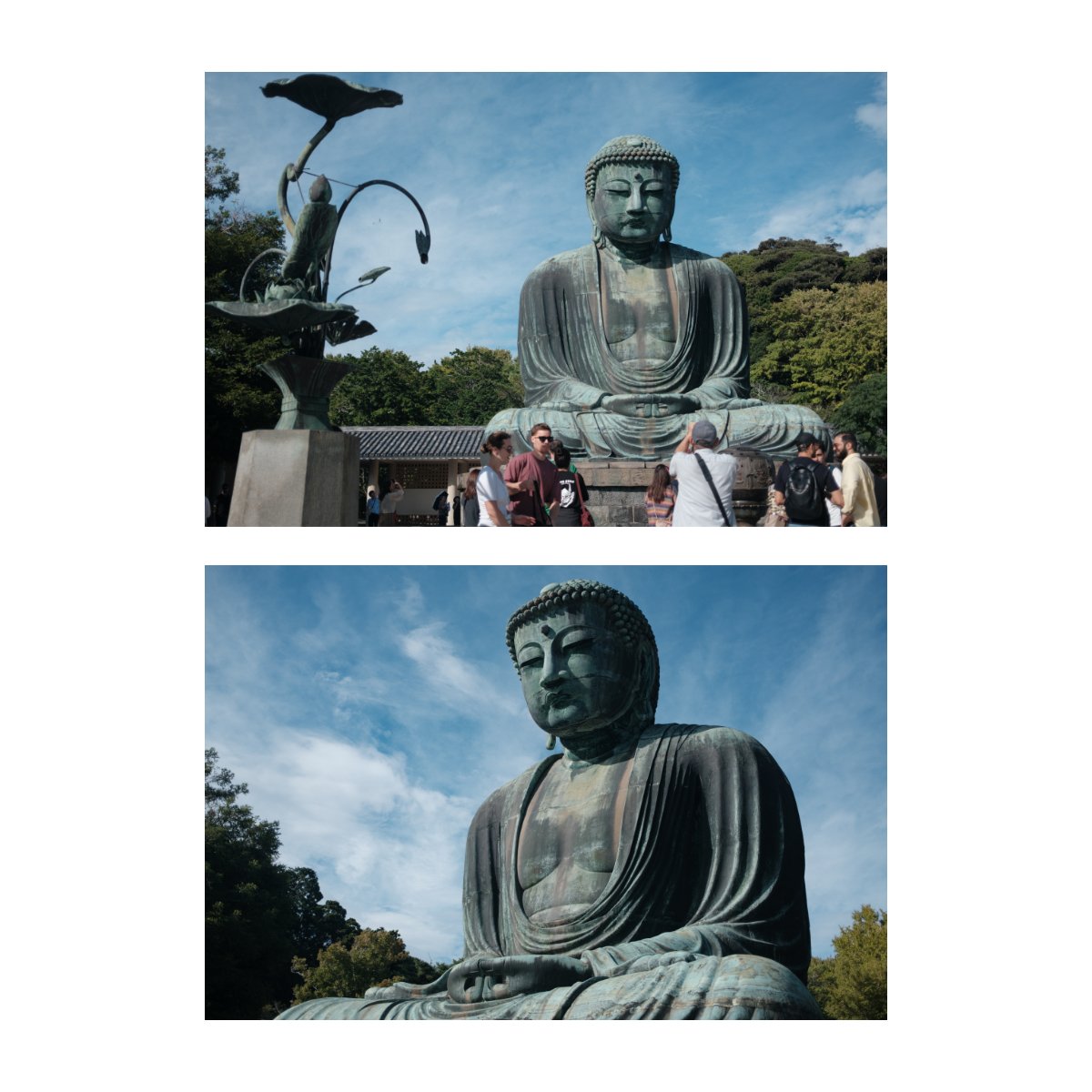
For example, when asked how he carved the statue David, Michelangelo famously said:
"It's simple. I just remove everything that is not David."
Therefore we don’t take better photos by adding more stuff.
No, rather, photography is a game of subtraction, one where we improve our images via negativa.
Get rid of all the elements that are getting in the way of your photo.
Cut out anything that doesn’t belong.
If it’s not making the photo better, it’s making it worse.
Remove the bad and by nature, the photo will get better.
Step forwards, shoot tighter, and crop only if you need to.
If you want to take better photos, remove everything that is not the photo.
Because photography is not what you leave in, it’s what you leave out.
The Weight of Subjects
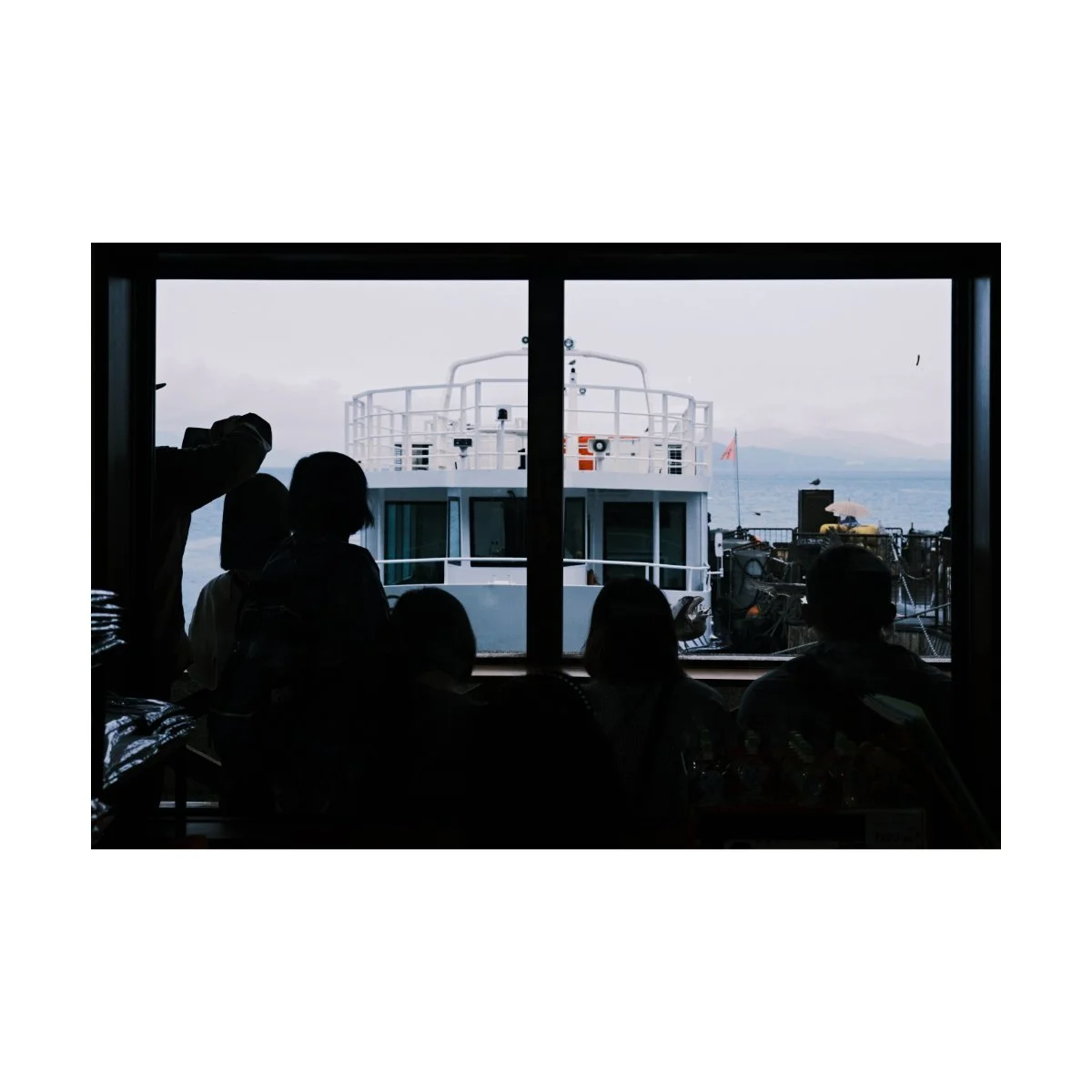
Something I think about, that isn’t taught often, but makes a huge impact on my compositions, is weight.
What is weight?
Putting it simply, weight is understanding the impact as well as placement and distribution of subjects within your images.
And it’s not a technical concept.
Although in the real world you can measure weight in lbs or kilos, the weight of an image is something we feel.
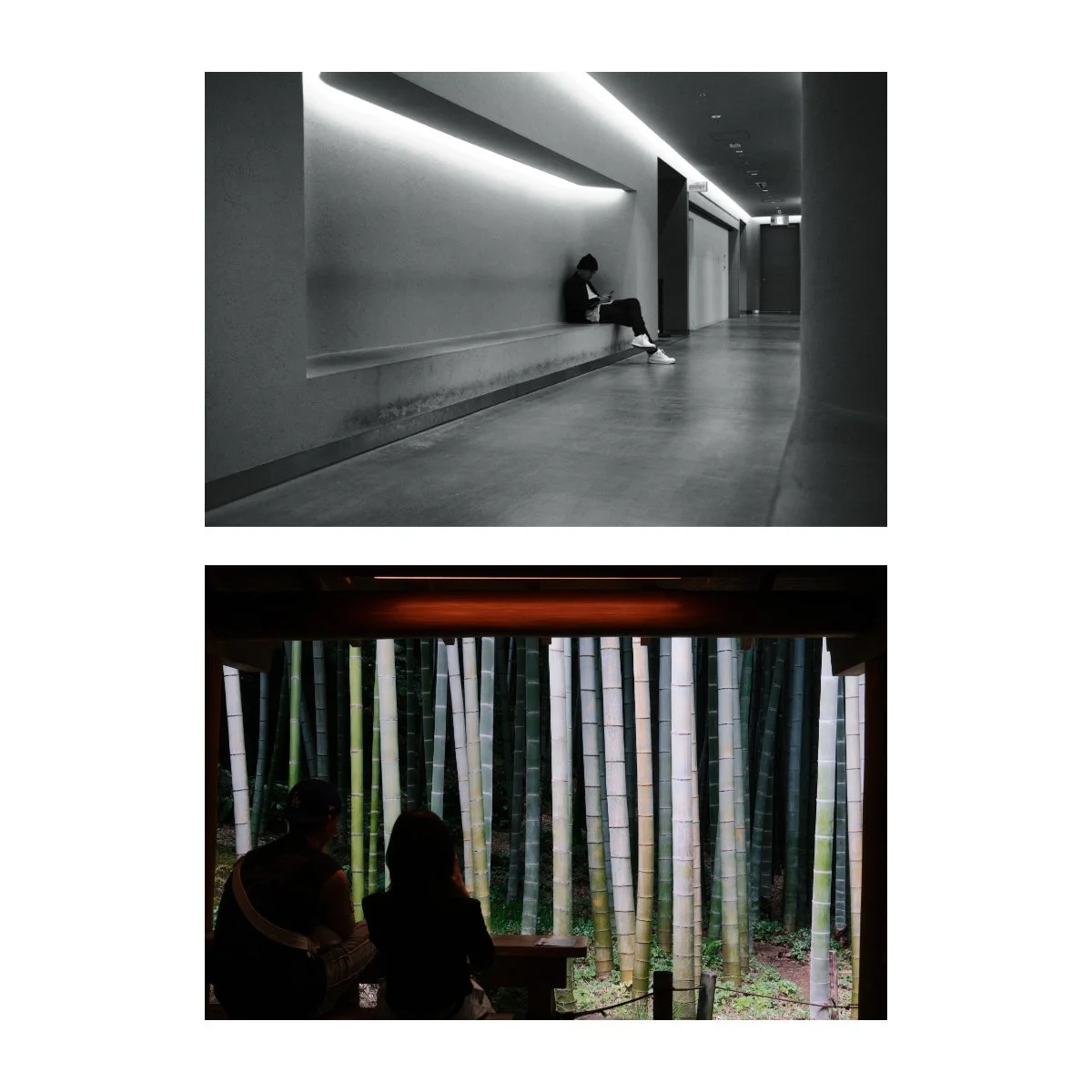
For example, certain types of subjects, like people, will feel heavier, and have more weight than an inanimate object.
Similarly, the larger something is, the heavier it will feel as well.
The heavier, or more weight something has, the more visual impact or burden it will carry.
Therefore we must be conscious of the weight of objects in our frame.
If something is too heavy on one side that image becomes left or right heavy.
And a balanced image means that both sides are filled evenly with things that have a similar weight.
That or they are positioned such that it feels balanced.
You could also leave it uneven or unbalanced, if that’s the point.
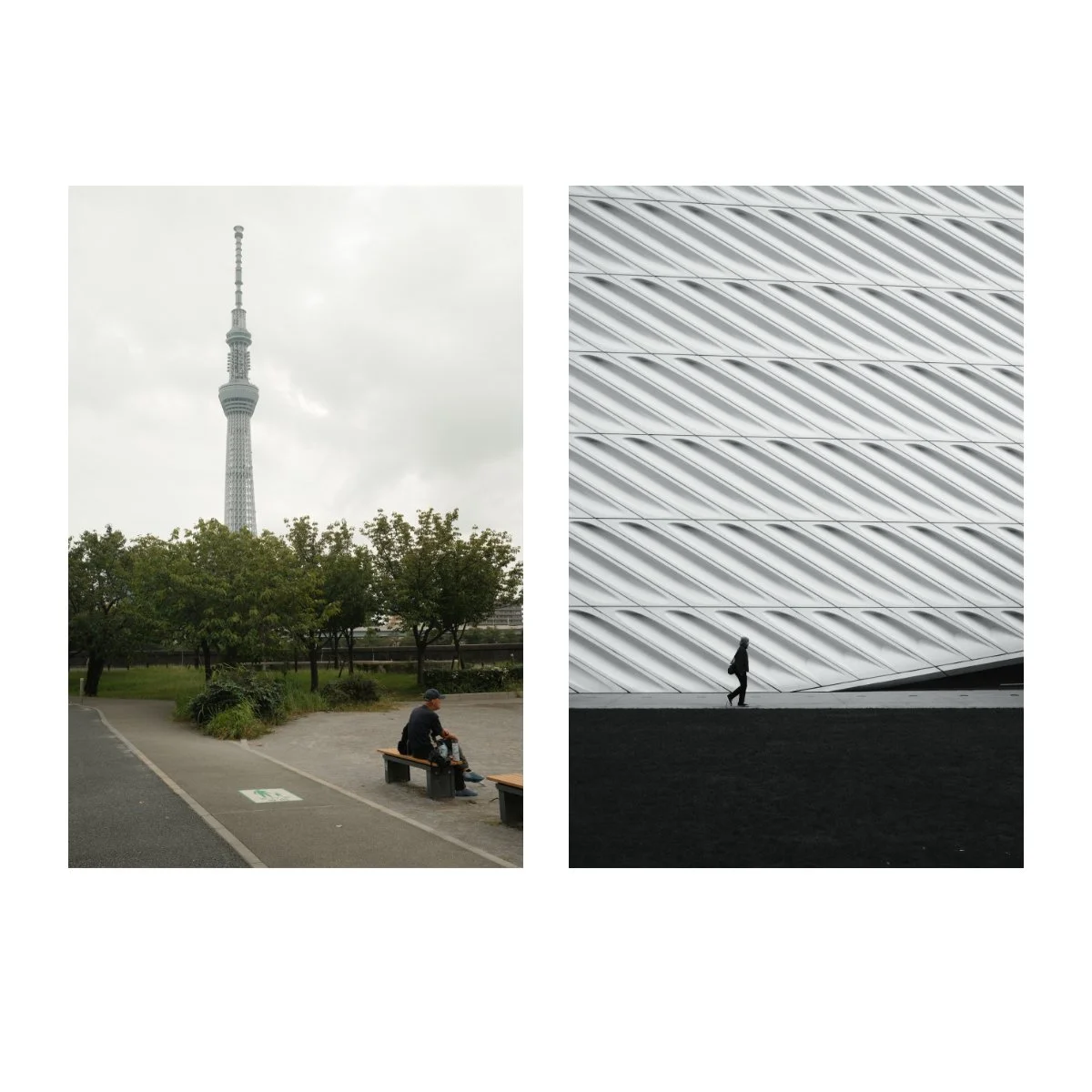
How we use and play around with the weight in our images will affect how viewers feel the shot, regardless of if they know anything about photography or not.
It’s why the most basic composition is a subject center-frame, because that’s where the weight is most evenly distributed.
And leveling up your compositions means being able to put your subjects in different places and still make it work.
This could mean two subjects on opposite sides of the frame.
Or one subject, heavily placed on one side, but balanced in the frame with something else.
Too much stuff on one side, unbalanced, can feel stiff or awkward.
And subtle variations in weight can still look good, even if not perfectly matched.
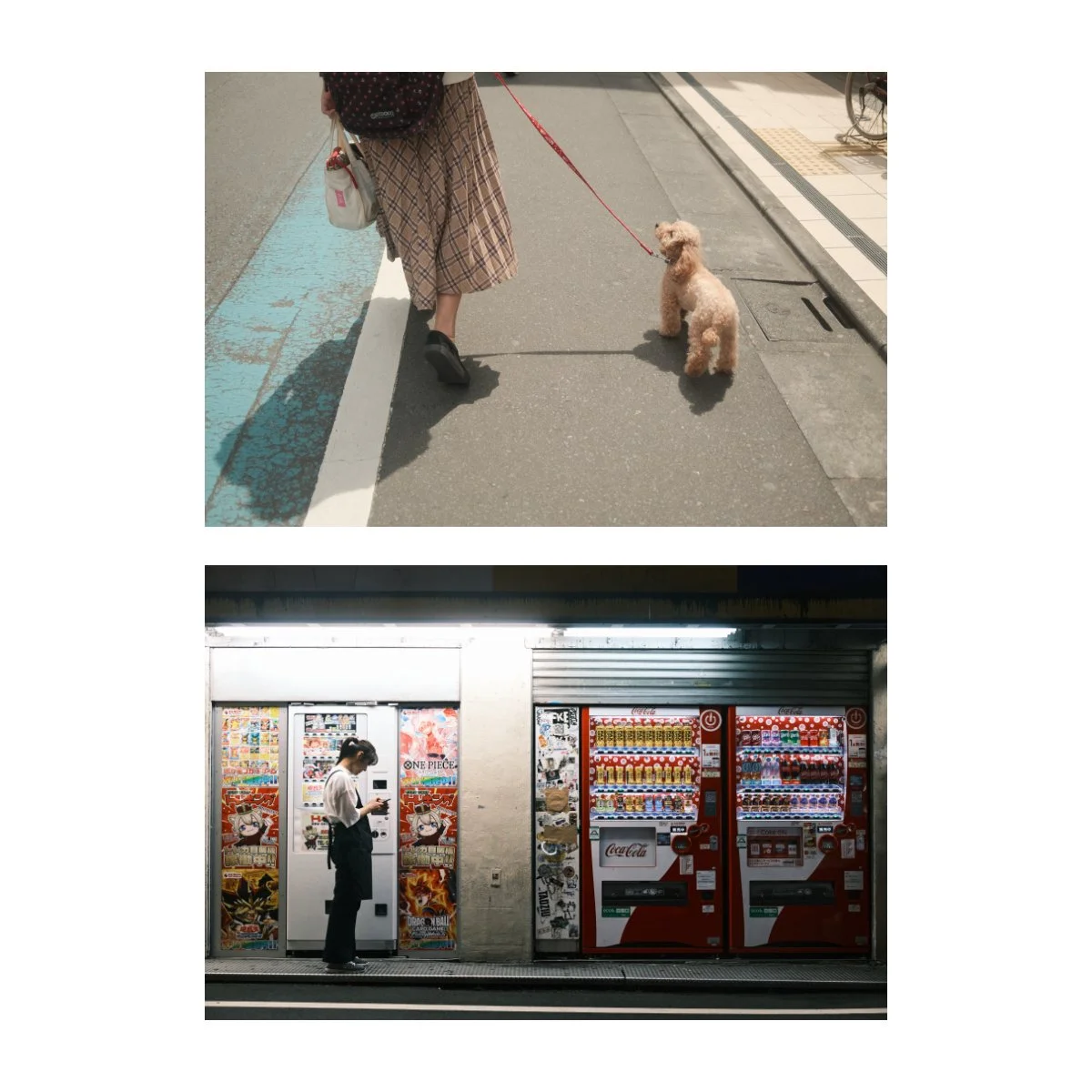
Understanding weight takes time and a lot of playing around with, but it’s an important part to how your compositions work.
The key to understanding weight is to simply start thinking about it.
Approach your photos with weight in mind, review old photos and check if the weight makes sense, and even play around with different subject sizes on a piece of paper.
Over time you’ll start realizing what works and what doesn’t, and why - and you’ll be able to use that to improve your photography compositions.
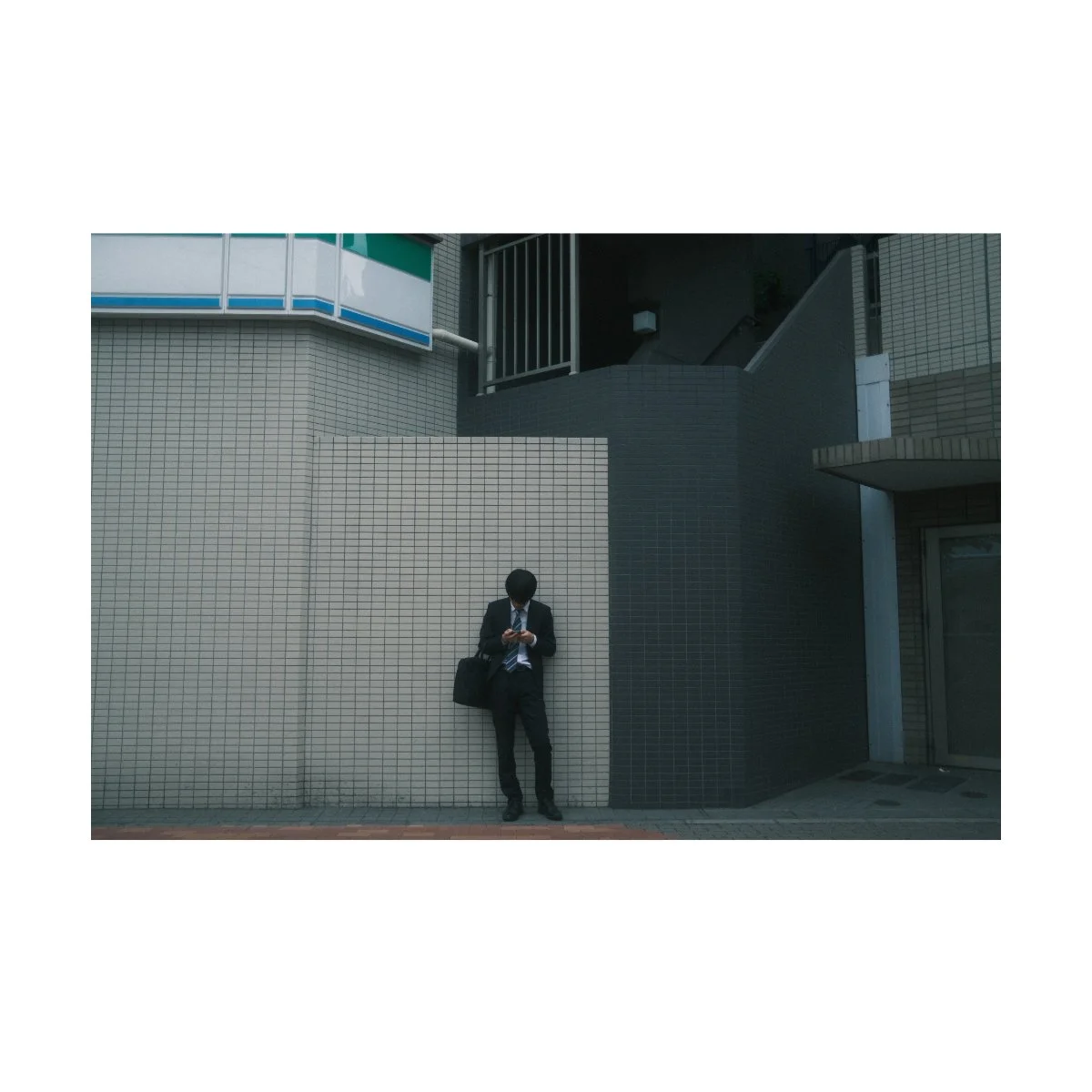
Have a Clear Focus
Perhaps the most simple but most underrated way to improve your photography composition is to have a clear focus.
And by focus I don’t mean the actual focus of your camera.
I mean what you’re focusing on.
Whether it’s the subject or the scene, thinking intentionally about who or what we’re trying to convey will make our photos better.
Don’t think or assume the viewer will just “get it”.
It’s not their job to do the guesswork and try to figure out what you want to show them.
Especially in a busy online world where people average 10+ scrolls a minute, most people aren’t going to care.
Therefore, if your photos are clear and make sense visually at first glance, they’ll have a higher impact.
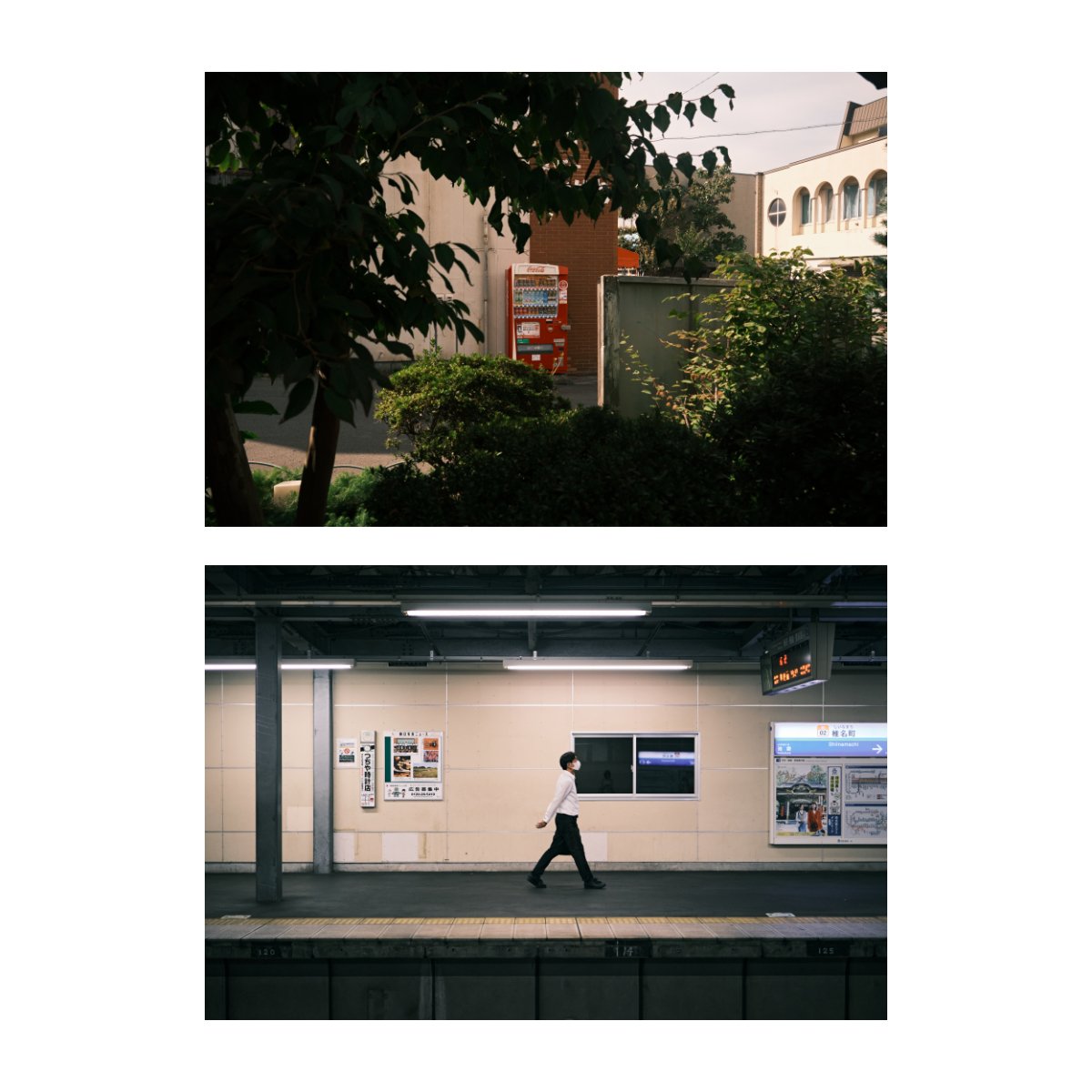
The most basic way to do so is to have a center subject.
Focus on the subject in the center of your frame and people will get instantly what they’re supposed to be looking at.
It can be a bit basic, but it’s the most obvious for the viewer, and easiest for us to do.
This is much better than an ambiguous photo and we can work our way up from there.
Other things like weight (which we just talked about) and perspective (which we’ll talk about in a bit) also play an impact to where the viewers eyes go.
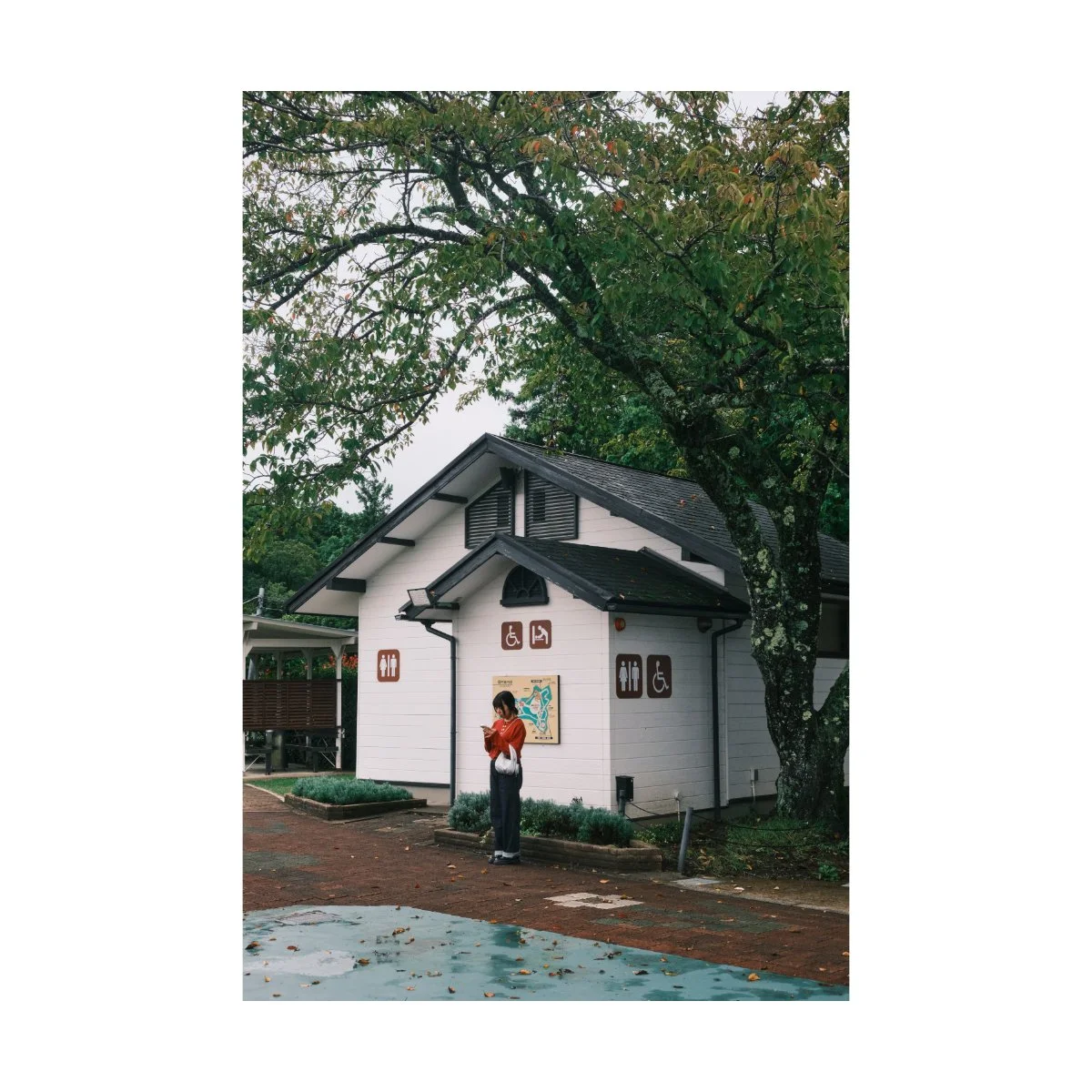
How you position higher priority subjects versus lower priority subjects will push the viewer to look there first.
If something is visually heavy, make sure it’s in focus or else the viewer will get confused.
Simple things like leading lines can draw the viewer’s eyes onto something you want them to look at.
Or they could serve as a framing mechanism, settling the subject properly in the shot.
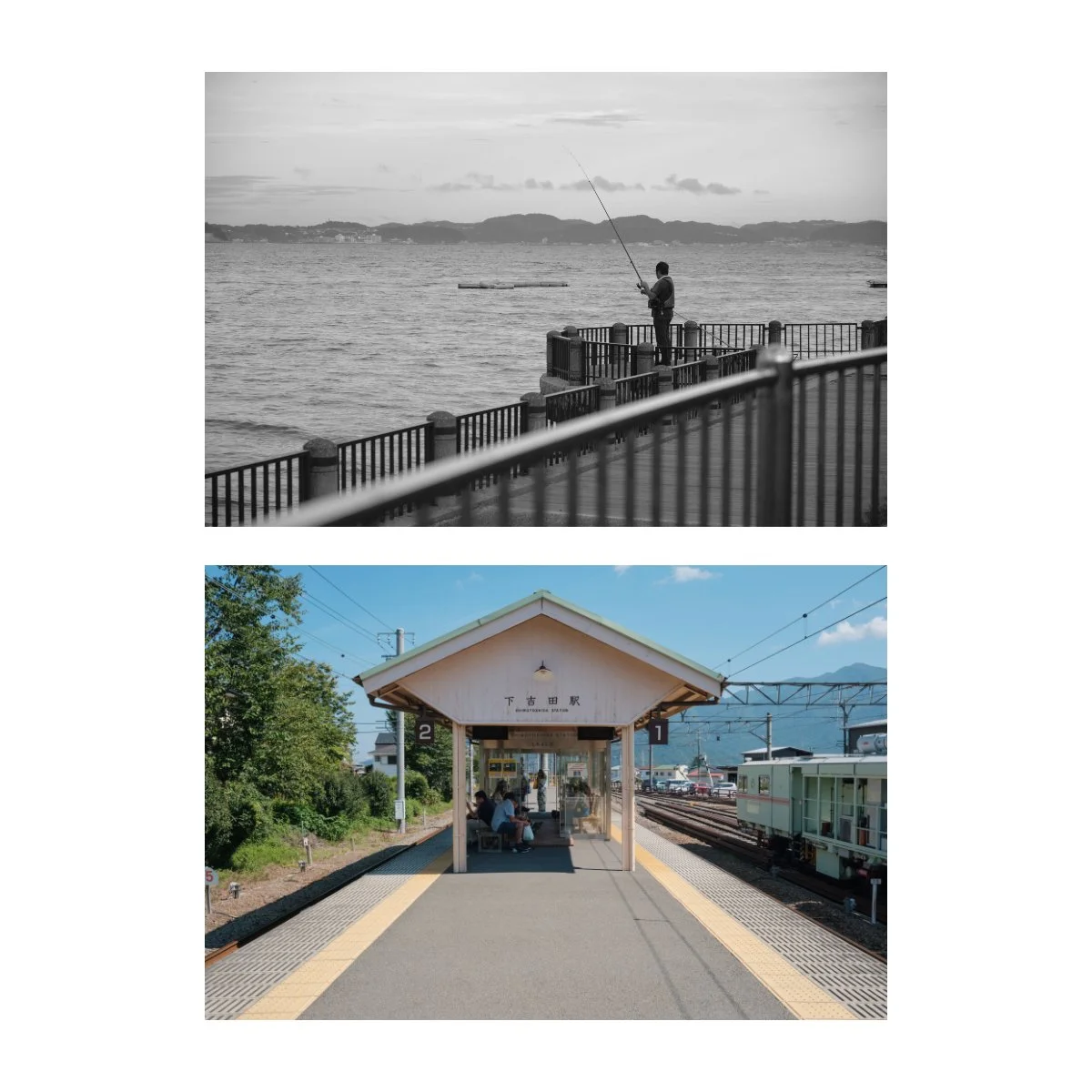
There are a lot of ways we can achieve clarity of subject, but don’t overthink it.
Just remember:
Your shot doesn’t need to be complex, it needs to be clear.
As long as you’re properly thinking about what you’re trying to show before you take the shutter, your photos will begin to make more and more sense to others.
A Little Perspective
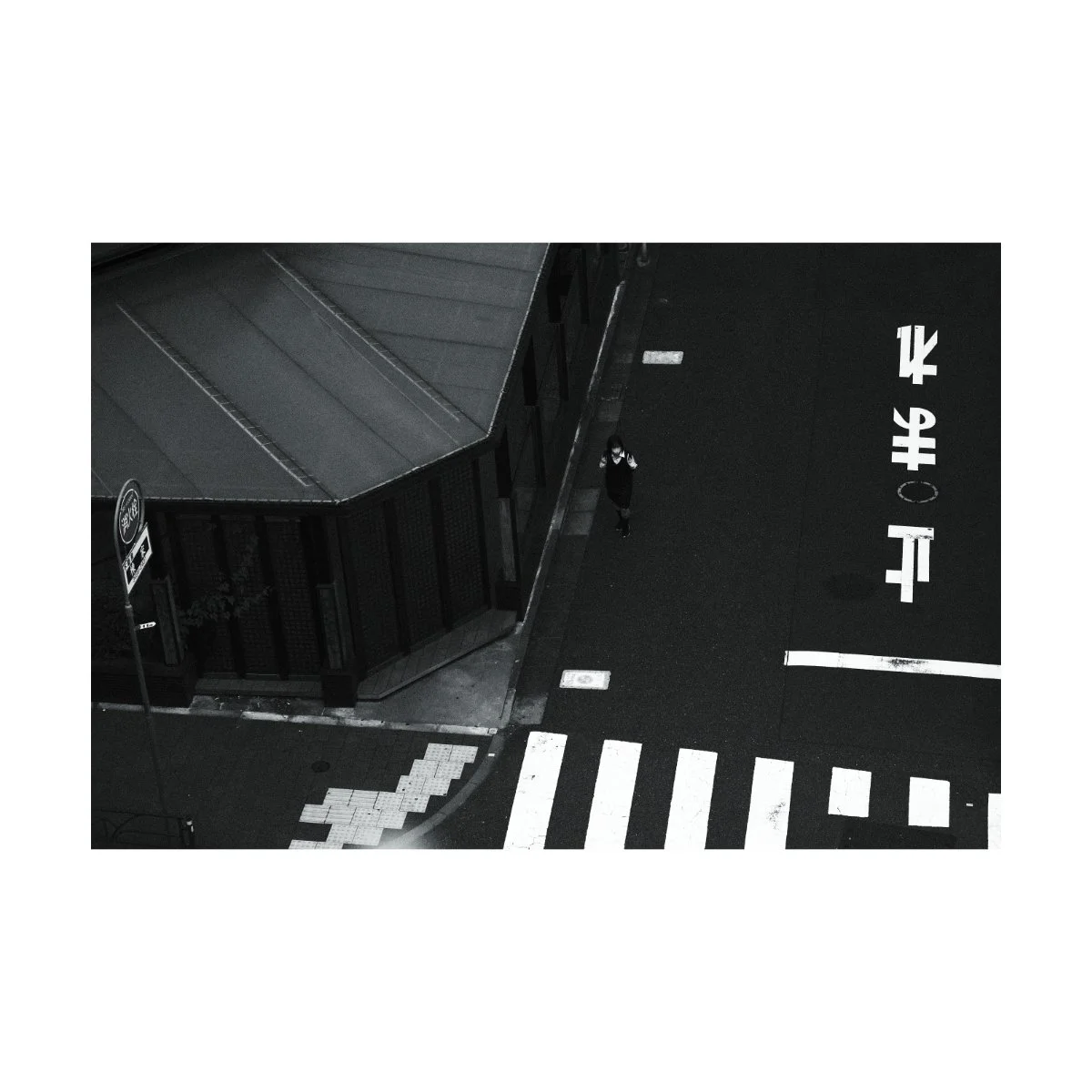
A lot of people’s photos suck because they lack a fundamental understanding of perspective.
Perspective is a basic concept in photography but often times it’s challenging to nail.
In fact, many times, I’ll focus more on perspective than other aspects, because if I know my perspective is off, the photo will look bad no matter what.
I made an entire article on perspective that will teach you much of what you need to know.
There’s also a full chapter on perspective in Photography Essentials, check both out.
But basically, do these things to improve your perspectives, and therefore your compositions:
Stop shooting at weird angles unintentionally.
It’s not how your brain naturally sees the world and could be throwing your shots off.
Start getting really good at dead-on shots.
Dead-on shots are the foundation of orientation, and having a true north will help guide your frame better.
Figure out how to orient your camera properly in a still-life way where even the simplest of objects can look good.
When you’re really good at orientation and perspective, your shots will start to look good no matter what’s in it.
This will translate to all forms of photography whether it be portraits, street, or landscapes.
Focus on the basics, the little details, getting everything straight, nailing the shot, and it will show.
From there, you won’t need levelers, leading lines will become obvious to you, and your photos will almost magically look better.
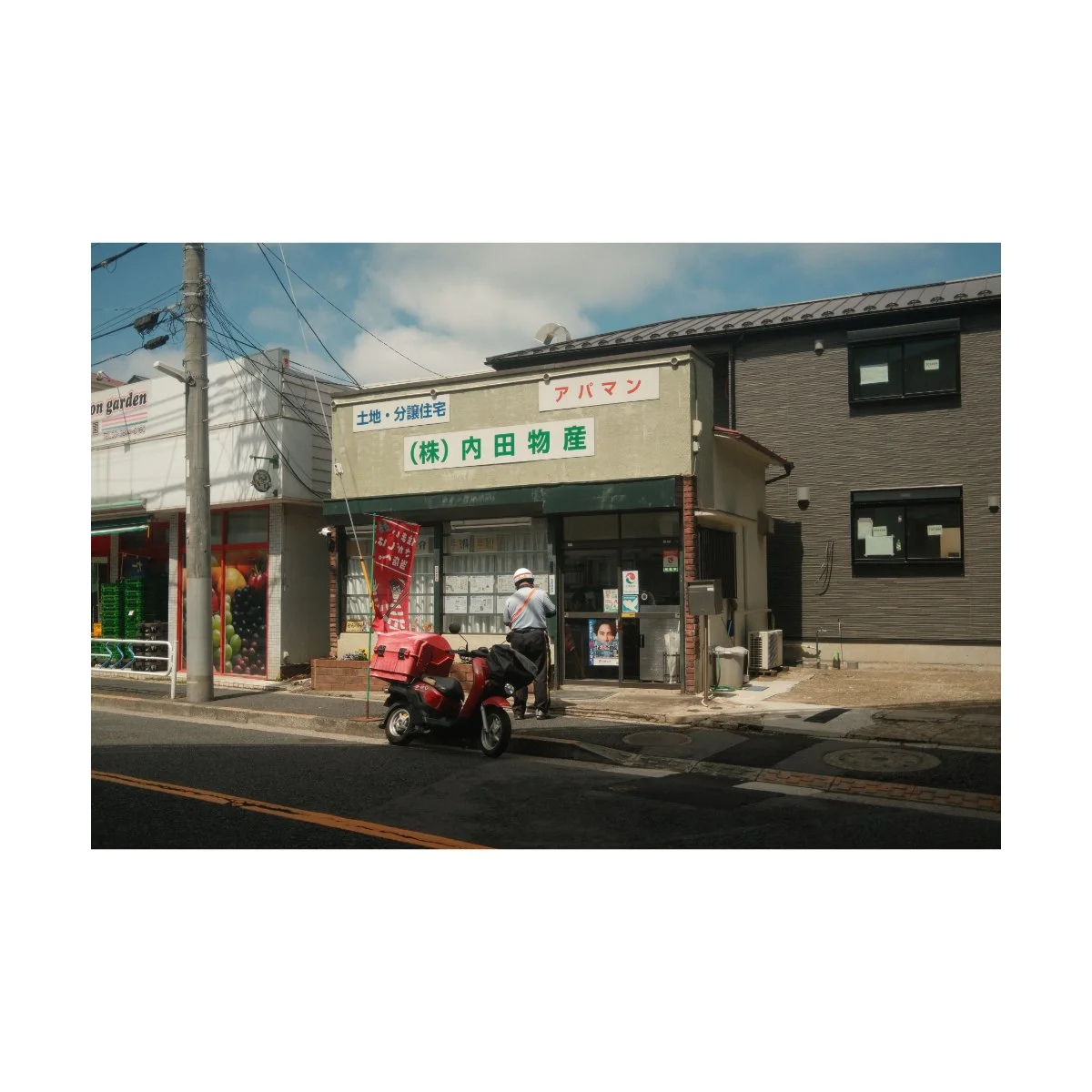
Subject in Scene
The problem with many photographers is that they only focus on subject.
The person in the photo, the expression they’re trying to capture, etc.
But much of photography is a mixture of both subject and scene.
So although subjects are highly important, if we forget about scene, our compositions can look off, even if our subject is in focus.
Or at least, it won’t look as good as it could.
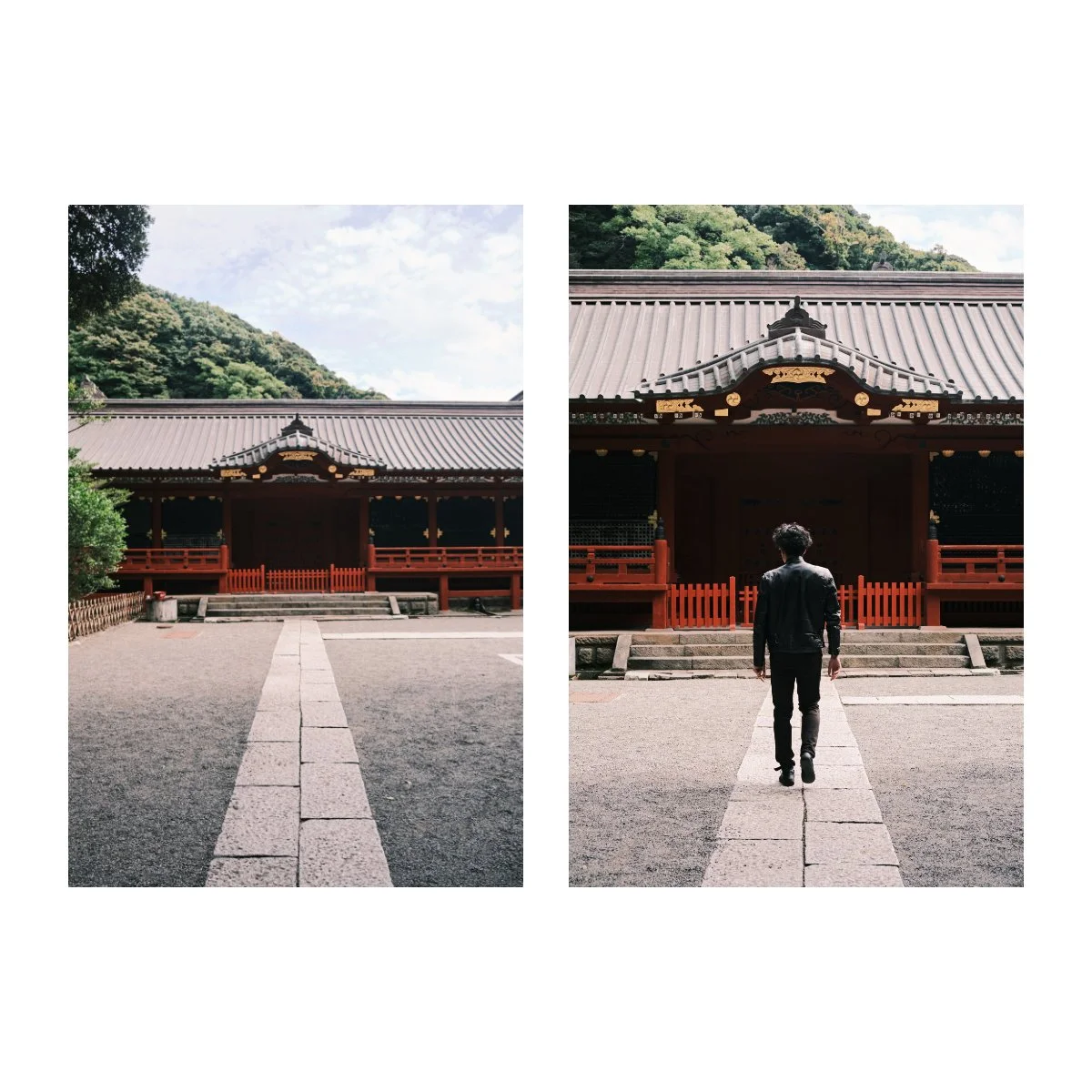
Let’s talk about scene for a second.
What is scene?
You can think of scene as the environment, the background, or everything that is not the subject.
It’s all the stuff happening around the frame, that holds the frame together.
Scene gives our photos structure and using it right can be a powerful tool for any photographer.
Because although you can shoot super tight or wide aperture and blur everything away, you don’t want that for every photo.
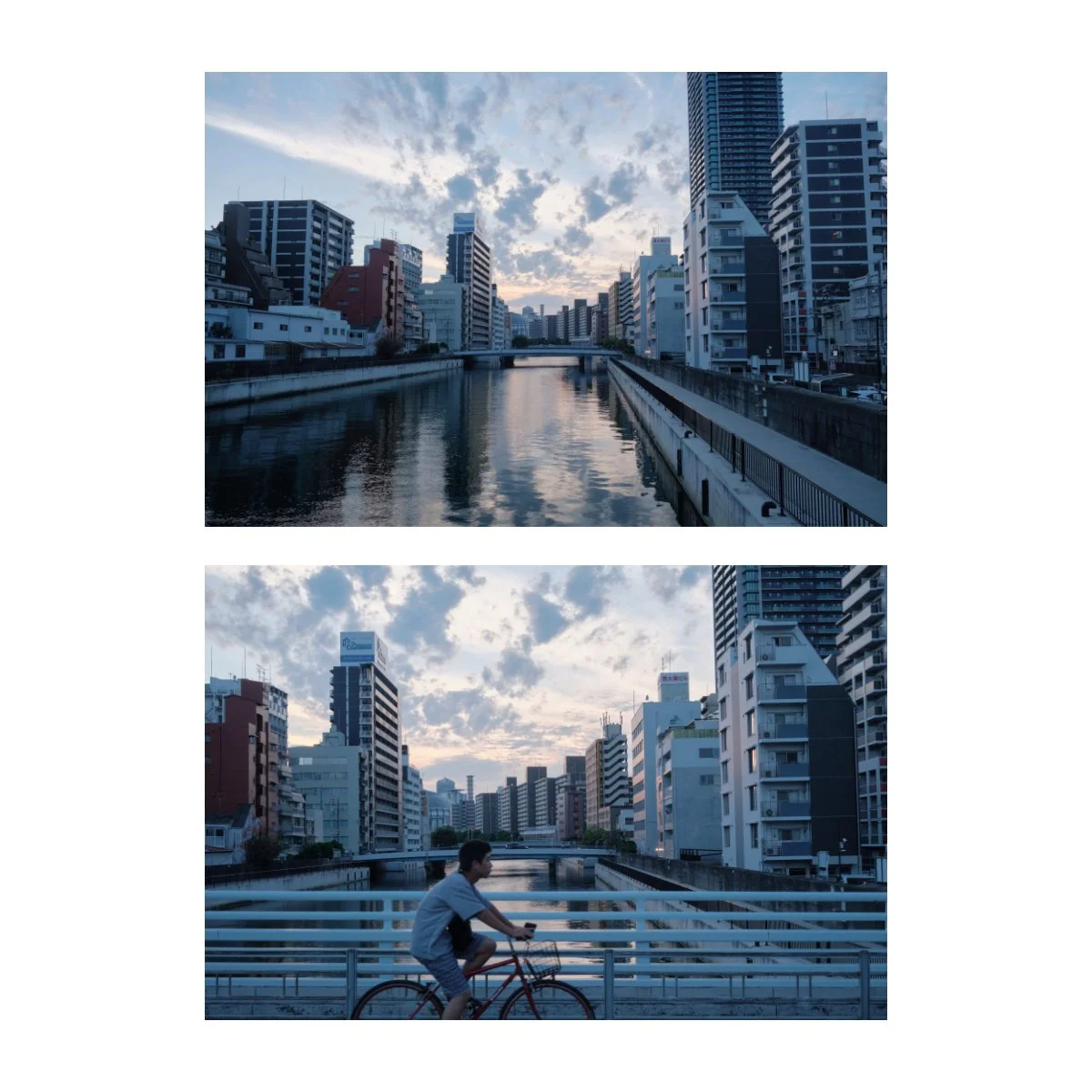
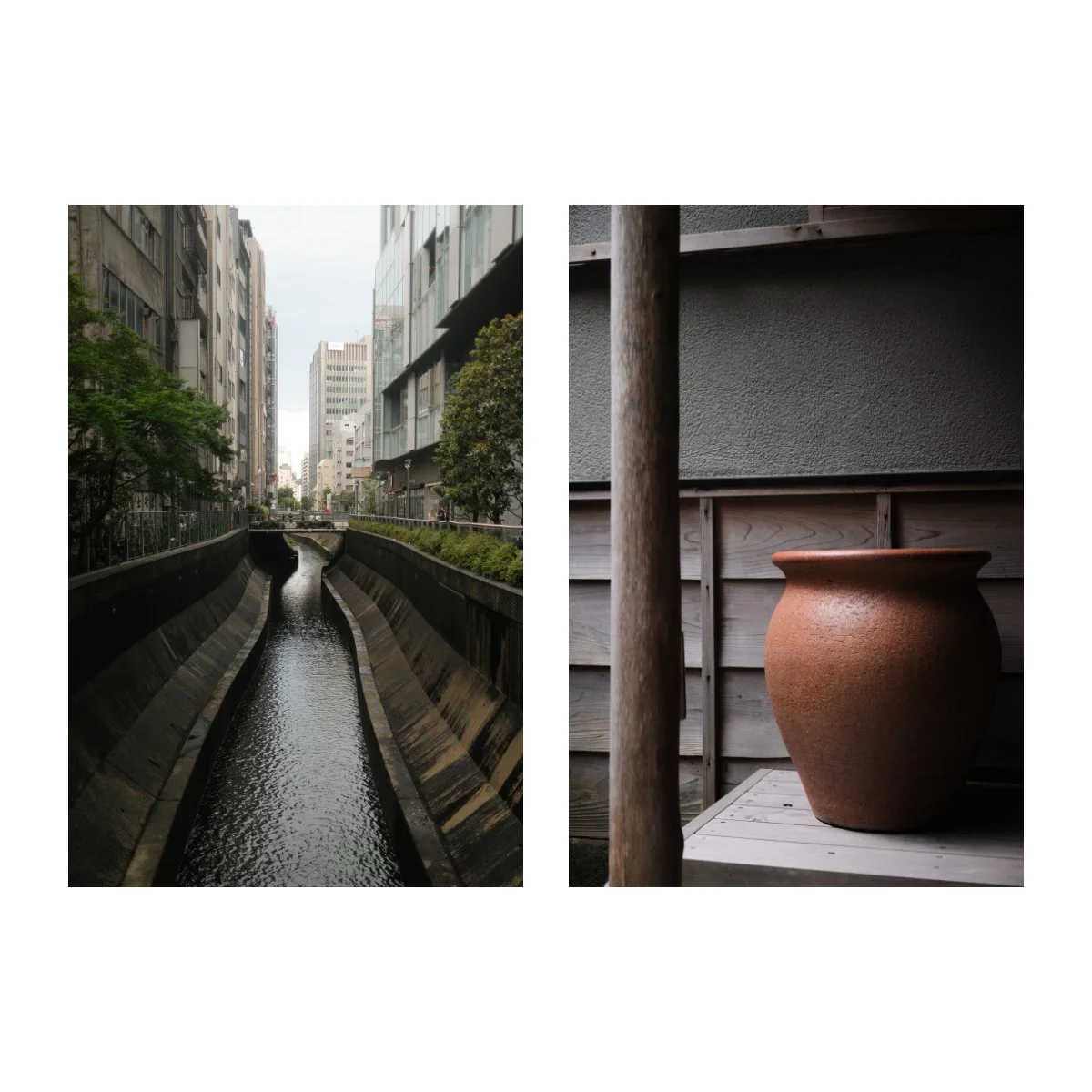
For example, sometimes I’ll take street and travel photos without any subjects in them.
It could be a simple interesting pathway.
Or the side of a building that just looks really nice.
In these cases the scene becomes the subject.
But one could also imagine the same shot with a subject itself.
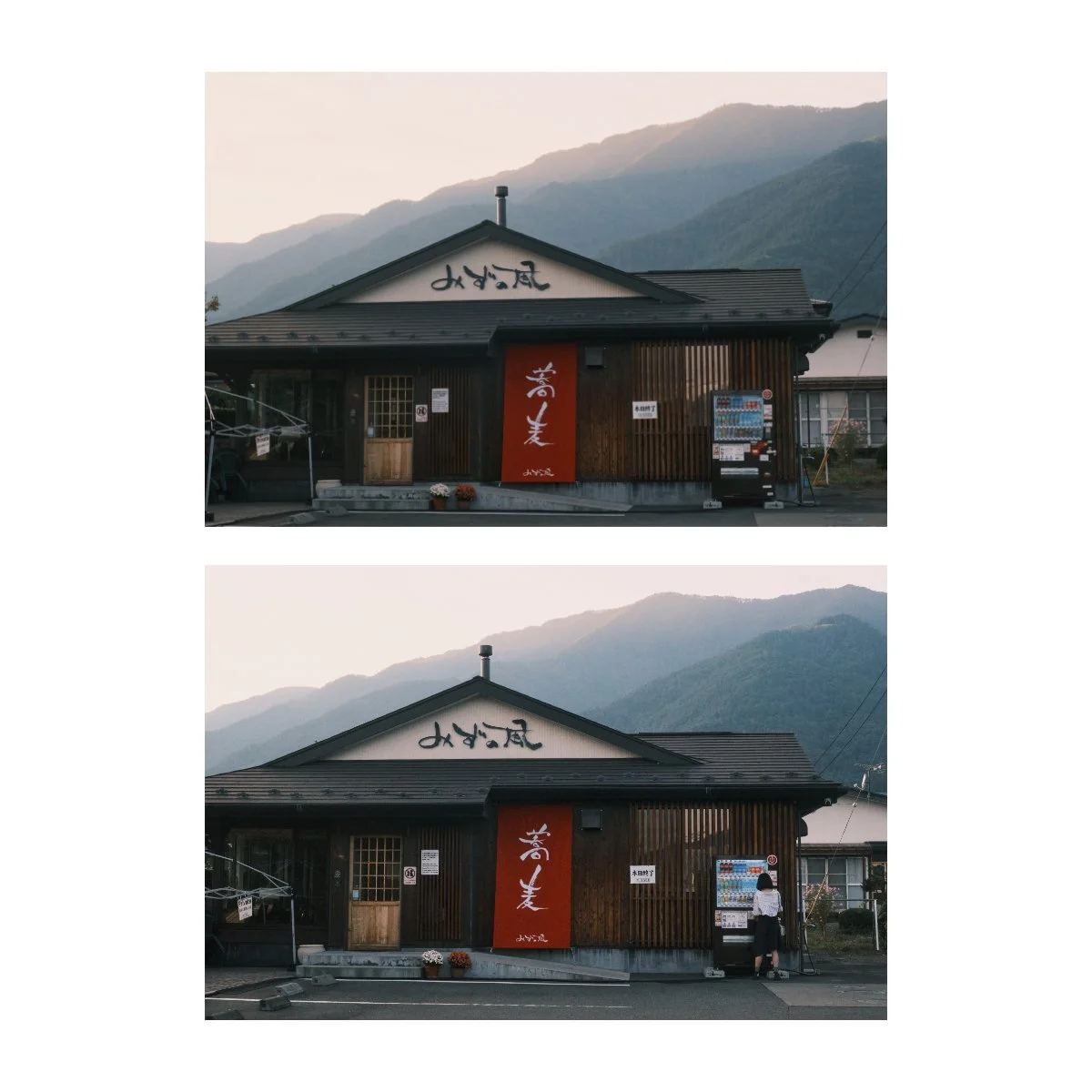
Learning how to take a shot that works with or without a person in it is the key to understanding scene.
Because once you start adding subjects, you’ll have both the power of the subject, but also the structure of your scene.
Therefore your compositions will look better independent of subject matter, and that’s an important skill to have.
So my recommendation is to learn to capture the scene first, then add subjects.
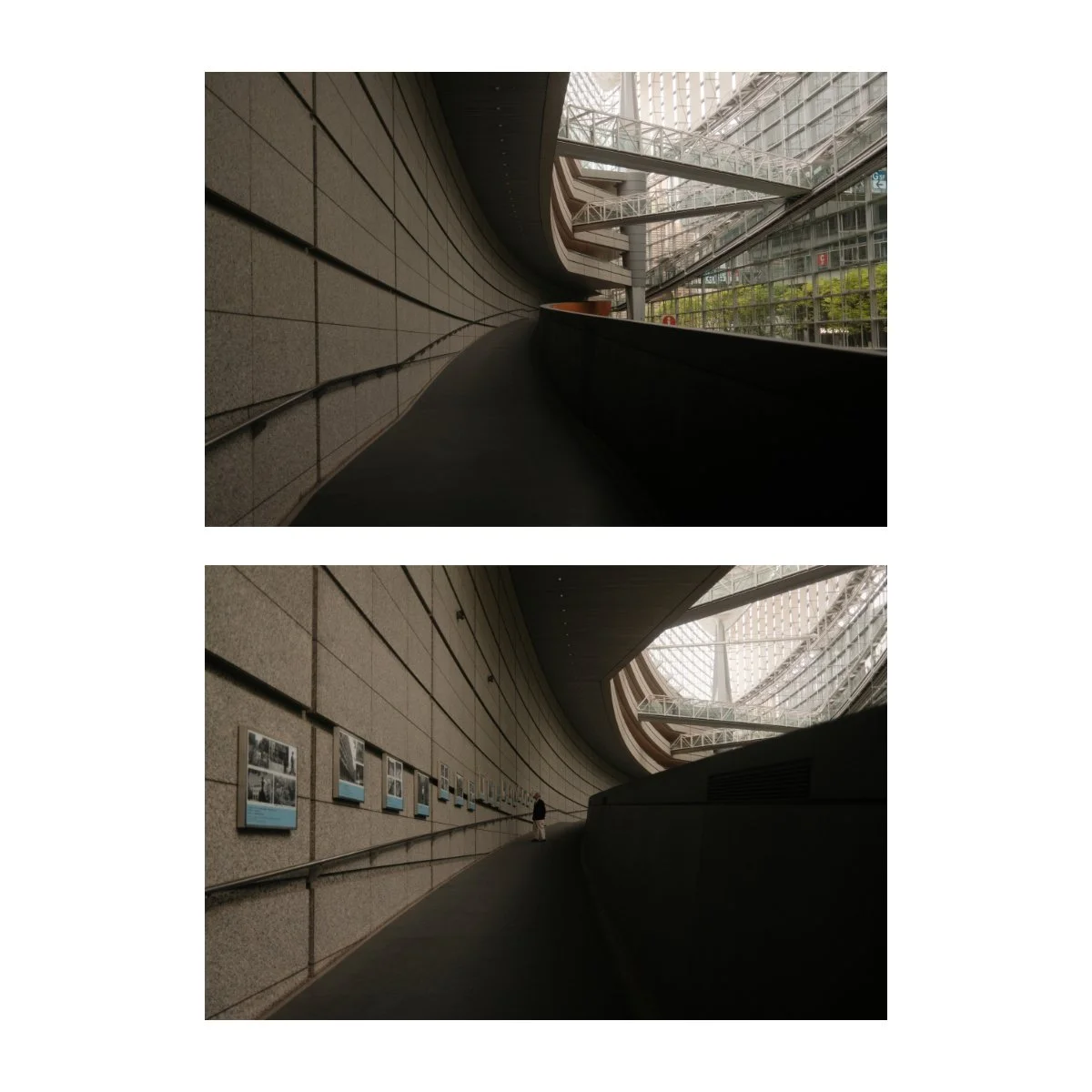
A lot of people focus on subject first, which isn’t entirely wrong, but the subject can sometimes distract us from the scene.
If we focus too much on the subject, we forget the scene, which is the web that’s holding it all together.
In fact, many “good compositions” make use of the scene well, and that’s why they look better than your average photo.
If you can understand this and learn to use your environment, your photos will no longer look purposeless.
This applies just as much for street photography as it does for portraits.
What we want to do is get both right individually, then figure out how to get both right together.
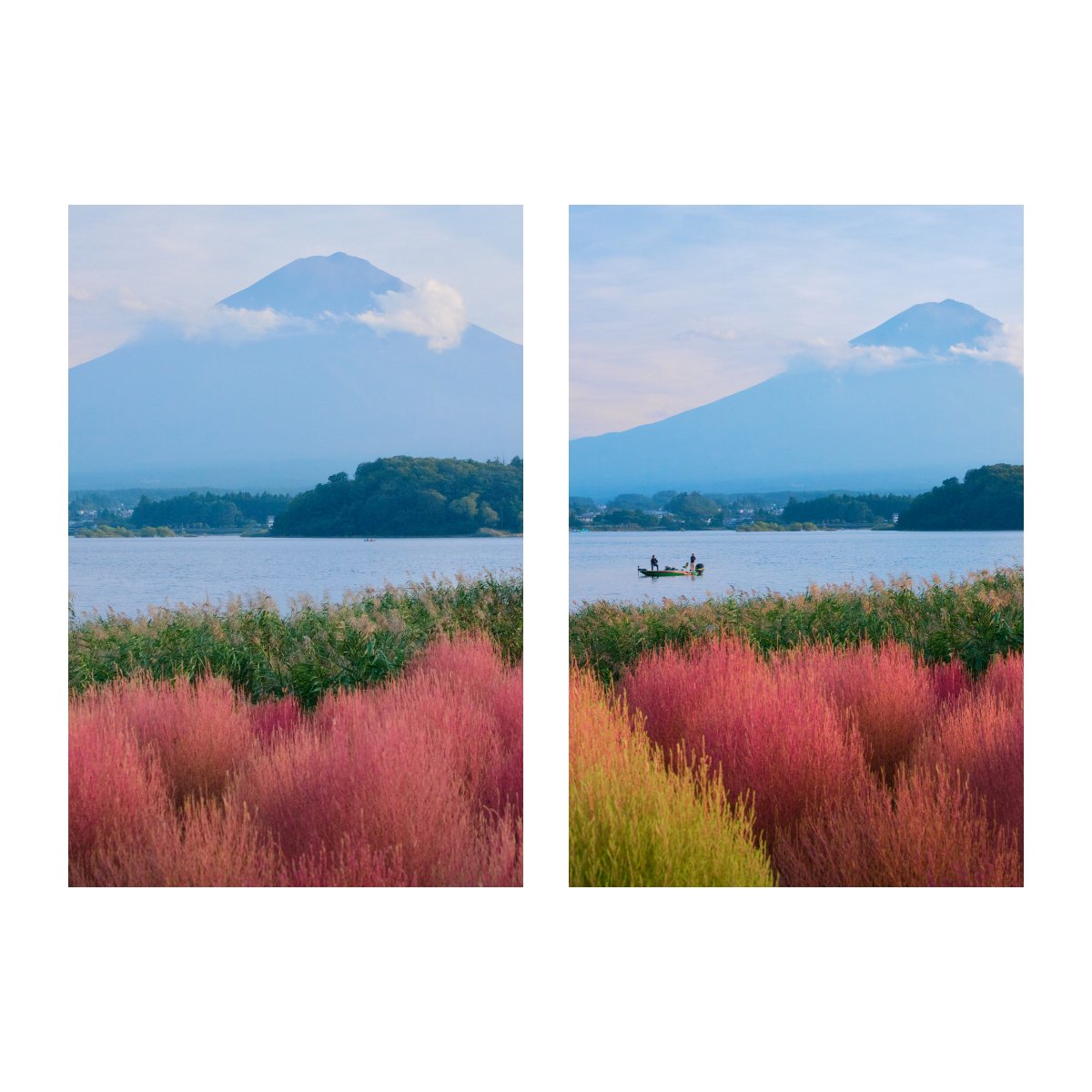
So, those were 5 major tips to help improve your photography composition.
I hope you found this helpful - if you did, share it with a friend who’s also looking forward to level up their photography.
If you want to learn more, check out either Photography Essentials or Photography Systems.
Thanks for reading, happy shooting.