Small Changes That Turned My Street Photos from Boring to Bold
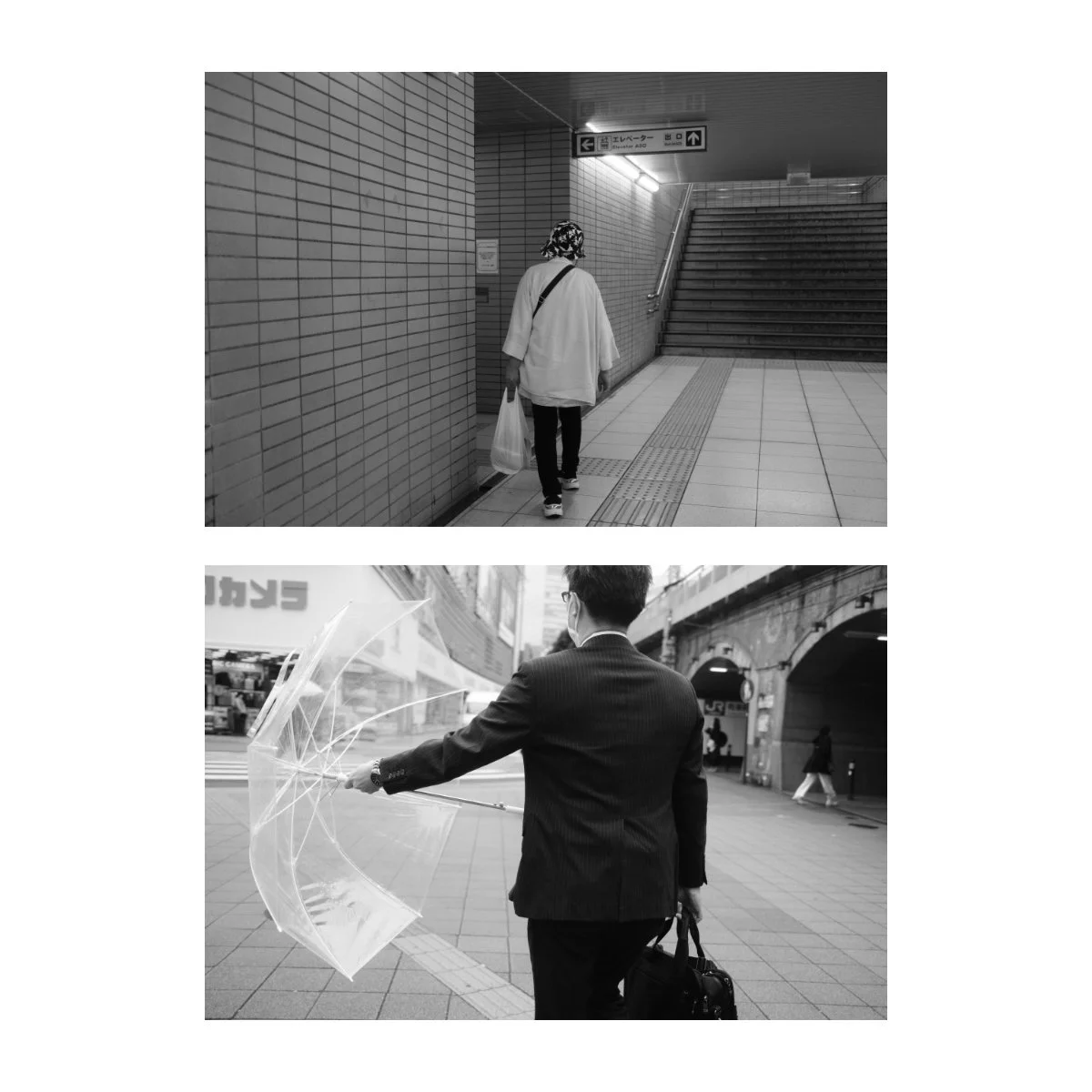
One of the many challenges street photographers face is taking pictures of other’s faces.
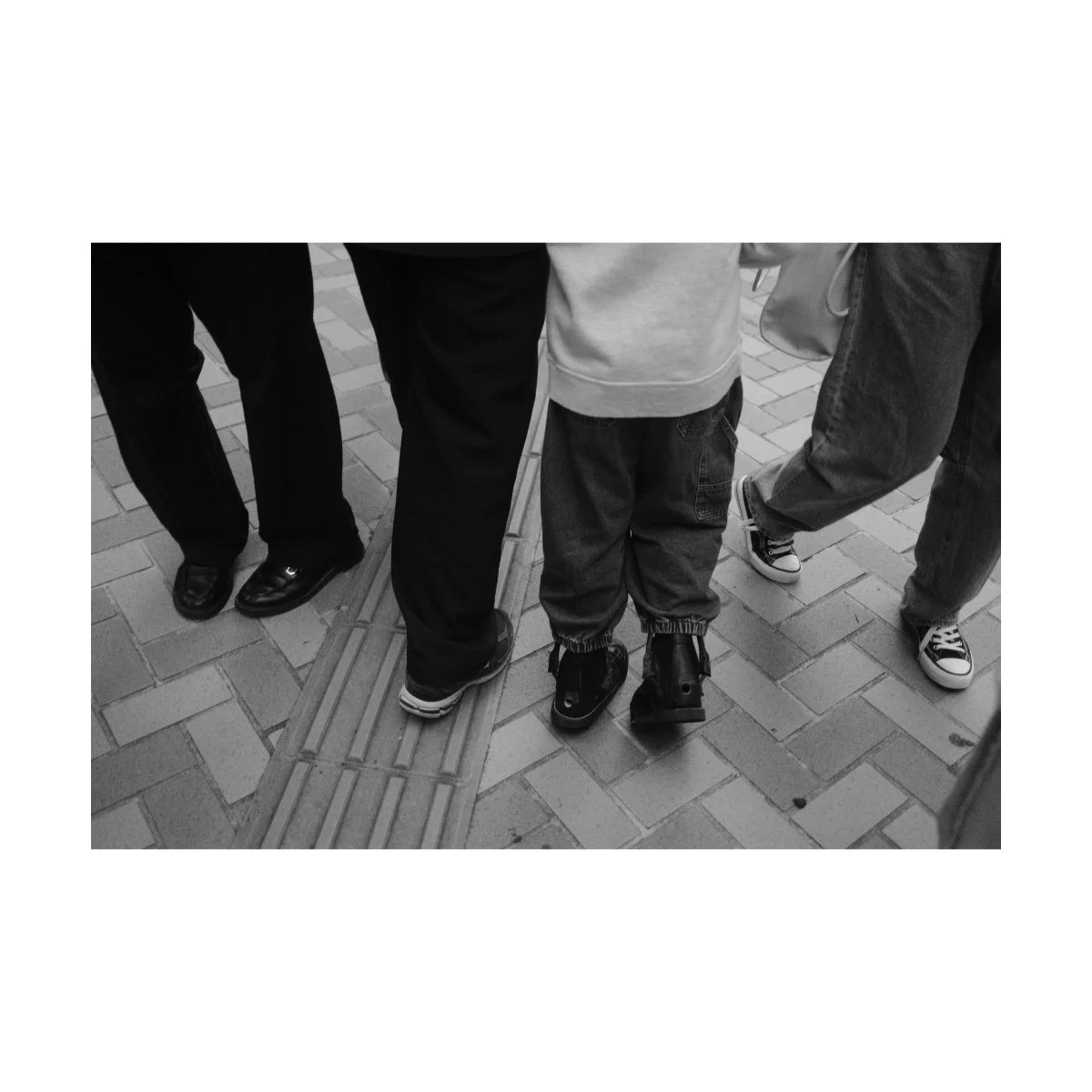
Instead, many will default to taking photos behind the person, because it’s safer, easier, and less confrontational.
But faces have an inextricable power to them.
They tell a story, they show emotion, and they draw more attention to the viewer.
So if you wanna get better street photos, it means getting out of your comfort zone and photographing from the front.
If you have this problem, don’t worry, you’re not alone.
This actually happens to be one of my biggest weaknesses in street photography.
I photograph a lot of scenes, and many times, just get the back of people’s heads in my shot.
This doesn’t mean the photos are bad, but a variety of frames would be welcome.
So I’ve been making some steady yet great efforts to change.
Today I’m going to share with you some of the things I’ve learned to help take your street photos from boring to bold.
Let’s get started.
Stop Making Eye Contact
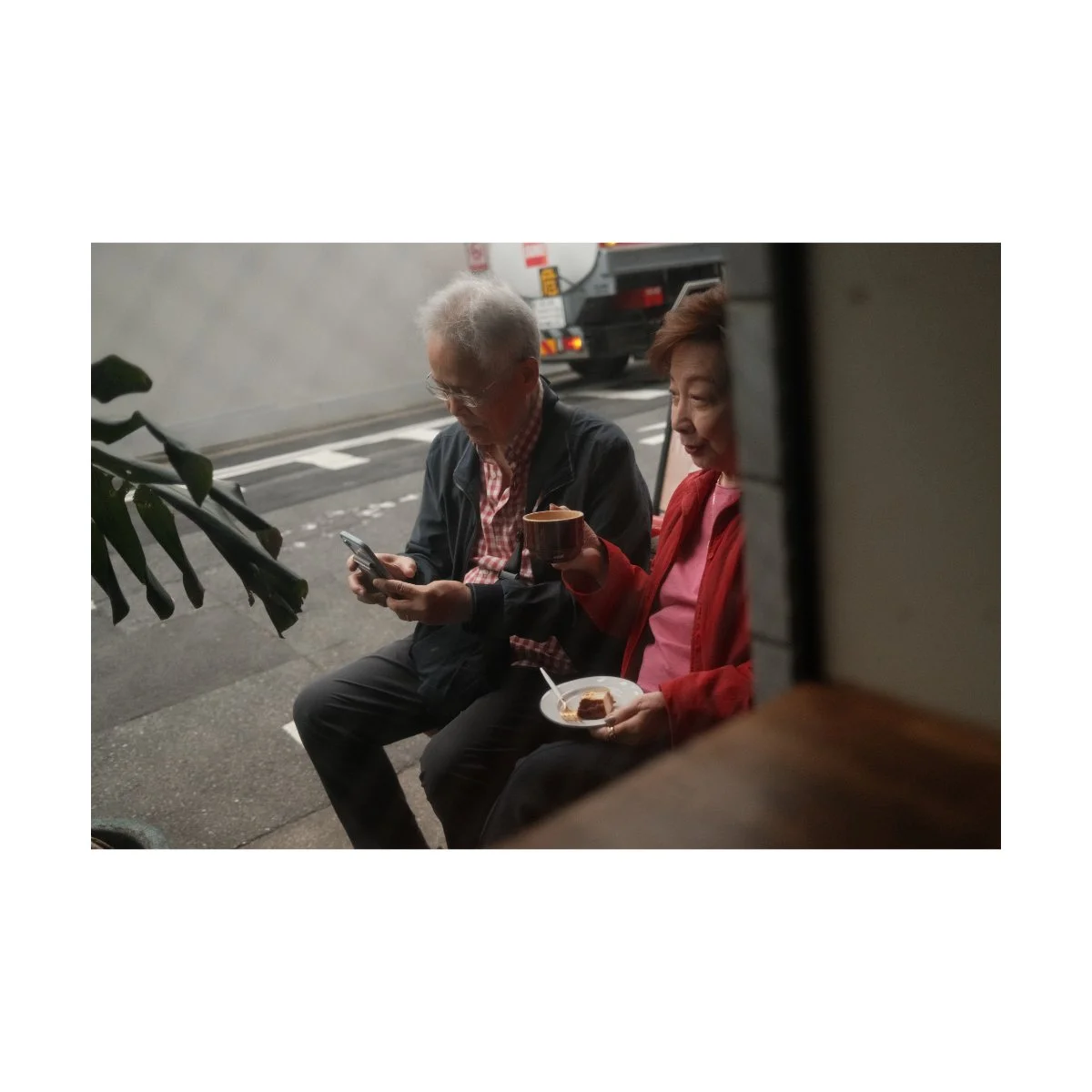
If you want to get bolder street photos, the first thing you need to do is stop making eye contact with your subject - especially after taking the photo.
This is something many beginner street photographers do that they don’t realize they’re doing, and can make the whole situation obvious and awkward.
People will take a picture of someone and then look directly at the person afterwards.
As if that’s not a complete dead giveaway that you just took a picture of them.
Don’t feel bad, because we’ve all done it at some point, but it’s a bad habit to build.
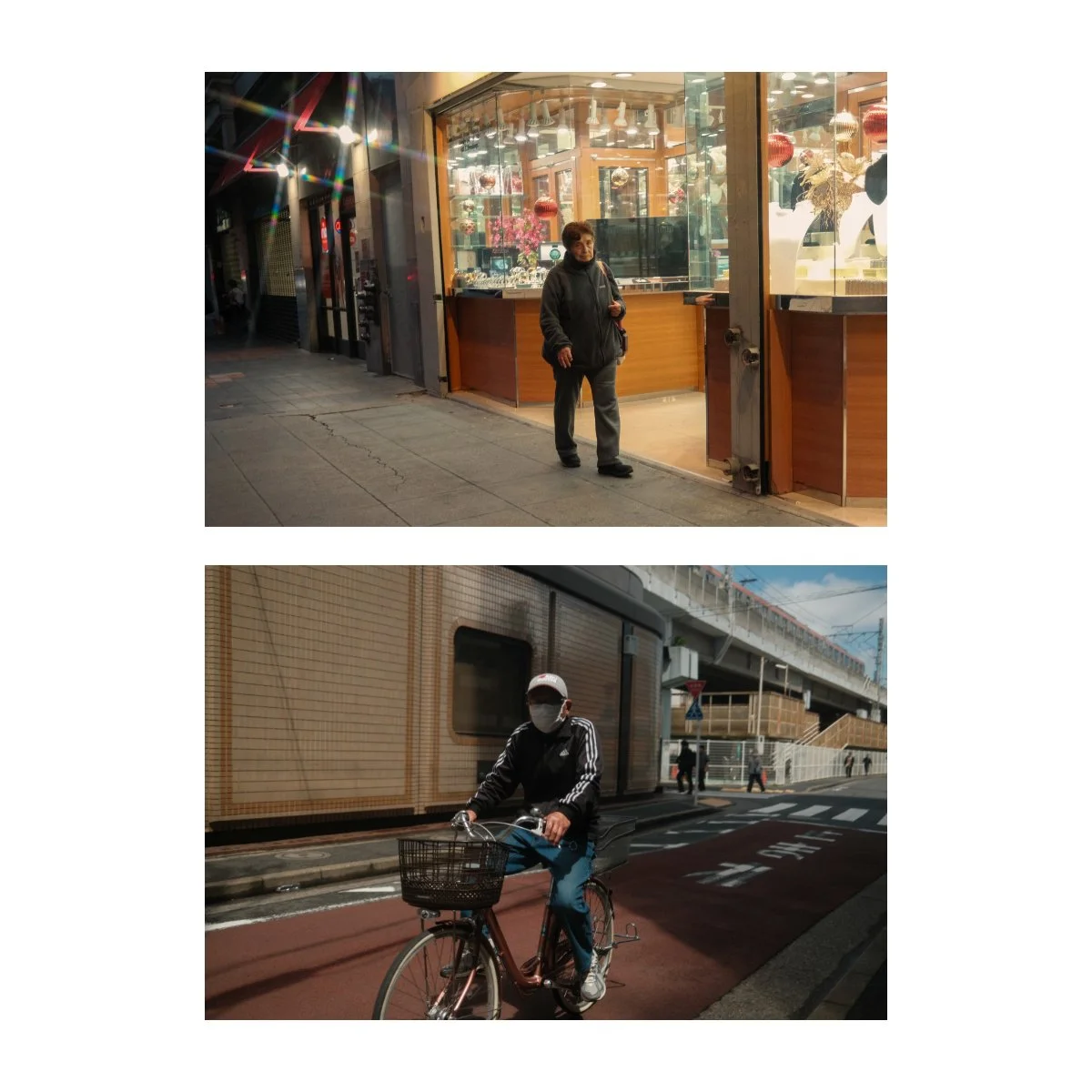
What I’ve learned to do instead, that is immensely useful, is to simply look at something else instead.
That way if the person notices you and checks to see if you were taking a picture of them, your eyes won’t meet.
So usually I’ll look at a building or structure behind the person, which implies:
No I wasn’t taking a picture of you, I was taking a picture of that.
Sometimes I’ll even exaggerate it and do a little sigh and stare at the thing as if I’m “basking in the scene”.
And 99.99% of the time, the person will just keep about their day, because they don’t want to be presumptuous about your actions.
After all, it’s possible they saw incorrectly.
So stop making eye contact - it’s a dead giveaway.
Just look at something else instead.
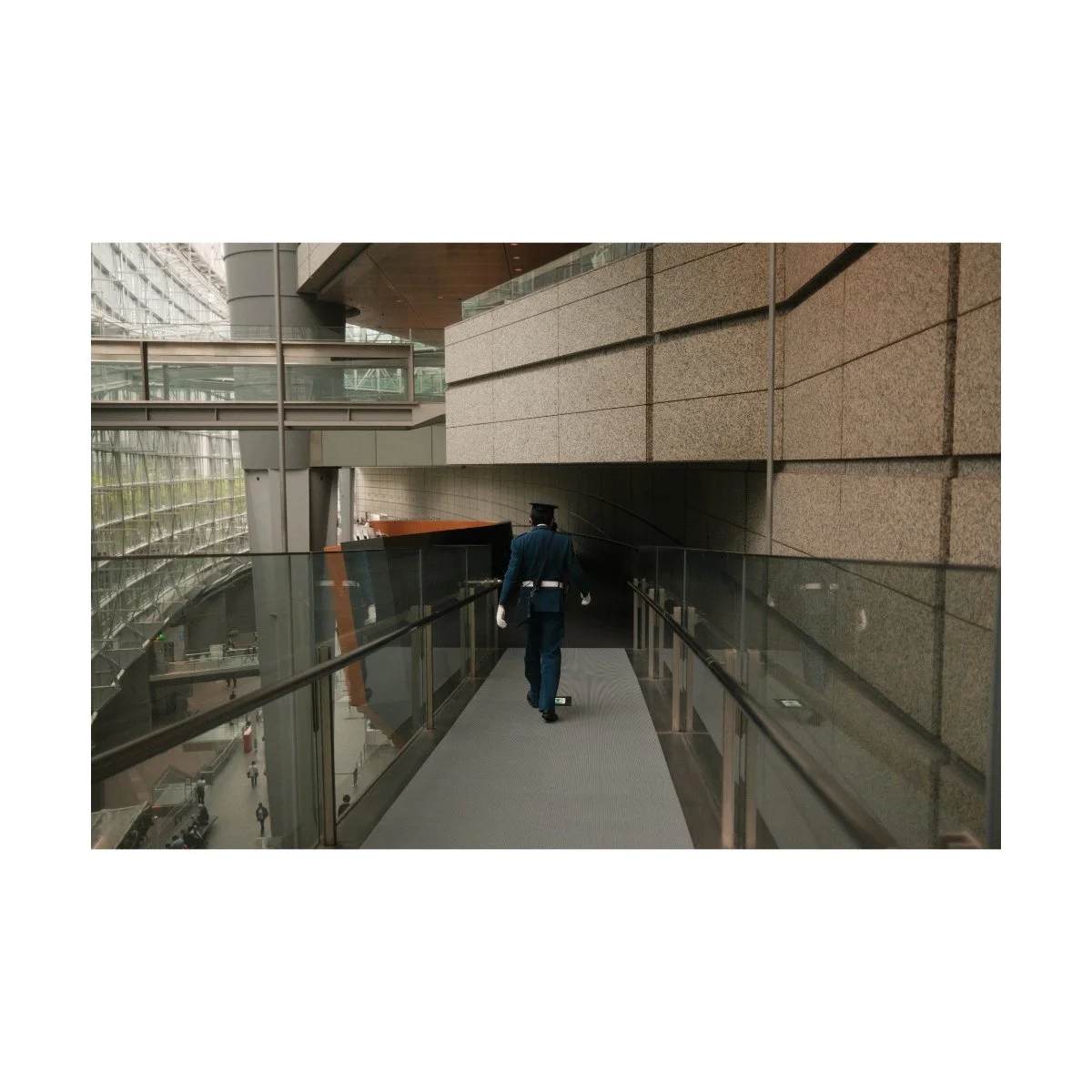
Snap First, Sorry Later
In the entirety of my street photography journey, I can count on my hand the number of times I’ve been called out for taking pictures.
Which is pretty close to zero.
Perhaps this is because I’m discreet about it, or perhaps I’m just not being bold enough.
But a good rule of thumb I follow is to snap first, sorry later.
I’ll take a picture, and if it comes down to it and I am confronted (which is rare), I’ll say sorry.
You’ve probably heard of a similar phrase:
“Don’t ask for permission, ask for forgiveness.”
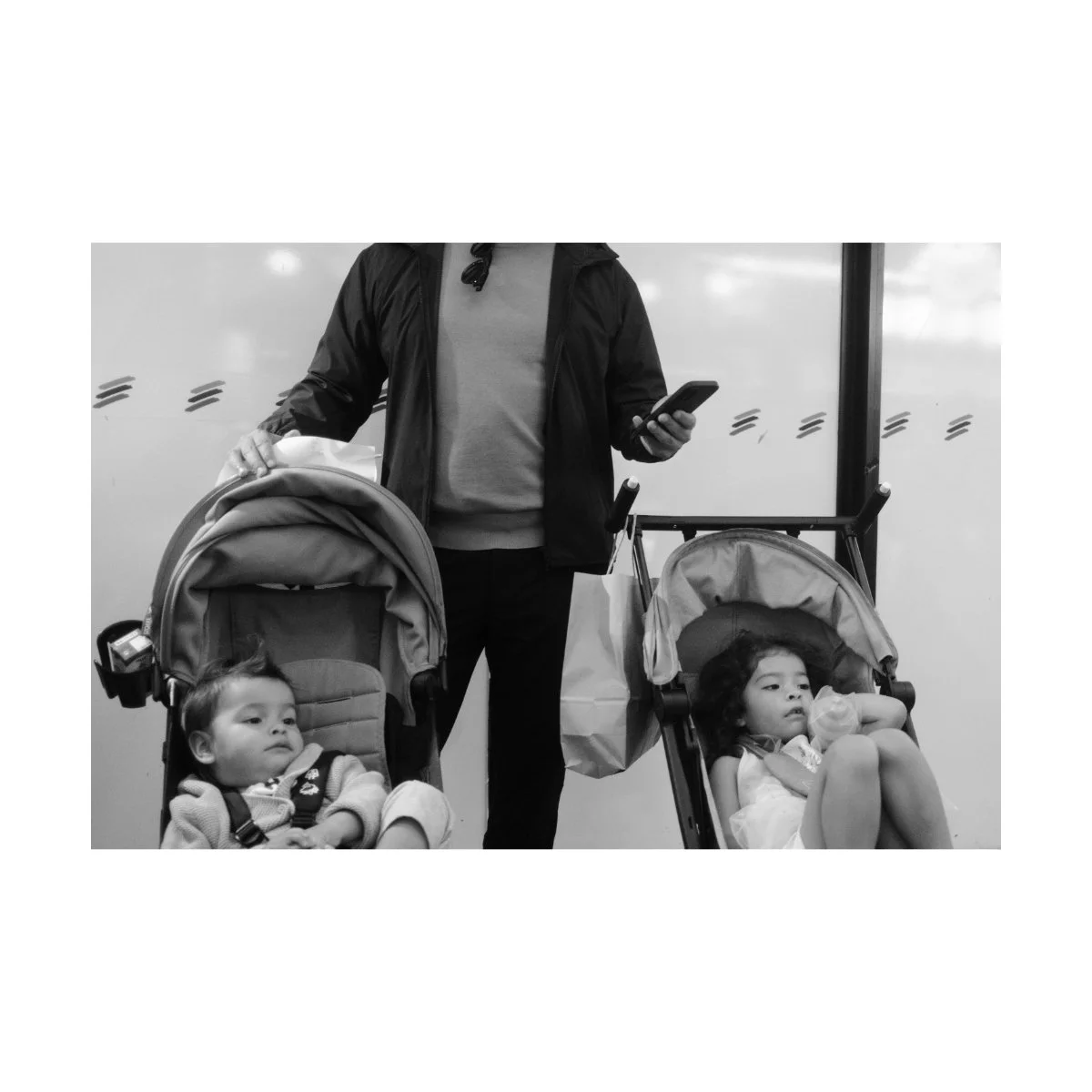
The reason this works is because asking for permission will often grant you a “no”.
But asking for forgiveness is easier, and usually won’t get you into much trouble.
We’re talking about little things here, not actual crimes, obviously.
So when I hear the common street photographer advice to ask for permission or “just go talk to the person”, I reel back a bit.
What’s even worse are the comments you see by non-photographers saying, “Did you ask this person for permission before you took their photo and uploaded it online?”
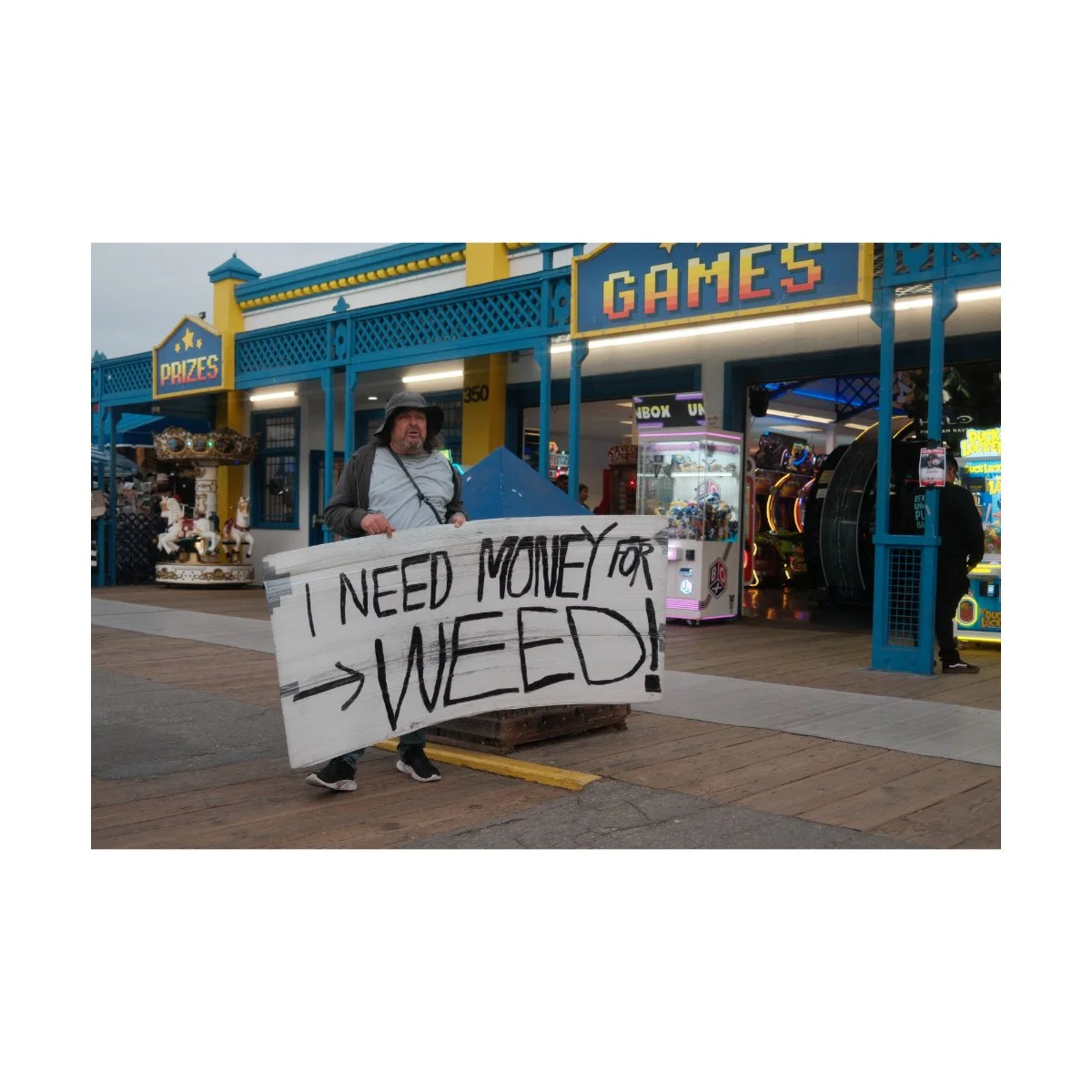
We’ll talk more about ethics and stuff in a different article, but in my opinion that’s silly.
Because while asking for permission is okay, it turns your street photo into a street portrait, not a street photo.
Street photography is inherently candid, that’s what makes it interesting to me, and that’s what I seek to capture.
There’s nothing wrong with portrait photography, but if that’s what I wanted to do, I’d be doing that.
Similarly, contrary to what many chronically online people might think, you don’t need permission to take a photo.
It may be more polite of you to ask, but it’s not breaking the law if you don’t, especially in a public area (in the USA at least).
Besides, whether we realize it or not, we are already being recorded wherever we go anyways.
It could be a Target, a grocery store, or simply by the security camera of a building as we pass.
There is no expectation of privacy in public, and everyone ought to be aware of that.
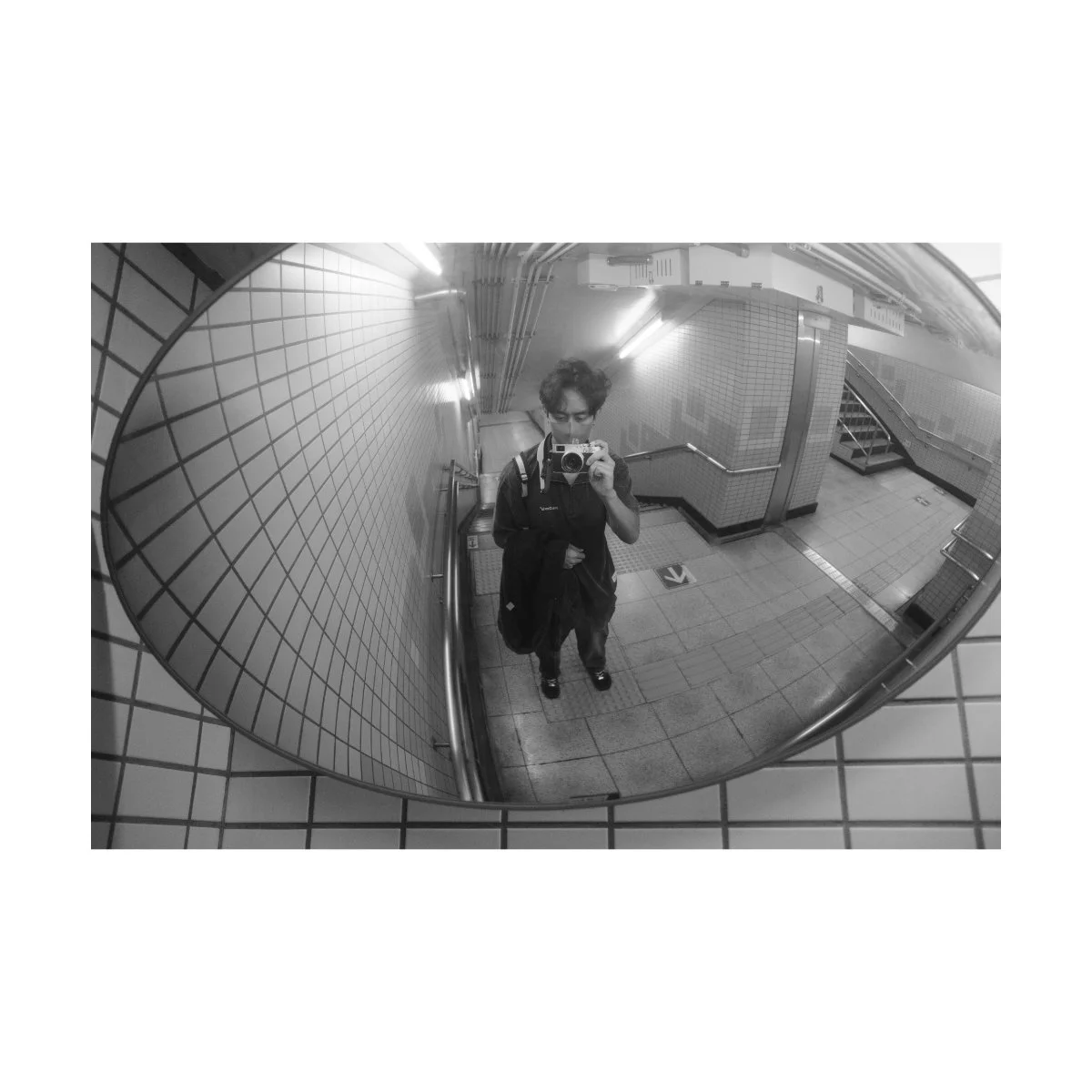
Just think about all the random people you’ve caught in a photo you took at Disneyland and uploaded to your story or snapchat - did you ask all those people for permission before you uploaded that shot?
Probably not.
So there’s a lot of rage around street photography - but they’re getting mad at the wrong people.
In my opinion, at least the street photographer will make me look good.
But anyways, I digress.
I bring this up to say that asking for permission before every street photo is terribly inefficient.
Imagine every time you went out you had to ask every single person if it was okay.
I’d just quit photography at that point.
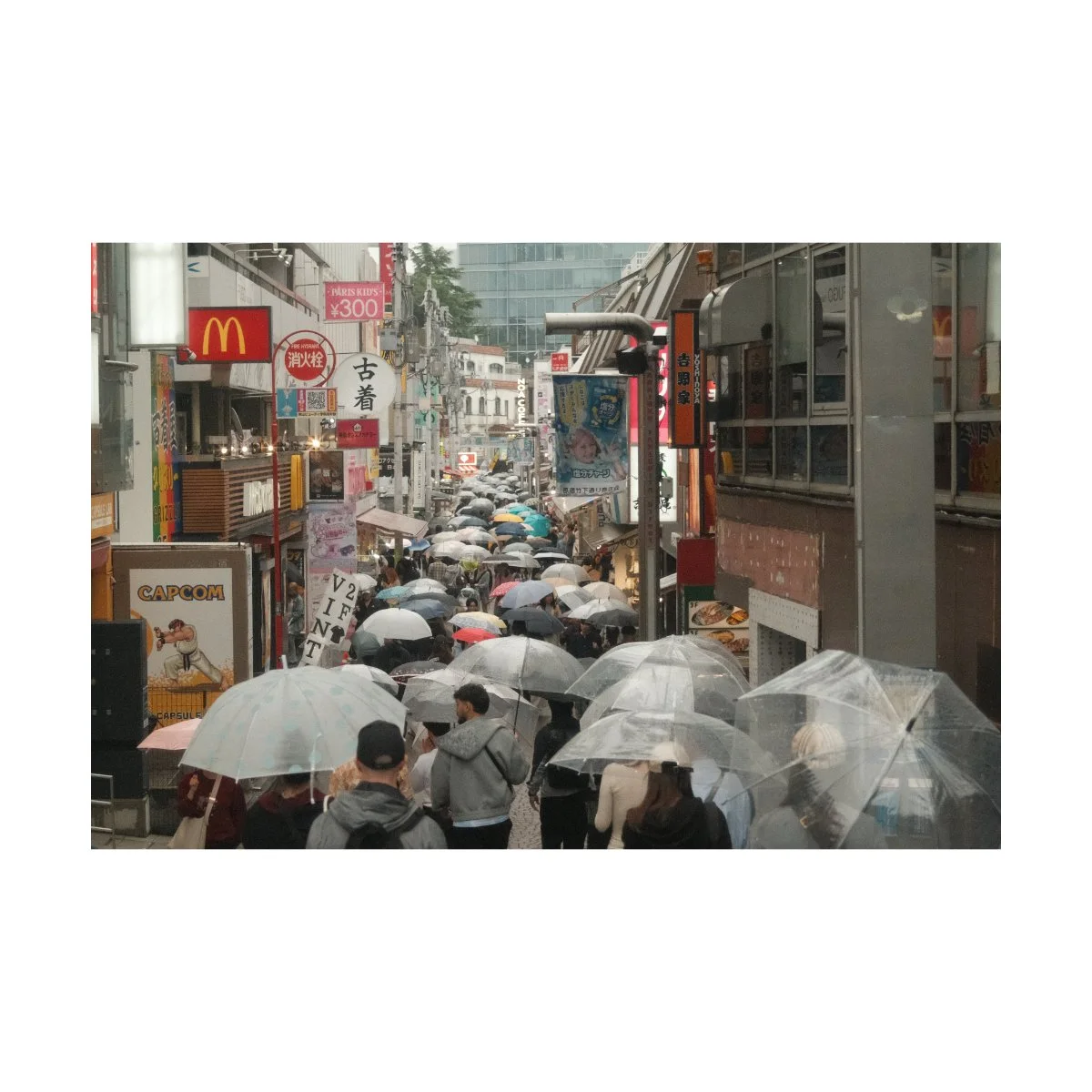
Similarly, it’s terribly ineffective.
Street photography is about capturing the candid moment.
And there’s nothing candid about asking someone for permission.
I want that shot of the guy looking at that thing, not even aware of me, because it’s natural and interesting in it’s own way.
The moment I enter the scene, the shot’s ruined and I might as well go home.
So snap first, sorry later.
Don’t worry about what the non-photographers say.
It’ll save you so much time and get you better photos.
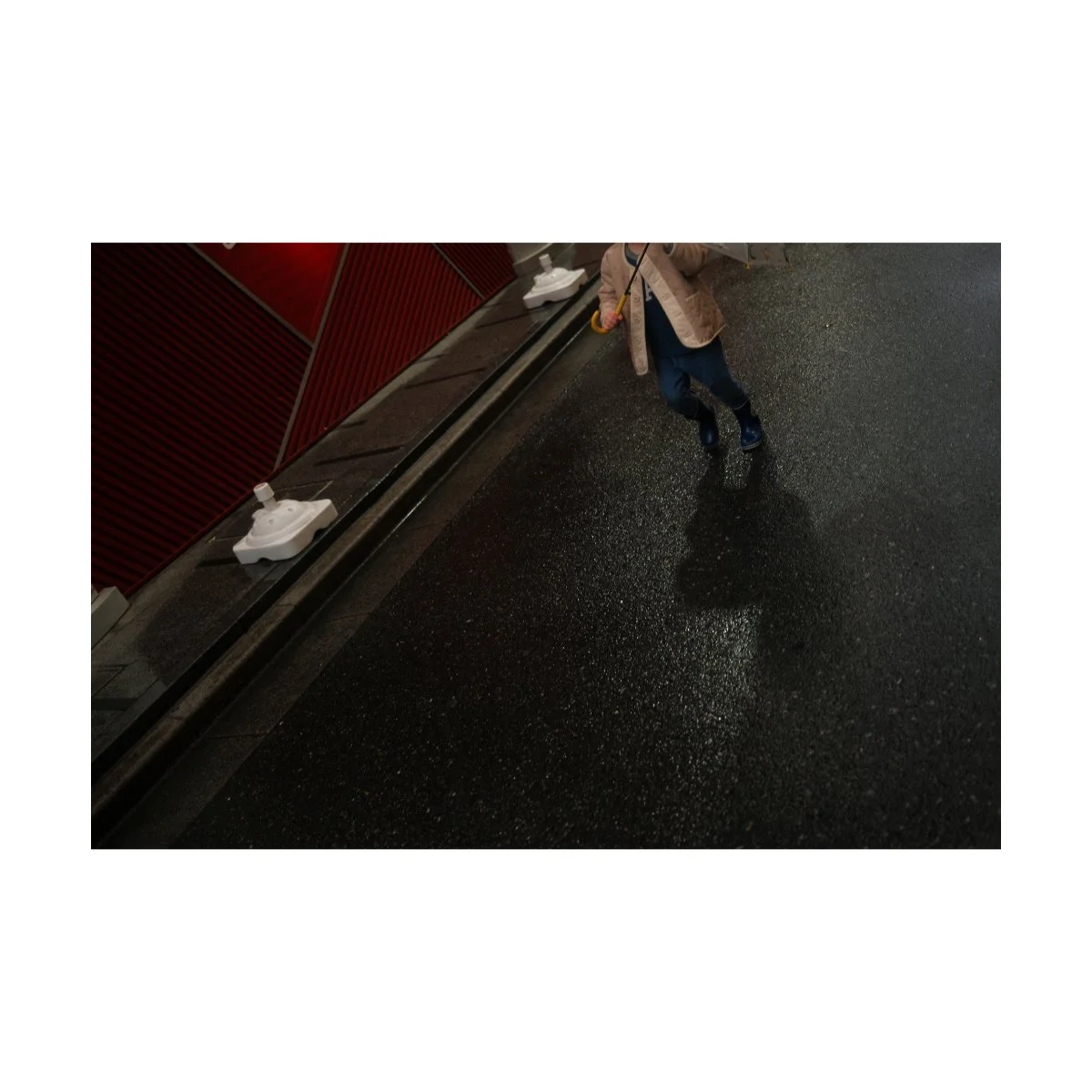
Let Them Walk Through Your Shot
Whether something’s your fault or someone else’s fault often comes down to perspective.
If you go Bruce Gilden mode and start shoving cameras and flashes into people’s faces, you’ll get the exact response you expect.
But if you act a little smart and flip the script, the very opposite can happen.
For example, there’s a very useful street photography technique called fishing.
Instead of walking around hunting for subjects, find the shot first, then wait and allow the subjects to walk through.
This will get you better results easier, and could also help you get over your fear of photographing strangers.
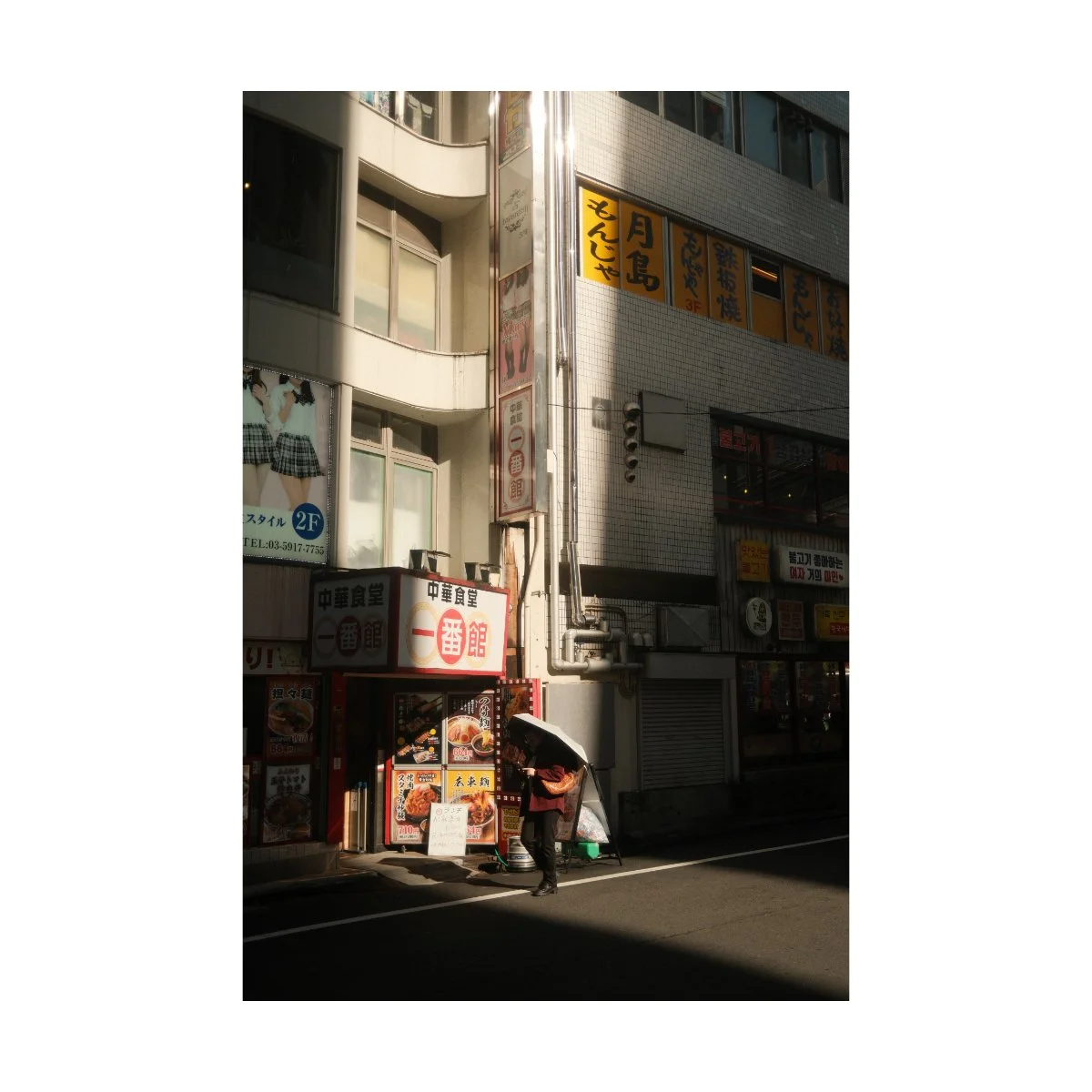
Furthermore, because you’ve been standing there aiming at this “pocket of light” per say, people will assume you’re taking the picture of this thing, not them.
And instead of looking at you funny for taking a picture of them, they’ll scurry past, trying not to get in your way.
I’ve done this on many occasions and people will walk past saying “Sorry!”
Because from this perspective, you’re not the one at fault for taking a picture of them.
Rather, they’re the ones that feel bad, for getting in the way of your shot.
Same results, different perspectives, different feelings.
And don’t feel sneaky or deceitful about it, it’s simple psychology - use it to your advantage.
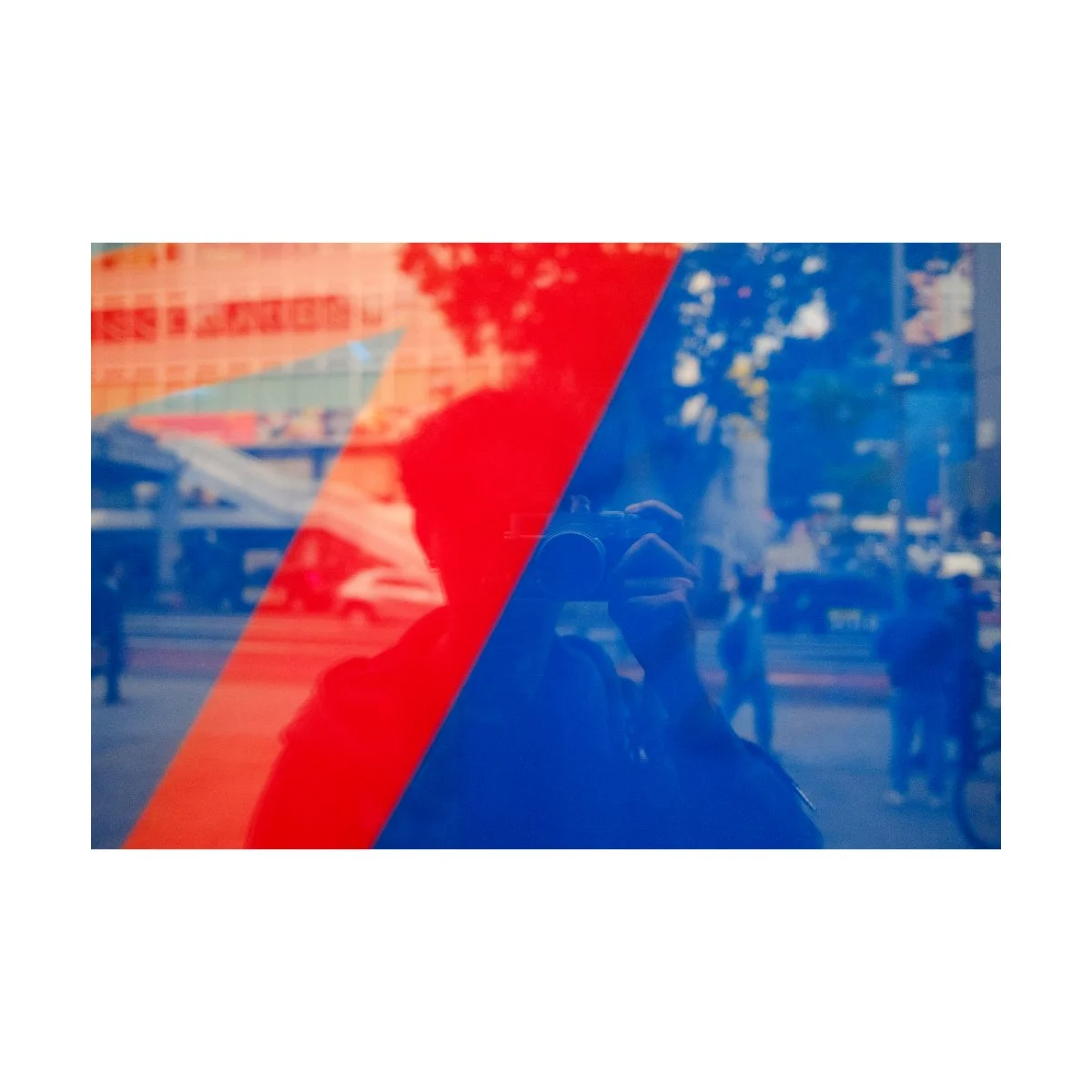
Pretend You’re A Tourist
One of the many things I’ve learned from my travels is that there’s a bit of immunity for foreigners.
When you’re in a different country that experiences a higher volume of travel, they judge you less for not knowing customs or norms.
It’s more common to see foreigners not know the rules, be confused, or even a little rude, so people get used to it.
This isn’t to say we should ignore the country’s rules and be rude, but as street photographers, we can use that knowledge as a tactic to “feign ignorance”.
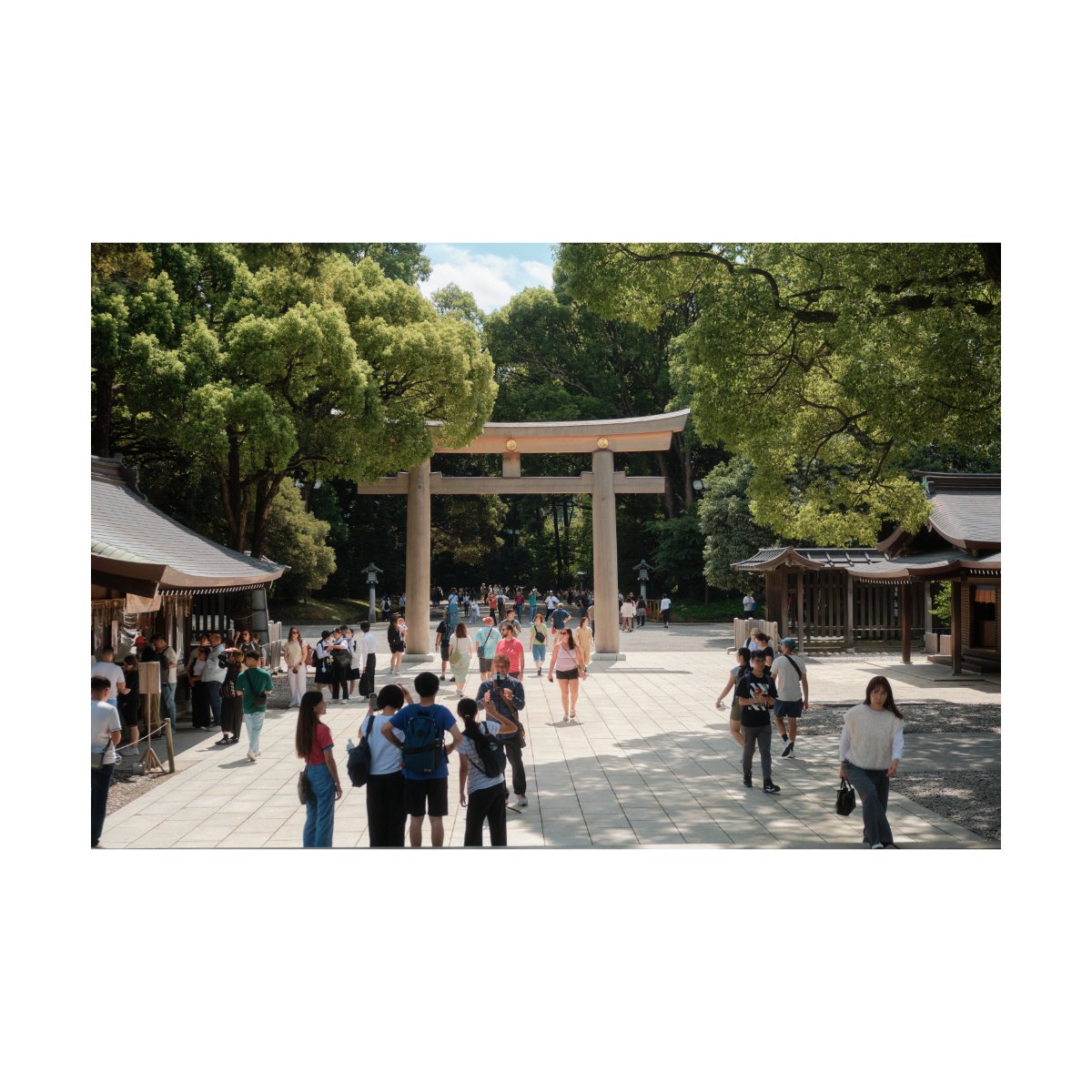
The next time you go somewhere, pretend you’re just a tourist, and it’s your first time here.
This is your first time seeing this view, these people, these streets.
You’re not trying to be rude or malicious, you just don’t know any better.
That’s easier to get by with.
It doesn’t mean you have to be super rude or obnoxious, but don’t feel bad about taking that extra action to get the shot.
After all, you’re only here for a week or two, and who knows when you’ll be back?
Plus, it’ll grant you some immunity in the eyes of the people around you, letting you blend in more seamlessly.
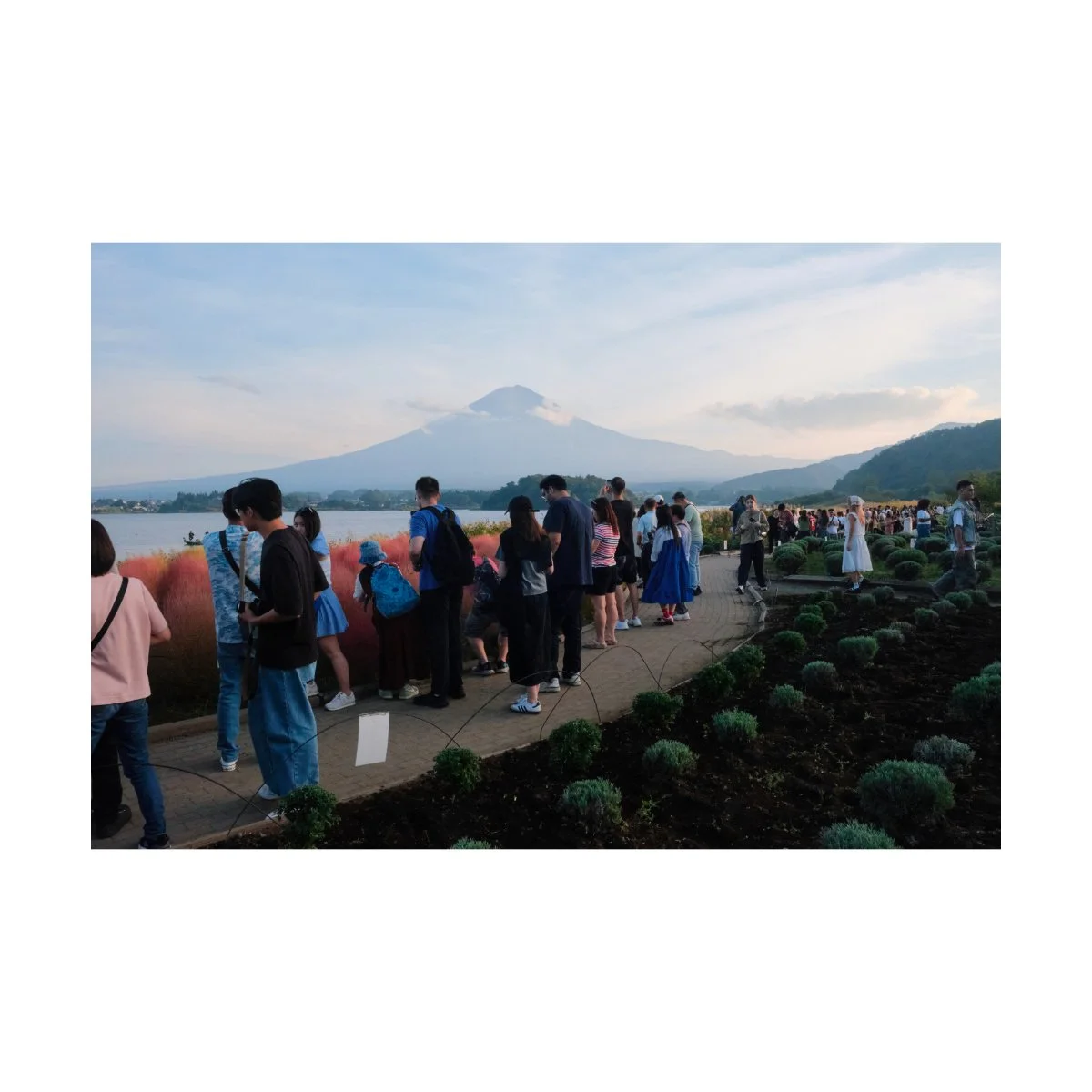
Naturally, this works better in crowded areas.
Crowded areas might not always be your cup of tea when it comes to street photography, because there’s too much going on and it’s hard to isolate subjects.
But when there’s a crowd, less people are going to be paying attention to what you’re doing and it’ll be easier to go unnoticed.
Similarly, if you’re in an area where people are already taking pictures, you’re less likely to stand out.
So pretending like you’re a tourist can allow you to be more bold as well as get you better results.
Try it out.
Zone Focus
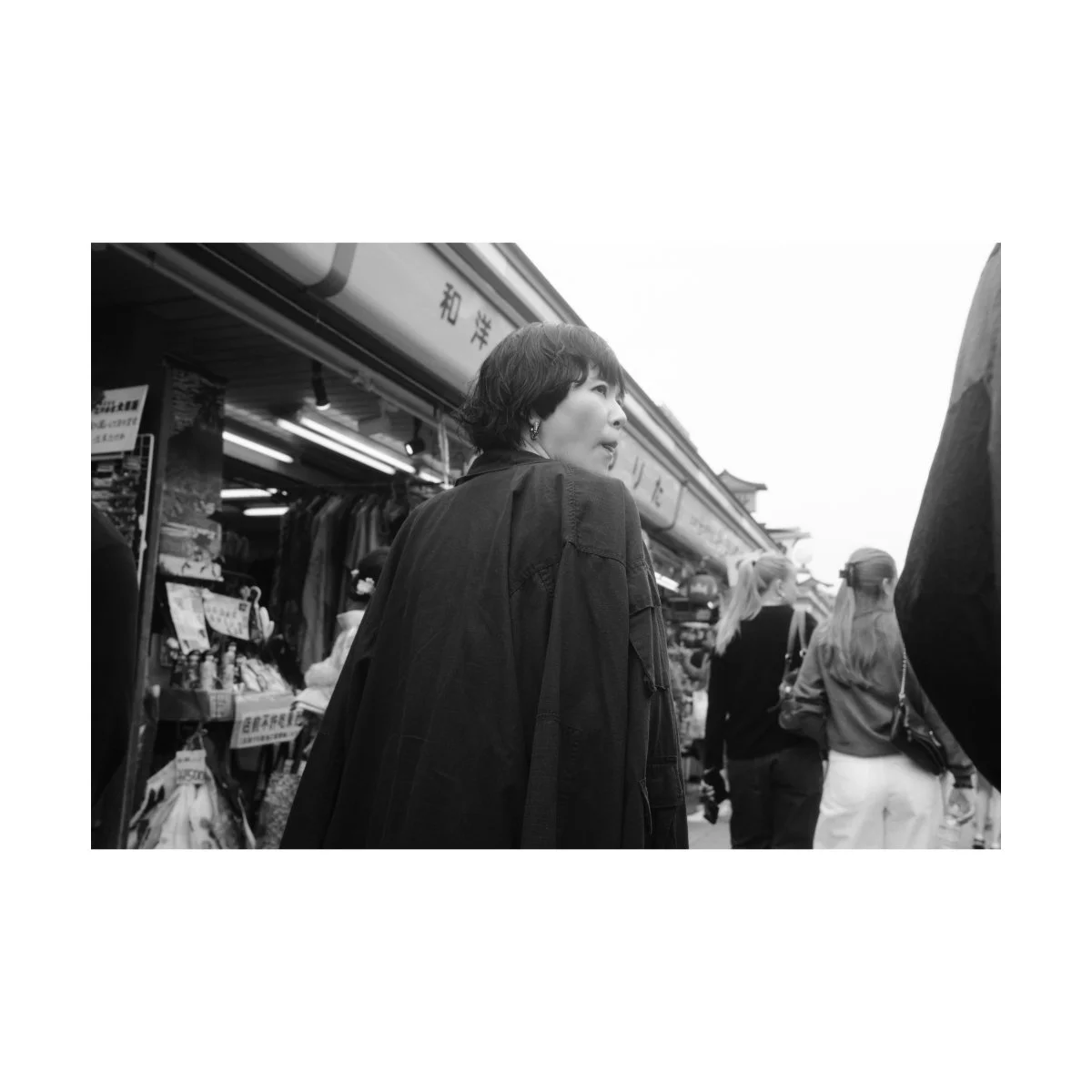
A very useful technique I decided to try in my recent trip to Japan was zone focusing.
I had gotten accustomed to blindly pointing and shooting at people as I walked by, and being discreet about it, but would find many of those photos out of focus.
The walk by was simply too fast for my autofocus to capture shots accurately, and I couldn’t even frame my shot to adjust.
I was just blindly pointing and shooting, hoping I could get something good.
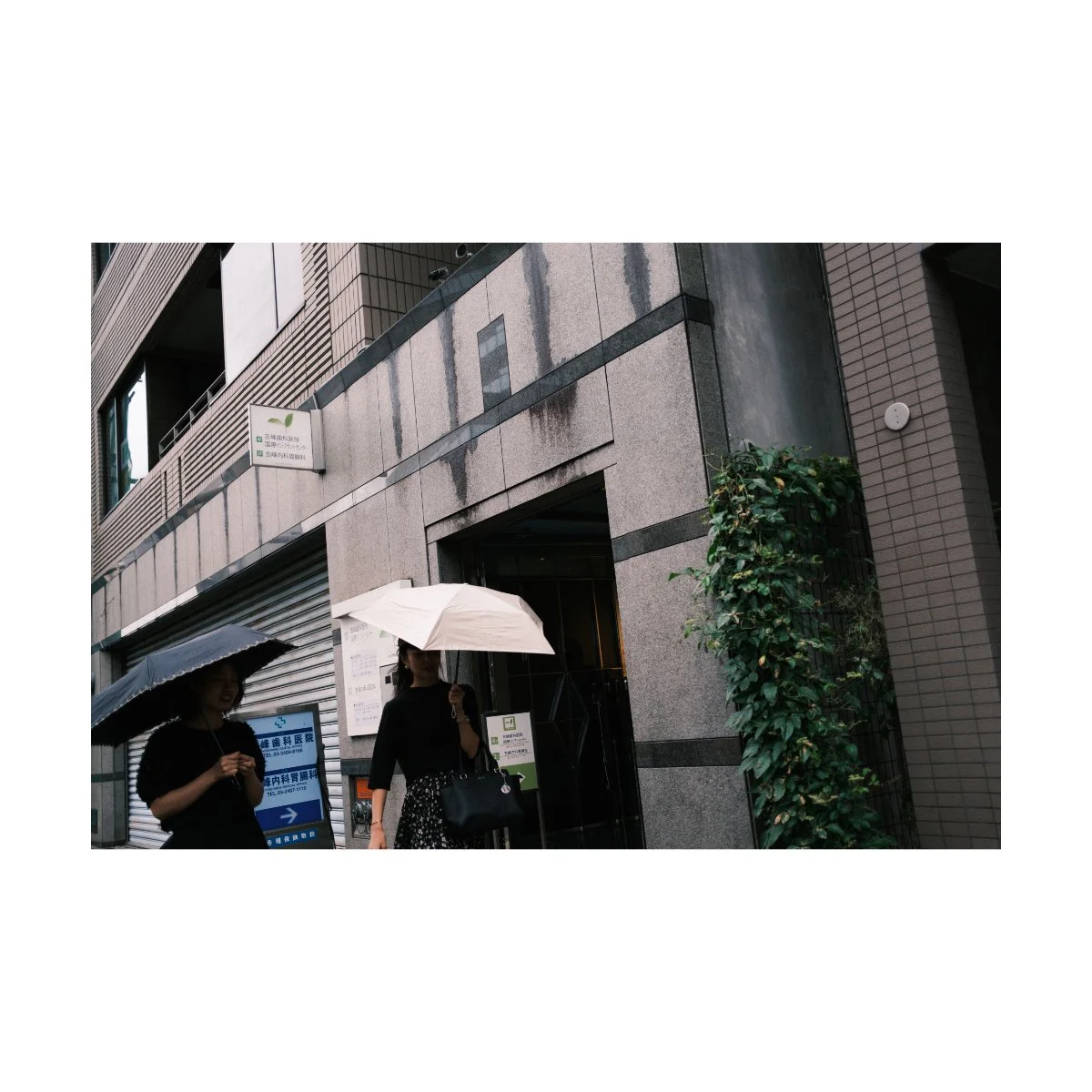
So I decided to ditch autofocus all together and zone focus.
In short, zone focusing is setting your camera to manual focus, raising the aperture (which gives you a range of focus), and pressing the shutter whenever anyone enters that range.
It allows you to more reliably get shots in focus because you don’t have to rely on or wait for your camera to focus first.
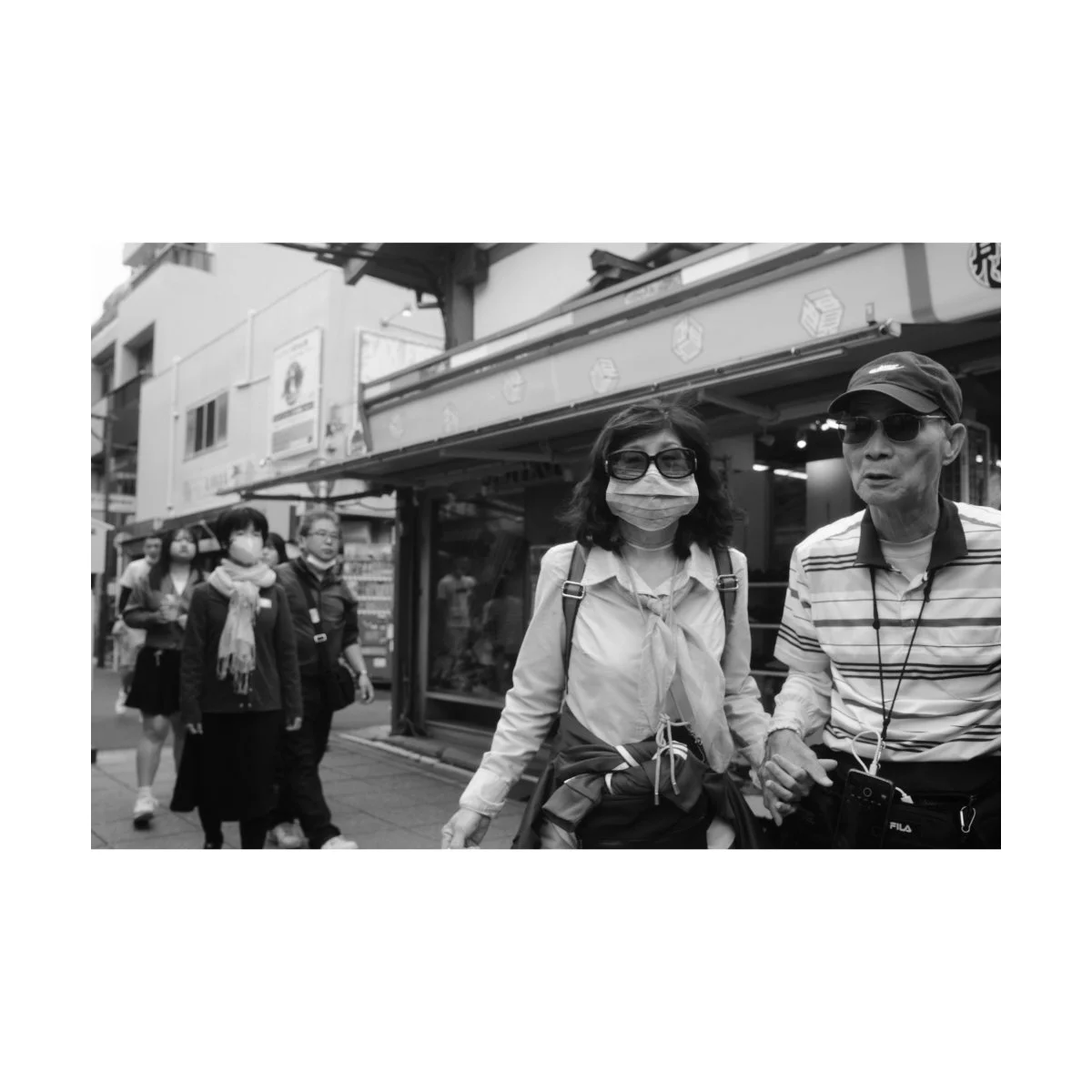
Similarly, it’s very useful in crowded situations because people are always moving and walking by, many times not paying attention to you.
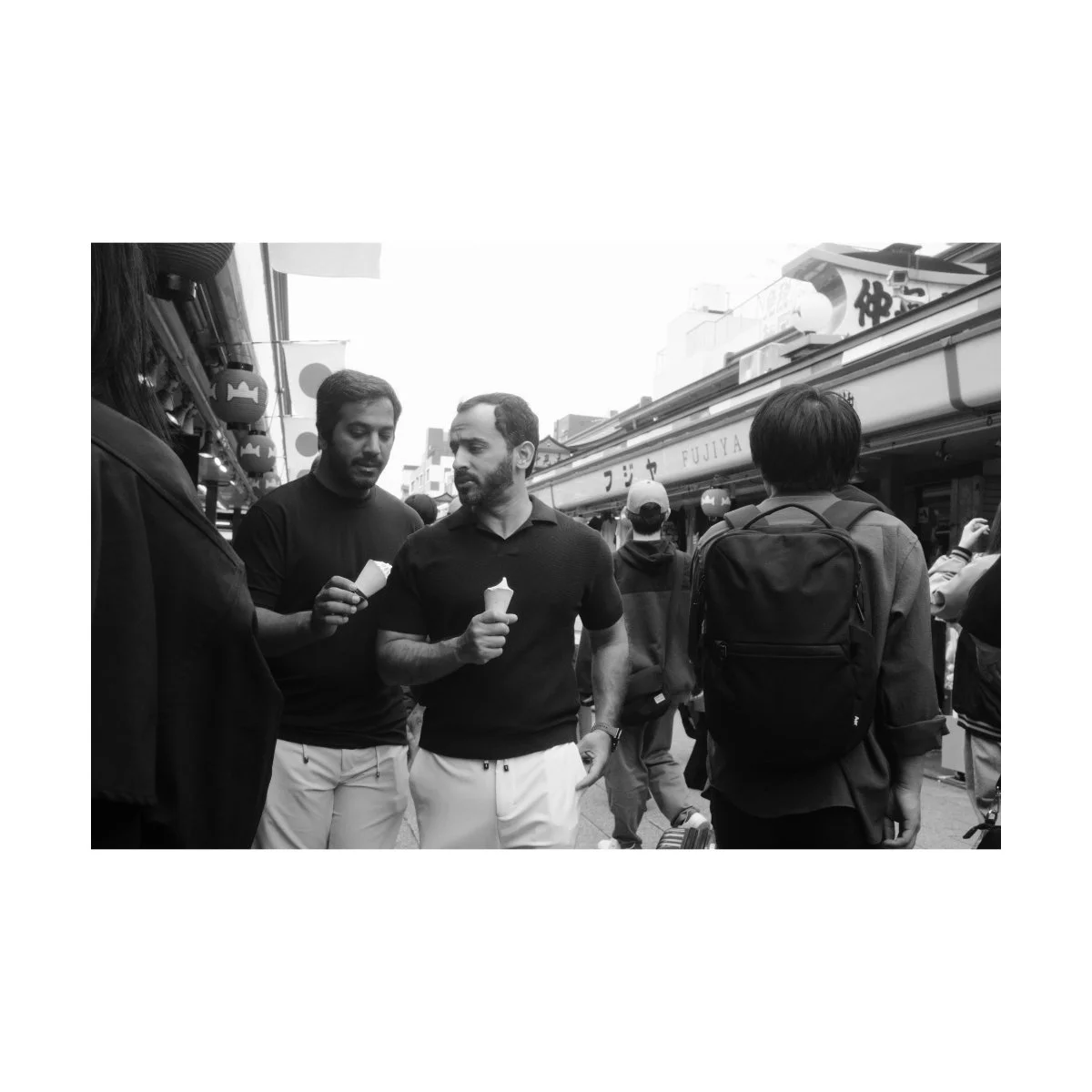
So you can simply judge the shot based on how far you are from your subject, and not worry too much about other things.
If you’re intimidated by other people, just pretend you’re looking at something else but let your hands do the work.
Sometimes you’ll miss, but other times you’ll actually get decent results.
I’d recommend sticking to f8 to start, and widening your aperture later if you feel up for the challenge.
Also, use the AFL button on the back of your camera to preset your focus and distance - that way you don’t have to slowly turn the ring and waste time.
Most People Don’t Care
A healthy reminder I like to tell myself is: most people don’t care.
When we go about our daily lives we become hyperfixated on us.
Whether or not people are going to notice what we’re doing, what they’re gonna think, and what they’re gonna say.
This self-consciousness is unnecessary.
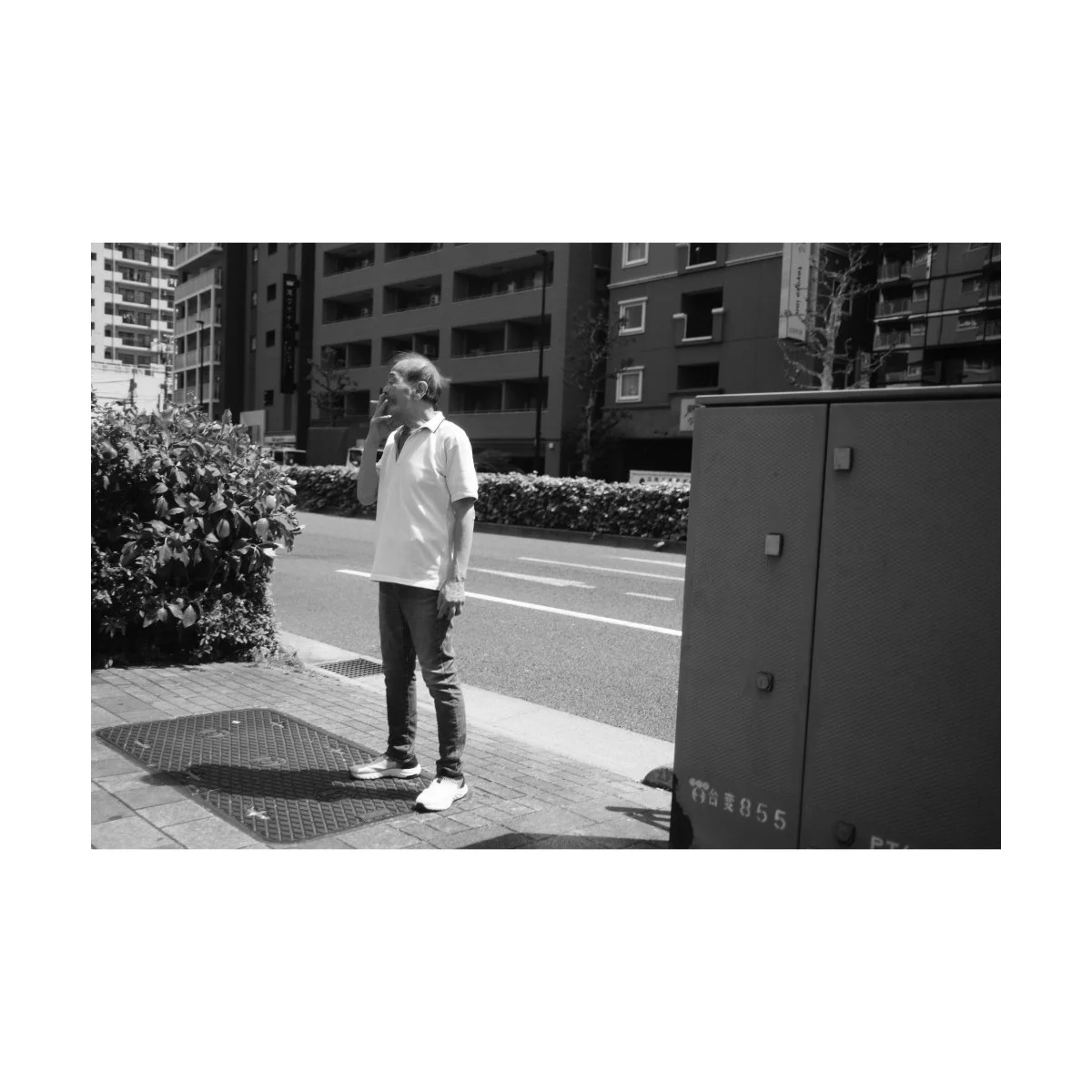
In street photography we must remove ourselves from the equation.
Not to say that we don’t matter, but we don’t matter as much as we think we do.
And the best thing we can do is to stop ourselves from interfering with a good photo, either by not getting in the way, or by being too meek to take the shot.
Because at the end of the day most people don’t care anyways.
They’re too busy thinking about their lives, what they’re doing, and what they’re scrolling through.
And even if they do see you snapping a photo of them, most people won’t say anything.
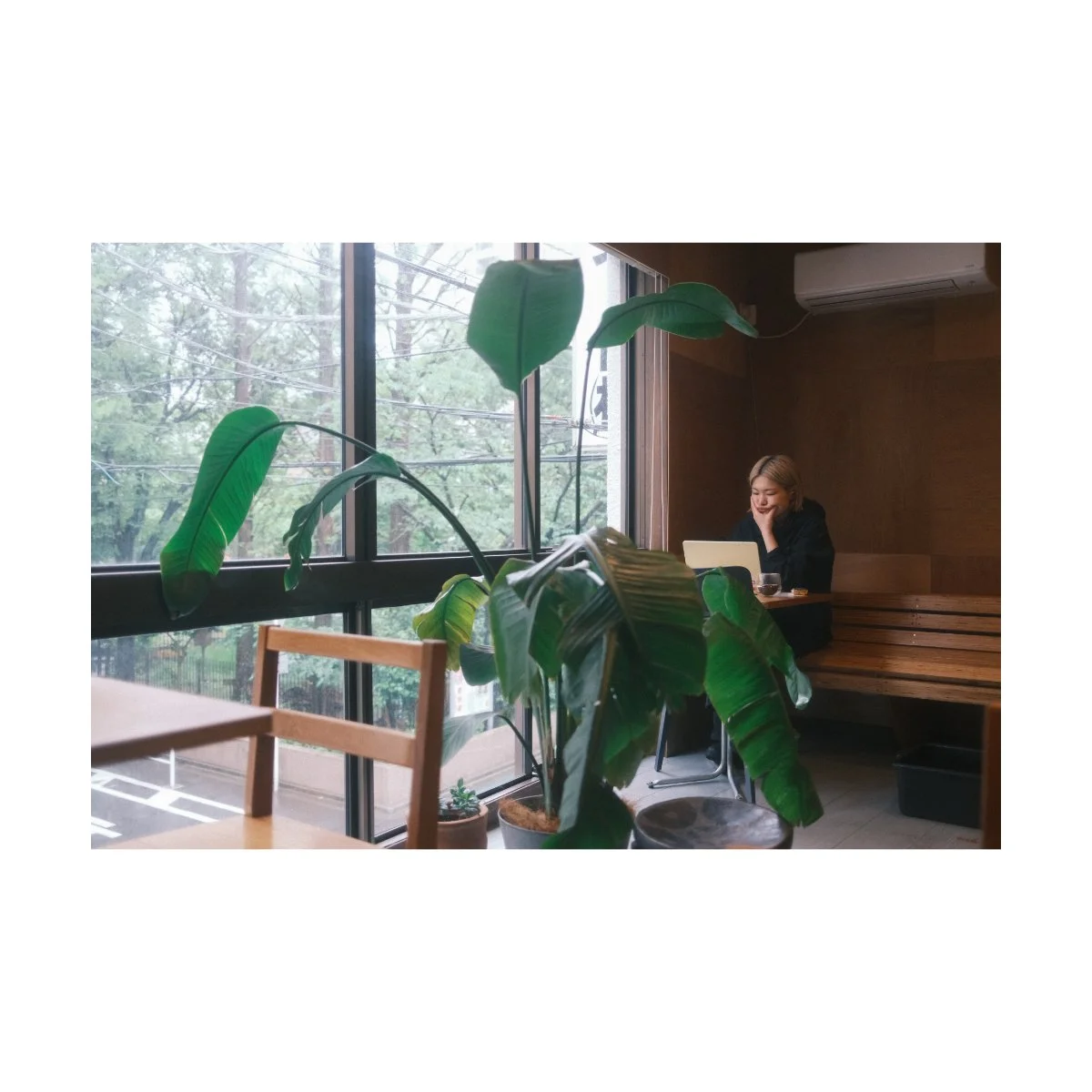
Because the majority of people are non-confrontational.
They don’t experience face to face confrontation often so it’s not common to do something about it.
Furthermore they don’t want to assume you were taking a picture of them, because that might be a bit egotistical.
Like, who am I assume?
And then before you notice, a few seconds have passed and the timing to call you out for it has gone.
There’s a lot of nuance that goes out in the streets and we can use that to our advantage.
Psychologically, I find it better to assume people don’t care about me and what I’m doing.
It allows me to be less self conscious, take myself less seriously, and more willing to do things that’ll get me the shot.
Whatever works, works, right?
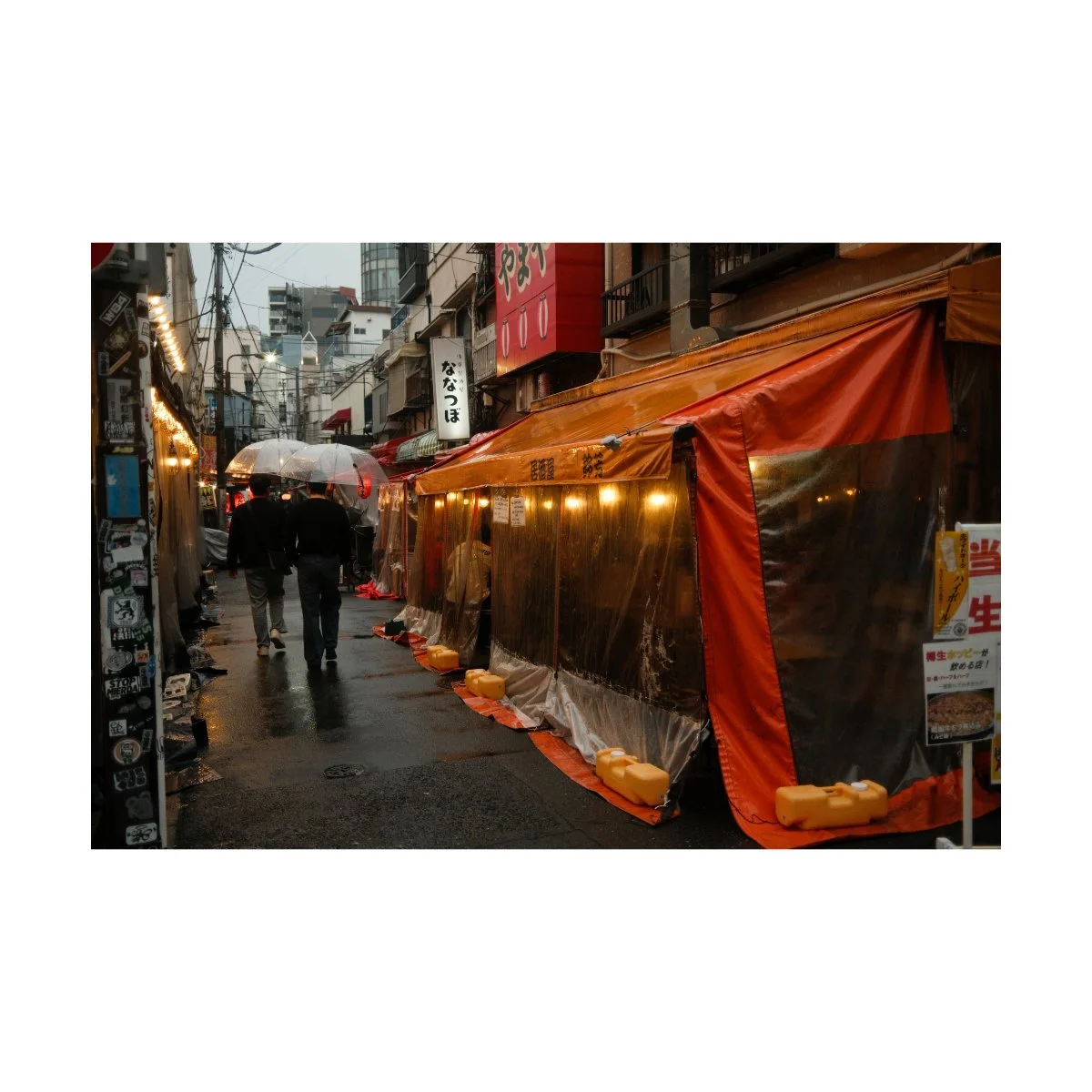
Between Thinking and Taking Action
Imagine there exists a spectrum between thinking and taking action.
On one side you have “thinking”: being intentional about your photography and asking yourself the right questions before taking pictures.
On the other side you have “taking action”: where you’re walking around snapping away as you see fit.
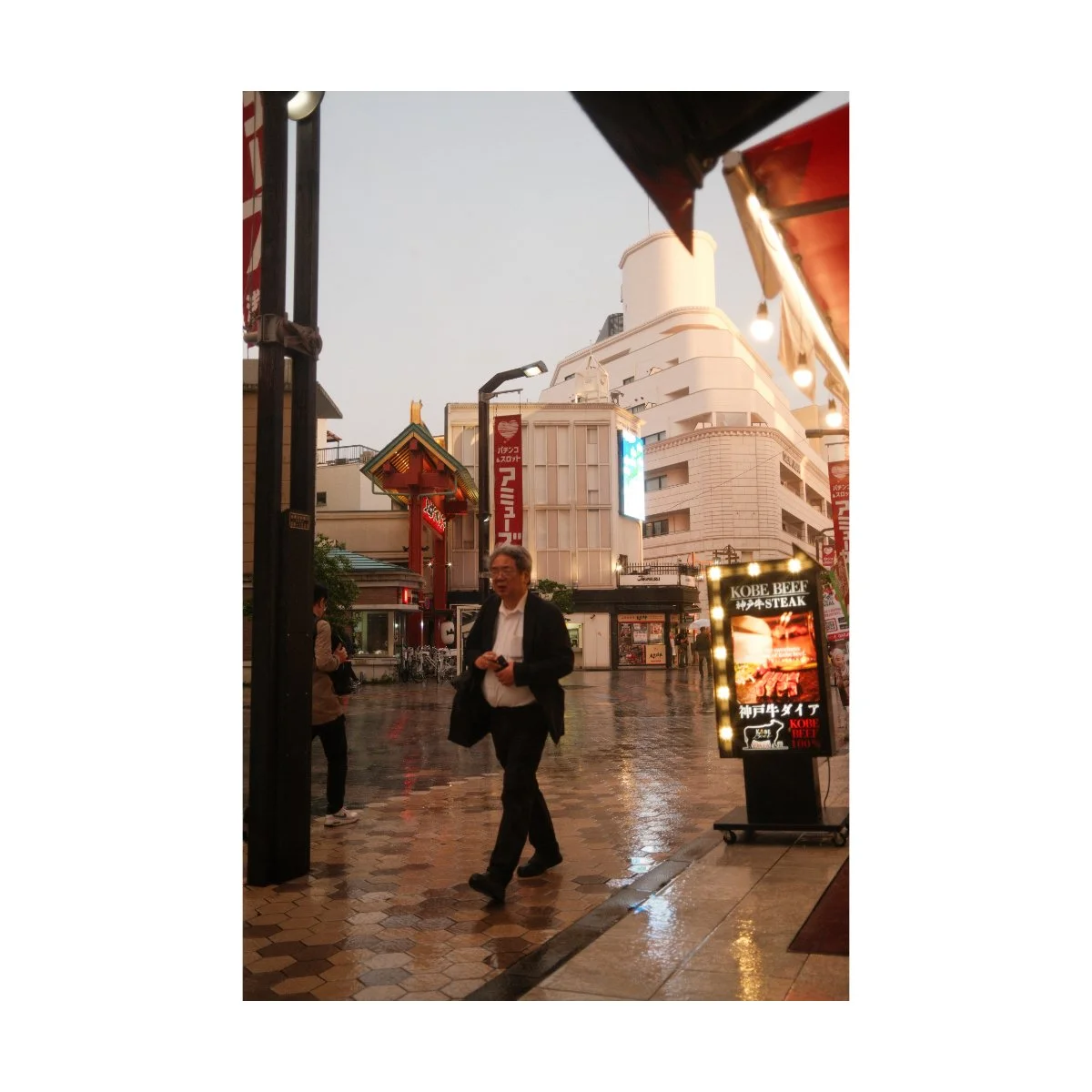
In my experience, there is an optimal state of photography which exists somewhere in between these two extremes.
This middle ground might vary depending on your strengths and weaknesses, but it exists.
We’ve all probably had those moments where we’re just thinking too much and we’re missing shots because of it.
On the contrary, we’ve also all had those moments where our body just takes over, but in a bad way.
We’re not being intentional or thinking about the frames, which is making us press the shutter at the wrong times or at the wrong angles.
There are pros and cons for thinking too much or thinking too little.
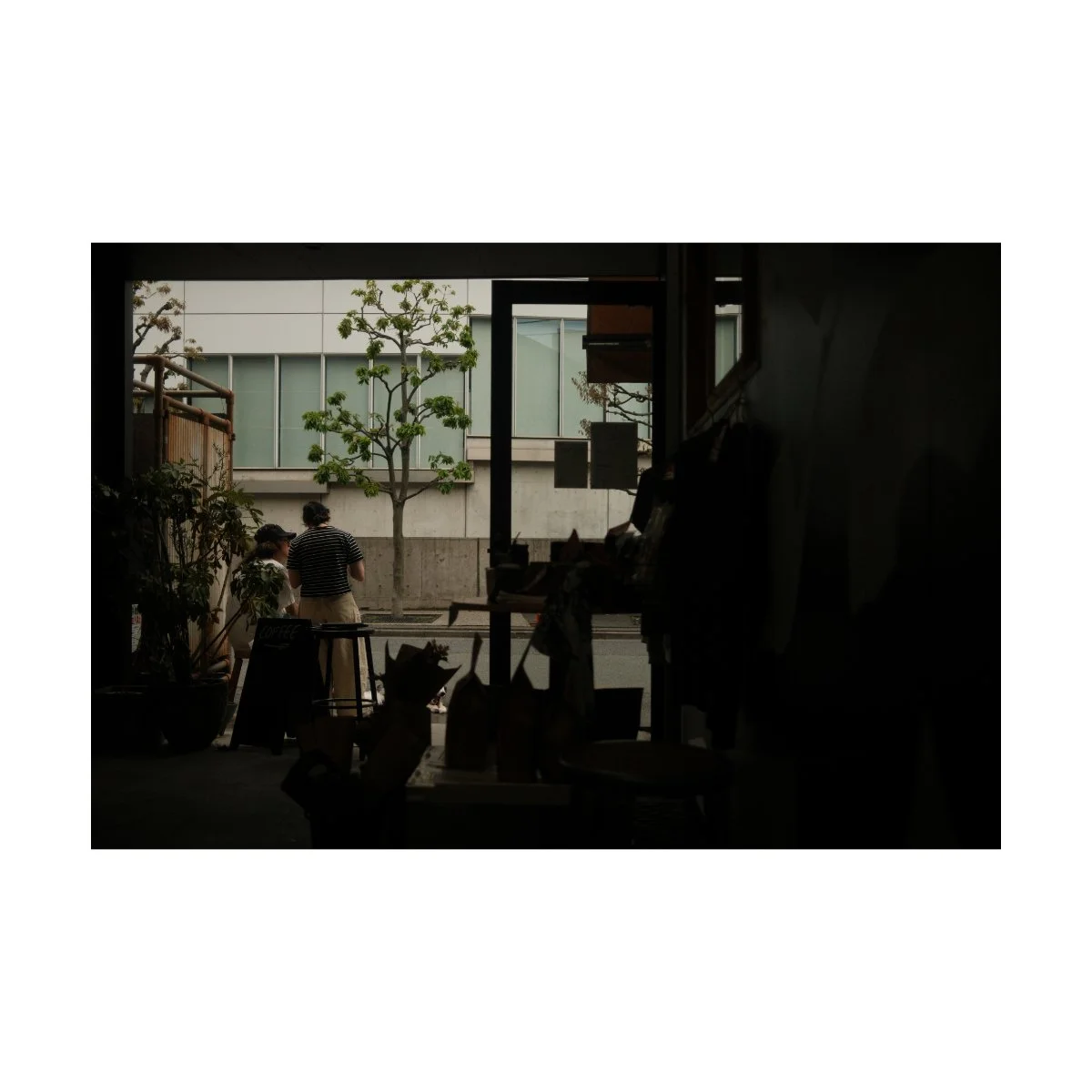
Some may call this being in “the zone” when you’re playing sports, but I think it’s a little different.
For sports, I’ve noticed if I’m in that zone I’m not thinking much at all.
Everything clicks, my body takes over, and my mind is relatively empty.
But for photography some thinking is still required, some intentionality, that goes on to make creativity work.
Maybe it’s different for everyone, maybe it’s actually the same thing, or maybe I’m just not at that level yet to realize it, I don’t know.
But regardless, this zone of focus between thinking and taking action is something we want to tap into if we want to be more bold with our street photography.
If you’ve been doing street photography for a while, you probably know which side of the spectrum you lean to.
You know whether or not you think too much or too little, or if you’re not decisive enough.
Where you’re weak at is what you want to work on.
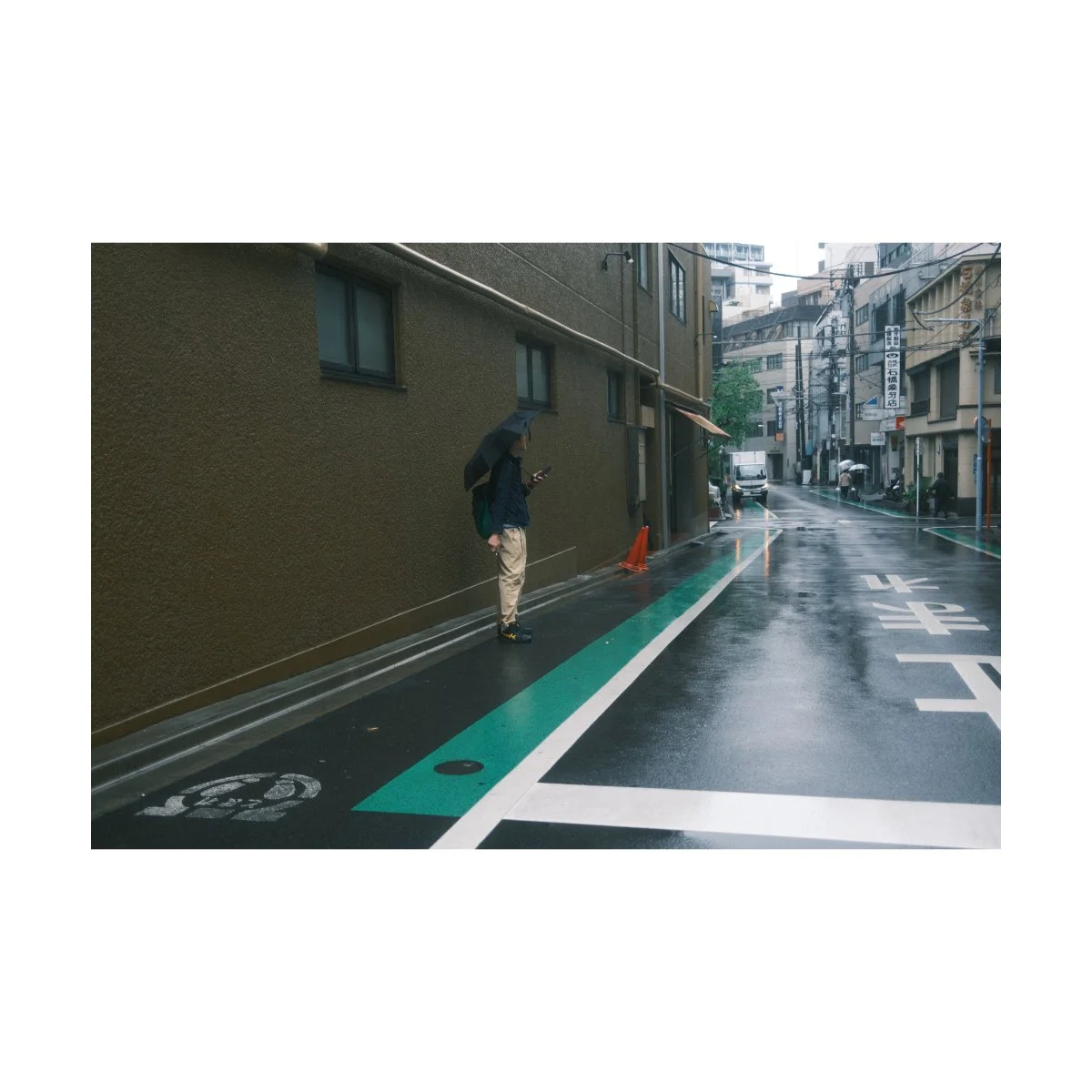
Me personally, I tend to be a little of both:
Sometimes I’m hesistant to shoot so I miss the shot.
Other times I’m taking the picture too fast, so I mess up the shot.
But it all comes from either a lack of patience or lack of decisiveness.
Ideally, what I’m trying to work on is getting somewhere in between.
Where I’m decisive about the shot when I need to be, but not rushing it and messing up the framing.
The zone of focus I want to be in is in the middle, and as I practice, I’m getting closer and closer to it.
Recognizing that zone of focus is the first step, since once we’re aware of it we can aim for it.
It takes practice, but as you go out you’ll start to recognize it.
You’ll notice when you take better shots, you’ll recognize when feelings hold you back, and you’ll get better at working through them.
And all it takes is a small moment of courage.
Remember:
Being a bold street photographer doesn’t mean you have to be bold all the time, just for the fraction of the second you’re pressing the shutter.
You’re Not Doing Anything Wrong
The ethics of street photography will probably always be debated.
People who know nothing about it will always say you’re being creepy or invading someone’s privacy.
But the vast majority of people doing street photography aren’t doing it to expose someone’s personal life or make them look bad.
Rather, the feelings, or emotions, or moment street photographers capture usually comes from a place of genuine artistic interest.
Sebastiao Salgado for example, the documentary photographer was often criticized for making his photos look “too beautiful”.
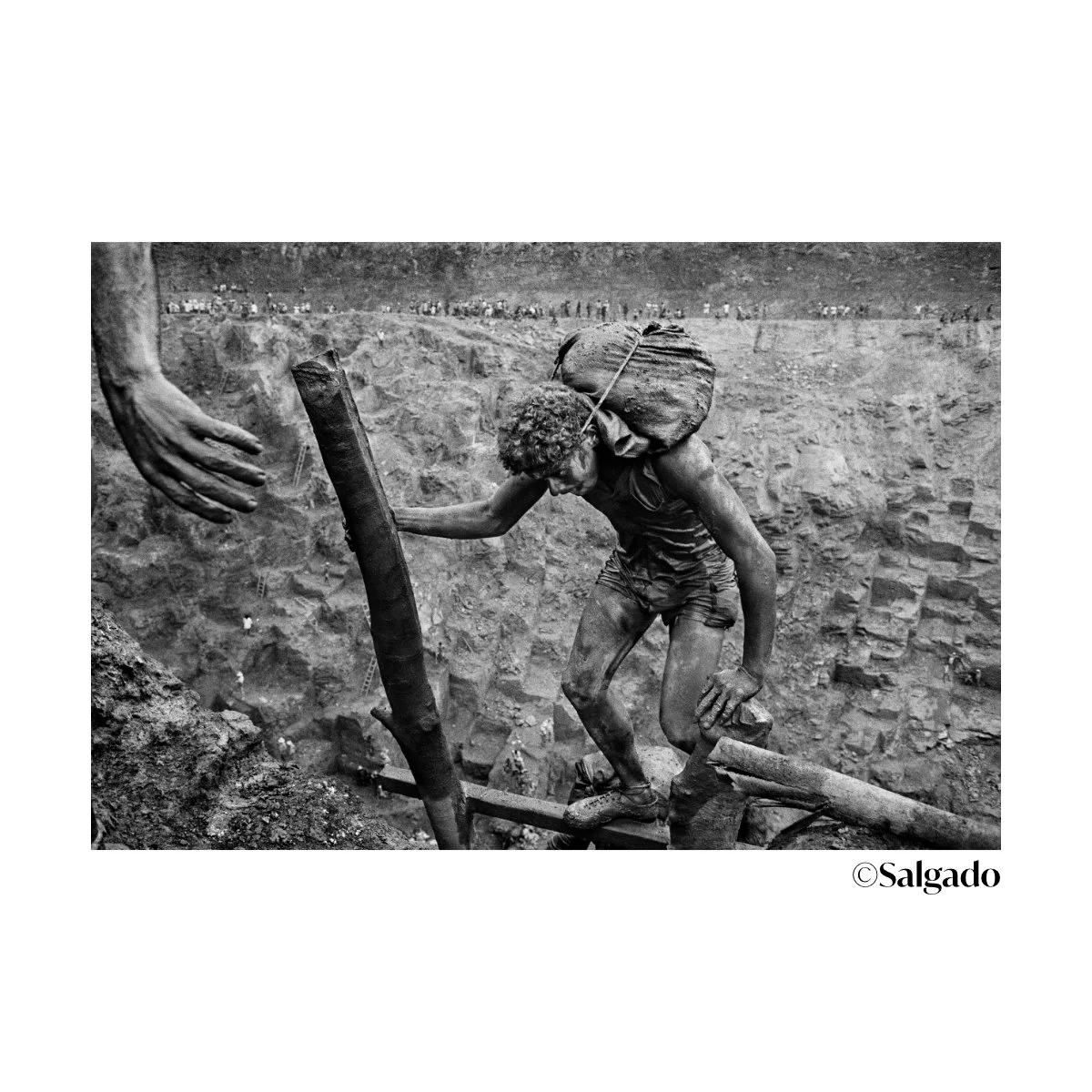
That the hardship and struggles of what he was capturing were overly romanticized.
But I think people just don’t understand his work.
There is beauty in every moment, even hardship.
And if you felt a certain type of way when looking at his photos, it’s because he did a good job conveying that emotion.
Similarly Salgado himself wasn’t an outsider.
Many of his images came from the very areas he was born and raised.
And if his images reflect the perspective of someone actually from there, well, who are we to criticize?
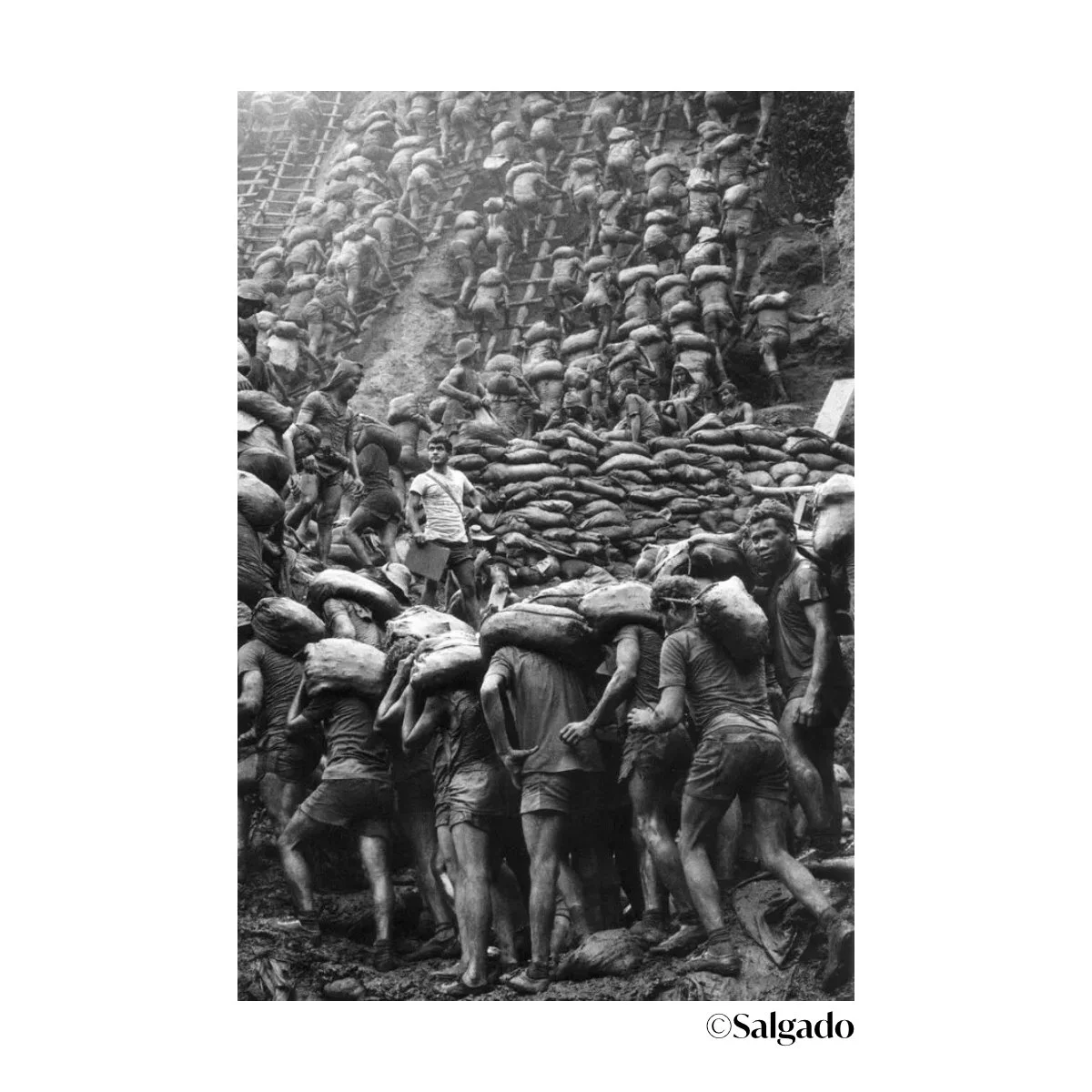
Capturing that essence is the basis for many street photographers.
Few of us go truly out with the intent to expose or invade people’s privacy.
If I had to be honest, I don’t care enough about a random stranger to even do that in the first place.
Rather, we just see something captivating about this moment or scene, and we press the shutter.
This is to say, you’re not doing anything wrong.
If you want to turn your street photos from boring to bold, you must remind yourself of that fact.
People around you might judge you or look at your weird or whatever but, as long as you’re not doing anything wrong, don’t feel remised.
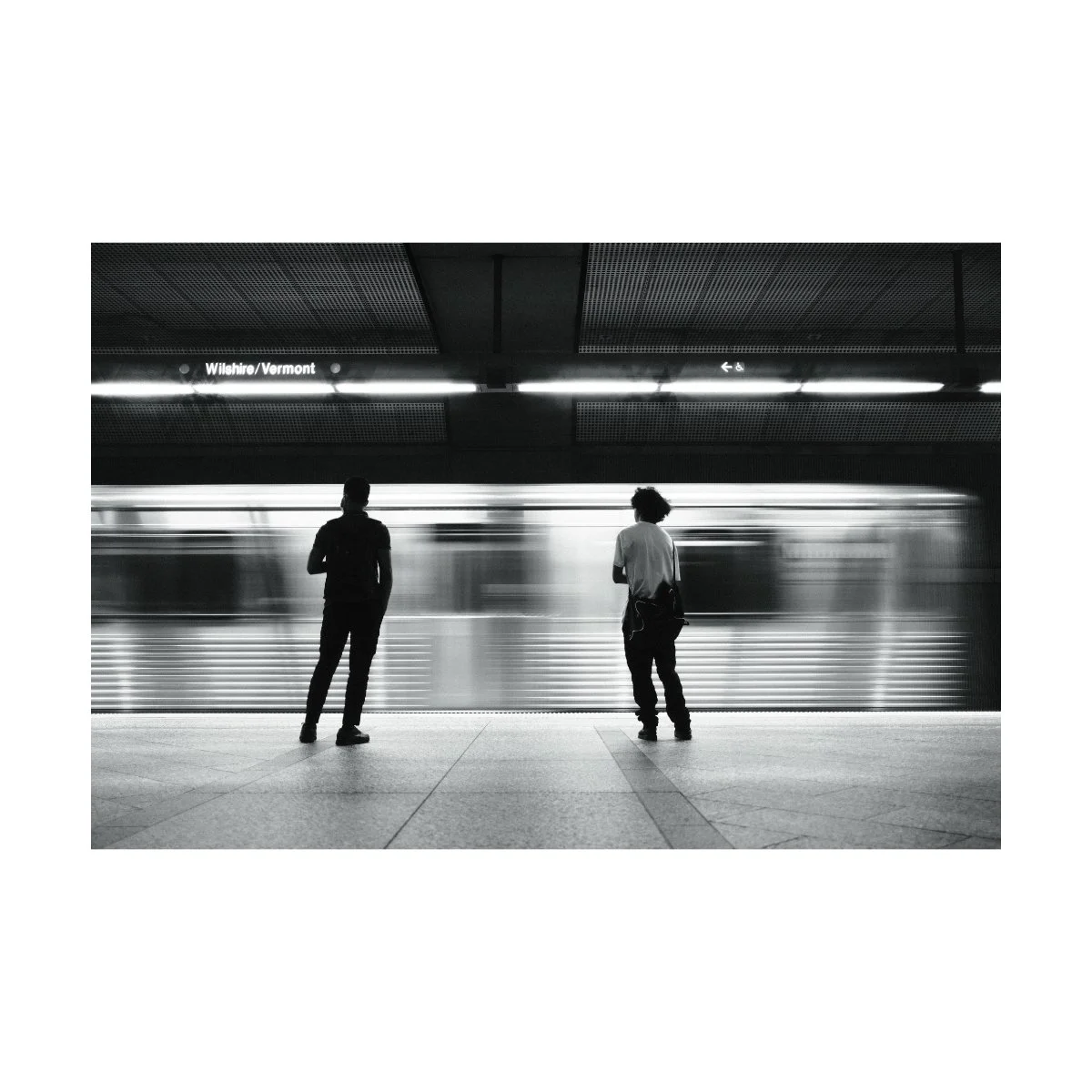
A lot of the struggle we experience as people is based on what we think is okay or is not okay.
And that conflicts with what we think others think is okay or not okay.
But the moment we recognize that to an large extent, it’s an illusion, and our fears exist primarily in our heads, we can take the first steps to acting how we want, instead of acting how we think we should act.
If you want to become a more bold street photographer, it comes from you.
You must decide, give yourself permission to be bold, and allow yourself to act in ways you already know you can, to get the results you want.
Then, the photos will come.
Thanks for reading, I hope you found this useful.
If you did, share this with a friend who also struggles with being more bold in their street photography.
If you want to learn more about improving your photography, go to Photography Systems.
Thanks again, happy shooting.