Hard-Won Photography Lessons I Wish I Learned Sooner
Photography is simple.
Use the right settings, press the shutter at the right time, and edit appropriate to the image.
So why then can taking good photos be so hard?
Well, the first reason is that “simple” is different than “hard”.
The second is that us, the photographers, often get in the way and make photography much harder than it needs to be.
Today I’m going to share with you a few lessons about photography I wish I learned sooner, so we can get out of our own way.
Many of these deal with the mindset and our psychology around art and life, because that’s what I’ve seen people struggle with.
But locking in and finding better ways of thinking will actually make improving our photography easier.
If you tend to struggle with the “doing” side of photography, you can also learn more in Photography Systems, where we cover all of that.
Let’s get started.
It’s Okay to Get Serious
I think over the years we’ve somehow convinced ourselves that “trying” isn’t cool.
It’s lame, you’re struggling too much, why do you care so much, you’re a “try hard”.
Right?
Growing up, that’s been the narrative.
That if you put in effort and tried more than others it was viewed negatively.
Instead, it was cool to do things effortlessly, accomplish stuff without working hard, and just be naturally good or gifted at things.
But once I reached a certain age, I realized how utterly stupid that mindset was.
Because the only one who suffers from it is you.
You’re not getting any better, others around you are, and you’re stuck in old habits and bad mindsets that make you feel silly for just trying.
You’re holding yourself back because you’re afraid of how you’d look for taking something seriously.
But think about it:
What’s wrong with wanting to get better at something?
What’s wrong with wanting to be good at something?
What’s wrong with putting in effort at something?
Nothing’s wrong with any of that.
The people who tell you there’s something wrong are just holding you back so you don’t get better than you are now.
But you can’t live your life based on how you’ll be perceived by others.
For me, I was a bit lucky.
No one had to teach me to “try hard” or “get serious”.
I myself, tend to be a serious person, at least when it comes to things to be serious about.
Things that are important to me, my future, the person I want to be, and the things I want to do.
You probably already know this based on the tone and narrative of my writing.
This isn’t to say I didn’t feel judgement or pressure from others.
I did at moments feel embarrassed for trying or taking things more seriously - which was silly.
And sometimes I’d have the opposite problem:
Struggling with being more carefree or letting certain things be.
But over the years I’ve learned to balance things out.
I keep the serious stuff for the few things I care about and try not to sweat everything else - so most other times I’m pretty chill.
But my point here is: it’s okay to get serious.
Unlike me, the problem most people have isn’t being too serious - rather, they’re not serious enough.
When it comes to creating goals, making progress, and eventually accomplishing them, you have to be a bit serious.
And over time you’ll realize that the people who actually accomplish stuff in life are the ones who try, rather than the ones who laze around and try to scrape by doing the bare minimum.
It’s a great disservice to ourselves to believe that we can live a fulfilling life without putting effort in.
That’s why many will look back with regret, wishing they’d done more.
Because they weren’t serious and lived a half-baked life because of it.
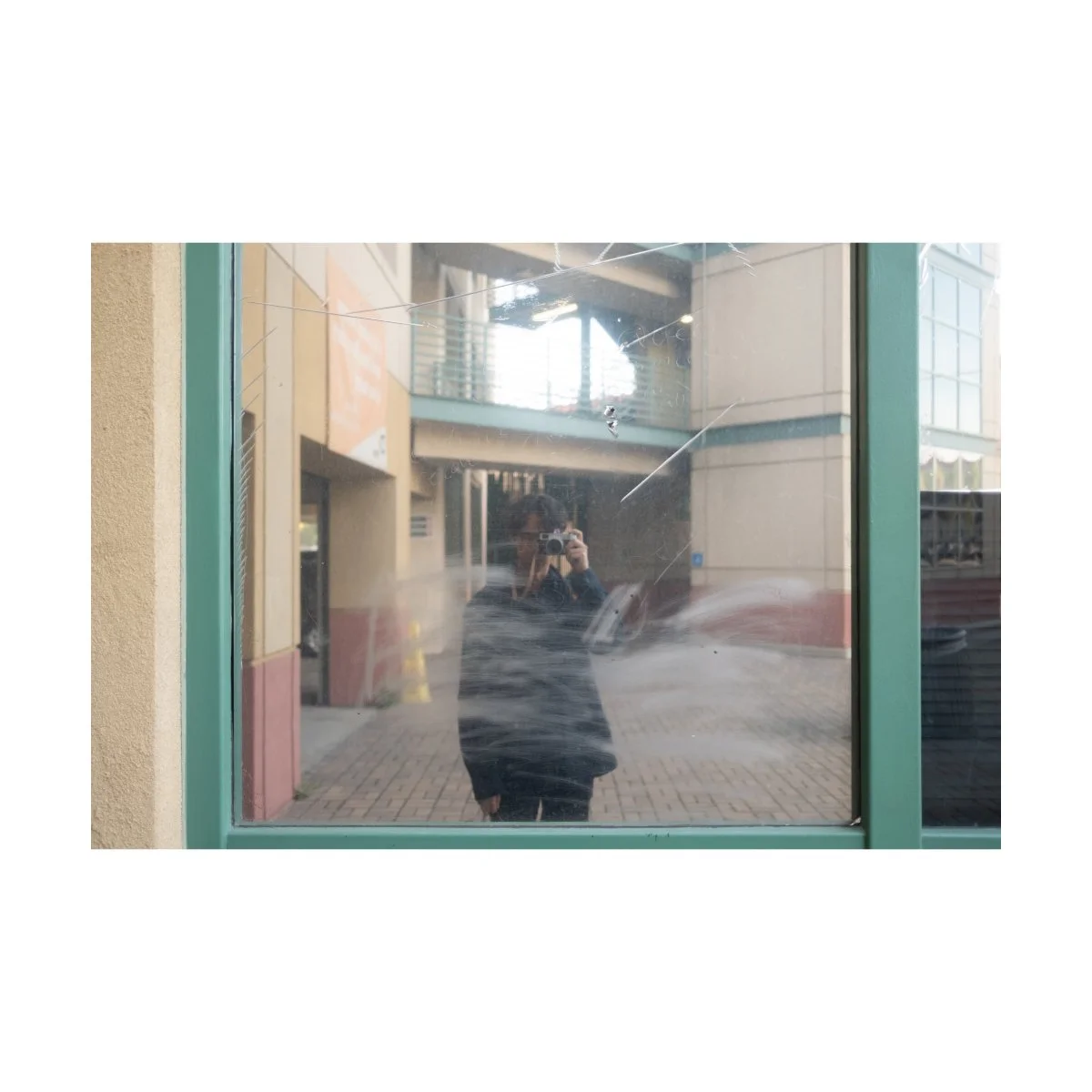
This applies just as much to photography as it does to life.
It may seem pointless, especially if you’ve grown up similarly to me, where art is considered a waste of time.
It doesn’t make money, it doesn’t pay the bills, it doesn’t feed the family - so why are you spending so much time doing it?
Well, it’s of my personal opinion that there’s a lot of value from improving in something like photography, even if you don’t make money from it.
And if you’re floating through life feeling monotonous, like every day is the same, and you’re not excited by anything new, but at the same time you’re not challenging yourself to any worthwhile goals, that might be why.
Because you’re not trying, things are boring.
Everything’s pointless, you lack direction, and life is a slug - because there’s nothing you care about.
The antidote is: you need to give yourself permission to try hard.
Our bodies are biologically drawn towards laziness so it’ll feel weird at first.
And getting serious about something means putting in effort, and…you might not like that.
You’ll be forced to do things that make you uncomfortable, you’ll be forced to care about something, you’ll have to “try hard”.
This means opening yourself up to the possibility of failure and disappointment.
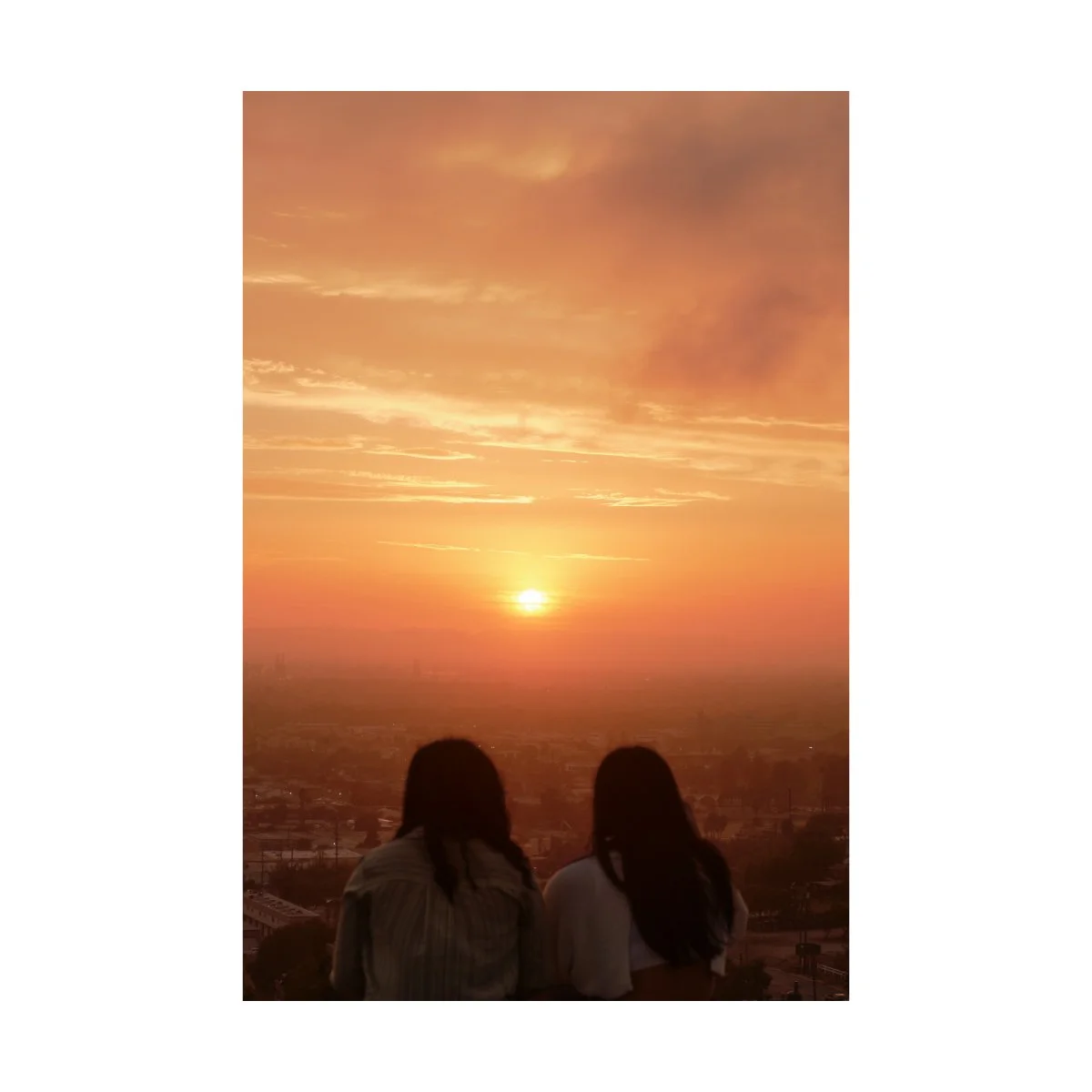
The great reason why many people don’t try in hobbies like photography or life as a whole is because they’re afraid to fail.
They know subconsciously that if they put in effort and it doesn’t go well, it would suck.
So they become determined not try at all, because if you never try you can never fail, right?
But again, that’s the same reason why life feels so empty.
Life isn’t empty because it’s empty.
Life is empty because you’ve closed the door and hid in your room.
If you want to live a fulfilling life full of adventure, you have to start trying.
You will fail along the way - that’s part of the trade-off.
But here and there you will succeed, you will overcome hardship, and life will be exciting.
Accomplishing hard things is the key to fulfillment.
The only way we get there is by getting serious about something - so why not photography?
Start with photography, set some goals, go outside more often, assign yourself projects, actually start putting in effort.
It won’t be as scary as you think, and it might actually be fun.
You’ll be surprised with how changing one gear will affect the rest of your life.
Because how you do one thing is how you do everything.
So it’s not only okay to get serious - we should get serious about something because it makes life richer.
That’s a big lesson about photography and life I wish I embraced sooner.
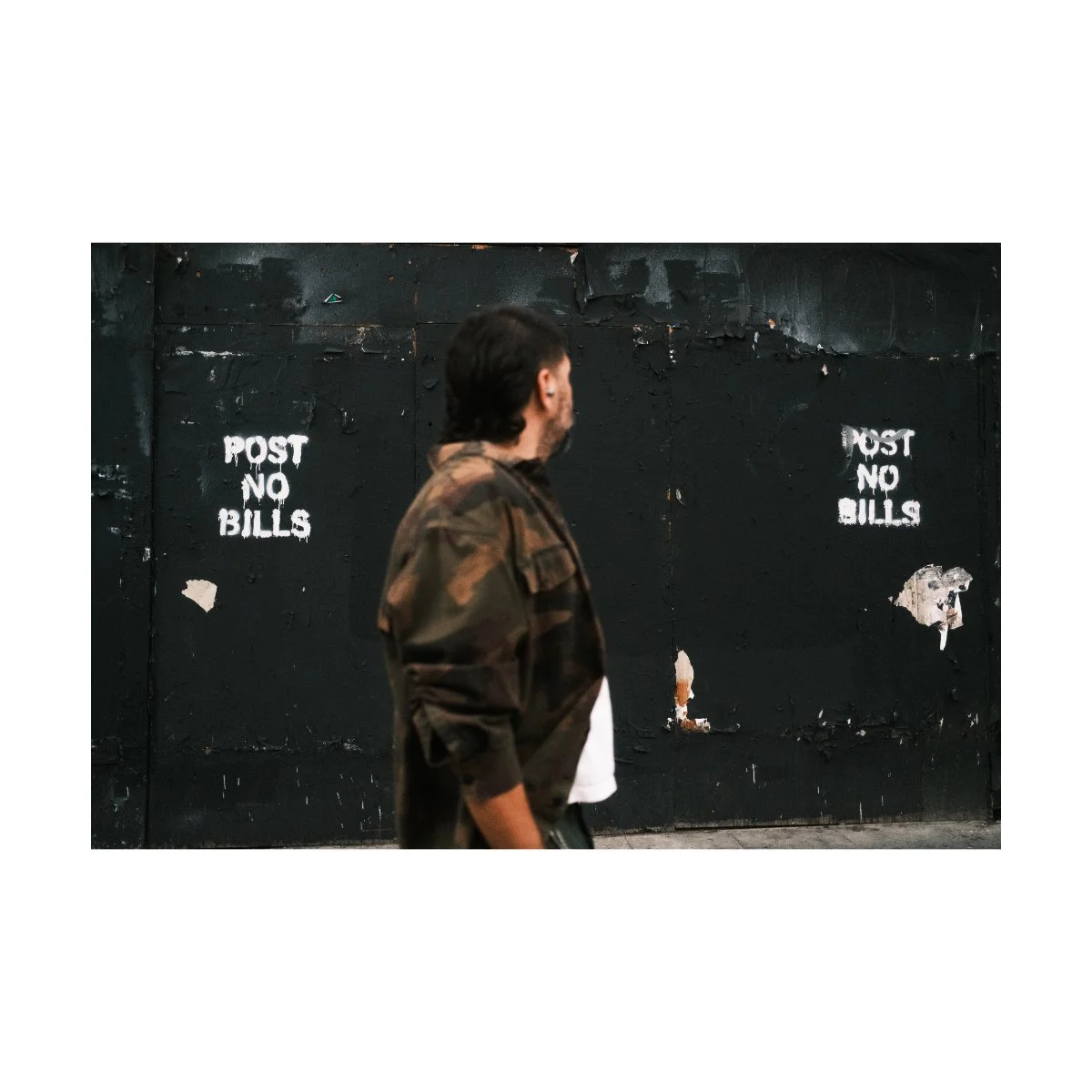
Listen to the Image
Every now and then I’ll come across one of those short form videos that has the before and after RAW photo vs photo edits.
You guys know what I’m talking about.
The funny thing is, there’s always people in the comment section saying they like the original image more.
But there will also be some who say they like the edited version more.
I think there are two things to be extracted from this.
The first is:
Don’t over-edit your photo.
It’s often we get caught up in a powerful software like Lightroom and start doing too much to our images just because we can.
But the resulting image ends up being far off from what it originally was - sometimes in a bad way.
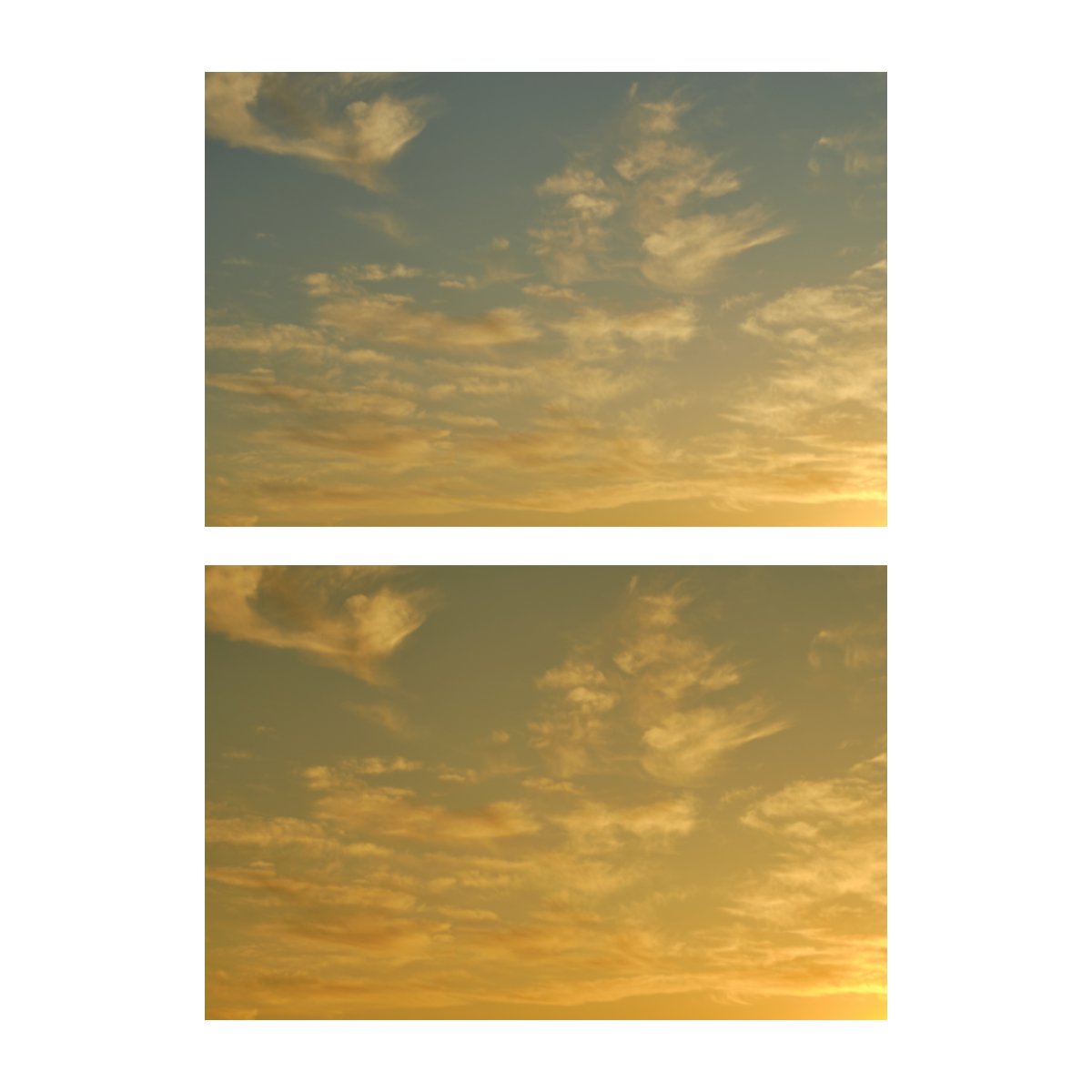
That’s why one of the very first lessons we learn when photo editing is to do less.
Don’t cook your image - especially if you’re just getting started.
Because you haven’t yet trained your eye to understand what is good and what is too much.
You can only see what you can add and never think, “Maybe I don’t need to do this adjustment.”
Beginners and experts alike can fall into this trap.
Beginners will get excited by all the novelty and power at their fingertips.
And they want to learn the software so they think they have to use every single tool.
While experts will want to leave some sort of lasting look or impression on the viewer, so they can’t help but over-edit because they want to differentiate themselves from the crowd.
But less is always more.
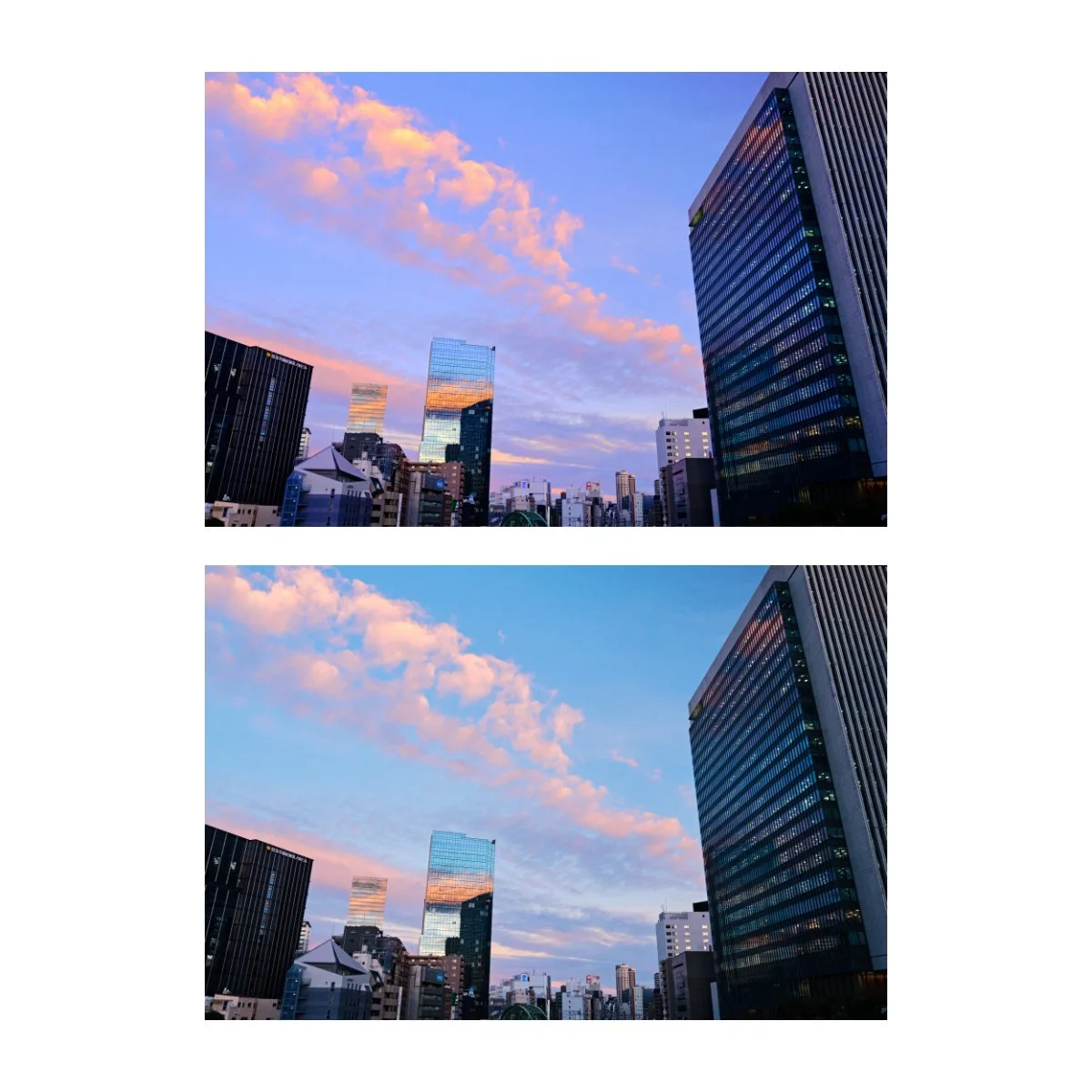
The second lesson here is:
Aesthetics comes down to personal preference.
There will always be people saying they like one look better, and others saying the opposite.
Some people prefer these colors and tones, others don’t.
As as you grow and develop as an artist, it’s not your job to find the “best look” or the look everyone likes.
Why?
Because style has no master.
It’s not us who generates the look, aesthetic, or style.
That’s a false preconception we believe as artists.
This might sound weird at first but hear me out.
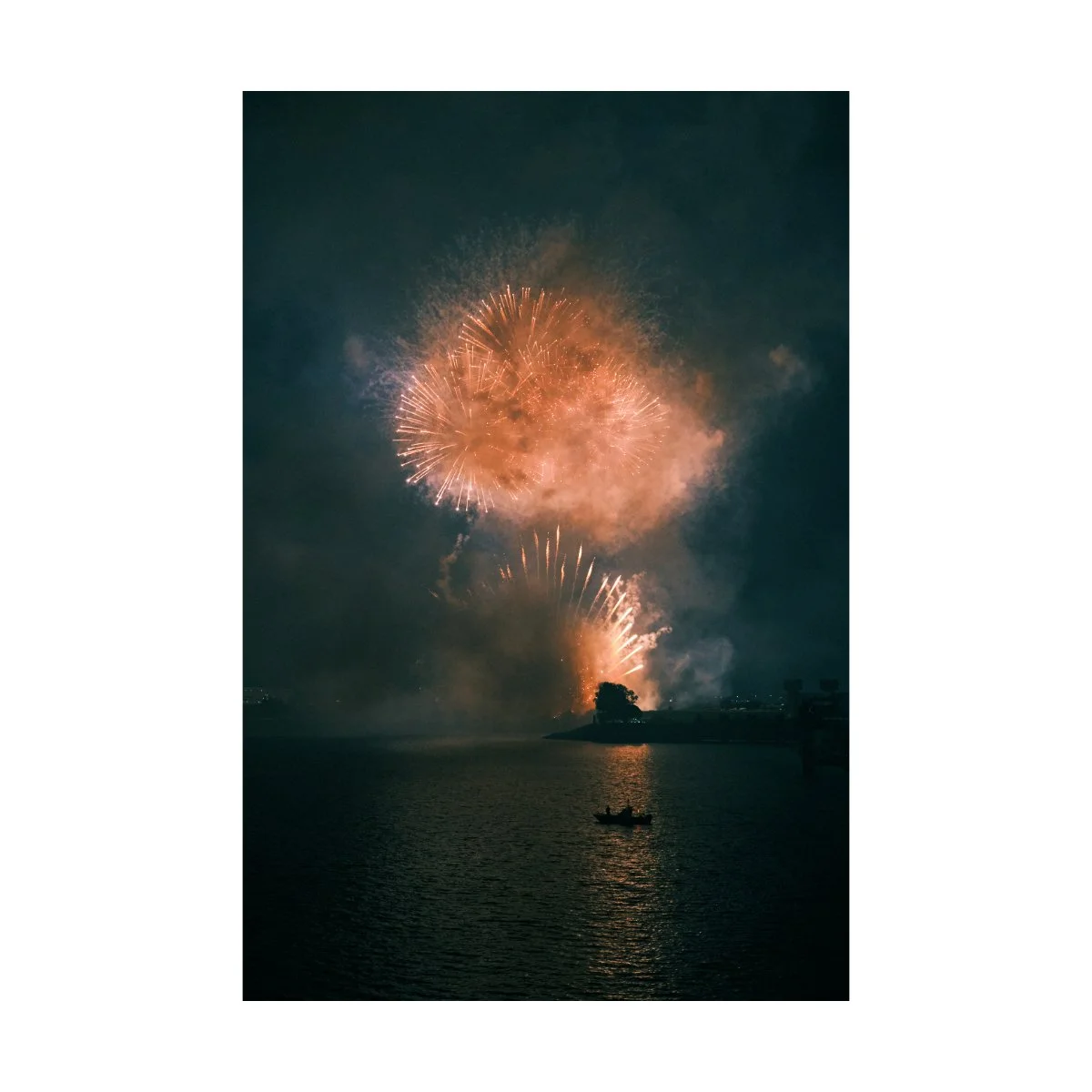
In my experience, my best photo edits came from staying in line with the image itself.
Aiming for a look or aesthetic that does the image justice, that brings out the best qualities and minimizes the worst qualities - that allows the image to shine in the way that it should.
It’s not me imprinting my will, desires, and looks onto a photo.
Because that usually just results in:
more difficult photo editing (because you’re forcing sliders in a way that doesn’t work)
edits that don’t look like the original image (so they lose that essence)
over-editing (self explanatory)
edits that don’t make sense (things like warm colors on a cold image or high contrast on a soft image)
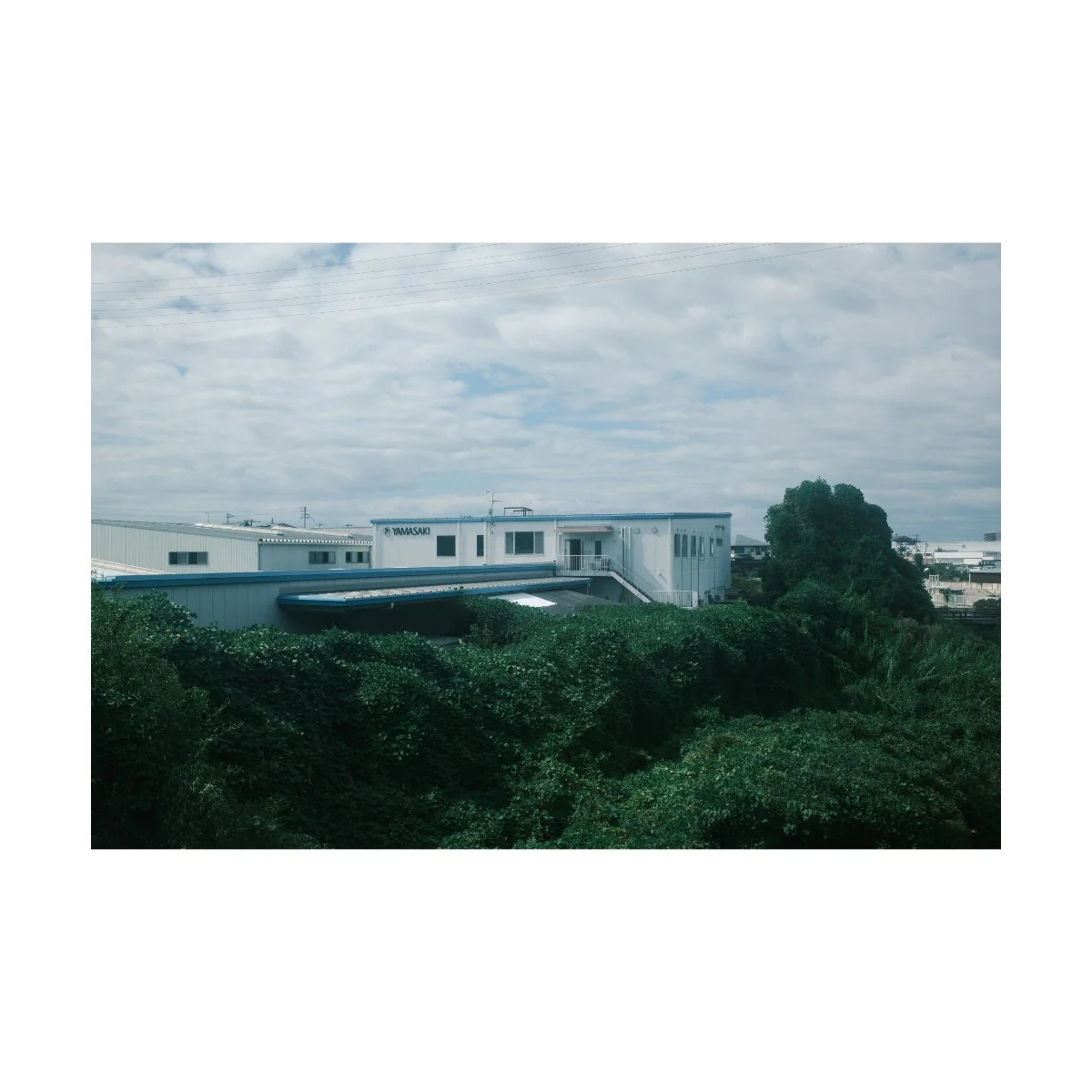
So I’ve personally had more success aiming for a look I feel like the image wanted, rather than the look I wanted.
You can apply this by asking a simple question:
“What would work best for this image?”
Instead of:
“How do I want this image to look?”
Can you see the difference?
That’s synergy - it’s a concept we cover in Photography Essentials and I still use it to this day.
I recognize now that if so much of a photographer’s style can be dictated and directed by outside elements, it becomes a little silly to claim that as our own.
Jimmy Carr has a really good line that drives this home:
“You don’t choose your style - it chooses you.”
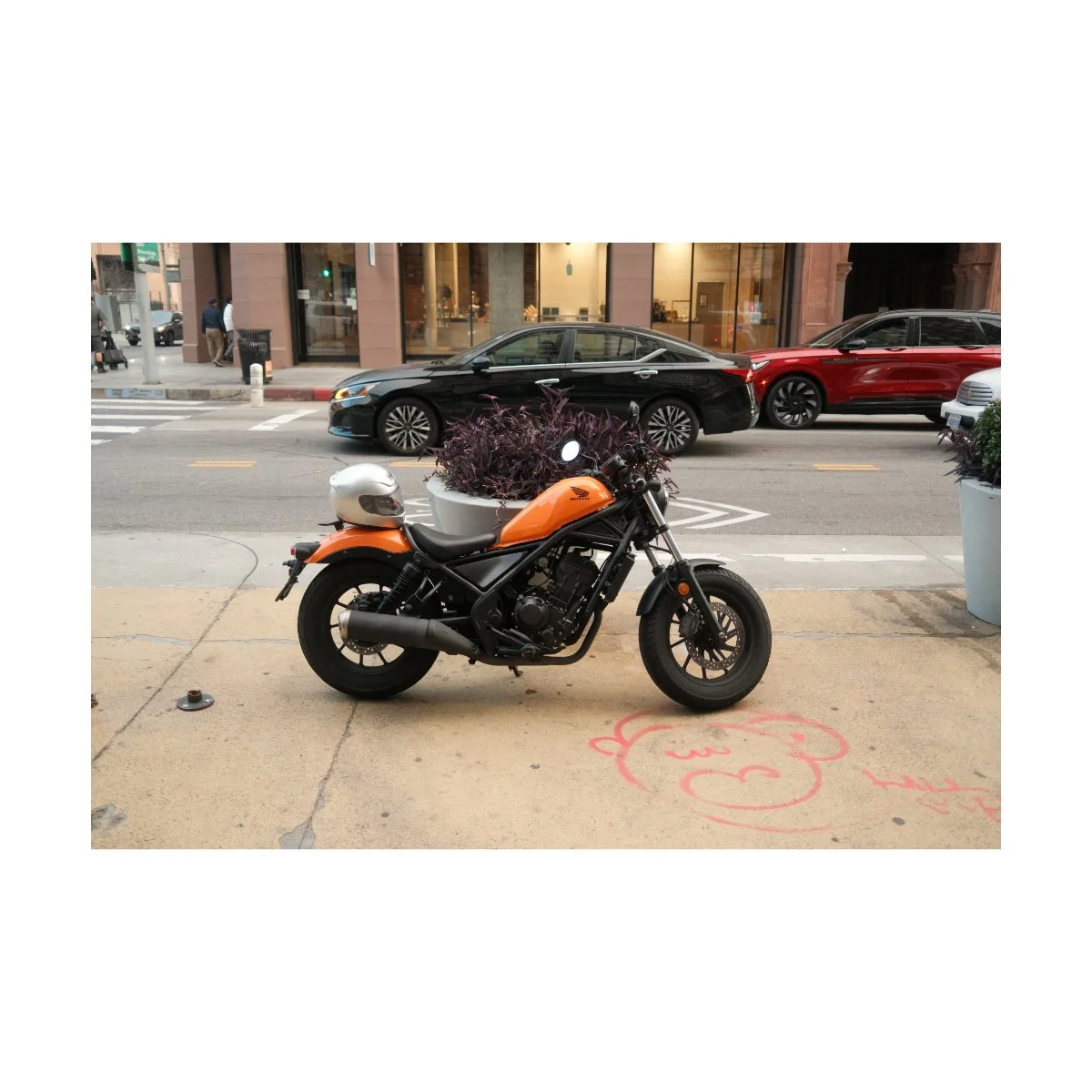
Now this isn’t to say you can’t have a preference to a particular look or way of editing.
Just that a lot of struggle for photographers comes from trying to get that look.
Fussing over settings, always asking “what film simulation recipe did you use?”, trying to copy presets and color grades.
They think it’s the “look” that’s doing the work.
Whereas if they just paid attention and listened to the image, they would know exactly what to do next.
So if you’re someone who’s always asking, “Why do their photos look so good?”
“What preset, what camera, what recipe did you use?”
Understand that you can take and use the same things they do and still get a different result.
But if you really want to consistently get shots that look good, stop overediting, and create a style of your own, you need to start listening to the image.
Each photo itself has the answer you’re looking for.
There is Value in All Work
Doing work, even if it’s creative work we “like”, can also suck.
That’s been a consistent reminder for me throughout the course of my photography journey.
Even though photography is fun, we’re not always motivated or inspired to do it.
And many days I wake up wishing I could just stay in bed.
Steven Pressfield calls this feeling “the Resistance”.
But something I’ve also learned throughout the years is:
There is value is all work.
What do I mean by this?

You see, it’s easy to feel dejected about photography when you don’t think it’s gonna pay off.
Maybe the project you’re working on isn’t going to be very popular.
Maybe the photos you take kinda suck.
Maybe you’ve been posting a lot on Instagram and no one likes your photos.
Maybe you’re excited by a new project and feel sick because you have to finish this one first, but you’re no longer motivated to do so.
Maybe the photos that are your favorite, aren’t what people like.
And maybe you’re impatient, because you’re putting in all this work and effort but not improving.
All of these things can make photography feel tiresome or pointless.
“Why do I have to do this, it’s not going to do well anyways.”
“I feel like I’m wasting my time.”
“I’ve been doing photography every week but I’m not getting better.”
This way of thinking is dangerous and it’s difficult to see the bigger picture when you’re in the thick of it.
But if you stick with it, as time passes, things will begin to make sense.
You see, all the work you do adds up.
Moments when you didn’t feel like you understood the tutorial, but still went out and tried it anyways.
Past cameras you bought, that didn’t gel with you, and had to sell at a loss.
Photography projects you worked hard on but didn’t get the outcome you wanted or wasn’t as good as it could have been.
They all taught you something valuable, whether you realized it or not, and gets shoved into future iterations.
And later, when you do succeed, it’ll be because you tried and failed before, you just might not realize it.
Doing the thing in the tutorial, even though you didn’t understand it, helps you get it later.
Buying cameras that weren’t meant for you helped you find the one that was.
Photography projects taught you how to build and complete something - regardless of the result.
This is why your first attempt “failed”, but your 10th attempt was a great success.
It’s not simply because you did something right the 10th time.
But rather because you did something wrong the previous nine times.
Does that make sense?
All of the work you do adds up later, even if right now it feels like a failure or a waste of time.
This is a good thing.
Because if we learn to view progress in the sense that “everything adds up”, then it’s more motivating to do the work today.
Because while it may have felt pointless before, now there’s a point.
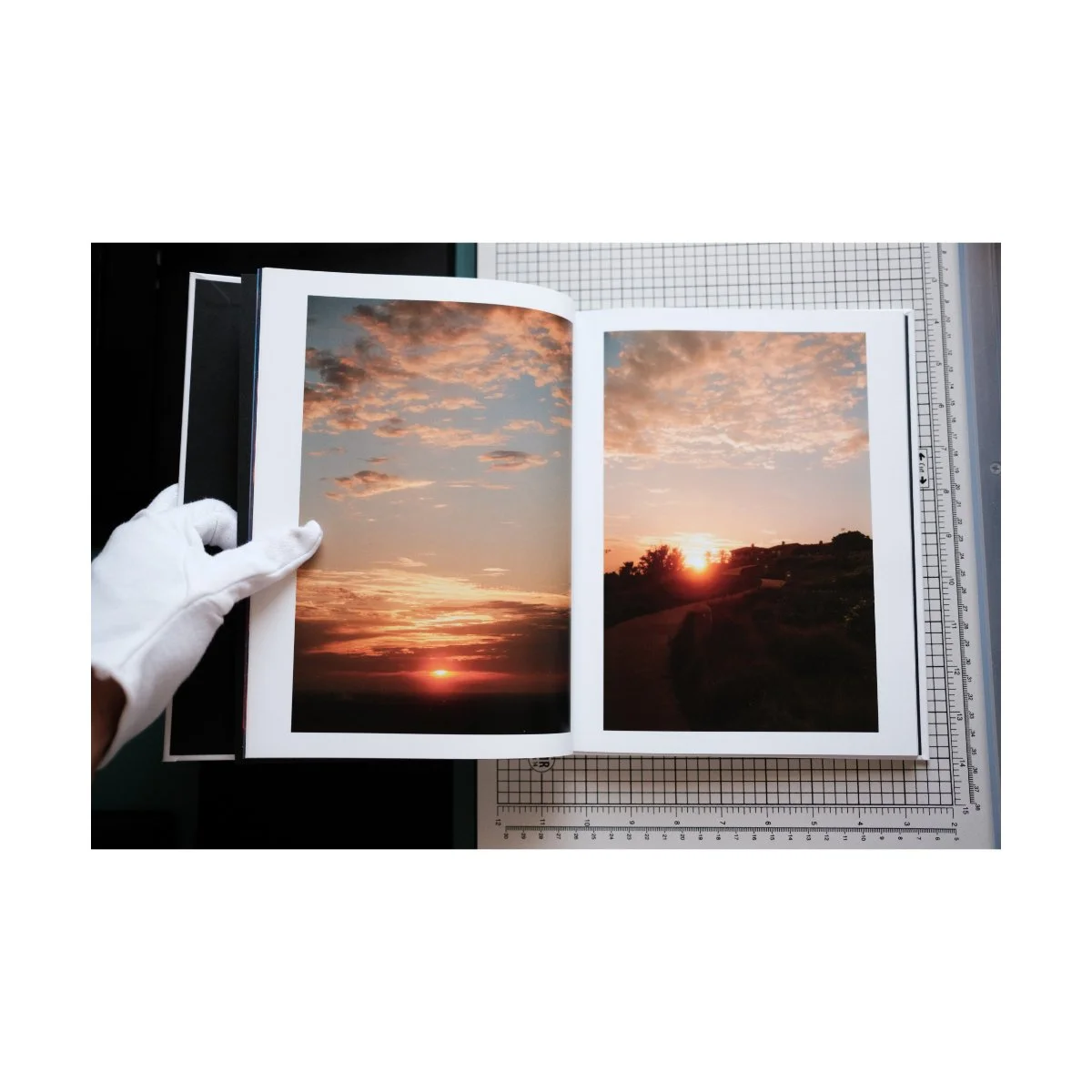
For example, my first photography zine “The Sinking Sun” didn’t change the world or revolutionize photography (it also wasn’t meant to).
But it still remains as one of my greatest accomplishments from 2024.
Because the biggest challenge then was learning to complete an actual body of work around a theme I assigned for myself and bring it to others.
It taught me a lot about photography, book building, and life.
And the many lessons I’ve learned from building this zine I know will contribute to my future projects.
That’s what I mean by: there is value in all work.
It’s not necessarily value in a monetary, views, or likes sense.
But intangibles, things we can’t see - they’ll all contribute to our growth.
And if we keep at it, we’ll grow enough to do or make something awesome.
But it won’t be because we succeeded - it’ll be because we failed and kept going.
It Won’t Always Be Fun
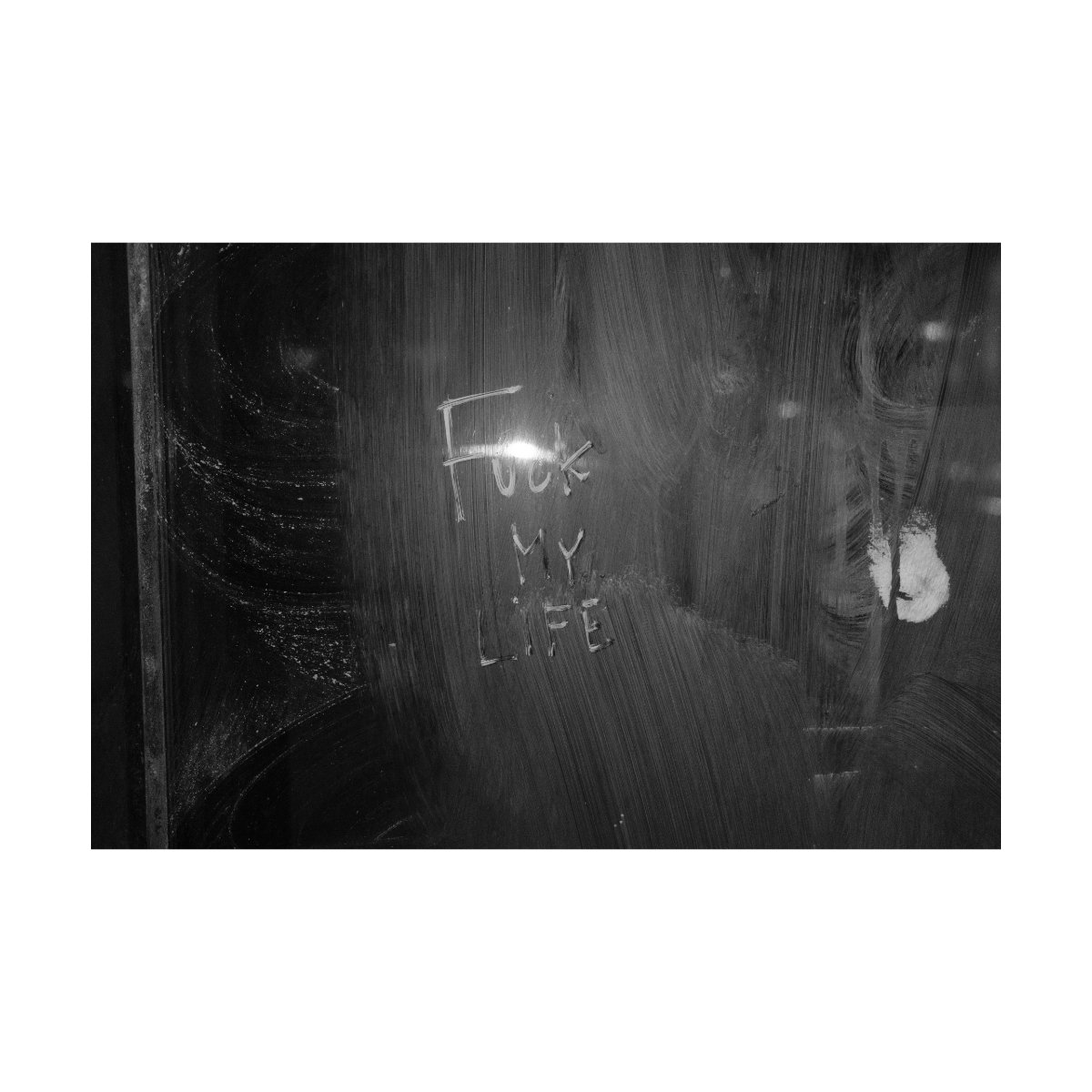
A sad but true reality when it comes to photography is: it won’t always be fun.
I know many people see photography as a fun hobby and not an artistic pursuit, but if we’re speaking in the language of “getting better”, this has been my experience.
I find that photographers that want to improve eventually find themselves hitting a brick wall.
This “wall” is often the point defined by where photography stops being new, is a little less fun, and a little more cumbersome.
You don’t feel the same energy or excitement to get out and learn new things as when you did when you first started.
So going out to take photos feels less like fun and more like a chore.
Now this isn’t the case for everyone and I’m sure many of you have found a nice balance point between effort and enjoyment.
But if you’re at the point where you’re losing motivation around photography, this is something you need to accept.
Photography won’t always be fun.
And if it’s not always fun, what should we do?
Well if it’s not always fun, but you still want to improve and get better, you need to find a better way of doing things.
The walls and barriers in front of you aren’t as simple anymore and cannot be overcome so easily.
With that in mind, you must decide whether or not you want to buckle down creatively and chip away at this wall.
Or slowly find yourself stagnating, getting bored, and switching to a different hobby without even realizing it.
More people go down the latter route than you’d think.
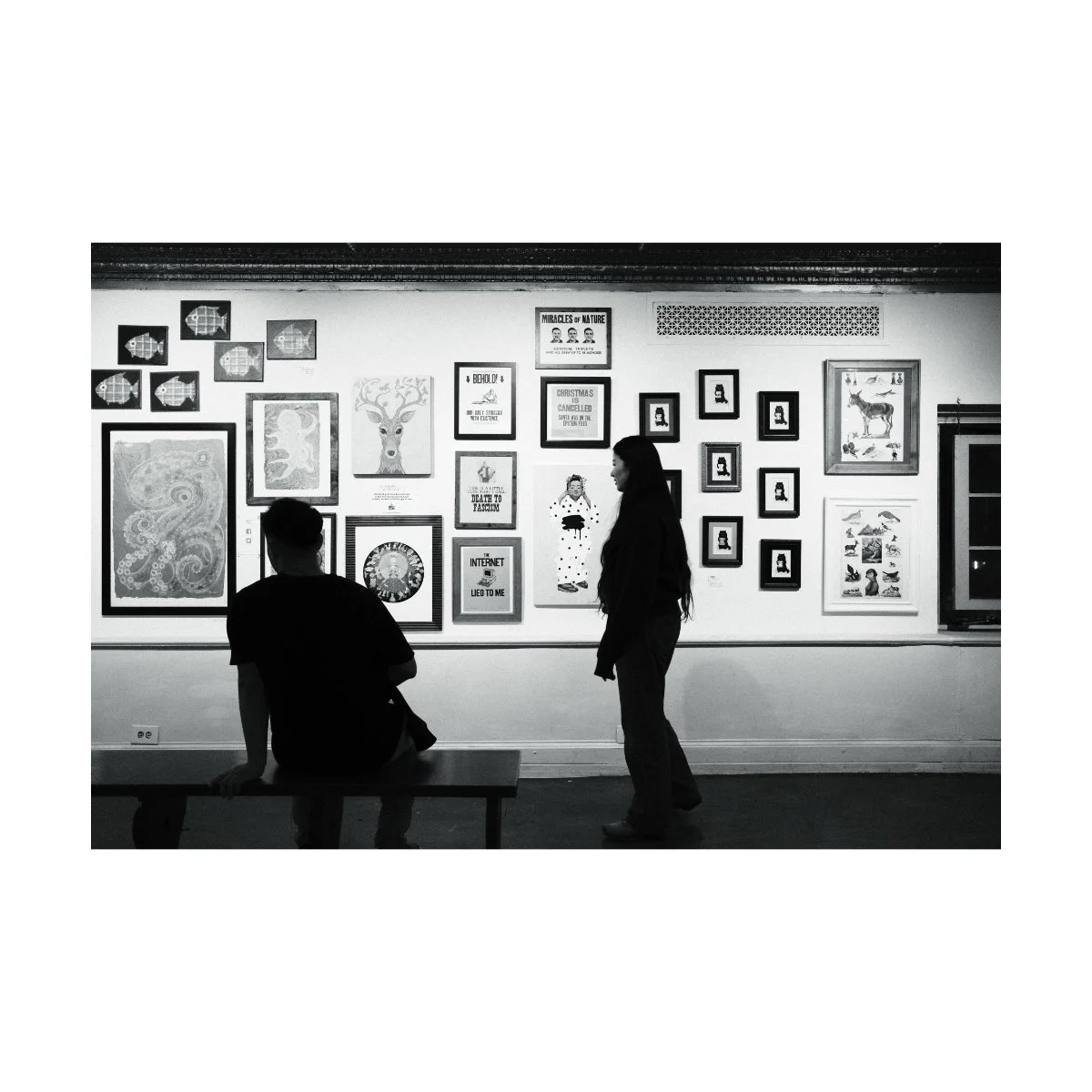
It’s why you’ll see many “photographers” are really just dabblers.
Where they take photos every now and then, but not frequently and not consistently.
And they haven’t built anything with their photos, but also will shy away from doing so, because they know the effort will challenge them more than they could be bothered.
Again if you’re just someone who doesn’t care that much about photography, I’m not criticizing you - have fun and do your thing.
But if you’re seriously trying to get better, that’s a bridge you must cross.
This is also an important revelation for “jack of all trades” types.
If you’re the type of person to do and try many different hobbies, but have noticed you can’t really stick with one thing, try sticking to photography.
Because the problem you have here isn’t interest, it’s commitment.
Many people build up bad habits of flip flopping pursuits, having one toe in ten different doors, and never doing anything substantial.
And they’ll claim that they simply haven’t found “the thing” yet, when really they’re the problem.
They reach the hard part or “first wall” of the journey and it frightens them, so they jump ship.
But think about it for a second.
Imagine you continued flip flopping different pursuits and never stuck to one thing for the rest of your life.
By the time you reach the end, you’ll be in a much worse position than before.
Because once you’ve tried everything, what else is there to try?
It’s like playing 20 different games and only clearing level one 20 times.
You’ll never truly experience what it’s like to beat a game because switched games before you could.
The antidote here is to learn to commit and stick with something.
Be willing to tough it out when it’s not fun and you’ll realize the passion you pick really doesn’t matter.
Because passion comes from the artist - if you have the right internal mindset, you can be passionate about anything.
But if you have the wrong internal mindset, you will always say “it’s not fun anymore”.
Improving Takes Way More Than You Think
People underestimate the amount of volume it takes to get good.
They’ll hear others say you need to shoot and take a thousand shots a day, but it goes in one ear and out the other.
The same applies for photography.
It’s easy to look at other people’s work, compare yourself to it, and scratch your head wondering why your photos aren’t as good.
I myself did this a few months ago.
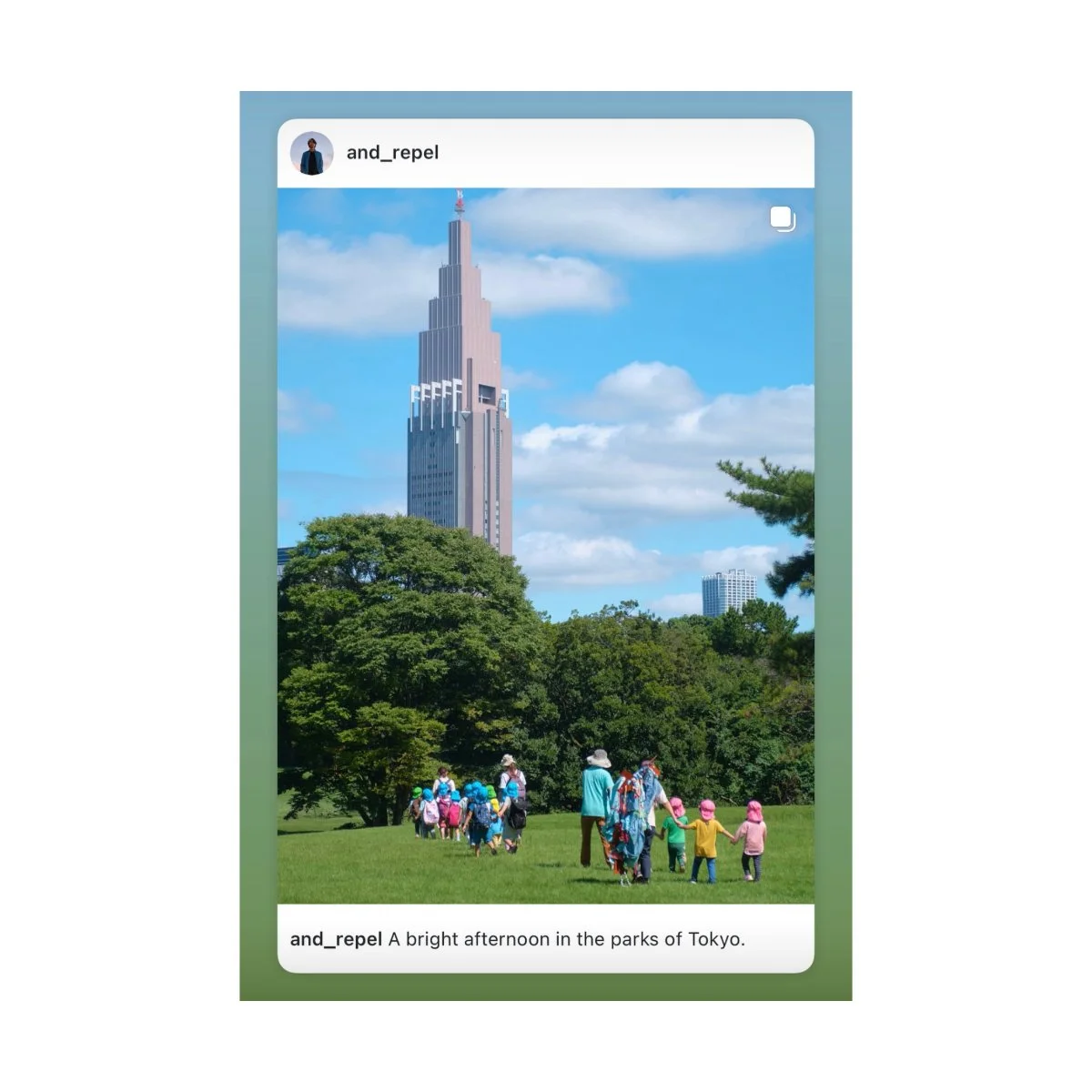
I usually try not to scroll on Instagram but I was posting something and just so happened to see a really good collage of street images.
And I found myself thinking:
“How did you even take photos like that?”
It reminded me there were levels to this and my photos felt very basic in comparison.
Now comparison is often a photographer’s kryptonite as it does us no favors, but it was at this moment I was reminded of something important.
What we see on social media versus what reality is like is completely different.
On social media we never see the lowlights.
The bad photos that didn’t make the cut.
The zillion mid photos on that guy’s hard drive.
We’re only seeing the top ten, where in actuality most photographers take bad photos.
Think about it.
There’s simply no way to only take good photos and not bad ones.
That’s impossible.
In reality, there exists a ratio between good and bad photos.
Take 1000 mid photos and maybe you’ll get 1 good one.
The better photographer you are, the more you can improve this ratio.
But all photographers, no matter how good they are, will take bad photos.
Experts have simply figured this out and have come to terms with it.
They don’t care about taking bad photos and they don’t compare themselves to other photographers because they understand what it took to get there.
It’s here I’m reminded of a similar philosophy, just rephrased for photography:
“I’ve taken more good photos than you’ve taken bad.”
That’s what I imagine a better photographer or my future self saying to me.
As if to imply:
“I’m not more gifted, talented, or whatever, I’ve just done more than you.
And if you want similar results you gotta do more.”
This not only sets me straight but gives me an action route to take.
It all comes back to volume.
Better photographers are willing to take a thousand bad photos to get that one good one.
And if someone’s taking better photos than you, you can be sure they’ve done more volume.
Because improving and getting good takes way more volume than you think.
To Climb the Ladder You Must Start At the Bottom
To climb the ladder you must start at the bottom.
Sounds kind of obvious, right?
Here’s what I mean by it.
Many photographers and creatives stunt their own progress.
They overvalue advanced skills and undervalue the basics.
But when it comes down to it, any elite athlete, top performer, or great artist has a strong and solid foundation in the basics.
Everything else follows downstream.
So a common problem I see in creativity is people rushing and trying to get to the top too fast.
They want to skip steps, learn the next cool thing, and take pictures like “that guy”, instead of really dialing down and solidifying their basics.
But eventually they run into a wall that they can’t overcome because their base simply isn’t stable enough.
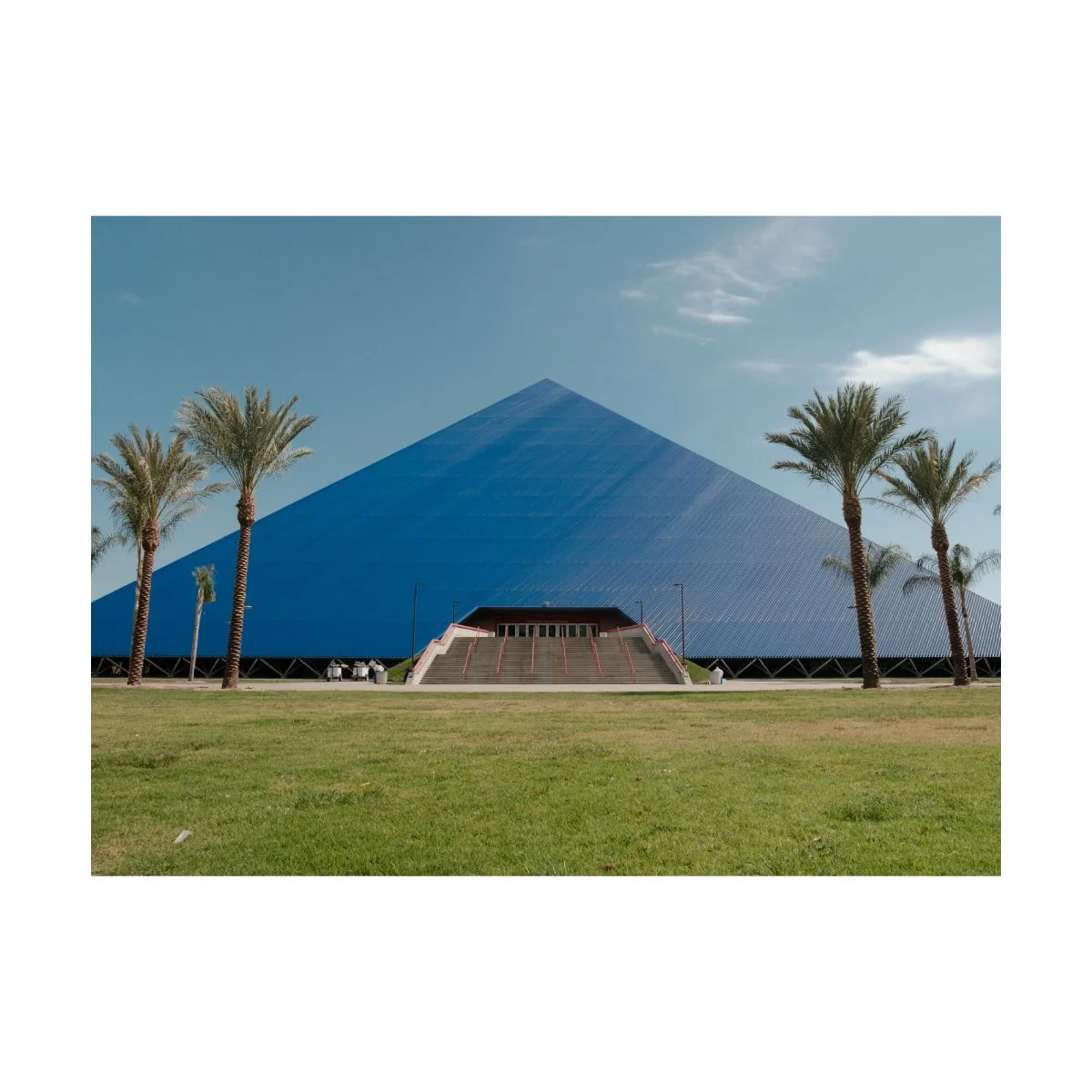
Think about your progress like a pyramid.
Why are pyramids so strong and why have they lasted so long?
It’s because unlike other tall structures, they have an immensely wide base.
The foundation is so large that anything built above it, remains solid.
You want your skills and foundation in photography to be the same way.
If you feel stuck in your growth right now, your issue isn’t the “higher level compositions” or whatever.
It’s the basics.
Take some time and return to the little things, even if you feel like you already know them.
Exposure triangle, basic perspectives, elementary photo editing.
Trying nailing every shot, every exposure, every frame and do it properly this time.
Because the only reason why you’re stuck now is because you didn’t learn it well the first time.
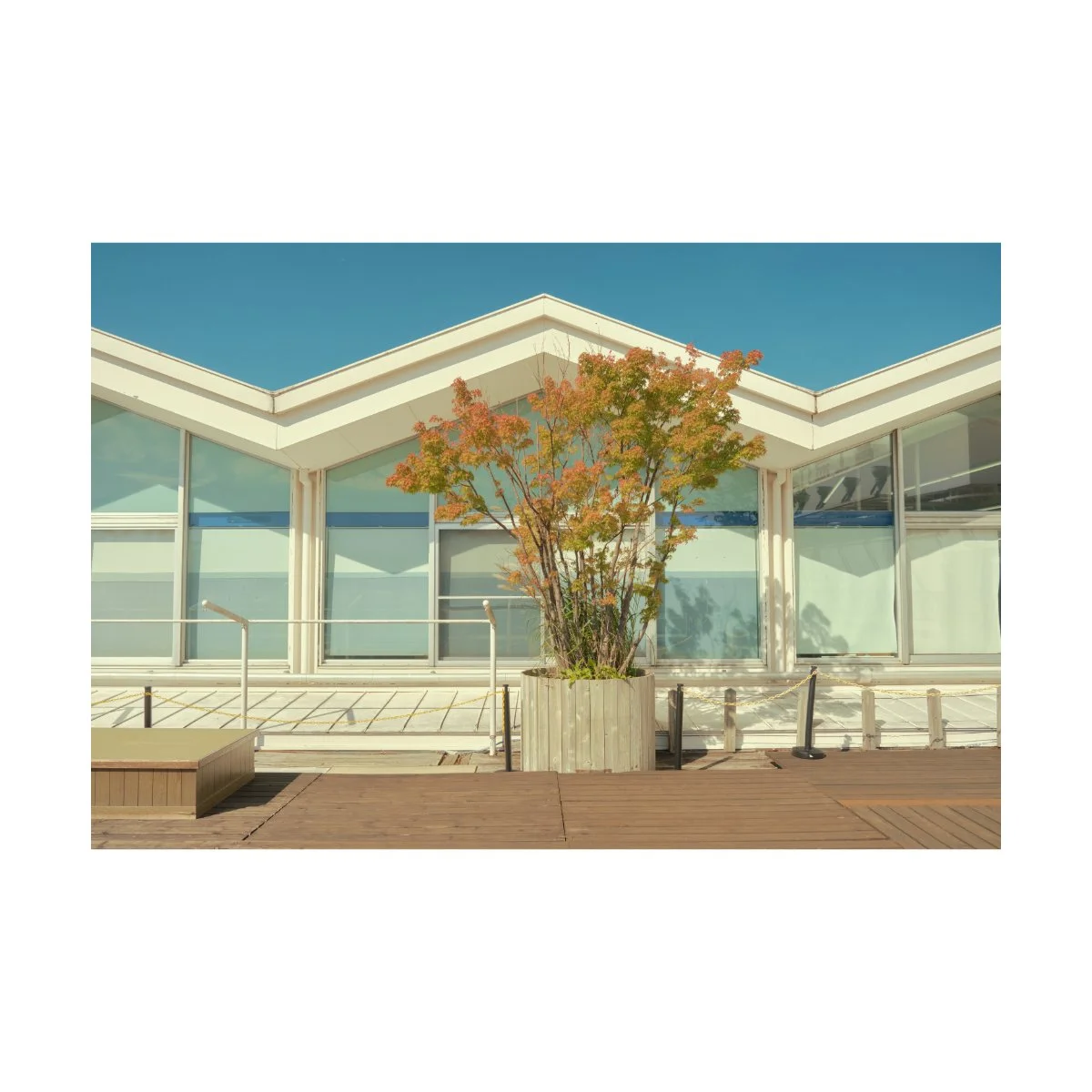
If you want to climb the ladder, you must start at the bottom.
Many times this means taking a few steps back so you can take a few steps forward.
A lot of people don’t want to do this because it feels regressive.
But it’s a necessary part of the process because otherwise you’ll stay in limbo.
But if you go back and improve on your weaknesses, build a stronger foundation, growth will happen on it’s own.
You’ll start taking better pictures and getting better results without trying as hard.
And it will almost seem crazy that you used to struggle before.
If this sounds relatable to you and you want to go back and rebuild your foundation, check out Photography Essentials - it’s free.
I made that for people who want to build or rebuild their skills with photography.
It doesn’t cover everything, just the stuff I find relevant, compiled and simplified, so keep that in mind.
Some of it will be stuff you already know, but reteaching yourself these things or learning to think about them in a new way will take you to that next level.
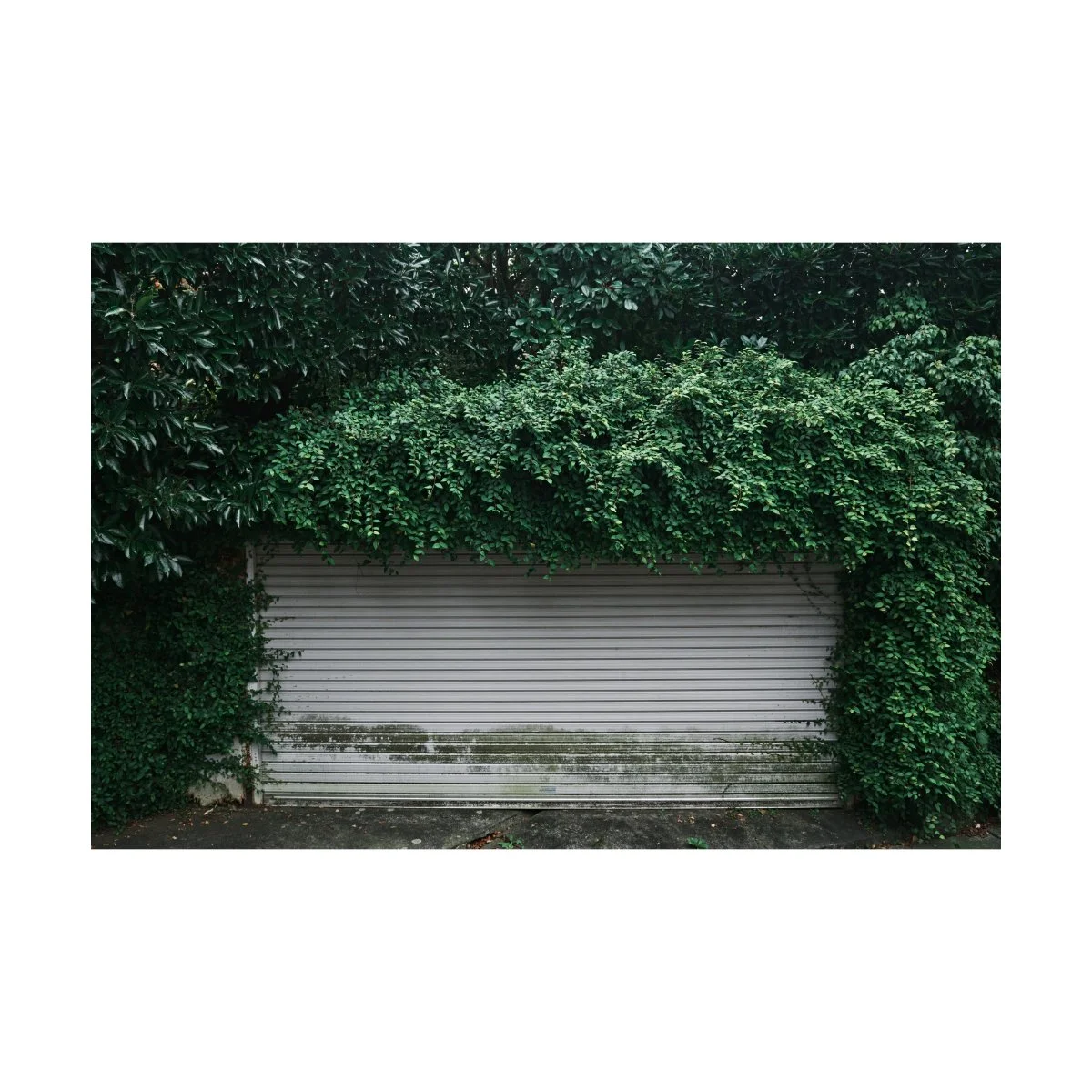
Heraclitus once said:
"No man ever steps in the same river twice."
Meaning going back and relearning the basics will be an entirely new experience for you.
You’ll be able to think and use skills from new angles or perspectives than you weren’t able to before, because you simply have more experience now.
And your understanding of photography as a whole will deepen because of it.
Don’t believe me? Try it out and see for yourself.
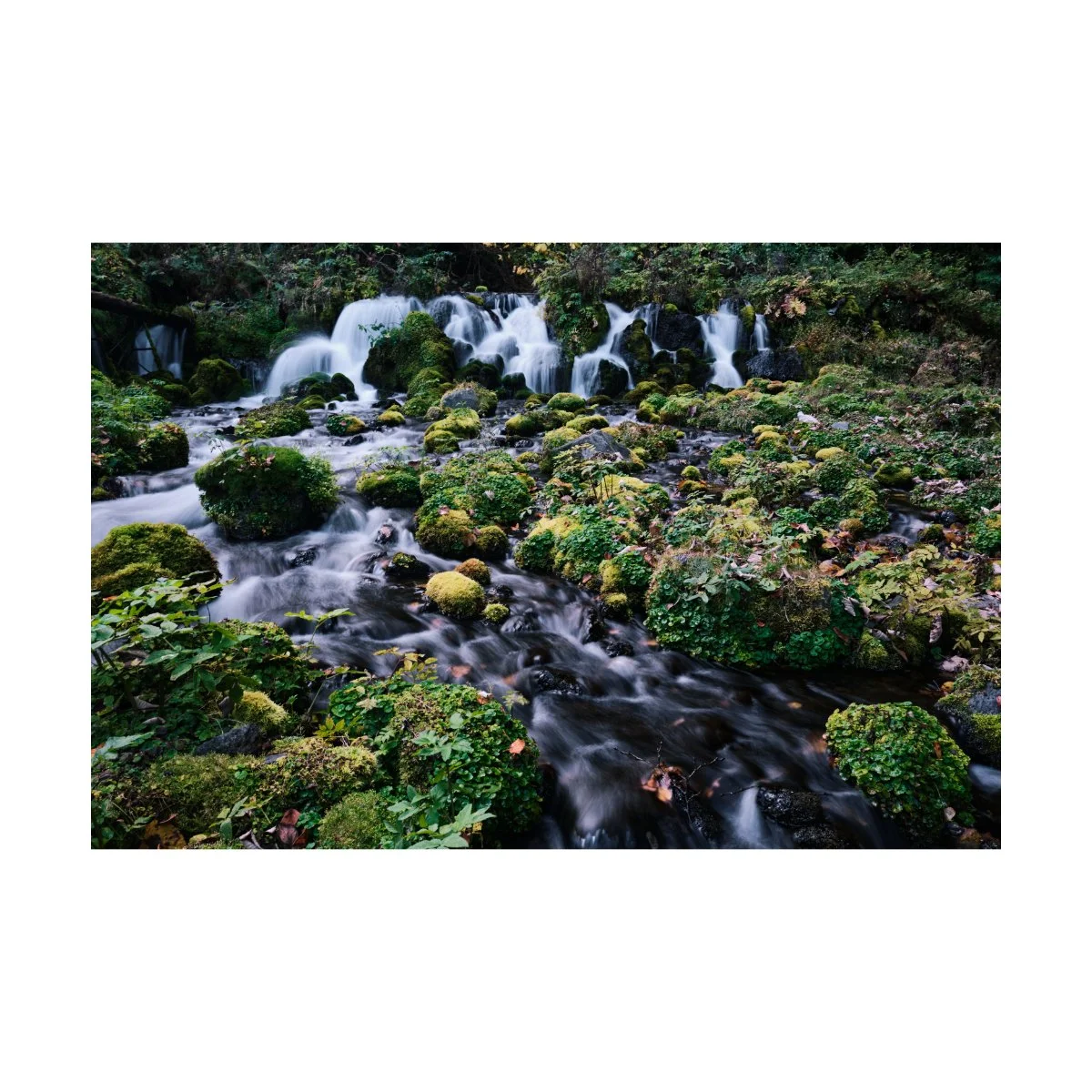
So, here are six lessons about photography I wish I learned sooner:
It’s okay to get serious
Listen to the image
There is value in all work
It won’t always be fun
Improving takes more than you think
To climb the ladder you must start at the bottom
I actually have many more I’d like to share with you but this has gotten long, so maybe in a future article.
If you’d like to learn more about improving your photography, shoot more and stress less, check out Photography Systems.
It’s there we cover everything regarding the psychology and habits around getting better.
If you found this useful, I think you’ll find that useful.
Thanks for reading, have a great day.