Have you ever wondered why other photographers get better photos than you?
Maybe they go to the same places, shoot the same scenes, or even have the same gear.
And have you ever tried doing the same things as them, copying their settings, presets, and editing techniques, but for some reason still can’t get the same results?
This is a phase I think nearly every photographer goes through at one point - and it’s frustrating.
You see, photography isn’t simply about the camera you use, the settings you use, or even the way you edit.
And better photographers aren’t more “talented” or even really “better” than you.
They simply know and understand something you don’t.
If you learned and applied the same mindsets to your photography, your photos won’t be far off from theirs.
Today I’m going to share a few of them with you, but if you want a more comprehensive in-depth guide on improving your photography so you can shoot more and stress less, check out Photography Systems - we cover that and more there.
Let’s begin.
There Is No “Better Way”
Time and time again I’m reminded of one simple fact in photography - there is no “better way”.
What do I mean by this?
I mean that there’s no “right” or “better” way to edit, shoot, or process your images.
Every now and then I’ll hop online and see a post of a creator showing his/her process.
And then I’ll see another post of a different photographer doing the exact opposite thing.
Some people use masking to bring out the highlights and deepen the shadows - others don’t.
Some people like to add color and clarity, while some prefer to mute and soften the image.
And some people shoot RAW and edit their photos - while others shoot SOOC JPEG and still get a good result.
The funny thing is, you’ll even see comments of people saying they like the original RAW better than the over-edited final file.
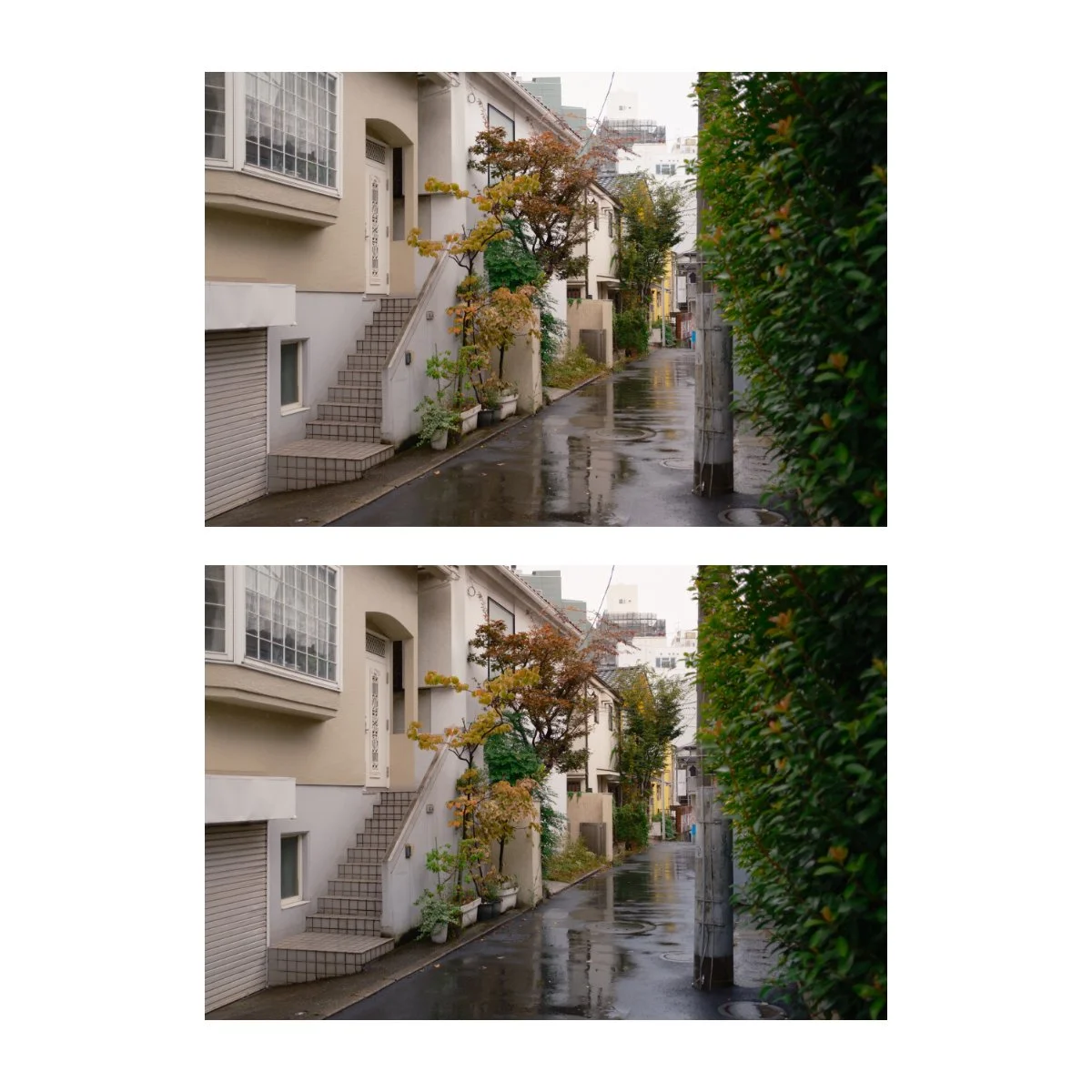
Top: no masking
Bottom: masking
You see, everything works, and anything can work.
There is no one single method to getting a good result, because there’s evidence all around us of many different photographers using many different methods that all work.
Is it right to say that masking is a superior way of photo editing?
No, especially when there’s proof of someone taking great photos without even editing in the first place.
Is it right to say that film or digital is superior?
No, when there’s proof of someone taking great photos with both mediums.
After a certain point you realize the fallacy of it all.
That finding the “right” or “better” way to do things doesn’t exist.
Because it all comes down to personal preference and finding the right method for you specifically.
“It only looks that way because they shot on film.”
“It only looks like that because he has that $3000 camera I don’t.”
Or “That photographer is gatekeeping his editing technique and that’s why his photos look so good.”
These are all things we say because we want to believe there’s some “trick” to it - so we don’t have to take responsibility.
That way we can keep on searching for the “better” way instead of going out and actually “doing”.
It’s easy to blame the lack of knowledge, presets, or camera gear for your inadequacy rather than yourself.
When in actuality the only thing lacking here is your skill and the work you put in as a photographer.
Whenever I find my brain making excuses like these, I tell myself one thing:
Andre, you can’t complain about the results you didn’t get from the work you didn’t put in.
Now this isn’t to say that learning new things and certain techniques like framing, fishing, etc aren’t helpful.
Just, that’s not what I’m talking about here.
I’m talking about the things that could work either way, we just tell ourselves one way must be better.
In actuality, the “better way” is the simple one:
Use whatever gear you have to take more photos.
Press the shutter at the right time with the right framing for the right moment.
Process your images in whatever way you think looks best or is convenient for you.
Rinse and repeat.
Once you understand this you can settle back into the real work of photography.
You can edit or not edit based on what you prefer and you can use the tools that are best for the job.
You can stress less about finding the “better way”, because the “better way” isn’t a method - it’s a mindset.
And there will be less noise and more improvement because of it.
Make Improving Inevitable
The majority of last year I spent trying to solve a big problem.
I thought to myself, “If I could make improving my photography inevitable, how would I do it?”
If the things I did on a day to day basis made it unreasonable for me not to get better, then wouldn’t improving my photography be effortless, streamlined, and easy?
I would no longer have to worry about if I’m getting better, I’d just have to focus on the things I had to do.
Trusting in the process, as they’d say.
Well it turns out it is possible to make improving your photography inevitable - and it’s simpler than you think.
The way we do it is through systems - designing and creating lifestyle changes such that your life is oriented towards getting better at something.
When things are systematized, aka they become habitual or routine, it kind of just happens on it’s own.
It’s like having a really solid workout schedule and meal plan.
It’s tough at first, but once things are going it goes, and “being fit” is a natural byproduct of the schedule you designed.
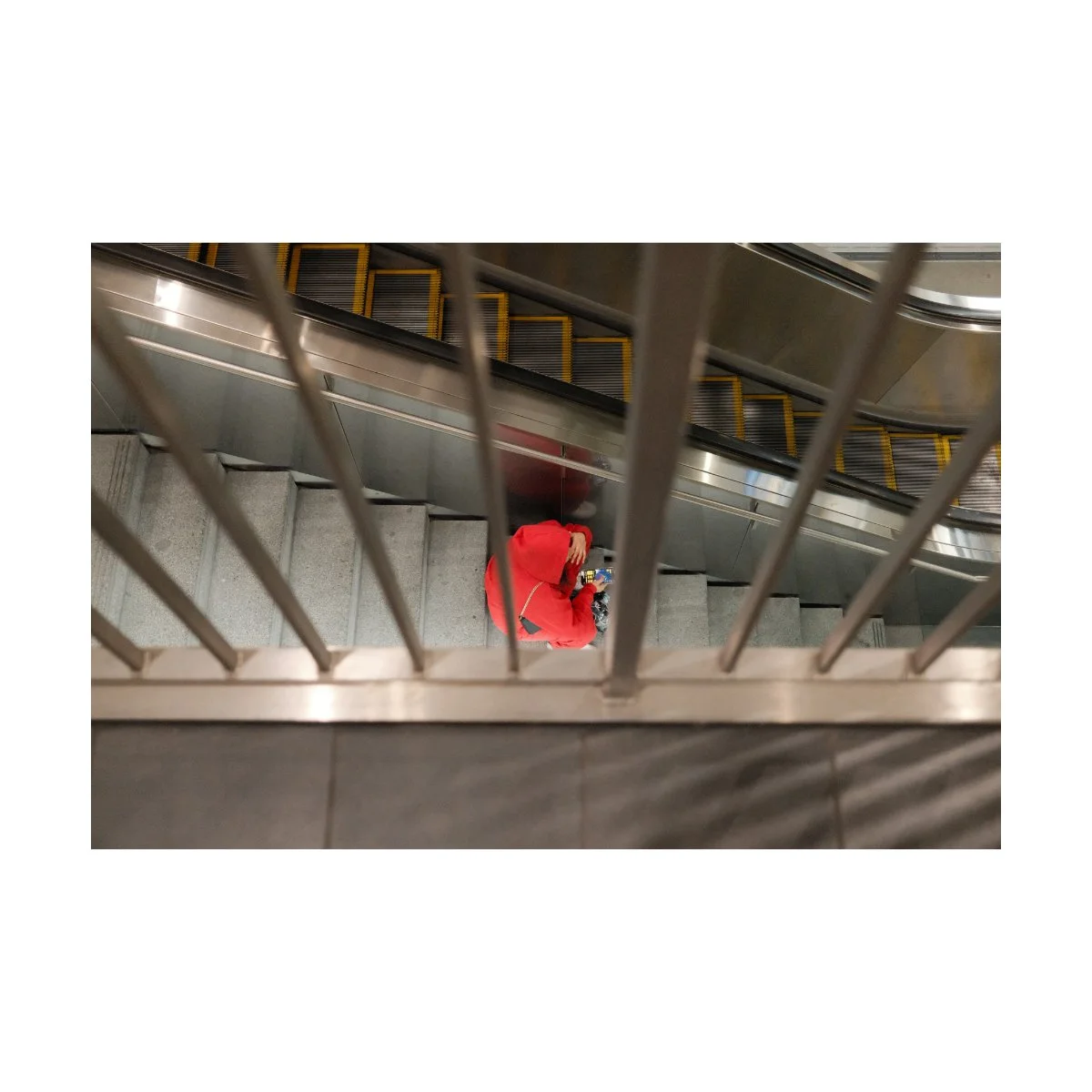
You can do the same exact thing for photography.
Learn to create systems around doing more of the thing you want to get better at.
Make it such that weekly photo sessions are just part of what you do, and you’ll have endless material for whatever you want.
Continue to do the thing and the photobook or photozine will eventually build itself.
Running through these cycles, getting in these reps, and letting time do it’s work is the process.
Before you know it months or years will go by and you’ll look back at old photos and be surprised with how far you’ve come.
Improvement happens when you make it inevitable.
If you wanna learn more about how to do all of this, we cover it thoroughly in Photography Systems.
Otherwise, get those things down and you’ll be set.
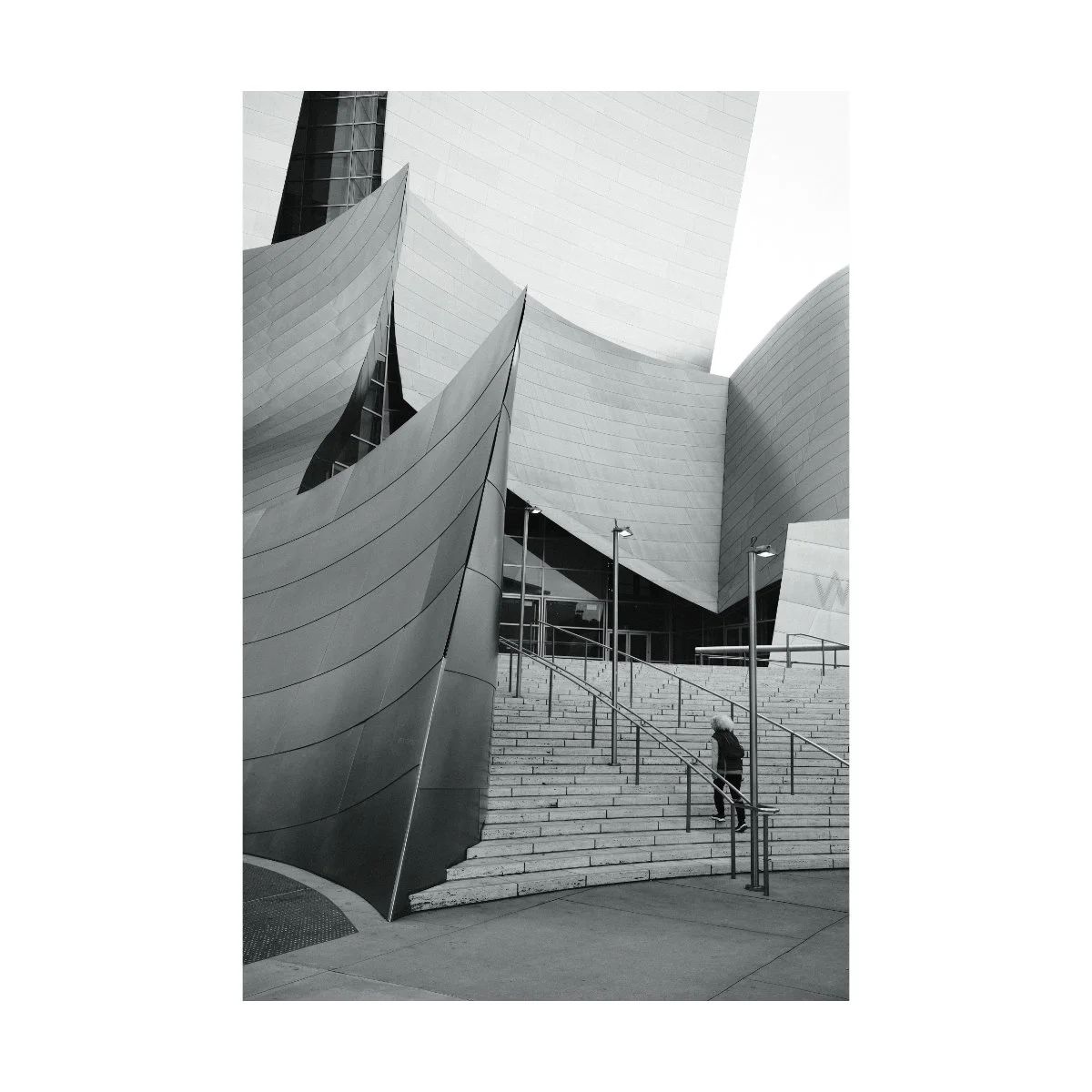
Getting Better Isn’t About Talent
In Photography Systems I wrote a chapter called “Why Great Photographers Fail (but you won’t)”.
In it, I break down something I call “The Talent Complex”.
In essence, we cover the many misconceptions people have about talent, why it doesn’t matter as much as we think it does, and what we can do to improve despite our “lack of it”.
The conclusion we eventually reach is that: getting better isn’t about talent.
Because anyone can get better, regardless of the talent they have.
And although society and the world wants to make us think that talent is king, it’s not.
That’s simply another form of excuse - trying to claim that someone has something you don’t that you can never get and therefore you should just give up and remain mediocre.
It’s not a healthy way of thinking, but so many photographers and creators alike suffer from it.
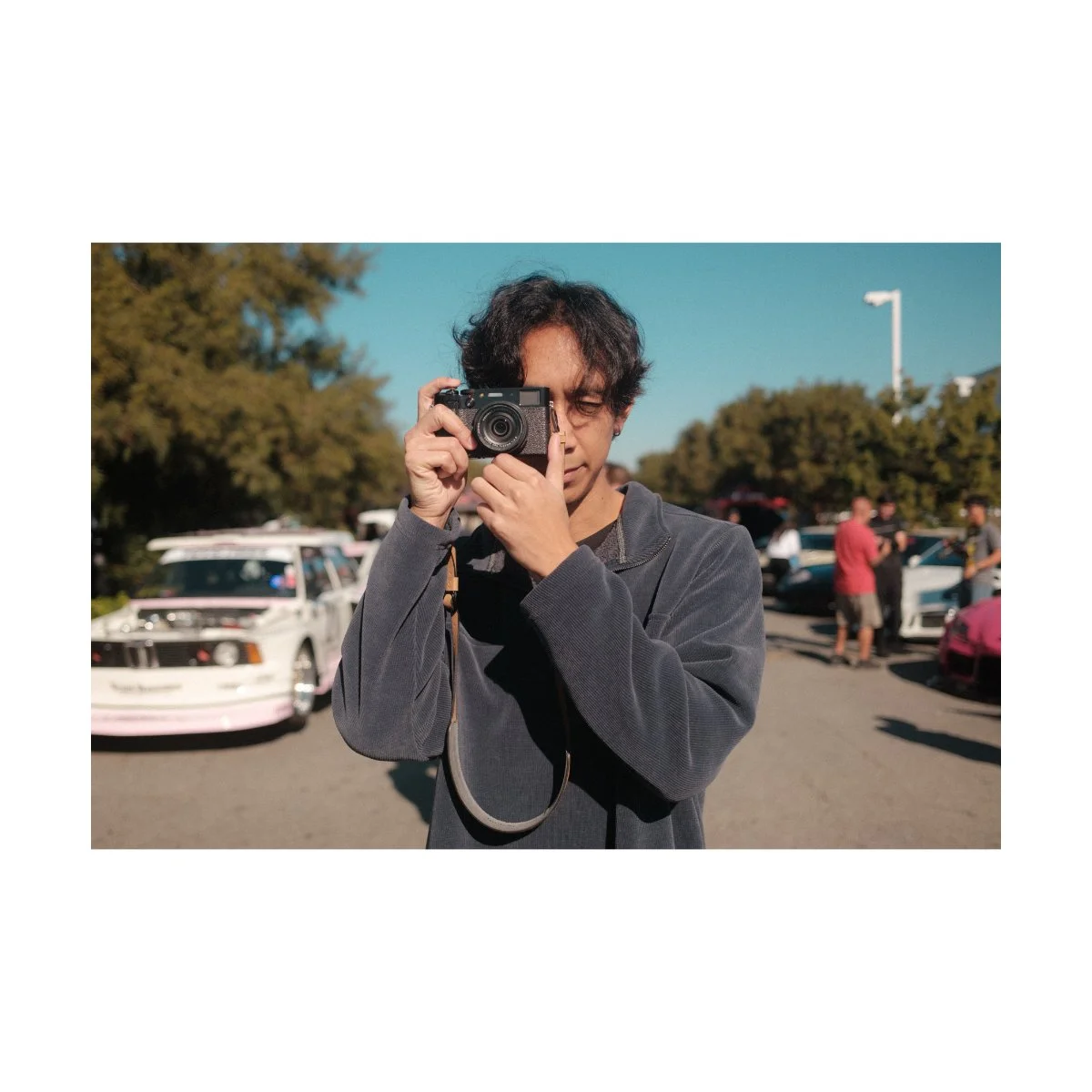
So if we want to improve our photography, we must first understand that better photographers aren’t necessarily more talented than you.
Rather, it’s more likely they have way more skill or many more years of experience.
And to just assume they were born better is discrediting all of the hard work they’ve put in.
I actually think that many successful artists were once in our shoes.
Where they used to look at others, wonder why they were so much better than them, and it felt like they were staring in the face of an insurmountable mountain.
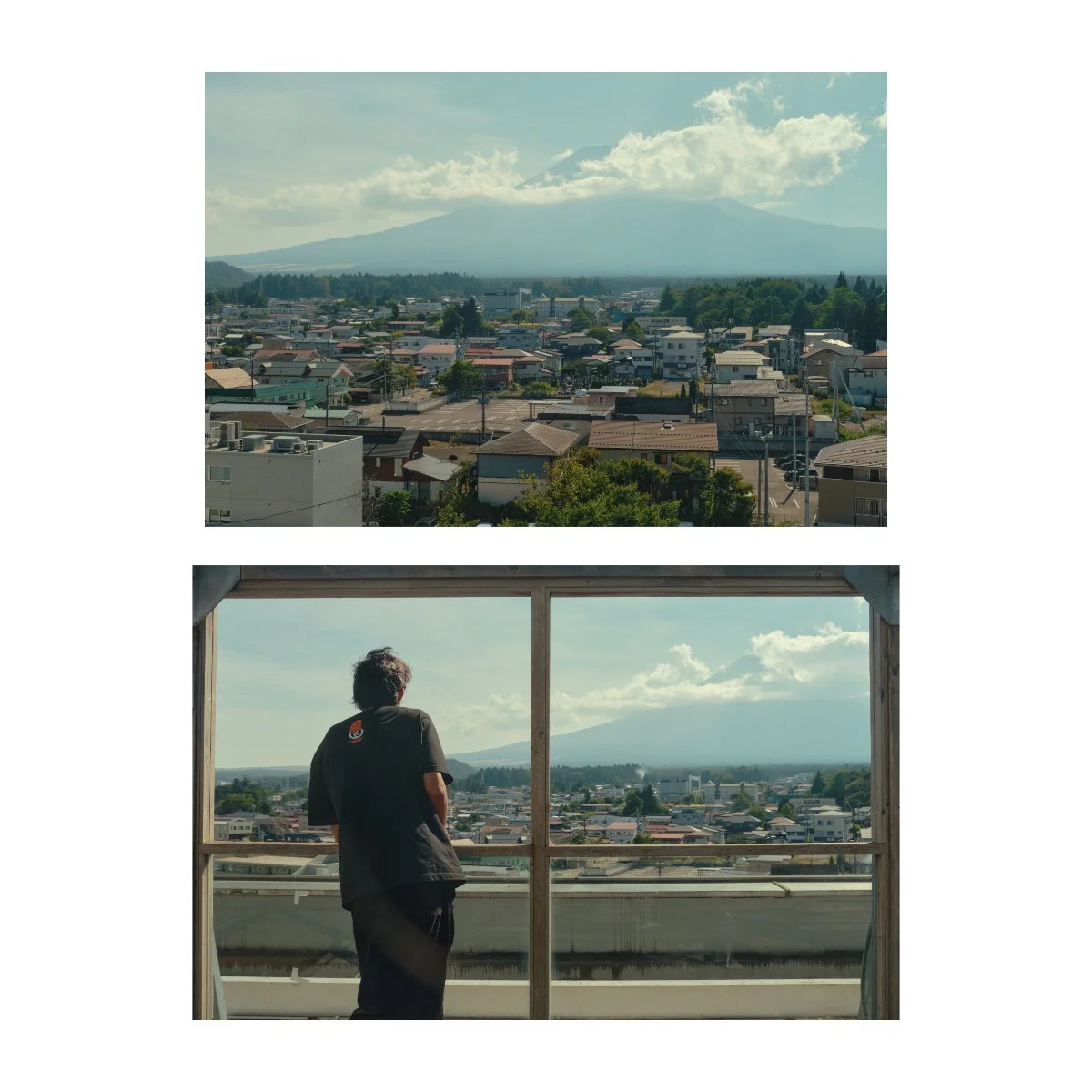
But they shut their brain up, kept working, and eventually got to where they are.
Because at some point in your journey, it should become painfully obvious that making excuses and obsessing over what you don’t have gets you nowhere.
And you don’t get better by sitting around all day scrolling through Instagram.
So don’t focus on talent, focus on what you can do to get better today.
Because getting better isn’t about talent, and anyone can get better, regardless of their talent level.
And don’t complain if you hadn’t yet gone out and did the thing, put the work in, got the reps in today.
It just won’t do you any favors.
Iterate for a Long Long Time
If you’ve ever wondered how other photographers figured out the little “tips and tricks” that make their photos look so good - understand that many times, it’s by accident.
A lot of creators, even me, like to present as if we know something special, that we figured out some secret way of doing things, and that’s why our pictures look good.
But in actuality, compositions, color edits, and understanding photography as a whole happens by accident.
What do I mean by this?
I mean that creativity in general is a process of trial and error.
An experimentation of doing things you’ve never tried, doing things that are weird, and doing things that don’t seem like they’d work, but being pleasantly surprised when they do.
Many techniques are discovered by accident - where something happens to work well and we try to replicate that over and over again.
This is an age old constant, one you see in both the creative arts and the sciences.
The greatest inventors didn’t know what would work - they tried a bunch of stuff out until they figured out what did.
Improving your photography is the same exact thing - it’s simply a game of iteration.
You not only need to get the reps in, but you must also try new things constantly.
Or else you’re just doing the same thing over and over again, expecting a different result.
Which is what Albert Einstein famously called “the definition of insanity”.
If you want to get better, you need to iterate - and do so for a long long long time.
What does that look like?
It means you’ll have thousands of crappy photos on your hard drive.
It means you’ll have thousands of terrible photo edits.
It means you’ll go on plenty of photo sessions feeling like you wasted your time, until you eventually get something good.
It’s going on a bad photo session right after having a good one, being on the top of the mountain one day, and at the bottom the next.
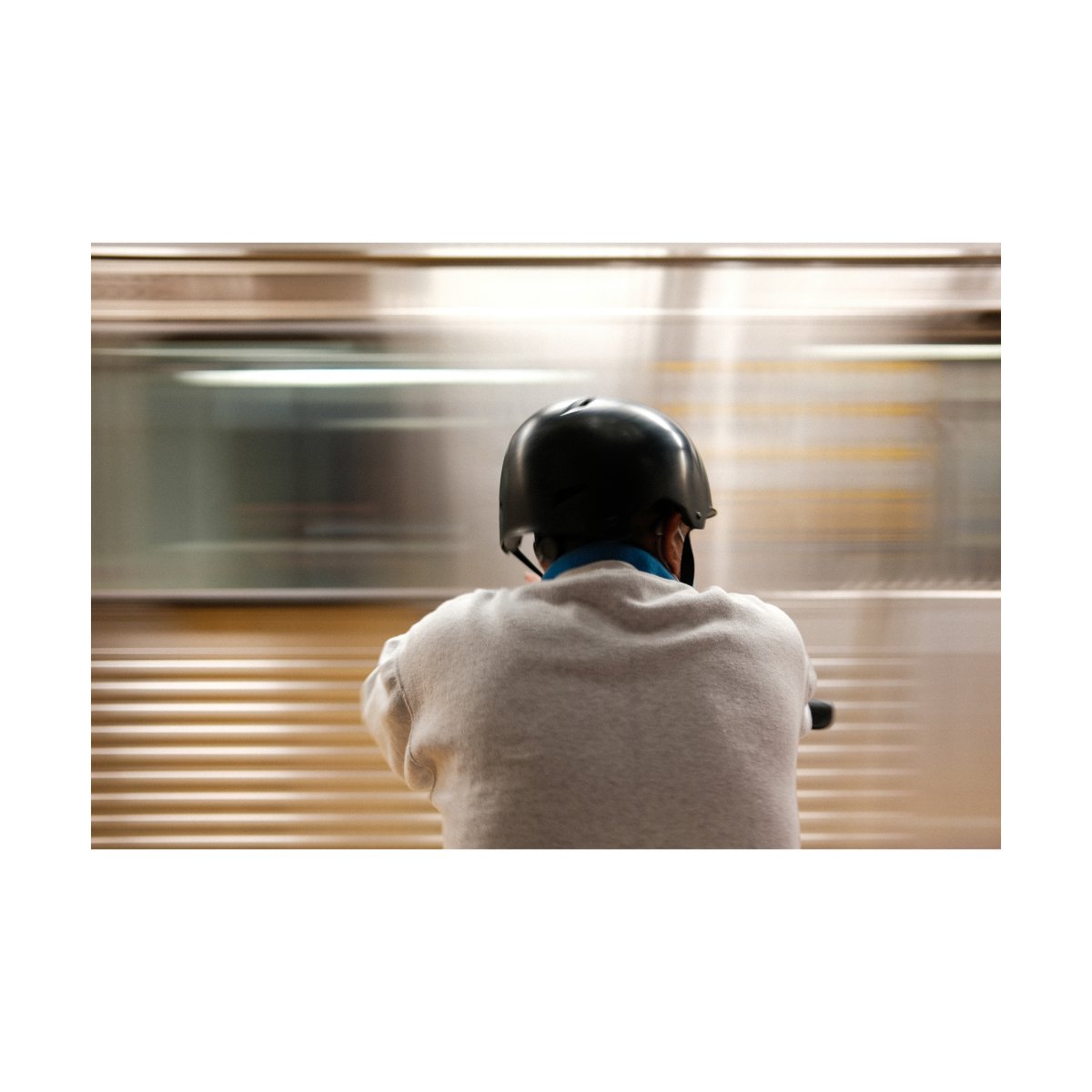
Better photographers don’t simply understand this - they’ve embraced it.
Or better yet, like it.
They revel in the ups and downs, the countless hours where it feels like they’re wasting their time.
Because the feeling they get when they eventually figure out that shot or that look is unmatched.
And over time their consistency and skill level goes up, and it gets easier to take better photos.
But most photographers never get to that point - because they’ve silently stopped taking photos ages ago.
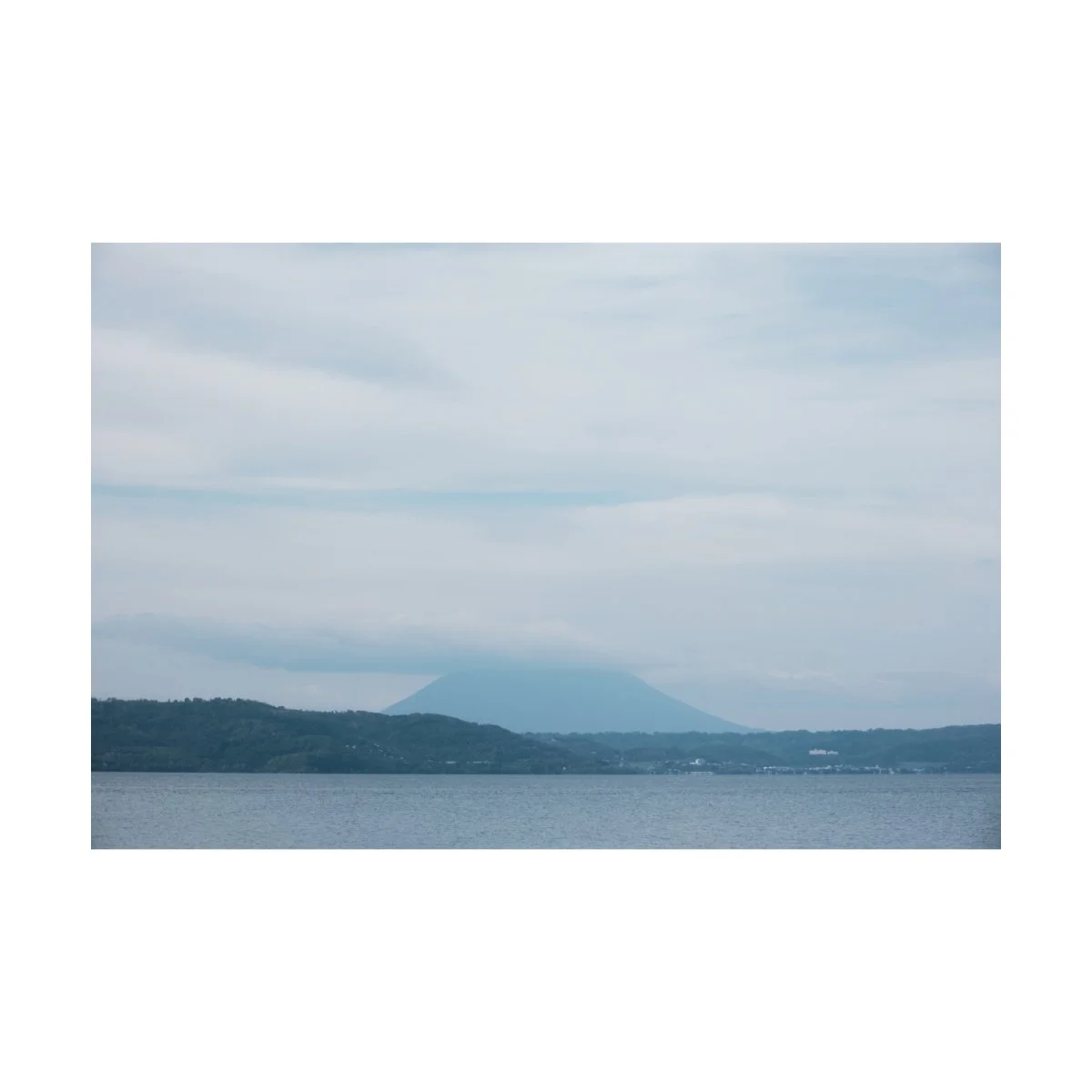
This is something I try to remind myself when I look at “better” photographers:
What we see on social media is the highlight reel.
We’re looking at someone’s “10 best photos from their trip to Japan”, without accounting for the fact that they probably took thousands of mid photos when they were there.
And we’re seeing the 10 best, feeling all fascinated, without realizing how many crappy photos they also took.
So if you’re feeling inferior because your catalog is embarrassingly simple , plain, or bad, you’re not alone.
Understand that most photographers take a lot of bad photos.
It just so happens that in that process of iterating, trying new things, and failing miserably, a few gems come to life.
And that’s what we see on social media - but it’s not the real thing.

If you want to become a better photographer, remember:
For every good photo you see online, there were a thousand “mid” or “bad” photos.
And for every good photo you take, there will also be a thousand “mid” or “bad” photos.
Better photographers have simply taken more good photos than you’ve taken bad.
And to improve, you need way more volume and way more iteration.
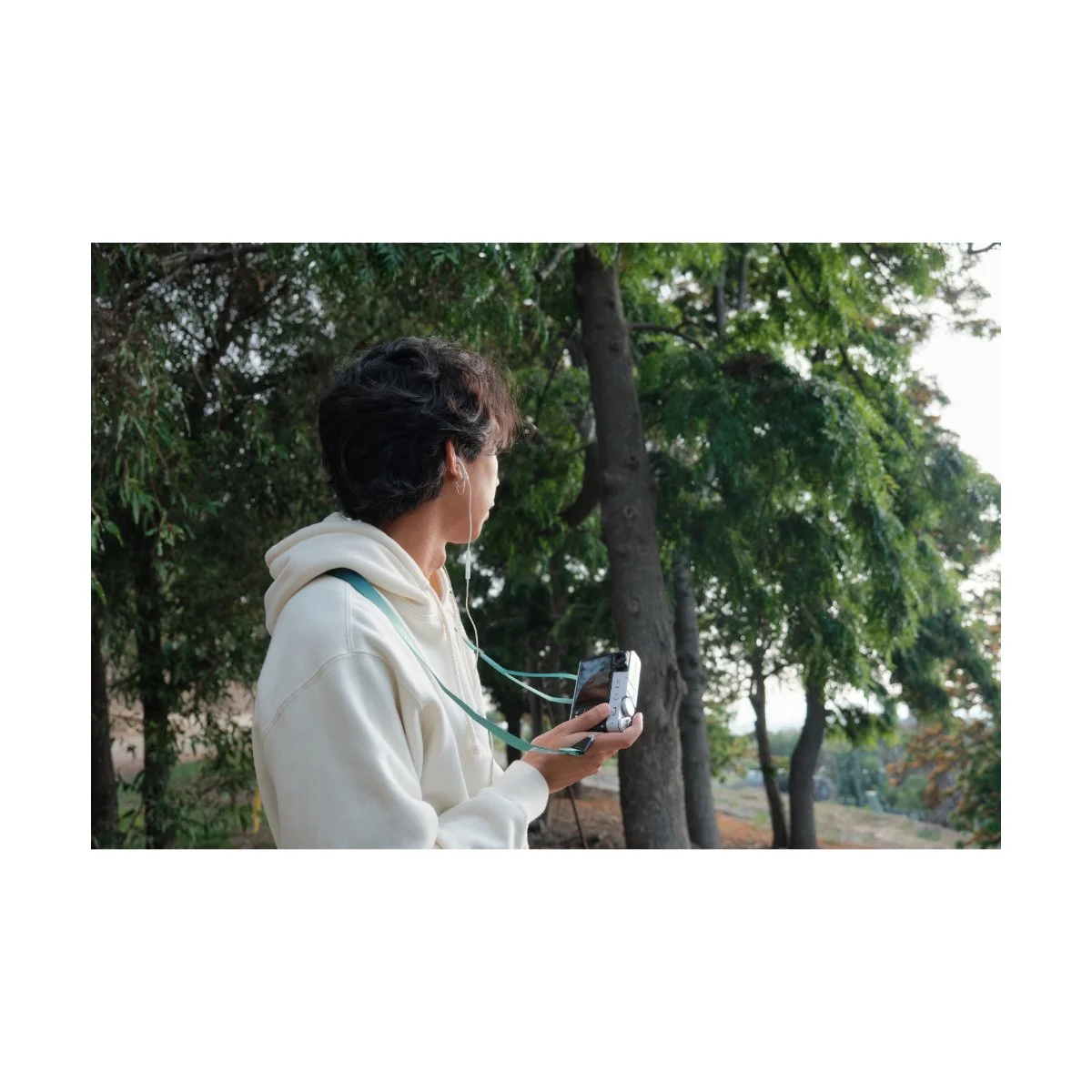
So in essence, if we want to improve our photography, what do we need to know?
We need to understand that better photographers aren’t more talented than us.
Why?
It’s for a few simple reasons:
The first being, there is no “better way”.
A lot of photography boils down to taste and preference and it’s impossible to argue that one look or style is superior to another.
So stop searching for the best way and just keep working the way that suits you best.
Next, learn to make improving your photography inevitable.
The process of improvement can be a slug, especially when you have to force yourself to get things done.
The antidote to this is to systematize it such that progress is a natural byproduct - just a normal part of your life.
Third, understand that getting better isn’t about talent.
Anyone can get better and talent is fixed, but it’s up to you to put in the work.
And finally, learn to iterate for a long long time.
If you want to understand how other photographers figure out what works, you gotta learn to iterate.
Experiment, get used to failing a lot, and realize that taking tons of bad photos is normal.
People just aren’t posting their lowlights.
Understand and apply these four things and your photography will improve because of it.
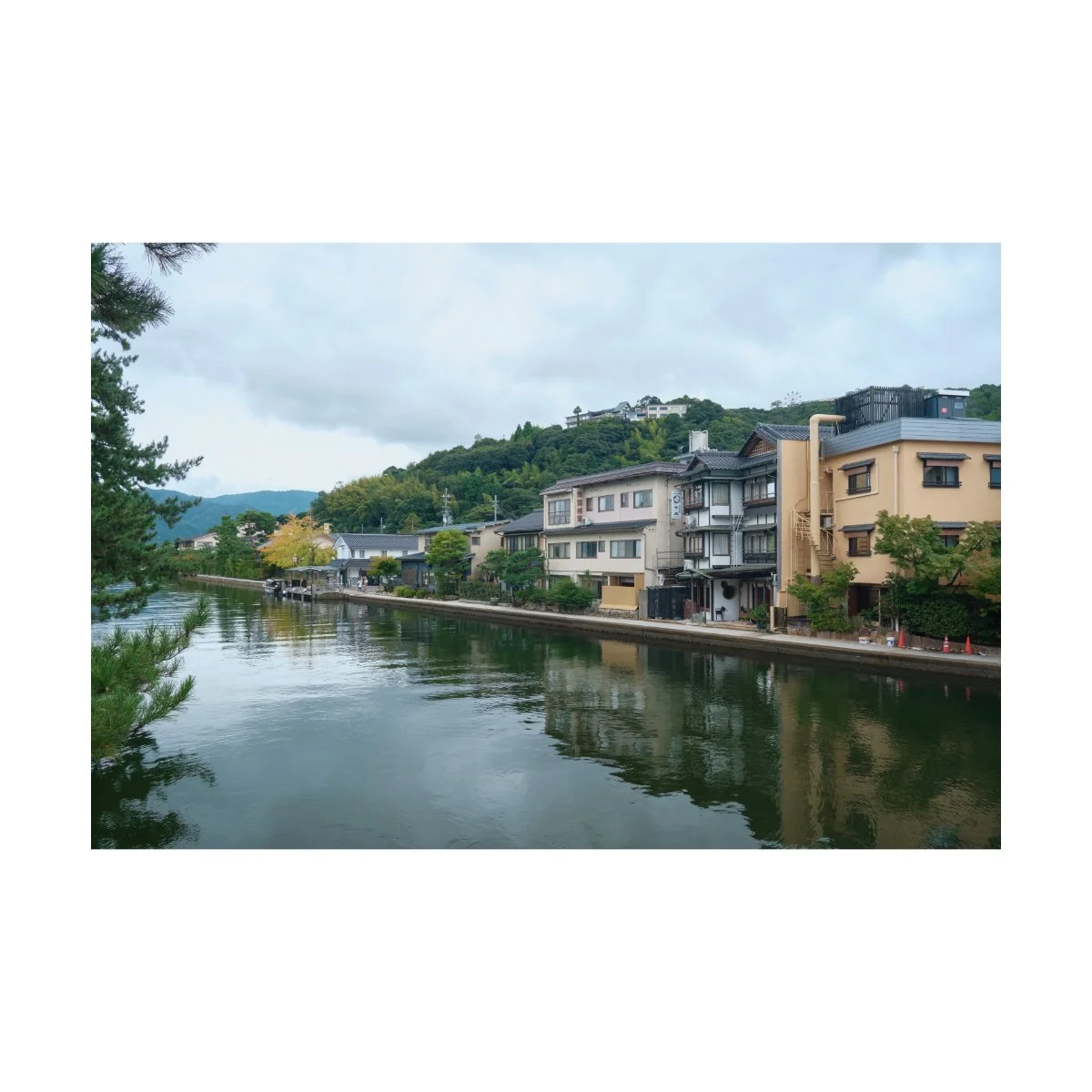
If you found this helpful, share this with a friend who’s also trying to get better.
If you want to learn more about improving, shoot more and stress less, go to Photography Systems.
It’s there we cover tons of other topics like this that deal with both the psychology and the practicality of improvement.
I think you’ll find it useful.
Thanks for reading, happy shooting.