I’ve Changed My Views on Photography Instagram in 2026 - Here’s Why
For years I’ve kept my distance from photography Instagram.
I used it to post but wouldn’t engage or consume content there.
I felt as if it was too easy to get sucked into a hellhole of reels and other unhealthy behaviors.
I also thought Instagram was not the ideal place for your photography.
Everything you post gets sent into an endless void of consumerism (swipe and ignore).
Most of your stuff doesn’t get seen, it’s non-gratifying, feels like a waste of time, and you’re forced to play a status game:
Running on a content treadmill trying to compete against others for who has the “best photos” (or best photo content), and more insecurity about you and your art.
Plus, social media had gravitated towards reels and short form content, making it less and less of a photography platform.
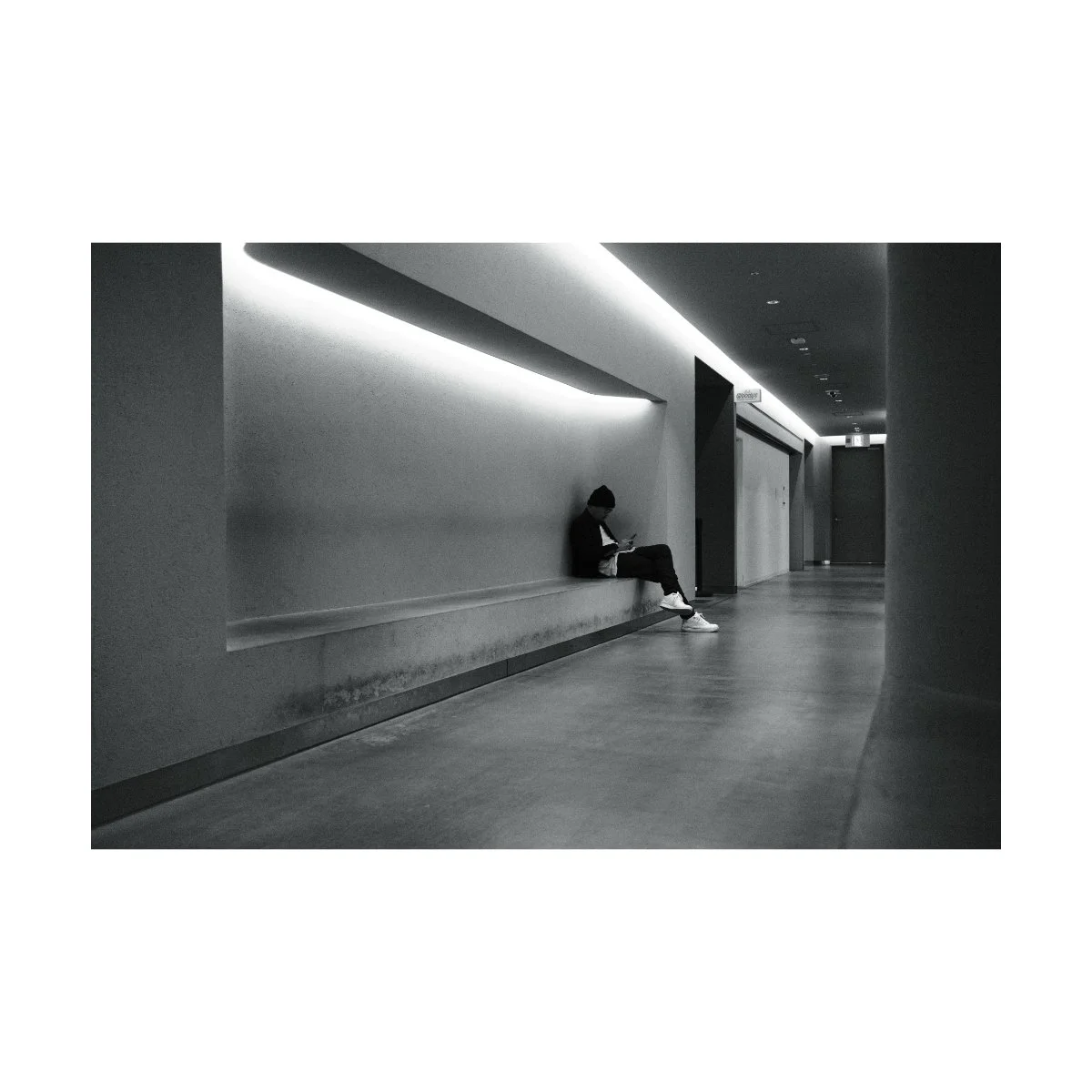
By that logic, I thought print was the better medium for your photos.
You could make whatever you want, it serves as a method to improve your photography, and people take more time to look at your photos when it’s physical, in hand.
I still think photographers should print their photos, yet at the same time, I’ve learned to look at Instagram in a different way.
Today I’ll share with you my new perspective and how I’m going to use Instagram from here on, for a better balance of things.
Let’s begin.
Posts are Back
Lately I feel as if the algorithm has changed.
For years social media like Instagram, YouTube, and Tiktok were heavily pushing short-form video content.
It was more addictive, kept users on for longer, and matched the verticality of phones.
And posts became irrelevant, the algorithm pushed them less and less, and photographers suffered.
Now whether or not you should care about likes or just post for yourself, we’ll talk about later.
But recently I saw a street photography post on Instagram that really surprised me.
I don’t remember who made it, but the photos were really good - there were no hashtags, it wasn’t a reel, and there wasn’t anything baity about it.
Just some of the best street photos I’d seen in a long time, pushed by algorithm because a lot of people were engaging with it.
If you used Instagram in the past few years, you’ll know how rare this was.
For a long time I’d only see reels on my feed, and pure photography wouldn’t see the light of day.
This, along with a few other reasons led me to stop scrolling on Instagram entirely.
And it was by pure chance that I saw the post; so I don’t know if this has been happening for a while or if it’s a recent change.
But it led me to think: Are posts back?
You may have noticed, but algorithms have become more curated.
It used to be that certain viral content everyone would see.
But nowadays, you and I have completely different feeds, meaning something “everyone’s seen” isn’t actually seen by everyone.
This happens to me all the time when my friends talk about stuff I haven’t seen, and vice versa.
Content has become curated.
I think this is largely due to the For You Page, where platforms have started collecting better data on what specific content you and I consume.
They started tracking more deeply our watch time, our likes, and our swipes.
And with this data, they’ve been able to feed us the exact types of content our brains love the most, with the right amount of variety (occasional bad content) and interval, to keep us engaged for as long as possible.
Now the ethics and the dopamine downsides is a whole nother topic that we won’t get into today.
But the point of this is to say: posts might be back.
Because social media has us figured out, they know what we want, and they can give it to us.
We each have a different world of content at our fingertips.
Which may be a good or bad thing depending on how you look at it.
If you’ve been wanting to see pure photography posts again, it’s a good thing.
Because now, more than one type of content gets pushed, you’re more likely to see good photography, and Instagram is less of a reels hellhole.
For dopamine fiends, it could be a bad thing.
Because now you’re stuck in an even worse loop of curated content, feeding you exactly what your brain wants at the interval and variety you want it at.
Our use or misuse of Instagram depends on our understanding and application of it.
So let’s talk about that.
How Instagram Can Ruin Your Photography
Social media technically isn’t bad.
External sources like the news, your parents, and even social media itself wants us to believe it is.
But intrinsically, it’s not.
Rather it’s our misuse of social media that’s bad - not the very thing itself.
Because as we’ll talk about in a little bit, if used well, social media can actually be a powerful tool for creatives.
But more often than not, people have a less than healthy relationship with it - which leads them to blame it for their shortcomings.
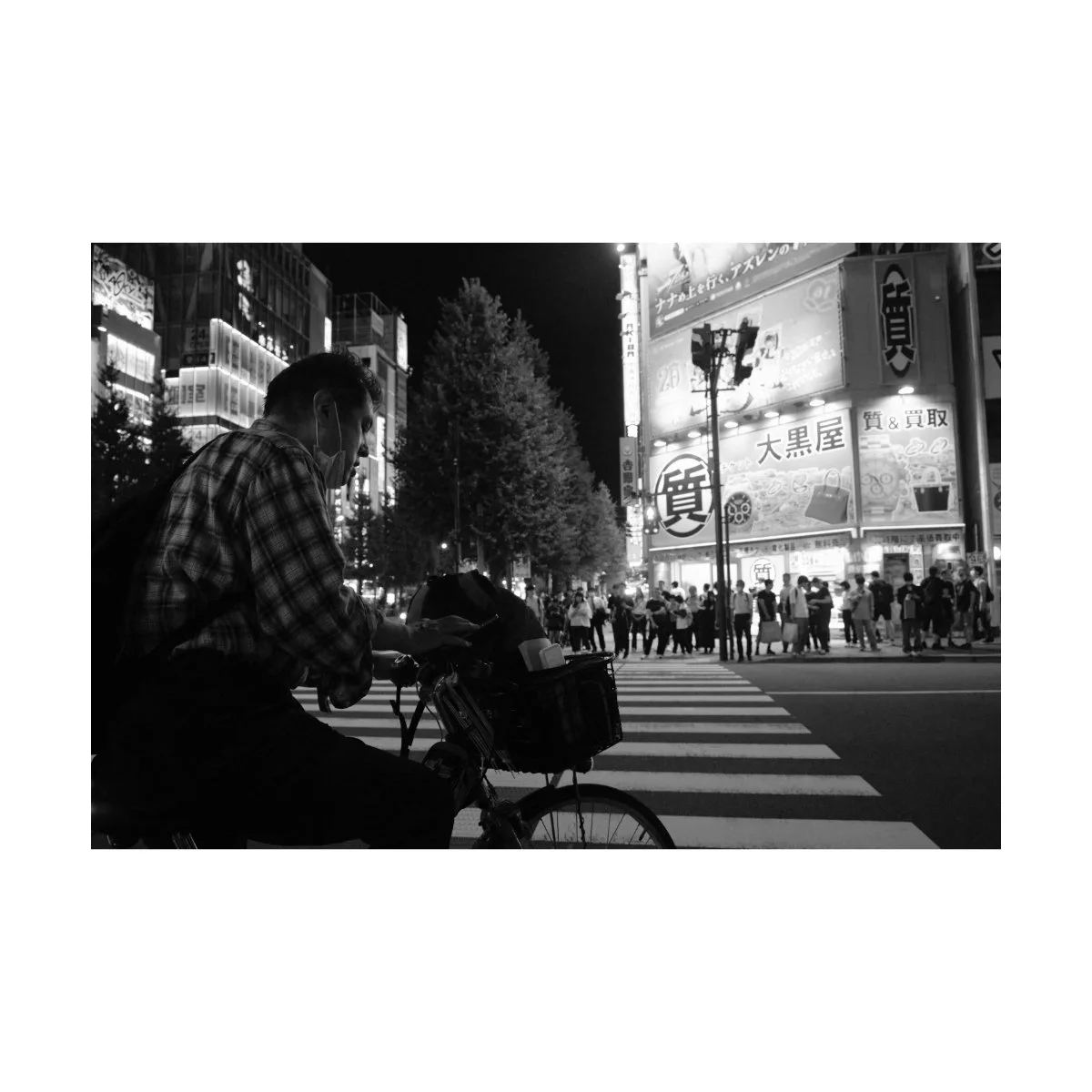
Inaction
There are many downsides of social media, especially for photographers and creatives.
The first would be inaction.
This a common pitfall of social media use.
We download apps like Instagram and TikTok to entertain ourselves, get inspired by people better than us, and to learn something.
And then the days, weeks, months, and even years go by without improving in anything we said we wanted to.
People all the time say they want to become a better photographer but never actually do anything about it.
Because scrolling all day and watching photography content isn’t the same as doing photography yourself.
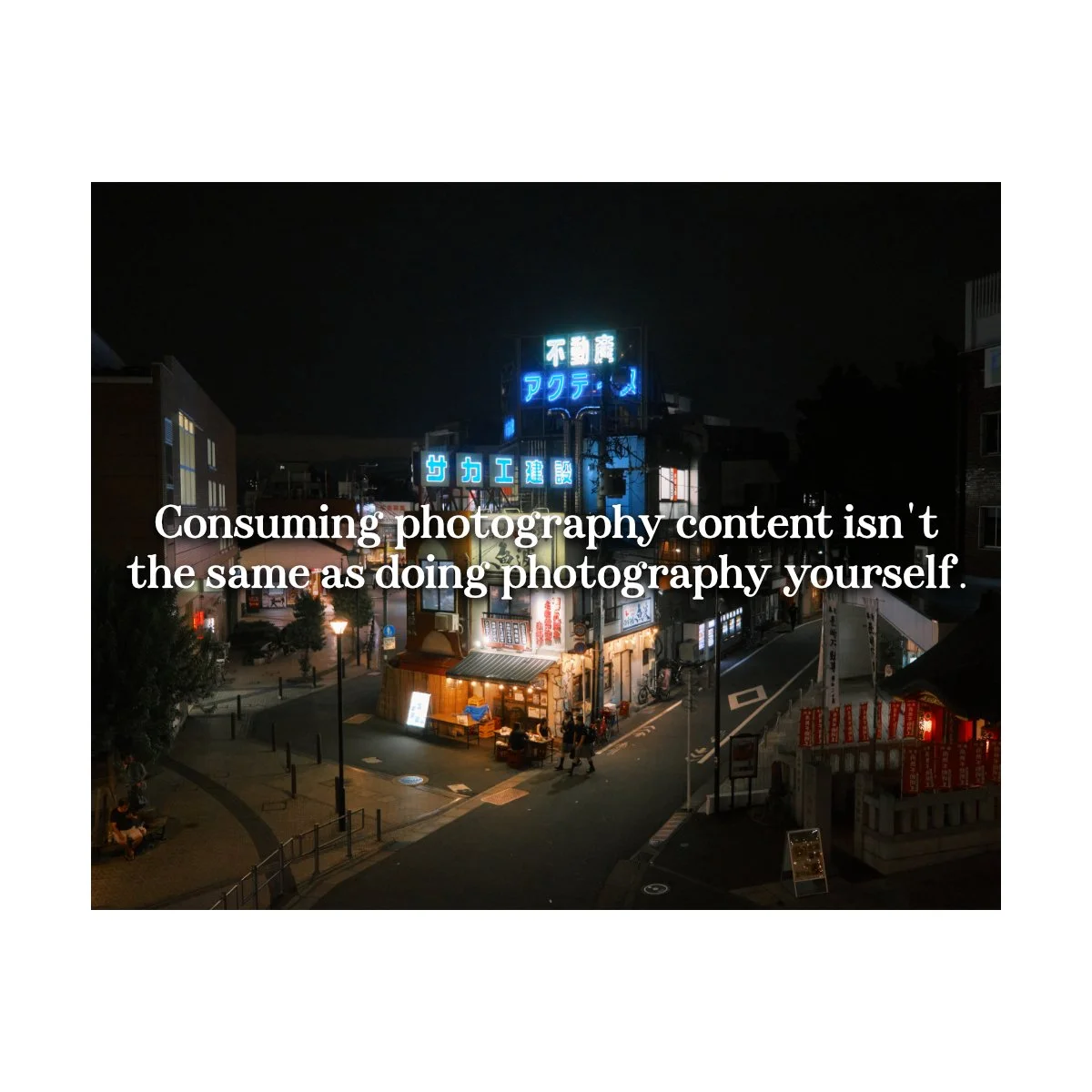
This is true, even if you occasionally learn something good from other creators.
Because if you calculate the plus and minus of it, the amount of time we spend learning versus not learning, I think most of us can agree we waste a lot of it.
It’s one of the biggest traps about Instagram - it can make us feel productive without actually getting anything done.
And knowledge, even if you feel like you’ve learned something, is useless if you never apply it.
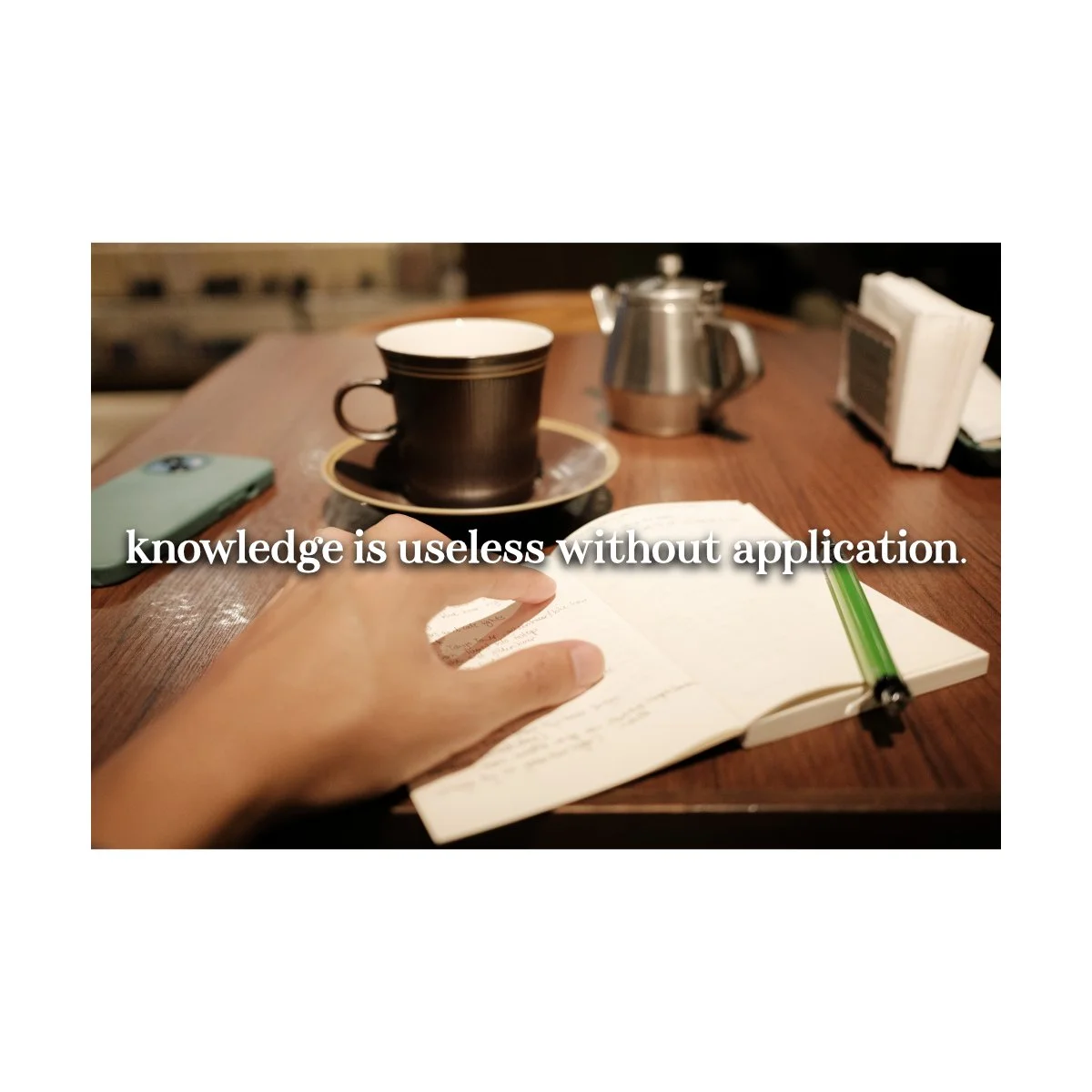
Knowing this, I came up with a phrase for myself a few years ago to keep me focused:
Less consuming, more creating.
This is a mantra I tell myself whenever I get distracted or sucked into scrolling.
Because I recognize that the more energy I spend consuming someone else’s content, the less energy I have to create my own stuff.
When you frame it that way, there’s more incentive to stop scrolling.
Because the more you scroll, the less you’ll make, creativity becomes harder, and your goals won’t see the light of day.
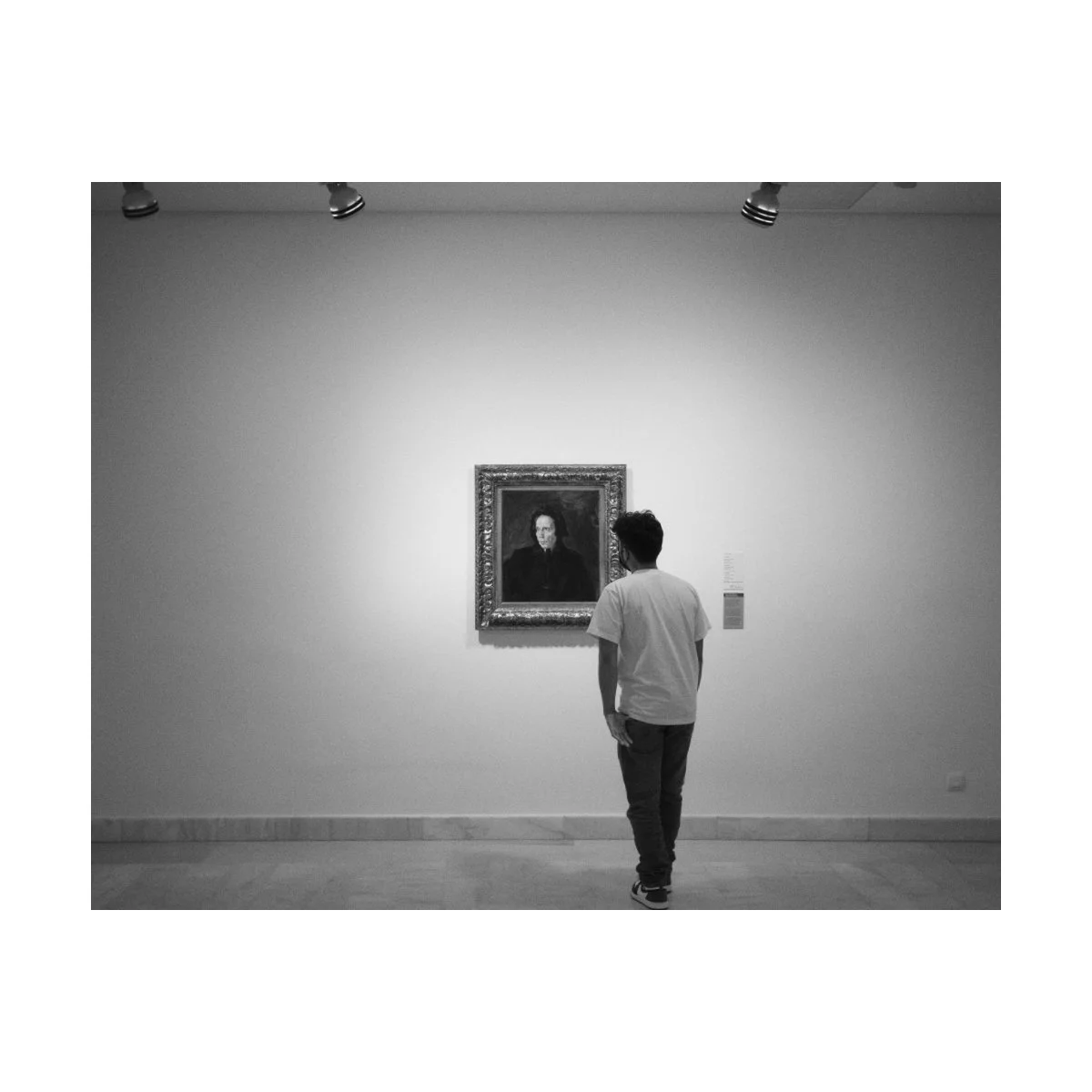
Unhealthy Comparisons
“Comparison is the thief of joy.”
That’s a famous line often attributed to Teddy Roosevelt.
It’s been seeing a lot of use lately because we are now living in a digital world where it holds more relevance than ever.
He’s clearly talking about unhealthy comparisons here: looking at others and seeing what they have or have accomplished that you don’t have or haven’t accomplished.
But while back then, when you’d simply compare yourself to your neighbors, friends, and acquaintances, nowadays we have the whole world at our fingertips.
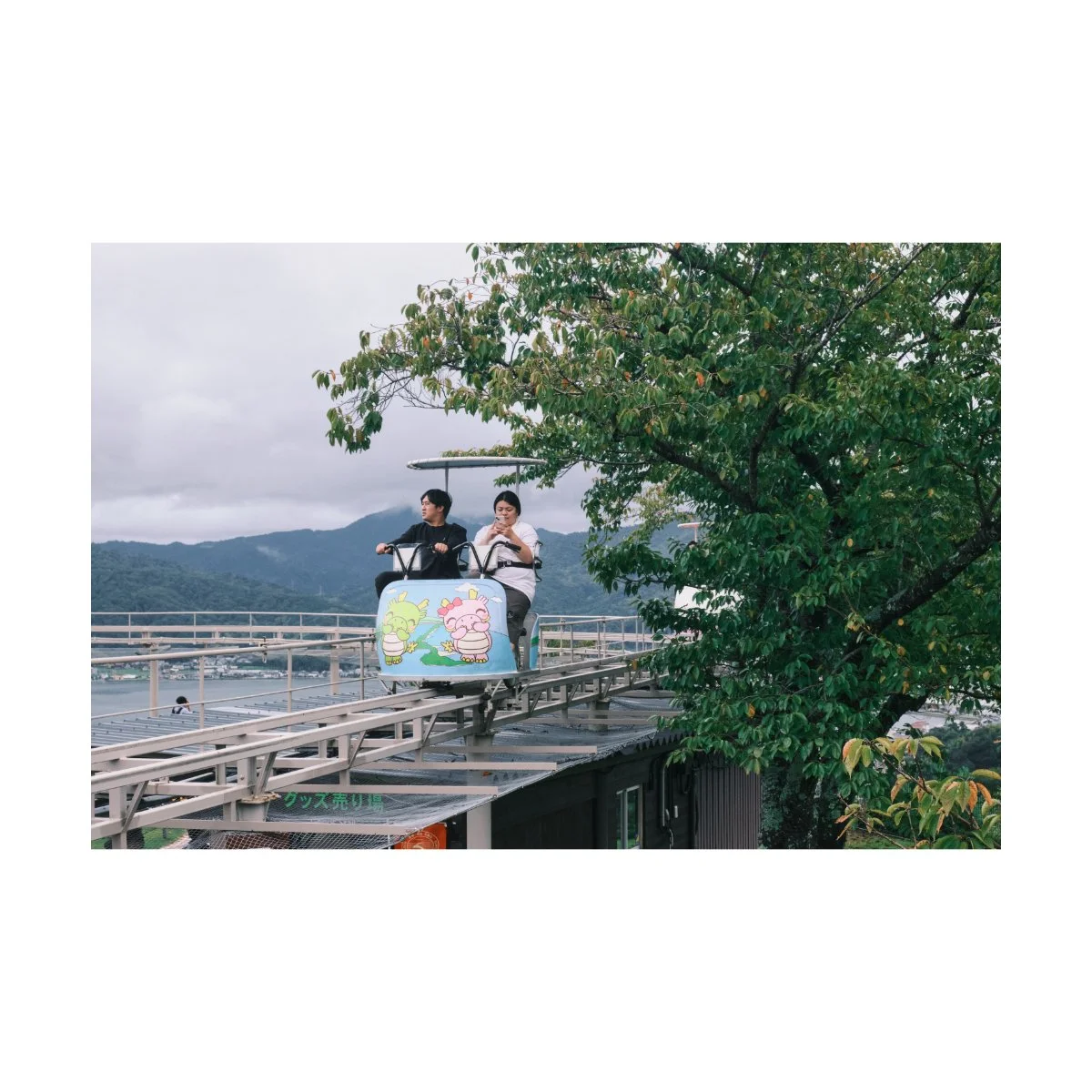
It’s not just our own inner circle - with social media we compare ourselves to everyone, and there will always be someone “better” than you.
Meaning, if you’re the type of person who tends to be unfair to yourself, it’s easier than ever to do so.
And you can almost always find a reason to put yourself down or feel bad.
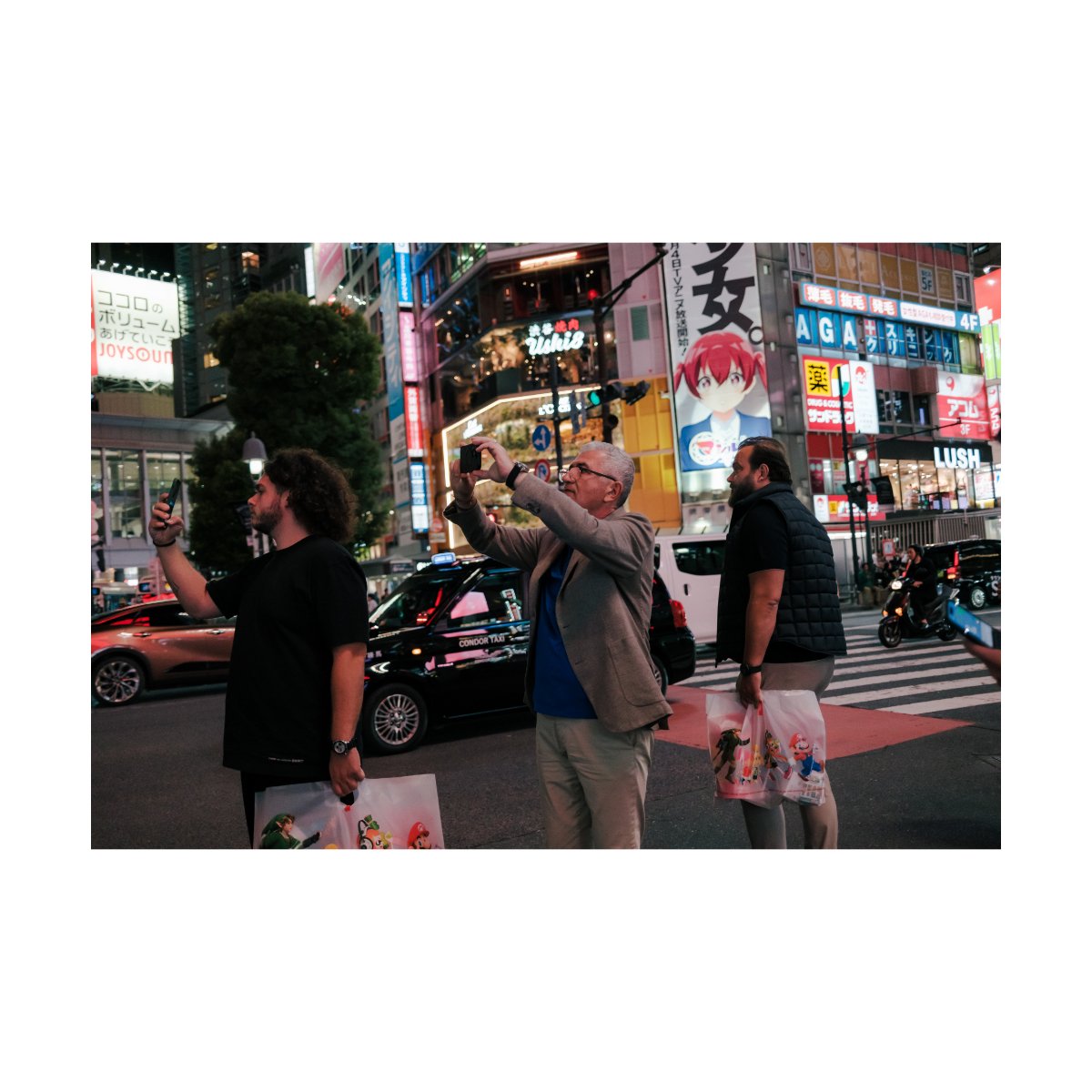
Especially when it comes to art and photography, it’s easy to get discouraged.
When we see other photographers doing the things we want to do or taking better pictures than us it becomes easy to build a self-deprecating mentality.
“They’re so much better than me”, “I’ll never be able to do that”, “Why am I not getting the same amount of likes as them?”
Irrational and unhealthy thoughts begin to spawn and they’re not doing you any favors.
You begin to believe the world is unfair, you start to make up all sorts of excuses, and you forget about what you actually should be focusing on: the craft itself.
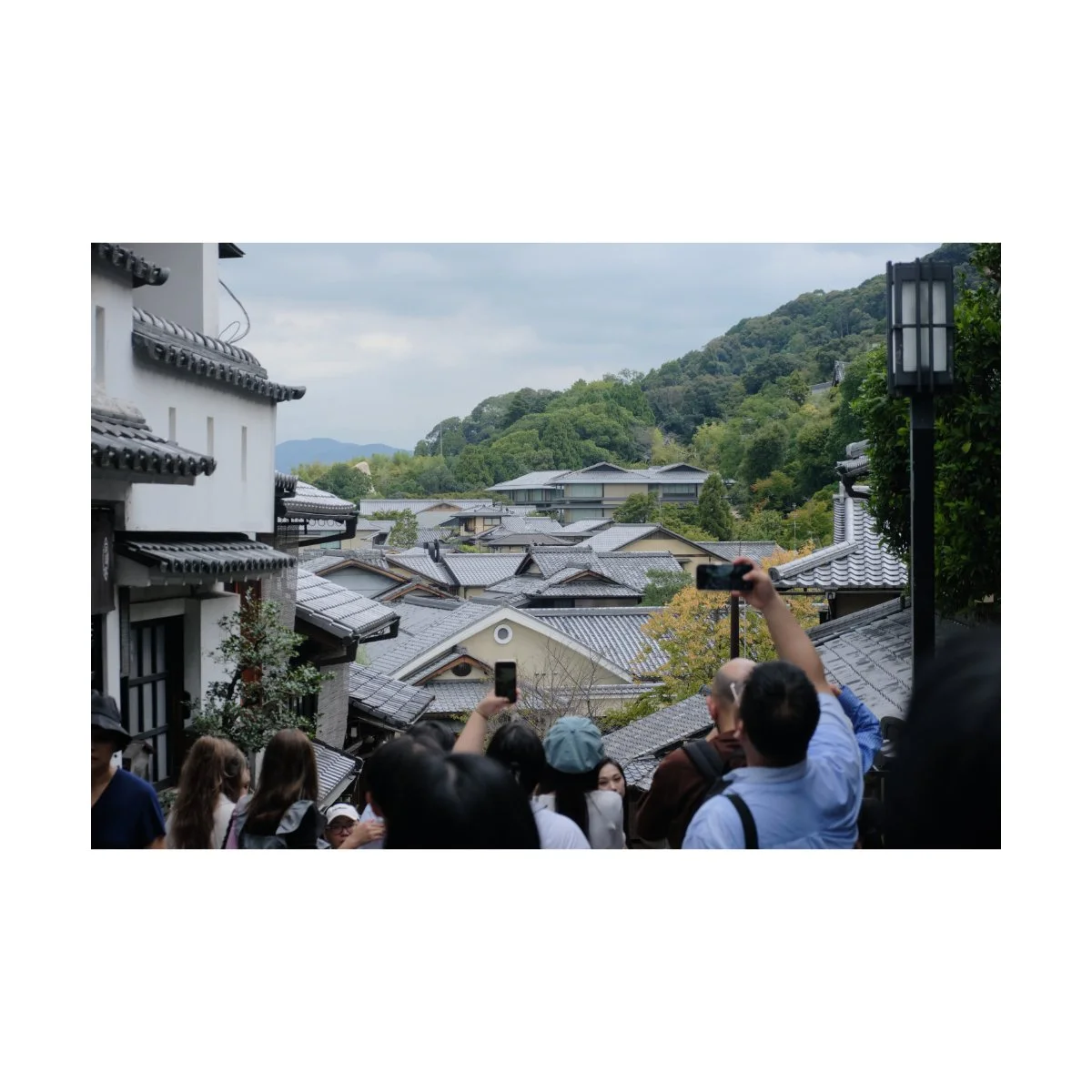
So besides the mental health downsides of comparing yourself to other photographers, we lose sight of what really matters.
Many people think they can manage both their social media consumption and their creativity at the same time, but that’s a dangerous game to be playing.
And I can say from honest experience: it’s so much easier to improve your photography when you’re not trying to juggle both.
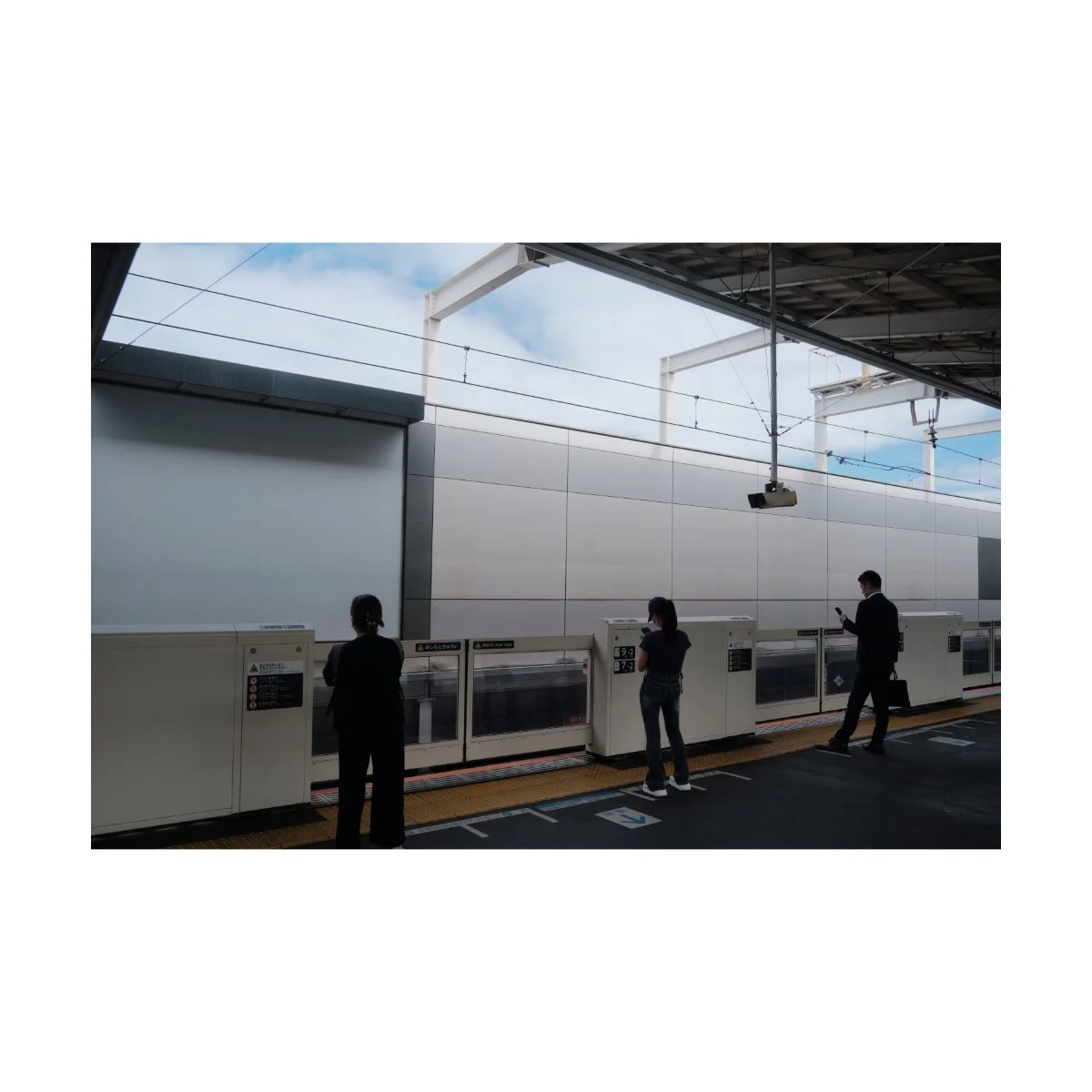
Dopamine Fiends
A big reason why social media is so effective is because of the way it uses our reward pathway.
Without getting too scientific about it, just know that it’s optimized to keep us watching for as long as possible.
The variety of good and bad keeps us scrolling, like a gambler looking for that next win.
It wouldn’t be far off to call it an addiction, since too much of it can turn us into fiends, unable to keep our hands off.
Much of it can be subconscious - we reach for our phones without even realizing it.
If you’ve ever gone “no phone” for a period of time, you know what I’m talking about.
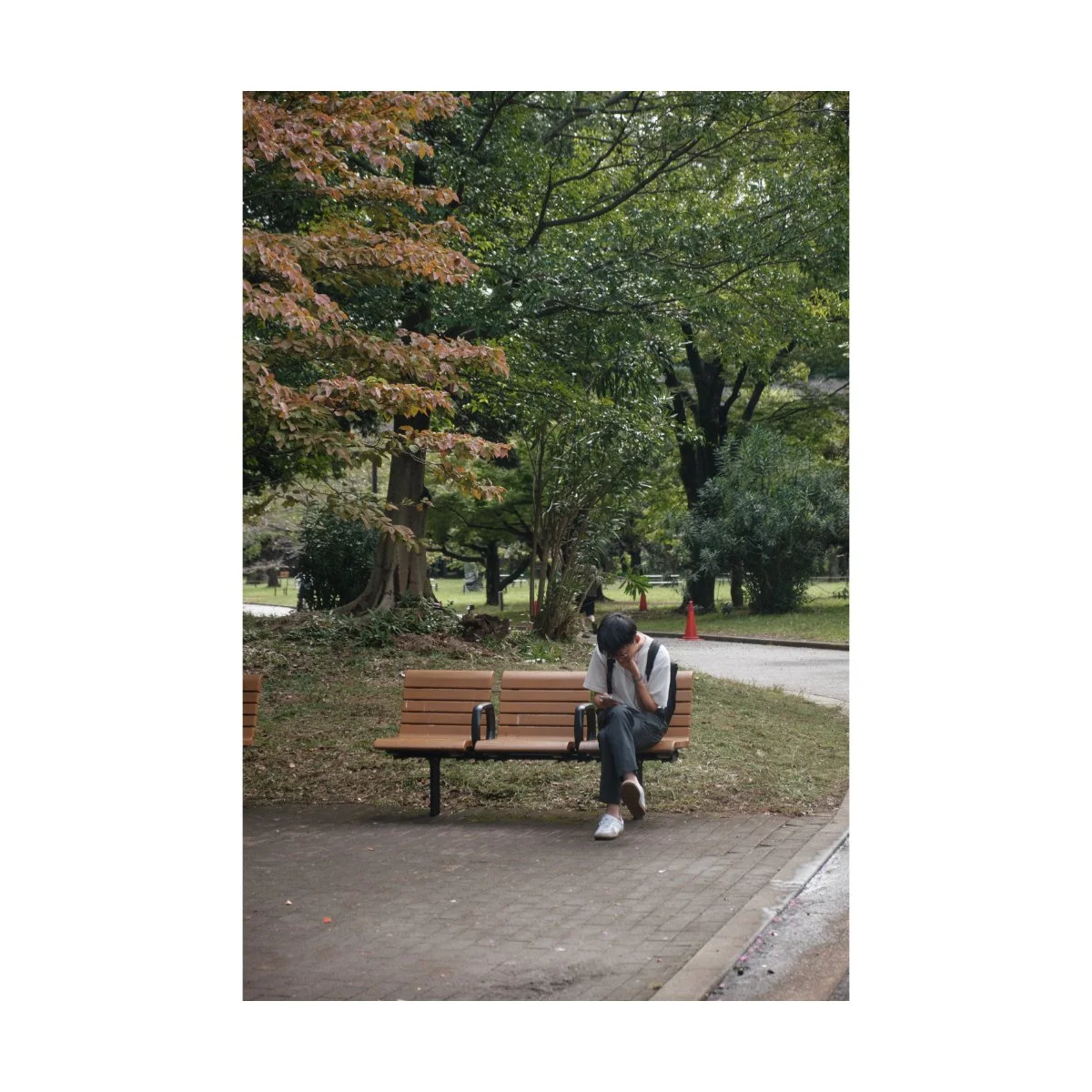
But like we said before, this is not social media’s fault - it’s our misuse of it.
When we’re addicted to something we tend to blame the thing, the substance, the technology, the creators of it.
This is just a masked up way to avoid taking responsibility for our own actions.
Because it’s easier to blame social media than blame ourselves for misusing social media.
Whereas, if you learned to build a healthy relationship with the apps, you wouldn’t have this problem.
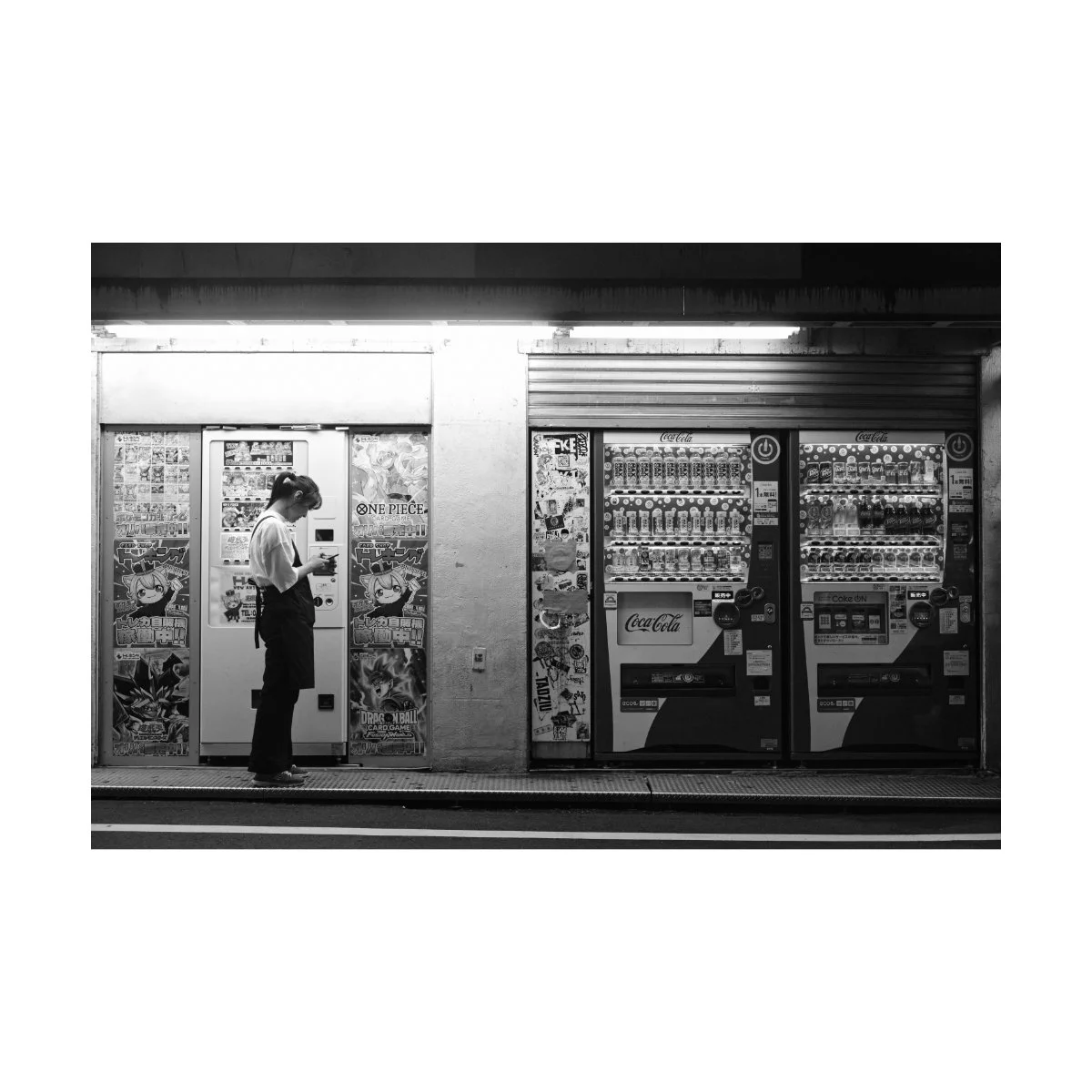
The first step begins with being able to honestly look at yourself and recognize whether or not you are a “dopamine fiend”.
What’s your screen time? Is that number reasonable?
What are your goals? Are you making progress towards them or have you been stuck for a while?
And do you think you’d make more progress if all or even half of that screen time was used productively?
Next, start asking the reason for your misuse.
Are you someone who gets addicted to stuff easily?
Everyone’s got a different tolerance of social media, so maybe your brain is just wired differently.
Or maybe you’re not, you’ve just fell into a loop and have a lot of bad habits that keep you scrolling.
Or are you someone who uses social media as a way to cope with the outside world: times are either hard or monotonous so it distracts you and numbs the day.
Or maybe you just haven’t learned the skill to curate your feed and fill it with things that actually benefit you.
There is a healthy way to use social media and photography Instagram.
And like photography, consumption is a skill.
So let’s learn how to consume healthier.
Using Instagram for Our Benefit
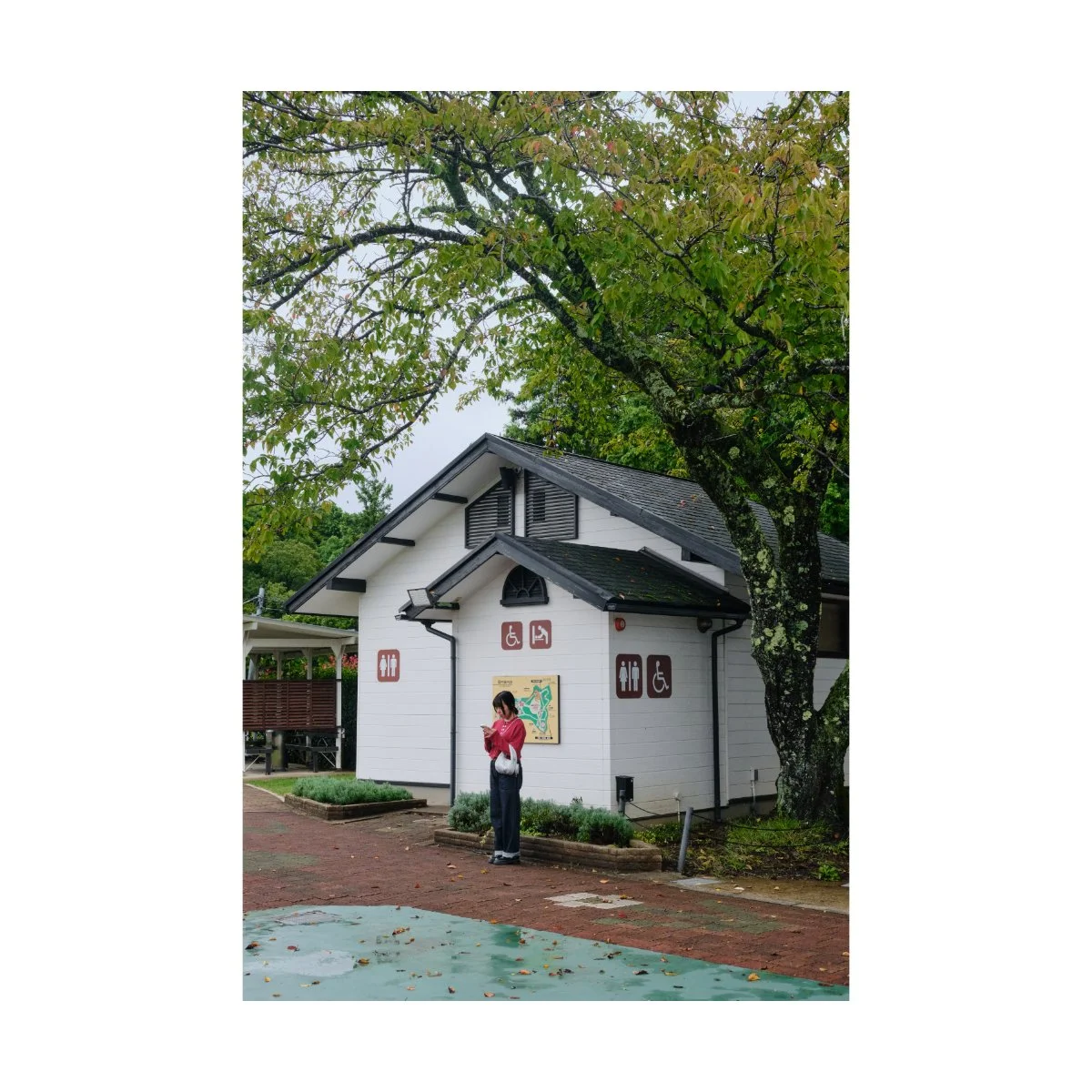
Despite all the trash I’ve talked about social media and Instagram, there is a healthy side to it.
Social media isn’t inherently bad, and if used right, can actually be a powerful tool for creators.
We just need to keep in mind the downsides, not get tricked or caught into loops of doom scrolling, and focus on creating.
If done effectively, we can minimize the downsides, while maximizing the upsides.
Let’s talk about how to use Instagram healthily.
Curation
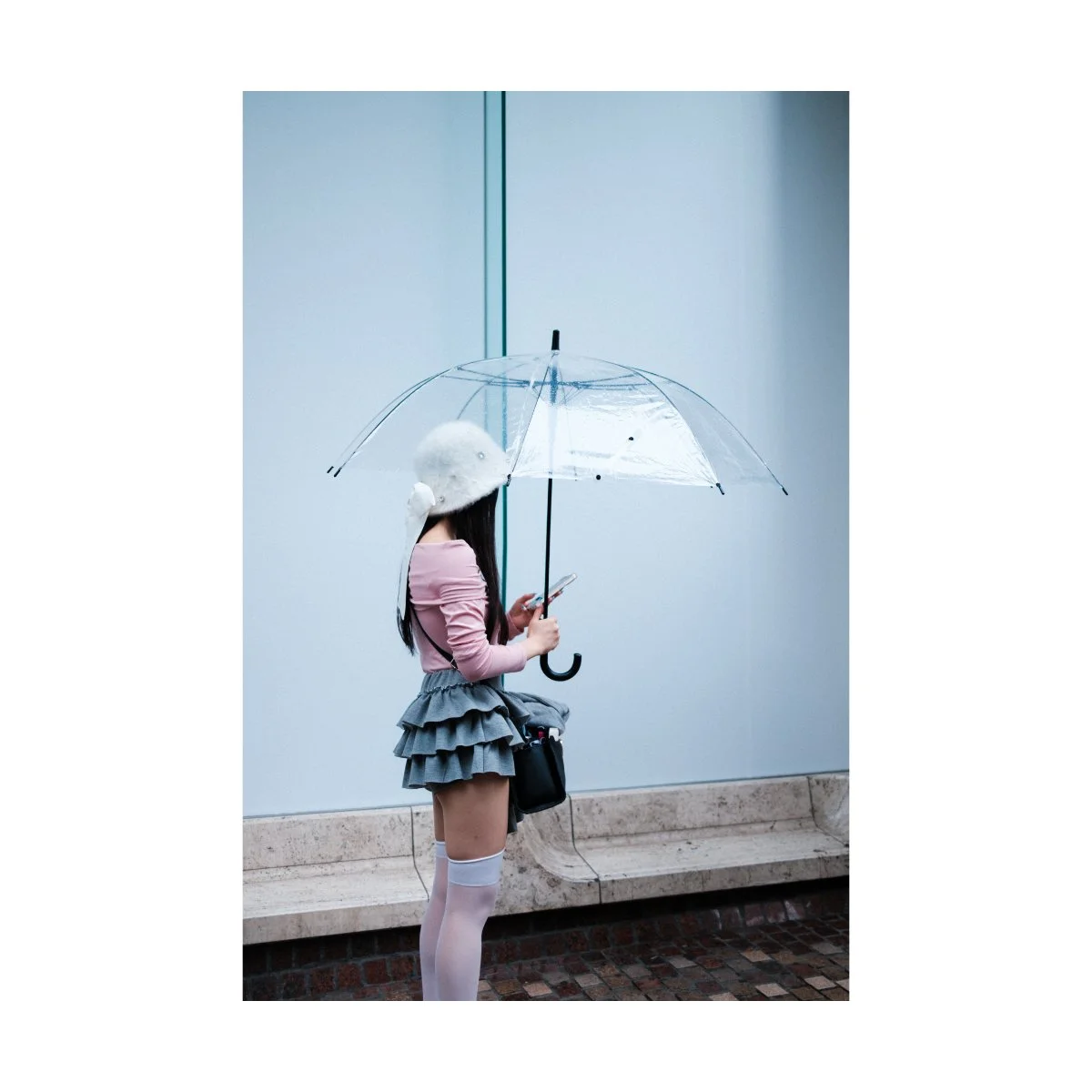
If we want to build a better relationship with our feed, it starts with curation.
Curation is the selection or finetuning of what we see.
Unlike before, this is possible now, because content is becoming more and more individualized like we mentioned earlier.
Meaning we can intentionally pick and choose what shows up and what doesn’t show up.
This is a good thing, since we can fill our feed with more things that benefit us, and less things that don’t.
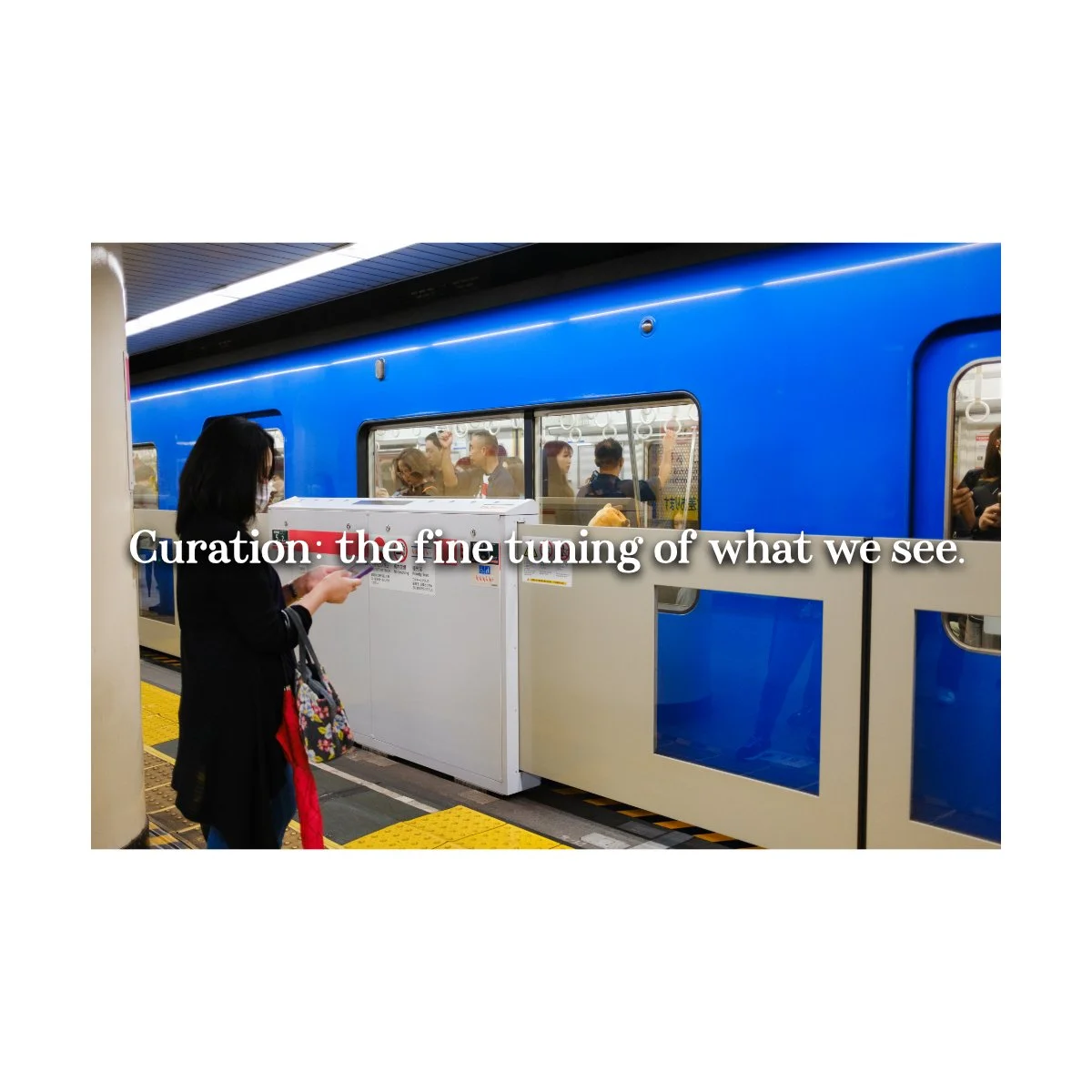
Over the past few years I’ve tested this out on my own socials like Instagram, YouTube, and TikTok, and it works pretty well.
YouTube it tends to be a bit easier, while Instagram and Tiktok are still a bit dangerous.
What you have to know is that watch time and likes are pivotal.
The more of a creator’s posts you like the more it’ll get recommended to you.
The longer you watch a video, even if you didn’t press like, the more likely it is you’ll get another one recommended by the same creator or of the same type.
So when it comes to curating your feed, spend more time watching and liking better stuff.
Things that actually teach you something or contribute to your creative or photography goals.
And things that aren’t helpful, but are just addictive to watch, scroll away as soon as possible or click “don’t recommend this”.
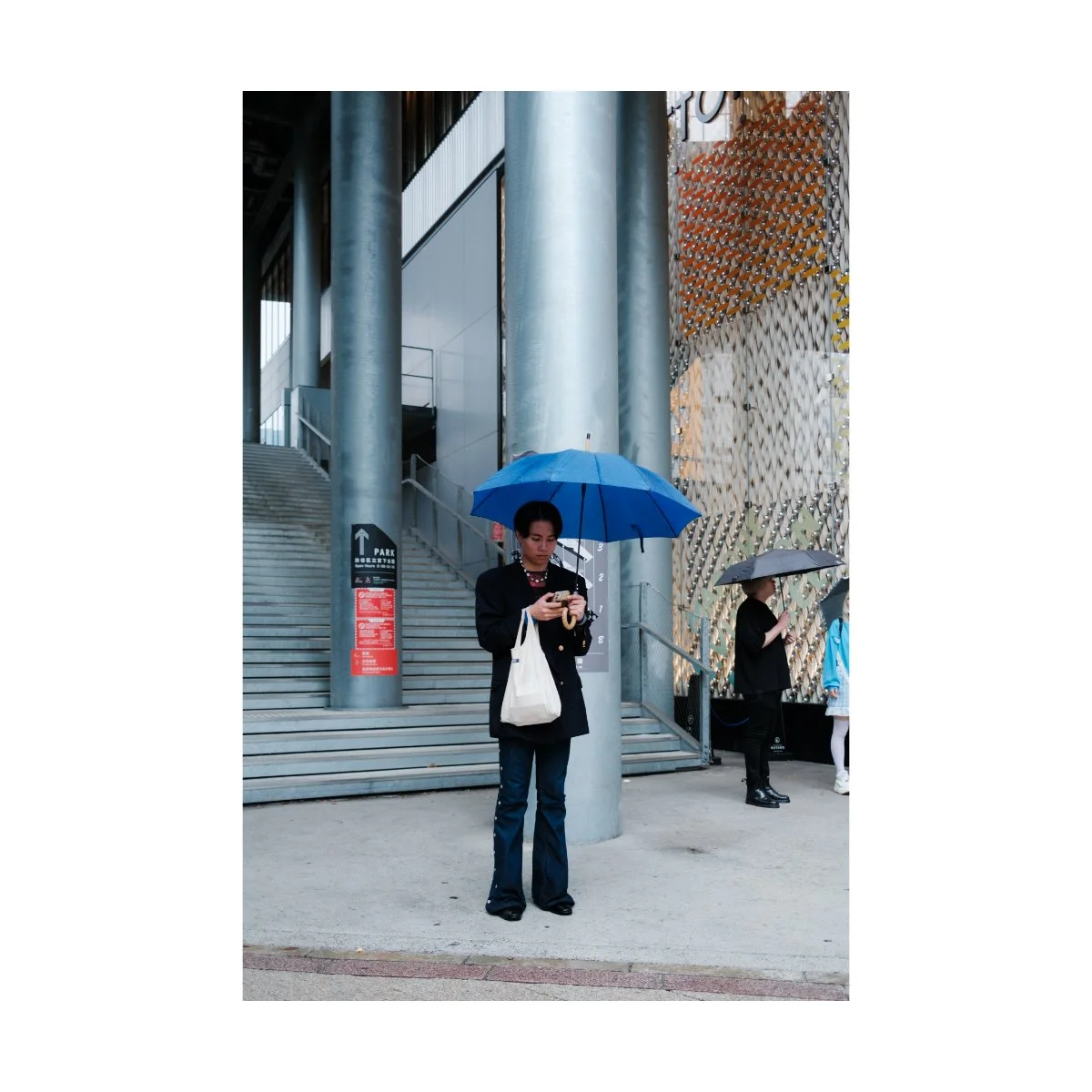
For Instagram and TikTok it’s a bit trickier since they’ll still recommend you random stuff, but the same principle applies.
Engage more with the content that benefits you, swipe away from the ones that don’t.
And if you can’t find that healthy balance, try to cut off the app entirely.
For TikTok and Instagram I’ve stuck to a rule for the past few years called “post and ghost”.
I’ll post my pictures and close the app right after, that way I’m not caught scrolling for another 2 hours.
That’s been the most effective method for me, since I can’t trust myself otherwise.
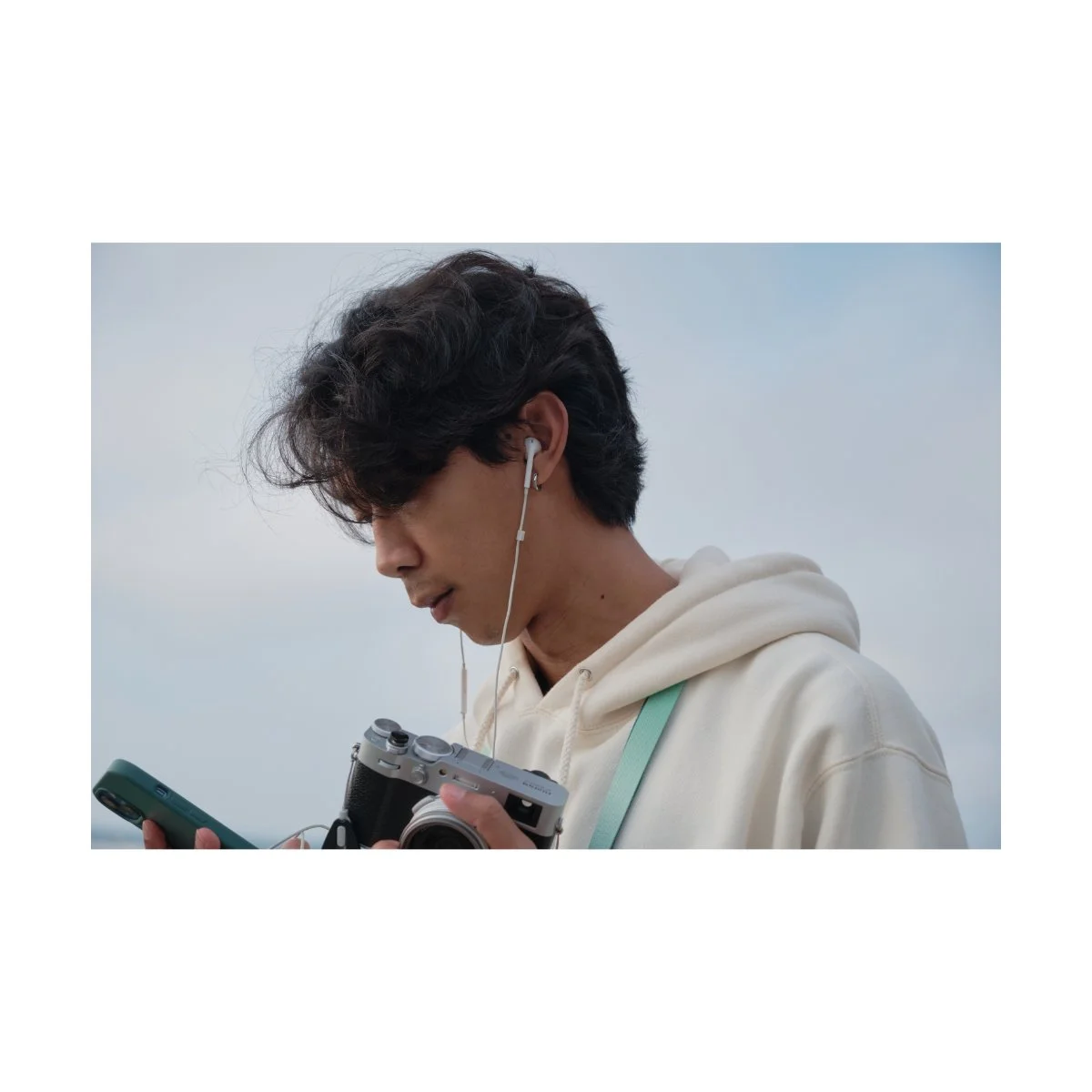
Over the weeks you’ll see your feed begin to change.
Less and less of the old stuff will pop up and you’ll see more good helpful content.
This will teach you more things, you’ll be more motivated to improve your photography, and you’ll become more action oriented.
Your brain will actually start to change too, and the daily thoughts that surround your mind will become clearer.
Less screen time will force you to fill that gap with productive stuff like going to the gym or going on a photo session.
And less unhealthy comparisons will make you feel better about life in general.
When you curate your feed, life becomes easier.
And if you find yourself falling back into the reels hellhole again, it’s okay.
Repeat the steps - you know what to do to get out.
Mini Projects
For a long time, the prioritization of reels made it hard for photographers to get exposure on their photos, and forced a lot of people to make video content.
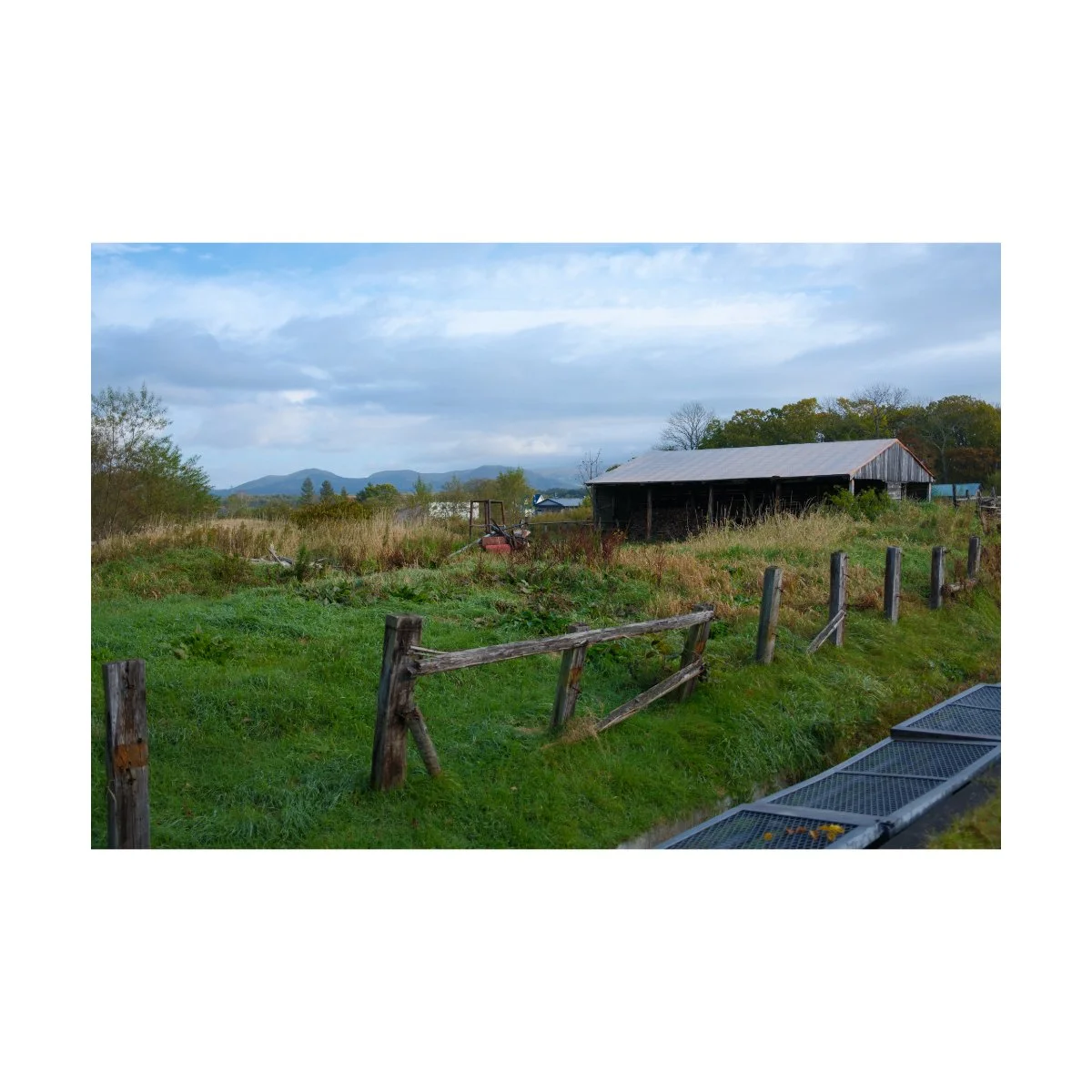
But like we mentioned, nowadays I’m noticing a lot more good photography posts and you can even curate your feed to see more and more of that.
This can be inspiring, sure, but I’d encourage you to look at the creator side of it.
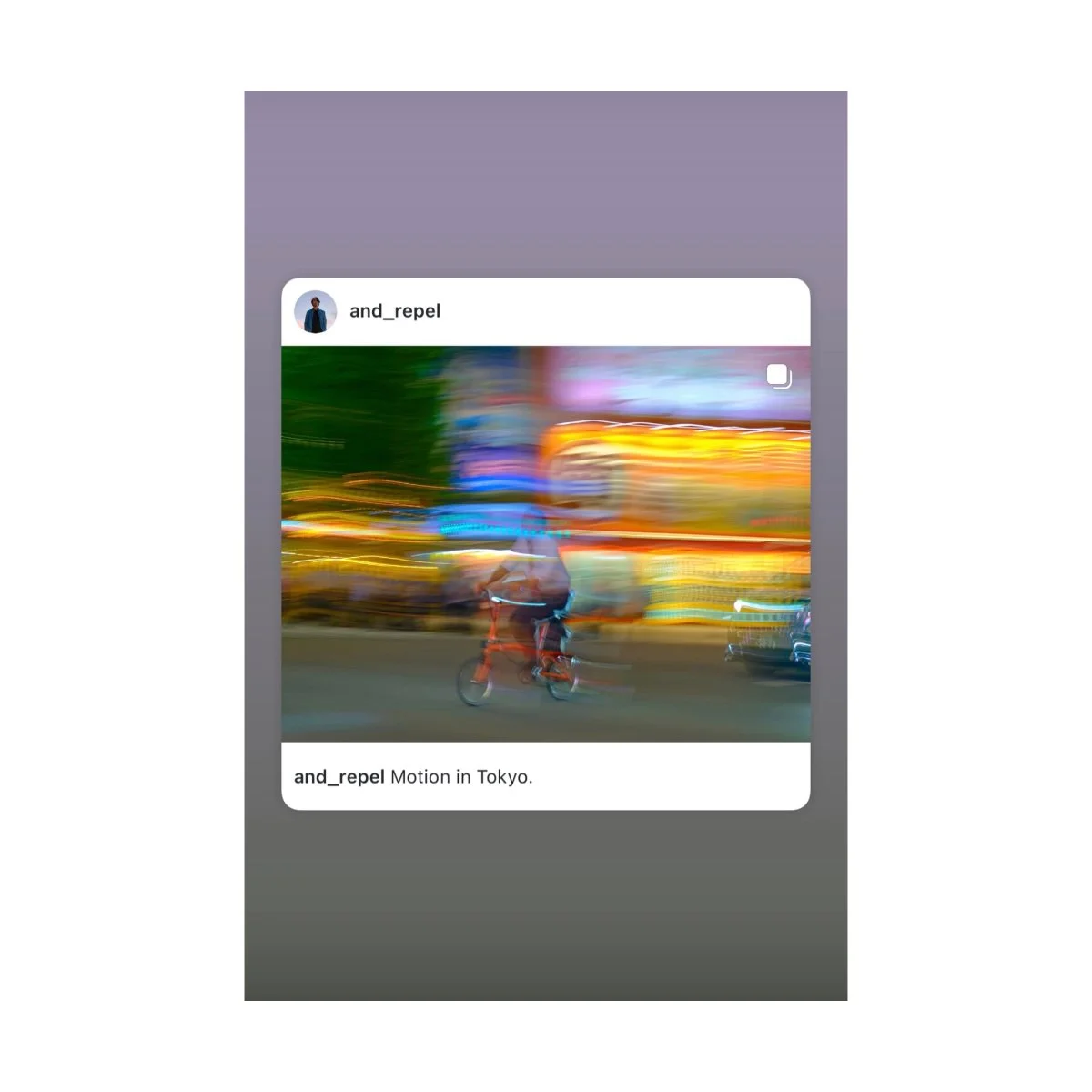
Posts are a vessel to improve our photography.
What do I mean by this?
I mean that we can use an Instagram carousel as a mini project to make us better.
Doing so forces us to create for something with an idea in mind.
Instead of taking photos aimlessly trying to get “great colors” or a “great composition”, projects give us a prompt.
To do the project right, we have to follow the prompt and our images have to stick to that theme or idea.
The better the photo emphasizes that theme, the better the photo.
And the more we do this, the better we get, because we begin to look at photography less as a way to capture something and more as a way to express something.
Both are important, but that’s a big distinction.
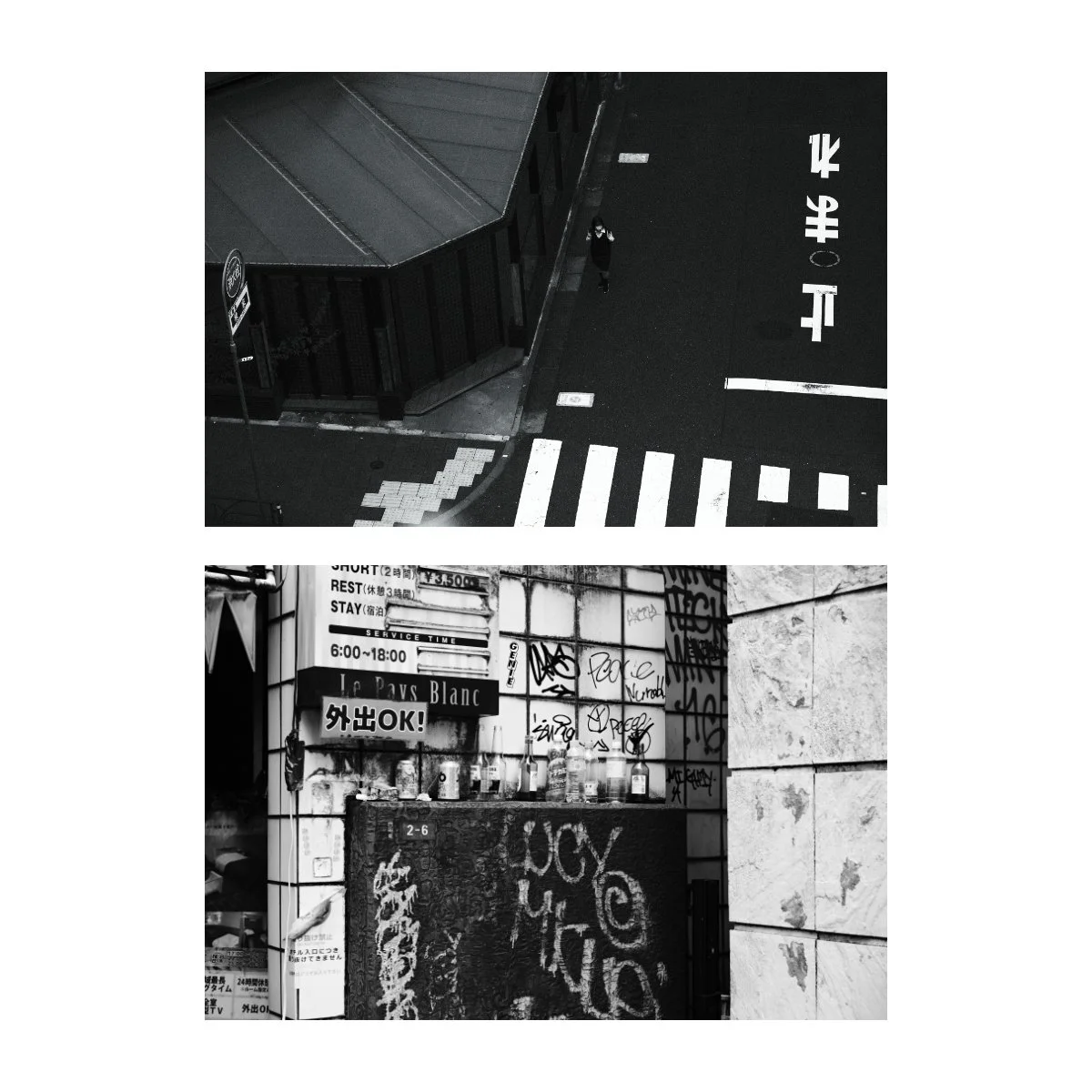
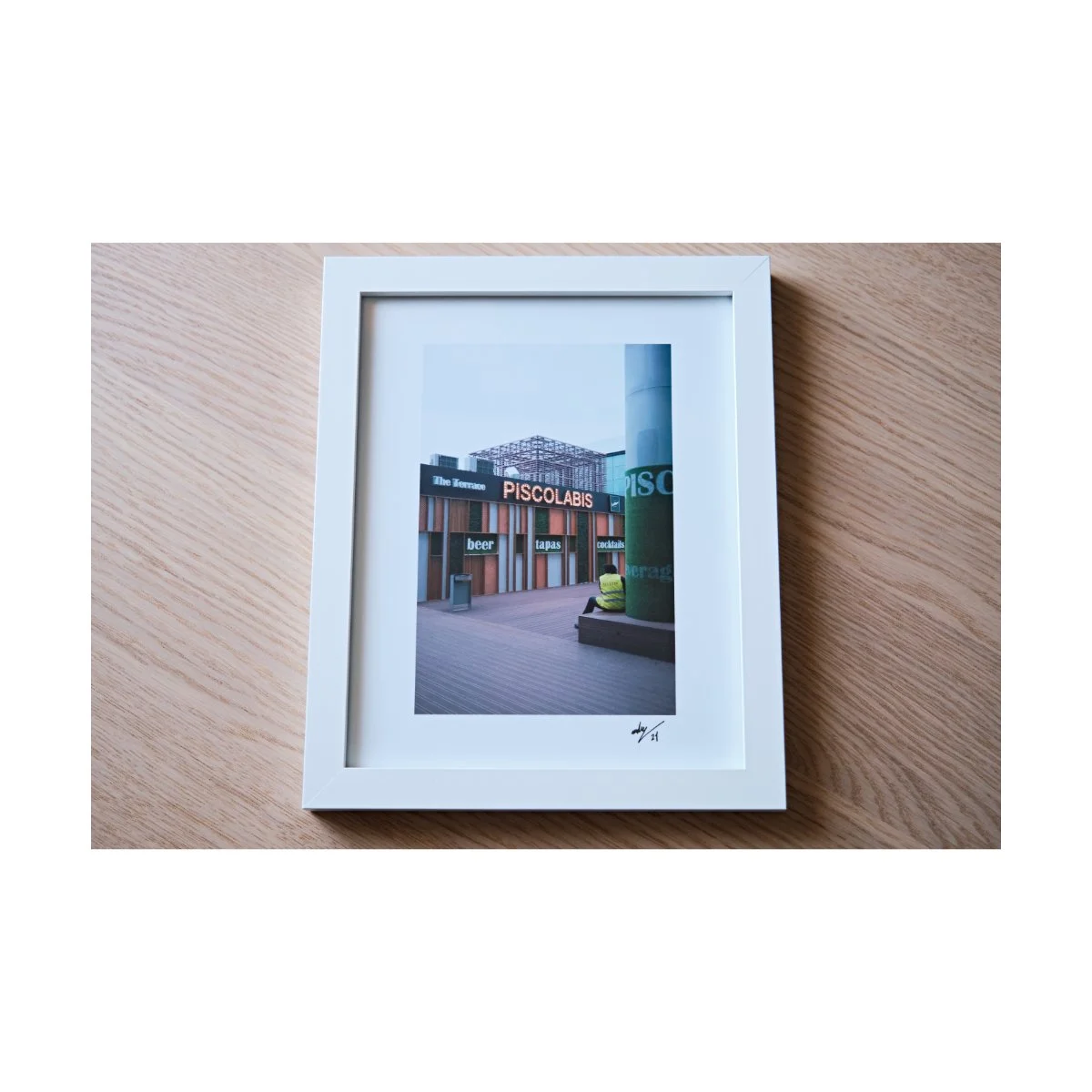
In the past, my main ways of self-assigning a project was to make a print, photobook, or zine.
Single prints forced me to think about what kind of images people would like to have, hang on their walls, and put in their houses.
Books and zines made me think about a theme and forced me to cut a lot of good images that just looked good, but didn’t fit the idea.
Similarly, I included a lot of detail or supporting images that weren’t my best shots, but added or contributed to the book.
This taught me a lot about photography and I leveled up because of it.
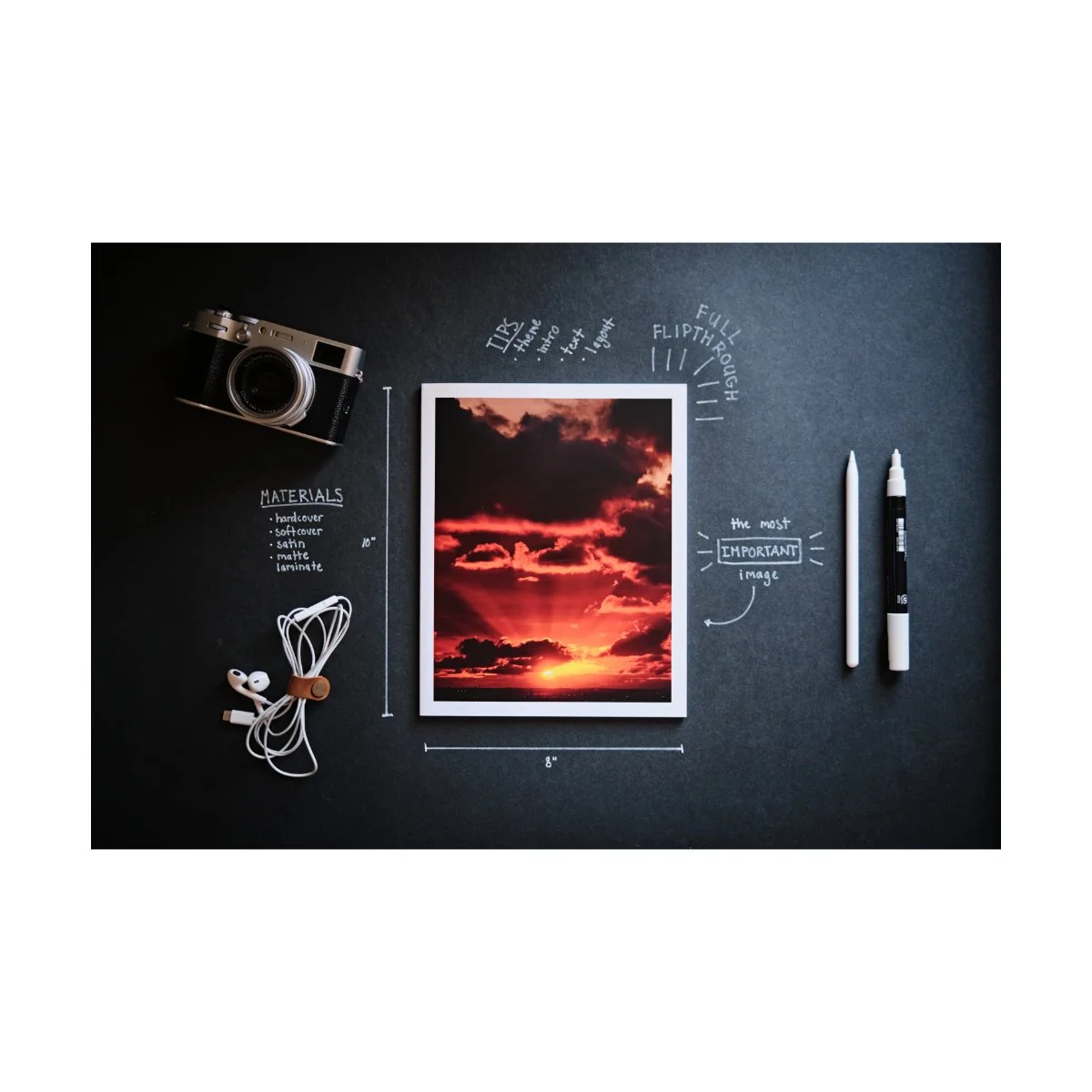
I still recommend you make books, but Instagram posts can be used in a similar way.
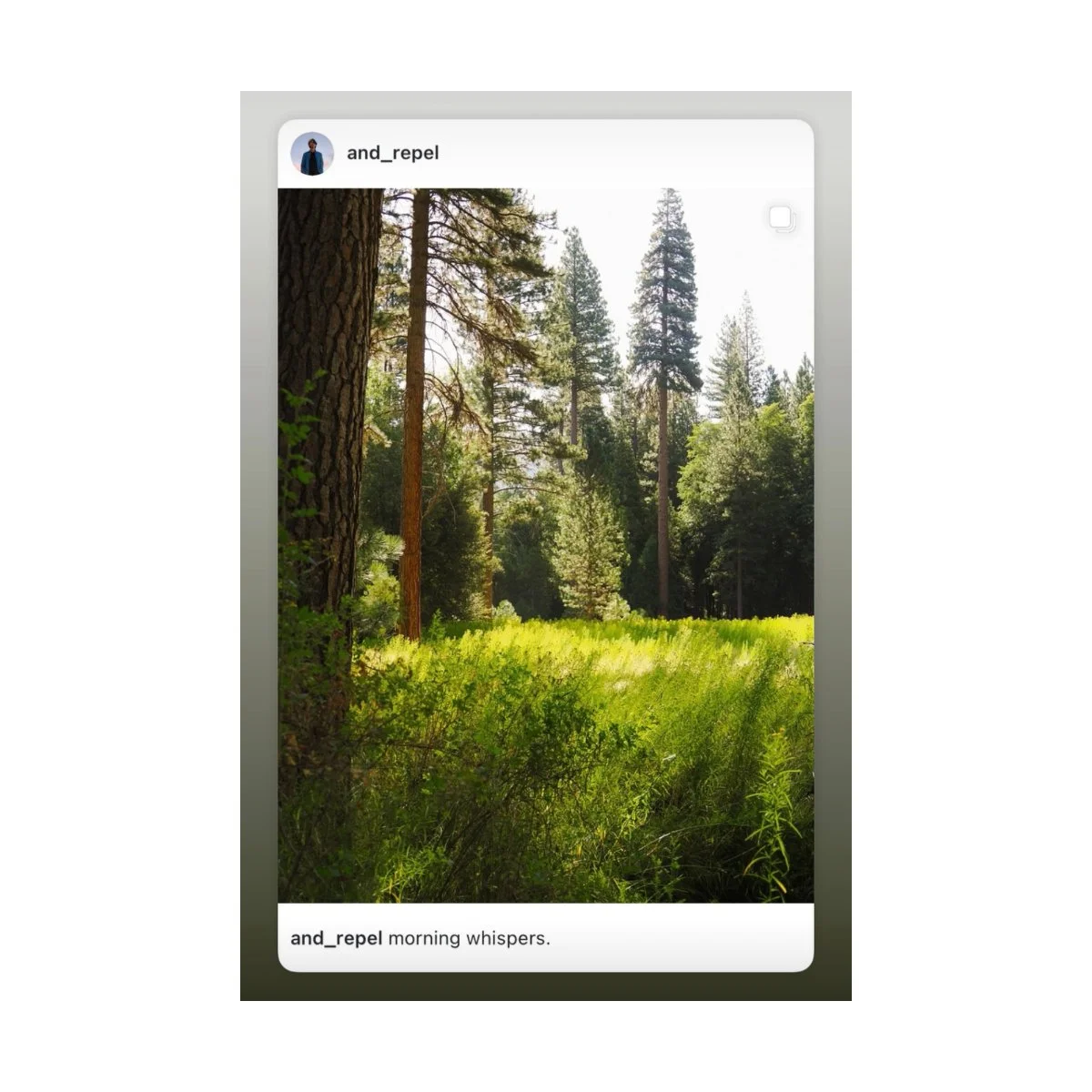
For 2026, instead of just posting nice looking images, I’m going to use posts as mini projects.
A way to improve my photography by making me think about how these different images connect.
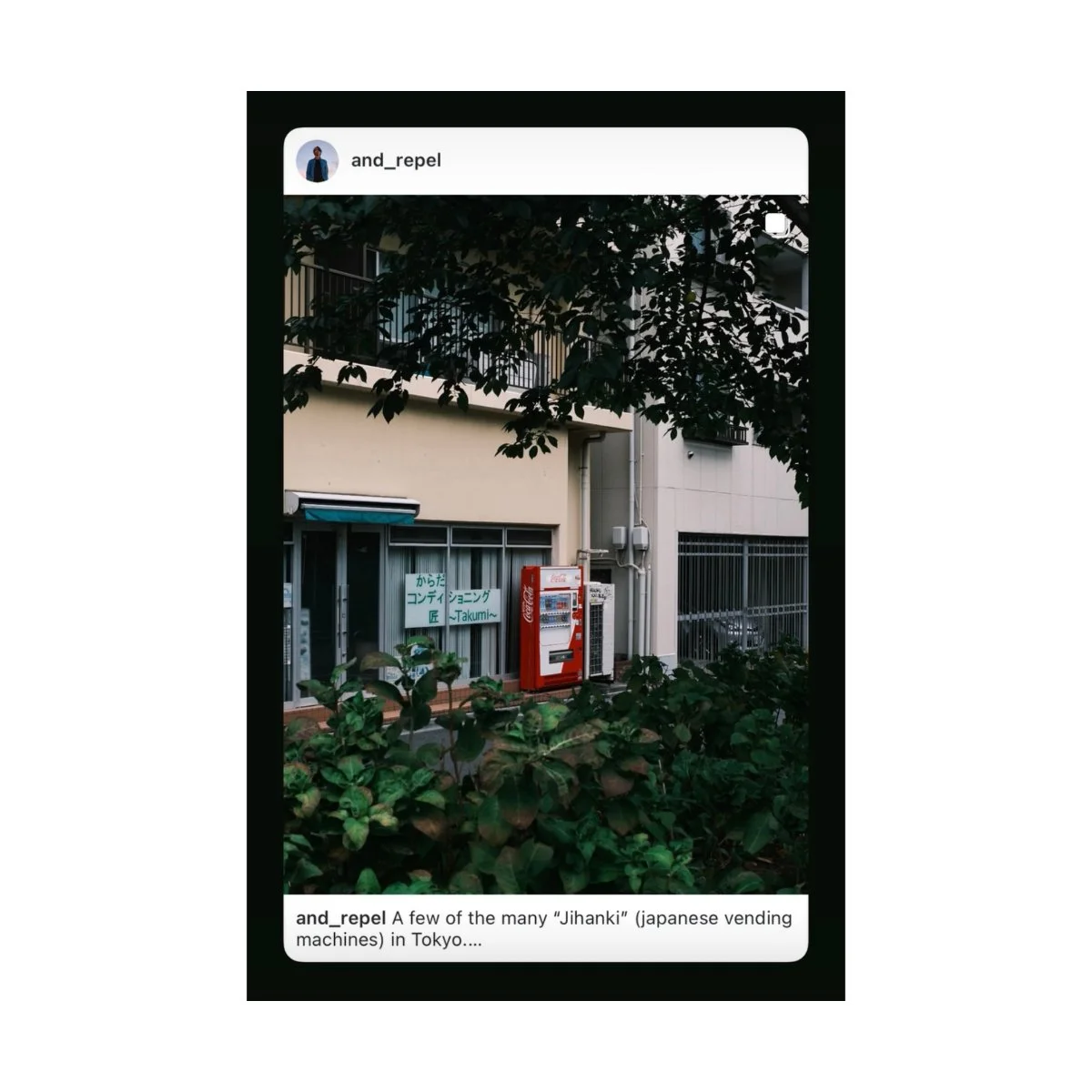
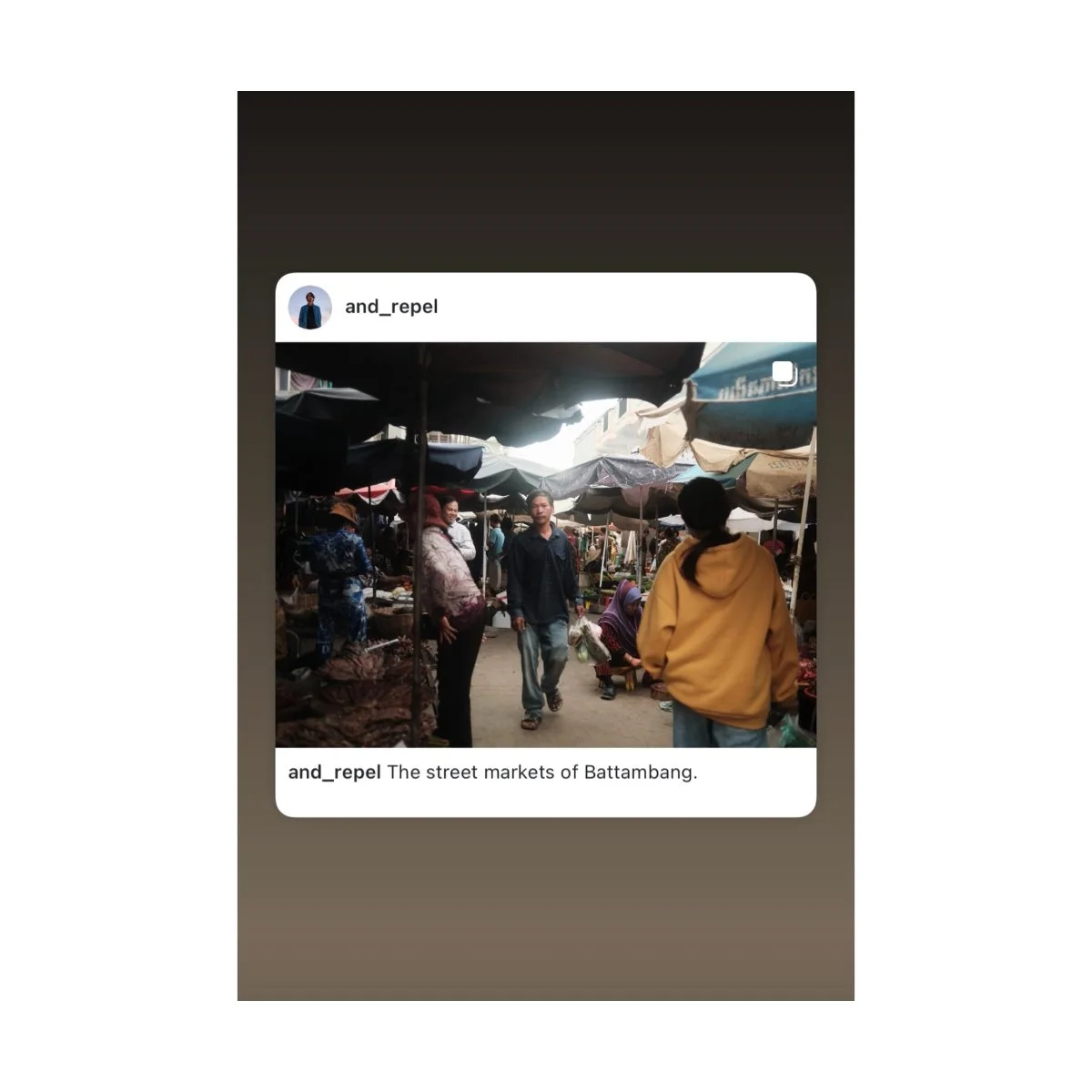
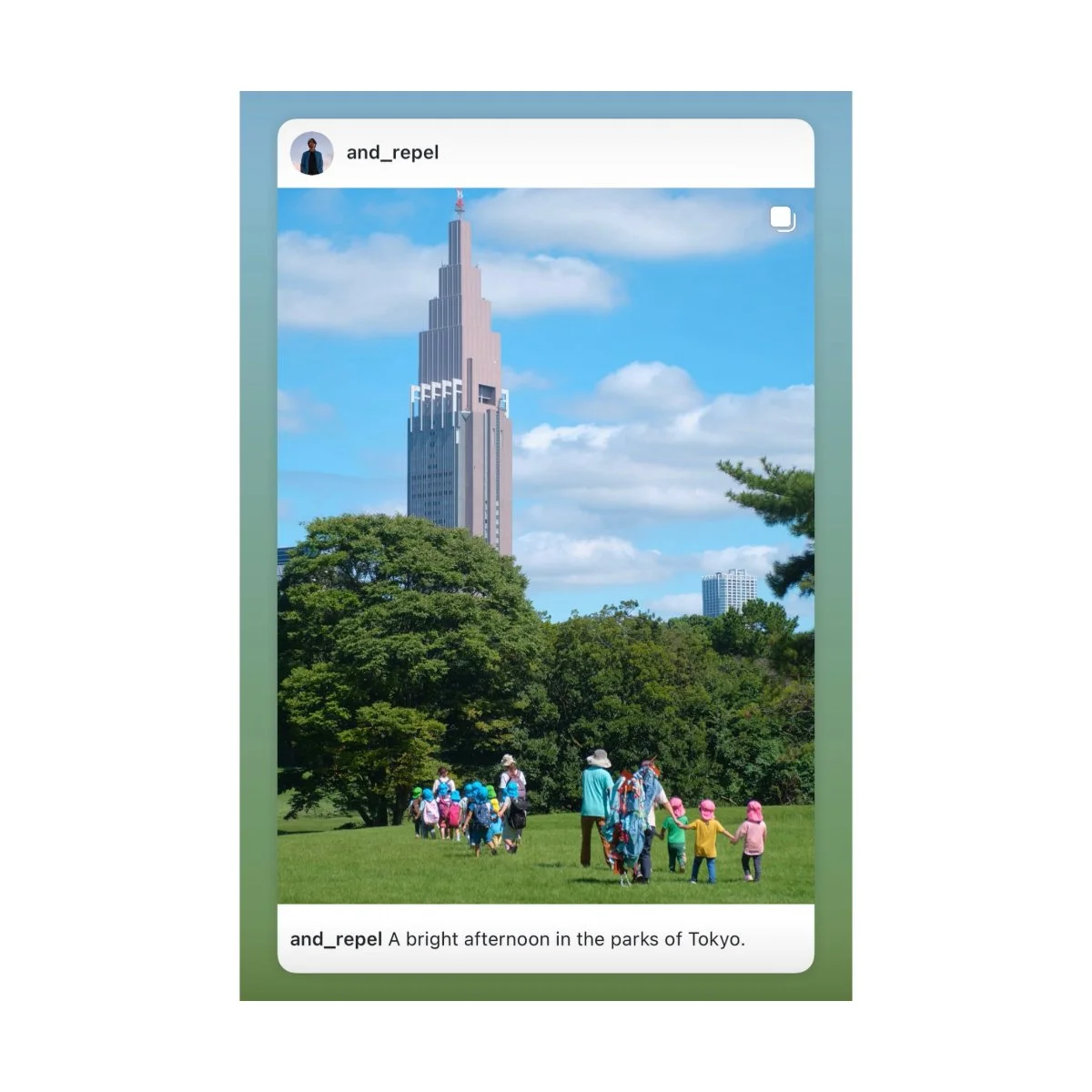
It could be about a bright afternoon in the parks of Tokyo, or exploring the street markets of Battambang, Cambodia.
Each set of images has a story to it, and playing around with that, practicing with different themes and ideas, I think, will push me to that next level.
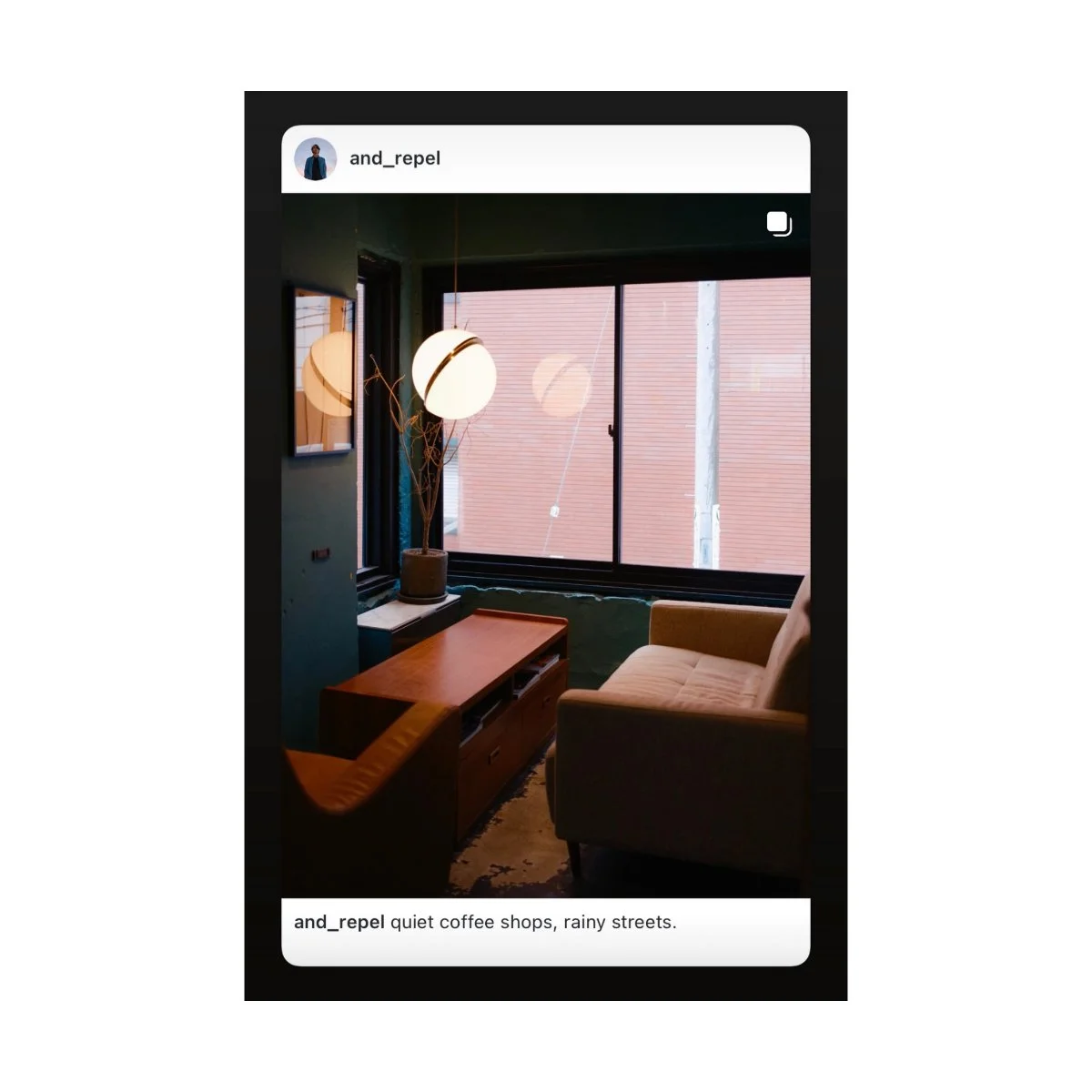
Meaning
Meaning is a bit of a tricky thing for photographers.
Some would say there is no meaning to art or life and that action doesn’t require meaning.
Meanwhile others would argue that meaning is important and it’s the backbone behind why we do everything.
I think both perspectives are right in some way and we’ve covered meaning more deeply in other articles.
My conclusion then, was to juggle both: learn to be creative without meaning so you don’t need to rely on it, while at the same time learn to create meaning if necessary, to get the benefits.
But how does this relate to Instagram?
Well in our previous example, self-assigning projects like Instagram posts are an easy way to give our creativity meaning.
We are no longer taking and editing photos aimlessly - we’re doing so for a post, for a reason, for something.
And it’s a simple hack we can use to keep ourselves creating.
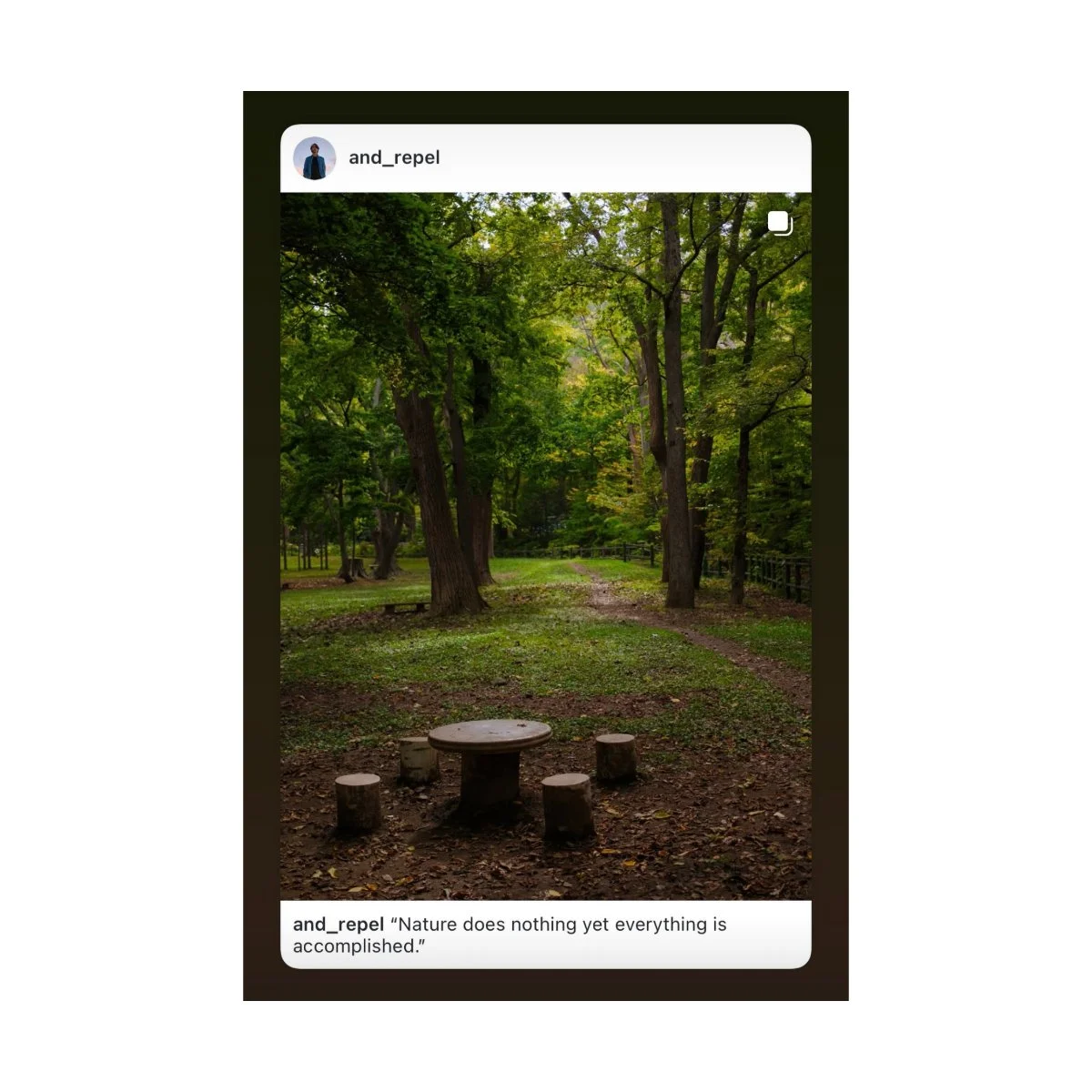
Now, it might feel a little anticlimactic to say the reason for your photography is to post on Instagram, but who cares?
A lot of people think meaning has to be big and important - but that’s not true.
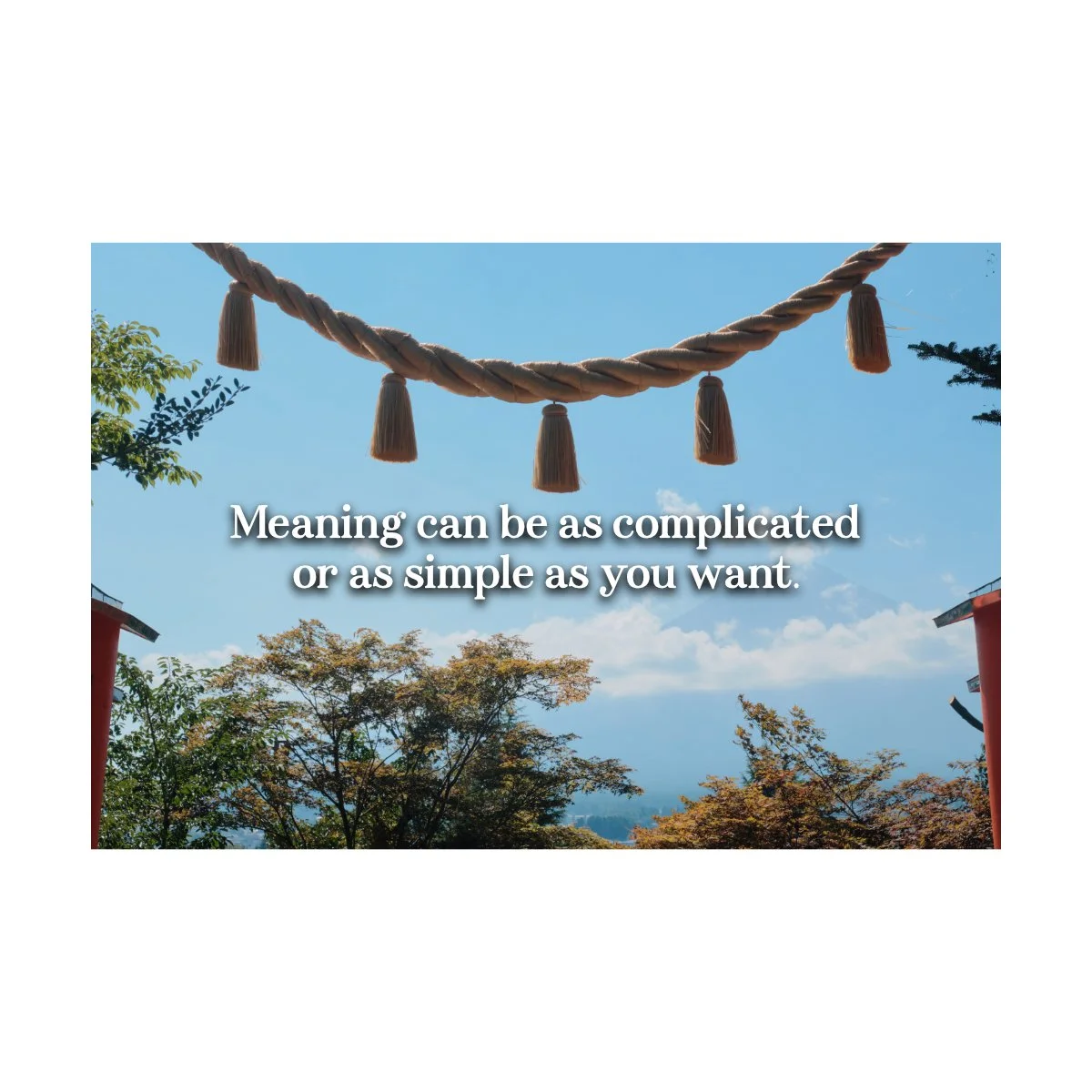
Meaning can be as complicated or as simple as you want; as big or as small as you want.
And if it works, it works.
So if you feel uninspired, unmotivated, or maybe a little nihilistic, trying using social media for your own benefit.
Instead of letting social media and Instagram be the thing that saps your energy and motivation, use it to fuel yourself.
Try making the goal, meaning, and very reason for your photography to simply be making an Instagram post.
It’ll force you to do something, keep you accountable, and over the long span improve your photography.
And it’s not about the amount of likes or people that see your photos.
It’s about using social media in a healthier manner for our benefit.
Using Instagram as a Photographer in 2026
So based on everything we just learned, how should we use Instagram as photographers in 2026?
Well, how you do it is up to you, but this is what I’m gonna do.
I’m going to:
Post more of my pictures on Instagram, Tiktok, and Youtube community posts.
I’m gonna treat it like a photography exercise, building a small carousel of images to connect in some way or tell a story.
Posting more will force me to work on my photography, get out and take more pictures, and stop overthinking.
It’ll not only improve my photography, but give it meaning, a small reason to keep on going.
I’ll stick to “less consuming, more creating” and “posting and ghosting”, since those mantras seems to work best.
And if I find myself scrolling, I’ll curate my feed such that less brainrot content shows up.
Doing so will allow me to take more action, stop unhealthily comparing myself to other photographers, and just be less of a dopamine fiend.
That’s my plan at least, and hopefully it works.
I’ll update you guys in the future if it goes well.
So if you enjoyed this article and maybe have a friend who spends too much time on Instagram and not enough time creating, send them this - it might help.
If you want to shoot more and stress less, you can learn all about about improving your photography in Photography Systems.
If you want to build a solid foundation with photography, go to Photography Essentials - that one’s free.
And check out some of the new merch, prints, and zines we’ve got.
Thanks for reading, happy shooting.