Your Need for Motivation is Killing Your Photography Growth
Every now and then I lose motivation.
I don’t get that same energy I would when I have motion, things are going well, and creativity is easy.
I don’t feel the same drive to go out and take photos, make YouTube videos, or even work on whatever photography project I have planned.
My motivation dies, photography feels like an uphill battle, and I need a way to rekindle the spark.
In these moments I tell myself a few simple reminders to help me reframe my perspective.
Today I’ll share a few of those with you that may help if you feel similarly.
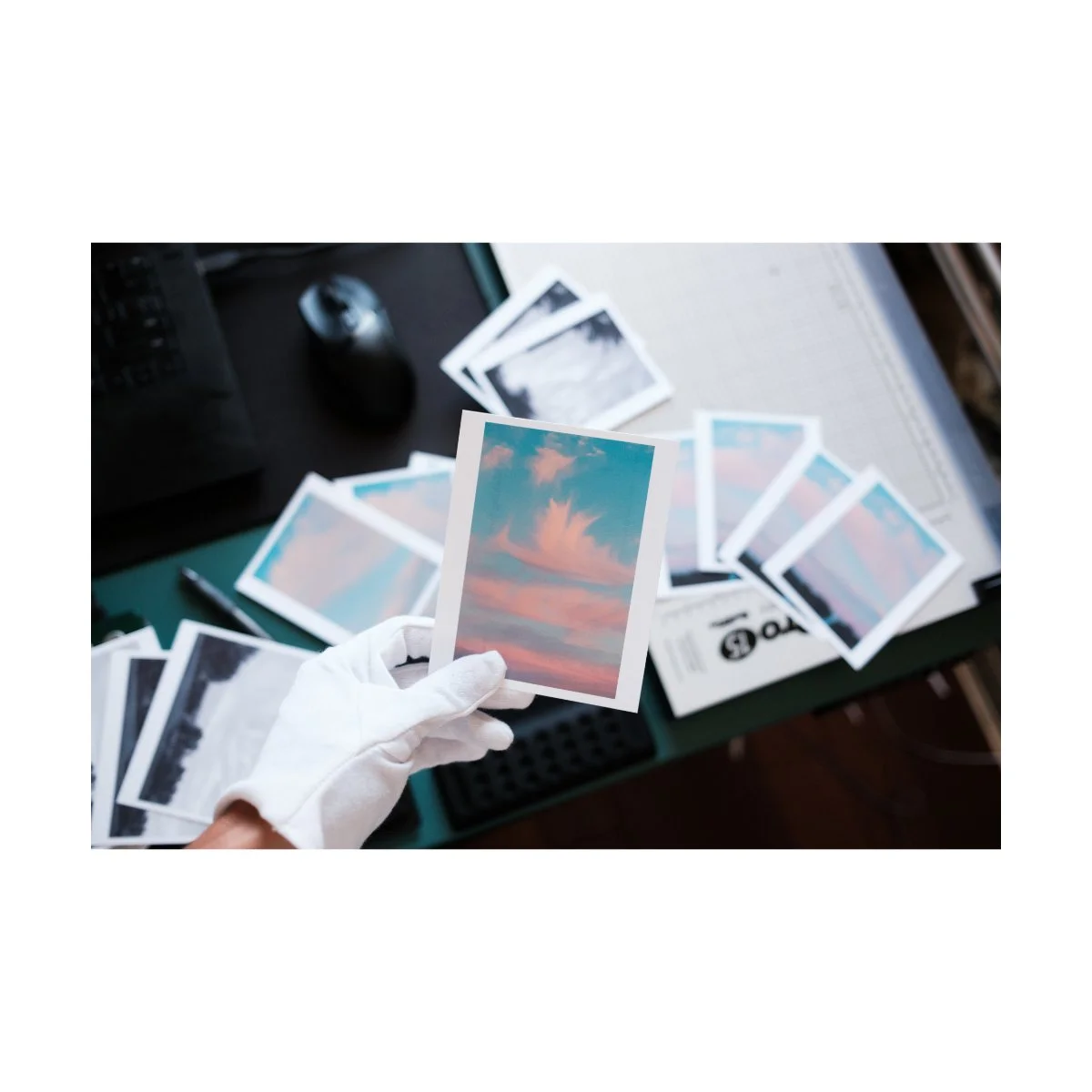
Also if you’re interested in learning more about improving your photography in a sustainable manner, check out Photography Systems.
Let’s begin.
Mix Things Up
Variety is the solution to photography boredom.
It’s often in life we get caught in routines and cycles of doing the same thing over and over.
We wake up, go to work, eat, go to the gym, eat again, and then sleep.
We take pictures of the same things in the same places with the same cameras.
And we wonder why we’re bored.
This isn’t to say that routines are bad - quite the contrary.
Routines and systems help us run our lives and automate the process.
But if we’re not careful, they can become lifeless, like a machine that only knows how to do one thing.
So a good system always accounts for monotony.
This means countering boredom with variety and mixing things up intentionally.
Shoot with a different camera, go to a different place, take pictures of different things.
Even if it’s not what you do or are interested in, treat it like an exercise and just do it.
You’ll quickly realize how one little shift can make all the difference in your personal interest.
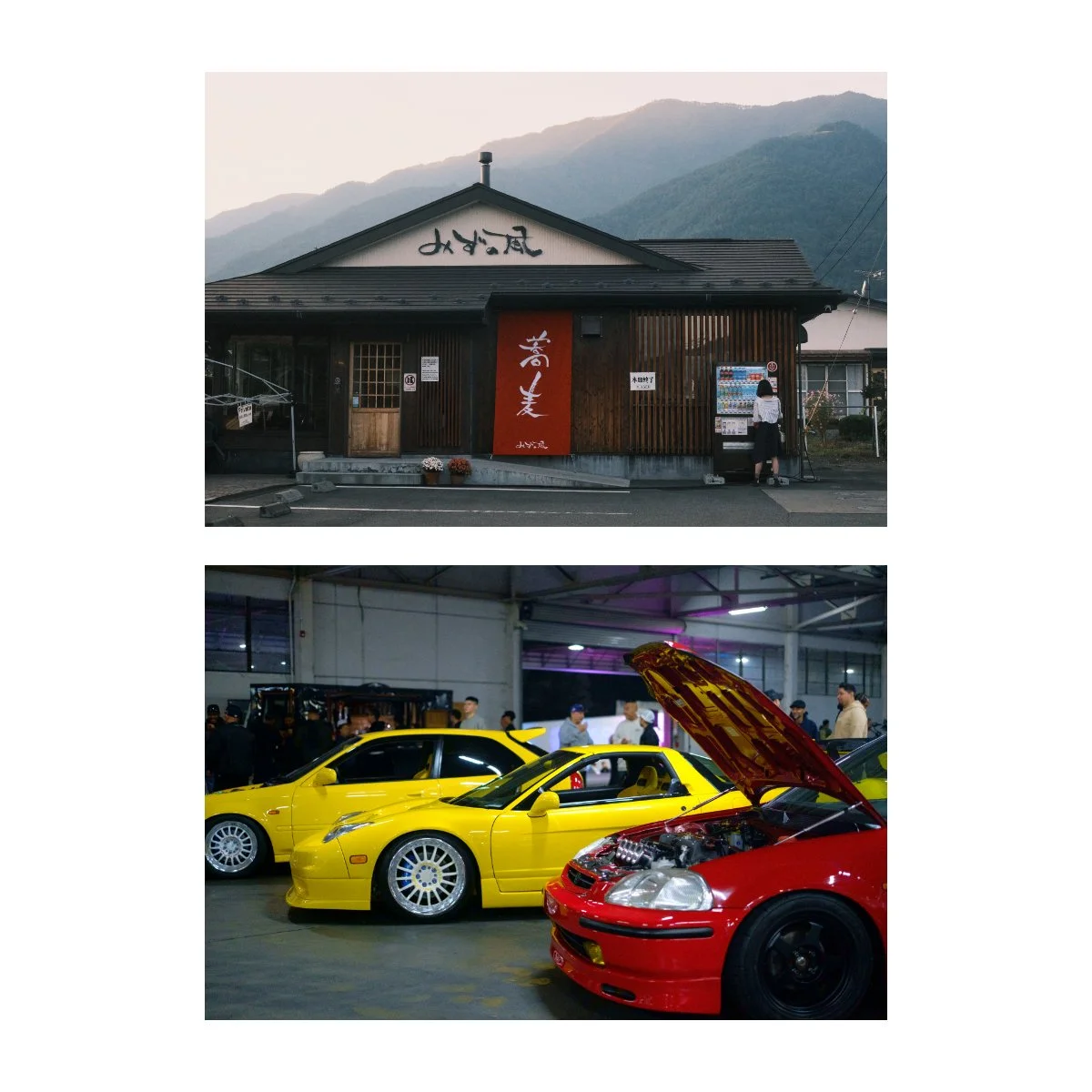
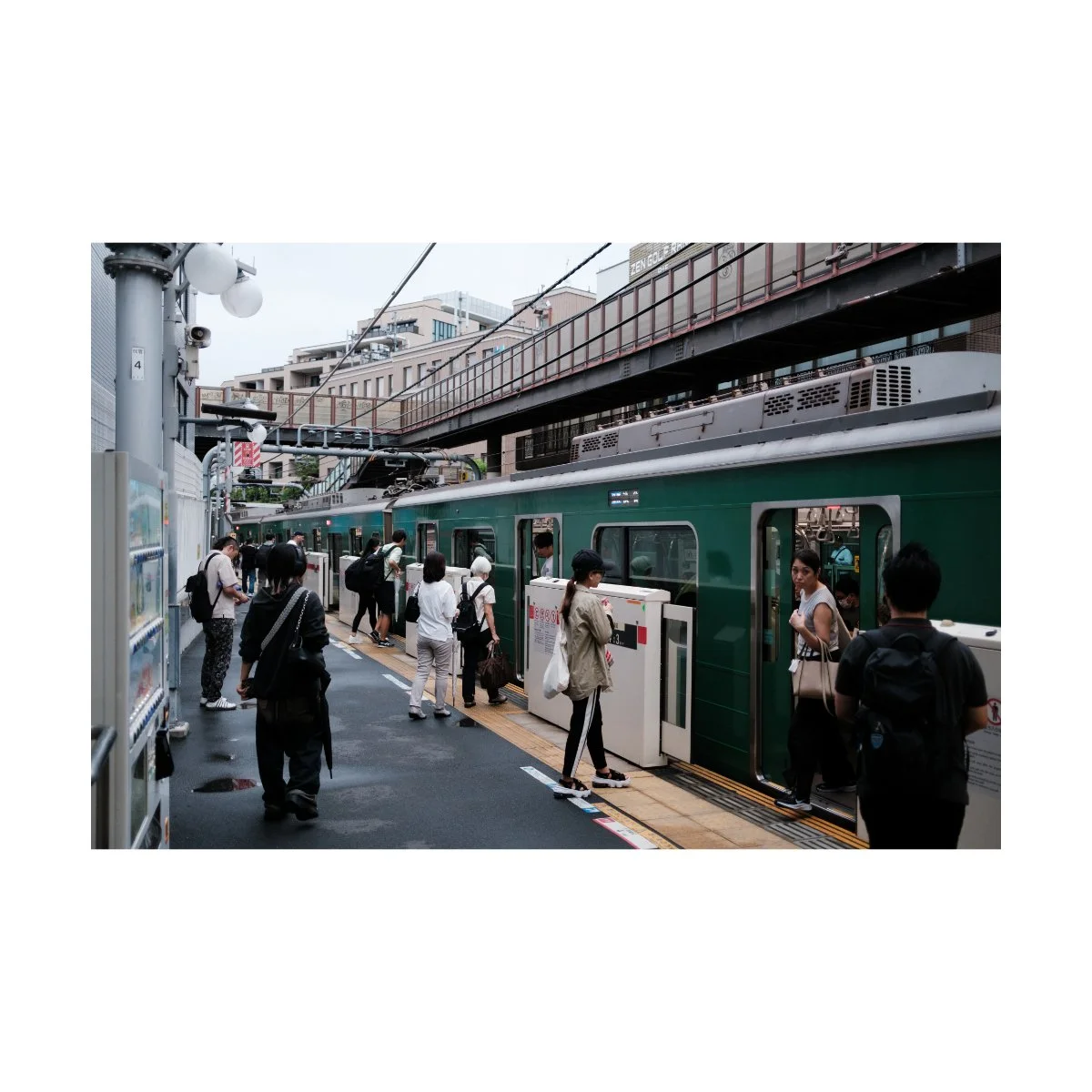
For example, for me, I enjoy a variety of photography from simple scenes, architecture, and people.
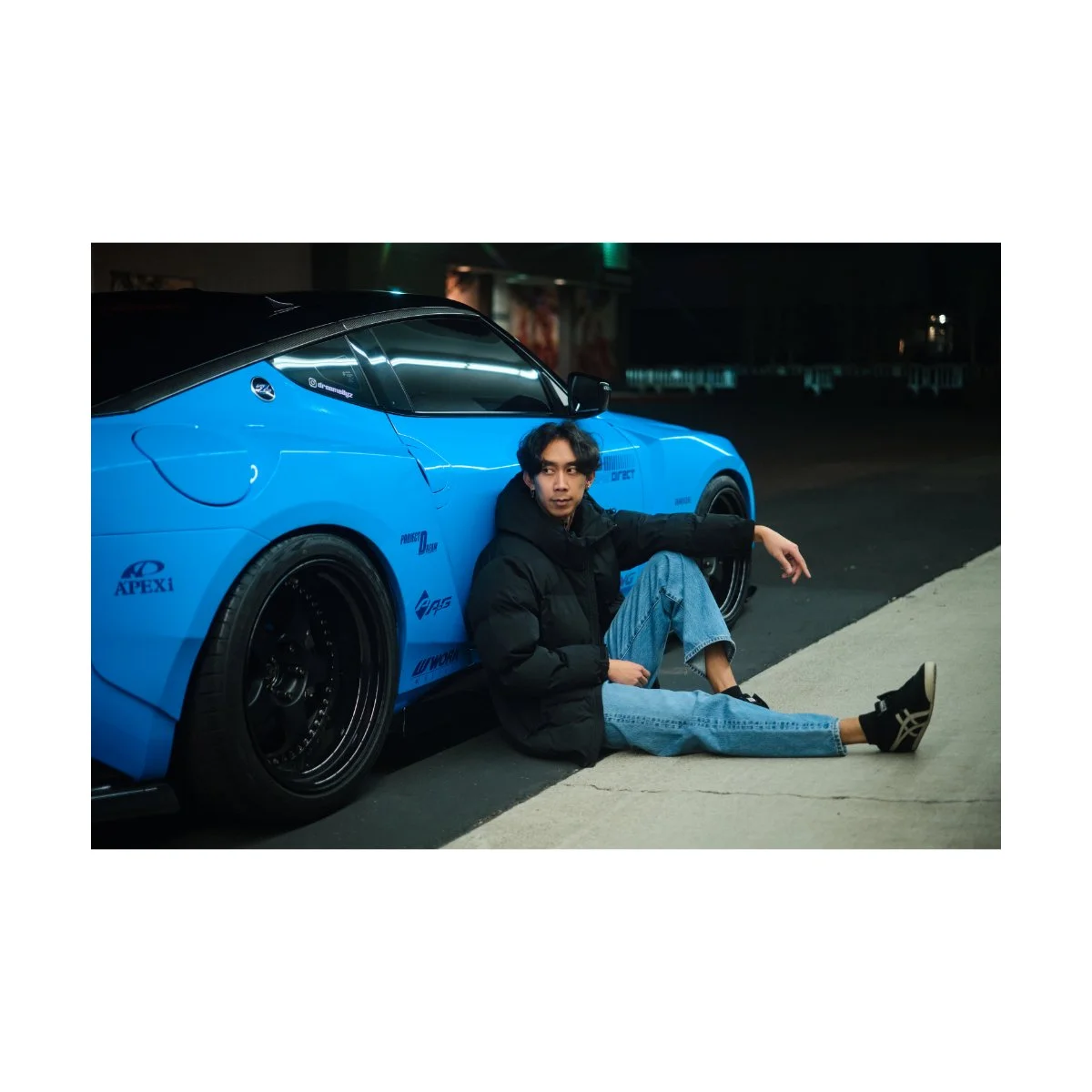
But every now and then I’ll make room to take photos outside of my norm, like cars, and that goes a long way to mixing things up.
These nuanced experiences I learn from, and teach me another side of photography.
Now, this doesn’t mean going on a bender and losing track of your main focus in creativity.
But just one day here or there spread out across the year can make a big difference.
And once you’re done, you’ll be able to take and apply the various new things you’ve learned into your main genre of photography.
You’ll be able to see things from a different or new angle and the photos you produce will be different.
And it’ll be fun again, because you’re not doing the same thing over and over anymore.
Perform Without Purpose
Creativity is tricky.
It’s difficult to know why we feel certain ways and whether or not we’re truly being honest with ourselves.
Photography for example, I’m not always sure if something’s not working right or if I’m just making excuses.
But over time I’ve learned that 99% of the time I’m just making excuses to avoid doing the things I don’t feel like doing, and very rarely is something wrong with the process.
So I’ve built up a habit of learning how to “just do it”, regardless of what my brain says.
Something that helps with this is telling myself to “perform without purpose”.
This is a framework I heard from David Goggins, and he probably used it when talking about physical fitness, but it applies for everything.
You see, a lot of creatives and people in general think they need purpose.
An overarching reason, motivator, or meaning to what they’re doing.
And if they don’t have that, they can’t do the work.
I don’t disagree with this entirely, we’ll talk a bit about goals in a little bit, but it’s of my personal belief that you don’t need a reason to do the work.
Think about it from a technical aspect.
Do I technically need a reason to take the photos, edit the photos, make the project?
No, I don’t.
And if that’s the case, thinking I need one is actually just another one of our brain’s excuses.
That’s our brain’s way of saying, “Yeah, but what’s the point of all of this?”, so it can procrastinate and avoid doing something it doesn’t want to.
Don’t fall for it.
Reason, purpose, and meaning can help make the work easier (and I do recommend giving yourself a reason), but at the same time if we don’t have them, we must learn to work without them.
If you can understand and apply this, you’ll be able to perform without purpose, which can be very useful in clutch moments.
Progress IS the Motivator
A lot of people get progress wrong.
They think of progress as the byproduct of motivation, when in actuality, the reverse is true.
Motivation isn’t the cause of progress, it’s the effect.
Now, obviously it can technically work both ways, but here’s the point I’m making:
Progress IS the motivator.
What do I mean by this?
I mean that when you are taking steps and moving towards your goals, no matter how small or how little, that progress will motivate you.
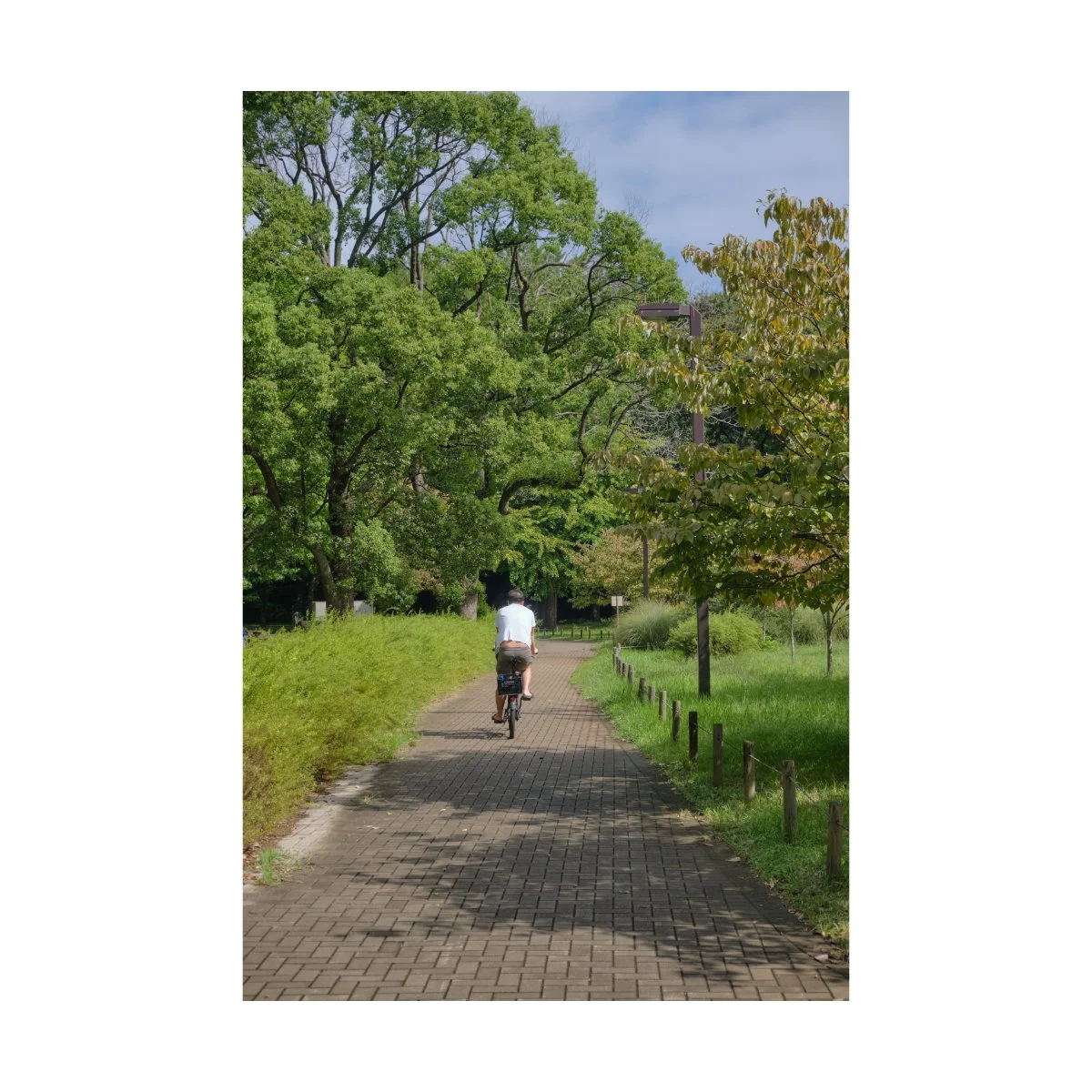
It’s often we think we need to be going super fast or making large leaps of progress to feel good about ourselves.
That’s not true - even a small ounce of improvement can make a big difference.
And if you compare it to being neutral (or in limbo) where you’re not moving at all, small amounts of progress seems great.
Plus, it’s certainly better than moving backwards, or making reverse progress.
So it’s all about perspective.
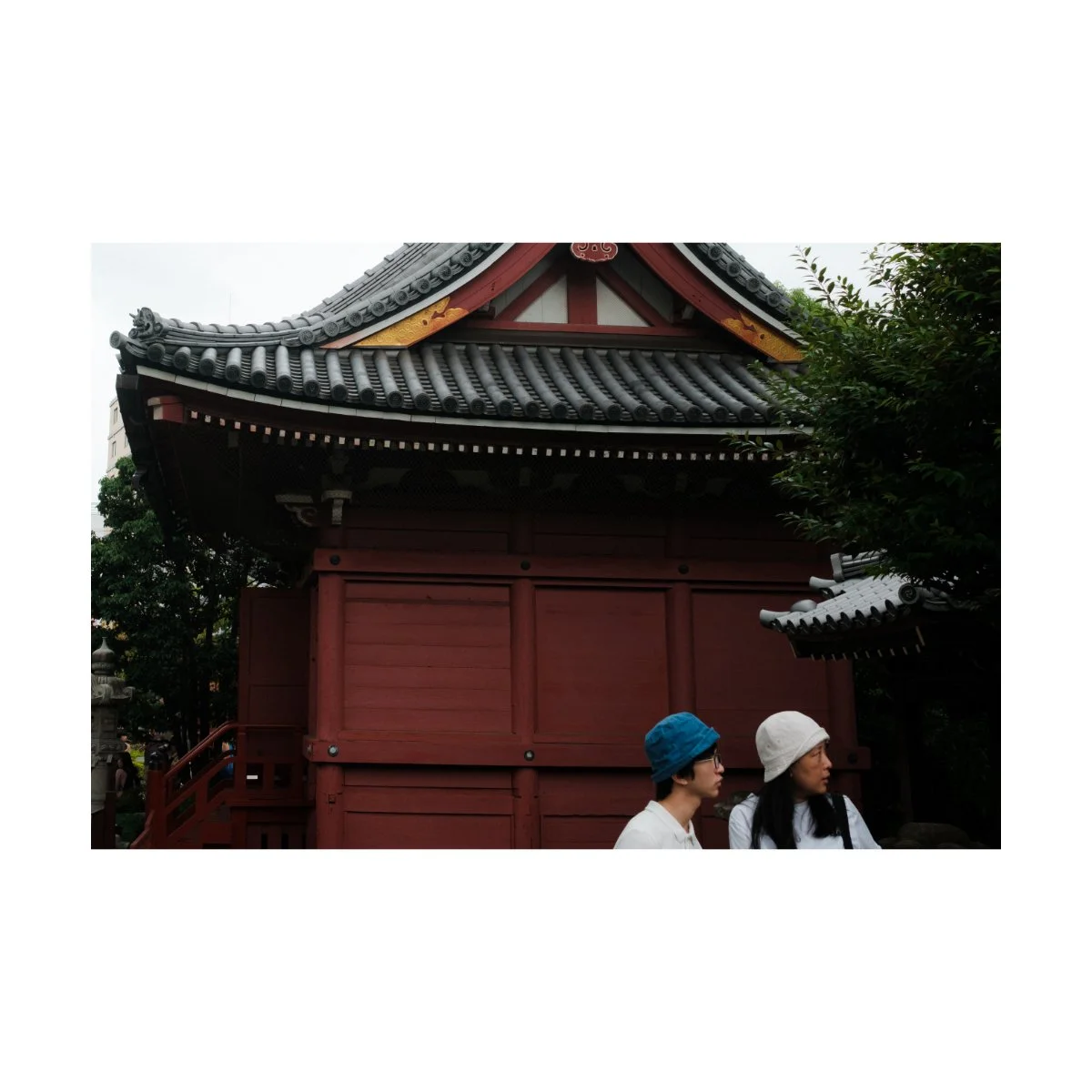
The problem with thinking that motivation comes first, before progress, is we begin require motivation to do things.
That’s a problem, since you’re not always gonna feel motivated.
However, when you realize that progress can lead to motivation, you’ll realize it only takes a small bit of effort to make a little bit of progress, and then things will steamroll from there.
It’s not like you have to be super strict and super disciplined all the time.
But rather, just enough to get you over that hump, which lead to progress that then leads to motivation - and so on and so forth.
It’s self-reinforcing, like a never ending flywheel.
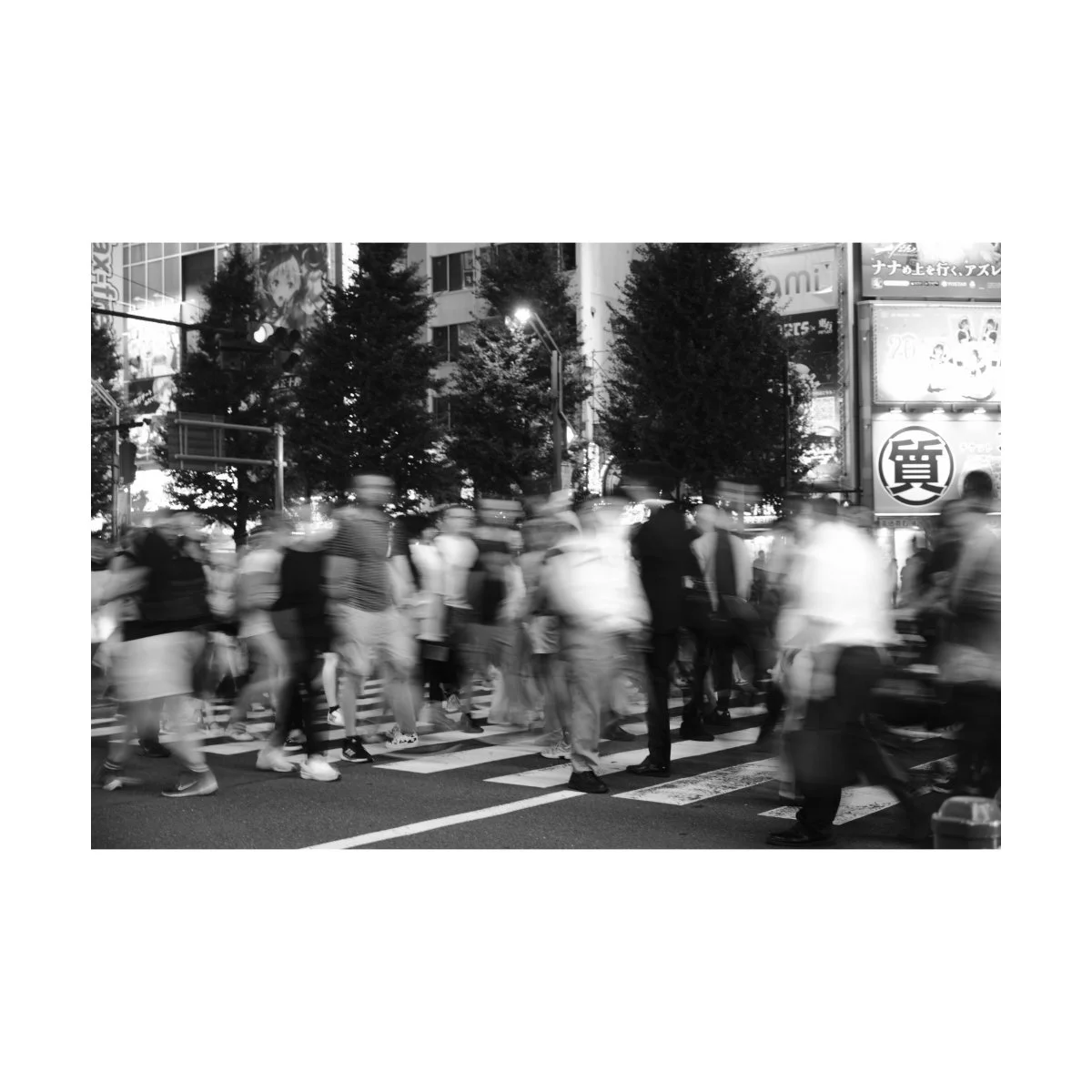
So if you’re feeling unmotivated, remember: progress IS the motivator.
Stick to whatever you’re doing day by day, even if you’re failing to meet your quota.
These little, seemingly insignificant chips of daily effort will stack and add up, and before you know it, you’ll build a little wind on your sails.
That wind will make things easier and push you forward until you have a decent snowball of momentum or motion behind you.
And then, you’ll be moving much faster than anticipated.
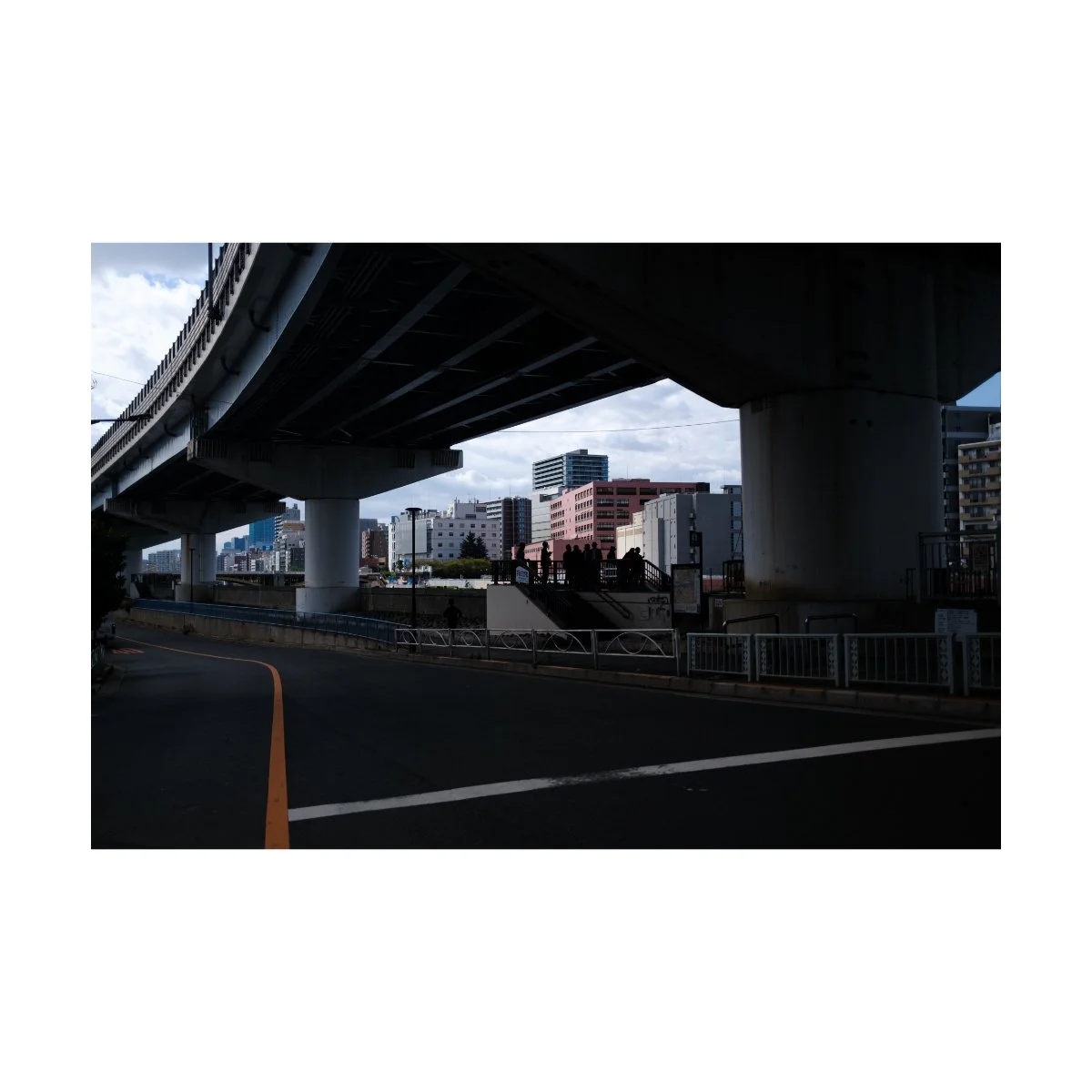
Give Yourself Direction
We mentioned earlier the concept of “perform without purpose”.
The idea was: you don’t need a reason or meaning to do what you need to do.
I stand by that statement, however, will acknowledge at the same time that goals, reasons, and purpose can all be powerful tools for our creativity.
Meaning we don’t need them to do the thing, but can use them if possible.
And sometimes, giving ourselves a reason or purpose, can be the very thing that gets us going.
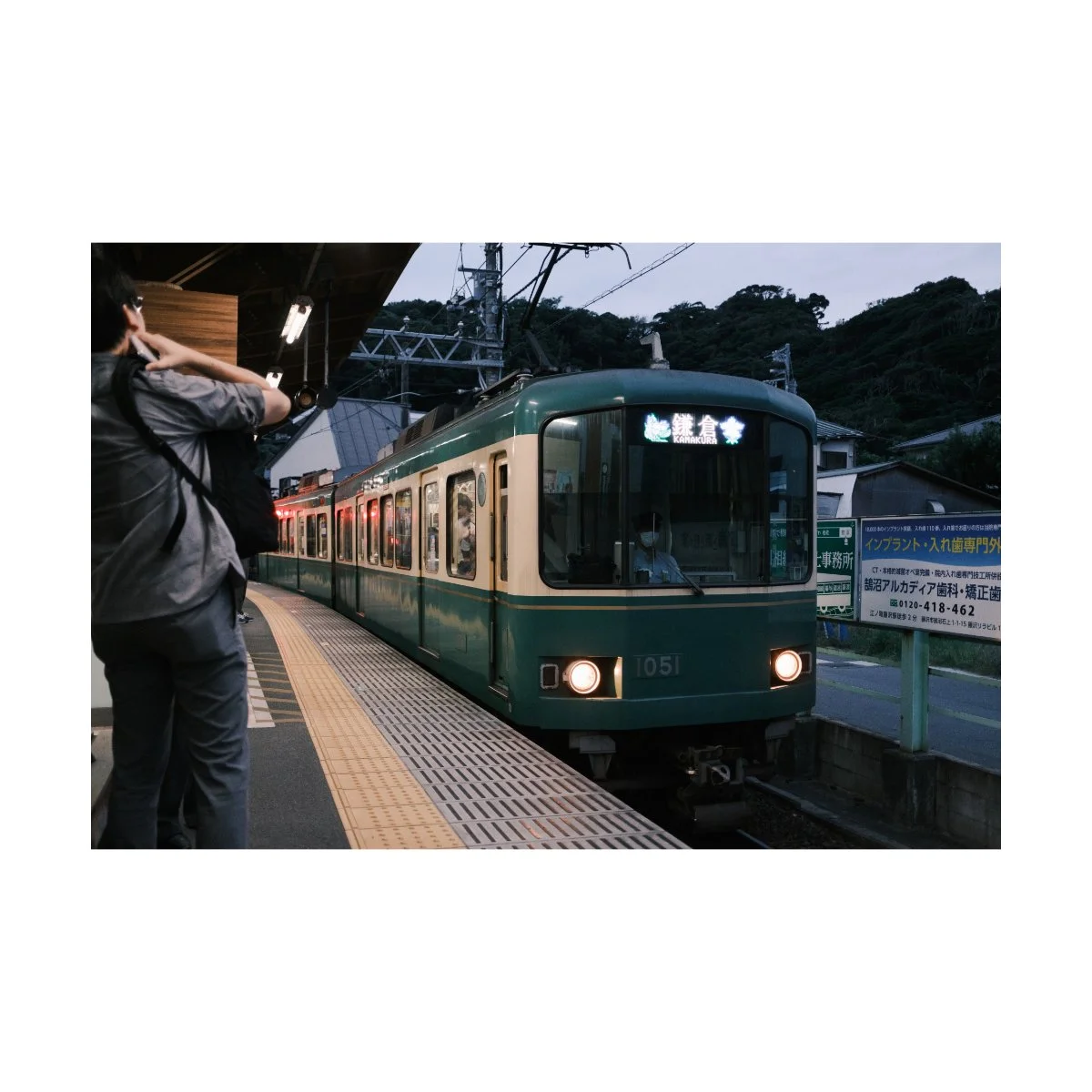
If you feel a waning interest in photography, try giving yourself a direction.
A reason to get up in the morning, to take and edit photos, and to learn more about photography even when it’s tough.
Your reason can come in many shapes and forms.
It could be as simple as: wanting to get better to make a better looking Instagram.
Or, it could be a higher level project like a photobook, to express something greater.
You don’t have to take it too seriously, because sometimes big goals can be paralyzing, but I think the bigger the goal the bigger the progress.
The common saying is to shoot for the stars and you’ll land on the moon.
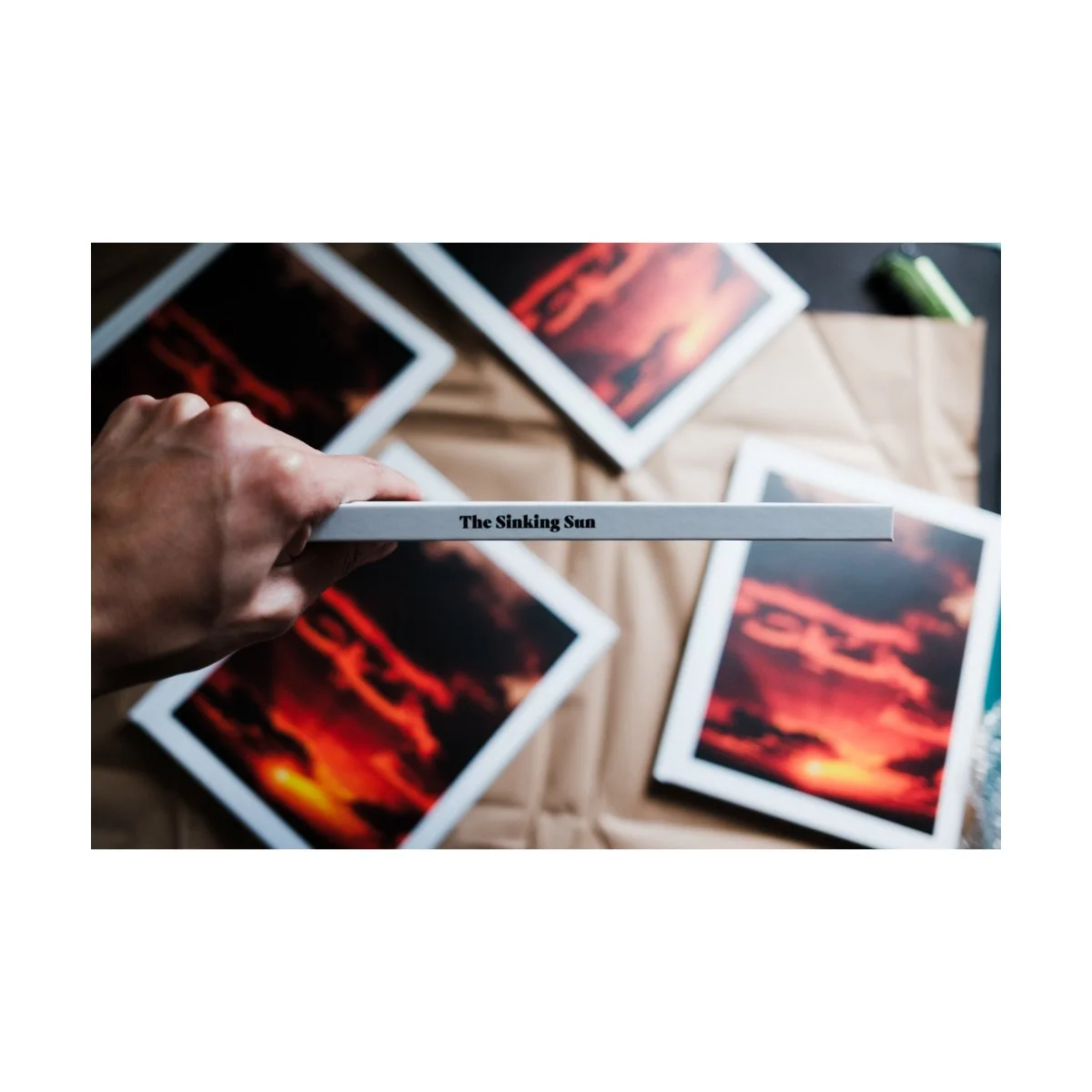
The point is: If you feel like you need a reason to do something, you can give yourself one.
You don’t have to be born with that purpose, you can craft it based on what you want.
And working for something, no matter how big or small, will give you direction and make photography meaningful again.
Now if the lack of a reason starts becoming an excuse, learn to perform without purpose like we mentioned earlier.
But otherwise, giving ourselves direction can work to our benefit.
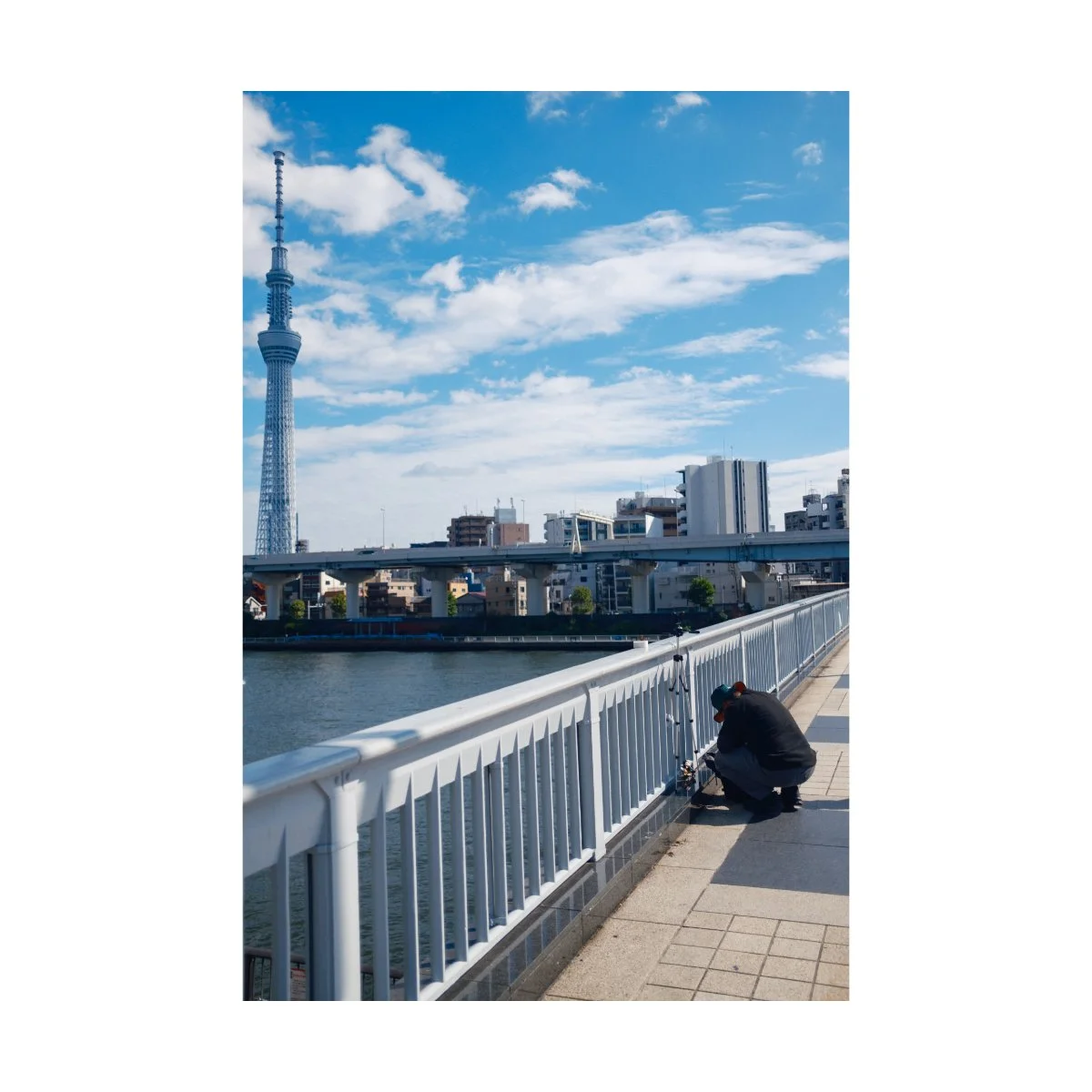
I myself, bounce between goals based on the season I’m in.
Sometimes, I just want to focus on YouTube videos, other times I’m creating a photobook.
Currently, I just finished working on a new course to teach the process of improving one’s photography, called Photography Systems.
And now I’m getting ready to work on the next photobook or photo zine.
I also think it’s a good time to dive back into the craft of photography and polish up some of my skills.
Doing this allows me to bounce back and forth between chapters in my photography journey, share the valuable things I’ve learned with you, and not worry so much about the “pointlessness” of it.
I’ve created these goals for myself, many of them are arbitrary, but they’re self determined, and keep me focused on the job I have to get done, not my personal feelings around it.
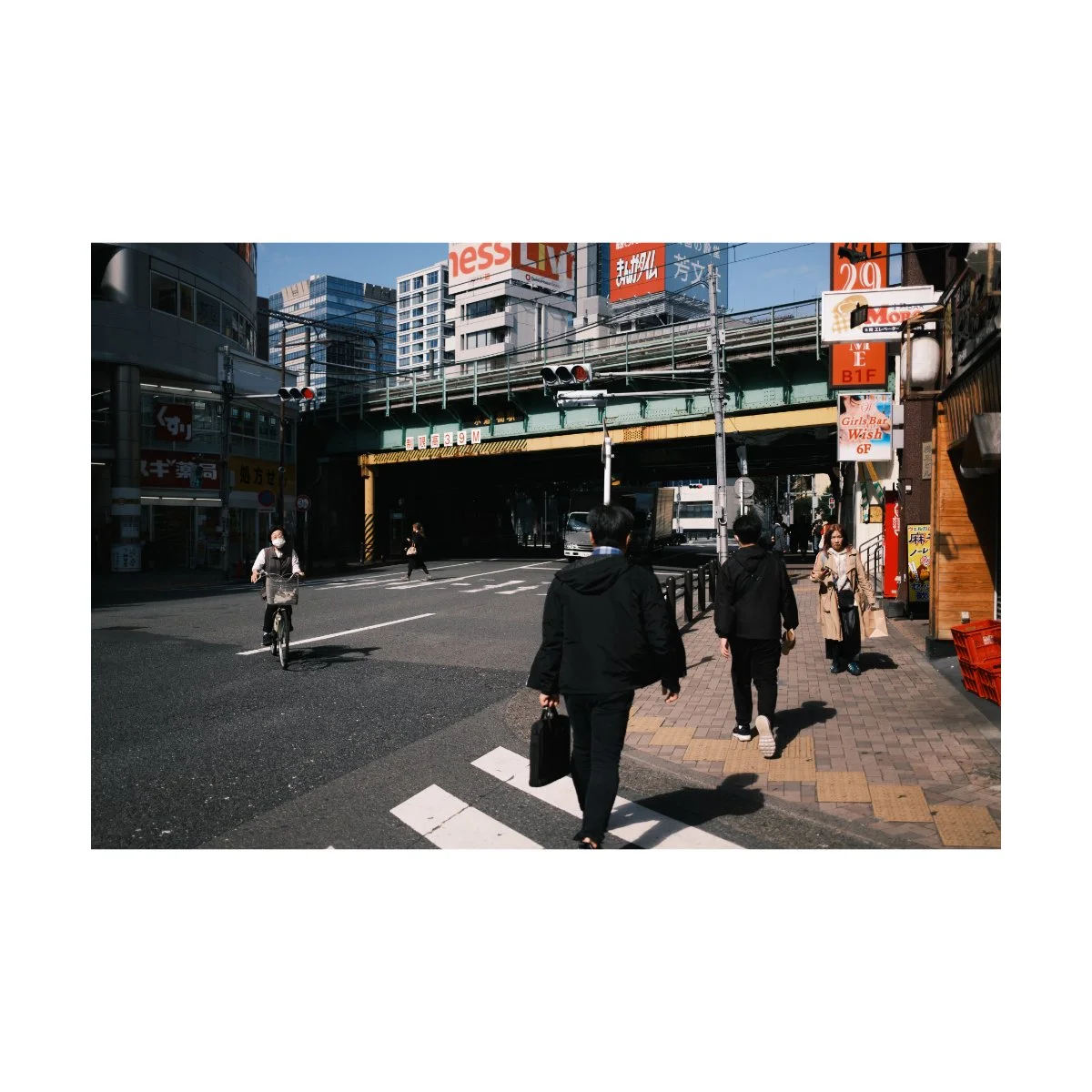
Motivation is Just Part of the Equation
Ultimately, if we want to not only do what we seek to do in photography, but also enjoy our time doing it, we have to understand one simple concept:
Motivation is just part of the equation.
It’s great while it’s here, but it’s inconsistent and won’t always be around.
Therefore, it’s an unreliable factor in our creative process and shouldn’t be relied upon, but rather used if available.
By understanding this and creating different tools like the ones we mentioned earlier, we can still be productive even without motivation.
Making these changes can make photography feel less and less like an uphill battle.
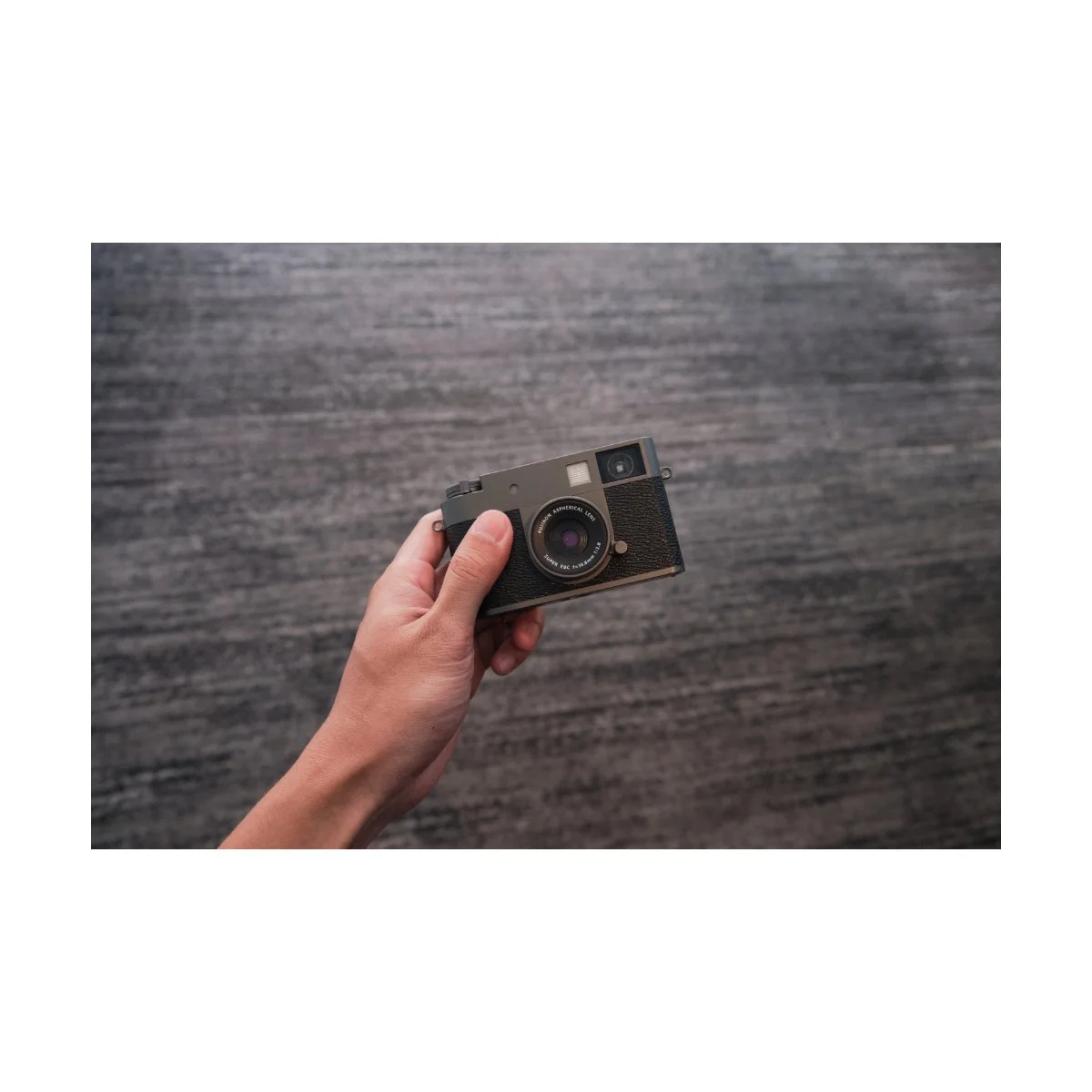
Photography, although many people see it as a “technical, tool based craft”, is actually very psychological.
Once you pass the fundamental beginner stages, photography becomes less about the settings and cameras you use, and more about the person you are and the things you make.
Part of this is understanding what motivates you, how to work without motivation, and learning little tricks to keep yourself motivated.
Another part is eliminating distractions, learning how to be consistent, stop making excuses, and taking more action.
We the photographers operate based on our psychology, and learning how to manage and orient ourselves will lead to more better art.
Because if you can get a handle on yourself, you can get a handle on art.
I’ve created plenty of articles with different tools that have been helpful for me, if you want to learn more, check those out.
Or you can visit Photography Systems, for a detailed breakdown on improving your photography.
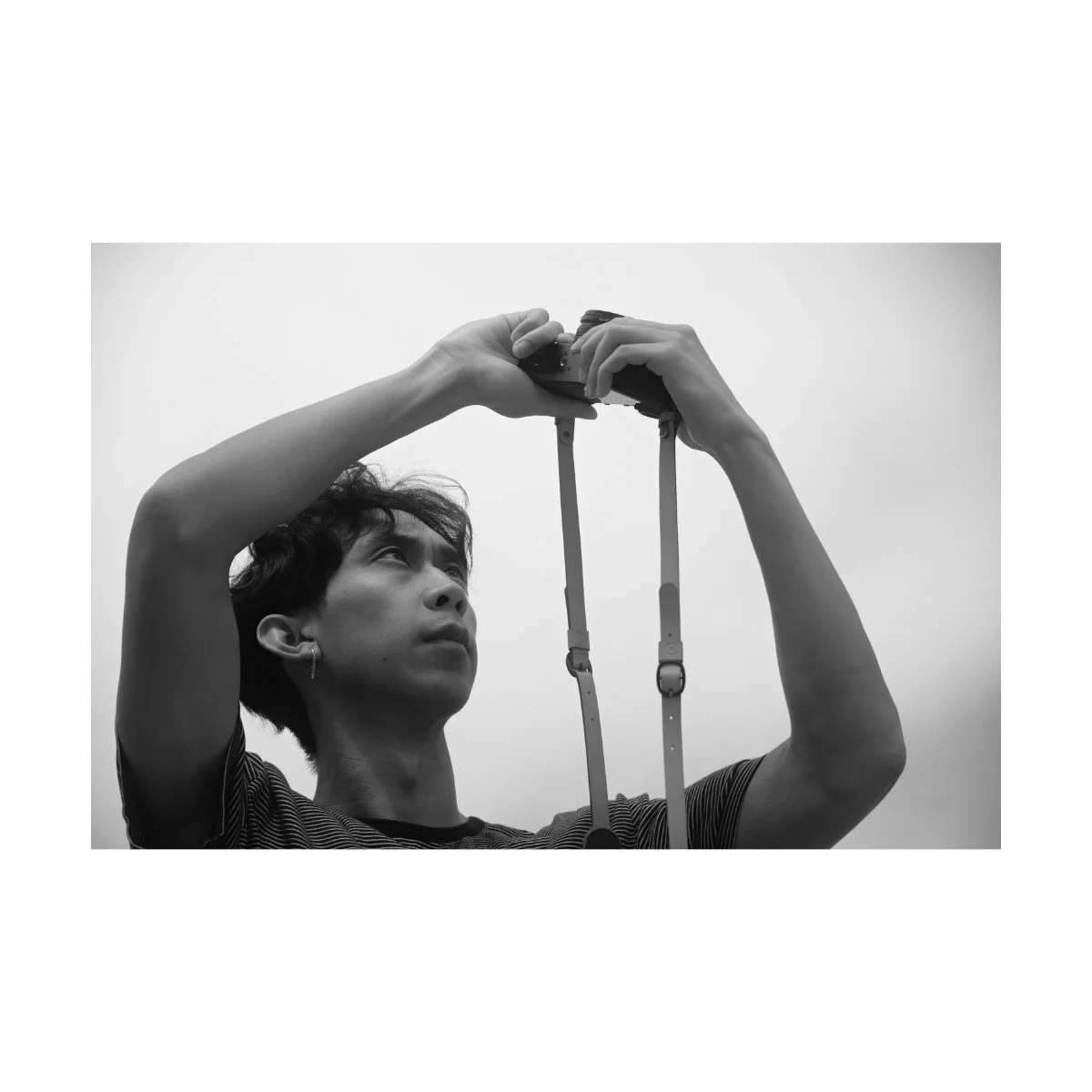
But in essence, the big takeaway today is: don’t rely on motivation.
Find ways to:
mix things up
perform without purpose
use progress itself as a motivator
give yourself direction in your craft
Because remember, motivation is just part of the equation.
Thanks for reading, I hope you found this useful - if you did, share it with a friend.
If you want to shoot more and stress less, go to Photography Systems.
If you need something more foundational, go to Photography Essentials - it’s free.
Also check out some of the new merch, zines, and prints we have in the shop.
Thanks for reading, happy shooting, I’ll see you later.