It’s been nearly two years since I upgraded from the Fujifilm x100v to the VI, and I think I’ve learned a lot from it.
I’ve gone on countless trips and taken many photos with the two.
I played back and forth with the newer Film Simulations like Nostalgic Neg and Reala Ace.
And I even rolled back to my old favorite, the V, just to see the differences.

With that said, today I’m going to compare the two, share what I’ve learned, and answer some common questions.
This should help clear things up if you’re looking to buy either of these cameras in 2026.
Also quick announcement, if you want to learn more improving your photography, shoot more and stress less, my latest project Photography Systems is now available.
Let’s begin.

Which is the Better Camera?
If you’re looking to buy the V or VI you need to know the differences.
Although appearing identical, there are a few things that will affect which one you buy.
And if the upgrades of the VI aren’t for you, you might not actually need it.
I’m not going to get into a full breakdown of every single feature - I’ve made an article like that for the V a few years ago and am already working on a comprehensive one for the VI.
But for now, let’s cover the big hitters.
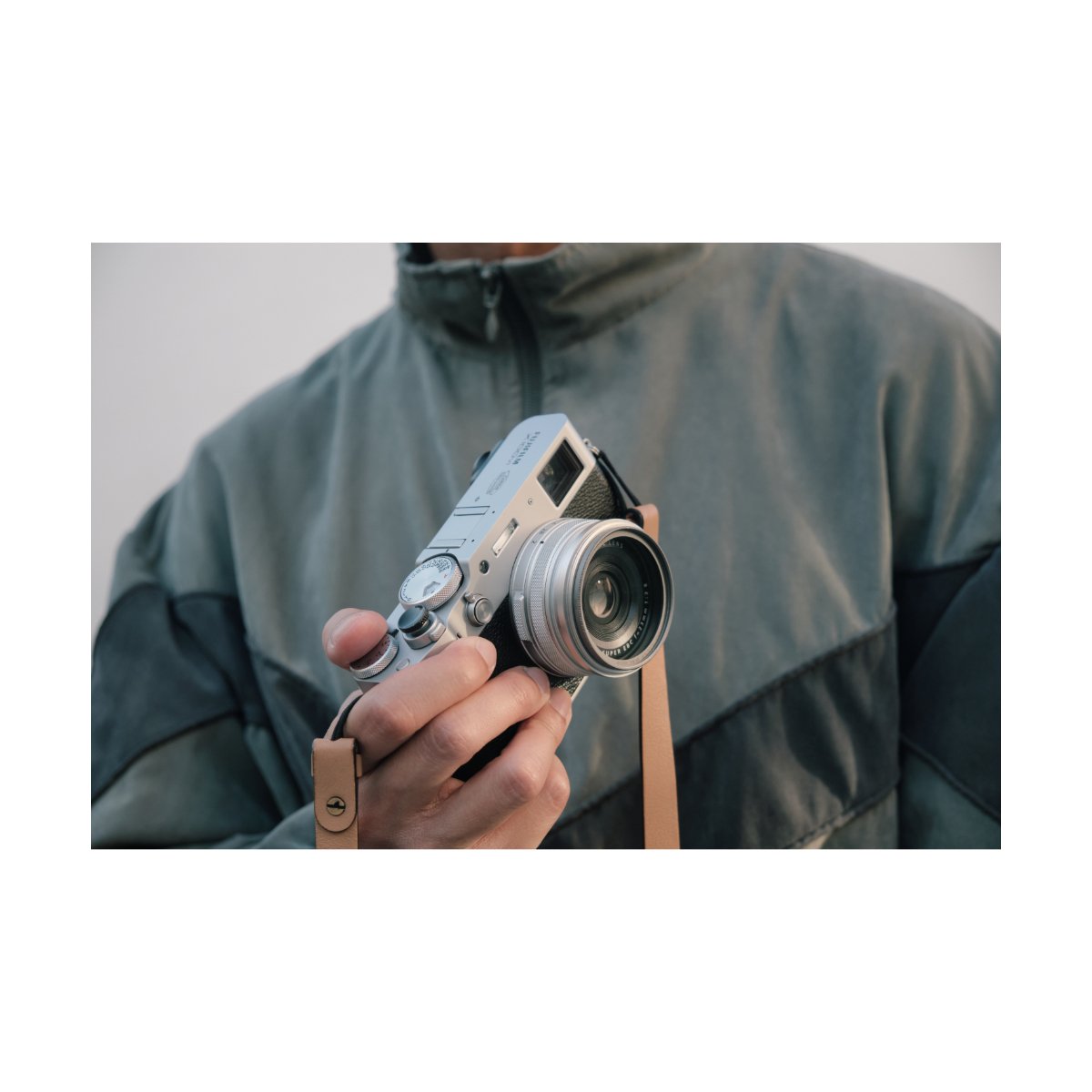
The main upgrades added to the VI were the:
40MP sensor
IBIS
new film simulations (nostalgic negative and reala ace)
There were many other smaller things like video, processor, and autofocus, but these were the big ones.
The 40MP sensor can matter for lowlight and overall image quality, but I could personally live without it (I wrote an article on megapixels here).
I’m also currently testing how the MP affects the digital zoom feature of this camera, but we’ll talk about that in a later article.
The IBIS, although a great addition and will be improved upon, adds some weight to the camera and isn’t perfect (more details in this article here).
And the new film simulations, although they seemed to just be a nice little add-on, actually turned out to be a lot of fun (Reala Ace review here).
It also has a slightly upgraded tilt screen, allowing the screen to pull out a bit further, making it easier to see.

Now here are a few important things both cameras have:
built in nd filter
leaf shutter
built in flash
weather sealing
updated 23mm lens
The built in ND filter is very useful and allows you to shoot wide open in bright daylight (it works for both photo and video).
The leaf shutter is stealthy, fast, and allows you to sync to faster flash speeds.
Flash makes the camera more usable at night when there are no light sources.
Weather sealing (with a UV filter) means you can take this camera near water or in the rain and not worry too much.
And both cameras share the newer 23mm lens, the VI probably being able to bring out more of it because of it’s higher MP sensor.

For all intents and purposes the VI is technically the “better” camera.
However, this doesn’t mean the V is a bad camera.
Many photographers would actually quickly realize they don’t need all the bells and whistles of the VI, and would get along perfectly fine with the V.
If you want or need any of the upgrades, the VI is the better camera for you.
If you don’t care about those upgrades, the V is still a great camera for all the things it has.
And if you just care about having a nice looking camera to sling around your shoulder, you’re fine with either one.

I honestly see the VI’s release as more of a restocking of the V.
Before it came out, V’s were nearly impossible to get.
Supply for the camera was extremely low and sellers jacked up the prices to $2000.
But with the release of the VI, a lot of people who wanted to but couldn’t get their hands on the V, were able to buy the camera.
It probably meant buying a camera that was a bit overkill for some, but that’s how it turned out.
Now currently, both cameras are still hard to get and prices are high, but we’ll talk about how you can get one in a bit.
Does Either Camera Live Up to the Hype?
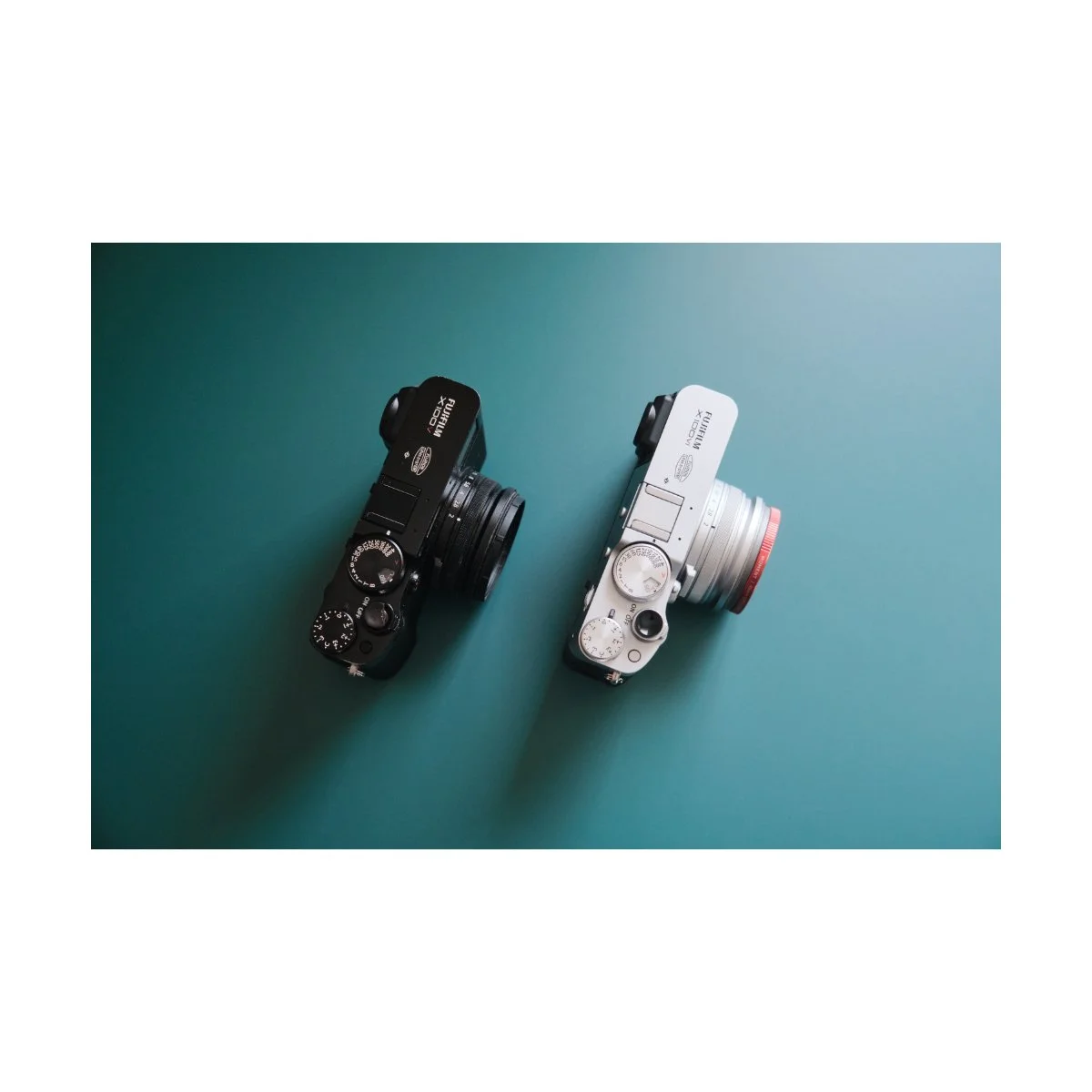
The x100v and x100vi have been very popular cameras in recent years and social media buzz has inflated the demand like crazy.
I’m sure you’ve heard many good (and bad) things about them, so you’re probably curious:
Are either of these cameras actually that good?
To be quite straight forward, yes.
This is not a camera that was bad and then all of the sudden got famous.
It’s a camera that got popular for good reason - because it’s fun to use, works well, and gets great images.
And for many iterations before the V or VI, the x100 series was used by many photographers for actual artistic work.
So the quality, the functionality, and the practicality was always there - it just wasn’t mainstream.

Now does this mean that everyone’s going to like this camera?
Of course not.
There are plenty of people who see and watch the hype on social media, get the camera expecting something, and become disappointed.
Or there are people who hate on the camera itself because they secretly want one but can’t find it anywhere for a good price.
This doesn’t mean the camera’s bad in any way, just that personal subjectivity plays a big role in reviews.

I’ve obviously had both cameras for a long time and am biased since they’re my favorite, but I think they served the market well.
While cameras like the X-Pro3 felt like the right cameras at the wrong time, the x100v was the right camera at the right time.
People wanted a high quality camera that they could use instead of their phone that was easy enough to bring around, looked good, and resembled film without actually having to shoot film.
Of course, there are people that will gripe on this camera for it’s lack of lens interchangeability, as if that wasn’t the point.
Many photographers would view a fixed lenses as a downside, especially for beginners, because of the limitations and lack of flexibility.

I wouldn’t necessarily disagree with this, since in terms of improving your photography, the most straightforward path is to get a body, zoom, and a prime.
That way you can learn the various focal lengths and understand photography, before committing to the 35eq on the x100.
That’s why I mentioned in a recent article that combined with how high resale prices are, I can’t safely recommend the V or VI for beginners, especially if you want to learn photography.

But if we’re being honest, I don’t think a lot of people care about that.
Looking back, I think one of the reasons this camera got so popular with the masses in the first place was because of it’s fixed lens.
Because too many different lenses, different focal lengths, different gear, is all too complicated.
It’s enough to have to research about which camera to buy; it’s even more to have to learn about a bunch of lenses on top of that.
Furthermore, understanding different focal lengths takes time, especially if you’re just getting started.

So when everyone picked up this camera, they did so because it was easy - the lens choice was basically made for them.
It’s easier to just buy a camera with a fixed lens, trust that it’ll take good pictures reliably, and not worry about any of that other stuff.
Which makes the x100 series easier to use without knowing too much about photography to begin with (as long as you can get it for retail).
As opposed to the purists, the experienced photographers, and long time cultists who see a fixed lens as a means to double down on their favorite focal length.
Two different reasons that lead down the same road.
In this sense, the x100 series did a great job, simply by existing when it needed to.
Retro design, simplicity, less gear-focused photography, and a fashion accessory to many - the “perfect” camera.
If you think about it that way, the camera deserves the hype because it gave people what they wanted when they wanted it.
Which Should You Get in 2026?
Now that we understand the differences between the two, and we know that they’re not just gimmicks (they’re popular for a reason), how do we actually get our hands on one?
Because as I’m sure you already know, they’re either sold out, backordered, or super expensive.
Well, I’ll give you some recommendations based on what I’d do.
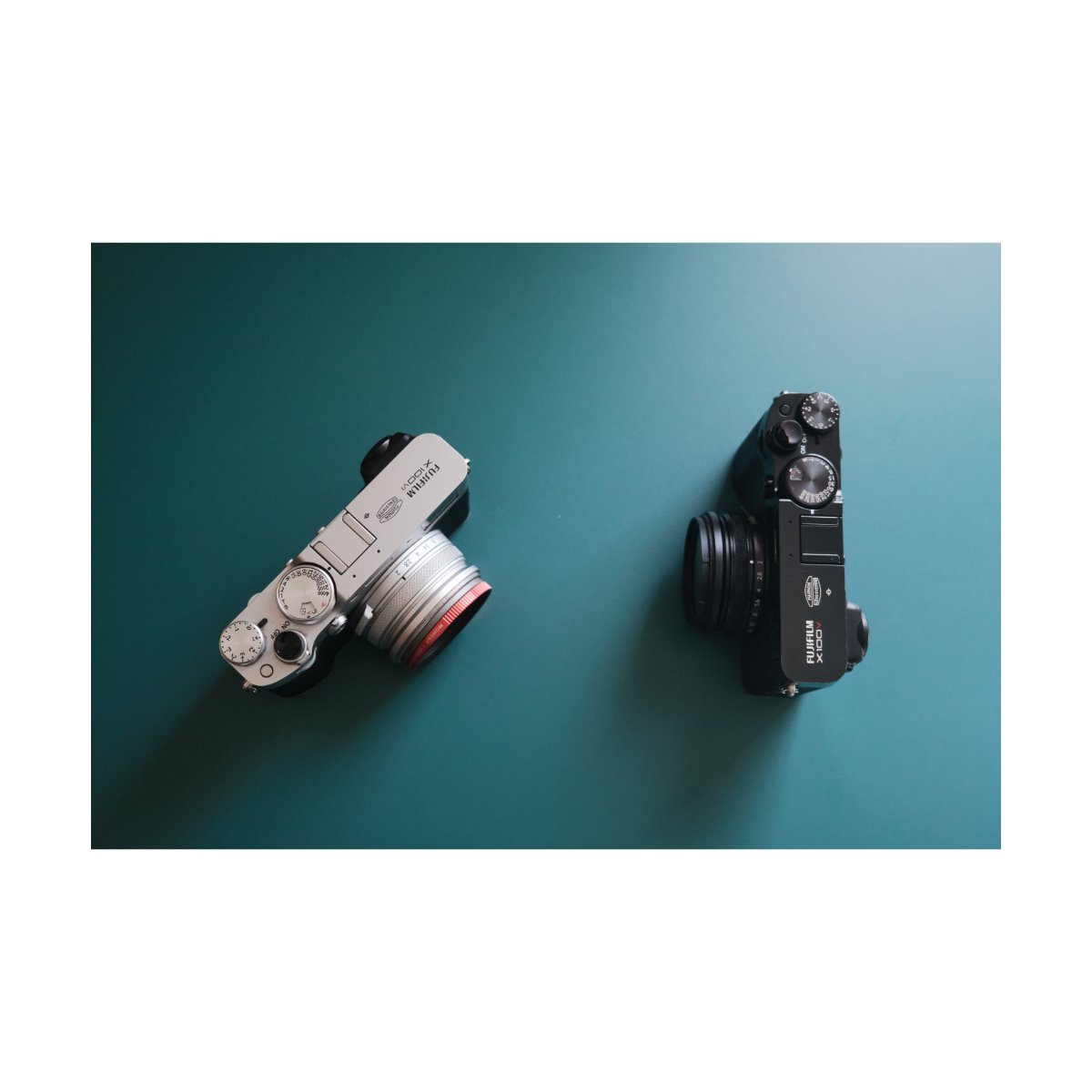
If you have neither of these cameras, try to backorder the VI at face value.
At the time of writing, MSRP VIs ($1799) are around the same price or lower than used Vs.
Prices are higher than original in the US because of the recent tariffs, but it’s still lower than resellers; and if you’re patient, you’ll get it eventually.
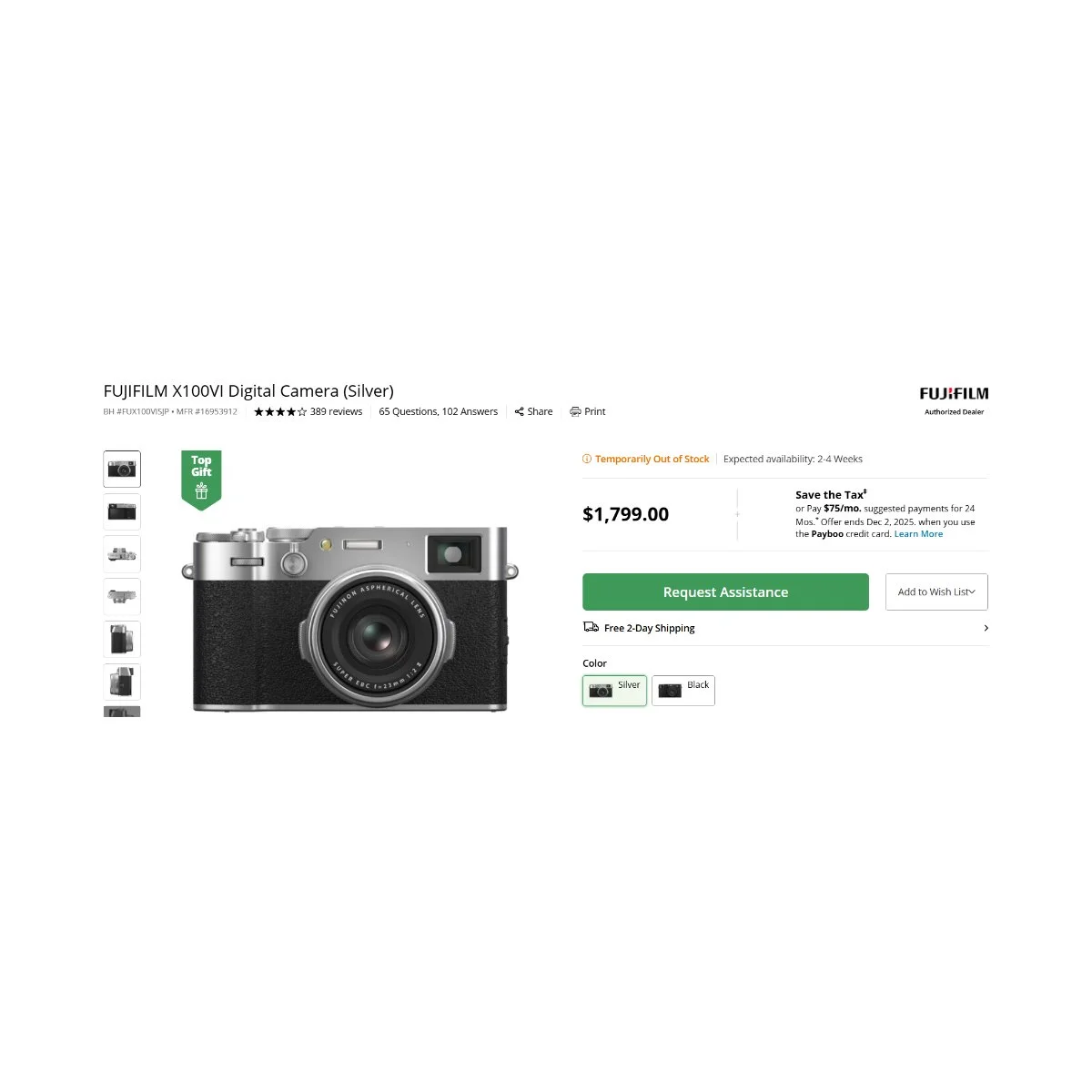
Try back-ordering the VI at B&H.
If you can find a used version of either camera for cheap and in a condition you can live with, that works too.
Just note that most resale prices for either camera are going to be more than a new VI on backorder.
That’s why I recommend backordering instead of waiting for prices to come down - because they’re probably not going to anytime soon.
I’d imagine there are many people who waited and wish they backordered sooner, because they’d have the camera by now.

Now if you already have a V and don’t need any of the major upgrades, stick with it.
I think the V is still a great camera and will hold up for many years to come.
Now, if either camera is out of budget for you, look for any of the previous generations (the x100, x100s, x100t, x100f) - they will lack some features here and there but are still solid cameras.
And if you can’t afford any of those, find a camera you can afford or save up until you can.
Take pictures in the meantime (you’ve got a smartphone), and don’t let your lack of a camera hold you back from learning and enjoying photography.

Good luck, I hope this helped - if it did, share this with a friend who’d also find it useful.
If you want to improve your photography, shoot more and stress less, check out Photography Systems.
If you need something more basic and foundational go to Photography Essentials - that one’s free.
We also have new limited merch, photography zines, and new prints available.
Thanks for reading.