Nowadays it’s becoming harder and harder to share your photography.
People are absorbed by the never-ending feeds of social media and most…don’t care.
Creating a photography portfolio then, feels less and less worth it, because who’s gonna see it?
But it’s still something I’d recommend for both working and casual photographers alike.
Because you can not only learn a lot from the process, but it can give your photos a home, a shelter within the mess of the outside world.
The good news is: I’ve tried all three primary ways of making a photography portfolio, so you don’t have to.
Today I’ll share my experience with each, the pros and cons, and which is best for you.
Let’s begin.
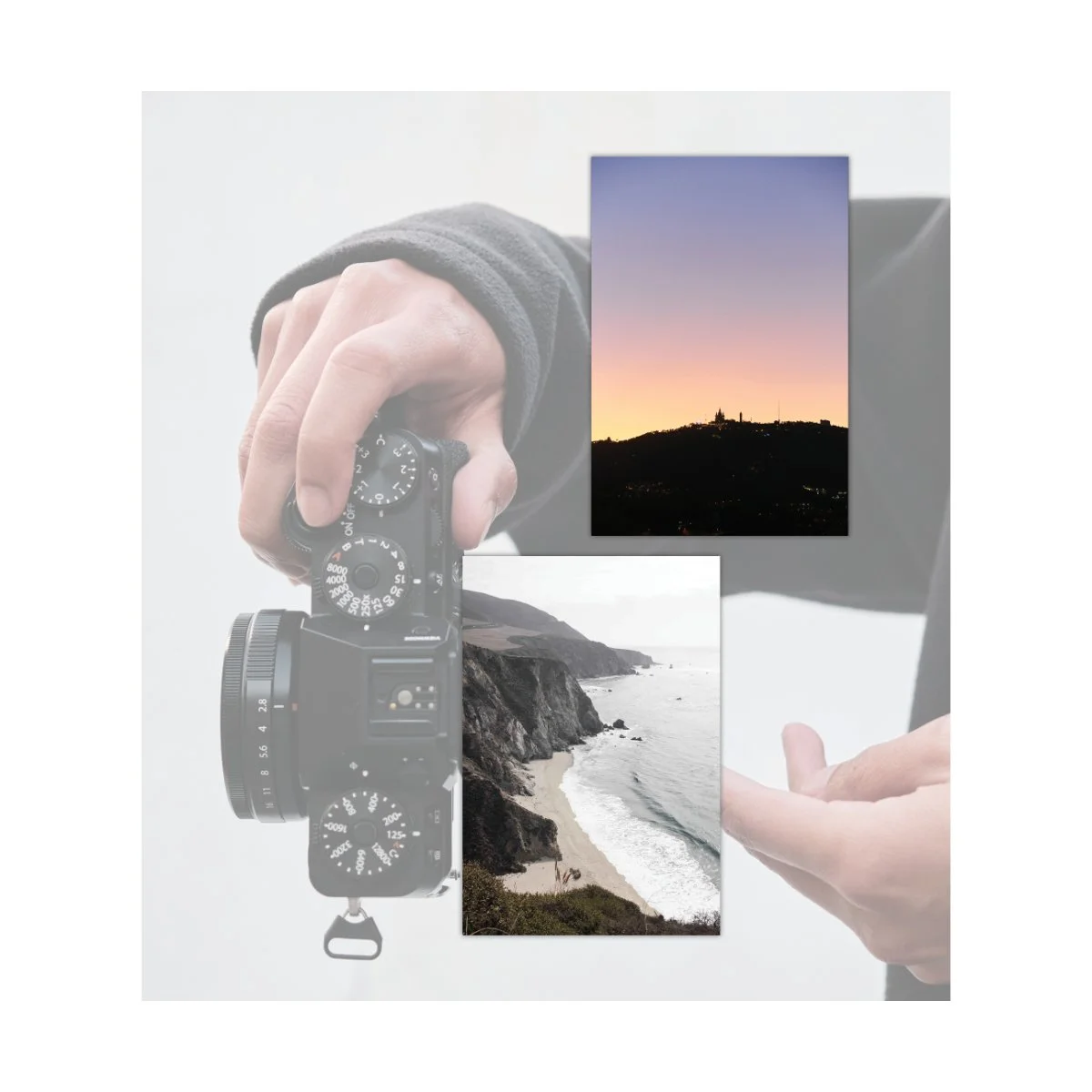
The Website Portfolio
One of the biggest misconceptions is that websites are hard to build.
That we need to know coding, that we need to know design, that we need to have experience.
But actually in 2026, building your own website portfolio is easier than ever.
In fact, I’ve built and rebuilt my own website over and over, despite having no real experience.
The pros of a website portfolio:
easy to do (and the most professional looking)
linking someone your domain looks better than an Instagram handle
lots of customization of layouts
progression tree to sell your work/services later
The cons:
costs $ upfront (but most builders have a free trial to try)
no built-in audience (traffic has to come from you)
Otherwise, a website portfolio will give you more control as well as more options for building upon later.
For a step-by-step process on how to build your own website portfolio today, check out the YouTube video above.
So the great benefits of setting up your portfolio through a website is it’s easy to make, has a lot of customization options, and can serve as a foundation to build upon later.
You can start with a gallery, then book clients, then build a store and sell prints, as you get more and more serious.
The Social Media Portfolio
If there existed a double-edged sword equivalent for a photography portfolio, it’d probably be this.
That’s right, social media, or more specifically, Instagram.
Out of the three, social media is the most accessible, but also the most dangerous.
I say this for a few reasons.
The pros of a social media portfolio:
it’s free
most people already have it
easy to use
large built-in userbase to reach people
can still book clients and sell via DMs
Cons:
can open up the app to post, then end up scrolling for hours (productivity killer)
comparison trap to other photographers
selling tools are a bit clunky and unprofessional
They work, they’re just not as refined as a website because that’s not the purpose.
Furthermore, I still personally get more reach outs through my website than on Instagram.
That being said, let’s dive in and see how I use Instagram as a photography portfolio.
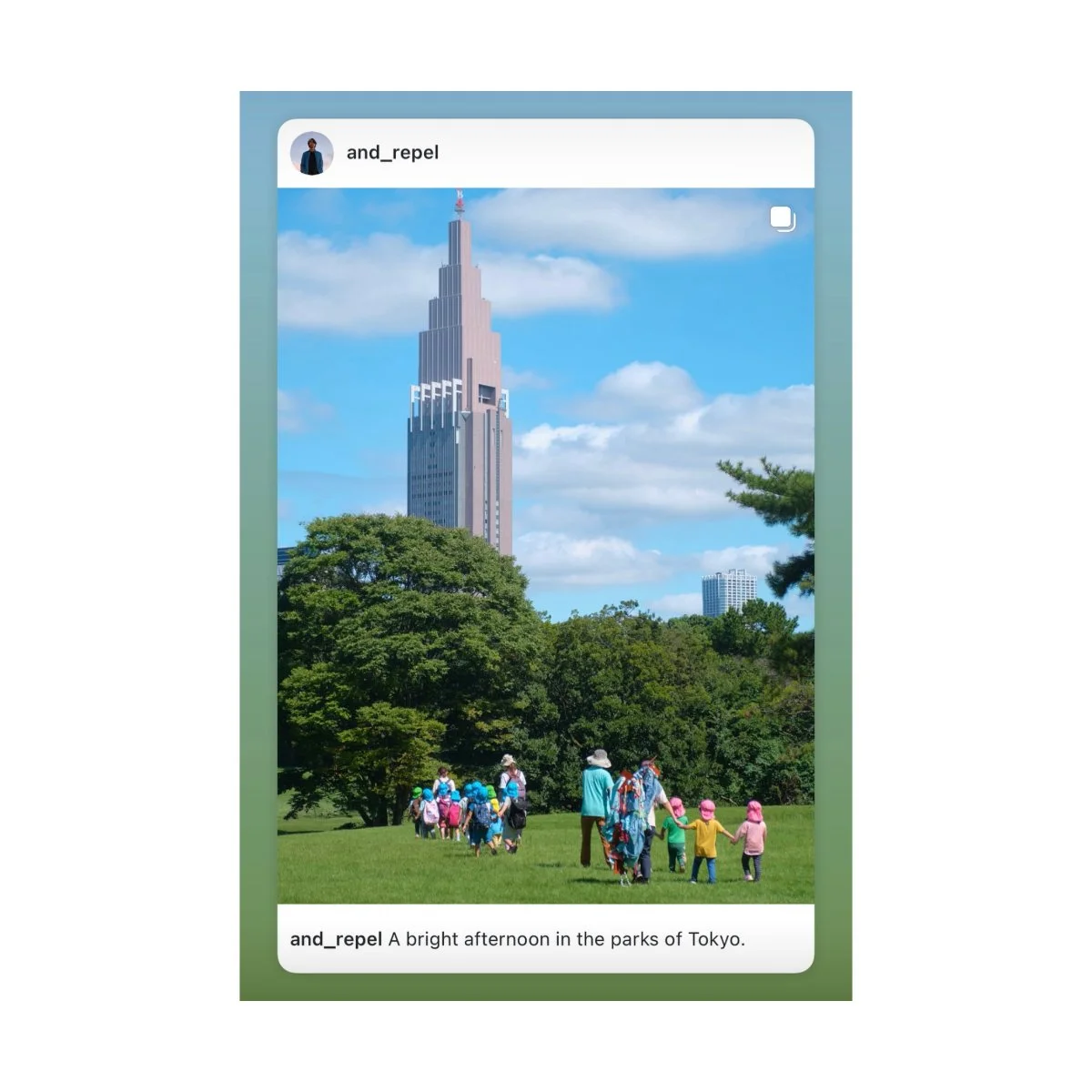
Personally, I don’t use Instagram to gain the algorithm, but as a tool to improve my photography (you can read more here).
That’s where I’ve learned to really coexist more peacefully with Instagram.
I know other people have a very different experience with Instagram, and for many photographers it serves as their main business funnel.
That hasn’t been the case for me.
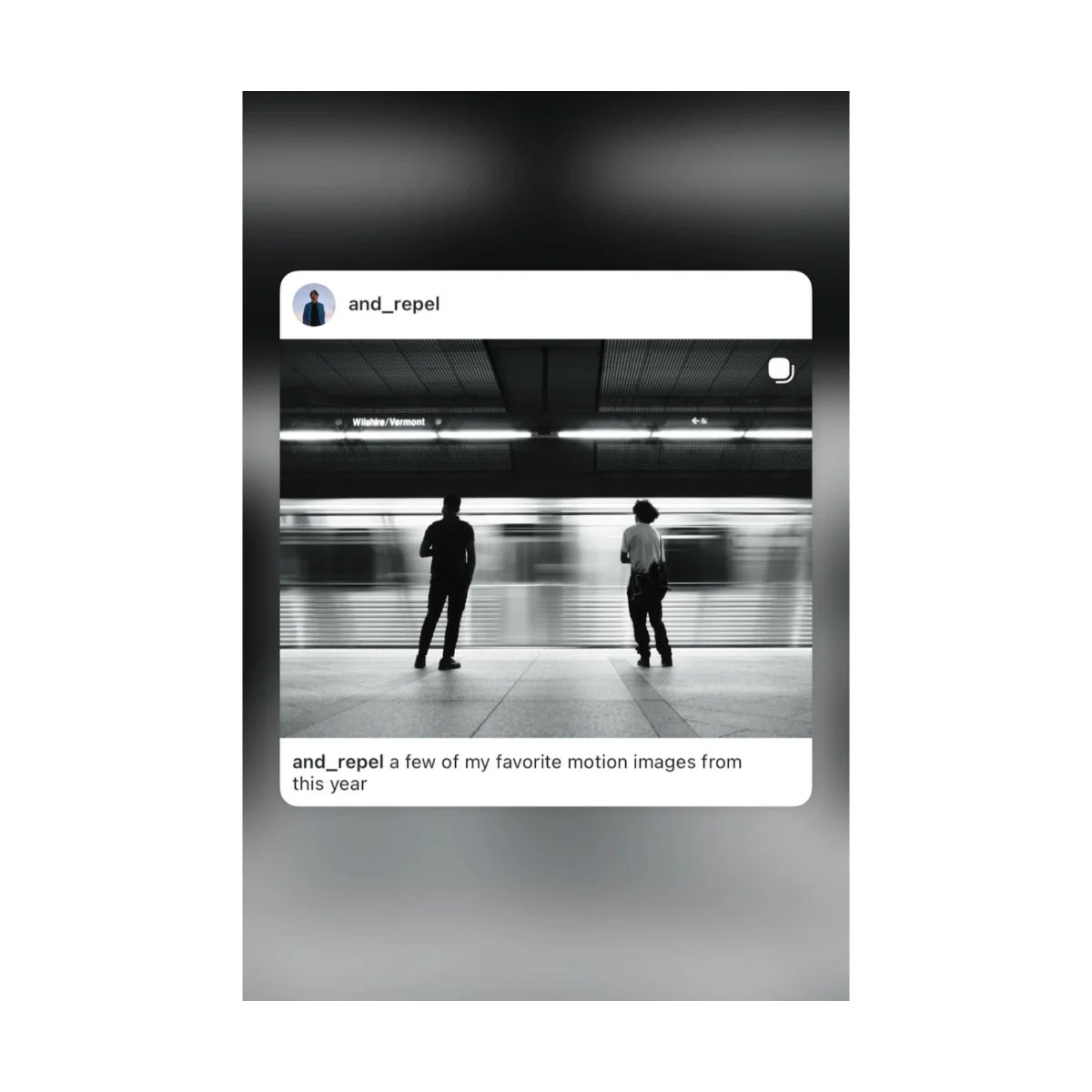
In my experience, I’ve found that chasing the algorithm has a lot a downsides, so I prefer to treat an Instagram posts as more of a “mini project”.
Each carousel has a topic or day in mind, an idea or prompt to follow, and I use that as practice to make me better, rather than to get views.
You can tell I only post occasionally, letting the photos gradually fill up my profile.
The collection of images curate themselves over time until they eventually become the portfolio they are now.
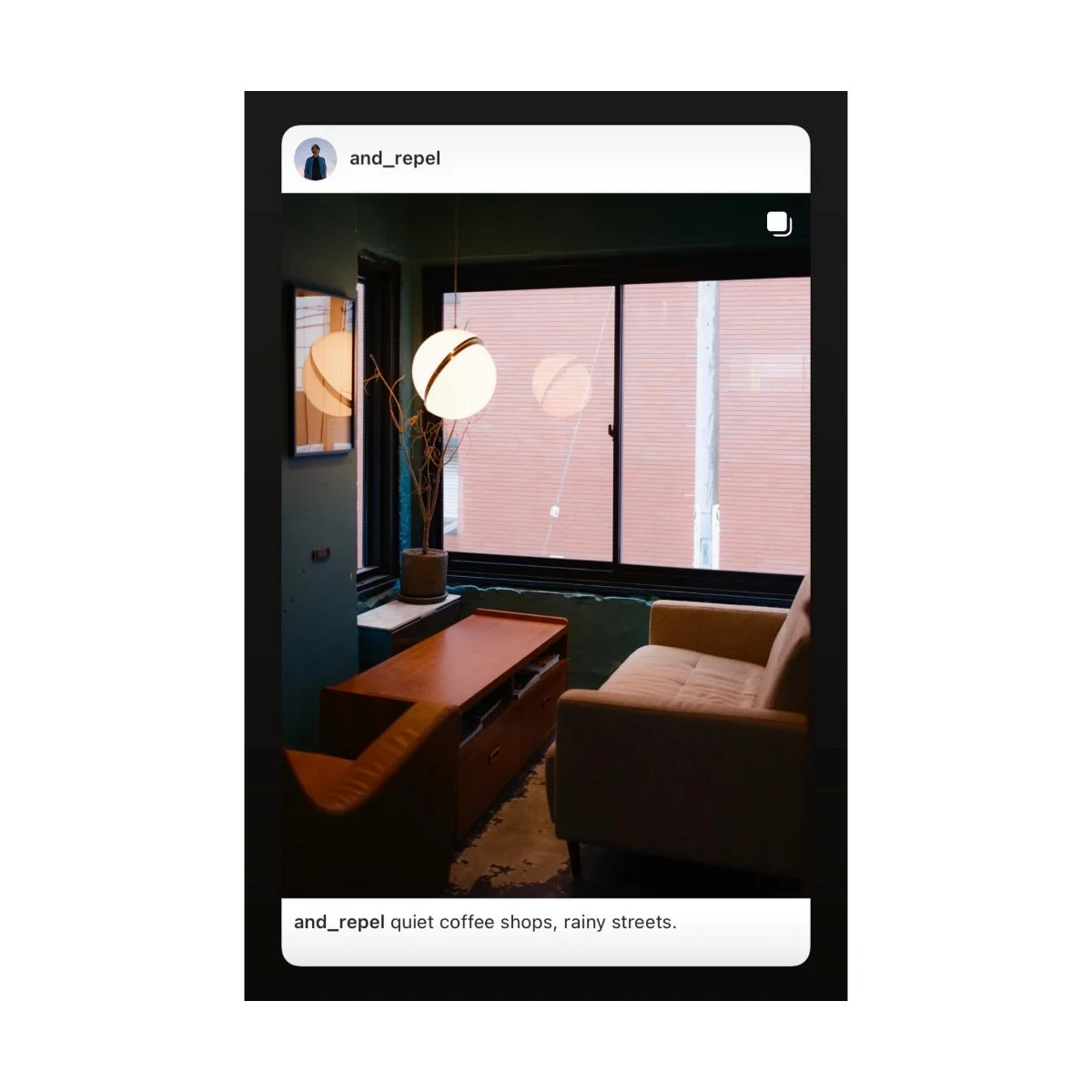
I’m actually not sure what people think when they see my Instagram profile.
But I’m hoping they get a glimpse of the kind of photography I do, what I like to capture, how I like to show that, and a bit of the person I am.
Of course you can be more intentional if you want, creating a more viewer oriented or business facing profile.
But my recommendation, is to just focus on one post at a time.
Take it step by step and within that, your own style and look will create itself.
Any posts you don’t like, you can always archive.
Ultimately, the great benefit of using social media like Instagram to build your portfolio is that it’s free and easy to connect with people.
It still remains the most accessible, despite not having the most refined tools to streamline a more professional outlook.
Use it with caution, and try not to get caught up in the brainrot, comparisons to other photographers, and overconsumption of media.
The Print Portfolio
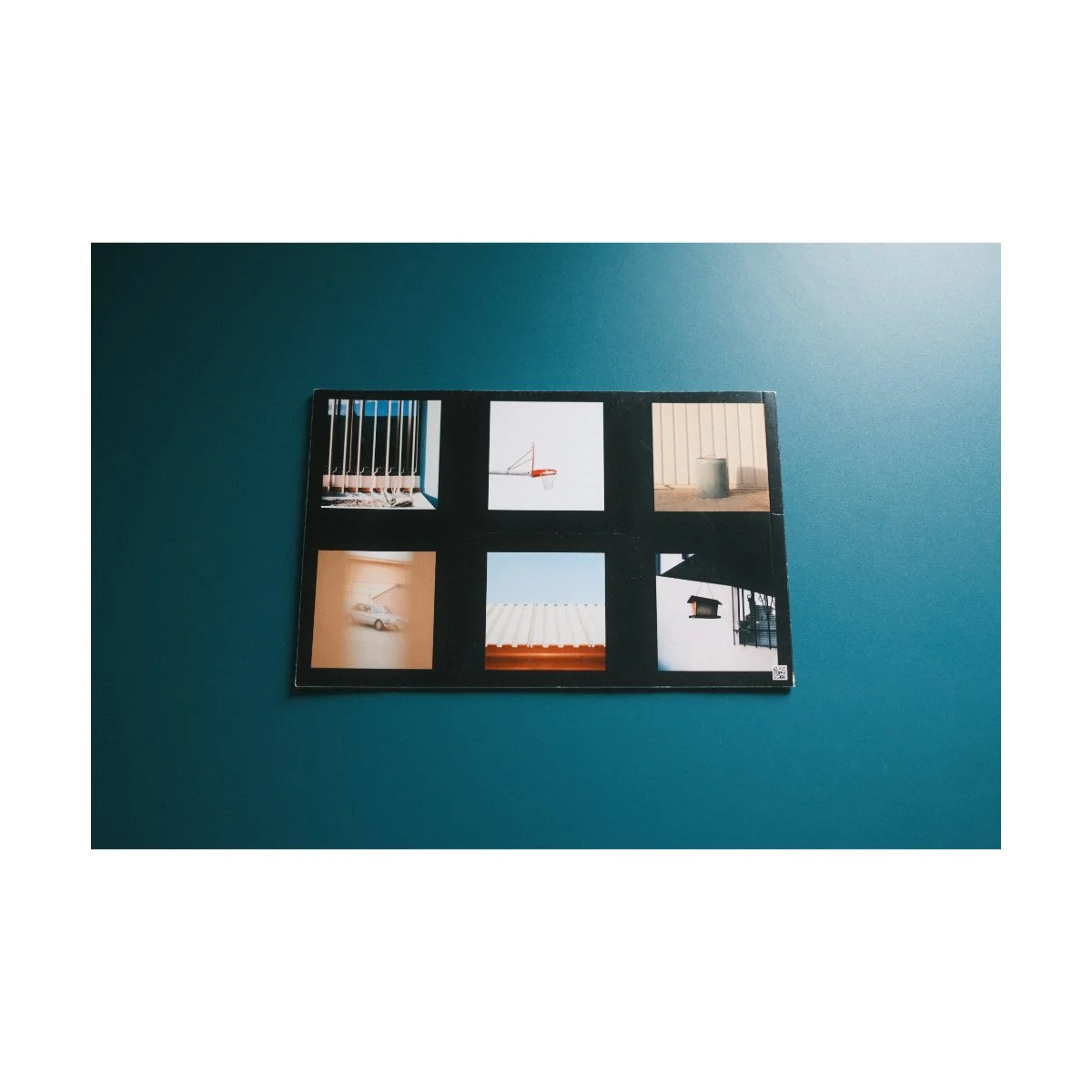
About 5 or so years ago I made my first photography print portfolio in the form of a “digest”.
It was a small little booklet of about 24 pages (including the covers), and it helped me better understand who I was as a photographer.
You see, the print portfolio is the third, and in many ways, the best way to make your photography portfolio.
The pros of a print portfolio:
more thought goes into the images, layout, and design
Because with something physical, once it’s printed, it’s done - there’s no going back and fixing it, unless you reprint.
unique and novel
When you hand someone a physical portfolio they actually take the time to sit there and look through it, as opposed to just sending them a link.
great way to stand out (especially in face to face settings)
best medium to understand your own photography
Cons:
costs money upfront
takes more effort
have to carry it around (less accessible)
That being said, I still think it’s worth making, not only for the skill building, but also as a keepsake to look back on.
It’s been many years since, but I can still open and flip through my old digest, and trigger a bunch of memories about who I was and what I did as a photographer back then.
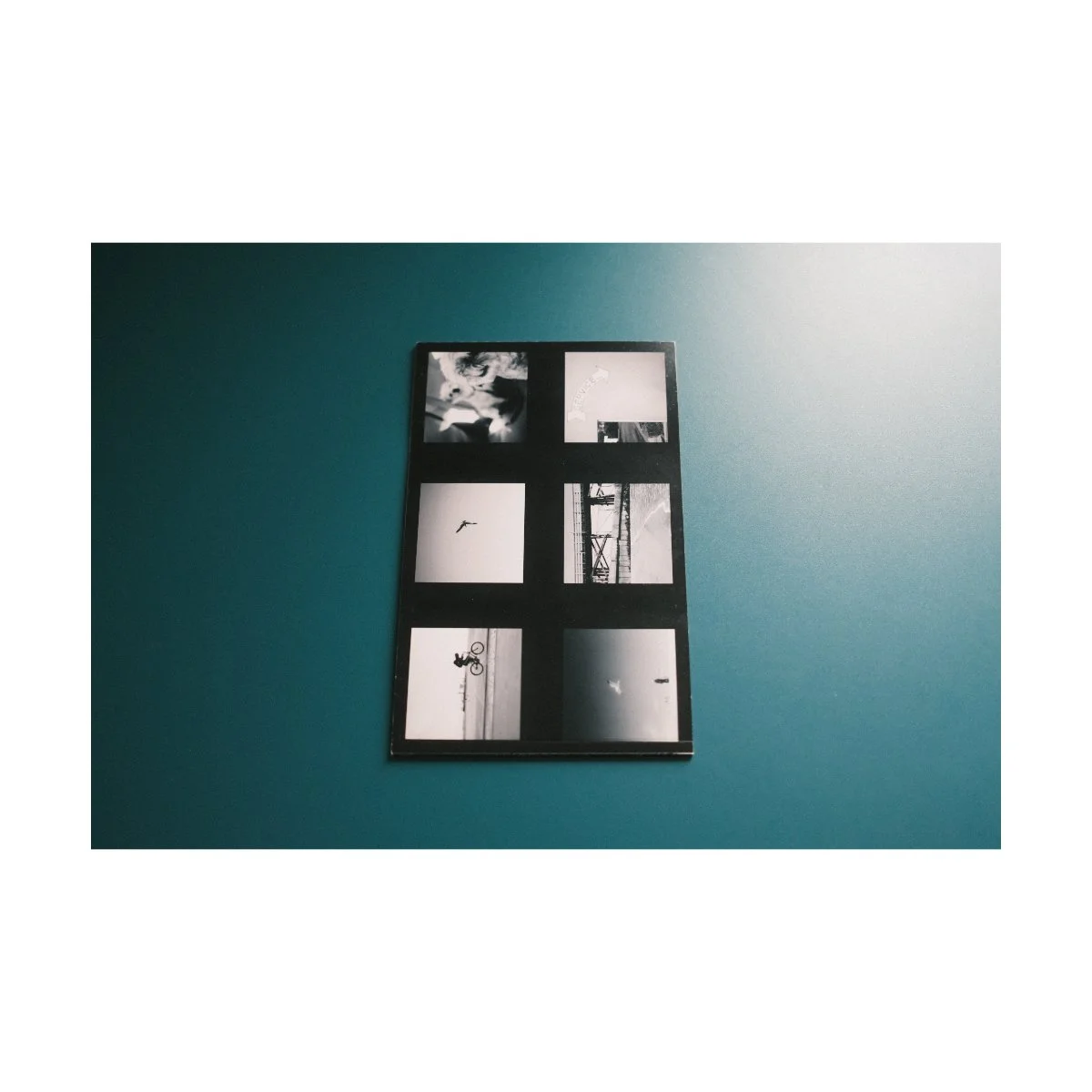
So, let me take you through my digest portfolio real quick.
Obviously, how I’d build and use one now would be different, because this represents a much older Andre, but it’s still neat to pick through.
(you can see a longer page by page in the YouTube video above)
Back then, I divided the portfolio into several different sections: portrait, travel, print, etc.
Each represented a different side of the craft I was interested in or found important.
And I threw in a bunch of images that I felt represented each section well.
Many of these are snapshots, because at the time I really didn’t have a central theme to my work just yet.
But that’s okay, I was learning.
I also couldn’t just throw in all of my best images - I had to think about what fit best in each spot.
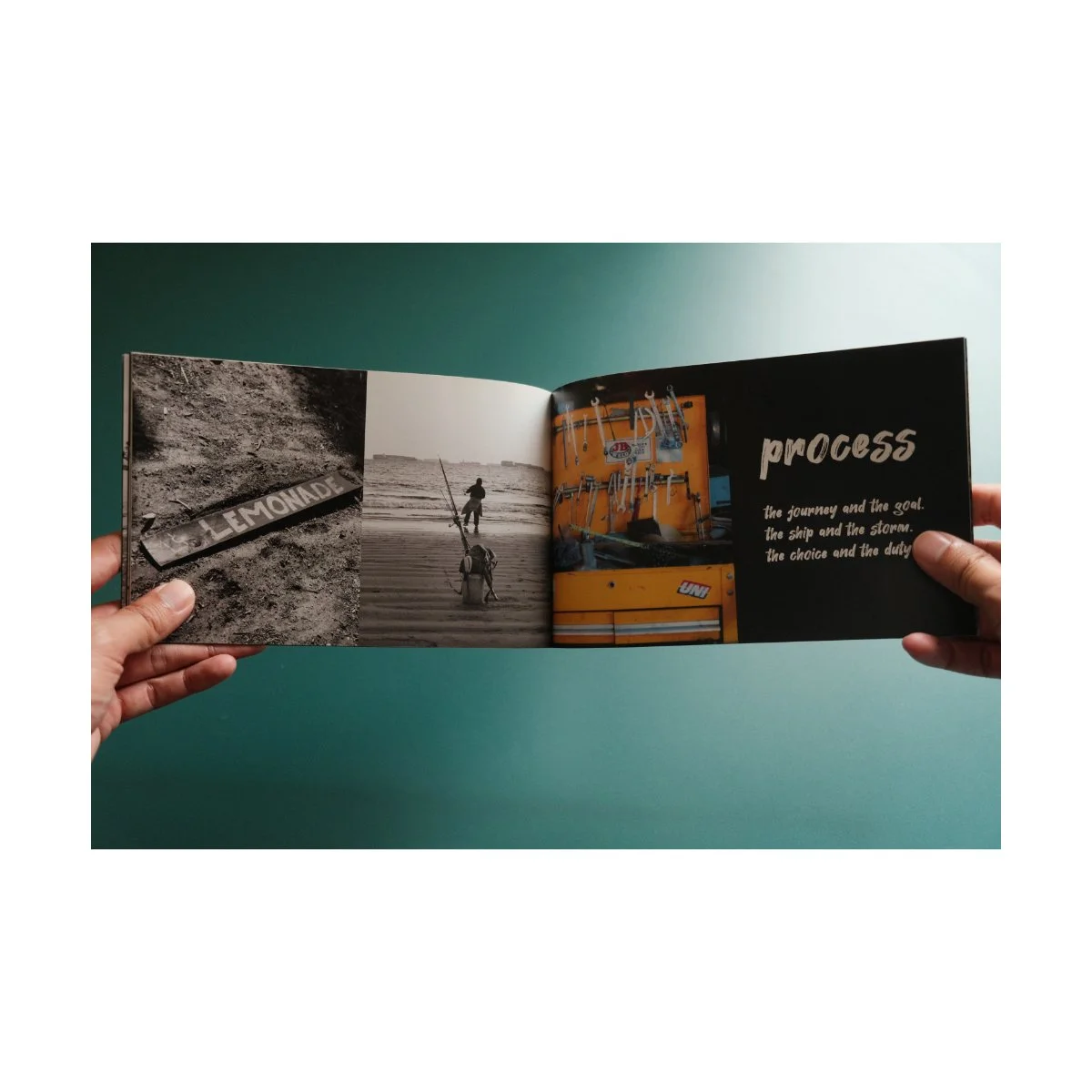
Looking back on it, I think it’s a great representation of:
my early visual style
my values
what I was aiming towards
And if I created one today, you’d be able to see the progression based on the person I once was.
Of course if I had made a digest portfolio to land gigs, it would look very different.
But I think this shows that I was more interested in photography as a craft, rather than to work for hire.
So the great benefit of using print as a means to showcase your photography is that it’s the most honest and artistic (in my opinion).
It’s the medium that forces you to really think about your images, what you’re putting in, and how it’s shown.
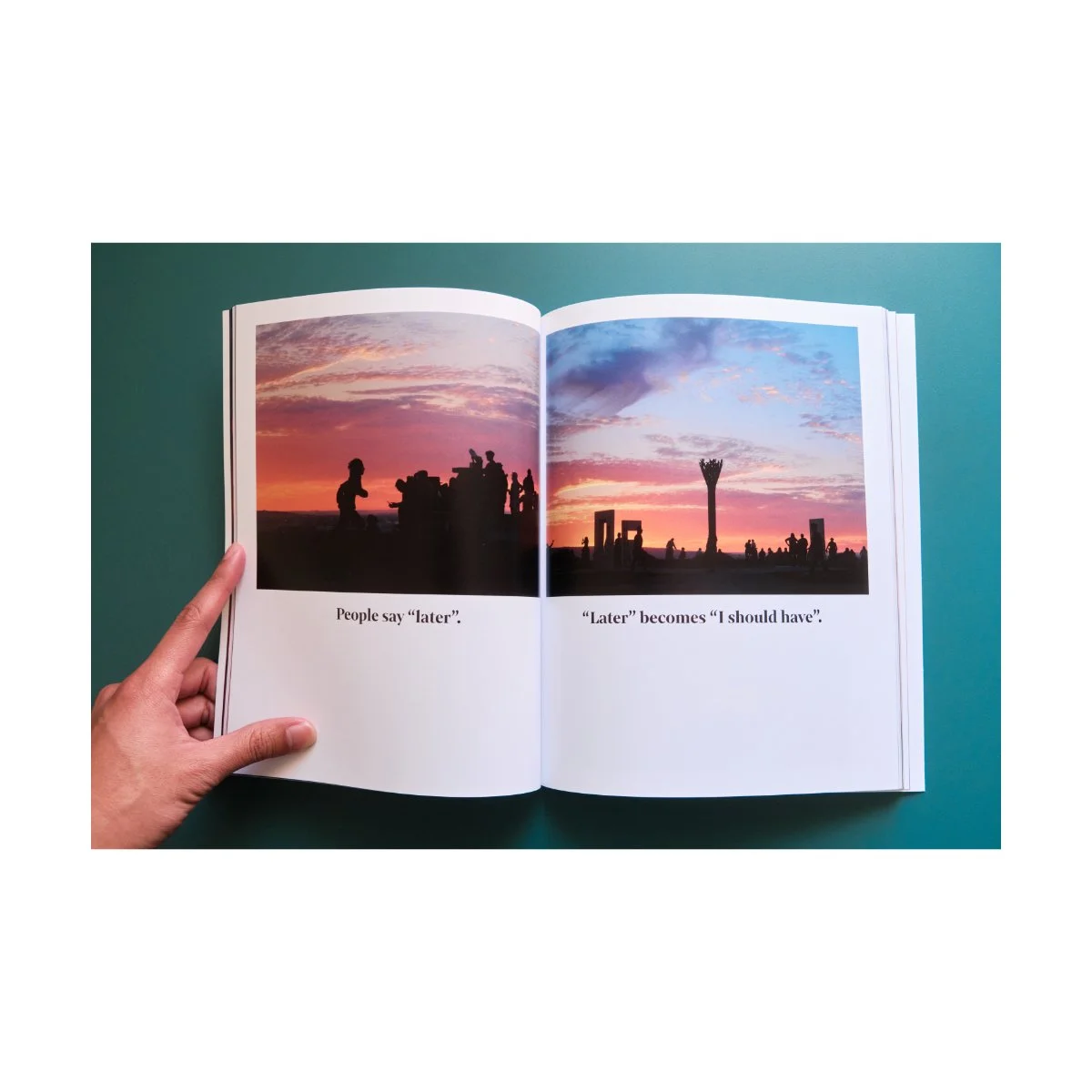
Also, people will definitely be more impressed by it.
Whenever I hand someone an actual book they can flip through, it’s like time stops.
They pause, sit down, stop conversation, put their phone away, and actually take the time to look at the images.
As opposed to social media, where people skip and scroll by quickly at a moment’s glance.
The extra grasp of attention, the break from a digital world, and something you can feel and hold, rather than just see, makes the print medium unique and special.
I think it’s worth making, for anyone who wants to really learn about their own photography or create something lasting, that they can come back to and flip through.
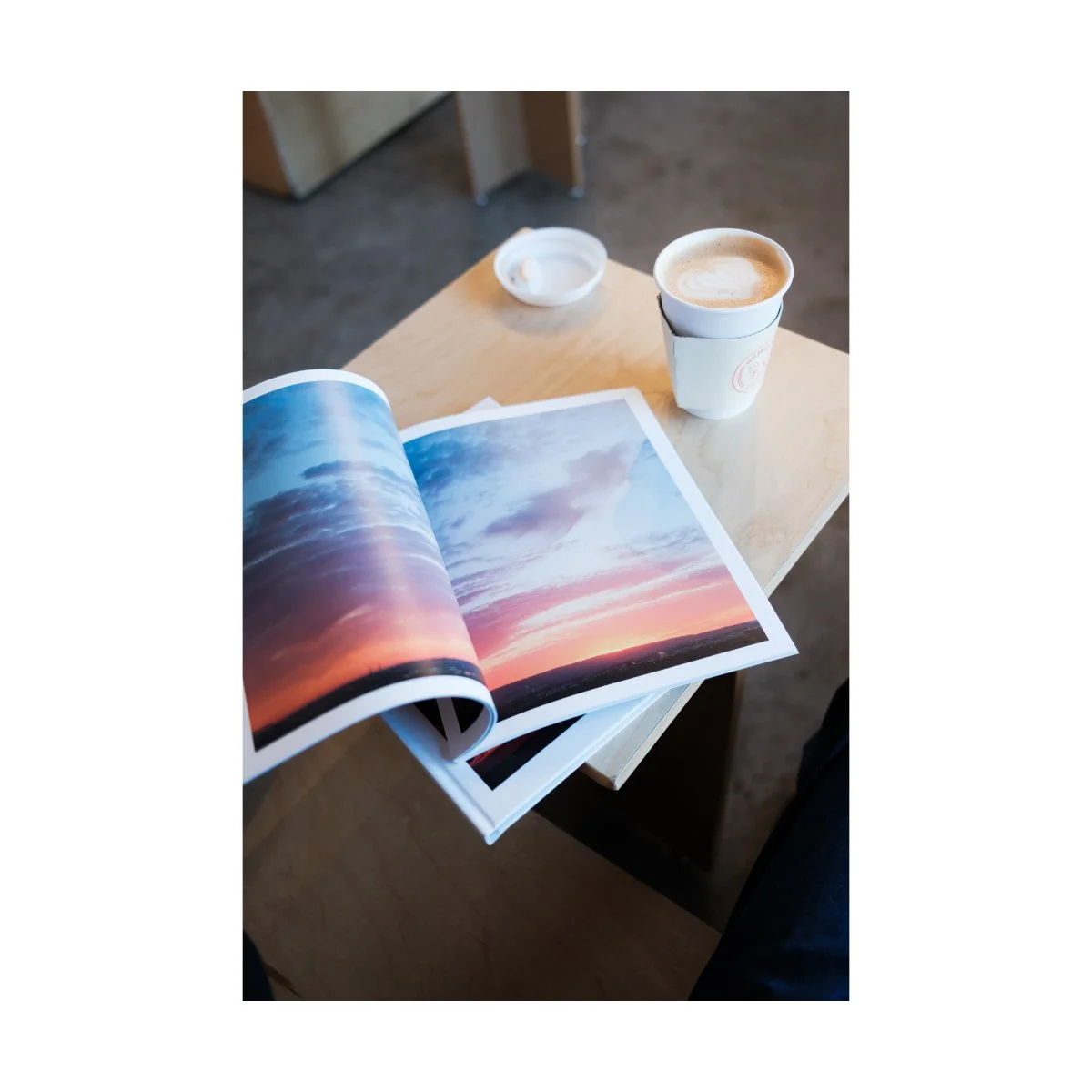
Overall, out of the three different photography portfolios, which is the best for you?
Well, if you’re looking for a more professional medium that has all the best tools and options to build a business with, choose a website to host your portfolio.
If you’re looking for a free, casual, easy thing that can reach a lot of people and get you social validation, use Instagram.
If you want to discover yourself as an artist, get someone to actually sit down and look, pick the medium with the most connection, print.
And if you can’t decide, try all three, you’ll learn something valuable from each.
So, I hope you enjoyed this article.
If you have any portfolio tips or want to share your experiences building a photography portfolio, leave them down in the YouTube comment section.
If you want to learn more and build a solid foundation with photography, check out Photography Essentials (it’s free).
If you want to get past the swamp of the intermediate stage and build systems that allow you to work without motivation, check out Photography Systems.
Thanks for reading, happy shooting.