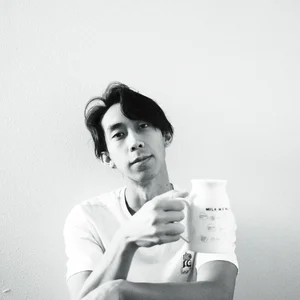
Most photographers take too many photos.
They go on a trip somewhere to see something.
And they snap away in excitement, enamored by the new views, the scenery, the people.
Then they come back and fill their hard drives up with thousands of pictures, half of which are just “okay” - maybe one out of a hundred is actually good.
And they never end up editing, sorting through, or making something with those pictures.
They just sit there collecting virtual dust for years until the next trip, when a new folder gets added.
Does this sound familiar?
Well, it does to me…because I used to have this problem.
But not anymore.
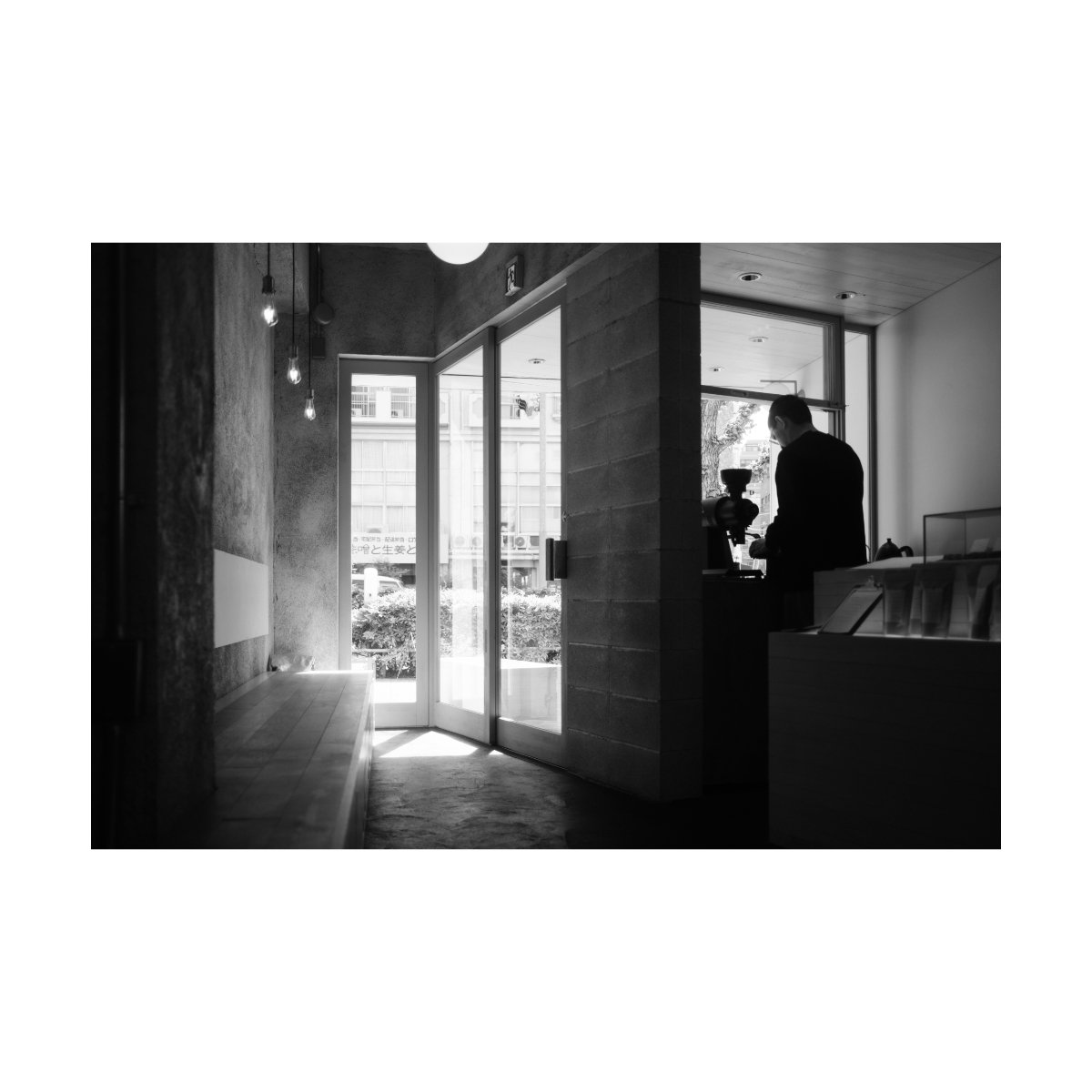
In the past year I’ve made some great efforts to change how I take photos, and it’s been making a big difference.
Because just imagine, if out of those one hundred pictures, you only took the one that mattered.
It would save you so much time, space, and headaches later.
It’s also what separates the “good” from the “better” photographers.
So don’t worry.
As much as I want to tell you to “take less pictures”, this article isn’t simply that.
Today I’ll share with you the single most important exercise you can do to level up your photography (besides just getting out there, of course).
If you do it for 30 days, you can sit back and watch your photography blossom.
Let’s get started.
How Creativity Actually Works
Hot take: The greatest threat to our creativity is actually freedom, and we need less of it, not more.
You see, one of the biggest misconceptions humans have is “the more, the better”.
We often think that the more options we have, the better.
The more resources we have, the better.
The more freedom we have, the better.
But what if I told you, creativity actually thrives on constraints?
Just think about it for a second.
When it comes to creative thinking, why do they always say to “think outside of the box”?
Well, it’s because something is only considered “creative” if a box exists in the first place, right?
If there were no box, thinking outside of it wouldn’t make a difference.
The “box” in this case is just a representation of a constraint.
In fact, if you pay attention, everything in the world thrives on this idea of constraints.
If there were no limitations, no rules, no guidelines, no norms, no constructs, nothing that’s done would be impressive.
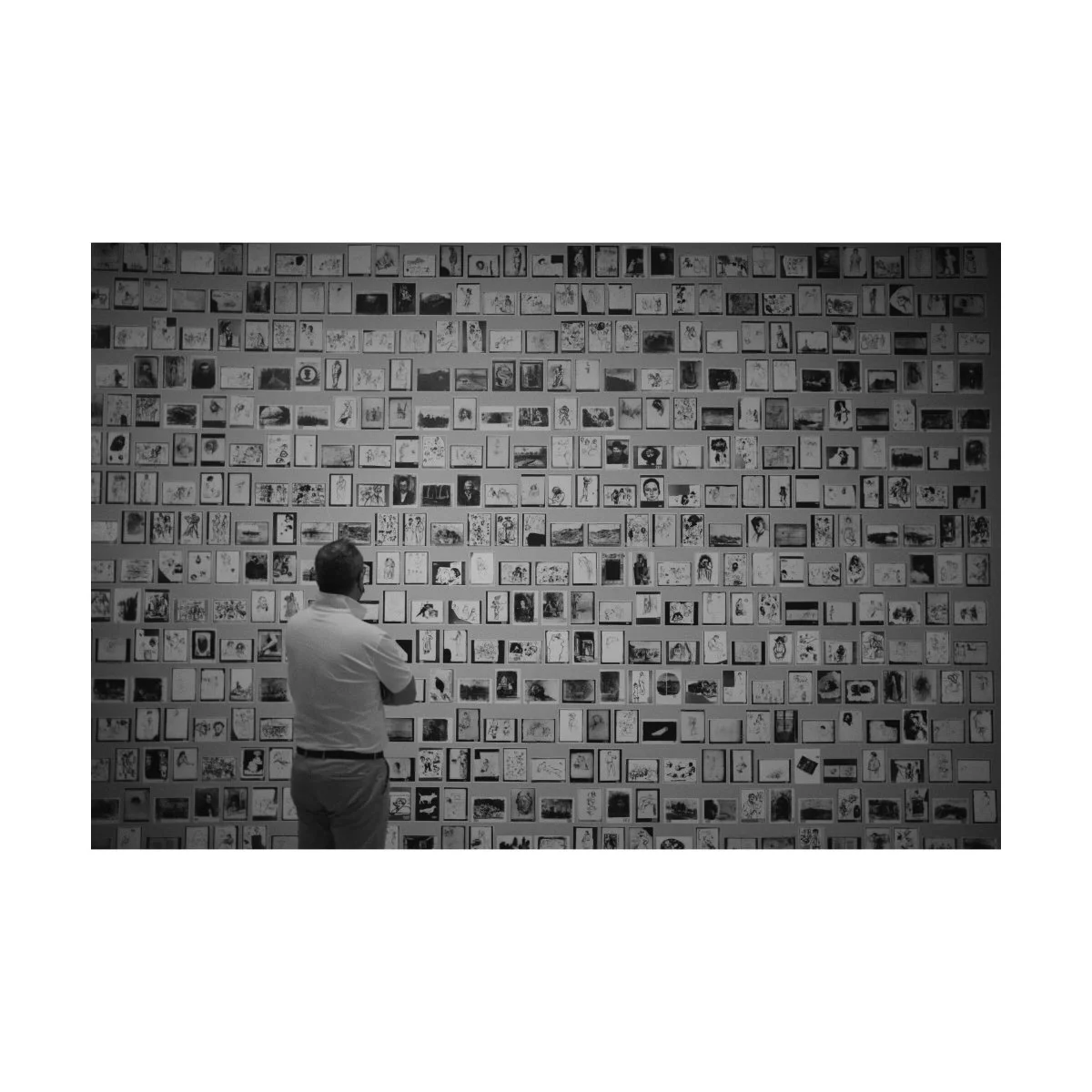
Haikus for example follow a simple 5-7-5 structure.
The structure itself is important because it’s within those constraints you are forced to be creative.
If that structure didn’t exist, what you wrote would matter less and less, because you could technically write anything.
But because there’s a prompt, you can get creative with it.
Everything in the world follows some kind of constraint.
Some indie films for example, are great because they’re done on a low budget, while many major blockbusters, which seem to have unlimited budgets, flop.
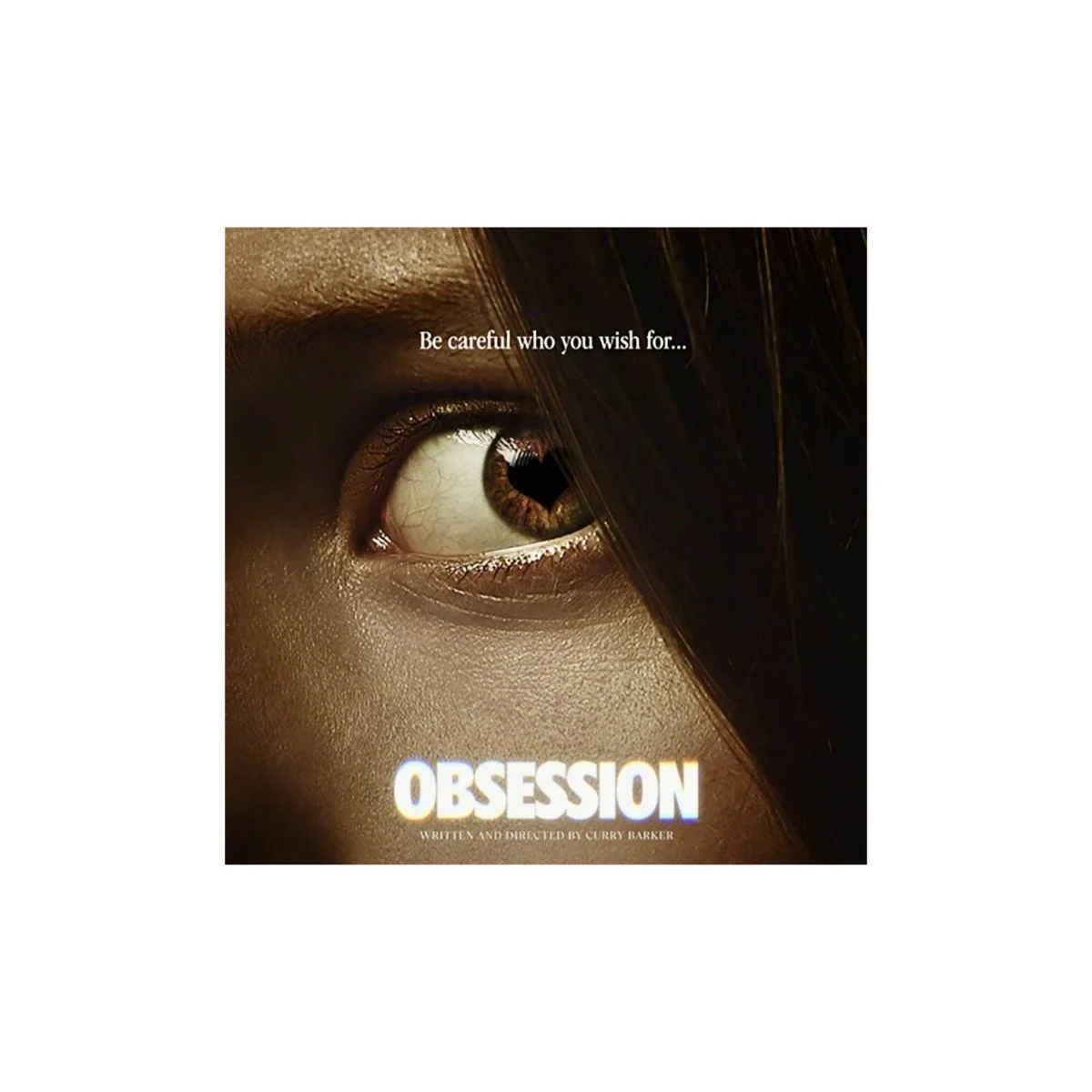
Musicians may be limited by the instruments they have.
Artists may be limited by the paints or materials at their disposal.
And we as humans are always limited by time.
Because life itself is the greatest constraint.
If we weren’t conscious that one day we would die, we wouldn’t be in such a hurry to live a good/fulfilling life.
So one of the most powerful constraints is time.
And ironically, we can use time to boost our creativity as well.
The simple way is by giving ourselves a deadline - an end period to finish something by.
You might remember having due dates for essays in school.
Maybe you’d get a month to do it, but you’d procrastinate the entire time until the night before, where you’d write the entire thing in just an hour or two.
Now imagine if you did that every day.
You’d be massively productive, right?
You see, contrary to what many think, it’s not freedom that drives creativity, it’s constraints.
The less options we have, the more we are forced to think and be creative with what we’ve got.
Something like strict constant deadlines might be stressful and feel like you’re chasing yourself with a stick, but it works.
Because if there were no pressure or timeline to get anything done, we wouldn’t do anything.
Understanding this principle is key, because it dictates everything, from improving our photography to judging whether something’s good to begin with.
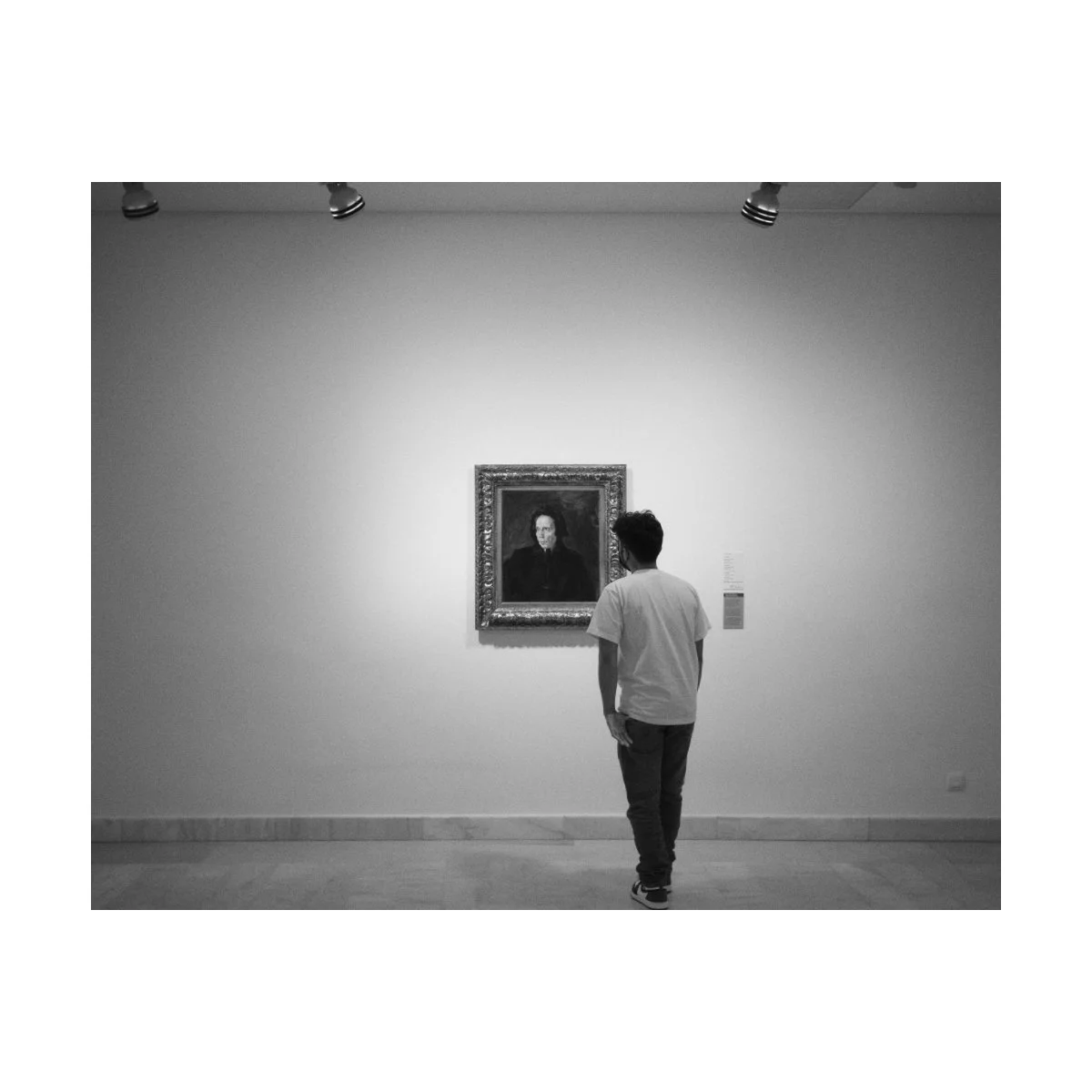
The Story of Picasso
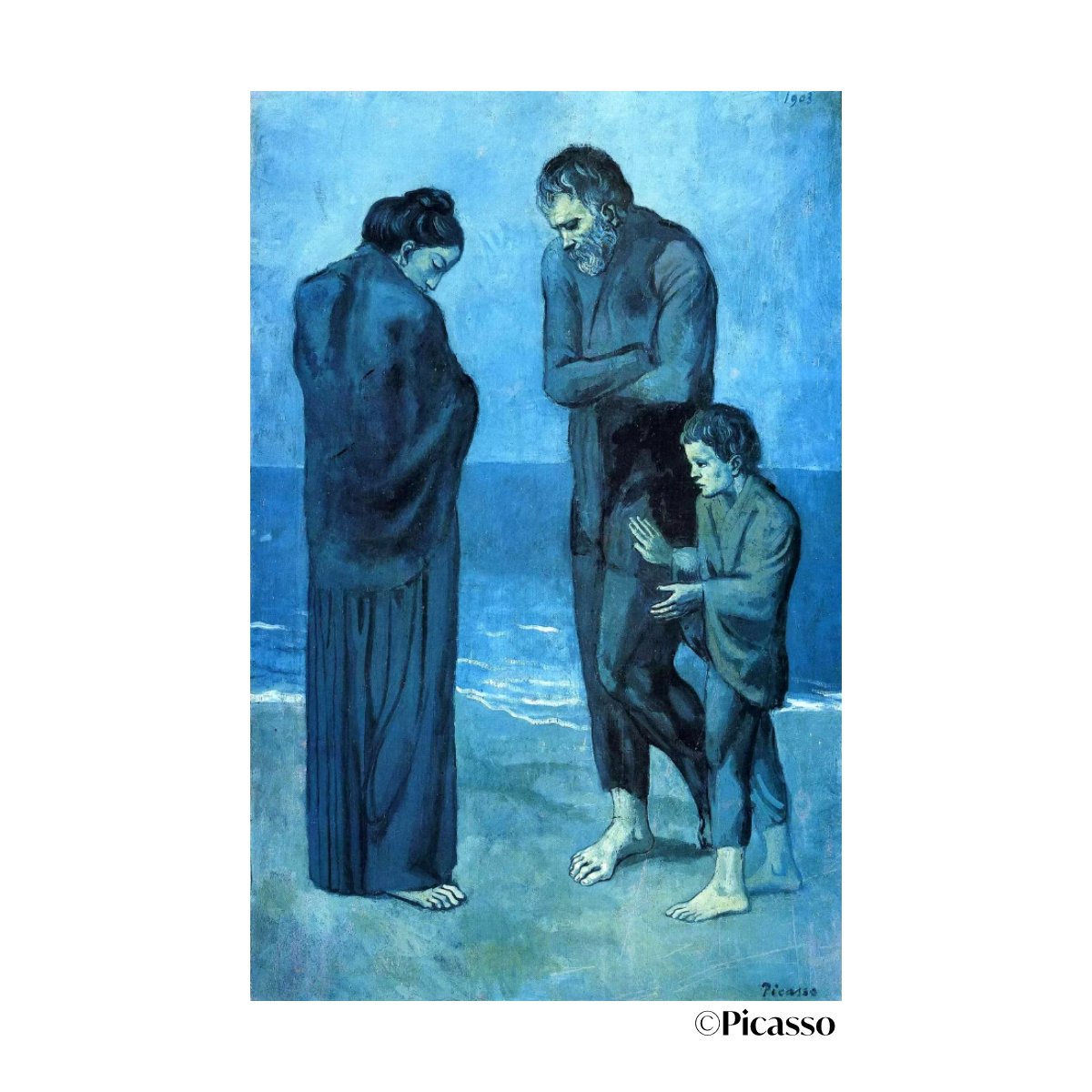
In 1901 following the death of his close friend, Pablo Picasso began painting in blue.
This marked the beginning of what would be known as his “Blue Period”, monochromatic blue paintings that highlighted poverty, isolation, and deep emotional despair.
Although historically, blue paint is seen as very expensive and rare, Picasso primarily used “Prussian Blue”, the world’s first chemically synthetic blue - which just so happened to be dirt cheap.
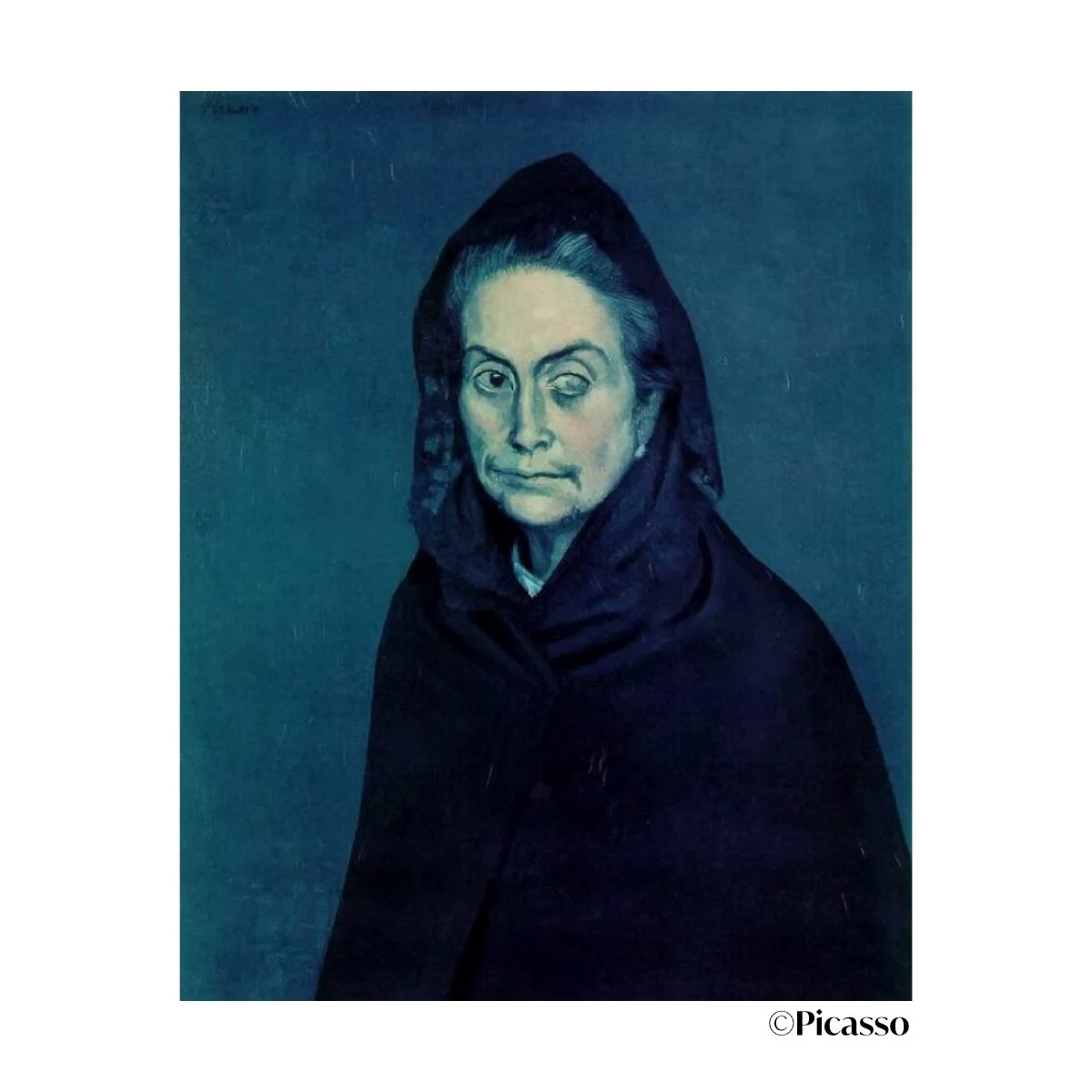
You see at the time, Picasso was not the household name he is now.
Rather, he was the stereotypical starving artist, trying to survive and make a name for himself.
So the paint he used not only matched the themes of his work, but was also done out of necessity.
And although his Blue Period pieces weren’t super popular at the time, one could see how they influenced some of his later greatest works.
The break from realism and a non-super-anatomical way of painting, forced the viewer to look at other things, and influenced what Picasso would later be famous for, Cubism.
Similarly, the monochromatic color schemes likely influenced one of his later masterpieces, Guernica.
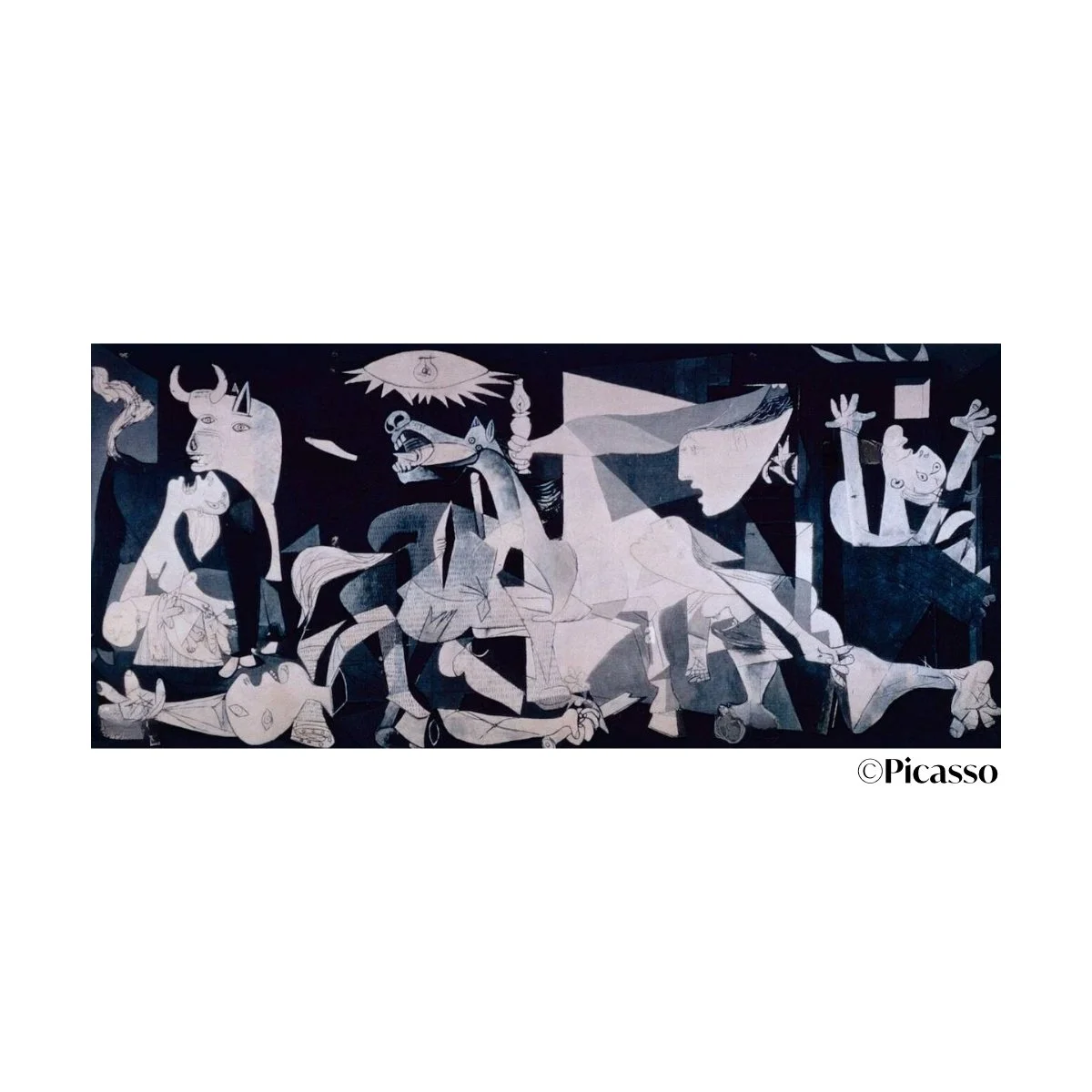
The constraint of resources and a major life event shaped the foundation for one of the most influential artists of the past century.
Picasso’s story not only highlights the importance of persistence, but also how working through a limiting factor can actually make you a better artist.
Because if he had the resources to do any and everything, it’s quite possible he’d be a very different artist.
Constraints can be annoying and frustrating, but at the same time they’re necessary and indispensable.
It’s likely whatever constraints you’re currently being held to, whether it’s technical photography skill, or a lack of resources, will force you to learn and adapt, until you eventually become the photographer you’re meant to be.
The Constraint of Numbers
If we had to pick one constraint, and one constraint only, to level up our photography, which would be best?
Because there are endless amounts of constraints, and they can all teach us valuable things.
Well, one of the constraints I’ve been honing down on this year, which I think anyone can use, is called the “Constraint of Numbers”.
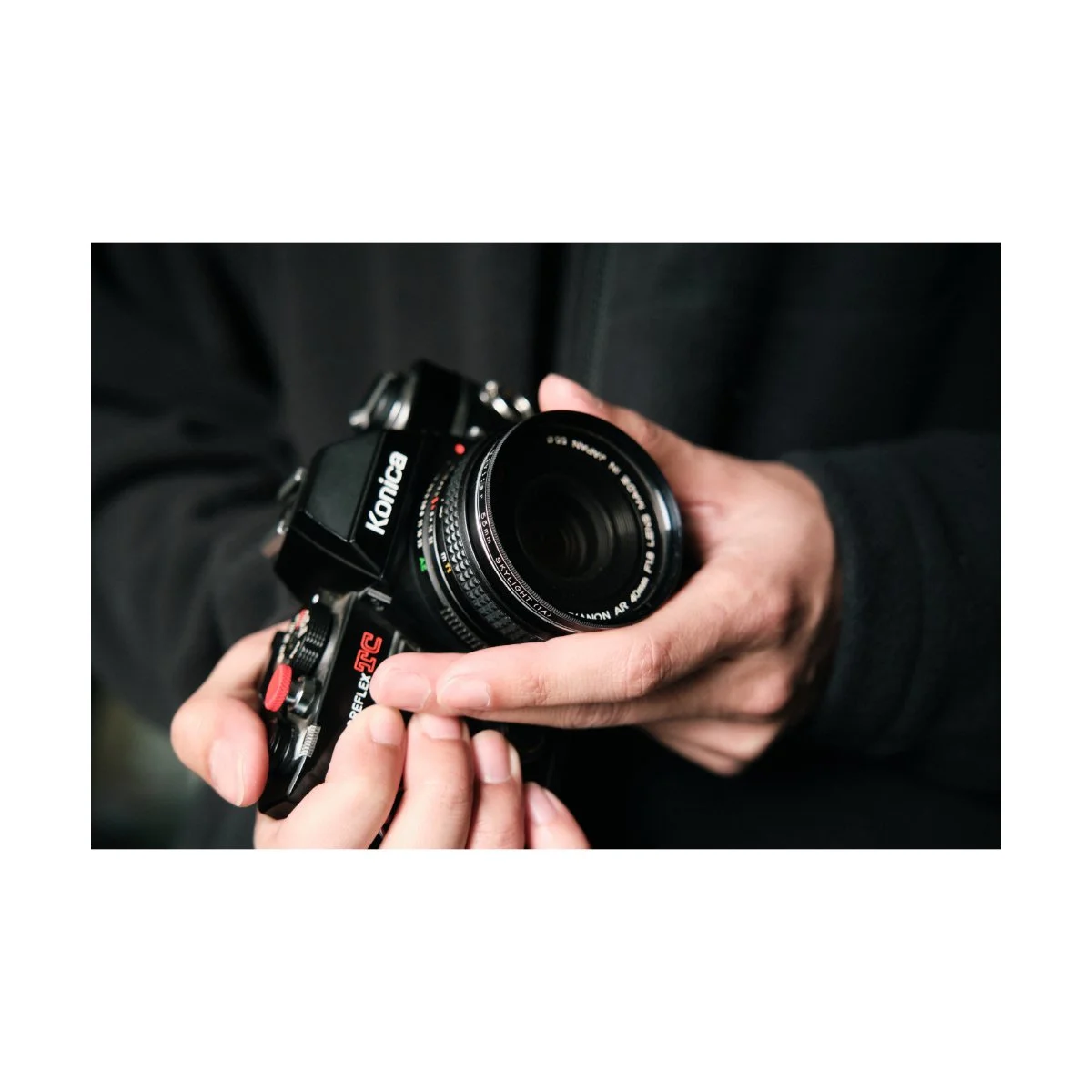
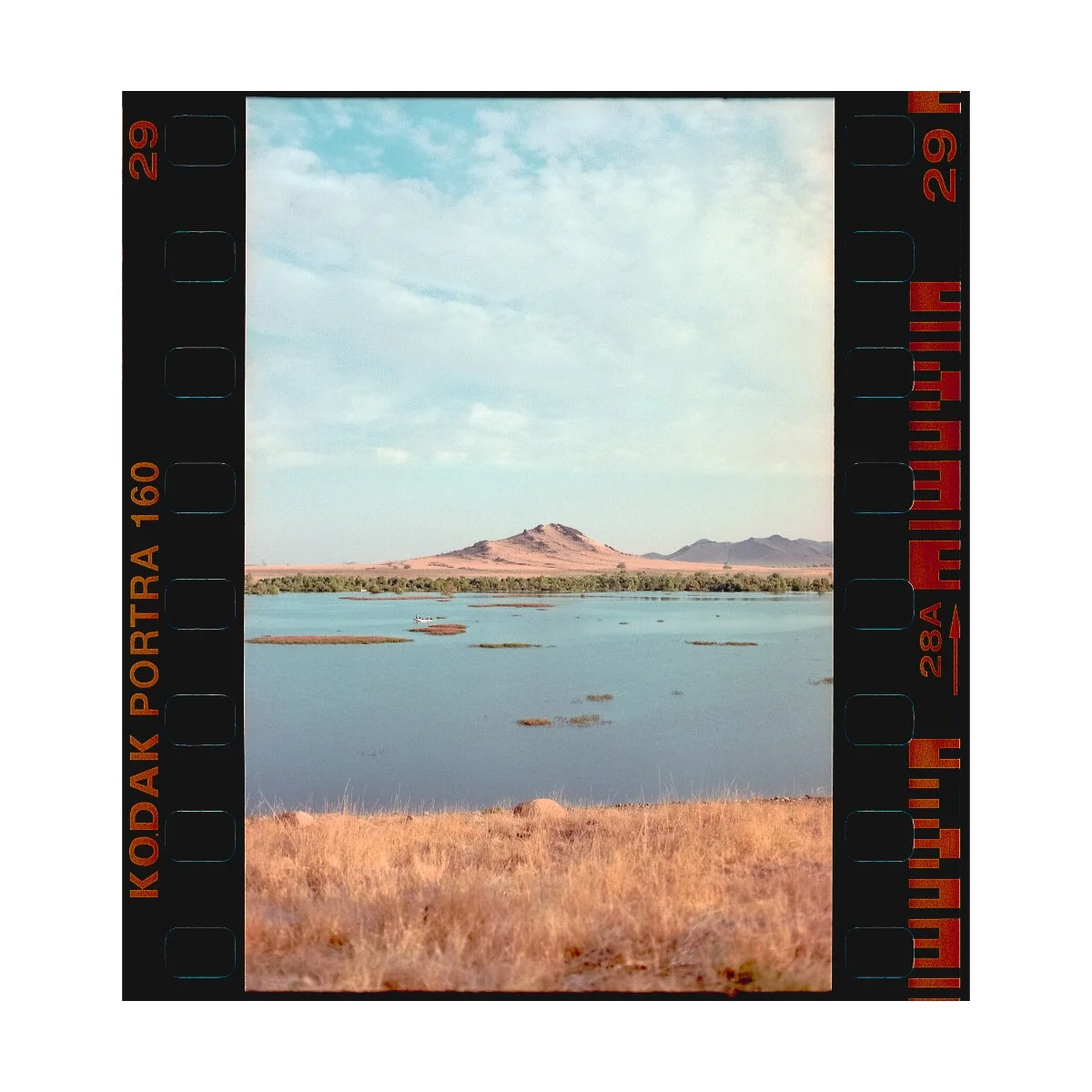
Long ago when I was exploring my different options in photography, I shot film.
It felt like a necessary path for me to try, and everyone was talking about it so, why not?
But after a good while, I ultimately decided film wasn’t for me.
Costs were too expensive, especially when compared to digital nowadays, and I have more control over the results of digital.
That being said, I still learned and gained a lot from my time shooting film.
One of the most practical lessons I took from film photography was the “Constraint of Numbers”.
You see, although on digital you technically have an unlimited amount of pictures, on film, you don’t.
Typically you’re constrained to a small amount: 12, 16, 24, 36 - depending on what you shoot with.
Yes you can bring more rolls of film, but the more you shoot, the more it’ll cost to develop and scan later.
So when it comes to film photography, less is more.
Ironically when I went back to digital, I gradually forgot this lesson and went around shooting all willy nilly.
Which resulted in:
way too many photos (90% of them bad, 10% of them decent)
storage problems (hard drives running out of space)
more editing work later
decrease in the overall quality of my work
It’s been bad…so this year I’ve made a great effort to tighten up my shots again.
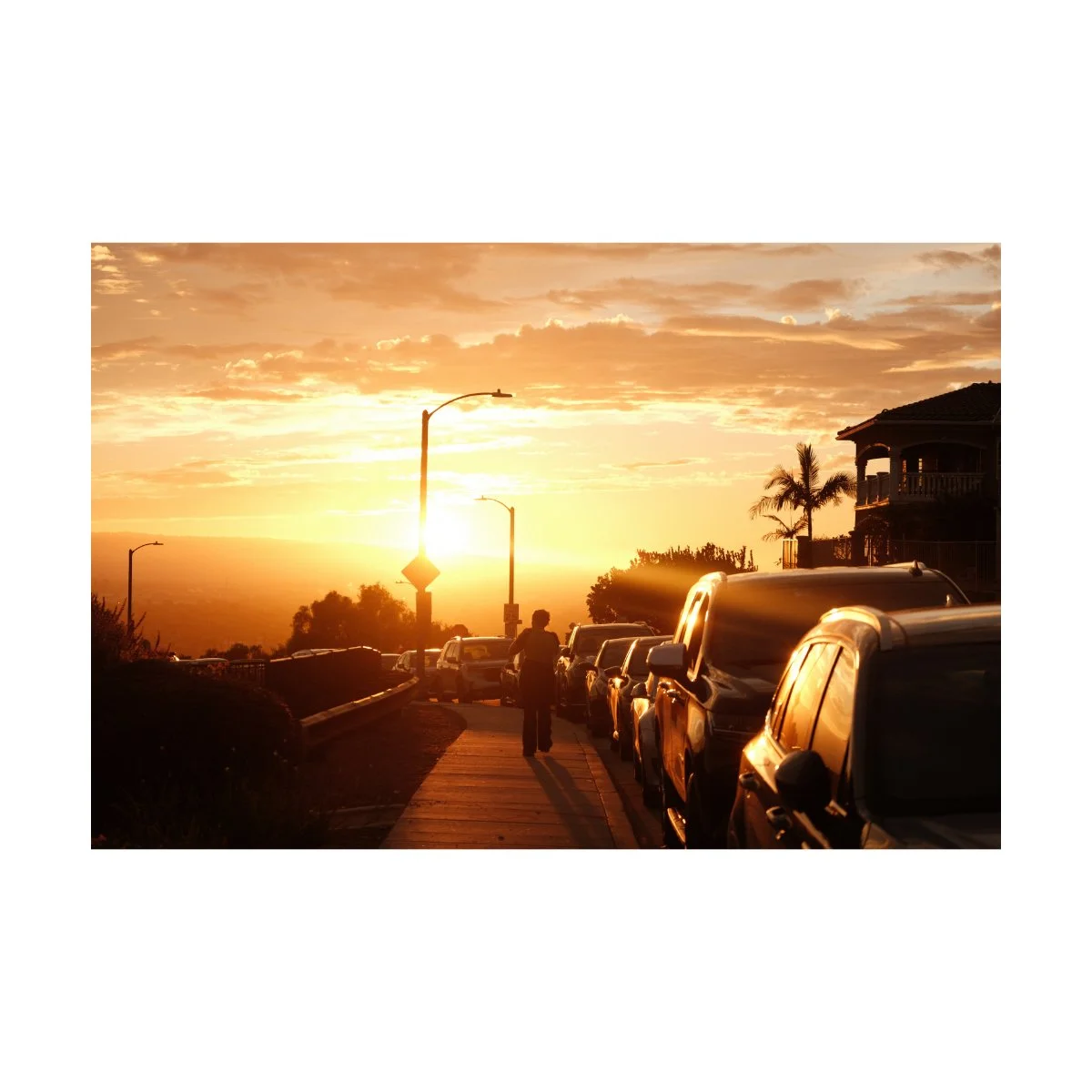
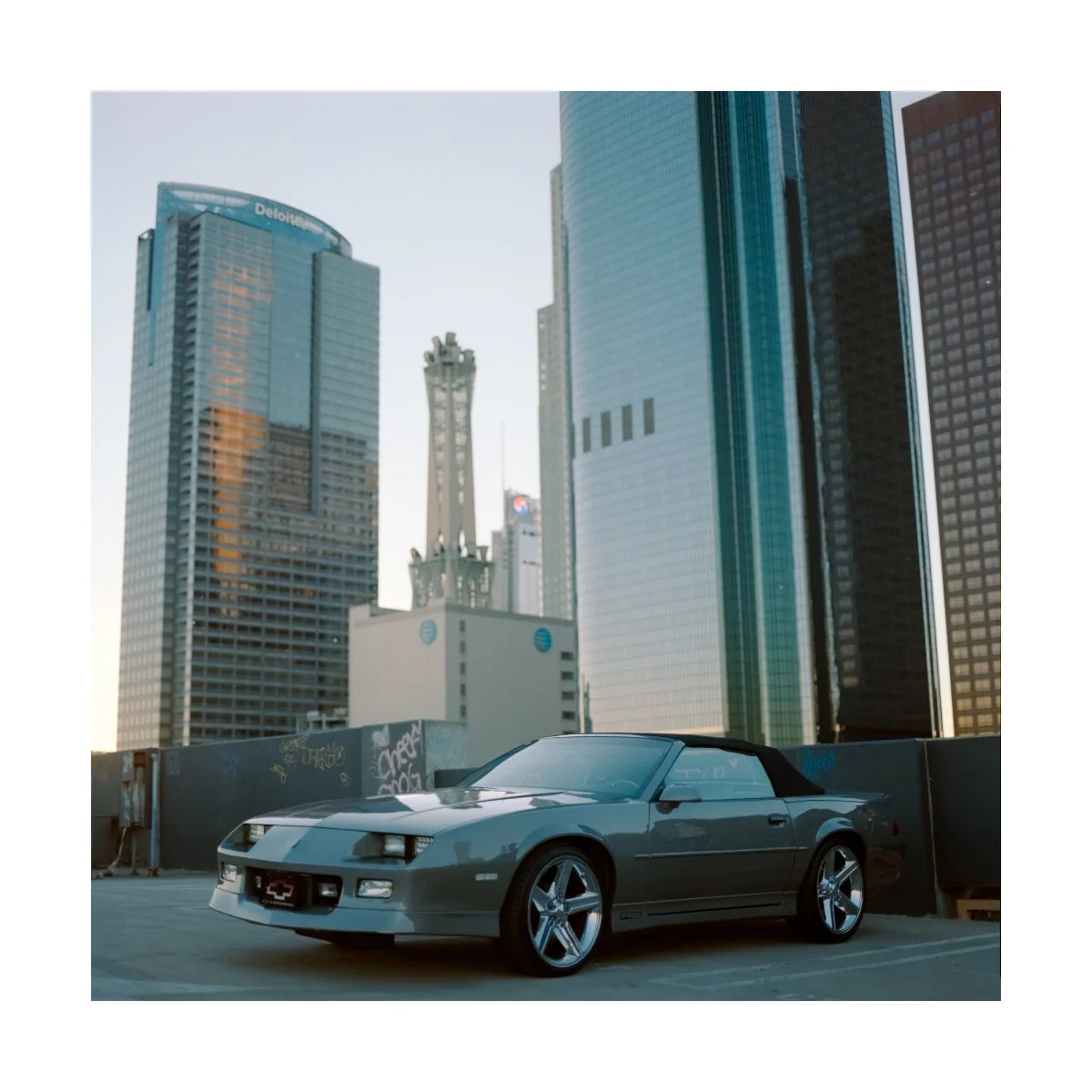
In January, when I was walking around exploring the streets of Los Angeles, I limited myself to 100 shots a day.
Which might sound like a lot, but for the time I was out there, it really wasn’t that much.
Often, I’d find myself going over and breaking the rule.
But despite that, the constraint still made me conscious of how I was shooting and forced me to be more selective.
In the long term, this not only made me fire the shutter less (because most shots weren’t worth taking), but it also improved the quality of the photos I was taking.
Because if I was going to take a shot, I was gonna make sure it looked good.
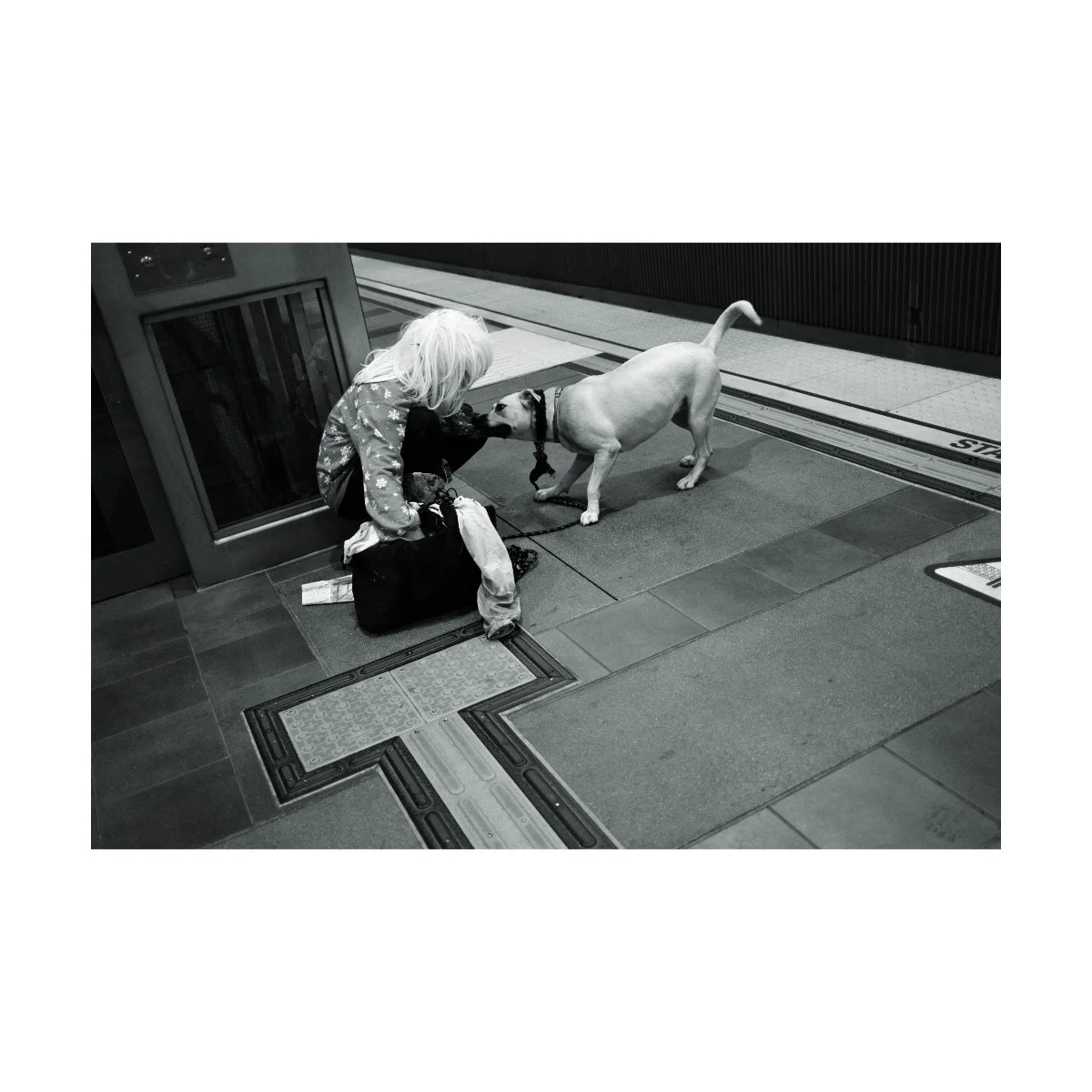
This practice has created a felt difference in my photography.
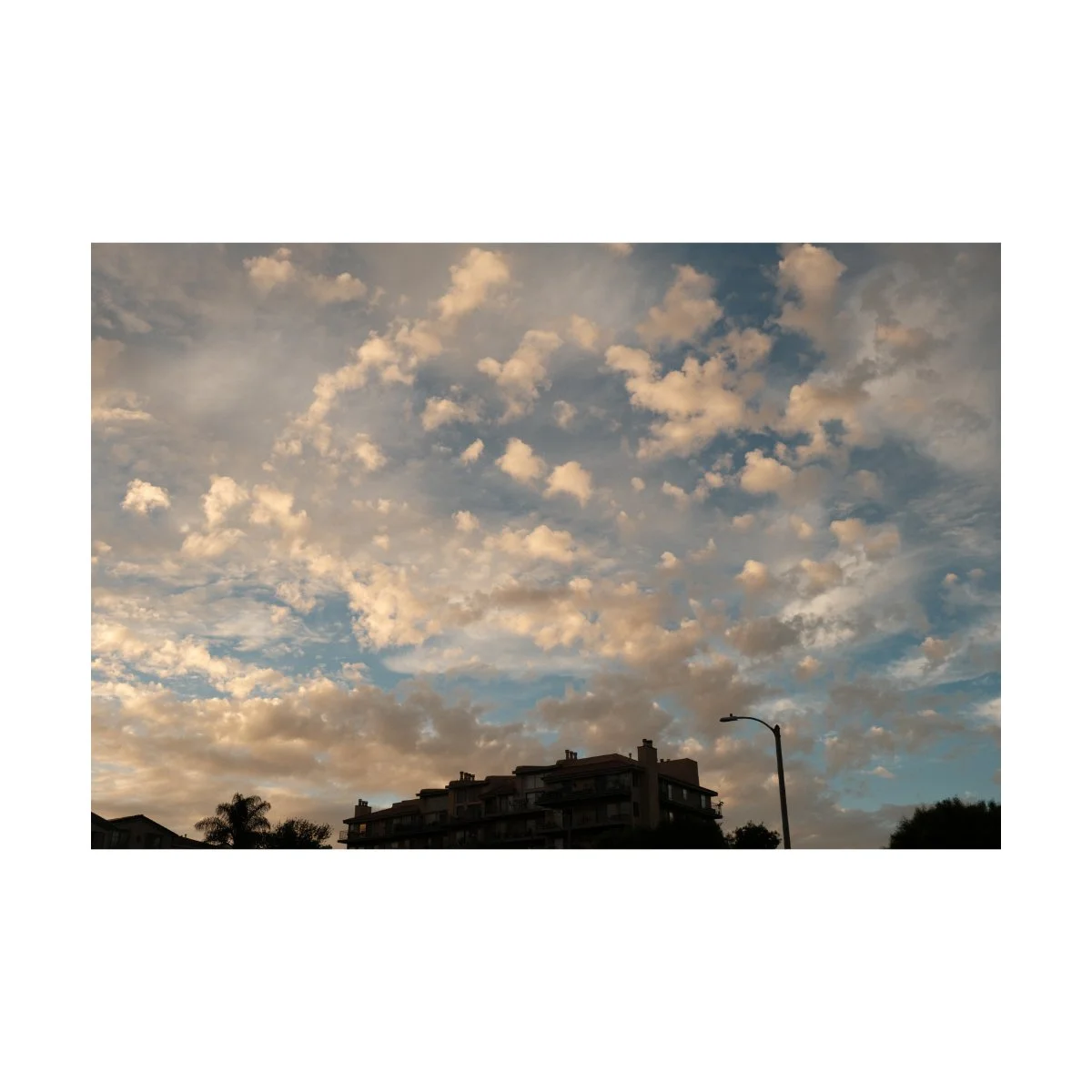
Because later this year, when I went back to Tokyo, or just went camping, I could feel and see the improvement in the quality of my images.
I wasn’t just snapping away.
I was seeing the pictures before they were happening, and choosing whether or not I wanted them to begin with.
I still gave myself room for experimentation, but if a picture was going to be bad anyways, why not just not take it, instead of wasting another shot on my SD card, right?
Less, But Better
At the end of the day, if we want to watch our photography blossom, we must do so through the use of constraints.
Again, there are many different kinds of constraints, but lets start with the Constraint of Numbers.
For the next 30 days, give yourself a limited amount of shots per photo session, and stick to it.
And to be clear, “30 days” means 30 photo sessions, not every day that passes by.
If you don’t go out and take pictures, you don’t get to check the box off.
Whatever number you choose is up to you, just know that the lower the number, the harder it’ll be.
I recommend starting at 24 or 36 at first.
Of course with digital, there is some leeway, and you can take a few extra shots here and there.
Or if you’re on a trip and there’s really good things happening, you can break the rule, because the result is more important.
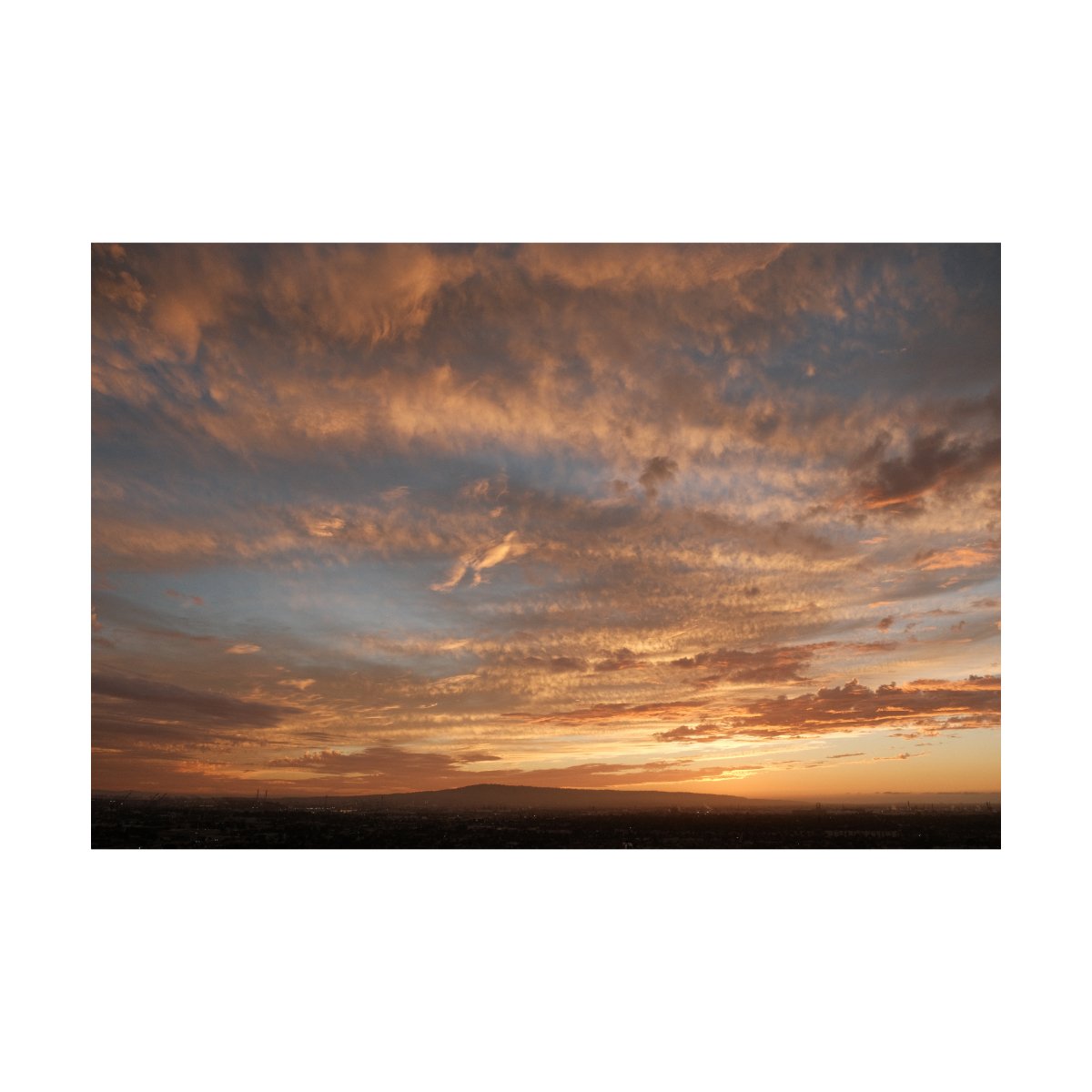
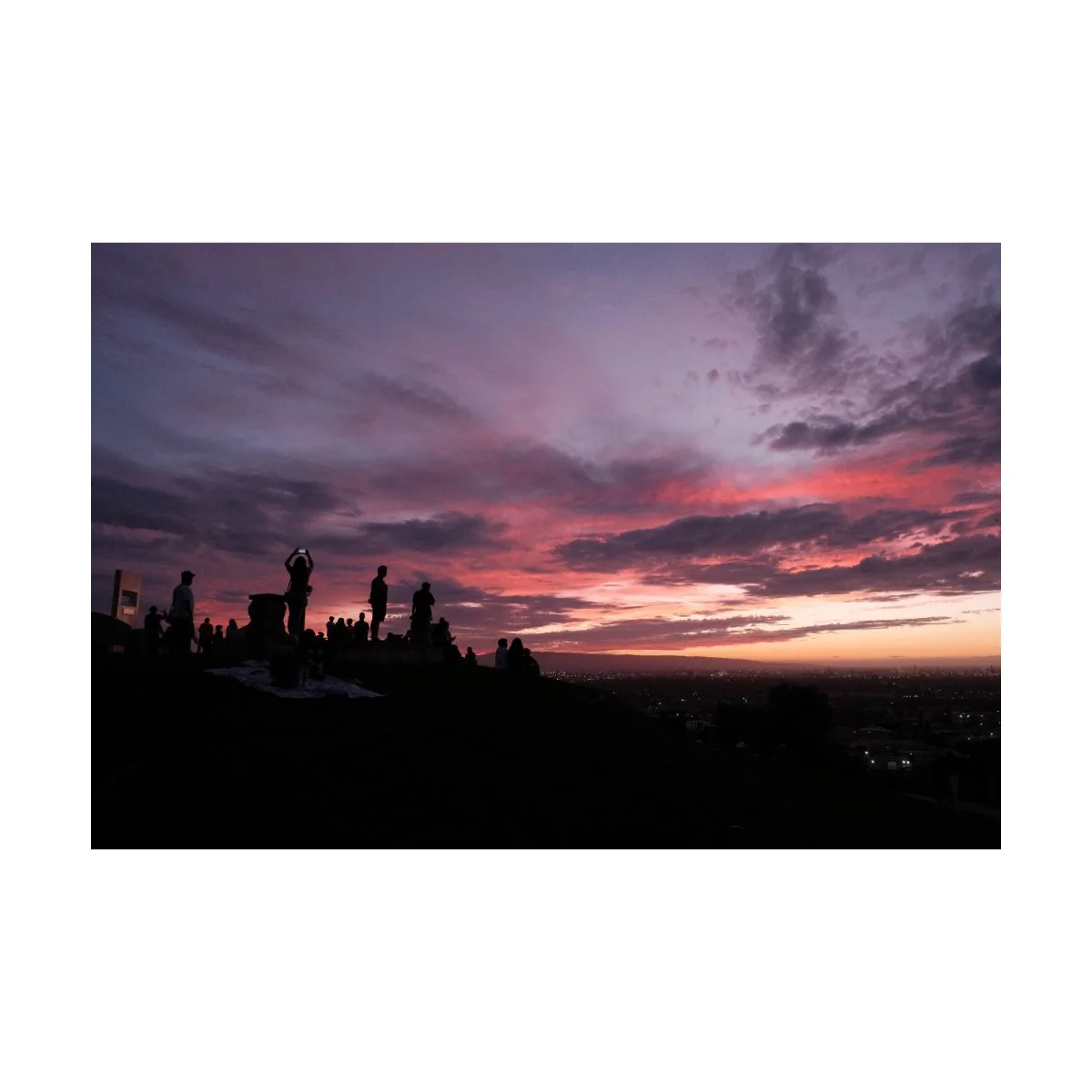
Just the other day I went on a sunset photo session and gave myself only 24 shots.
But I ended up taking 36 because the day was just that good.
I was very happy with the results, but it reminded me just how many photos I take, and how hard it was to tighten up and improve my real time selection.
So be flexible if you need to, but for your “training arc”, try and abide by it, because it’ll make you that much better.
Other constraints like subject matter, composition, color, focal length, you can try later.
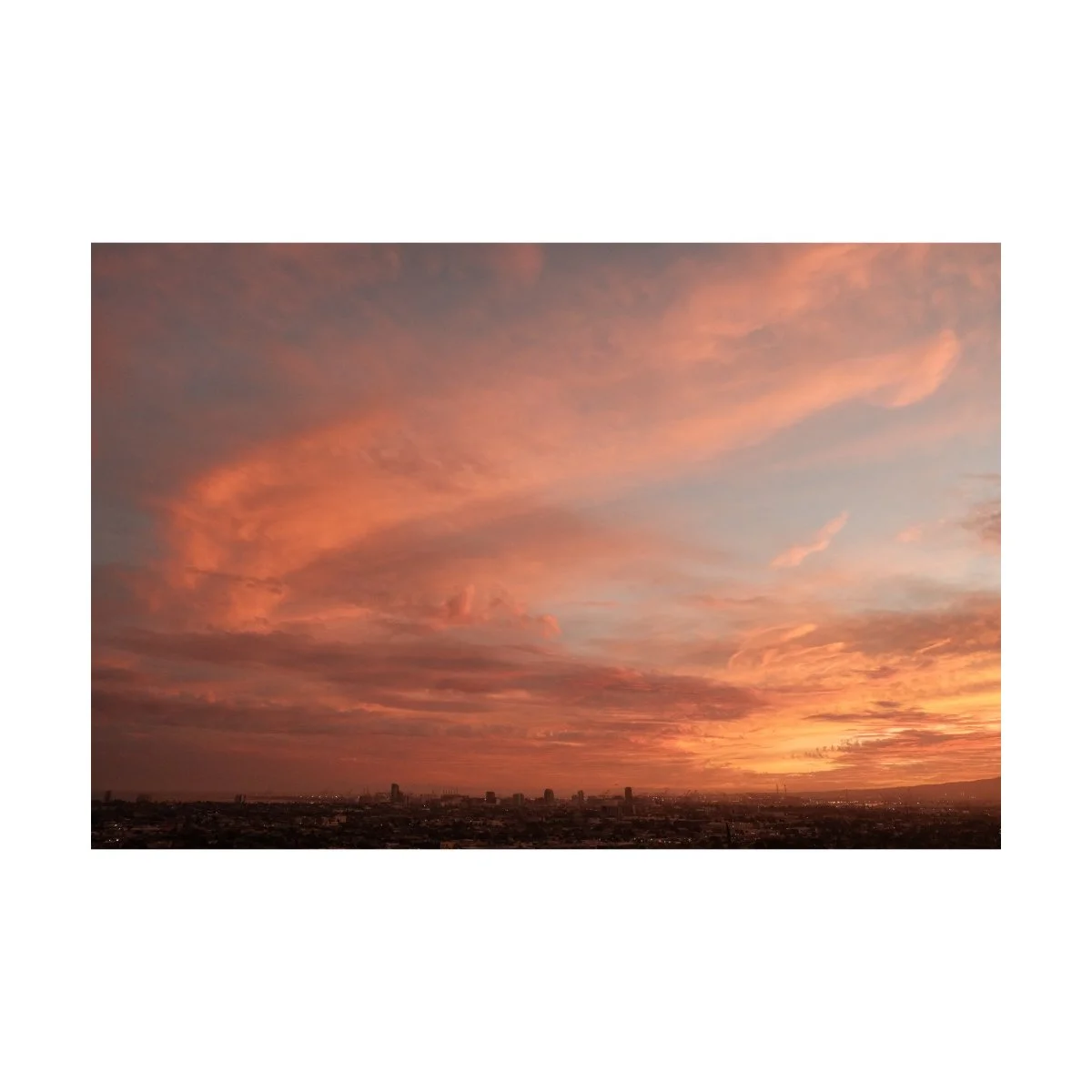
The “Constraint of Numbers” will teach you many important things.
The first and foremost, is the ability to tell whether something’s a good shot before taking the photo.
Before I thought I knew, but because I could take unlimited photos it didn’t matter.
With the constraint however, I was forced to ask myself:
“Is this really a picture worth taking?”
“Do I really want to waste one of my 24 shots on this?”
“Am I just going to delete this photo later anyways?”
“Is this the best version of this shot I’m taking right now?”
And then I’d take or not take the picture based on that.
Surprisingly, there were a lot more pictures I didn’t take, rather than did.
Building that filter has allowed me to take less but better photos.
Not only am I forced to really think about what I’m taking a photo of, I have to do so fast, before the moment’s gone.
Similarly, I have to think about the best framing for what it is I’m seeing.
Because I can no longer just take five shots and pick out the best one.
I want to nail it in one go.
With this constraint you’re forced to say “no” more often.
And by doing so, you learn to look for more “yeses”, which improves the average quality of your shots.
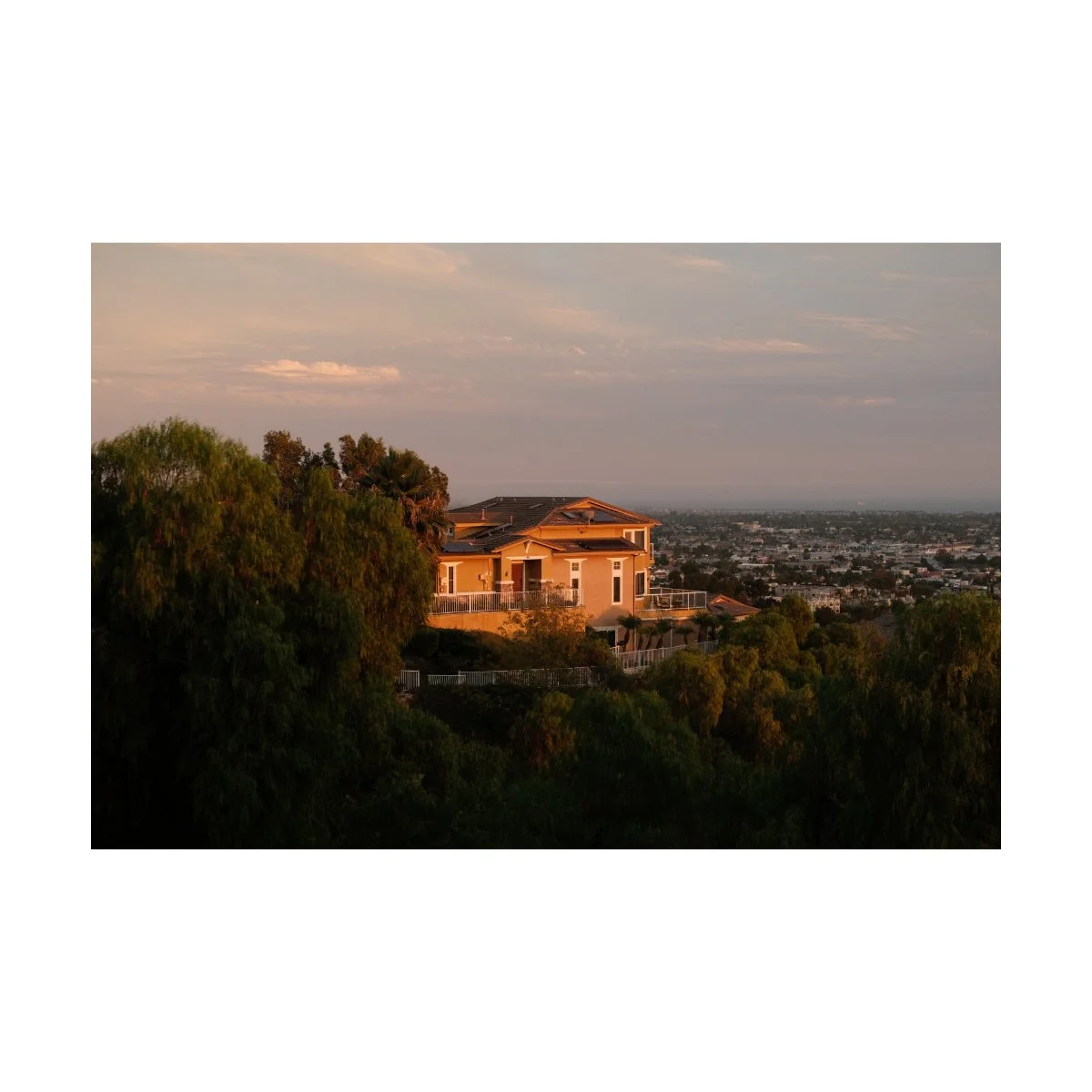
The idea is to tighten up and improve the quality of our photo selection first.
Then, we volumize on that number, taking thousands of more “better photos”.
Which eventually results in a larger archive of higher quality photos we can do more things with, like make a book.
And less stress and overwhelm from having a zillion pictures that suck.
How long you want to stick to this is up to you.
I recommend at least 30 day/sessions, because habits take time to form.
But once the habit is formed, you’ll be working with the constraint subconsciously, without even thinking about it.
It’s then you can move onto a different constraint, fixing another gap or weakness in your photography.
Because if we take the concept of constraints itself and apply it to our photography, we can figure out how to improve no matter what stage we’re in.
Because contrary to what many might think, the more freedom you give yourself, the worse your creativity gets.
Unlimited freedom leads to paralysis, while constraints force us to improve.
Meaning: if you’re stuck or have hit a wall, the way to improve is by giving yourself a constraint, and learning to work around it.
So do this for 30 days and watch your photography blossom.
I think you’ll be surprised by how noticeably different your photos look.
I hope you enjoyed this, if you have any stories or constraints that have worked for you in the past, share them in the YouTube comment section.
If you want to learn more about the basics and build a solid foundation with photography, check out Photography Essentials (it’s free).
If you want to break past the intermediate stage, learn to be more consistent, and improve without motivation, check out Photography Systems.
Thanks for reading, happy shooting, see you next week.