The 4 Stages of Photography Mastery (and how to level up at each)
In photography, what separates the master from the beginner?
Is it the countless hours of work and effort?
Is it the quality of work or even talent of the individual?
Or is it perspective, commitment, and dedication to the craft?
In my opinion, there are four stages of photography mastery and each presents itself with unique goals, characteristics, and challenges.
Today I’ll share them with you, what each stage is characterized by, how to break through the walls of each stage, as well as share some advice from my own experiences with each.
P.s. This is just how I view photography mastery, it’s not fact.
I am also not a “master”.
Let’s begin.
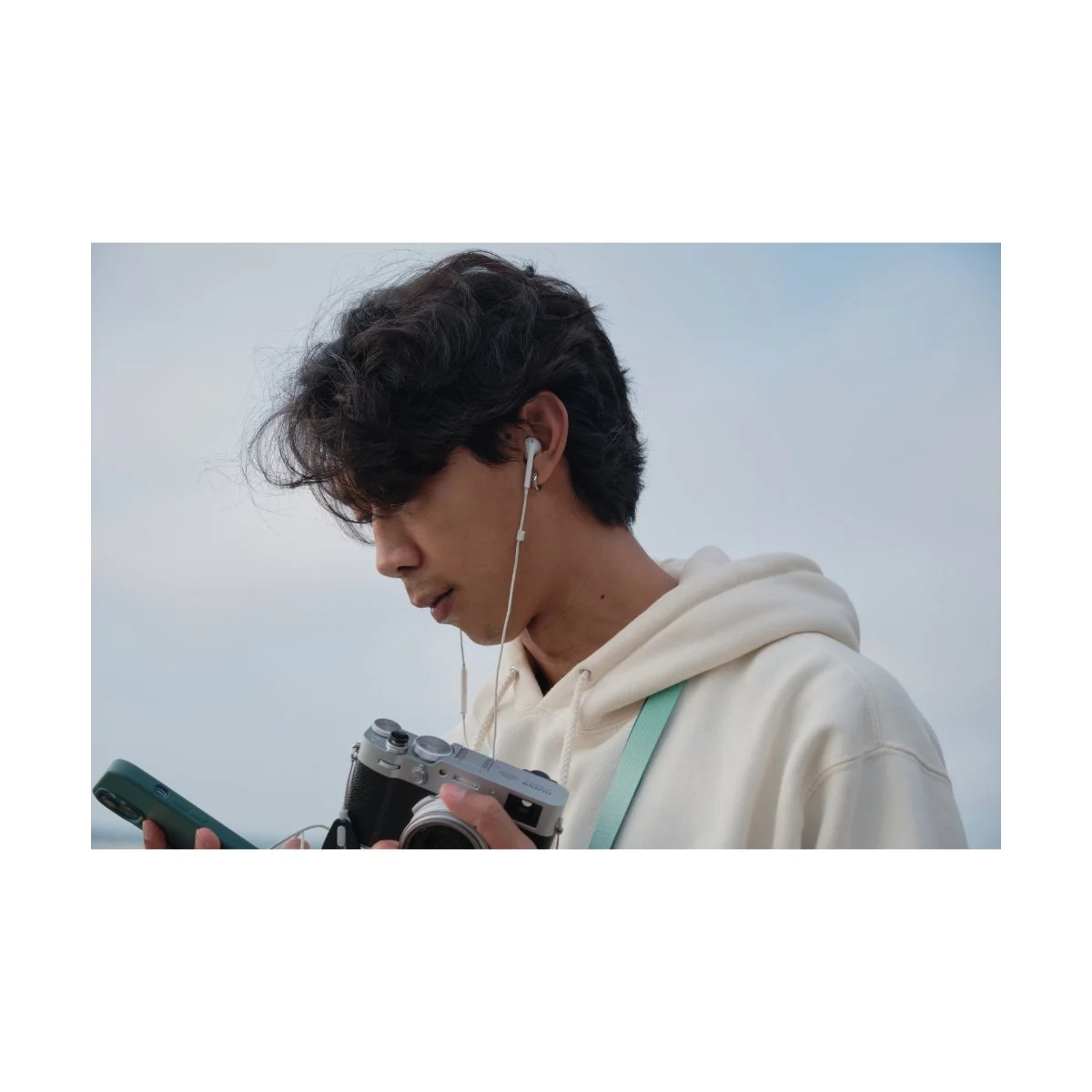
Stage 1 - The Beginner
Every route to mastery begins with the beginner.
A beginner is someone who is starting to learn or do something for the first time.
And although a lot of people view being a beginner as negative, it’s actually a very important stage.
Because, everyone starts somewhere.
In photography, the beginner stage is characterized by:
A heightened motivation for a newfound hobby.
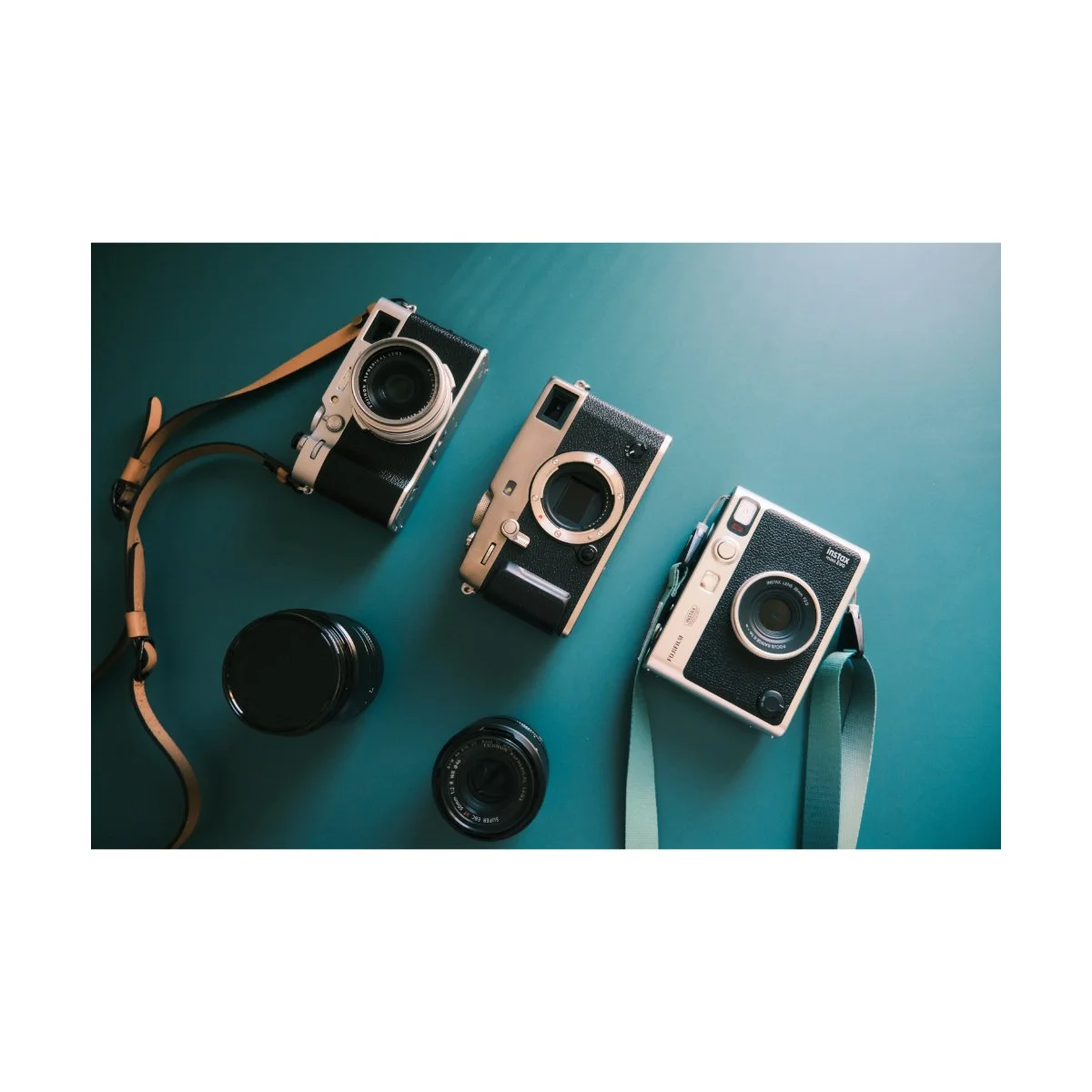
A big interest in gear and everything around that.
And it often means watching a lot of creators, whether that be tutorials, vlogs, reels, or other people just doing photography.
This is typically when people get their first camera (that’s not a smartphone) and start learning how to use it.
A lot of beginners find everything new and exciting, where more experienced photographers will be less so by the same things (because they’ve seen and done it a thousand times already).
With this fresh motivation and curiosity also comes a bit of a naivety.
Beginners in any craft are susceptible to the Dunning-Kruger effect, which basically states that those with low knowledge and ability tend to overestimate their competence.
And ironically those with more, do the inverse, seeing their own work in a neutral or opposite light, because they know how much better it could be.
This is kind of a normal phenomenon, and it’s hard to escape even if we know about it, so don’t worry about it too much.
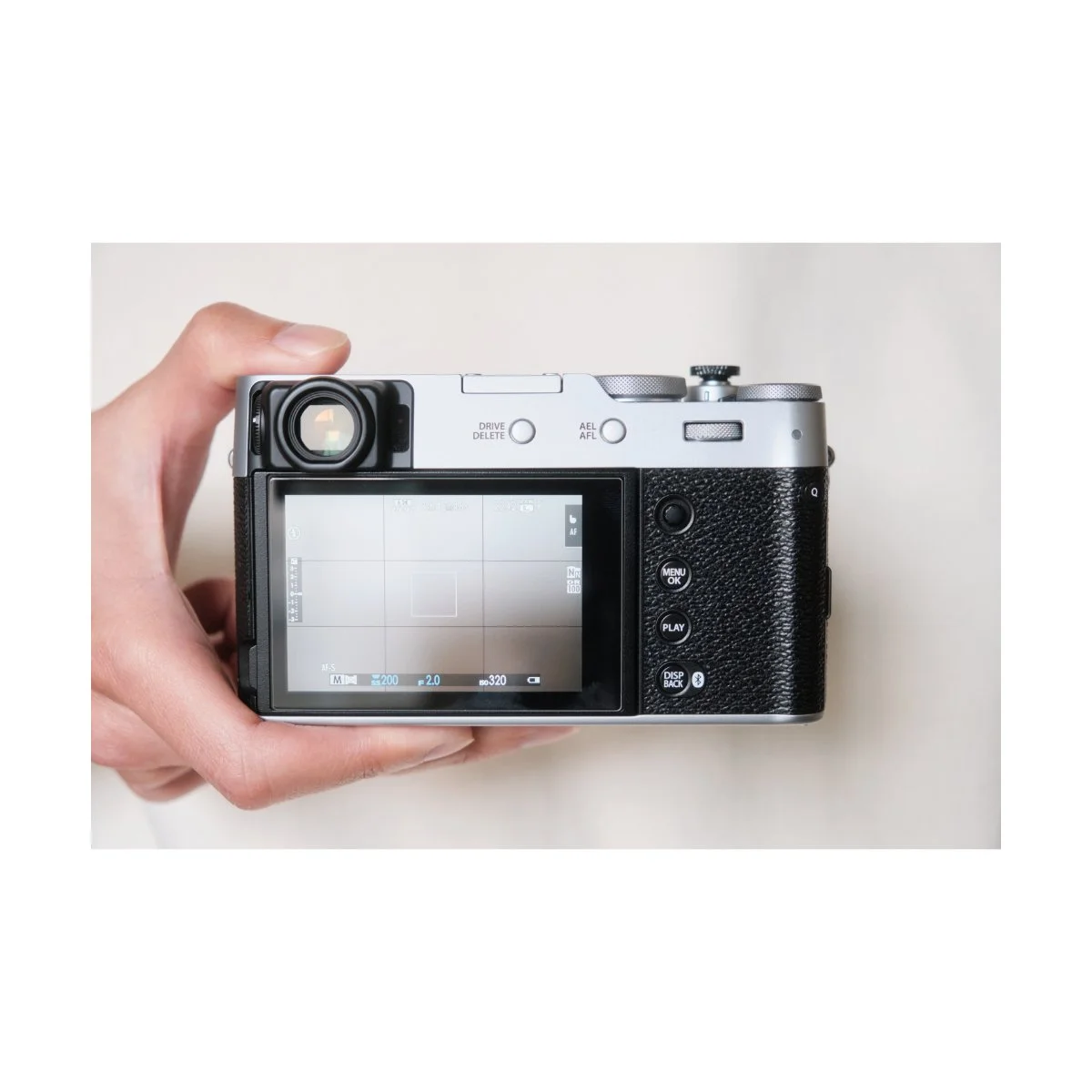
Skill-wise, the beginner stage is usually characterized by an introduction to the basics, learning things like the exposure triangle, the Rule of Thirds, and familiarizing yourself with your camera.
The main gap between the beginner stage and the next is a combination of skill, getting more comfortable with photography, and changes in one’s commitment or motivation for the craft.
My advice to anyone who’s in the beginner stage is:
First, to enjoy it.
It doesn’t last forever, but it’s a lot of fun, even when you don’t know what you’re doing.
Once you do know what you’re doing, a little bit of that magic disappears, so make the most of it while you can.
Second, would be to take extra care on the basics.
Your foundation will be the thing that carries you for the rest of your photography journey, so be diligent when learning things, both when it feels really easy and really confusing.
This stage sets the precedent for everything else.
And you don’t want to have to come back and relearn stuff because you didn’t learn it right the first time.
If you want to familiarize yourself, refresh on, or solidify these basics, I made a full guide on that - check out Photography Essentials (it’s free).
Third, don’t overestimate your ability or undermine others.
Some of this will be inevitable, it’s only natural even if we know about the Dunning-Kruger effect.
But the more we can be diligent and keep our heads down, the more open minded we can be, and the more we can learn.
It’s better to assume, “there’s probably a good reason for this that I don’t know yet”, than, “how stupid” or “my way is better”.
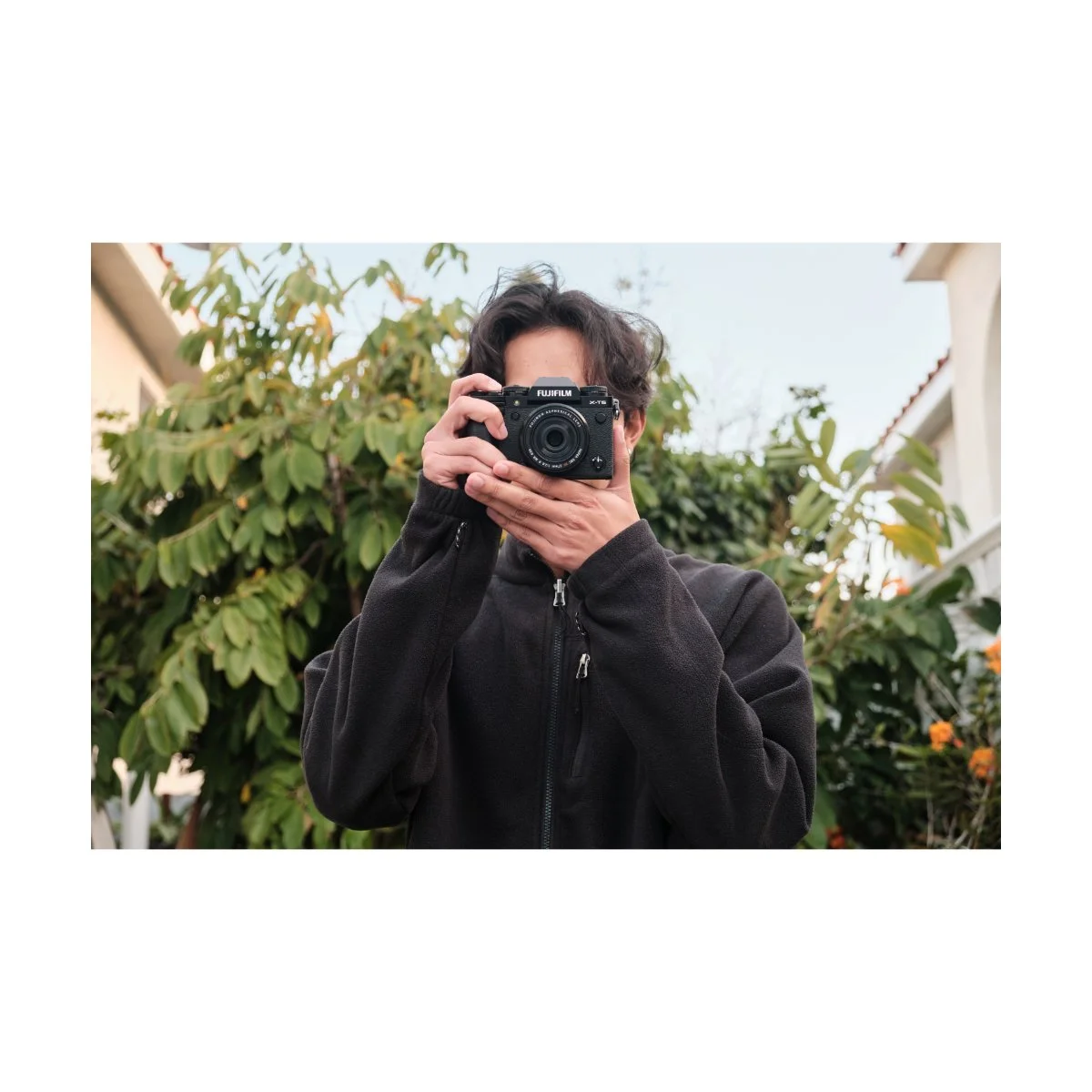
Stage 2- Intermediate (the cynics and the swamp)
Once you’ve familiarized yourself with photography a bit, you understand the basics, have done your fair share of work, and the beginner’s motivation starts to wane, you’ll find yourself in the intermediate stage.
This may actually be the largest group (if not second largest) of photographers, and most people eventually end up here.
This can be anywhere from a few months to several years of experience.
In fact, the intermediate stage can actually be quite rocky (we’ll talk more about why in a bit).
By now you should be quite adept at using your camera and are familiar with many photography terms and skills.
You understand the basics (exposure, composition, and framing), the different focal lengths, variances in depth of field, etc.
You know how to take decent pictures and you probably have taken a few print worthy images by now.
And, depending on your route, you know the basics of photo editing, understanding tones and color to a decent degree.
Maybe you’re still figuring out your style, what you want to do, and what gear best suits you, but you’re more familiar with the differences and how to achieve them.
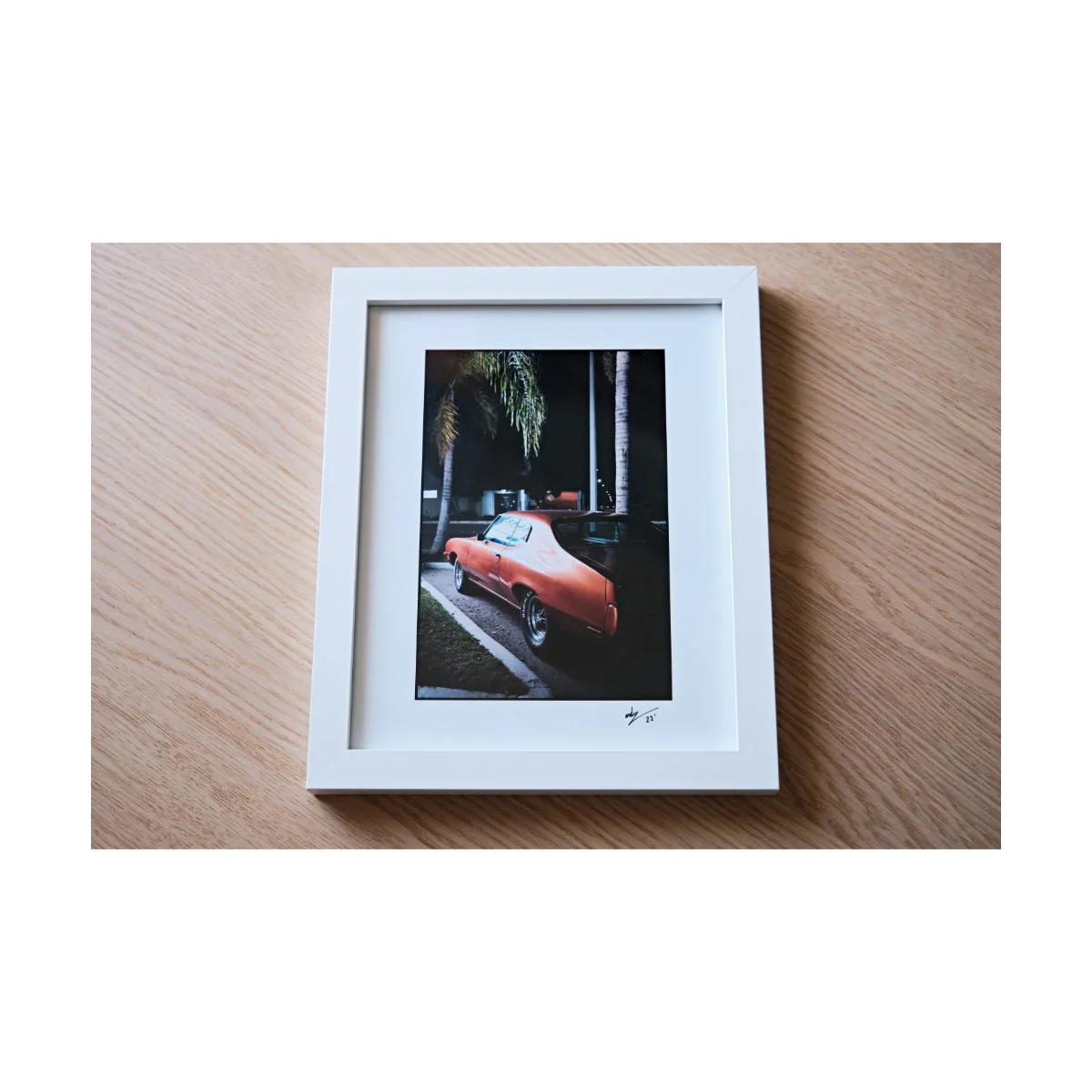
For many, the intermediate stage is “muddy”, almost like a swamp.
In here, there’s a lot of confusion, a lot of reality checks, and a lot of cynicism.
You’ll find that many talented photographers get stuck here because they’ve hit the next wall, don’t know how to overcome it, and are held back by their own hubris.
You’ll find a lot of spontaneous photographers get trapped here because they don’t know how to be consistent, and only do photography “every once in a while” or when they “feel like it”.
You’ll find a lot of constrained artists here: those that lack direction, don’t know what to do or build with their photography, or maybe lack the ambition to make something more.
You might even see a lot of “techy” photographers here, who get lost in the sauce of gear and consumerism, pixel peeping, owning cameras they never use, and consuming more than they create, never actually going outside to take pictures.
It’s here you’ll also find a lot of keyboard warriors: those that are always fighting or arguing in forums or comment sections, without much of a catalog to back their words.
It’s then the intermediate stage becomes a swamp, bogging people down and keeping them trapped forever.
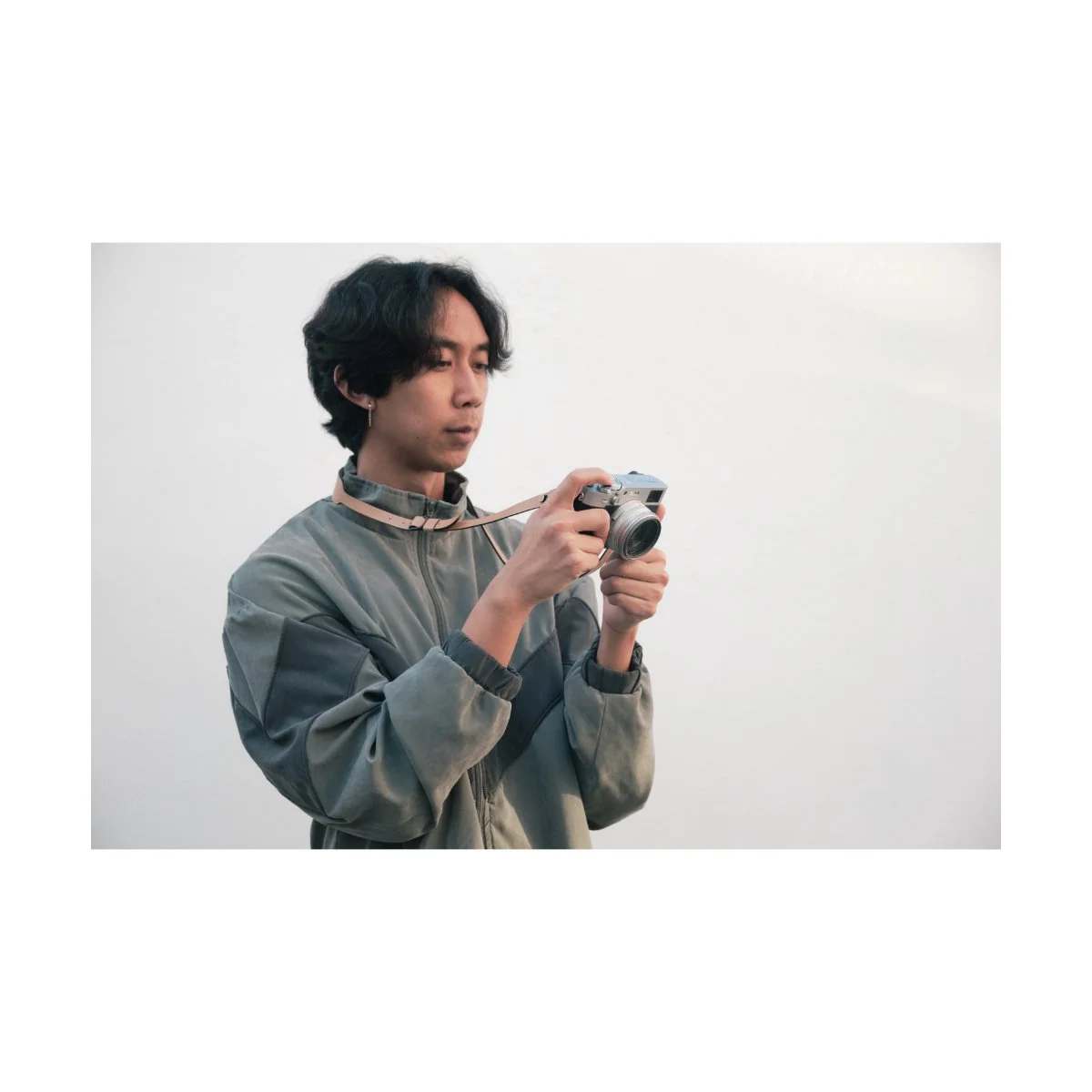
It’s technically an improvement from the beginner stage, because we’ve shed our naivety, but we’ve replaced it with cynicism.
Some say cynicism is the first step to wisdom - I would agree, as long as we don’t stop there.
My advice for someone in the intermediate stage is to:
First and foremost, don’t stop exploring your photography.
At this point in time it can get tedious or even weary to do photography.
Because you’ve been doing it for a while, but the beginner’s motivation has worn off.
So a lot of people stop here, and jump ship to another hobby they find more interesting, new, and exciting.
And their photography stagnates because of it.
Some photographers may even experience burnout or quit completely here.
But if you can figure out a way to stick with photography, find ways to make it fun or exciting again, and still remain just as curious as you were when you just started, you can bridge the gap to reach the next stage.

In my opinion, this is where photographers need to build systems.
Habits, practices, and mindsets around the craft of photography and what/where they want to go with it.
That way, they can keep going without inspiration or motivation, it just becomes a part of their life.
There’s a productivity element to this, knowing how to be consistent, disciplined, and reflective (paying attention to and working on your weaknesses).
You may also have to break or discard your past mindsets about how you used to think about photography and how the world worked, because they’re no longer serving you and are now holding you back.
Breaking through this stage separates the more serious and aware photographers from the dabblers and cynics.
If you want to learn all the things that helped me get through this stage, I made a full course on it called Photography Systems.
Check it out if you feel stuck.
The beginner stage can last a few months to years, while the intermediate stage can last a lifetime.
But if you fix these weaknesses, change those mindsets, build those systems like we talked about, you’ll find yourself in the advanced stage.
Which, is actually a pretty nice place to be.
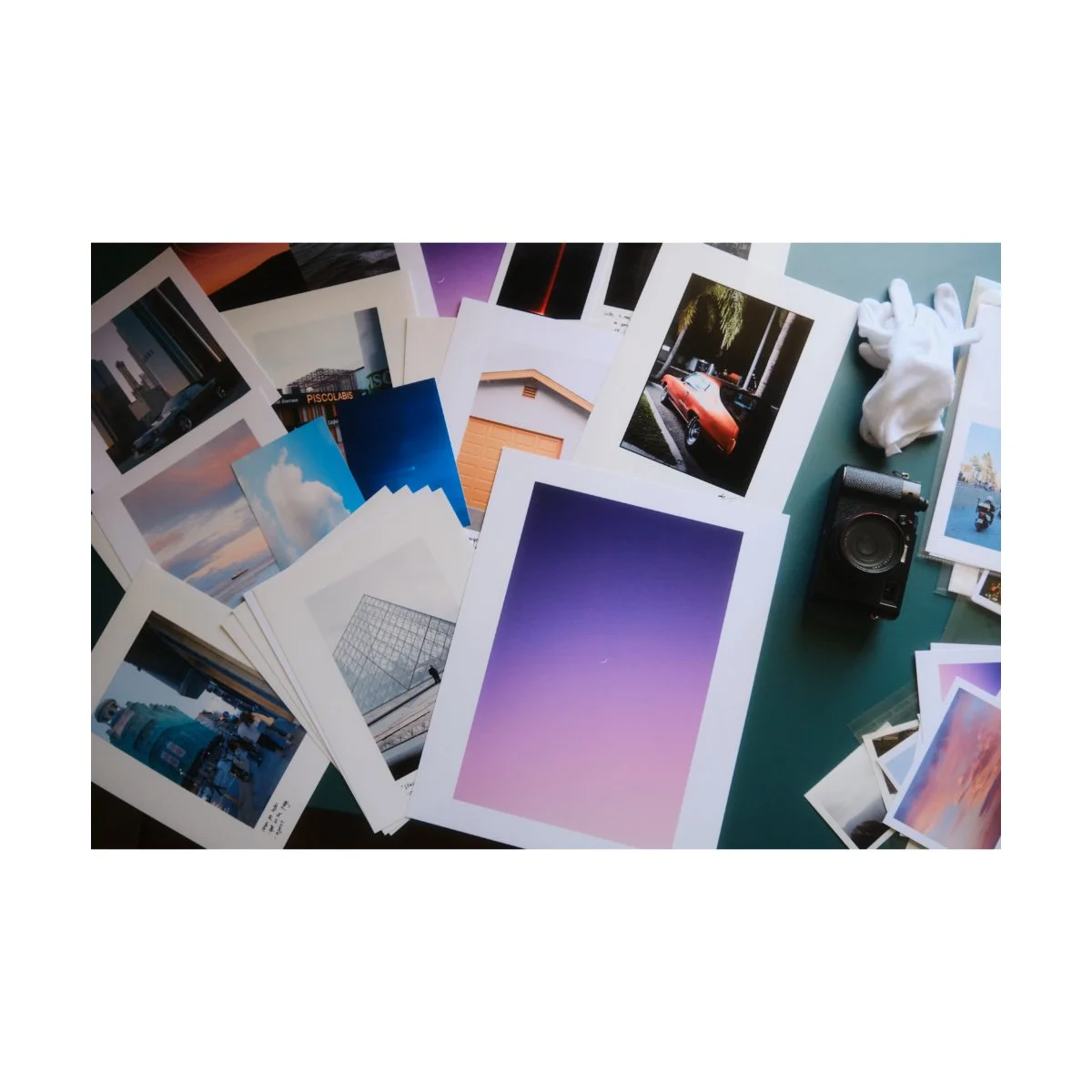
Stage 3 - Advanced (the aware)
Several years ago I burned out with both photography and YouTube.
I felt like I was trapped, unsure of what I was supposed to do or even wanted to do.
Doing this stuff felt like a drag, like I was doing the same thing over and over again with minimal results/improvement and no point to it all.
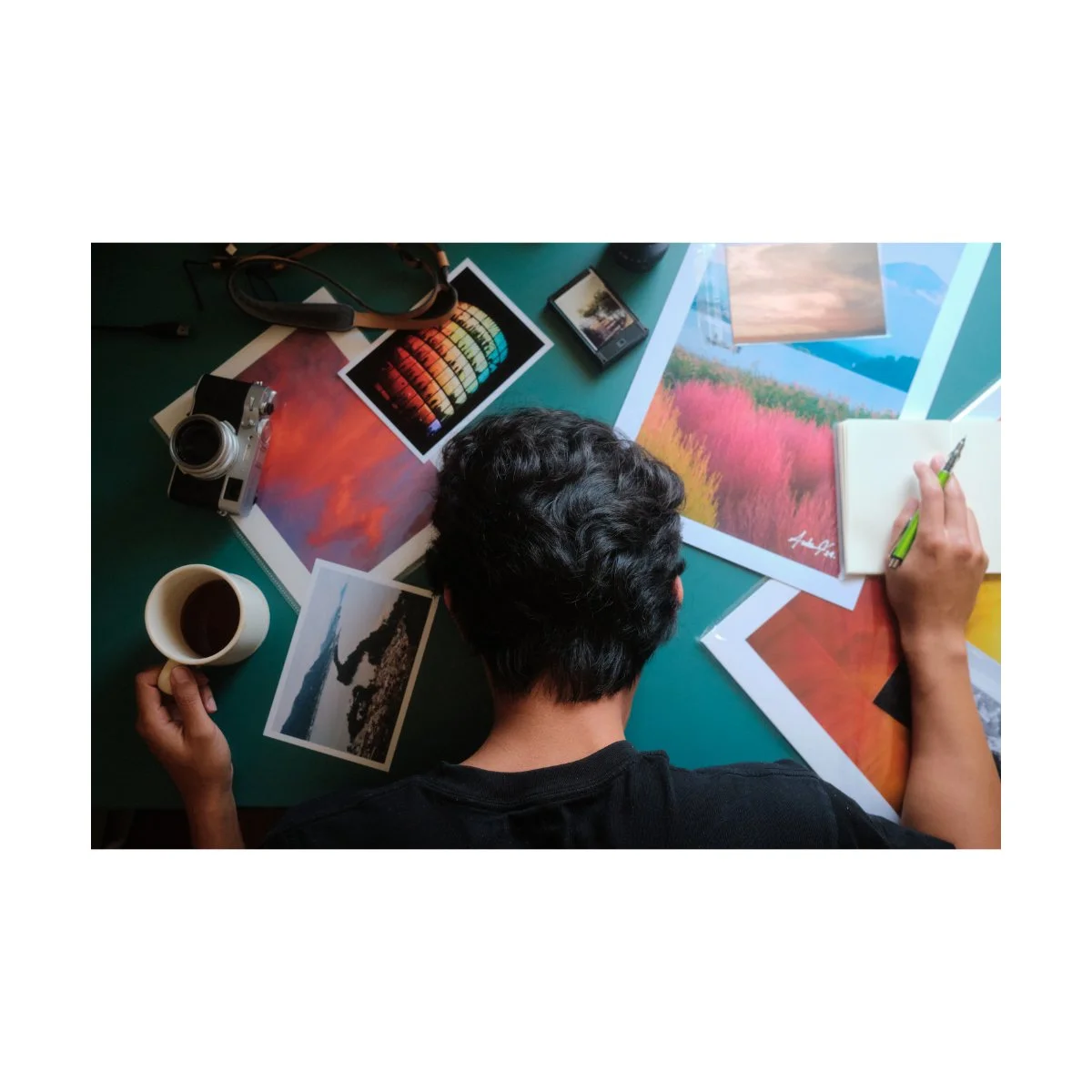
From there on, I took a break.
Occasionally, I would make videos or take pictures, but never really consistently, and only when I “felt like it”.
This pause allowed me to reset, and take some time off until eventually, I found my drive again.
I started making videos again.
I found a new project I wanted to put my time into, which eventually led to the release of my first photography zine, “The Sinking Sun”.
And I understood what I was doing wrong in the past and how to fix/go about things now.
You see, what got me through the swamp of the intermediate stage wasn’t a massive level up in skills.
But rather, a couple of mindset shifts, learning and creating a better way of doing things (via systems), and discovering what it was I actually wanted to make.
I needed to change my perspective on mastery and the craft as a whole, stop being so cynical, and stop thinking I “knew everything”, because I clearly didn’t (and still don’t).
That opened up the gateway for me to learn from others, who had already been on the path I was on, and made it through.
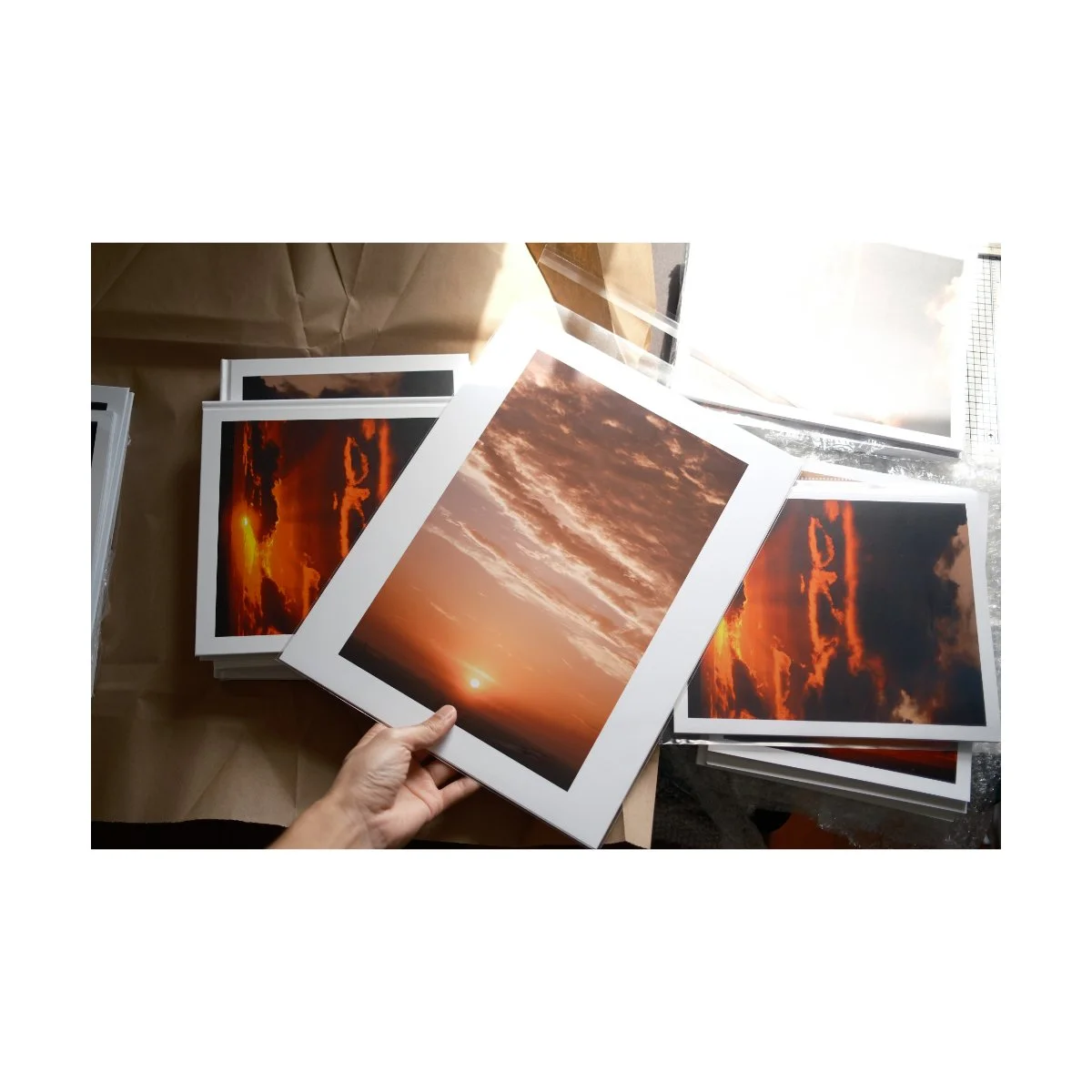
I also needed to create some productivity systems and habits around my lifestyle, so I could approach photography and YouTube more systematically, without relying on motivation, willpower, or discipline to get things done.
And I needed to find and understand that photography is self-assignment, and to focus on creating the projects I was genuinely interested in, rather than pursuing what everyone else was doing.
That, in my opinion, is what helped me get to the next stage of photography mastery, the advanced/aware stage.
And it had nothing to do with taking better photos, but everything to do with how I looked at and viewed the craft.
Advanced photographers have seen it all, the trends, the loops, the gear acquisition syndrome, the flip flopping of genres or hobbies.
They’ve done it all themselves, made a lot of mistakes, but eventually learned from it and figured it out.
Advanced photographers know who they are and where they want to go.
And their photography is in pursuit of that, not what everyone else is doing.
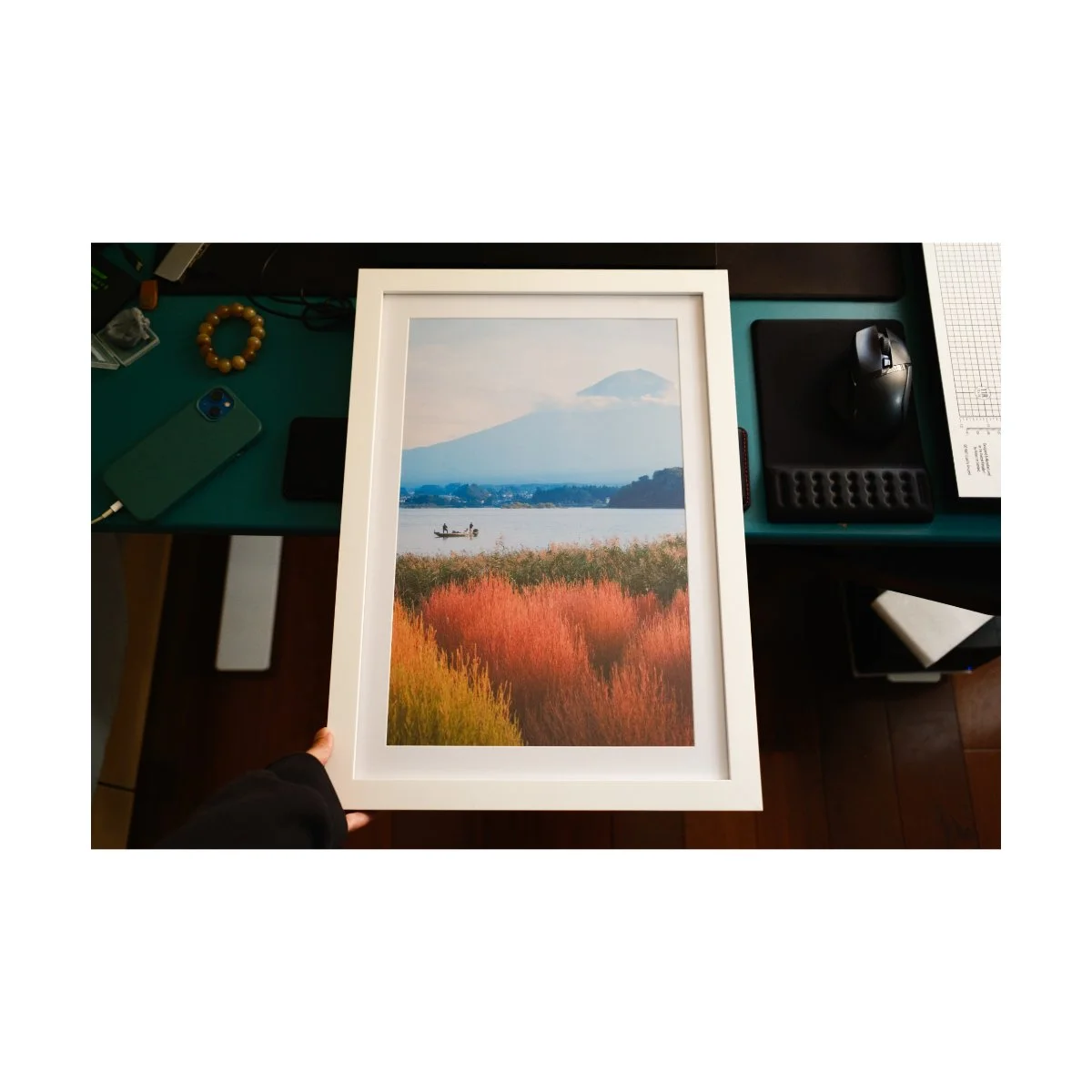
With this perspective and direction, comes a lot of clarity, and that’s why there’s a newfound sense of enjoyment.
Because when you know what you want to do and how to do it, you can just focus on doing it, and ignore everything else.
And that feels great.
You stop caring about what that other photographer is doing or what other attention they’re getting, because you’re focused on your work, which is more important.
You stop bouncing from gear to gear, upgrading and buying the next big thing, because you know that all you need for this particular project is this camera you already have.
It’s there, photography moves from a technical based craft to an artistic based craft.
You care more about the photos you’re taking and what you’re trying to express or make with them, than the resolution or how many megapixels you’ve got.
When you embrace the story, the themes, the aesthetics, and double down on them, the confusion washes away.
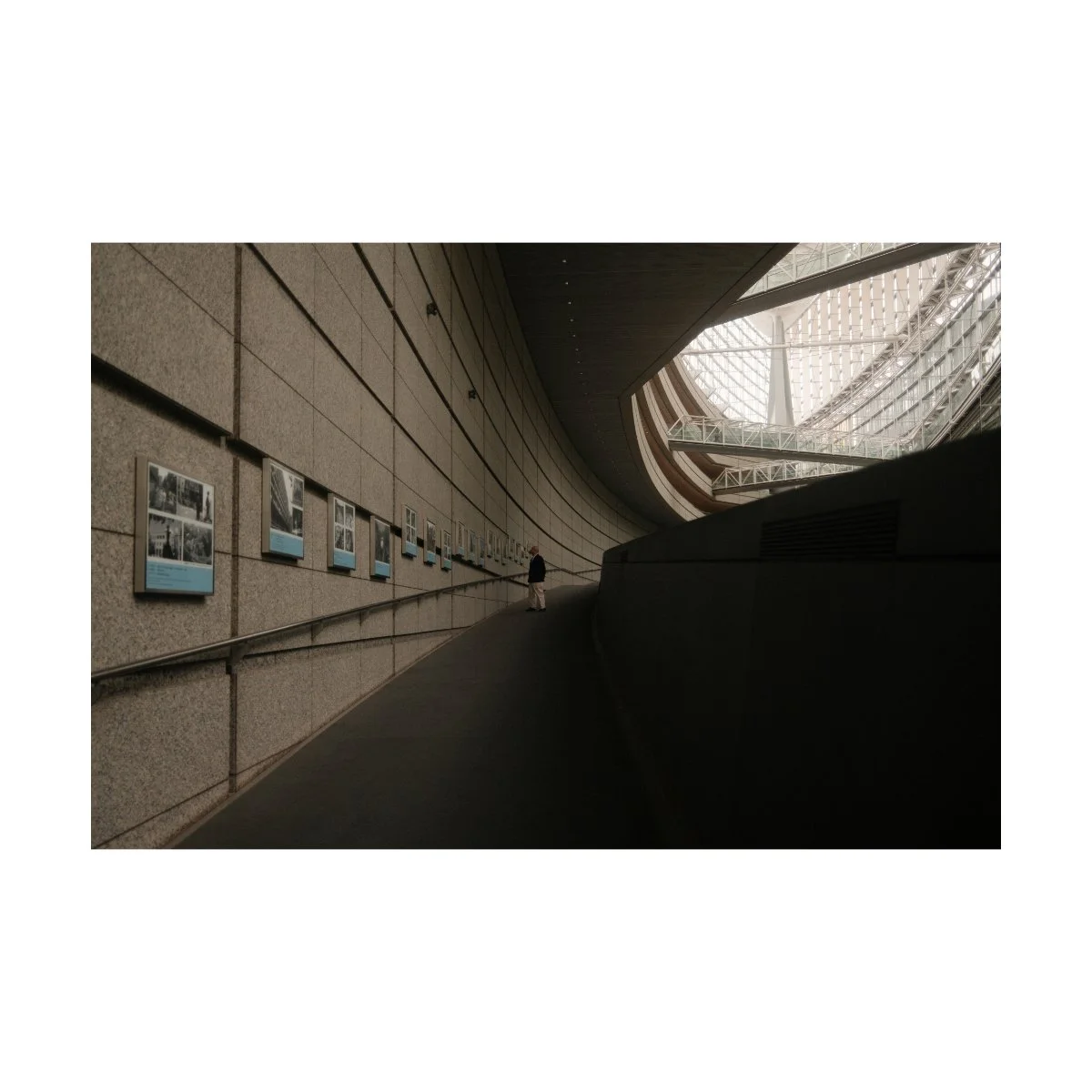
That’s what I mean when I say the difference between intermediate and advanced isn’t skill level.
Because you can have a more skilled intermediate level photographer that lacks purpose or direction, or is blinded by his own cynicism.
And you can have an advanced, perhaps less technical photographer, that knows what he wants to capture and is solely focused on that.
That clarity will grant him/her better results, create work that connects more with people, and have him focused on the right things - so mentally, he’s in a better place.
This has nothing to do with whether you’re a working/professional photographer or just a hobbyist.
Because many professionals can still be cynical and not be really invested in what they’re doing - it’s just a job and they’re just going through the motions.
Again, this is just my definition of the stage.
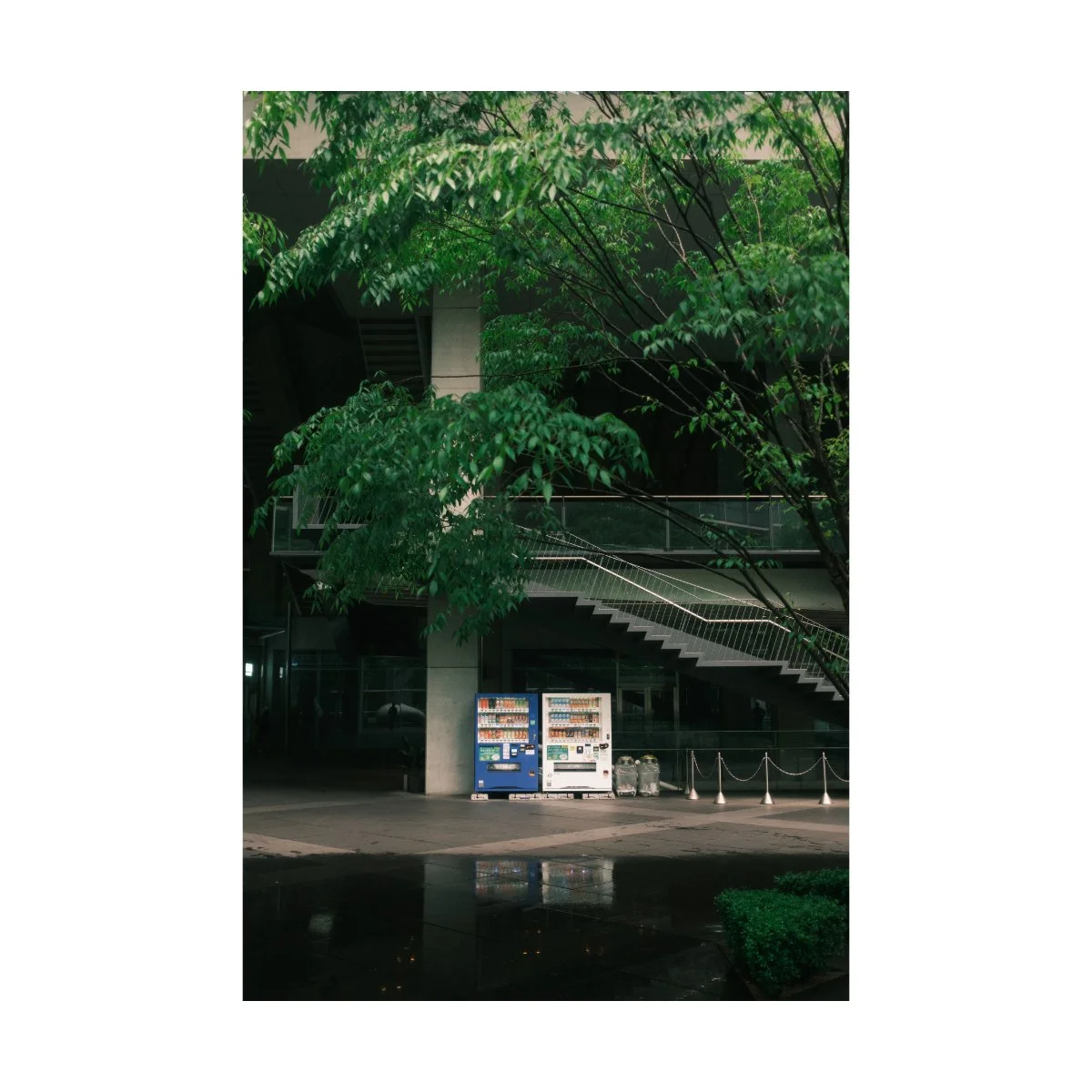
My advice for advanced photographers is to:
Stick to what it is you know and want to do.
Stop comparing yourself to other photographers that may also be good, because you’re different, and comparison is the thief of joy.
You can appreciate, respect, and learn from without comparing negatively.
Similarly, take and learn as much as you can from other people, even non-photographers like athletes and musicians.
Learn to go “pro”, treating the craft like how an athlete treats their sport, and be okay with being obsessed with a certain topic for a long period of time.
Minimalize your kit such that you only have what you need/will get you the best results.
And make some great sh*t.
A lot of people might not get your work, and may think, “Why is he/she spending so much time and effort doing this?”
But that’s the reality and nature of art: not everyone will get it.
But if you want to make it, it’s worth it - and not a waste of time.
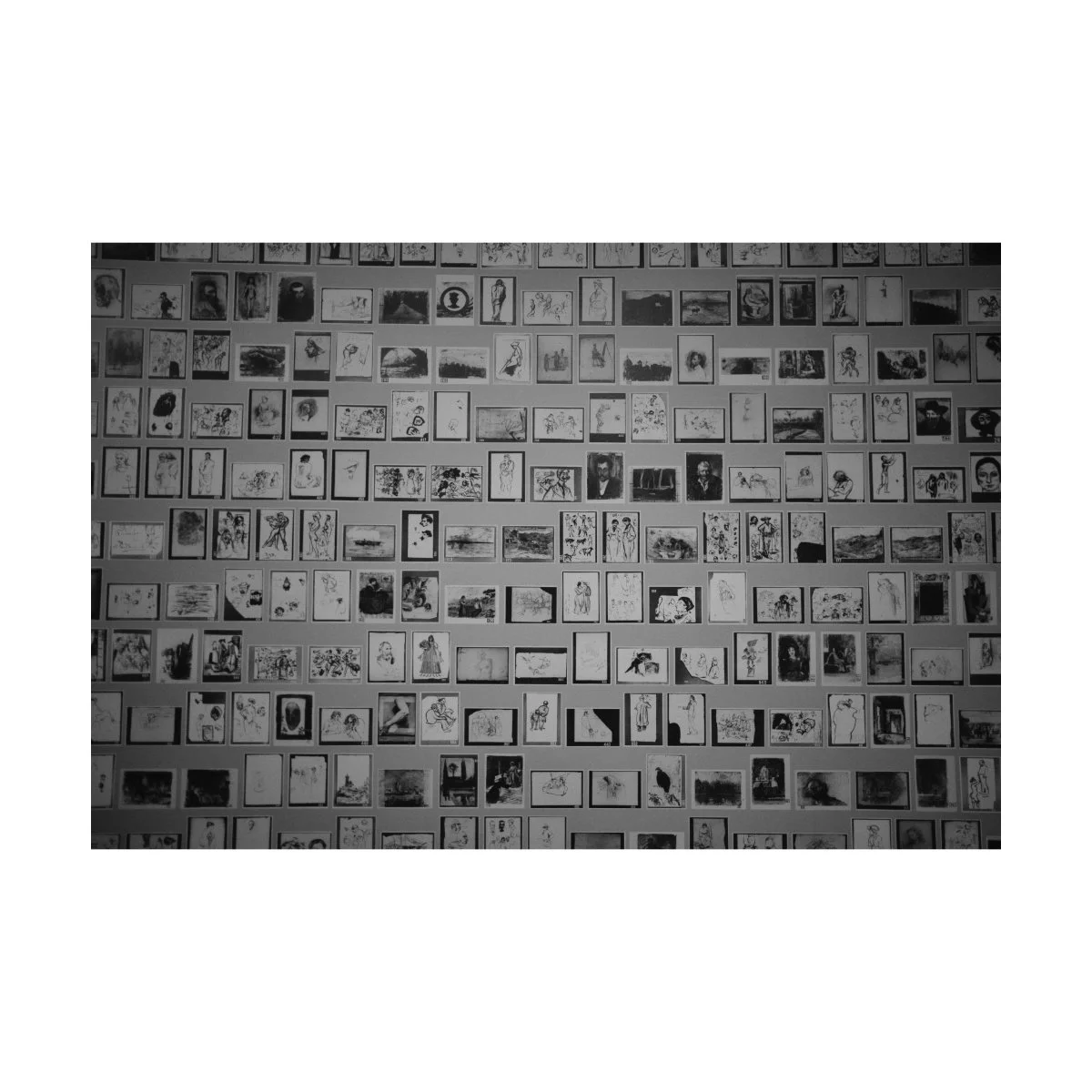
Stage 4 - The Expert/Master
The final stage of photography mastery few people ever reach.
This is stage four, the “expert” or “master” stage.
Stage four is where the elite of elites are.
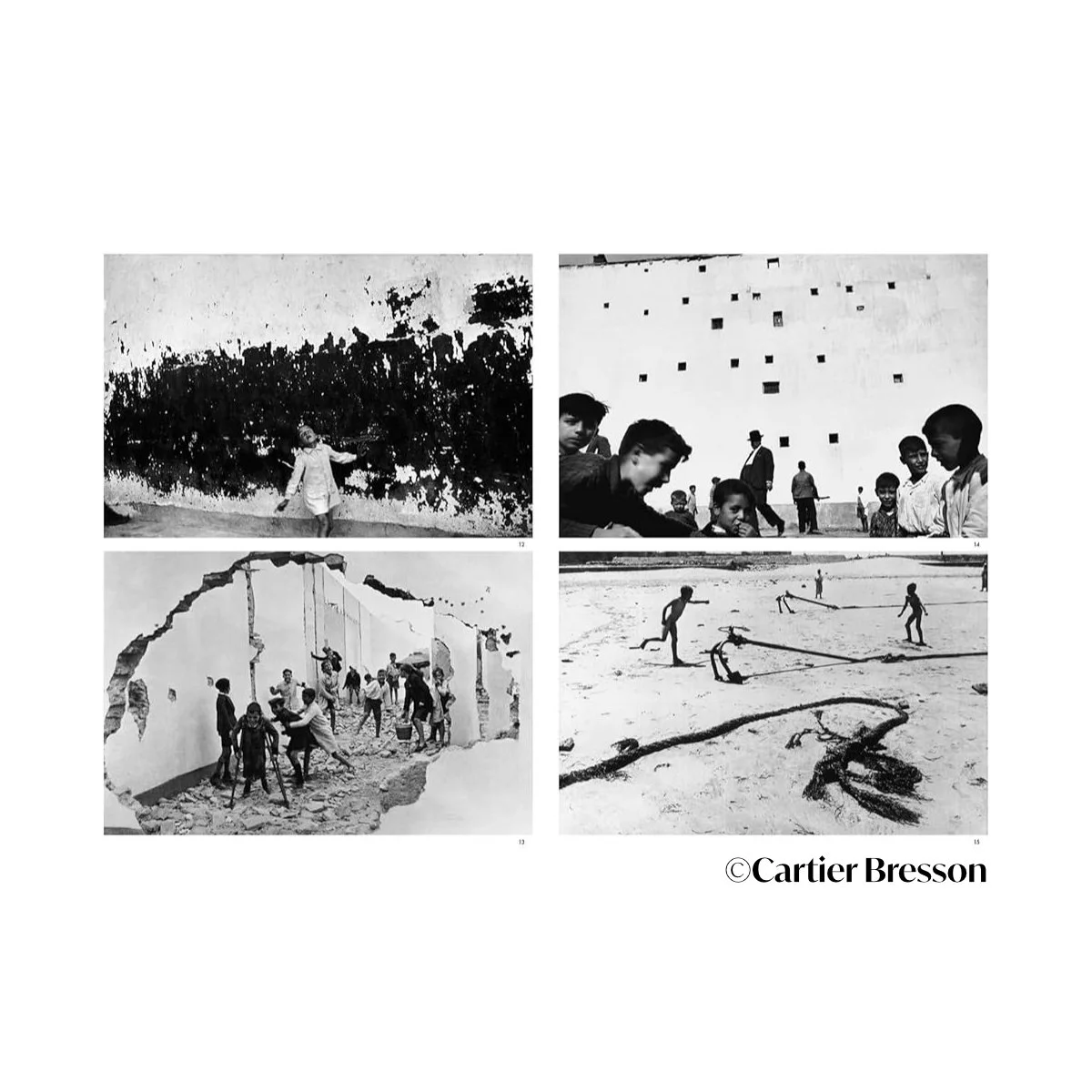
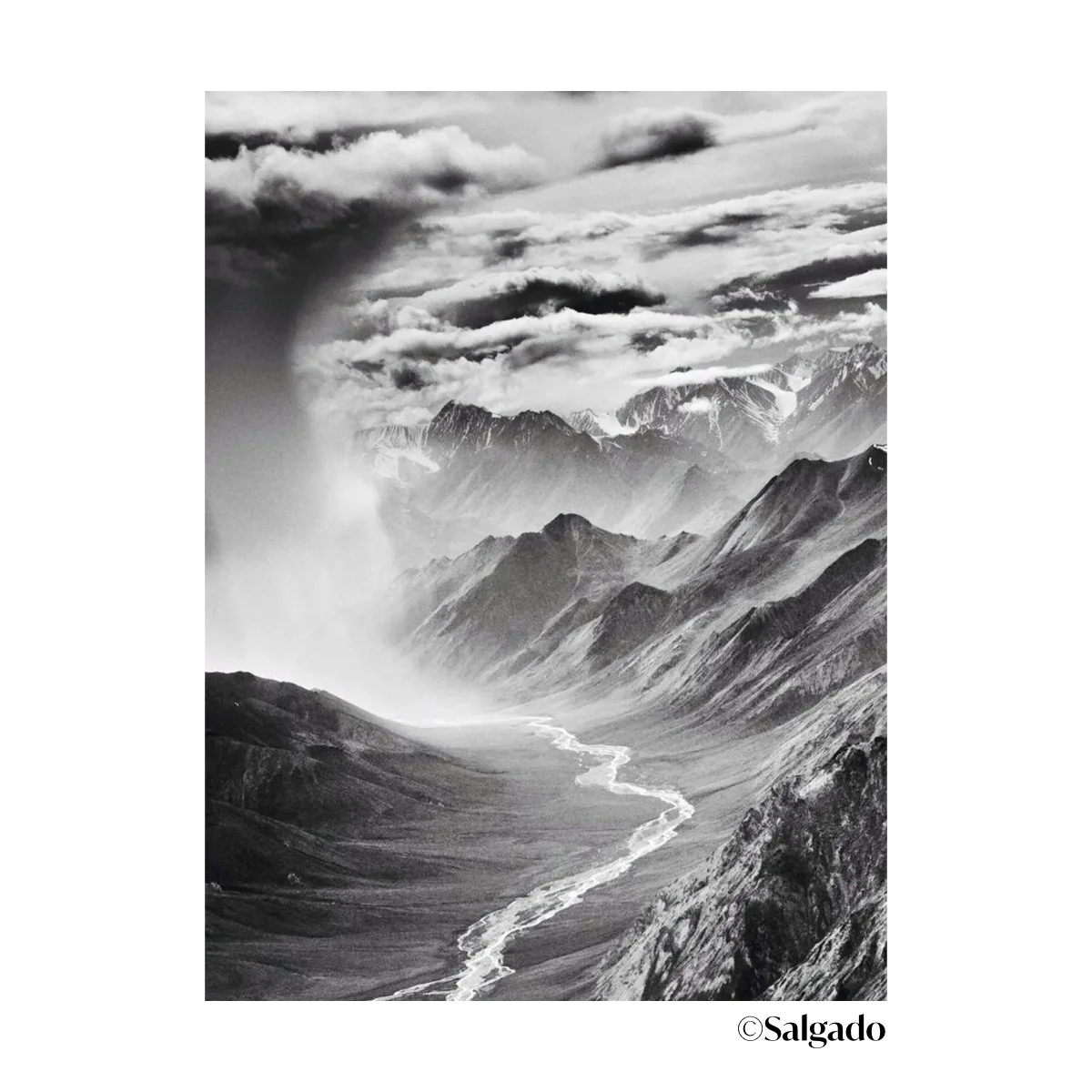
The Salgados, the Cartier Bressons, the Ansel Adams’.
The photographers you know and look up to are all here, and there are only a few of them.
What separates the experts or the masters from the advanced stage is a combination of skill and time.
You see, you can reach the advanced stage through awareness and direction.
But to be an expert or master, you also have to be “world-class” in what you do.
Meaning you’ve probably put in well more than 10,000 hours/iterations, and that reflects in your photography, such that most people can see it.
They get it at a moment’s glace, without having to be told.
To become a master you basically have to be obsessed, and this is your life.
You’re drawn to or captivated by a certain topic, story, or the craft itself, and this is what you do.
And with that obsession, comes a consistency to do something all day every day for 10-20 years.
It may mean working on a serious or meaningful project that goes beyond photography - telling a story about something greater, just shown through your photos.
Or perhaps you’re a pioneer in the field, doing something new and different at an exceptional level that changed the game.
Most photographers will never reach this stage, and that’s actually okay.
I myself am very obviously not in this realm.
But I actually don’t even know if I want to be there, because I’m having a lot of fun with photography now.
You see, becoming a master requires a lot of sacrifices, some of which we don’t want to make.
Spending that much time and attention on something can take away from all other aspects of your life, whether it be your health or relationships.
But I think most photographers, if they can get past the swamp of the intermediate stage, find what they want to do and actually get into the process of doing it, will see photography as a very fulfilling endeavor, even if they’re not “world-class”.
That, in my opinion, is where the true fun of photography is.
Where you’re:
finally good enough to be able to take the good pictures you’ve always wanted to take
but are aware enough to not be distracted/chained down by the other stuff in photography
but also have a clear vision and direction for what you want to make, and are in the process of making it
and also not be so torn by photography such that you still have a life, relationships, health, etc.
That’s a really cool place to be in.
Because then, you’re doing “the photography thing”.
You’re living the dream, just without all the silly negatives and distractions.
So, those are the four stages of photography mastery and how to get through each (at least how I see it).
If you can relate to each stage or have advice for how you got through each hump, leave your story down in the YouTube comment section.
If you want to learn and build the basics for the beginner stage, check out Photography Essentials (it’s free).
If you’re currently stuck in the swamp of intermediate photography and want to get to the advanced stage, check out Photography Systems.
Otherwise, thanks for reading, happy shooting, see you next time.