I Changed My Mind, This Fujifilm x100vi Feature Is Actually Great.
Believe it or not, I used to hate this feature on the Fujifilm x100vi.
Well, maybe not hate, that’s kind of a strong word.
But more so, didn’t see the point of, and never used.
That feature being: the digital zoom.
9 years ago with the x100F, Fujifilm added a digital zoom, allowing you to “zoom in” to 50mm and 70mm on an otherwise fixed prime point and shoot camera.
Personally, I liked the commitment to one focal length, so I always found the digital zoom to be a bit gimmicky, and against the point.
Furthermore, I could always crop later in post, I’m getting a lower image quality, and also teaching myself bad habits instead of moving my feet.
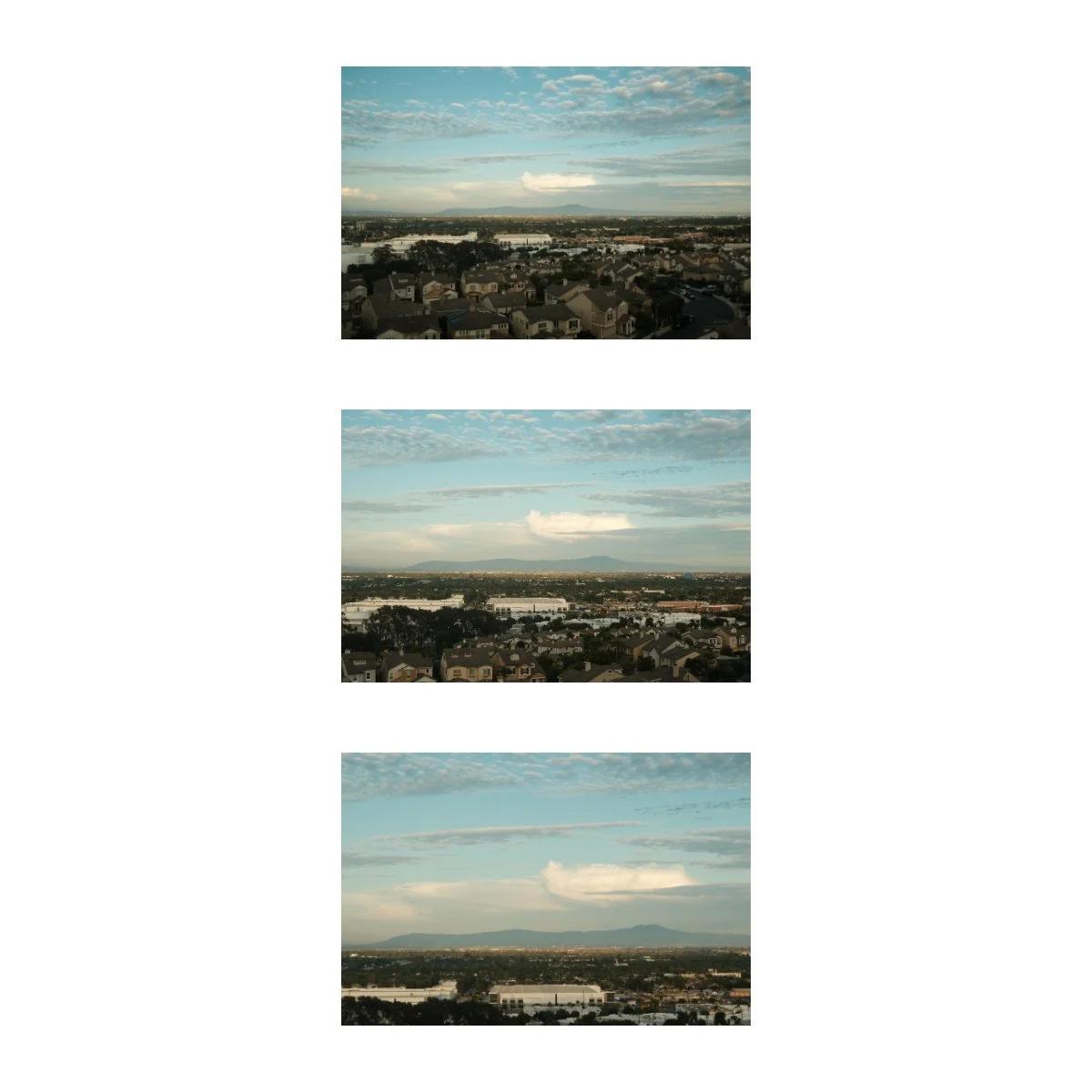
Top to bottom: 35mm eq, 50mm, 70mm
But lately I’ve made an effort to experiment, try out, and use the digital zoom on the newer x100vi, just to see how well it works.
And because of that, I’ve actually changed my mind.
It’s not perfect, but when used right, this feature is actually pretty great.
So today we’re going to break down the digital zoom, how it works, why it works, and why it’s ironically become one of my favorite features on the VI.
Let’s get started.
What’s the point? How does it work?
So, the digital zoom, how does it work?
Well, operating it is easy.
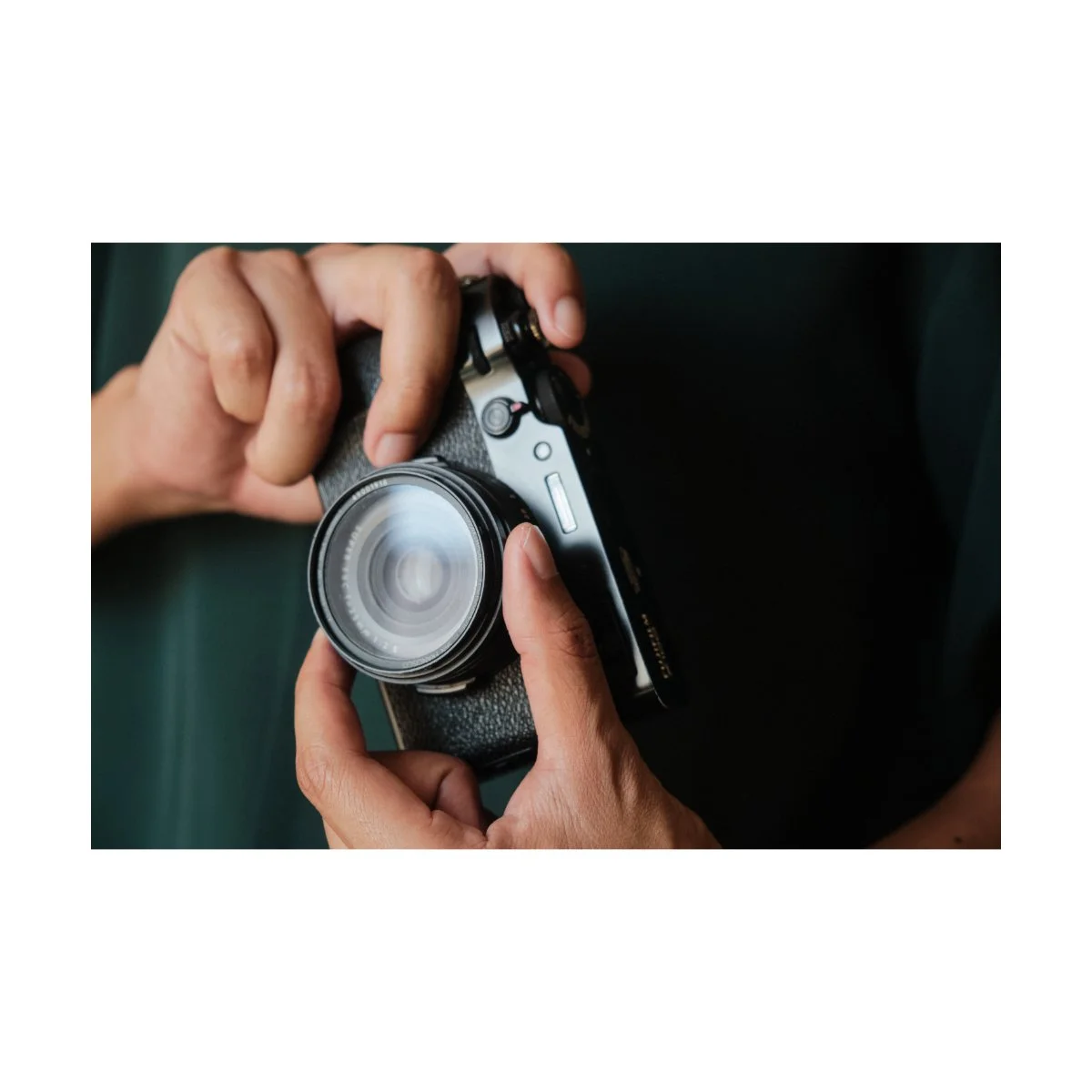
To access the digital zoom feature, all you have to do is rotate the manual focus ring on your VI and “zoom in” much like you would on an actual lens.
Then, you can zoom in to 50mm and 70mm, and back out to 35.
Practically, I think this is great in the real world.
Although the focus ring of this camera can get somewhat stiff, it’s still the setup that makes the most sense.
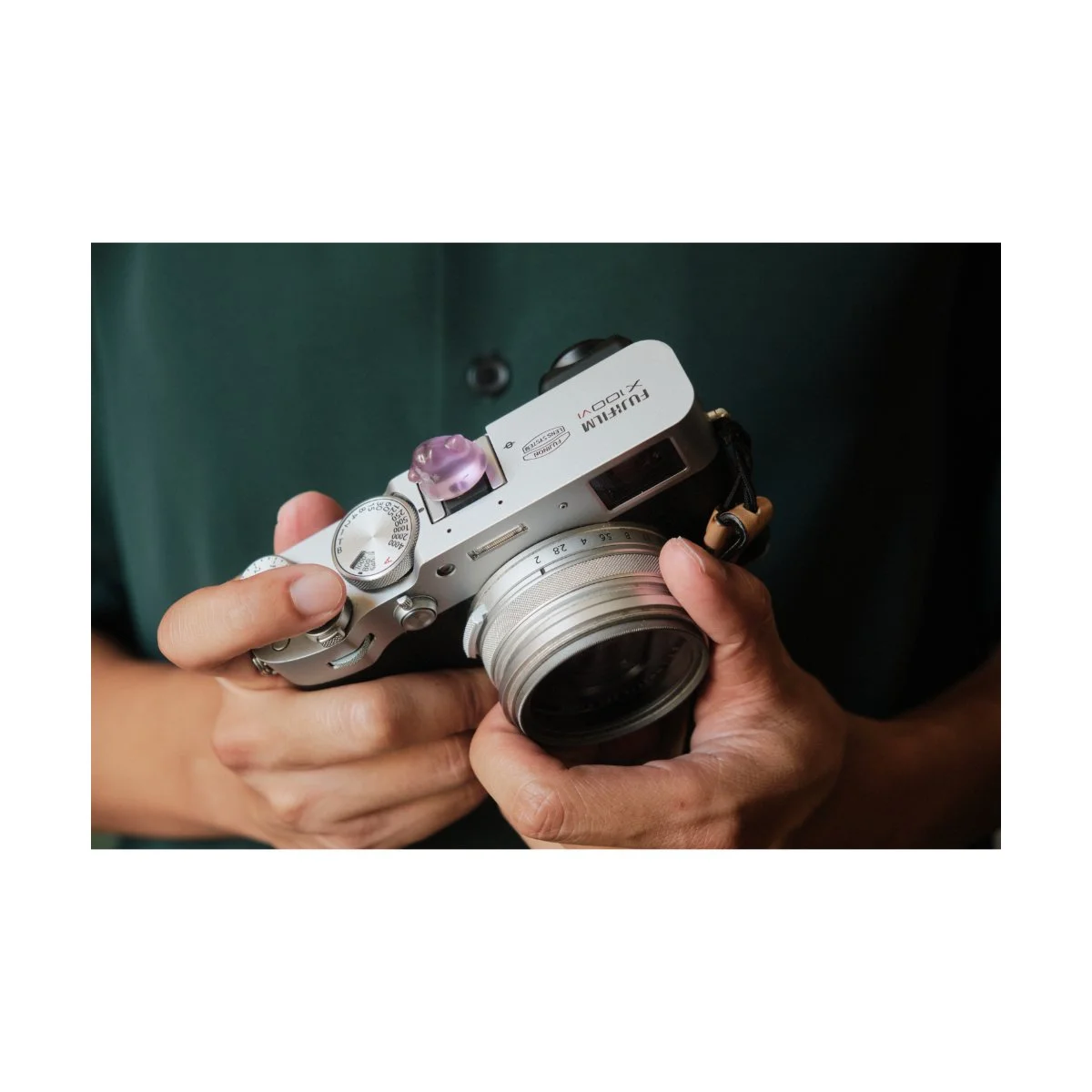
Without getting too technical, in the x100v, the digital zoom was done through an “in-camera pixel interpolation”.
You’d take a picture with 50 or 70mm and the camera would generate new pixels to fill the gaps.
Some liked this and found it to be effective; I personally have always thought the image quality was a bit lacking.
This was primarily because the V only had 26.1 MP, which wasn’t bad, but not the ideal for zooming in.
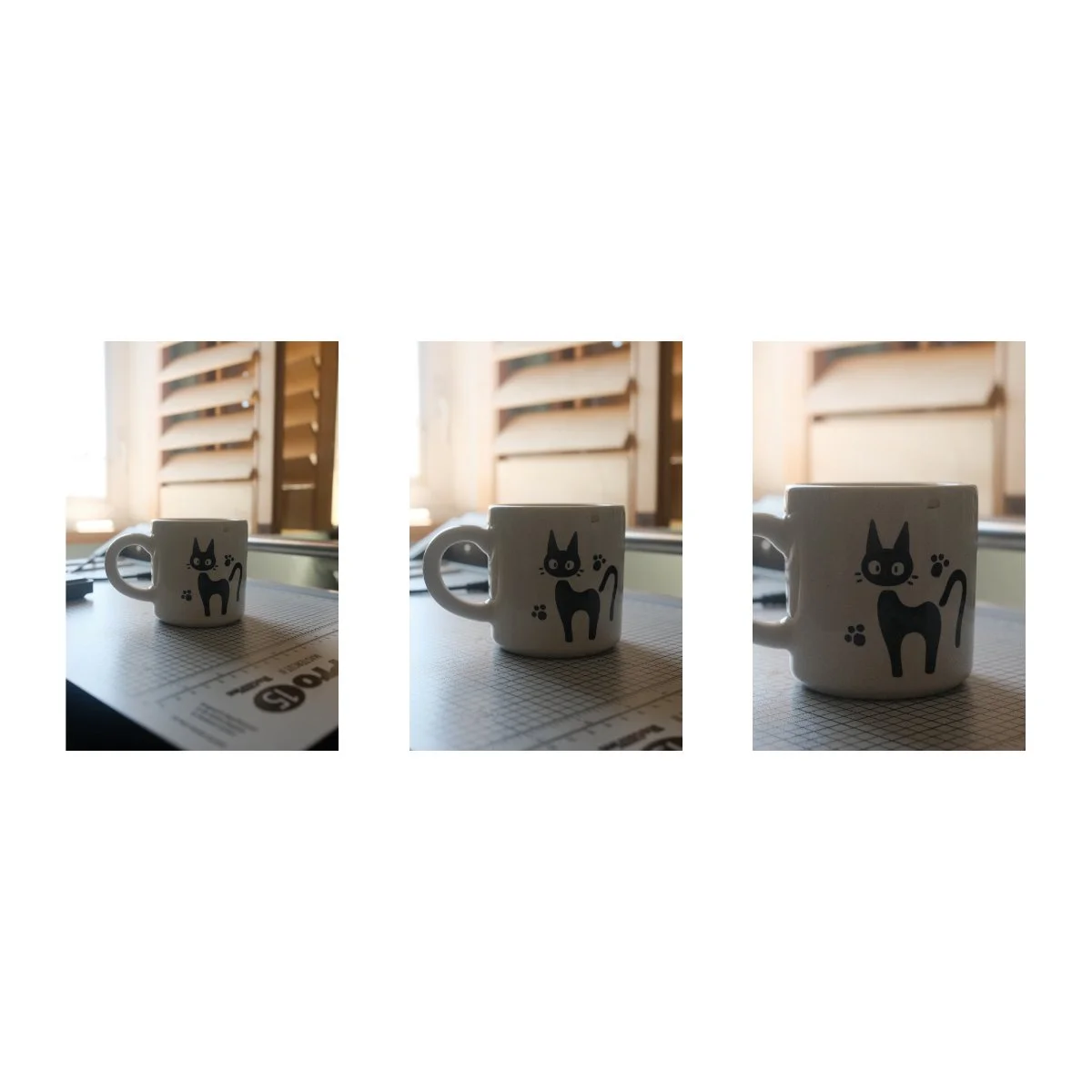
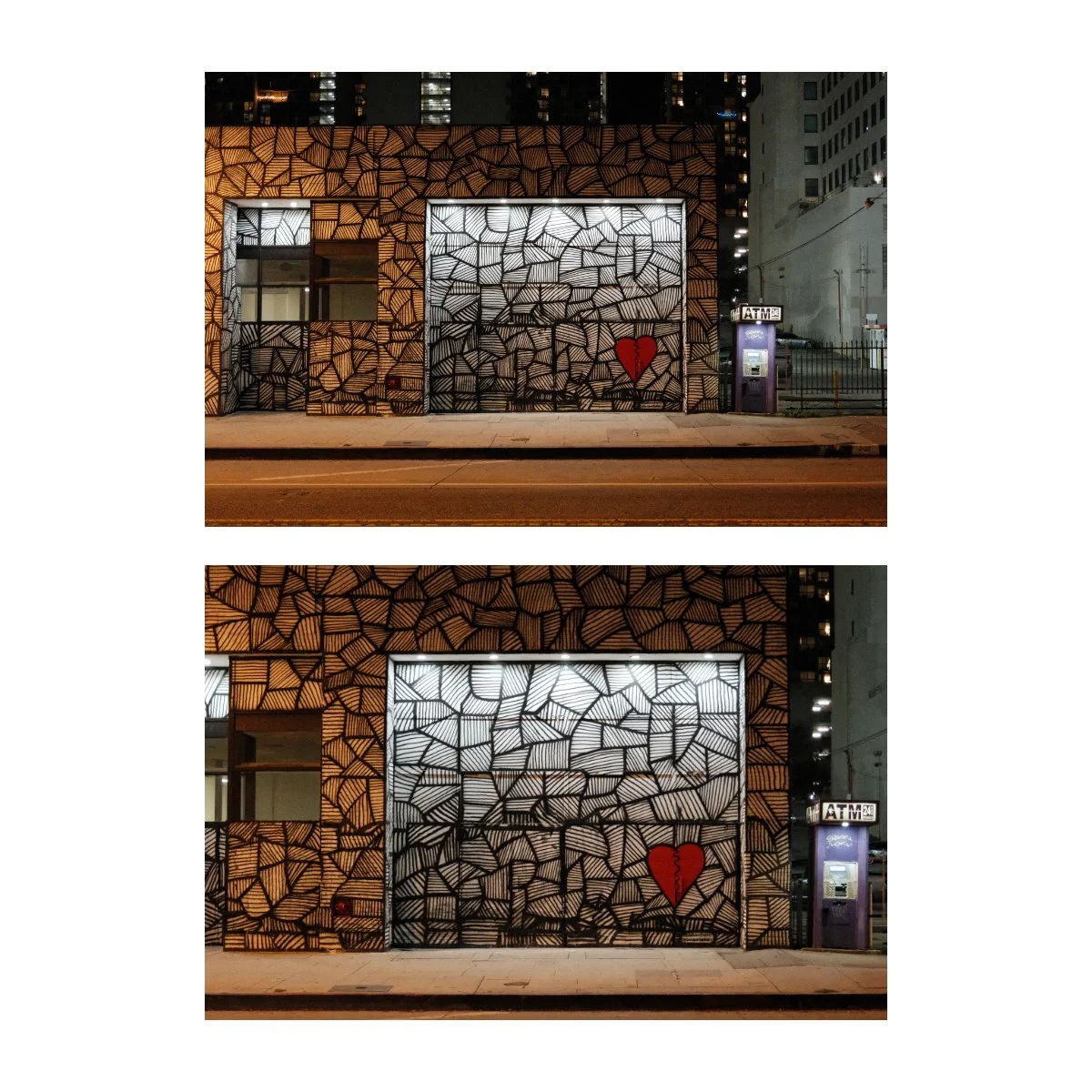
Left to right: 35mm eq, 50mm, 70mm
What makes the VI different, and presumably better, was the upgrade to 40 megapixels.
Because of this upgrade, there’s a lot more information packed into the same amount of space, increasing the possibilities with the same features.
Also in the VI, Fujifilm changed their in-camera pixel interpolation to a more standard direct sensor crop.
Which honestly, might sound like a downgrade at first.
Because the digital zoom feature simply crops in on your image instead of generating new pixels, meaning the pixels you have are the pixels you get.
But the reason it works, as far as I can tell, is because the big increase in MP probably matters more than the in-camera generation.
I guess a direct sensor crop is more “organic” since you don’t have to generate pixels that weren’t naturally captured by the camera.
Again, we’re not gonna get super technical here, I’m just assuming that’s why Fuji did what they did.
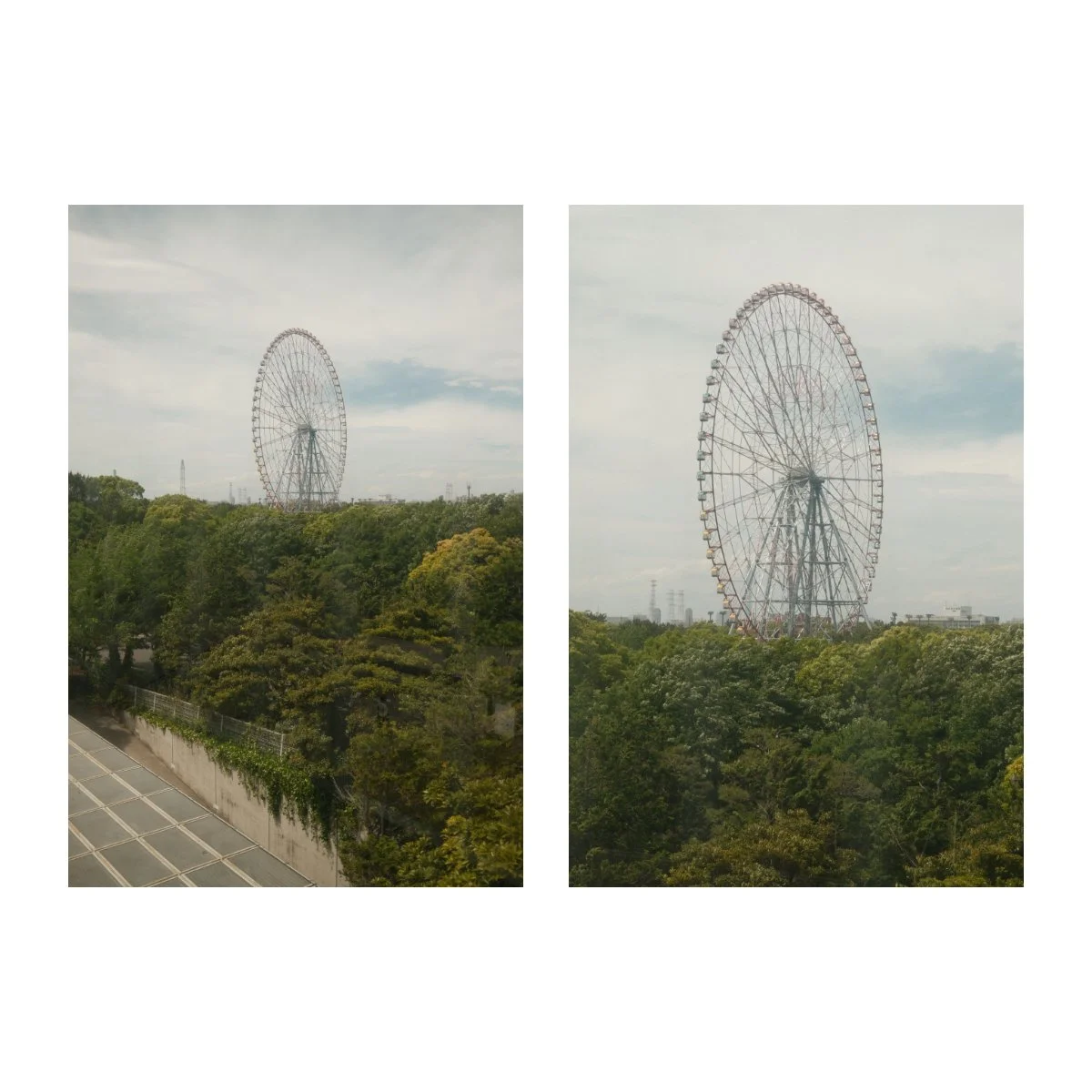
So, now that we understand how this feature works, why would it be a downside?
It’s there if needed, we don’t have to use it if we don’t want to, and having the option is better than nothing, right?
Well image quality aside, I think a lot of dissonance came down to the philosophy of the camera.
It being a fixed lens point and shoot, I wanted to use the camera for what it was made for, the 35mm eq.
It didn’t make sense for me to buy a camera with a set focal length, only to use a digital zoom to take pictures.
But that was before I learned to treat the feature like an accent, rather than a primary function, so let’s talk about that.
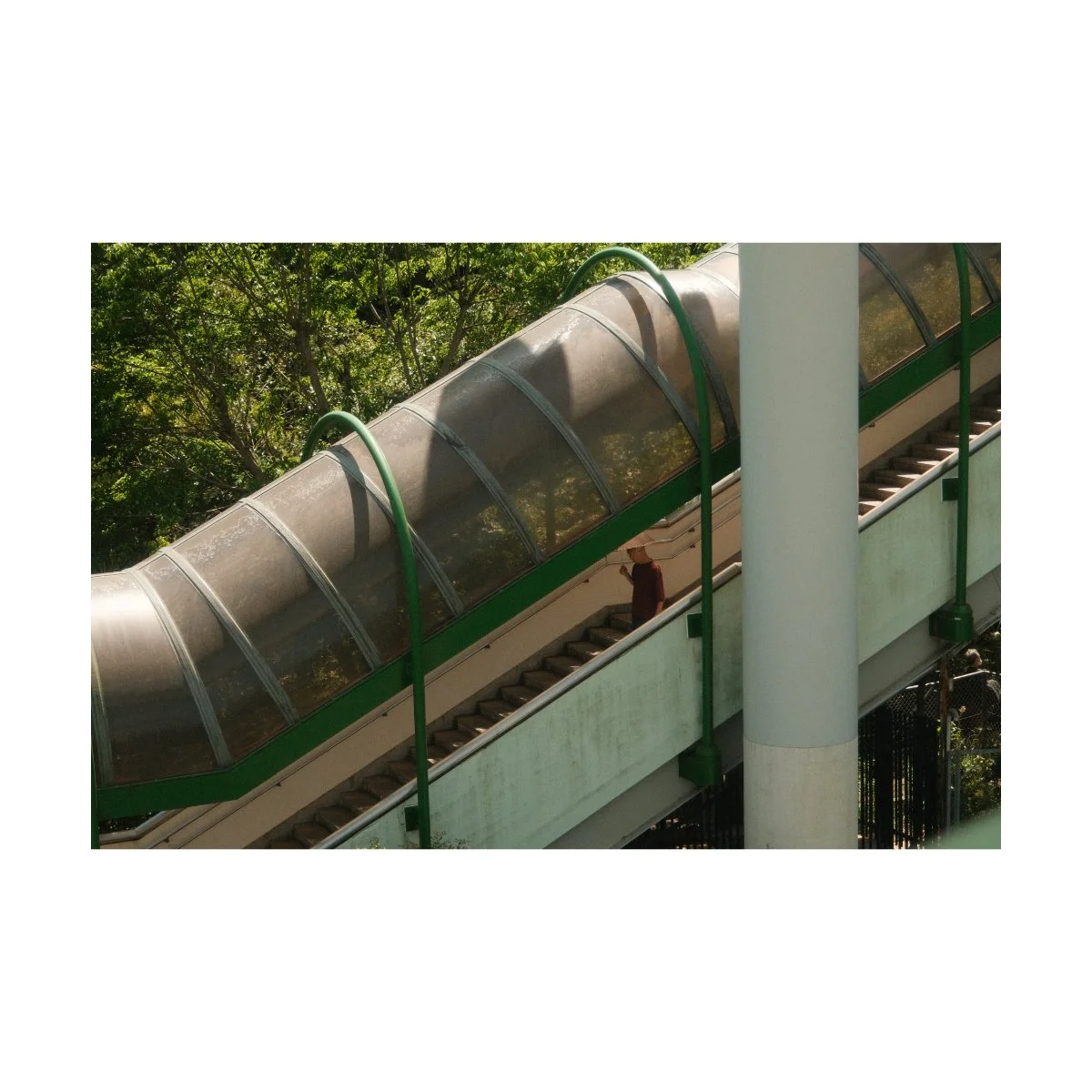
Is It Practical? Is It Worth Using?
Now that we understand how the feature works, how does it affect our real world photography?
And is it worth using based on that?
The obvious first question being:
If you’re just going to crop into the image anyways, why use a digital zoom when you can just do it in post?
Which is a pretty logical question.
But, if you’ve ever spent some time with normal zooms before, you’ll know that composing a shot real time is very different than simply cropping in Lightroom.
Take some of these shots for example.
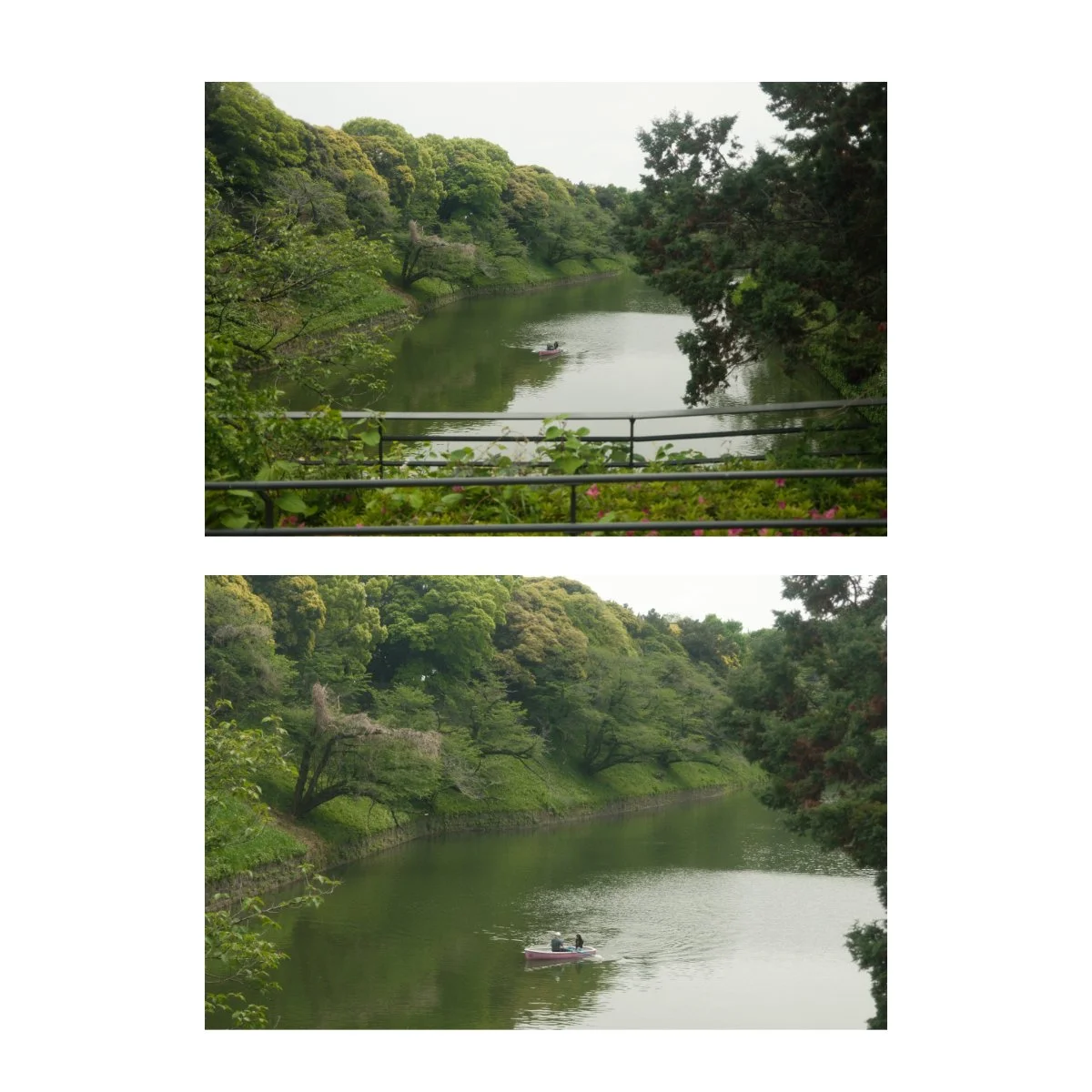
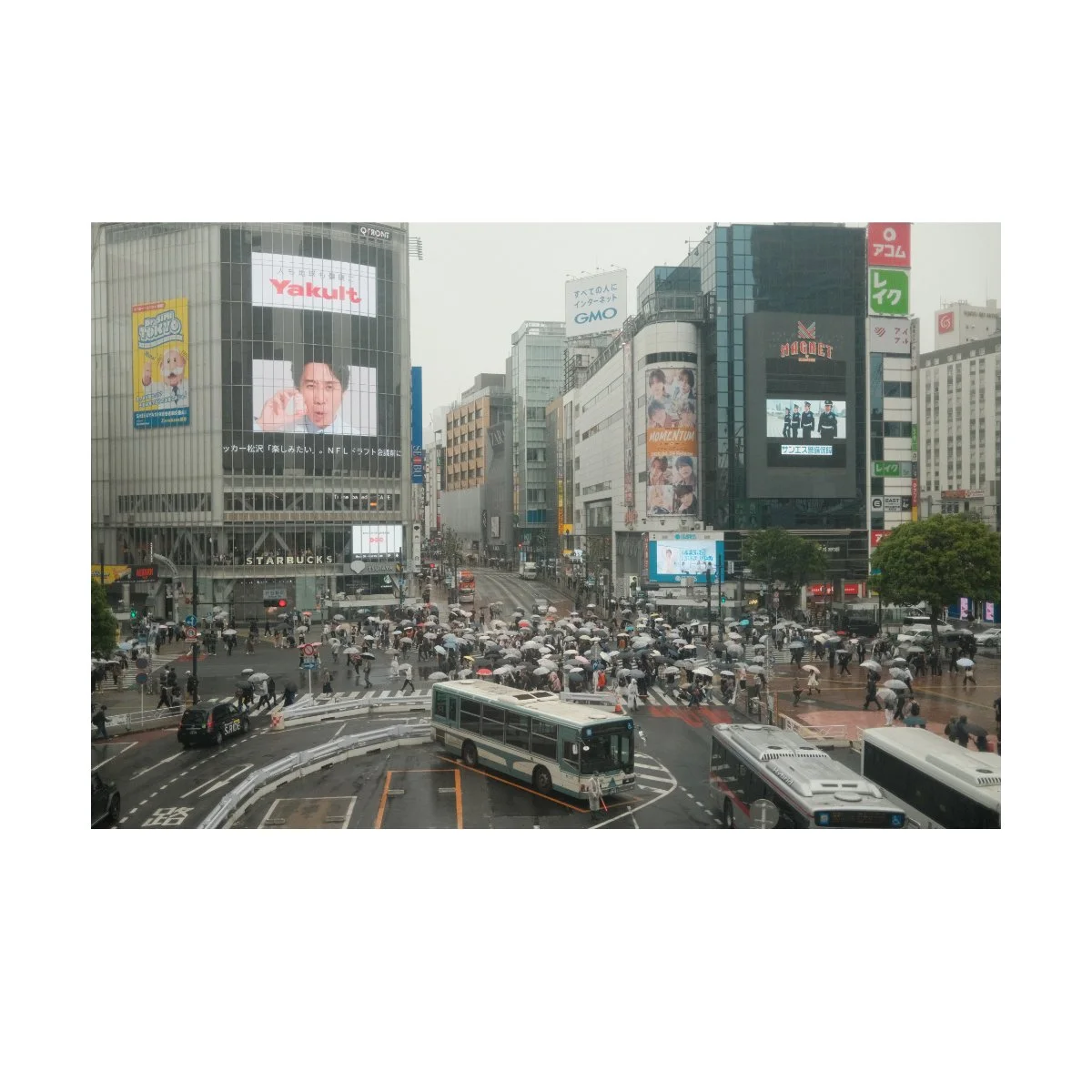
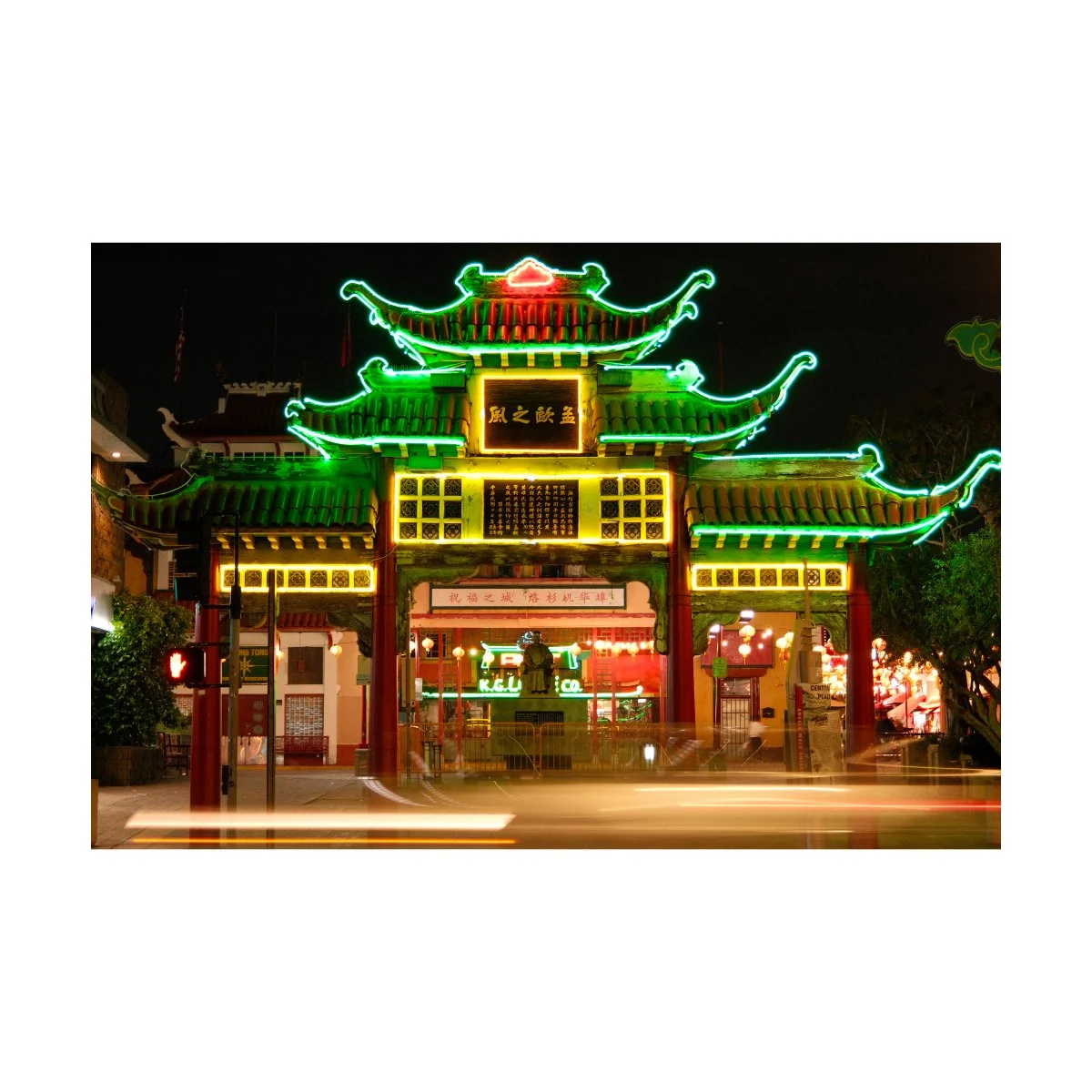
These were a few photos I took around the imperial palace in Tokyo with the VI.
When I was shooting with the standard 35mm, all I could think about was the larger scene or shot.
But, when I zoomed in to 50 and even 70mm, I could frame through the trees with an entirely different composition.
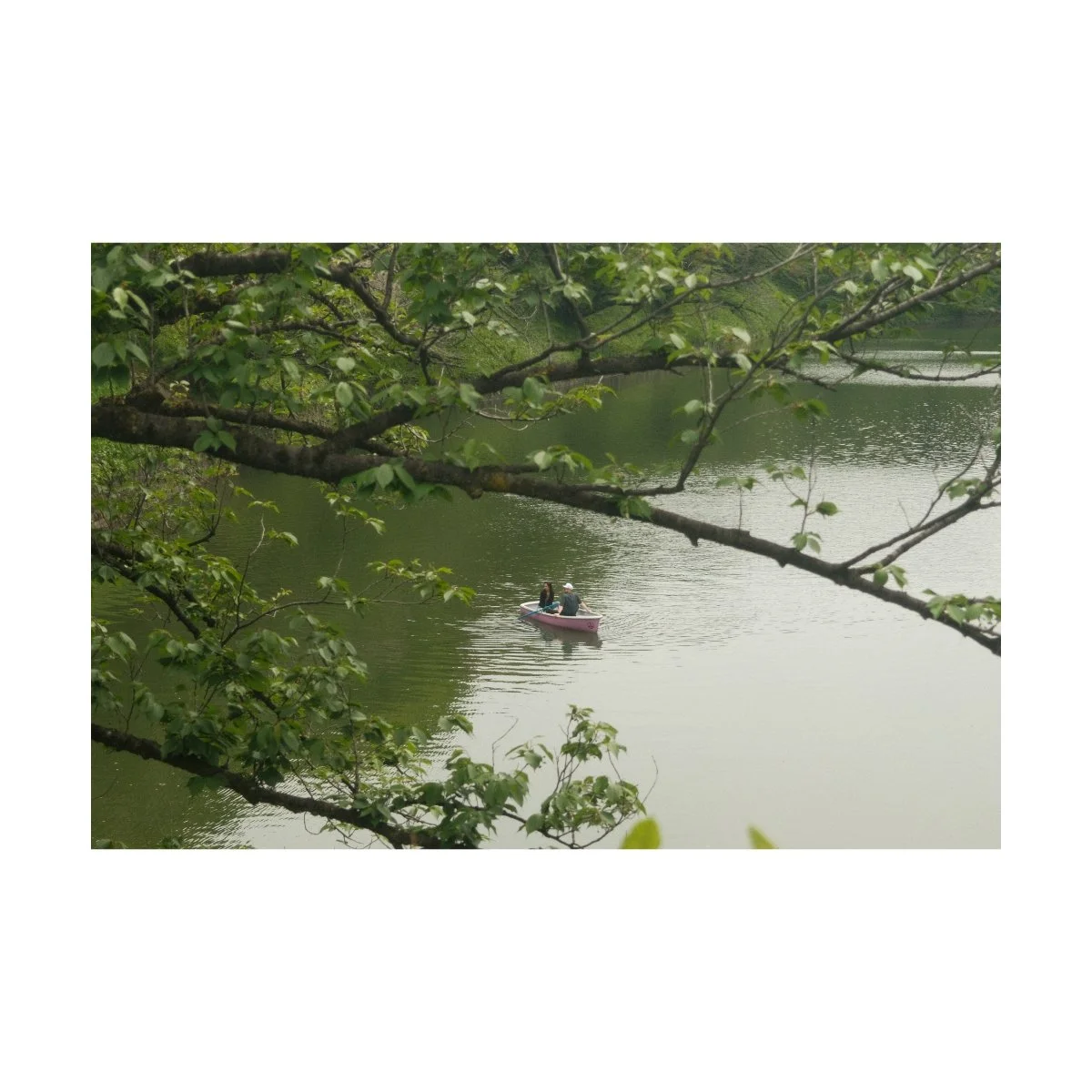
This is because taking pictures with a tighter focal length doesn’t just zoom you in.
Rather, it also changes the entirety of how you compose.
This is something I didn’t know many years ago, because I hadn’t yet spent enough time with a zoom lens to understand the different focal lengths.
But upon realizing this, the digital zoom feature became less of a cheap crop and more of a prime access (hold this thought for later).
The point is, it makes taking a shot with a digital zoom more worth it than cropping in, even with an image quality drop.
Now, if you’re curious about file output, taking photos with the digital zoom gives you the same two files when shooting RAW + JPEG.
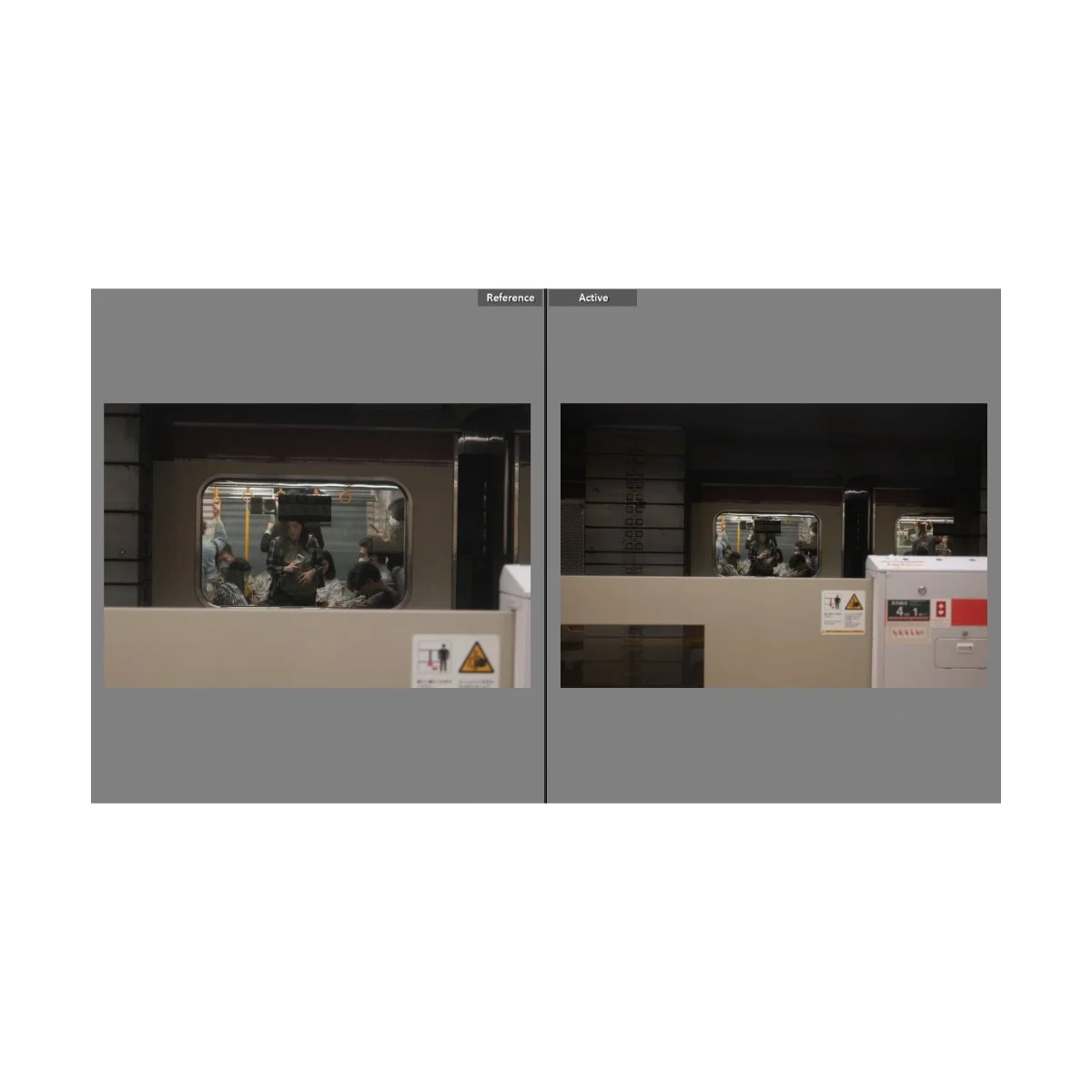
The JPEG will be “zoomed in” like how you initially composed it, but the RAW will be the full “zoomed out” version.
I feel like this is a safe middle ground, especially if you want to fix anything in post.
The only problem is, it might not look or be framed like how you would if you had originally shot it in 35mm.
All things considered, taking photos with the VI’s digital zoom becomes more of a question of shooting philosophy rather than image quality.
Because in terms of image quality, I was actually quite surprised.
Although the 70mm shots are lacking a bit, the 50mm shots actually look pretty solid.
In fact, I might not be able to tell the difference between the 50mm x100vi shots and a 50mm shot on a lower megapixel camera (besides the compression).
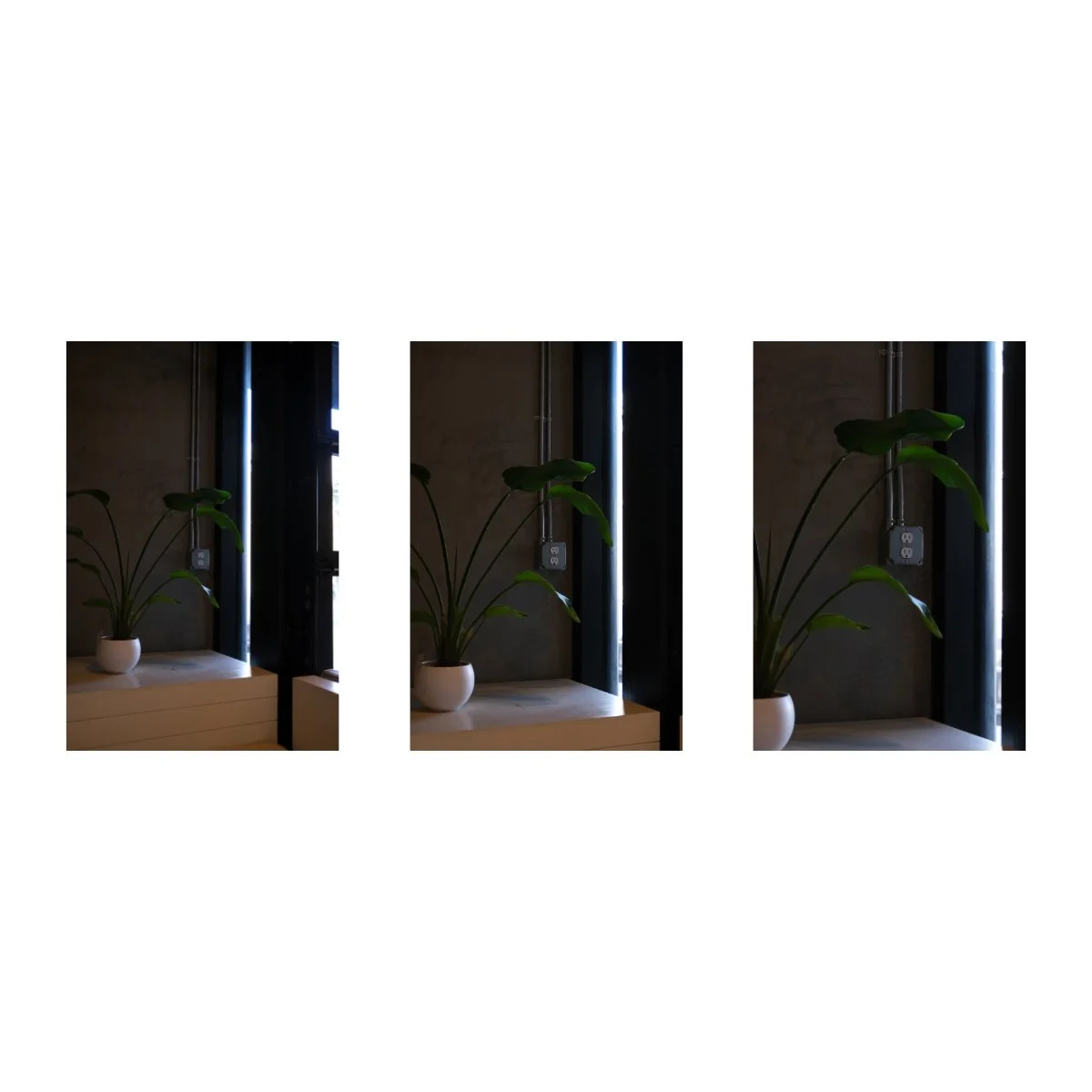
Left to right: 35mm eq, 50mm, 70mm
The 70mm shots however, you can tell are a bit fuzzy when zoomed in.
Both are usable for social media and online use, but I wouldn’t use the 70mm shots for prints without some sort of upscaling.
Which makes sense, because 70mm is such a fat crop for this image.
Let’s talk a bit more about compression.
Naturally, compression is the only thing you can’t ever replicate with a crop feature.
By compression, I’m referring to the depth of field look you’d get when shooting with different focal lengths.
It’s why a photo taken with a 35mm and 50mm look different, even if you step closer or further to adjust the frame accordingly.
It’s also why a digital zoom and an actual zoom lens will get you different results.
Because one has the “real focal length” - the other, you’re just cropping.
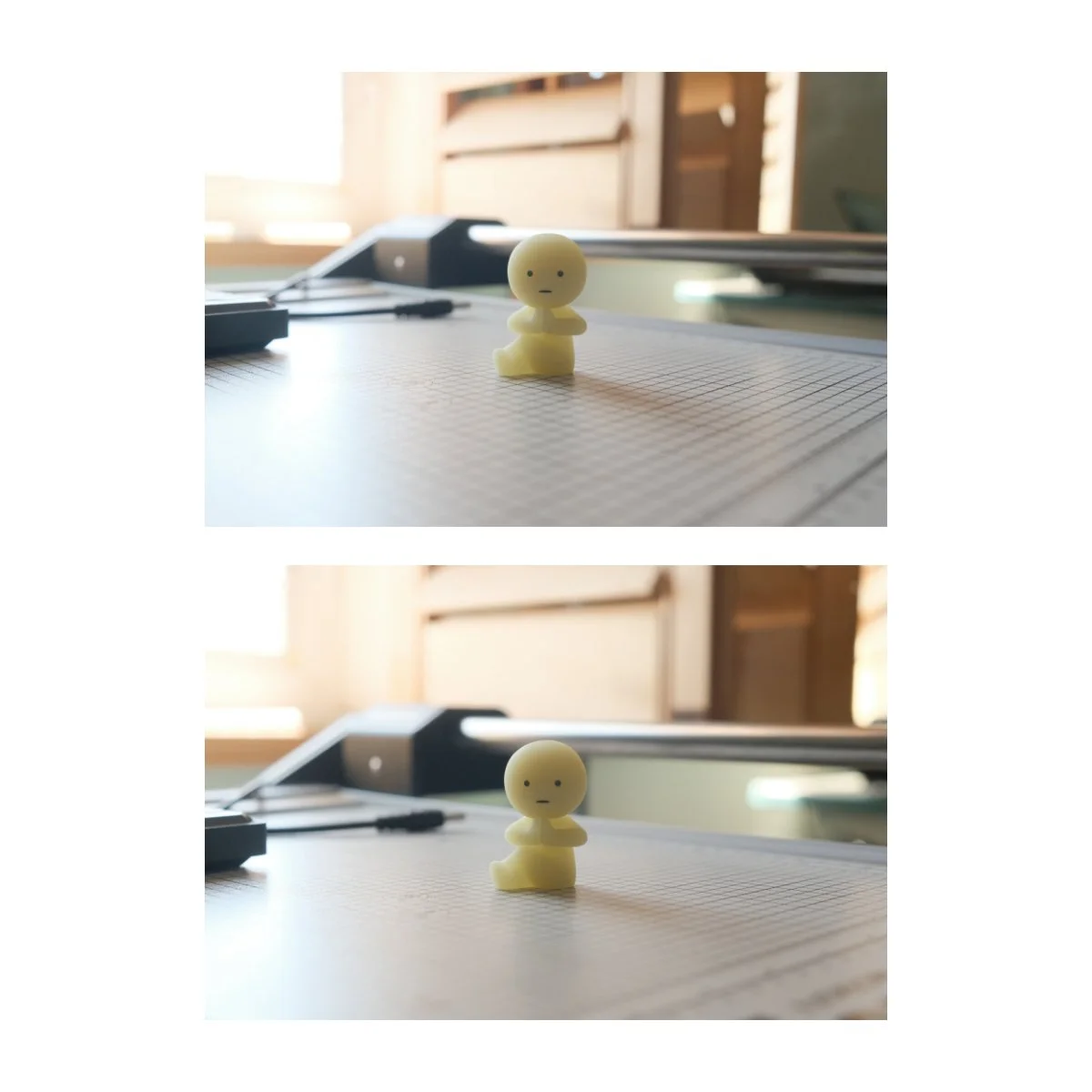
35mm vs 50mm on a normal zoom lens.
So although the digital zoom of the x100vi has shown itself to be quite useful, it has it’s limitations.
Don’t expect it to replicate the exact look of a real prime of that focal length.
Will most people notice?
Honestly probably not, but I do for my photos.
So, given everything we know about how the feature works and where it falls short, here’s how I use the digital zoom now (and why it’s awesome).
How I Use the Feature Now
At the end of the day, fixed prime cameras are limiting.
But they’re limiting on purpose.
There’s only so much we can capture with one field of view and it’s not supposed to be able to do everything.
We as photographers may try to compensate, by adding different lenses, zooms, etc, but it will always fall short.
You’ll never have something for everything, and if you do, you’ll still be limited by your own ability to capture everything.
Therefore, the focal length of your choosing becomes a commitment.
A narrowing of what you most want to capture, or know you can capture best, and a forgetting or letting go of everything else.
Because if you can’t capture everything, it’s better to focus on the few things you can or want to, right?
That being said, if there’s anything that’s leveled up my 35mm photography it’s understanding this, and riding with it, instead of trying to fight it.
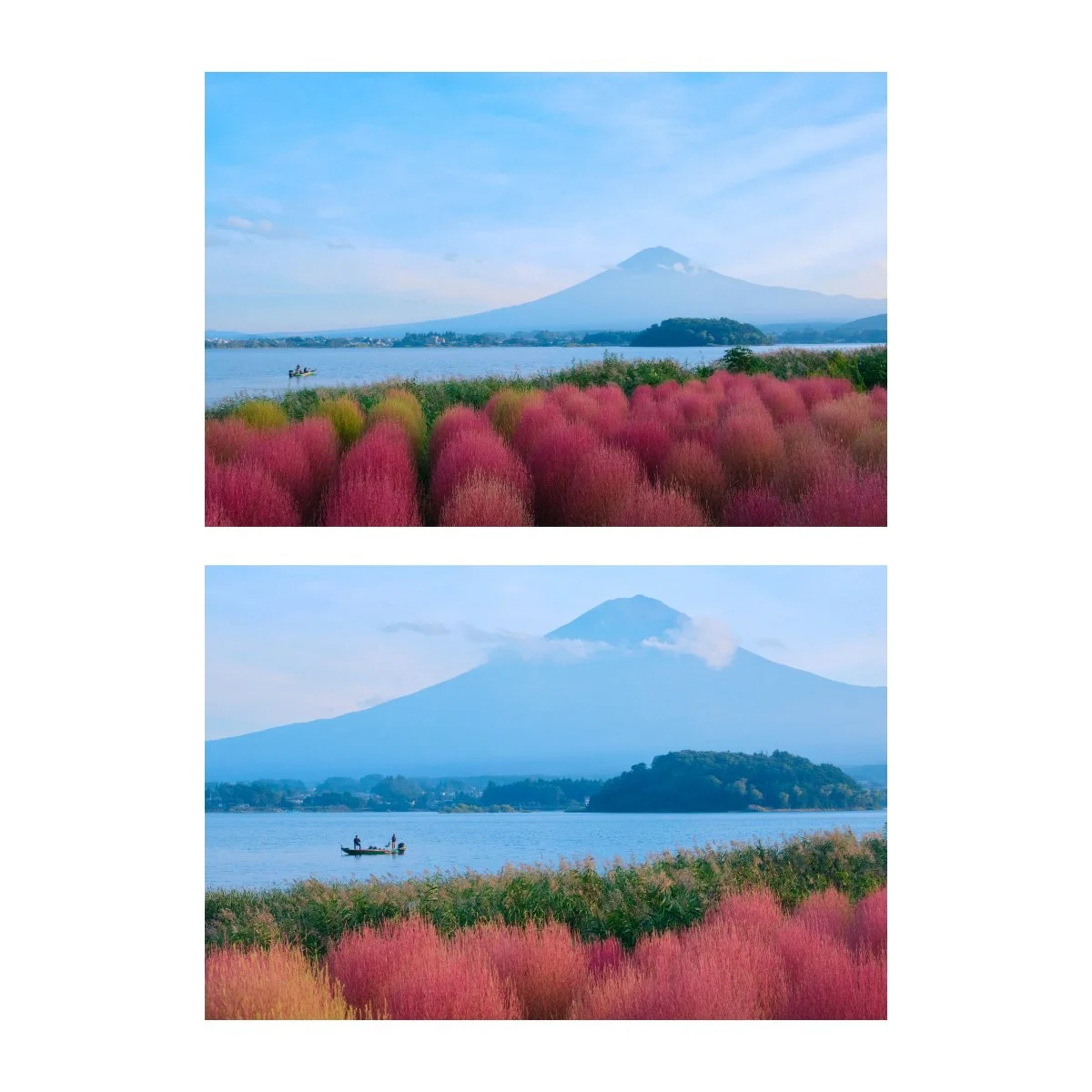
28 vs 60mm on a normal zoom lens.
In other words:
Stop trying to make everything look good on the 35mm.
Within the world of infinite shots, there are things that will simply look better on other focal lengths, no matter what you do.
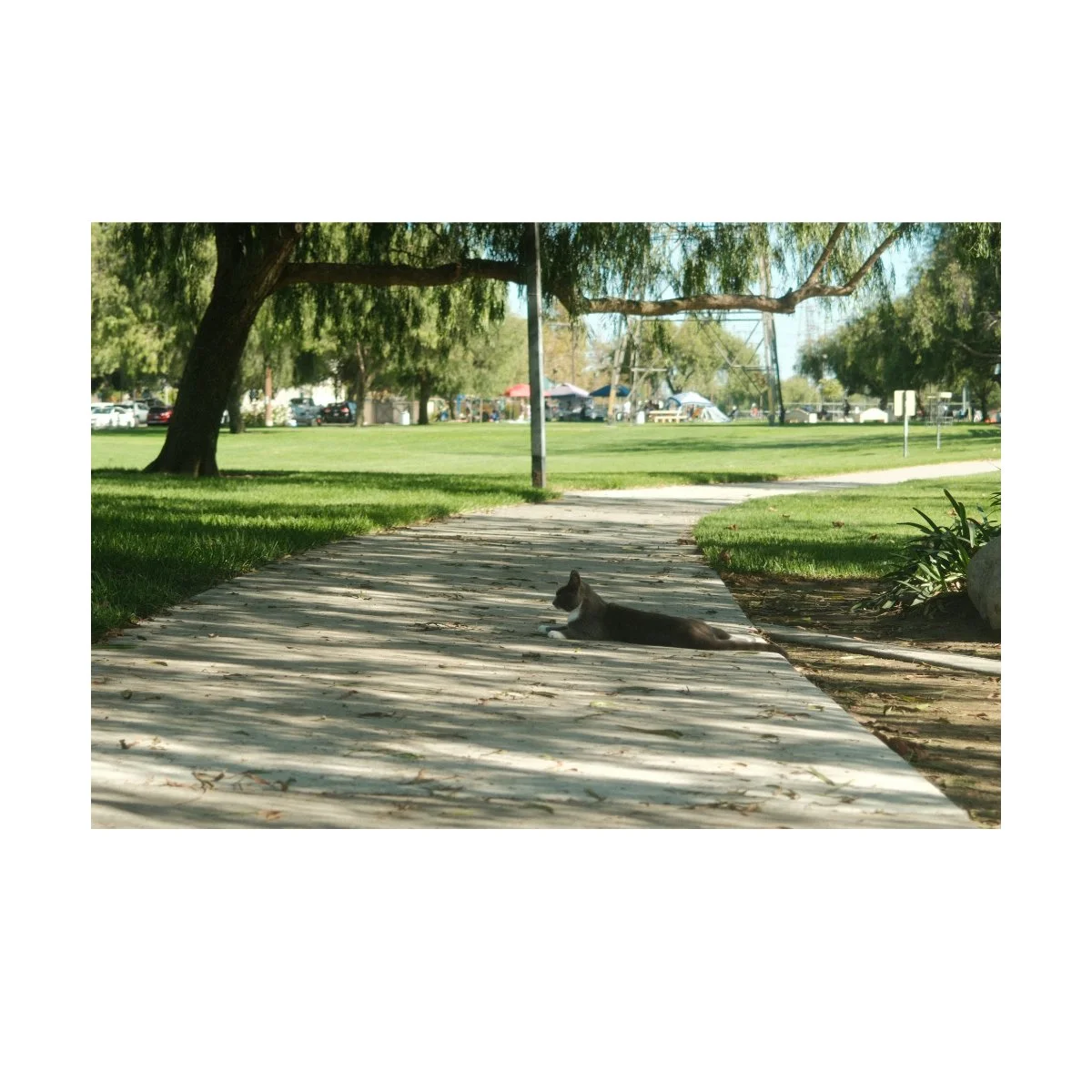
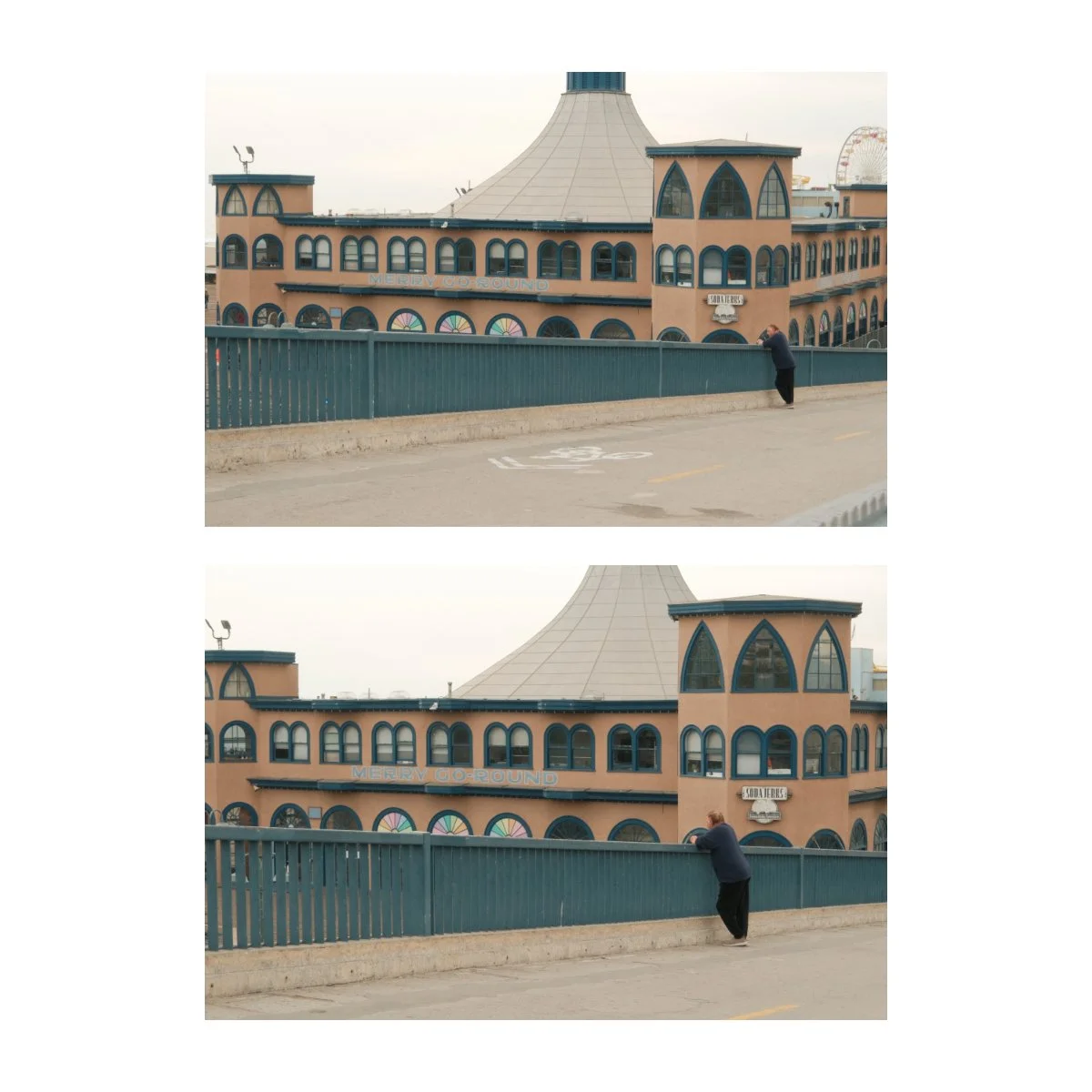
Take these photos for example:
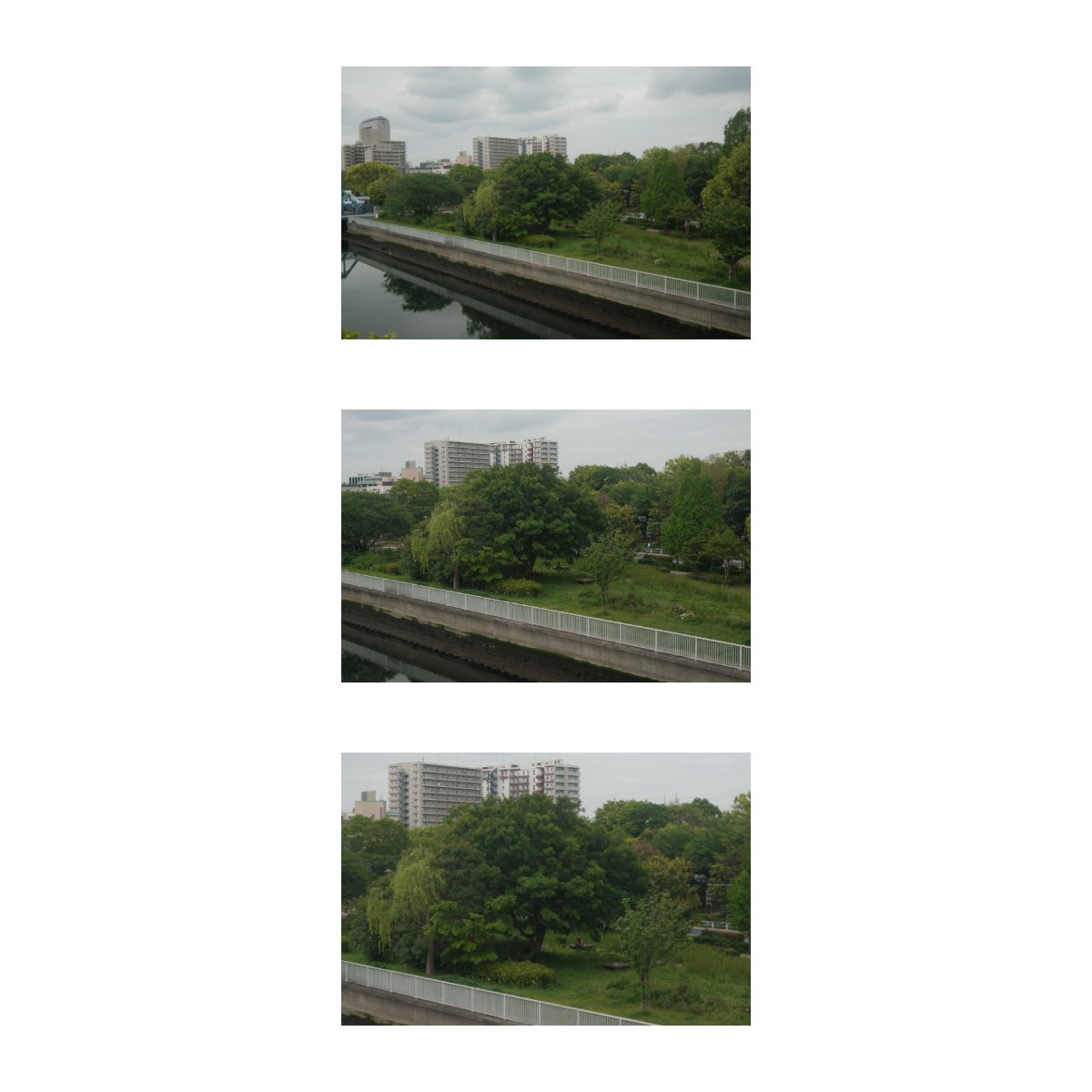
Top to bottom: 35mm eq, 50mm, 70mm
I took these at a random park in Tokyo, one in 35mm, one in 50mm, and one in 70mm.
If I had to pick between the three, either the 50 or 70 look the best.
With the 35mm shot, I did the best I could, but it was just too far.
Furthermore, the far field of view takes away from the central focus of the person under the trees.
In this situation, there’s nothing I can do with the VI but zoom in digitally, because I was on a bridge and I’d die trying to jump off.
So at the time, this was a shot I could not have gotten without the digital zoom.
Sure, I could have cropped in later, but I think the framing is better since I could do it real time.
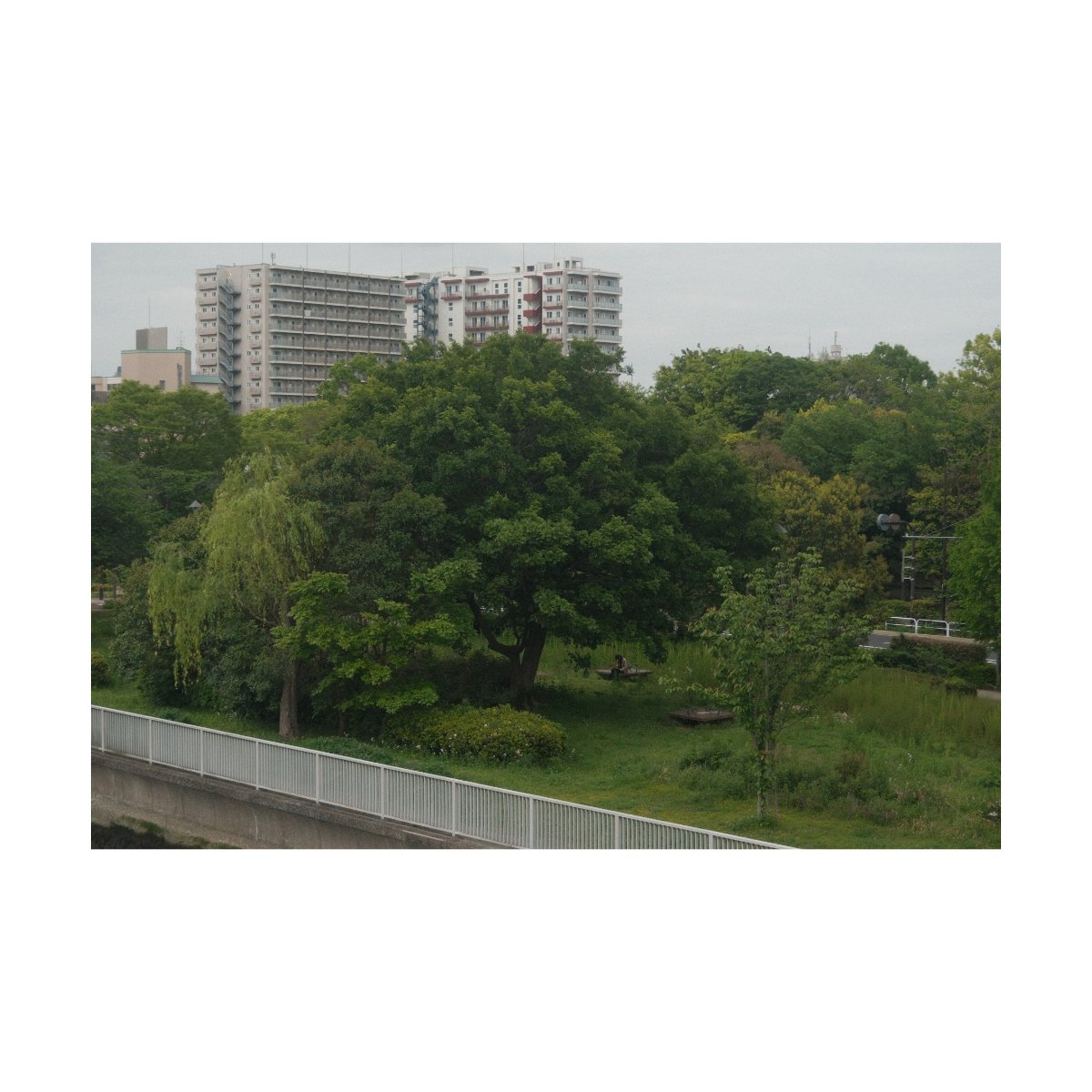
So that’s where the feature comes in handy and that’s why it’s great.
Because without it, many shots like this, wouldn’t exist.
The digital zoom in this case becomes more of an accent feature rather than a primary one.
Something to go alongside the main focal length, and grab certain frames that wouldn’t look good on the 35mm or would be out of reach.
And we can do so while still prioritizing the main focal length.
Realistically, I’ll only use the digital zoom maybe 5-10% of the time, and take all other photos with the primary 35mm.
Because zooming in is not simply a feature you use to “cheat” your way up close.
It’s an entirely different composition in itself.
And once you understand how shots ought to be composed with the varying focal lengths you can make better use of that zoom.
Understanding that, the digital zoom no longer takes from my 35mm shots, but rather fills the gaps around it.
Doing so has really changed how I look at the feature, which I now consider awesome.
The digital zoom also gives me peace of mind and helps me downsize and minimalize my kit.
Instead of bringing other lenses along, I now think:
“Eh, I’ll just zoom in on the VI if I really need to and leave the extra stuff at home.”
The image quality might be a little lower, but 5-10% of my shots is not worth bringing more gear for.
Ironically, this has led me to sell and even stop using some of my other primes, because I just don’t need them anymore.
And with less stuff, what I’m doing becomes clearer, there’s less decision fatigue, and I get better photos because of it.
That’s why I’ve changed my mind on the digital zoom of the x100, from what I used to think of as a cheap gimmicky feature, to something that’s actually great, and has allowed me to commit even more to this camera.
So if you’ve never tried using the digital zoom of the VI before, try it out, it might change how you shoot as well as your entire camera kit.
If you have used it, let us know what you think of the feature as well as how you use it in the YouTube comment section.
If you want to learn more check out Photography Essentials (it’s free) and Photography Systems for more.
Thanks for reading, happy shooting.