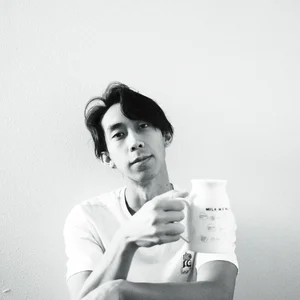
Why are photographers, artists, and creatives so judgmental of their own work?
It seems to be a common trend where we make stuff that others see as decent or pretty good, yet it looks like garbage to us.
We can’t help but fixate on all the negatives, the imperfections, and places we went wrong.
It could be our high standards for perfection that plague us, insecurity about ourselves and our work, or both - but admittedly it’s not the healthiest behavior.
This way of thinking affects not only hobbyists and dabblers, but professionals and experts alike.
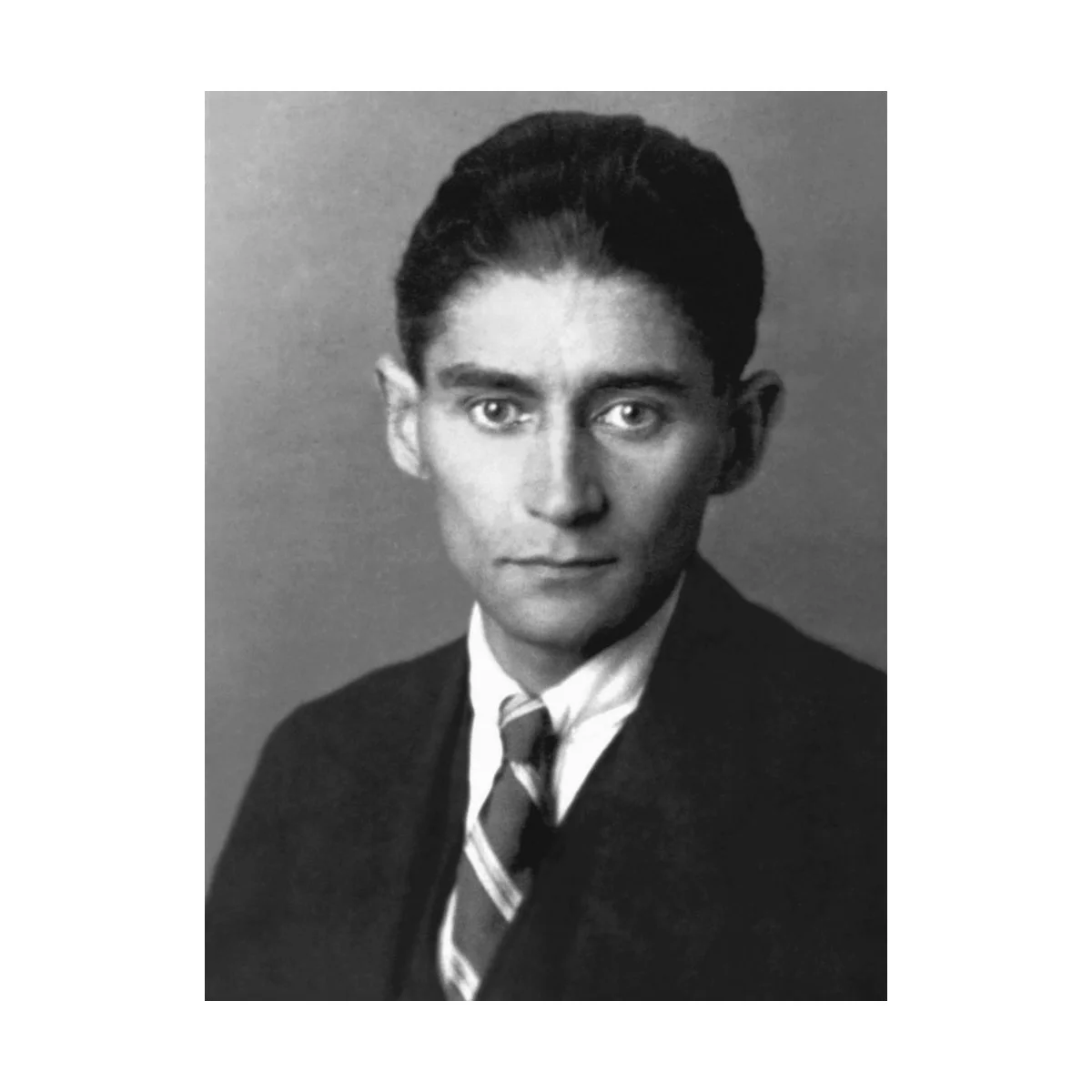
Writers like Franz Kafka was famously known to have burned ninety percent of his work; the few novels that were published posthumously were saved by his friend against his will.
And yet he is seen to be one of the most influential writers of the 20th century.
So it doesn’t matter how good we actually are - the mind can create and invent whatever narrative it wants.
Meaning, you’re probably a better photographer than you think.
Let’s begin.
Impostor Syndrome
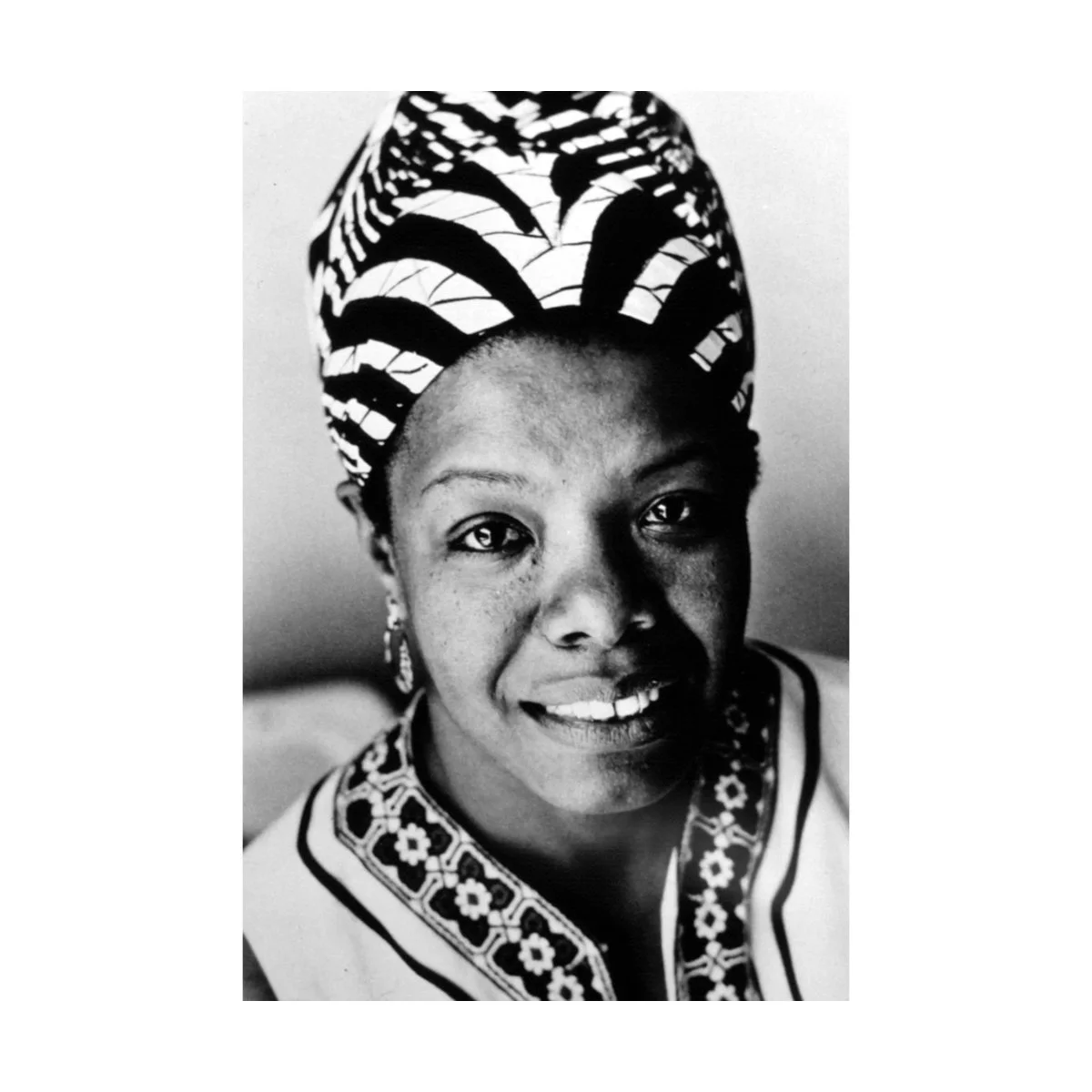
The accomplished writer Maya Angelou once famously said:
“I have written eleven books, but each time I think, ‘Uh oh, they’re going to find out now.’”
Despite receiving multiple outstanding awards like the Pulitzer Prize and three Grammys, she still felt like an imposter.
Imposter syndrome is very common amongst creatives.
To put it briefly, imposter syndrome is when people who are objectively competent tend to attribute their success to luck, discount positive feedback or encouragement, and carry a fear of being “found out”.
There’s a subtle underlying tinge to how they carry themselves that isn’t simply humility.
They legitimately don’t believe they are as good as they are or as others say they are - and it burdens them.
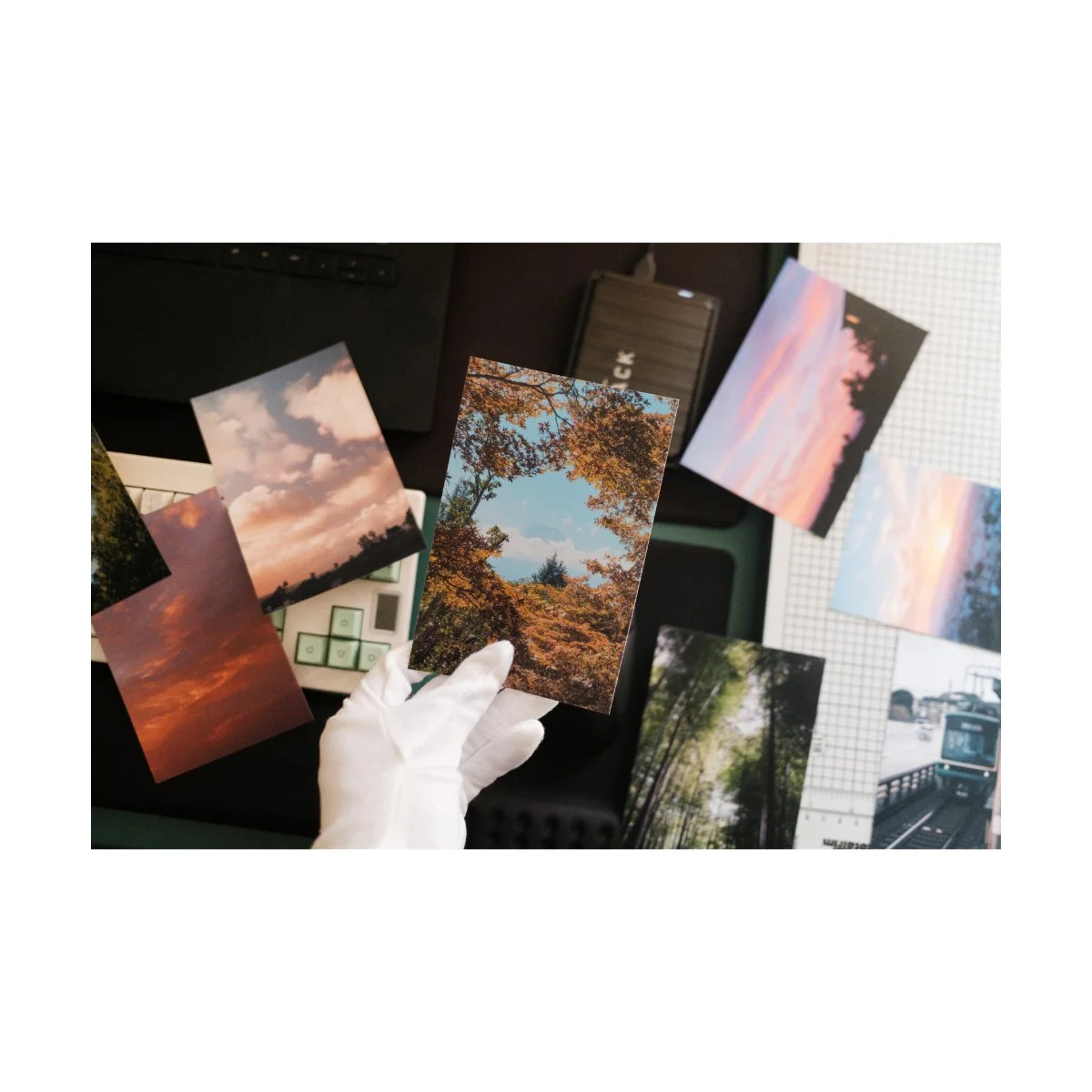
In photography you may see photographers dismiss their good shots as accidents, always compare themselves to the experts, hyper focus on their flaws instead of what they did right, and be unable to healthily accept compliments or celebrate their wins.
And it doesn’t matter how much you’ve accomplished or “succeeded”.
Even the famous actor Tom Hanks once said,
“No matter what we've done, there comes a point where you think, ‘How did I get here? When are they going to discover that I am, in fact, a fraud and take everything away from me?’”
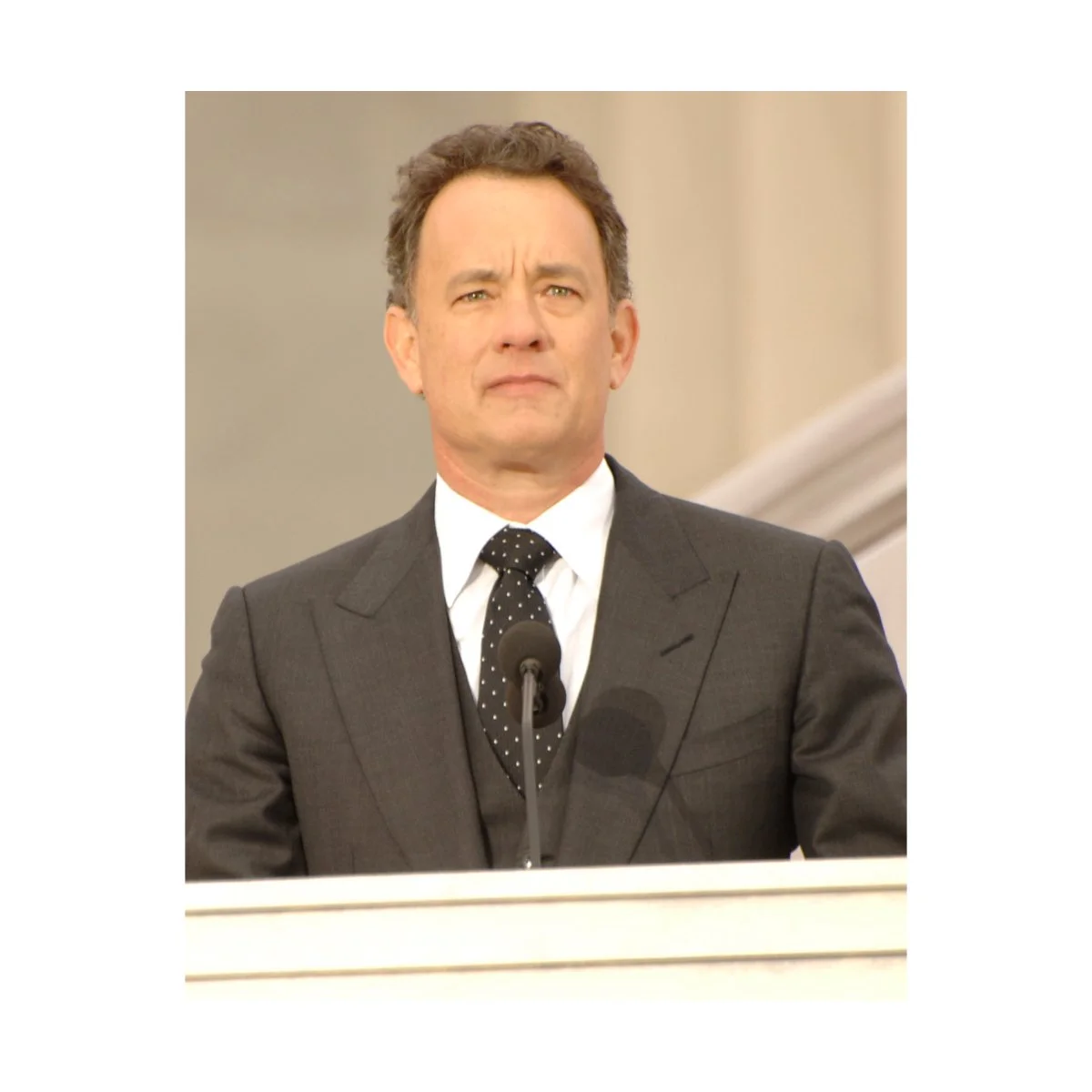
This is coming from a guy many people know of, has been in many films, and has received many awards.
It shows that no matter how accomplished you are or how much of an expert you are, you can still feel like a fake.
And the key or antidote is not to accomplish more.
It’s to build a healthier relationship between you and your work.
You’re a better photographer than you think.
You just might not think so because your brain has been trained not to think so.
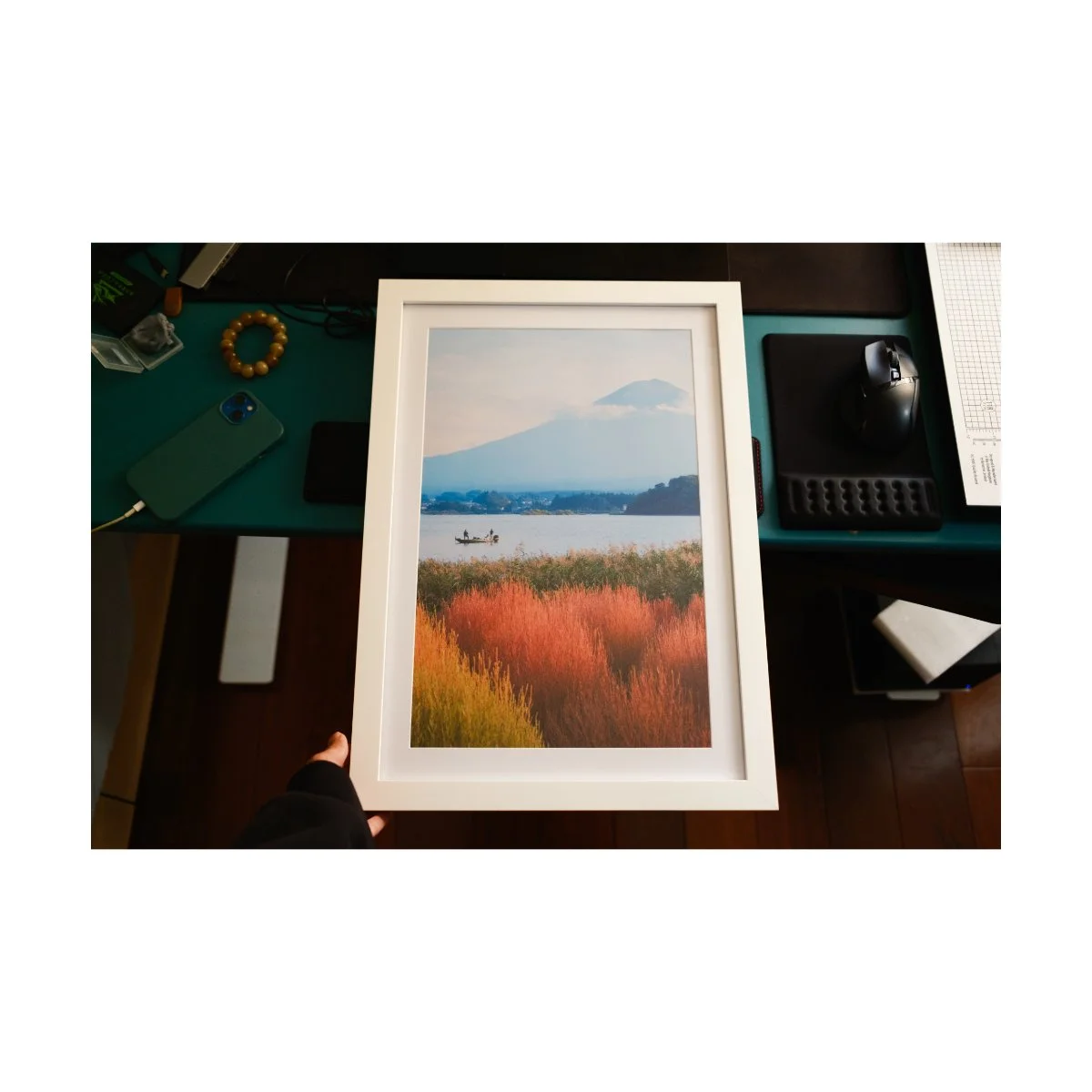
Start learning to celebrate your wins - don’t instantly compare them to the infinite number of things you haven’t accomplished.
Write down the things you did right, not the things you did wrong.
Reward yourself for the effort you put in, not the result of that effort.
Learn to thank people when they compliment you and own it; assume they’re saying it because they mean it, not because they’re being “fake”.
Start anchoring yourself to reality, not your misguided misconceptions of yourself, and you might feel better.
Negativity Bias
Imagine you went on your dream vacation.
You took a flight, left the country, and explored the world, eating all the best foods and seeing all the best views.
You didn’t have to worry about money, time, or stress about anything.
All you had to do was enjoy yourself and the world around you.
The trip was amazing, and yet, when you came back, you couldn’t help but remember all the things that didn’t go well.
The lowlights, waiting around at the airport, that time it rained and you got sick, or arguments with others about where to go and how to get there.
So many positive things happened, yet your brain couldn’t help but remember and focus on the negative ones.

Now, some of this is normal, we all do it.
Our brains are biologically wired to remember negative things more vividly, because it protects us from experiencing the same things again.
But in a world where negative things are happening so frequently, it hurts us more than it helps us, because there’s always something to be negative about.
It could be the little comment someone made on your Instagram post.
Or the guy who almost hit you because he wasn’t looking while driving.
If you expand the example to photography, it could be the many bad shots you took or the good shots you didn’t get.
Or it could mean hyper fixating on the little details of an image that aren’t perfect, rather than acknowledging the parts that are.
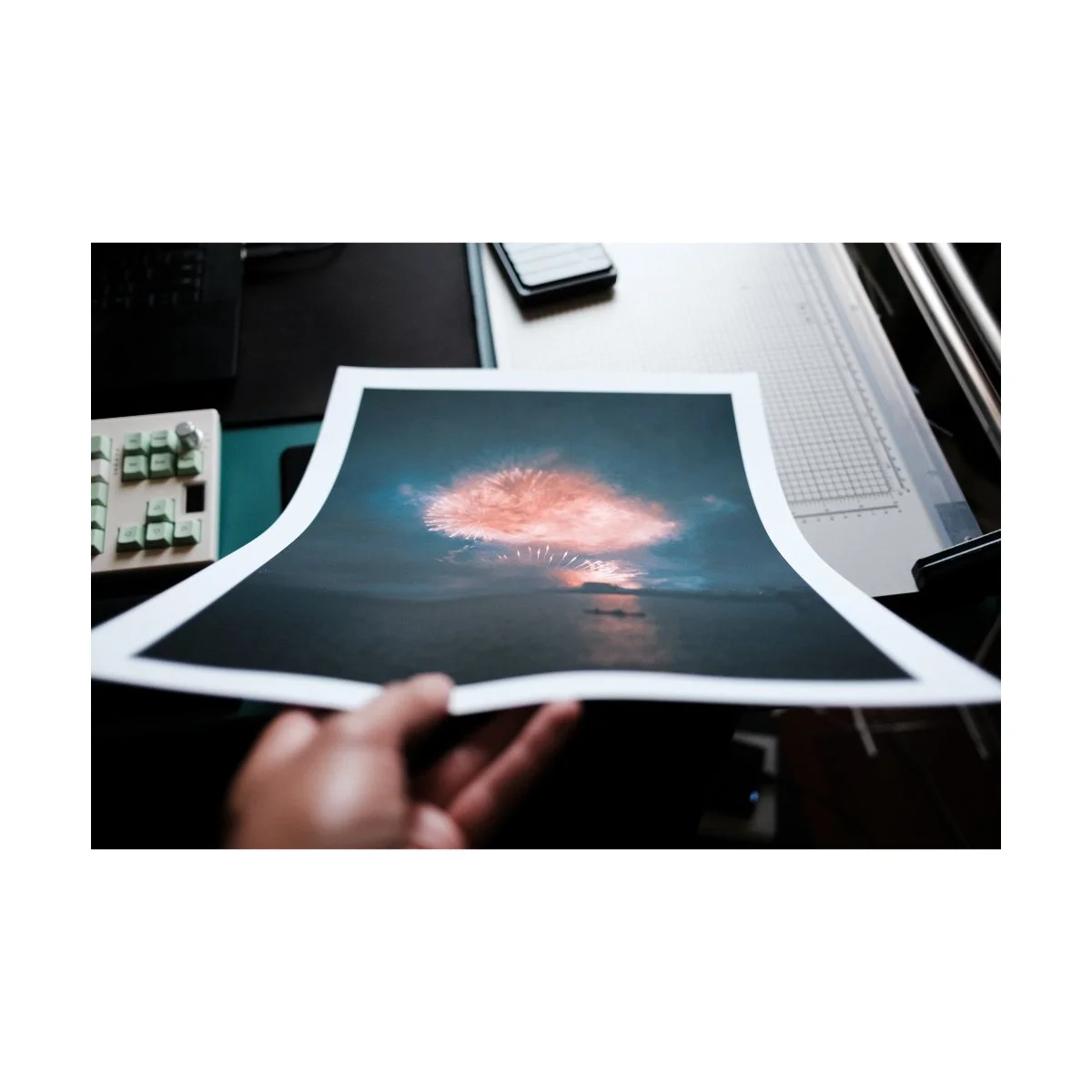
This bias towards negativity could be why we think we’re worse photographers than we are.
We’re always looking at, focusing on, and remembering the negative aspects, rather than the positive ones.
Because we always see the cup as half empty rather than half full.
This does us no good, and we want to break free of that so we can have a better experience living in general.

People with negativity bias might claim they’re “just being realistic” or “being honest”, but we can be realistic and honest about the good stuff too.
There are always good and bad sides to the coin, so why should we focus on the bad, right?
If someone asks me about my trip, there’s no need for me to go down a list of everything that went wrong.
Of course I’ll mention a little of that stuff, because that’s part of the story, but it doesn’t have to be the whole story.
Instead, I could choose to highlight everything that went well, because that’s what I personally want to focus on.
And focusing on that will determine how I literally remember my experience.
Although there were many bad parts, I’ve chosen to keep in mind the good ones - and that serves my memory better.
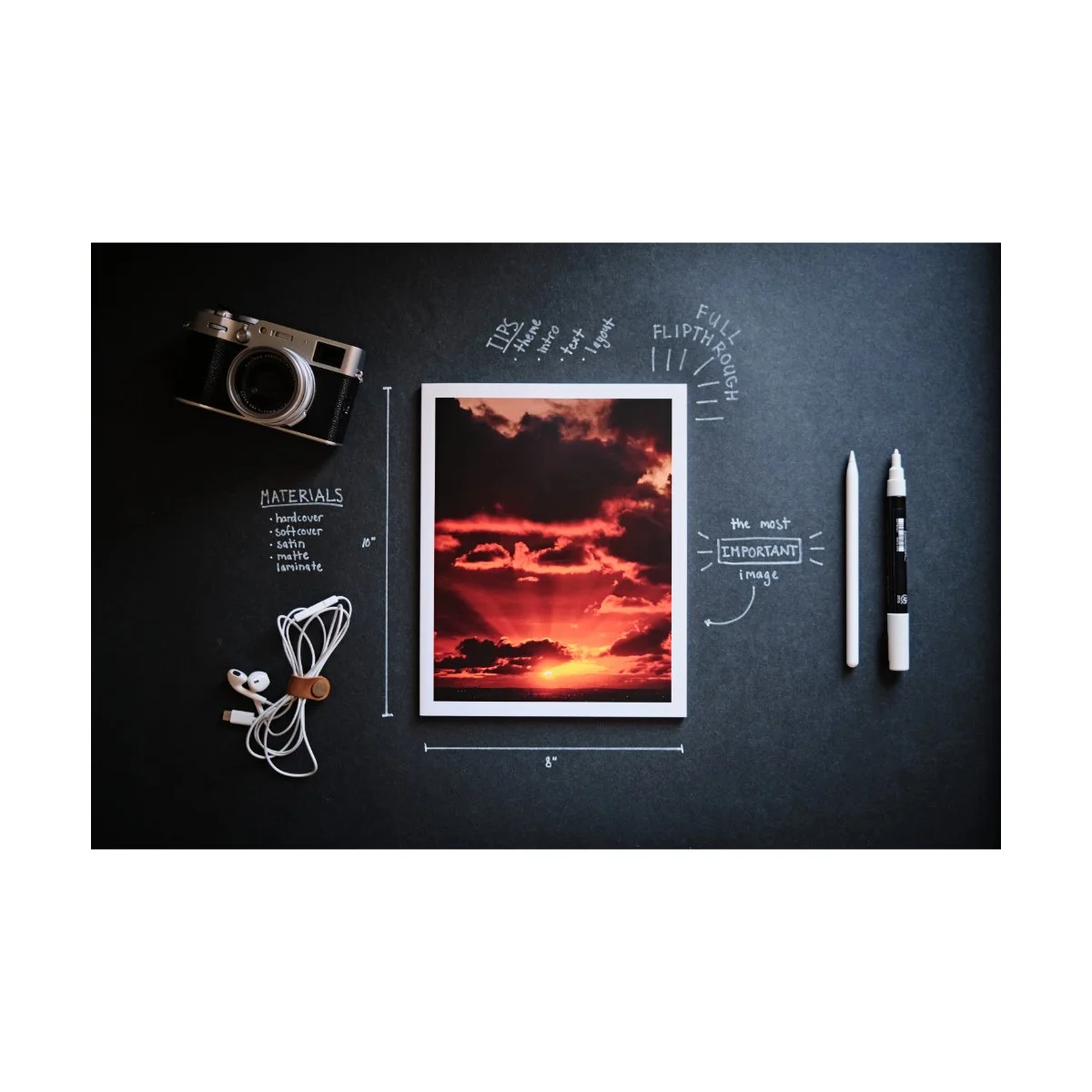
Another solution would be to slowly reframe your mind with an overwhelming amount of positive evidence.
If you’re feeling bad about your photography, simply remind yourself why you’re actually a good photographer (or at least a better one than you think).
Scroll through a folder of all your best photos.
Collect a bunch of positive comments from people who like your work (just to remind yourself).
Or write down and make a list of all the things you like about that particular photo, rather than the few things that could have been better.
We’re not trying to lie to ourselves and pretend that we’re better than we are or feed our egos.
Rather, we’re just trying to focus on the positive.
Doing so will make art, photography, and life a better experience.
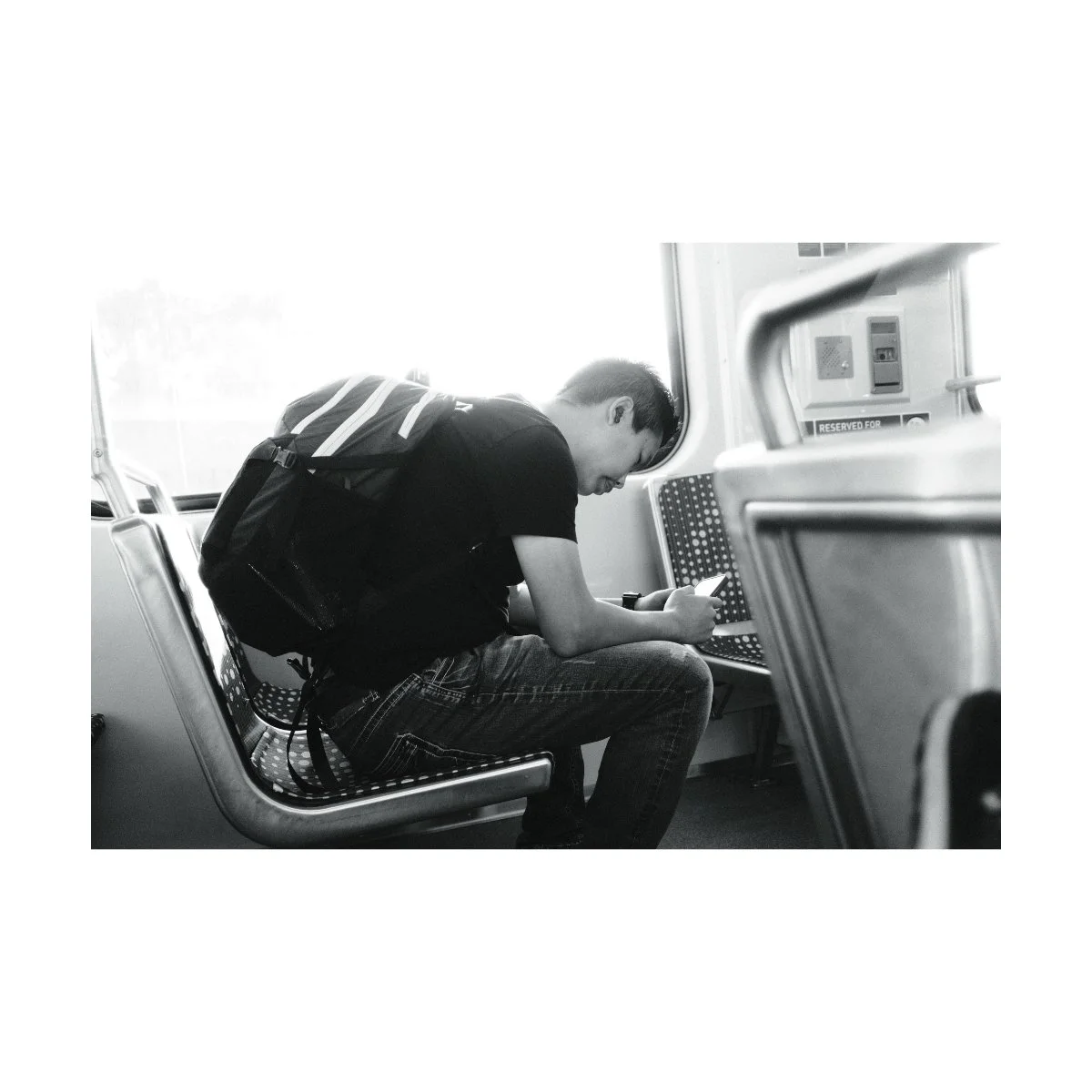
Upward Comparison
No matter who we are or what we do we cannot escape comparison.
That’s simply human nature whether it’s money, status, or art.
Others do it for us and we do it to ourselves.
But like negativity bias, there are things in regards to comparison that are within our control - that we can stop doing.
The first and foremost would be upward comparison.
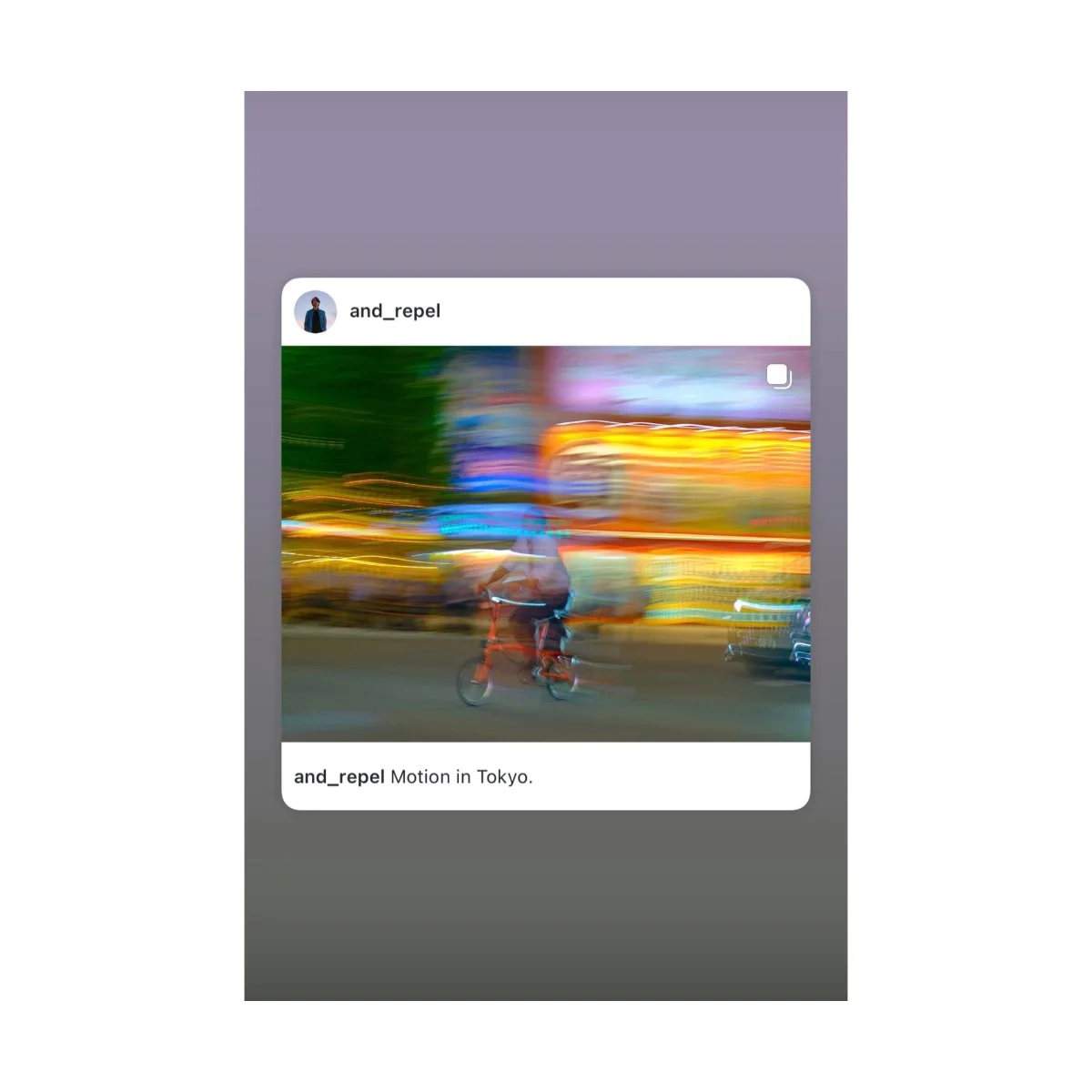
Nowadays, it’s so easy to compare yourself upwards.
On social media platforms like Instagram and YouTube we see a large quantity and flux of other people’s photos - and they’re highly curated.
If you’re not the best photographer (which no one is), you’re always seeing someone better than you.
For someone who has a tendency to compare, instead of inspiration, every photo they see is a constant reminder for how much they suck.
Which can easily lead to one thinking they’re a worse photographer than they really are.
Because mentally we have a tendency to compare our worst work to someone’s best work.
But in all honesty, you’re probably not that bad.
You’re just benchmarking yourself against the top 1%, pitting yourself in a battle you can’t win.
One thing that helps me with this is simply learning how to compare better.
The other day, I took a little stroll through my old photos.
I went back and looked at photos from 2020, 2021, etc.
And although not bad, I was reminded of all the little things I struggled with and how limited I was in photo editing.

Then I browsed through more recent collections and the photos I took were similar, only more refined and thoughtful.
Color edits actually looked a lot better, my photography was more intentional, and it felt like I knew what I was doing.
It was really cool to see the progression of things: I could see how my photos evolved from my old work to my new work.
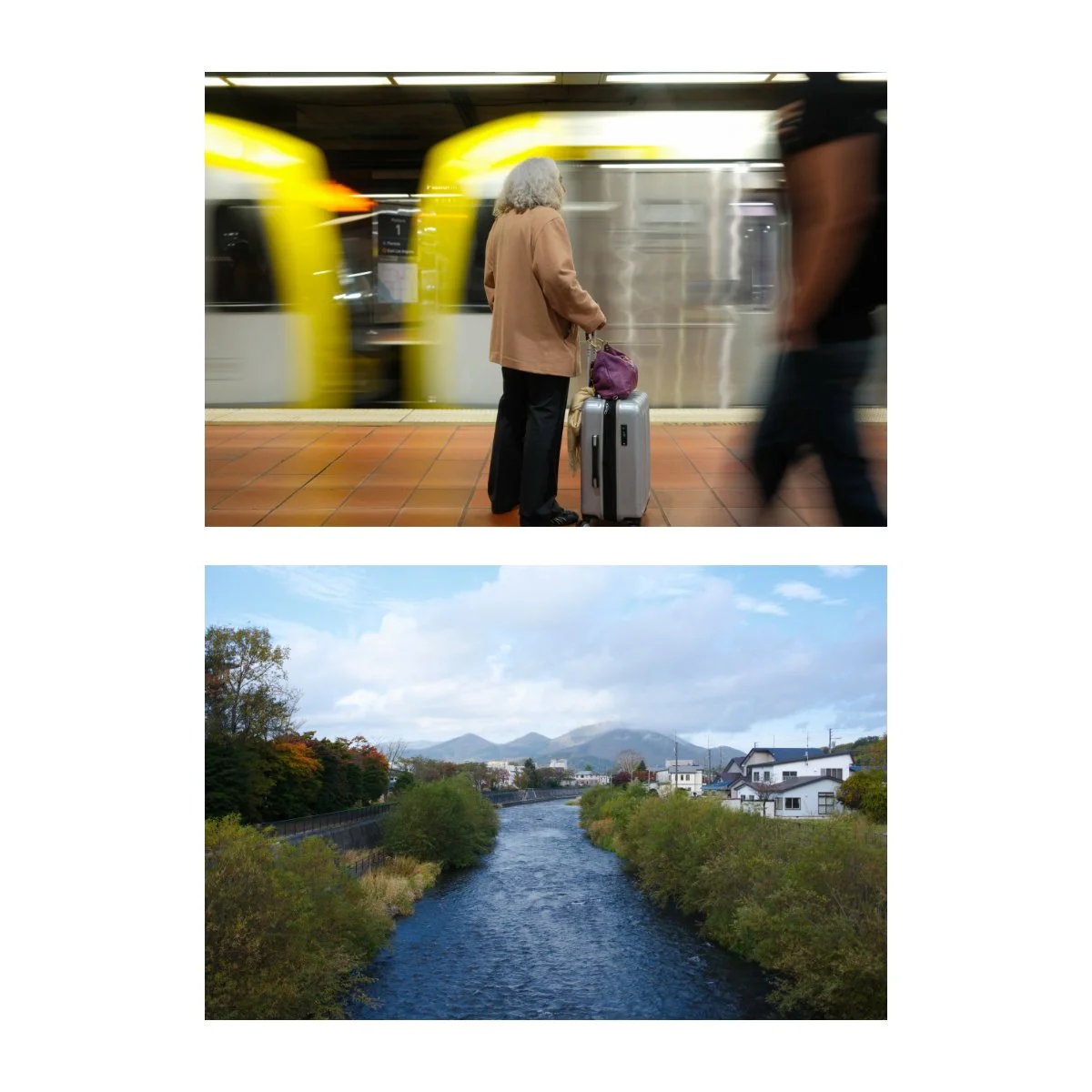
Comparing myself to my past old work was eye opening.
Because it reminded me of how far I’ve come on this journey.
And when you remind yourself of your progress, you forget about other people.
The key here is to be selective with your comparison group.
Stop finding unfair upward comparisons to make yourself feel bad about your photos for no reason.
Instead, go look at your “worse” past work, so you can see just how much progress you’ve made.
While one makes you feel like crap, the other will motivate and encourage you.
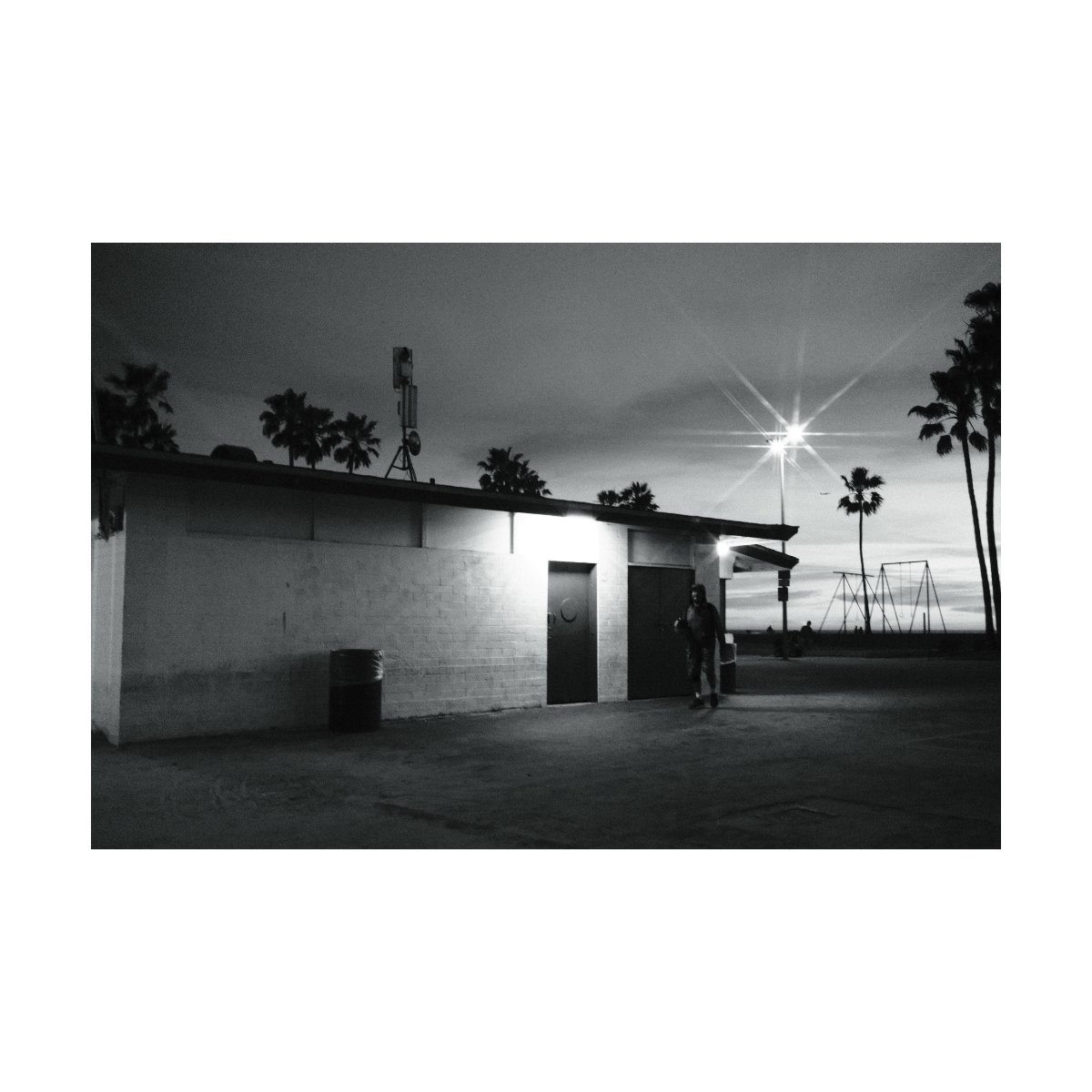
The Spotlight Effect
So many people fall prey to the spotlight effect.
And I don’t mean putting a spotlight on others, which is more like what we talked about earlier.
Rather, The Spotlight Effect is simply thinking others are paying more attention to you and what you do than they really are.
As if you’re going through life, operating with a “spotlight” on you, and everyone’s watching.
Like many other psychological phenomenon, there are perfectly good reasons for this.
We each live as the main character of our own world, and we see and notice everything we do, so we naturally assume others do so as well.
But in reality, other people are primarily focused on and worried about what they’re doing and what others are thinking of them.
So ironically, we each walk around in these little bubbles of judgement where we think everyone’s watching, but no one really is.
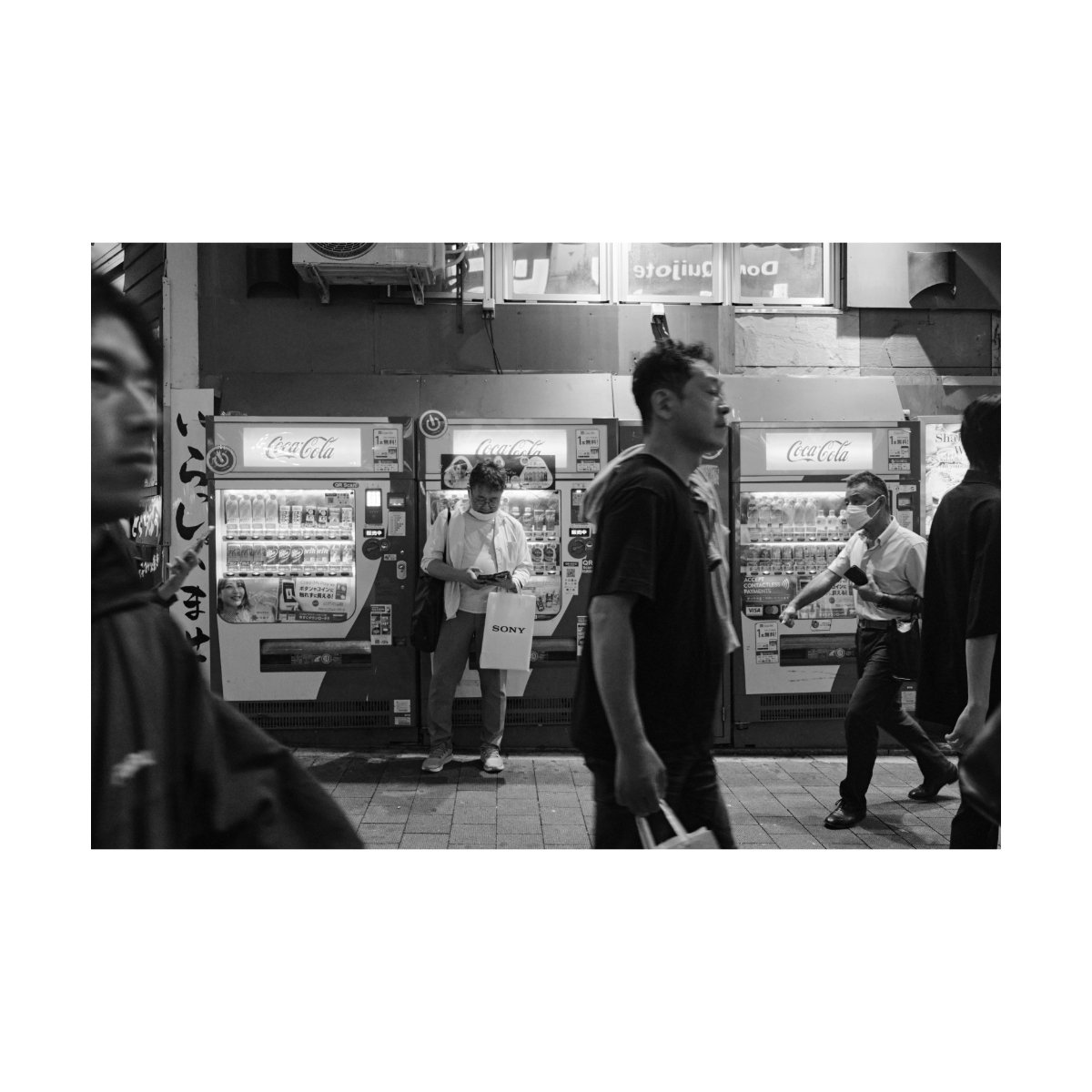
The spotlight effect can lead to you feeling like you’re a worse photographer than you really are, and even create worse work because of it.
Take for example, the kid in class who gets his first big pimple.
Or maybe his voice has started to change and crack.
That kid might find it hard to be normal because he thinks everyone is paying attention to that thing on his face or the way he talks.
But all of that’s just in his head.
Sure someone might point it out and laugh, but that’s usually the extent of it.
Because like him, everyone else is going through the same exact thing.
They’re getting acne and their bodies are changing just like him.
And they’re much too busy being self conscious to even notice.
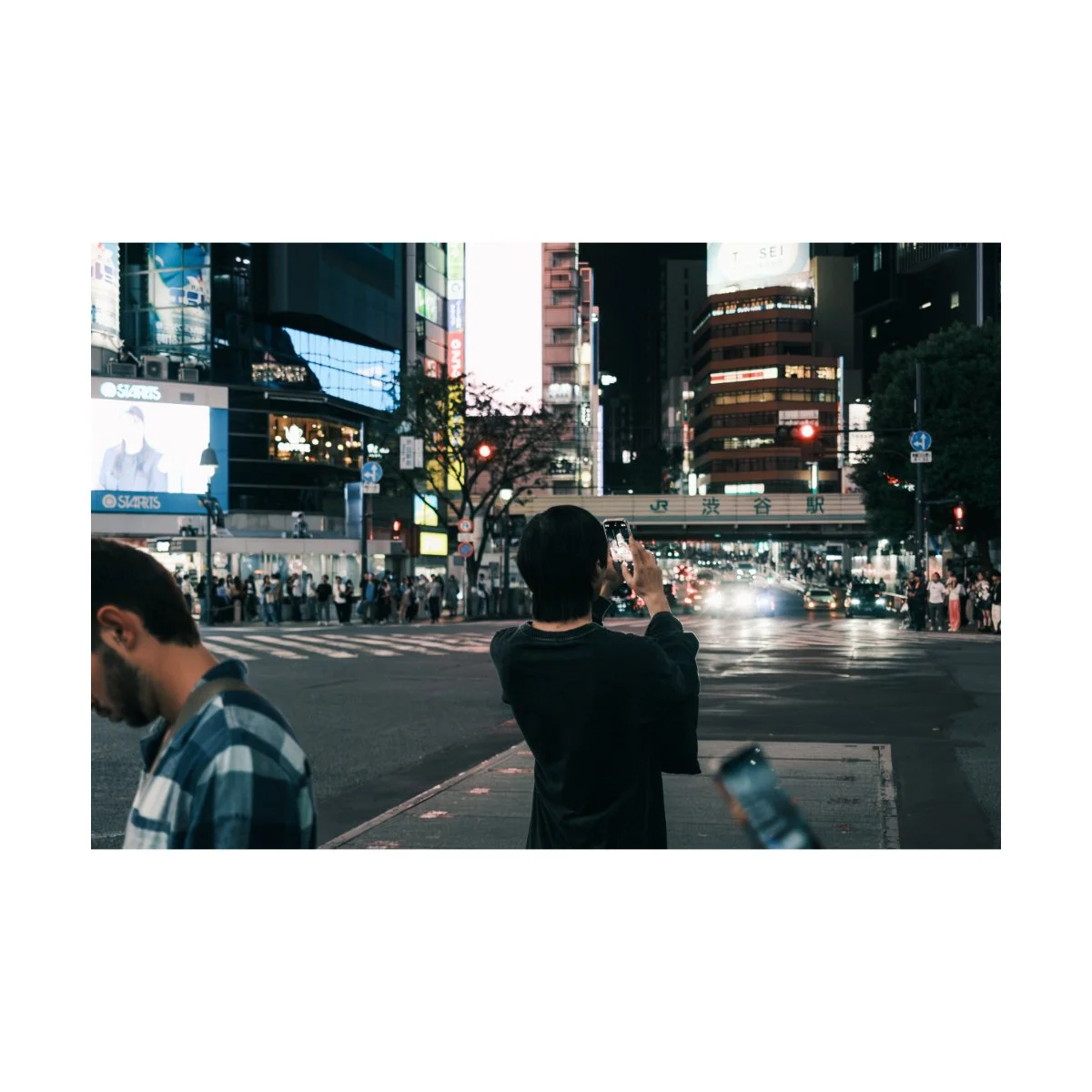
So it’s silly because believing everyone’s watching will change the way you act and feel.
You might spend an excess amount of time editing that photo because you think everyone’s gonna pixel peep and find all the little imperfections - when most people will just swipe away within a second.
You might be afraid to get serious because if you start trying and what you make sucks, well…that might be a little embarrassing.
And this could lead you to never make anything or put anything out because you don’t think it’ll be good enough and everyone’s gonna rip on you - when they probably won’t even care.
In some cases The Spotlight Effect even feels a little narcissistic, as if to imply that we are so important and everything we do matters.
In these instances, it’s best to take a step down from our high horse and remind ourselves:
No one cares.
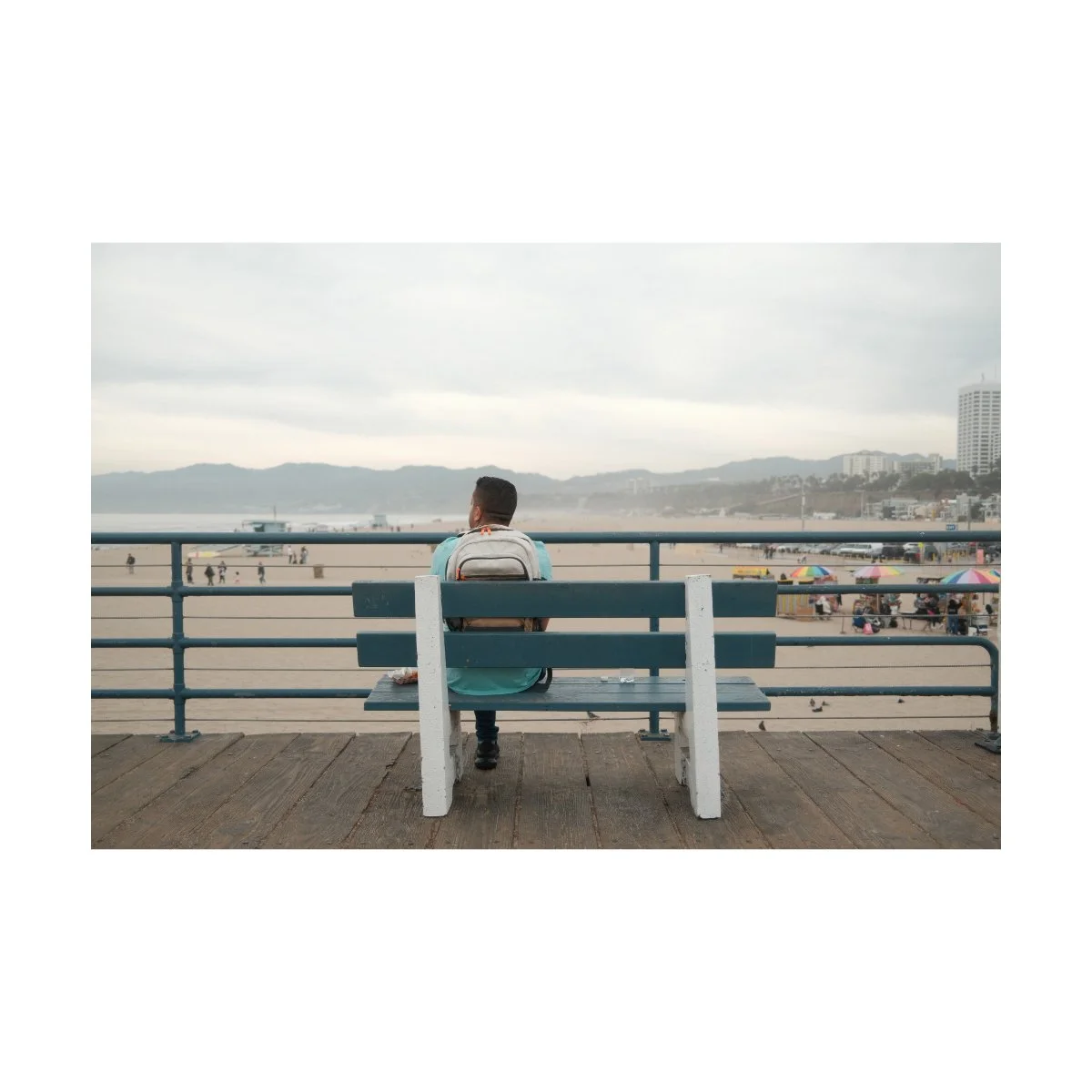
A New Altitude
In 2013, an 18 year old Greek player by the name of Giannis Antetokounmpo was drafted to the Milwaukee Bucks.
Although tall and promising, he was skinny, underdeveloped, and not used to the playstyle of the NBA, averaging only 6.8 points in 25 minutes his rookie year.
Fast forward a few years, he became back to back MVP in 2018-19 and 2019-20, and even won a championship in 2021.
He became one of the best players in the league - but it didn’t happen immediately.
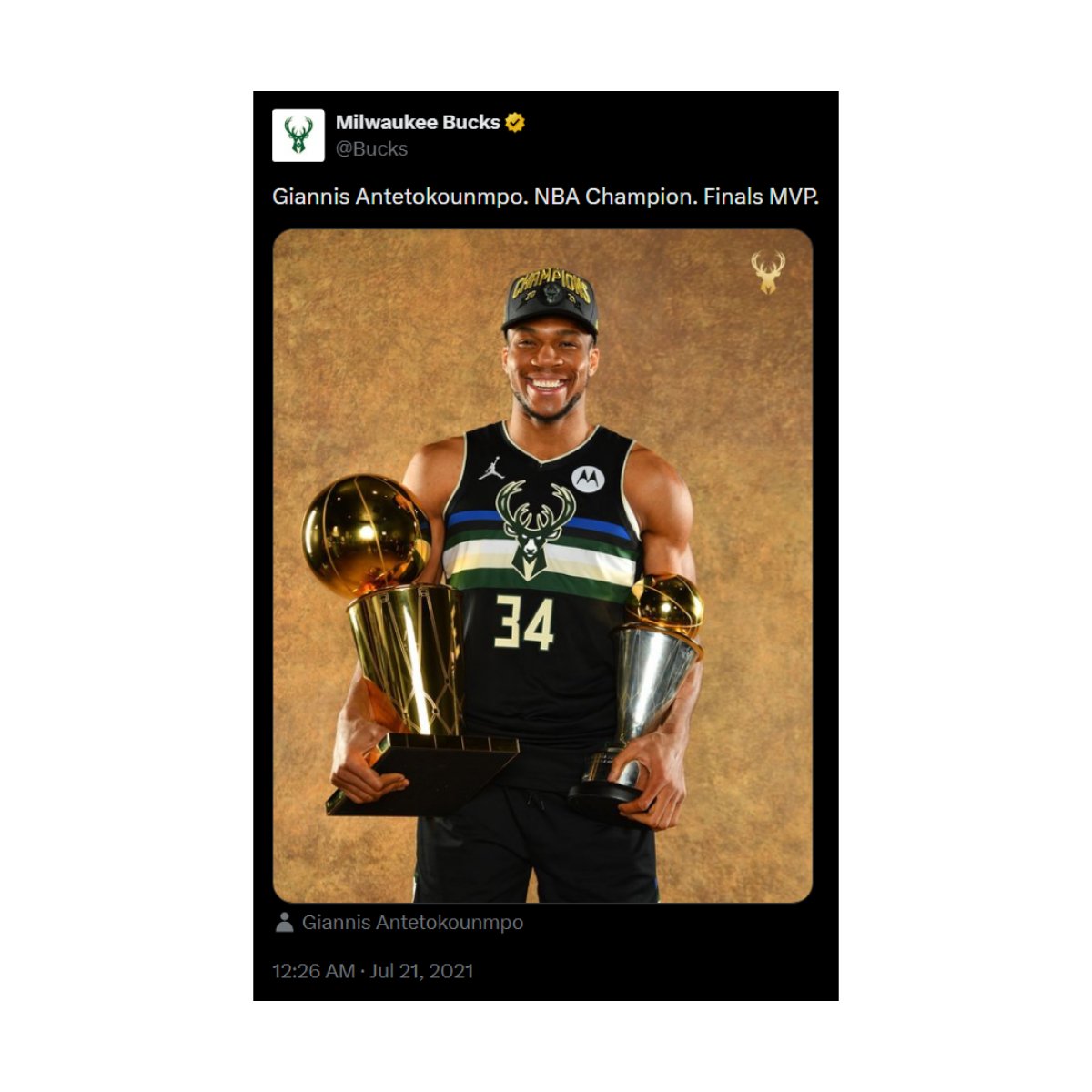
The reason he started slow was not because he lacked the capability - it’s because he entered a new level.
You see, every time you enter a new group or bracket, you start at the bottom.
The players there are better than you, they’ve been doing this for a while now, and they know the ins and outs.
Whereas you, who might have been the best player in your previous group have to start all over again.
You are like a frog in the well who, upon getting out has now realized the vastness of the bigger pond or lake around you.
This bracketeering exists not only in sports, but for photography as well.
Maybe in the beginning you started off just sharing your pictures with your friends and family.
Then you moved to a public group like Instagram where your photos were now side by side with photographers from all over the world.
Then maybe you decided to submit your pieces to a gallery, where your competition was between more serious artists.
Every level, every echelon, presents itself with new standards and new metrics for what is “good”.
This period of time or adjustment happens to everyone.
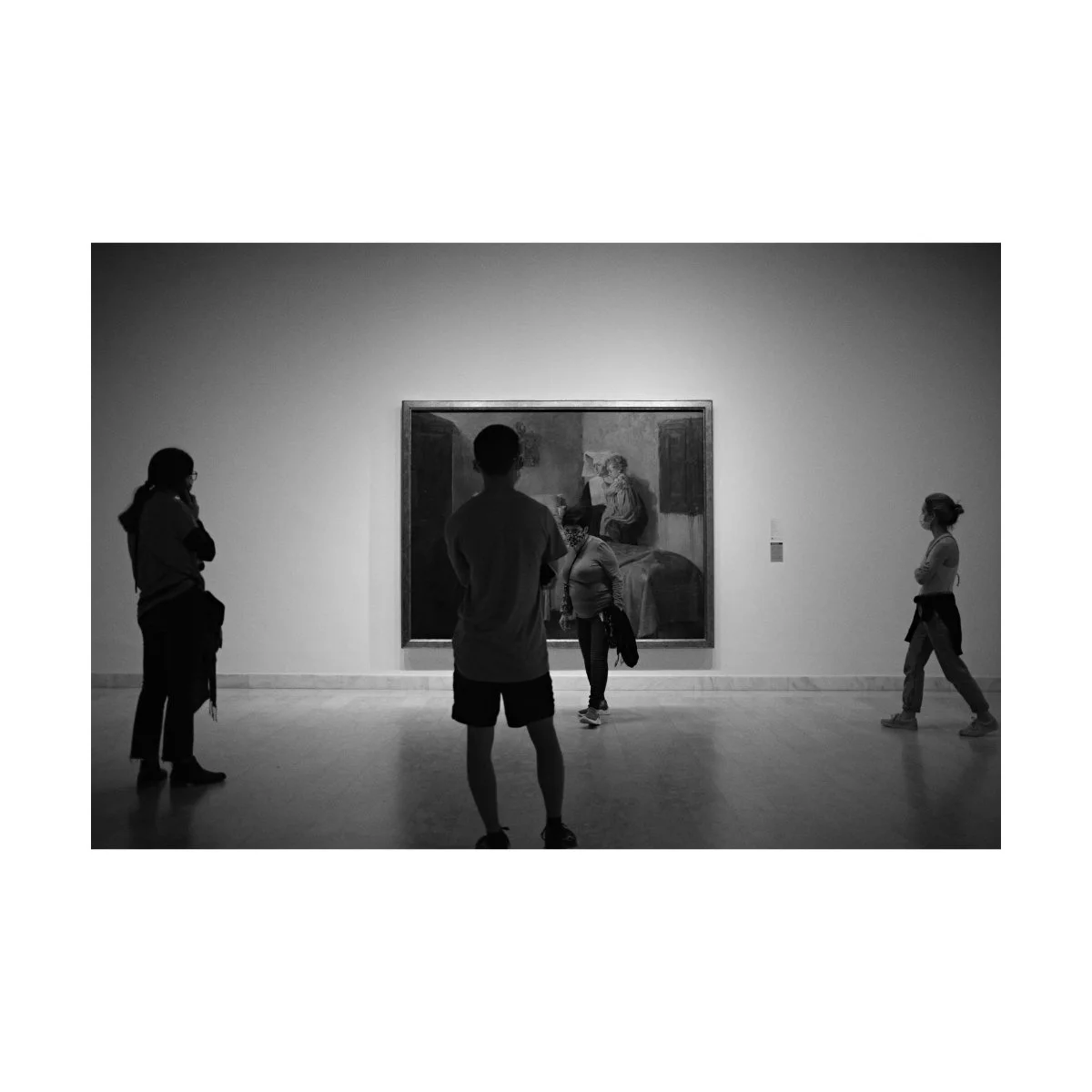
The key here is not to quit.
Those who don’t know how this process works might get deterred and stop working.
They might think, “Oh everyone’s so much better than me”, “I thought I was good but I really suck”.
When in reality, you’re a better photographer than you think, you just need proper time to adjust.
And entering this new level is actually a sign you’ve gotten better - its a good thing.
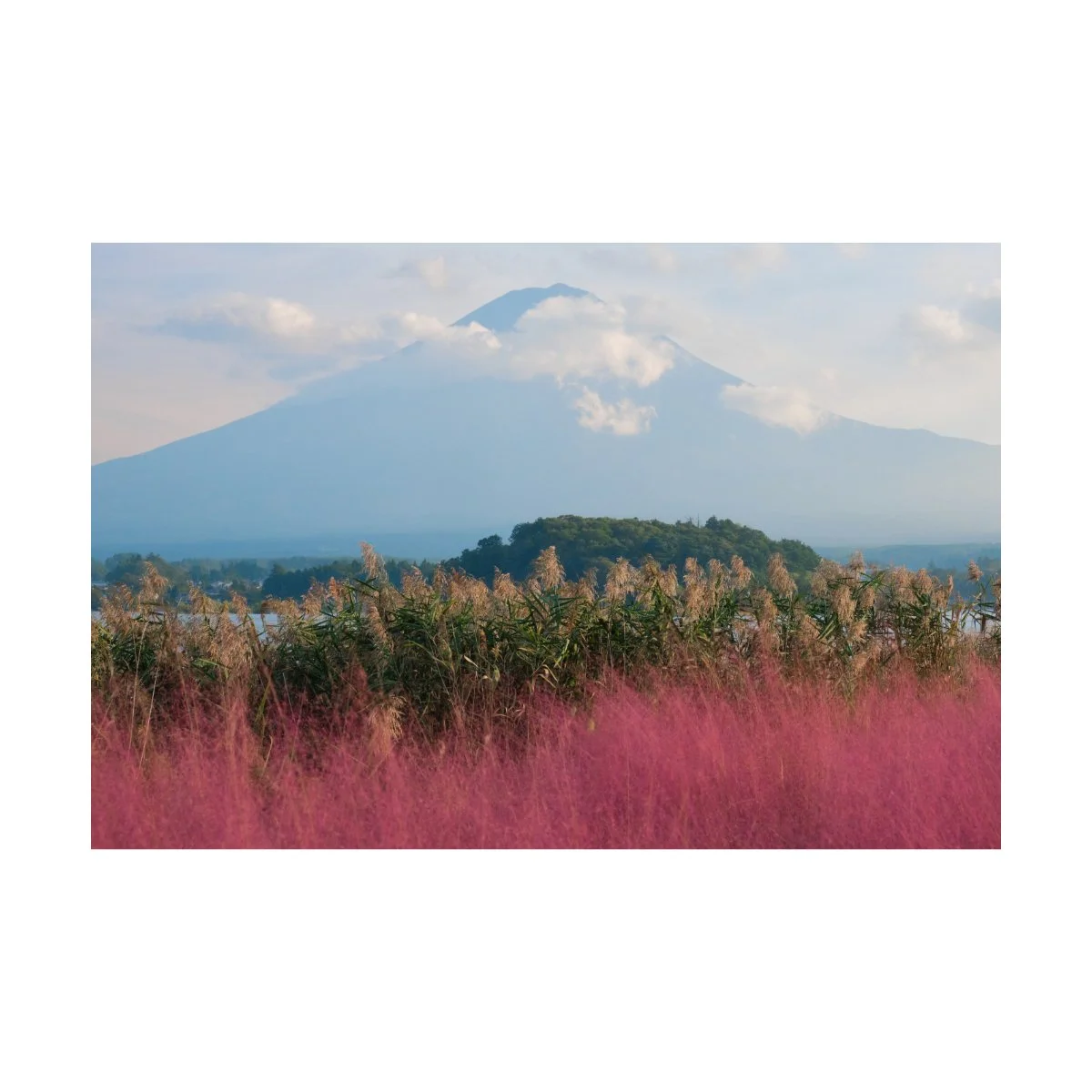
Think of it like climbing a mountain.
You can’t get to the top of Everest or Mt. Fuji in one go.
Rather, you have to take breaks and allow your body to adjust and acclimate to the new altitude.
If you try to go to fast, well, that’s where people break and fall.
But if you stick with it and continue to work, you’ll figure things out.
Giannis didn’t get MVP his first year.
It took a gradual progression and improvement from 2013 to 2018 until he reached that level of success.
And if he didn’t make the necessary adjustments and quit early, it never would have happened.
So remember, you’re not bad, you’ve just entered a new level.
So those were 5 reasons why you’re a better photographer than you think - and solutions to go with them.
If you have a friend who struggles with perfectionism, insecurities, and self-doubt, send this to them - I think it’ll help.
If you want to learn more about improving your photography, shoot more and stress less, check out Photography Systems.
It’s there we talk all about the process and psychology of getting better.
If you found this useful I think you’ll find that useful.
Thanks for reading, happy shooting.