Over the years, I’ve bought and sold many lenses.
Some of them were bad, some of them were actually a bit overkill, and others just weren’t right for me.
But in that process I learned a lot about myself and my photography.
So you could say that the money, time, and energy I spent going back and forth was “worth it”.
But despite that, there are still some things I wish I knew about lenses sooner.
Today I’ll share them with you.
Let’s begin.
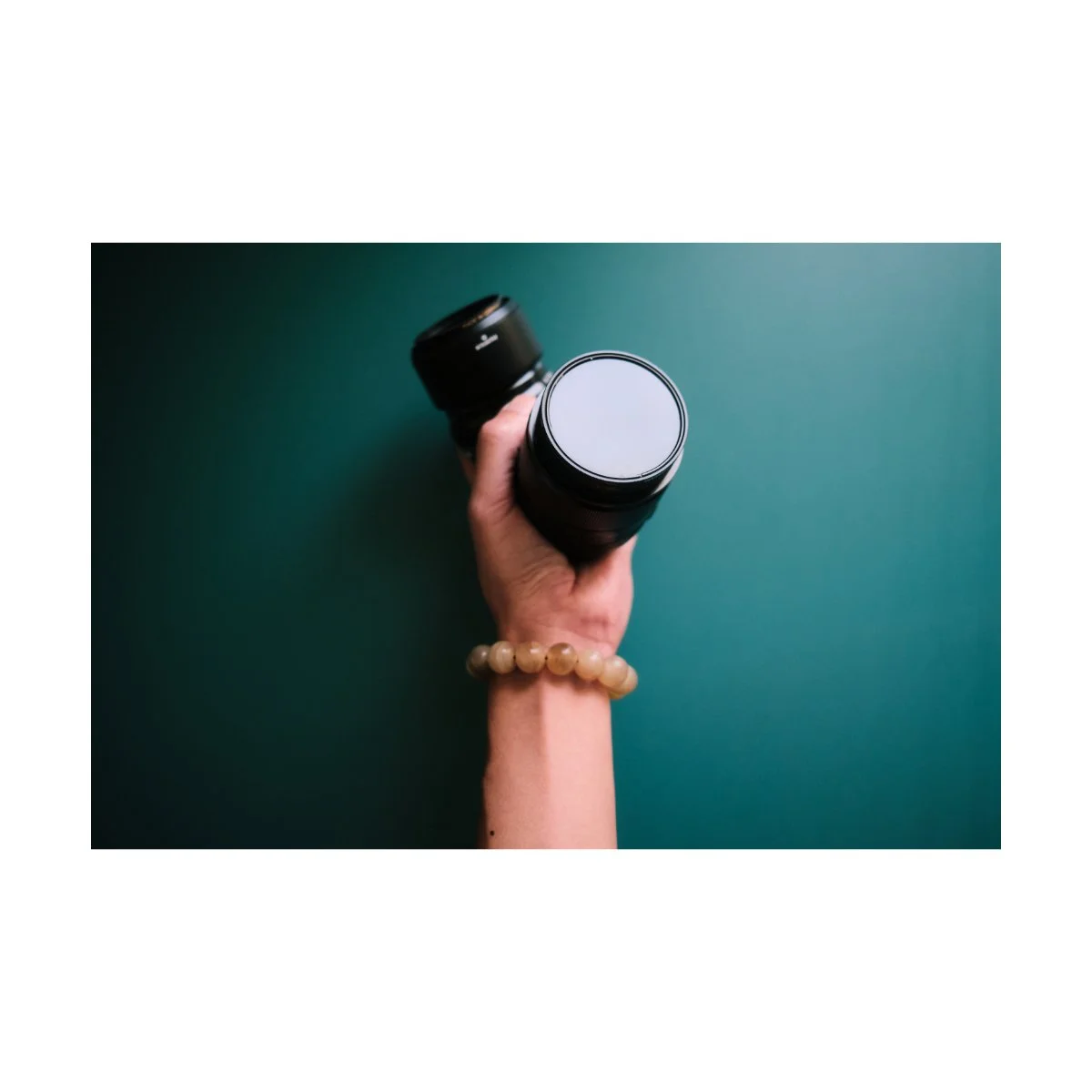
You Don’t Need the Best Lens
For photographers, “quality” is a bit of a weird thing.
Naturally, we want the best image quality, the nicest gear, and the one everyone says is “good”.
But the fact of the matter is, most of us don’t need the best lenses.
I know, it kind of hurts to say, because it sounds like I’m intentionally accepting lower standards.
But that’s not why at all.
You see, if there’s anything I’ve learned over my many years of shooting, it’s that everyone has a different baseline level of image quality.
And as long as our gear meets that standard for what we’re trying to do, anything beyond that is technically overkill (and can sometimes come at the expense of other things we value).
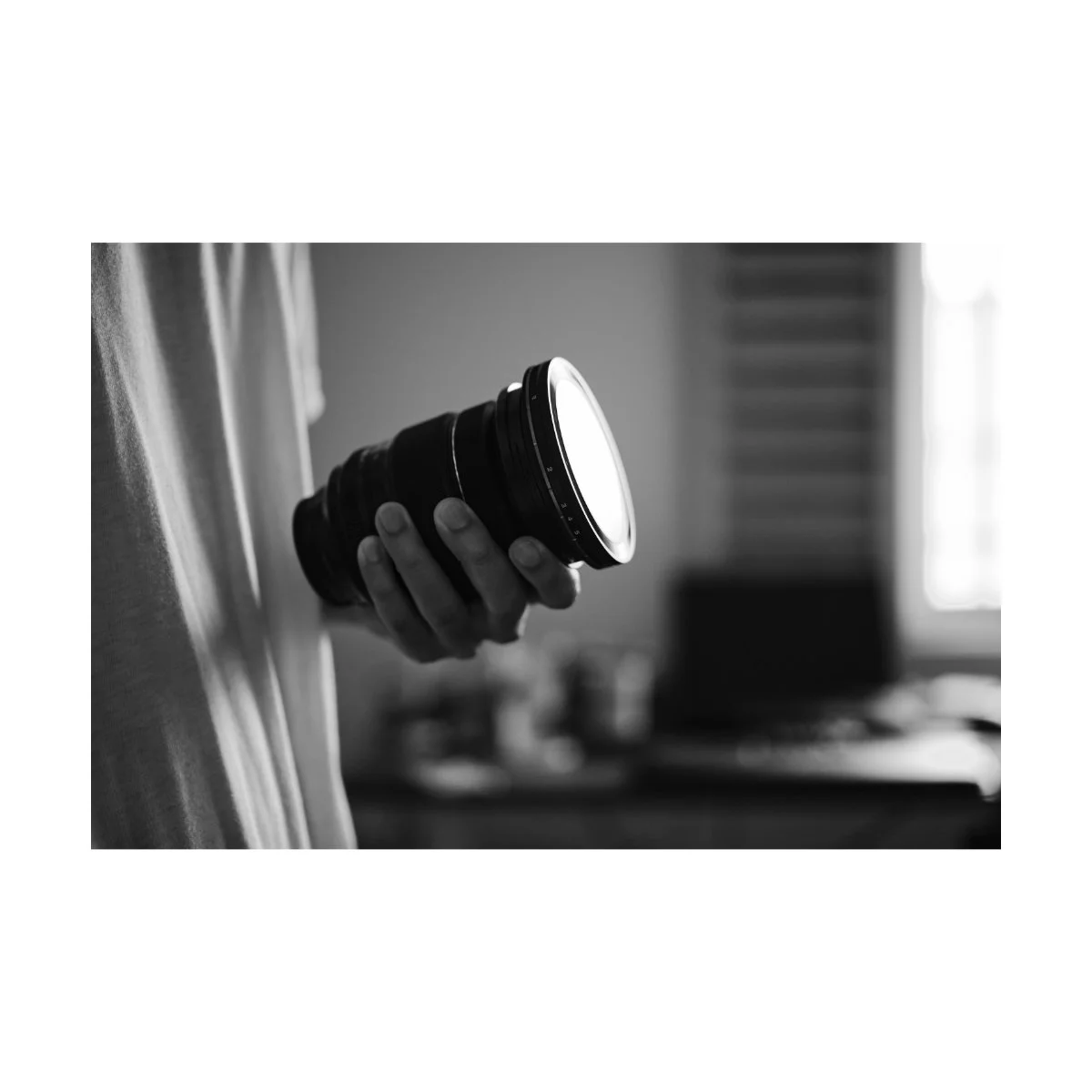
For example, long ago I used to have Fujifilm’s XF 16-55 lens.
This was a “red badge lens”, Fujifilm’s equivalent to Sony’s G-Master lenses.
So naturally, it was touted as a “higher quality lens”, more expensive, sharper, and better than others.
And…it was that.
Using that lens was a good experience:
It was well built, sharp, fast autofocus, and had great image quality.
But despite that, I still ended up selling it, opting to stick to the old 18-55 “kit lens” as my standard zoom.
Why?
The 16-55 was the better lens, but there was one thing I hated about it - the size.
It was just way too big and heavy for me to carry around on a day to day basis.
Furthermore, it’s not like the 18-55 was a bad lens.
In fact, many of my favorite travel photos were taken with it.
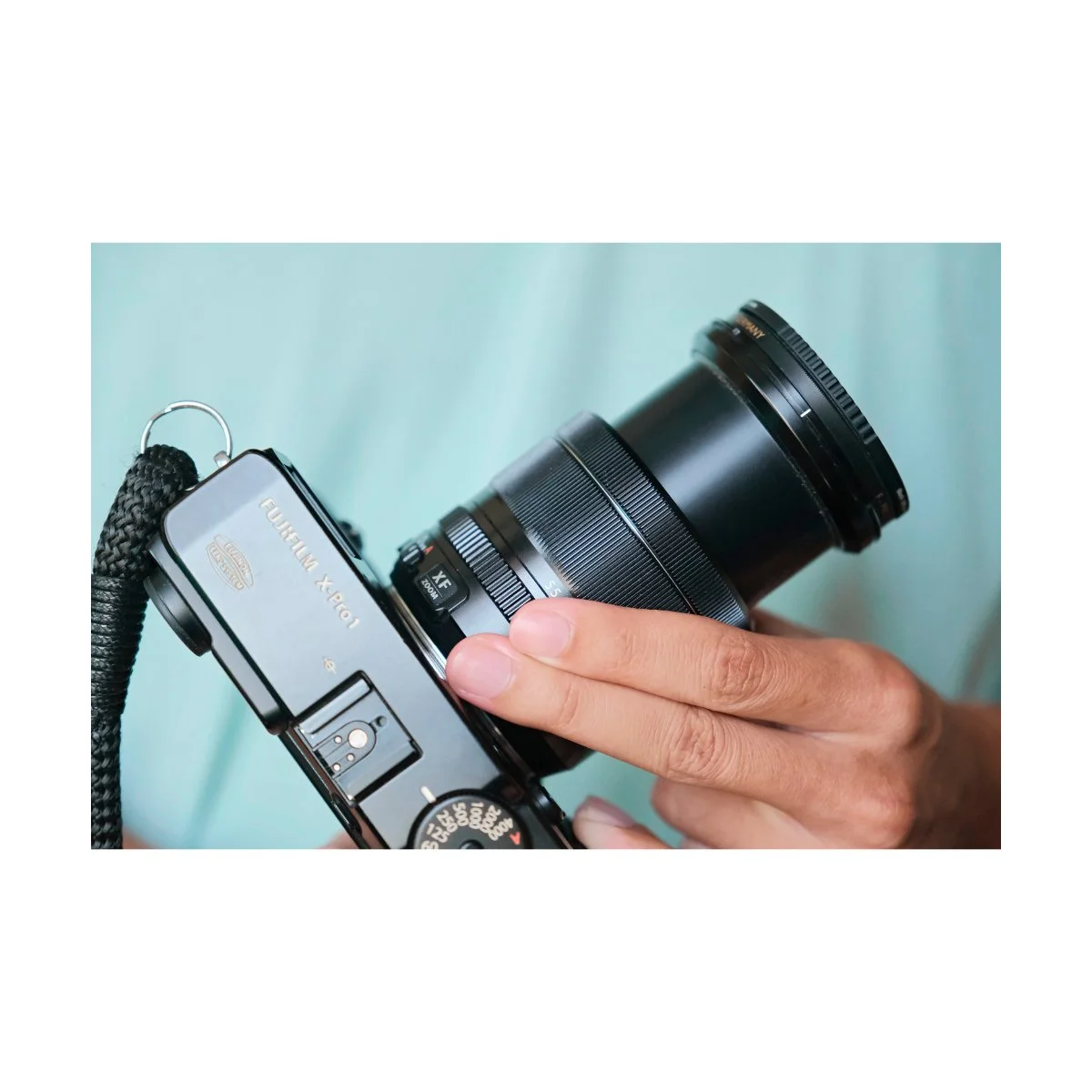
The point being, although the 16-55 is objectively better than the 18-55, they both reached my standards for image quality.
And since the bar was met, it shouldn’t matter that the 16-55 is better - it won’t make a difference for me.
So knowing this, I went with the more convenient option to carry around.
This “bar” or baseline depends on you and your needs.
I’ve had friends who are perfectly happy with the cheaper more budget XC lenses.
I’ve also seen people who need the nicest red badge lenses.
For me, I’m happy with something in between.
Cheaper third party lenses tend to be a bit low, while something like the 16-55 is a bit overkill.
This is to say: you don’t need the best lens.
And just because a lens is “better”, it doesn’t mean it’s better for you.
Find the lenses that meets your standards and don’t worry about there being “even better lenses”.
In many cases, a lens that is “good enough”, is actually the better option.
Because the diminishing returns in image quality may not be worth the trade-off anyways.
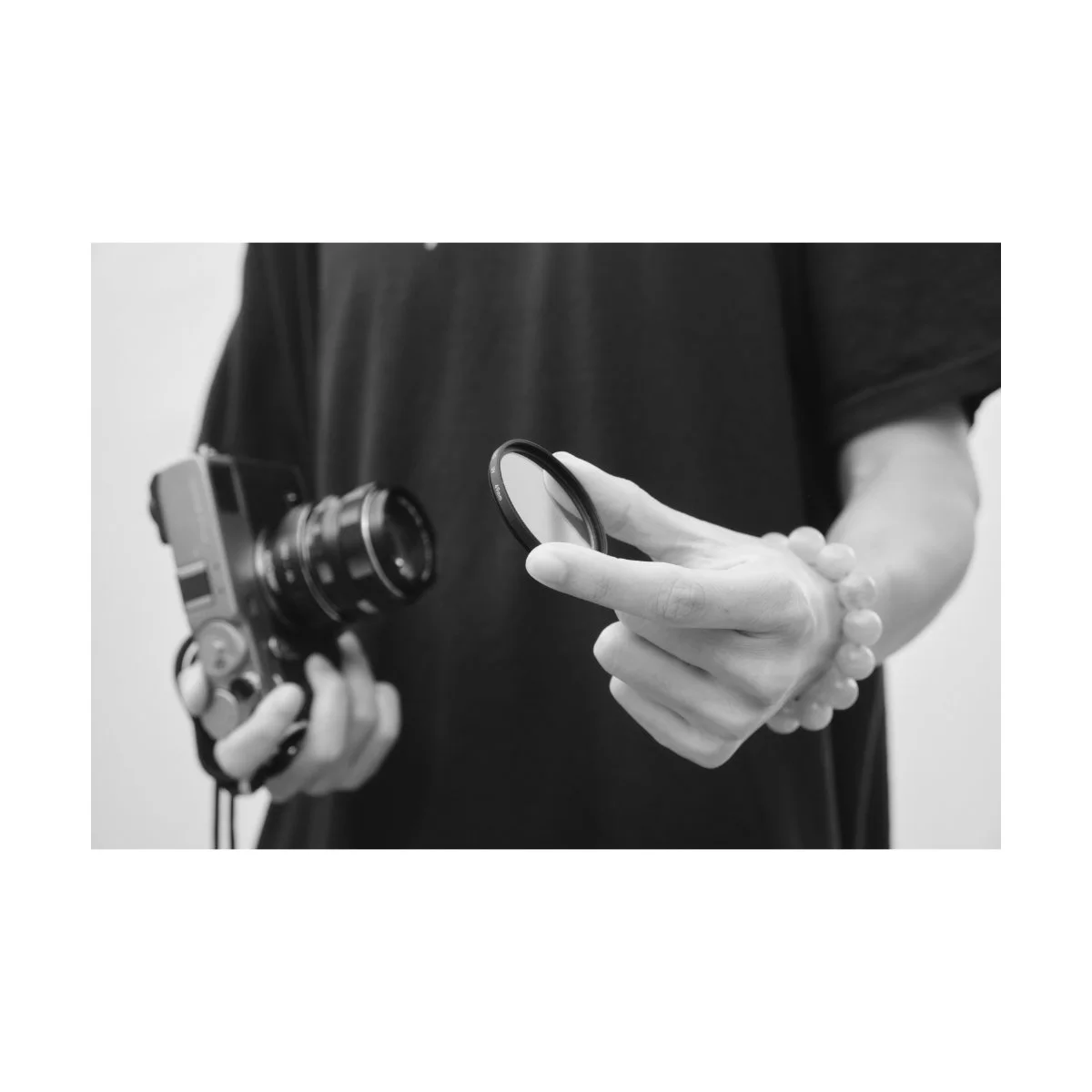
A UV Filter Can Save Your Life
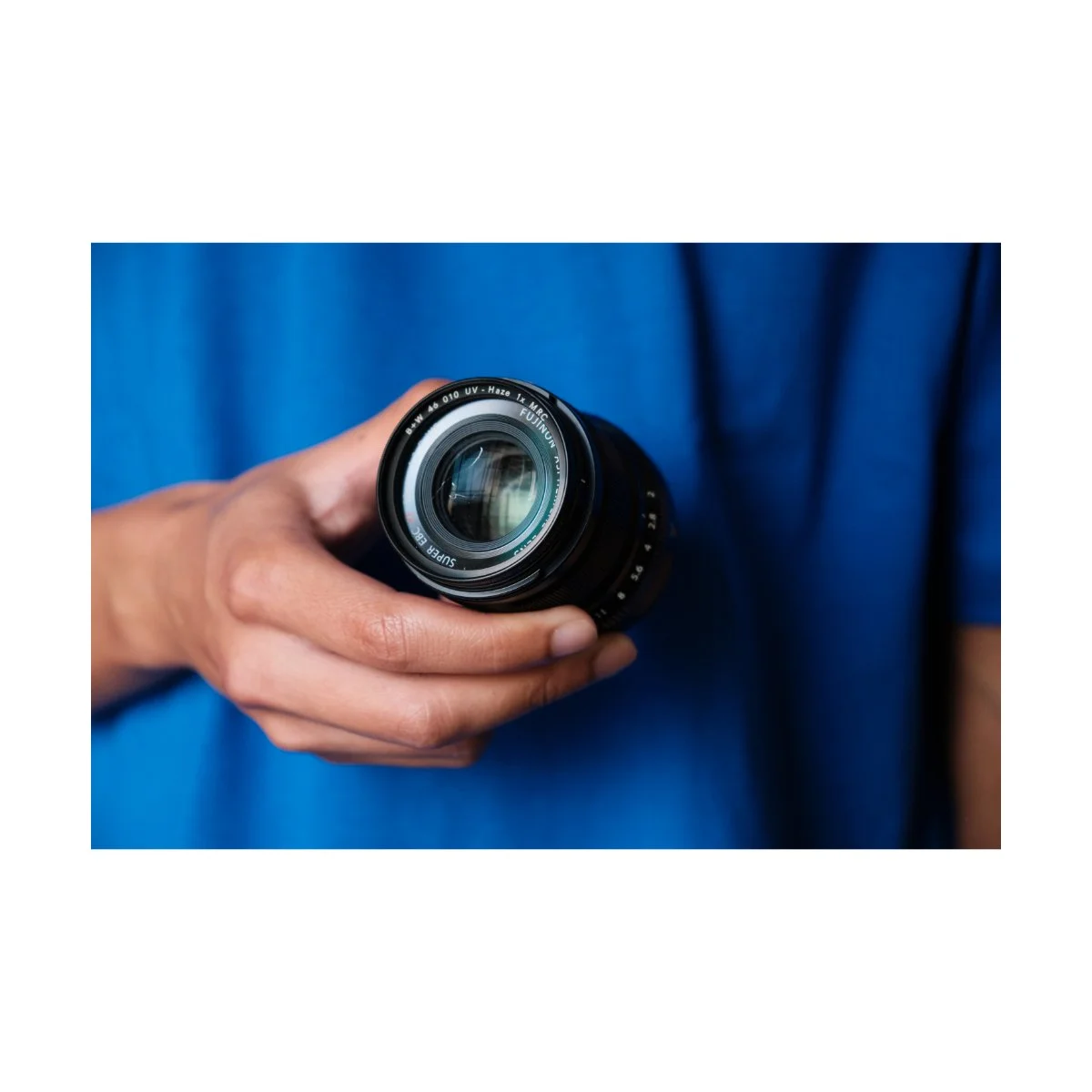
A few years ago I picked up this lens: the XF 50mm f2.
It’s one of the little primes that make up the “Fujicrons”: compact, lightweight, weather sealed, f2 lenses.
I got it because I wanted some variety in my kit, as well as to see if there was anything more I could learn from a tighter lens.
Along with it, I ordered a UV filter.
I’m one of those who prefers to keep one on all my lenses at all times.
Just a couple of weeks later, I noticed something strange:
Two small scratches that went right down the middle of the filter.
I don’t know when it happened or how I got it, but something must have nicked it while I was out shooting.
And it happened right after I got the lens.
This was a big sigh of relief for me.
Because imagine if I didn’t buy a UV filter.
$300 down the drain, just like that.
But thankfully, because I had a filter on, the lens was saved and all I have to do was replace the filter, not the lens.
Some might say that the odds of something flying at and destroying your lens is slim - but it’s not impossible.
And do you actually want to take those chances?
It’d be like driving around without car insurance - no thank you.
So despite some of the naysayers, I’ve personally found it very useful to have a UV or clear filter on at all times.
Some might argue about the image quality drop:
“Why buy an expensive lens just to put a cheap filter over it?”
But I’d say…just make sure you get a quality filter then.
If you buy from a good brand, you don’t have to worry about “lower image quality”.
B&H is pretty good and I’ve bought plenty of used ones that didn’t break the bank.
And personally, I’ve even used plenty of budget filters and have still gotten decent results with them.
And most of us, probably couldn’t tell the difference anyways.
You might prefer to use a lens hood to protect your lens from bumps.
But I still prefer a UV or clear filter on a day to day basis.
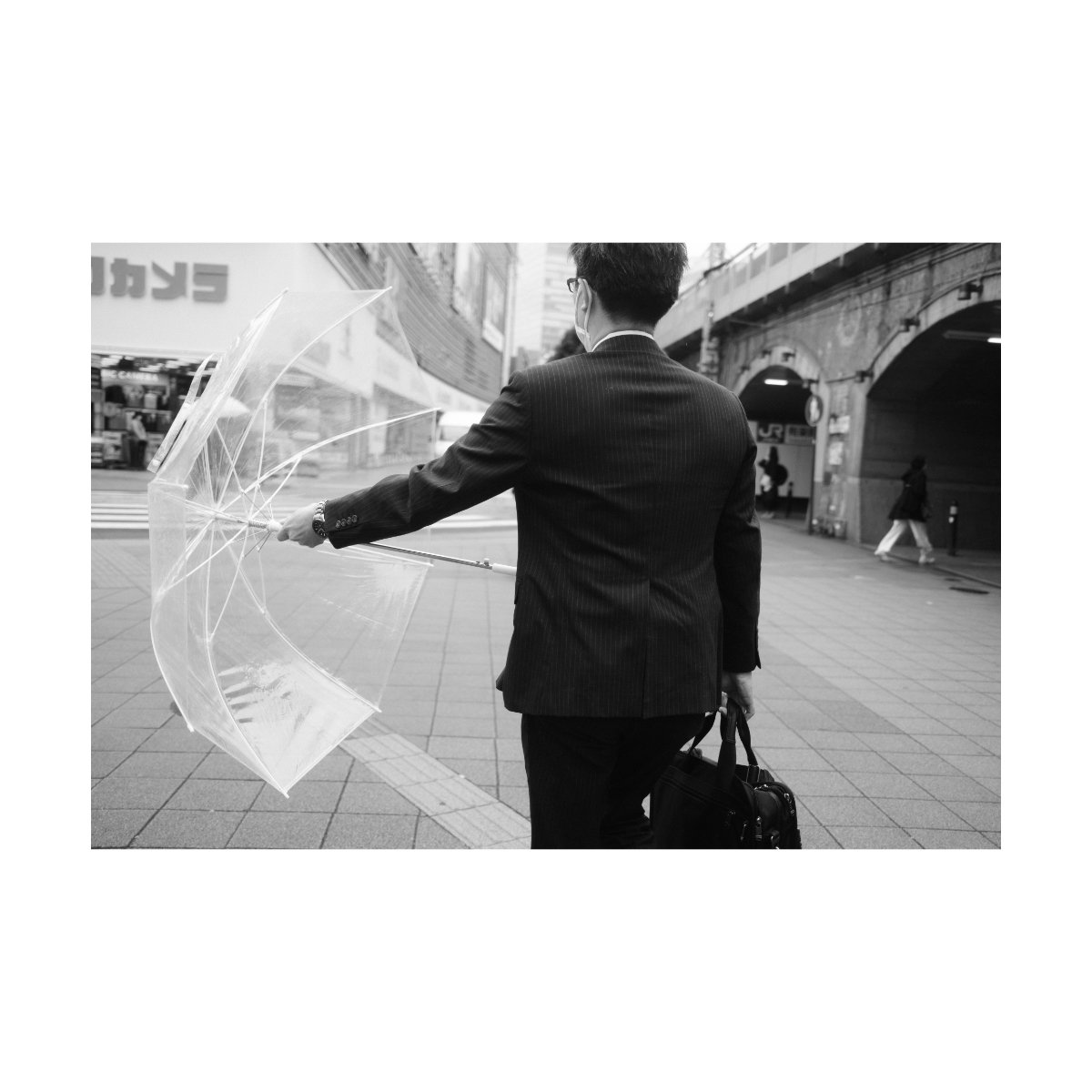
If it’s raining or if it gets dirty, it’s much easier to wipe off and clean the filter than the lens.
You can even just use your shirt if you don’t have a microfiber cloth handy - and not feel guilty about it.
Some people freeball it and go out bare into the world - I can’t do that.
Scratches and nicks to your gear are inevitable, but I believe that if you take care of your gear, it’ll take care of you.
At the end of the day, it’s up to you.
But my recommendation is to invest in a solid UV or clear filter.
I think the downsides are largely overstated and they’ve saved me a lot of money and worry over the years.
Popular Lenses Can Suck (for you)
Over the years I’ve tried and used many lenses - some of them good, some of them not so good.
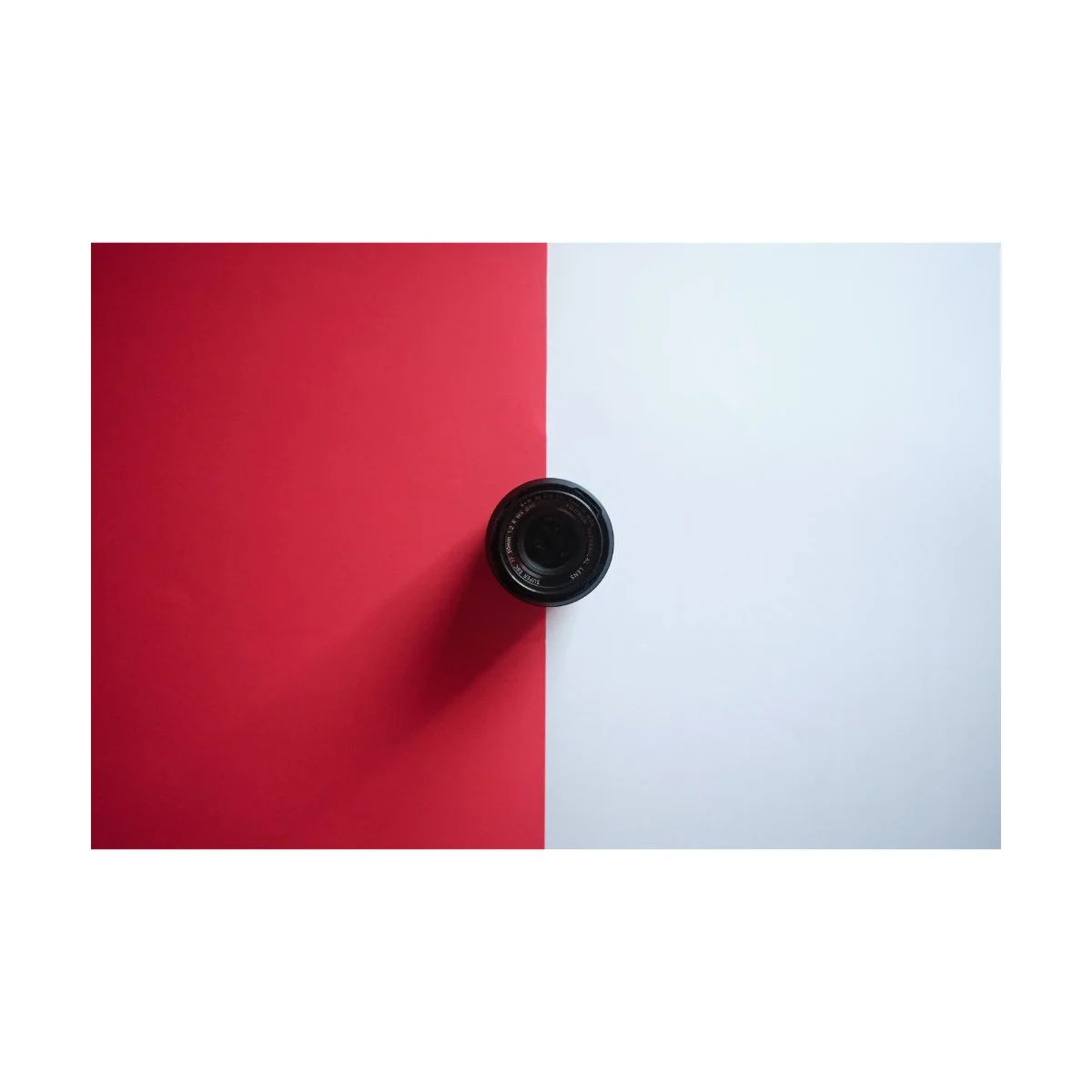
The XF 35mm f2, another Fujicron, was a lens I had twice…and sold twice.
There was something about the light flares that I didn’t like, and autofocus wasn’t as good as people made it out to be.
But despite knowing that, I still gave it a second chance.
Because I thought:
“Man…people seem to really like this lens. Maybe it was just the copy I got. Or maybe I didn’t understand the focal length back then.”
So I picked it up once more to see if anything had changed.
But nope, for me it still sucked.
It turned out there wasn’t inherently anything wrong with me or the lens.
It’s just: the lens wasn’t right for me.
And if that’s the case, it makes no sense for me to keep using it just because everyone seems to like it.
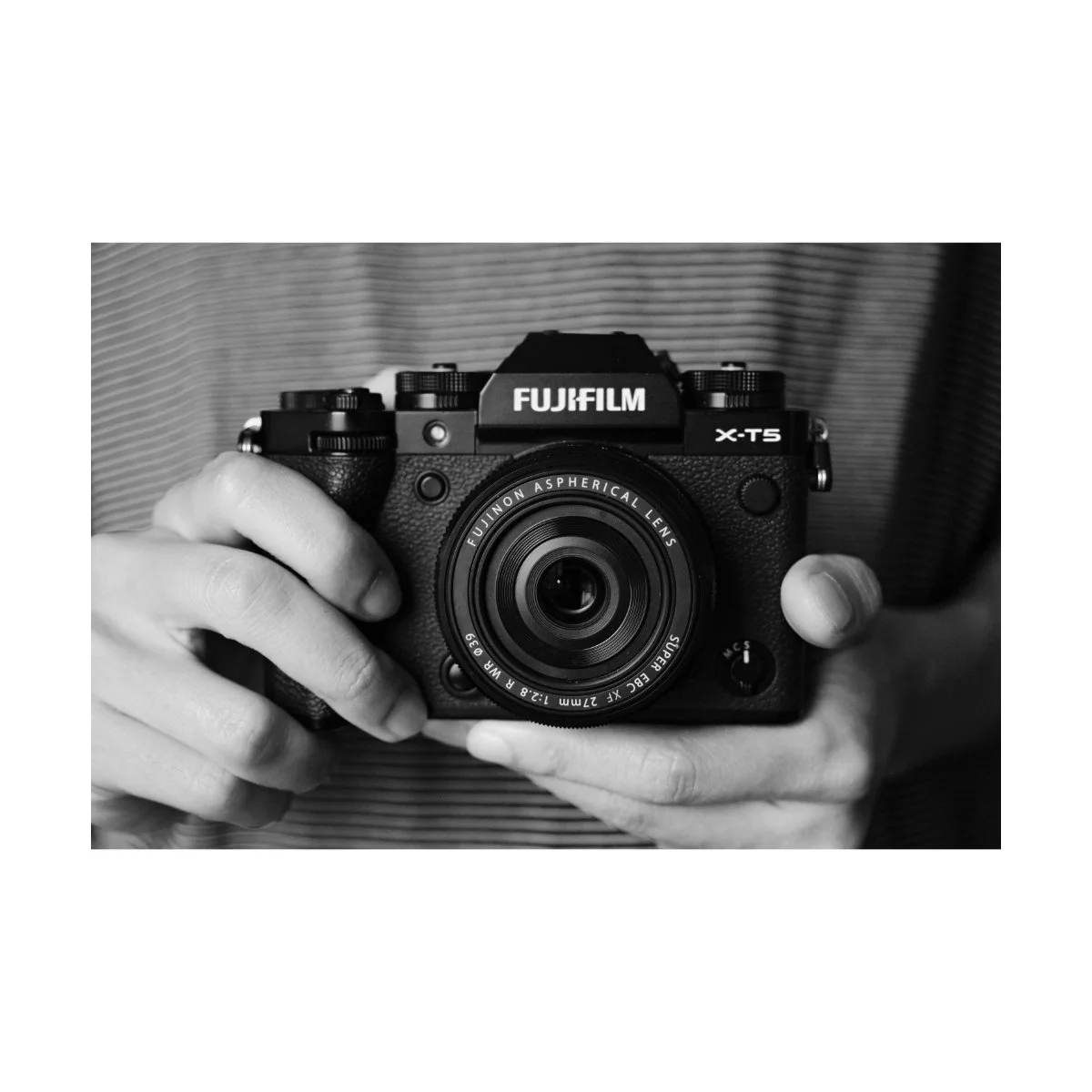
We all have our own preferences for the kind of gear we like to use and what we want to capture.
Yes gear reviews can give us some insight, but the only true way to know if something suits us is to try it out and see for ourselves.
And if it sucks, it’s okay - you don’t have to use it.
Nowadays, I ignore some of the many popular lenses on the market.
Because I know that lenses are about compatibility, not simply quality.
And if a lens doesn’t fit the specific use case scenario I need it for, it’s not worth getting, even if the lens itself is really good.
That has saved me from buying all of this expensive gear that just wouldn’t make sense.
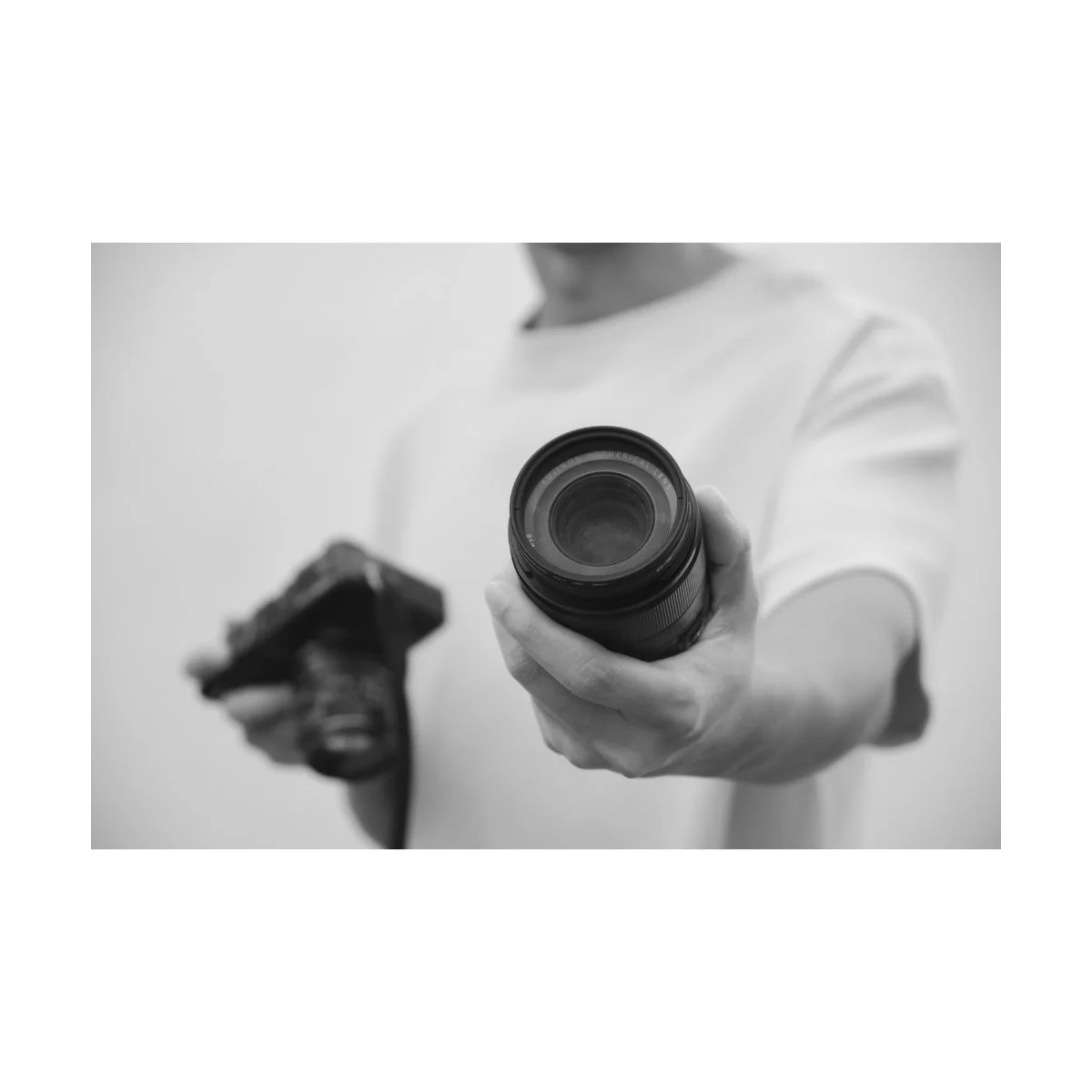
“Invest in Lenses”
At the end of the day, gear is an unavoidable part of a photographer’s journey.
No matter how we try to frame it, we still need gear to take a picture, even if its existence gives us GAS (gear acquisition syndrome).
But you can have the best gear in the world and still take crappy photos.
So although it’s important, it’s not everything, and maybe we ought to prioritize it less.
Everyone says to: “invest in your lenses”.
Because if you get good lenses they’ll last you a long time.
As opposed to camera bodies which are seemingly replaced every single quarter.
But ironically, few photographers ever say to “invest in yourself”.
I know…I even cringe a little saying that, but it’s true.
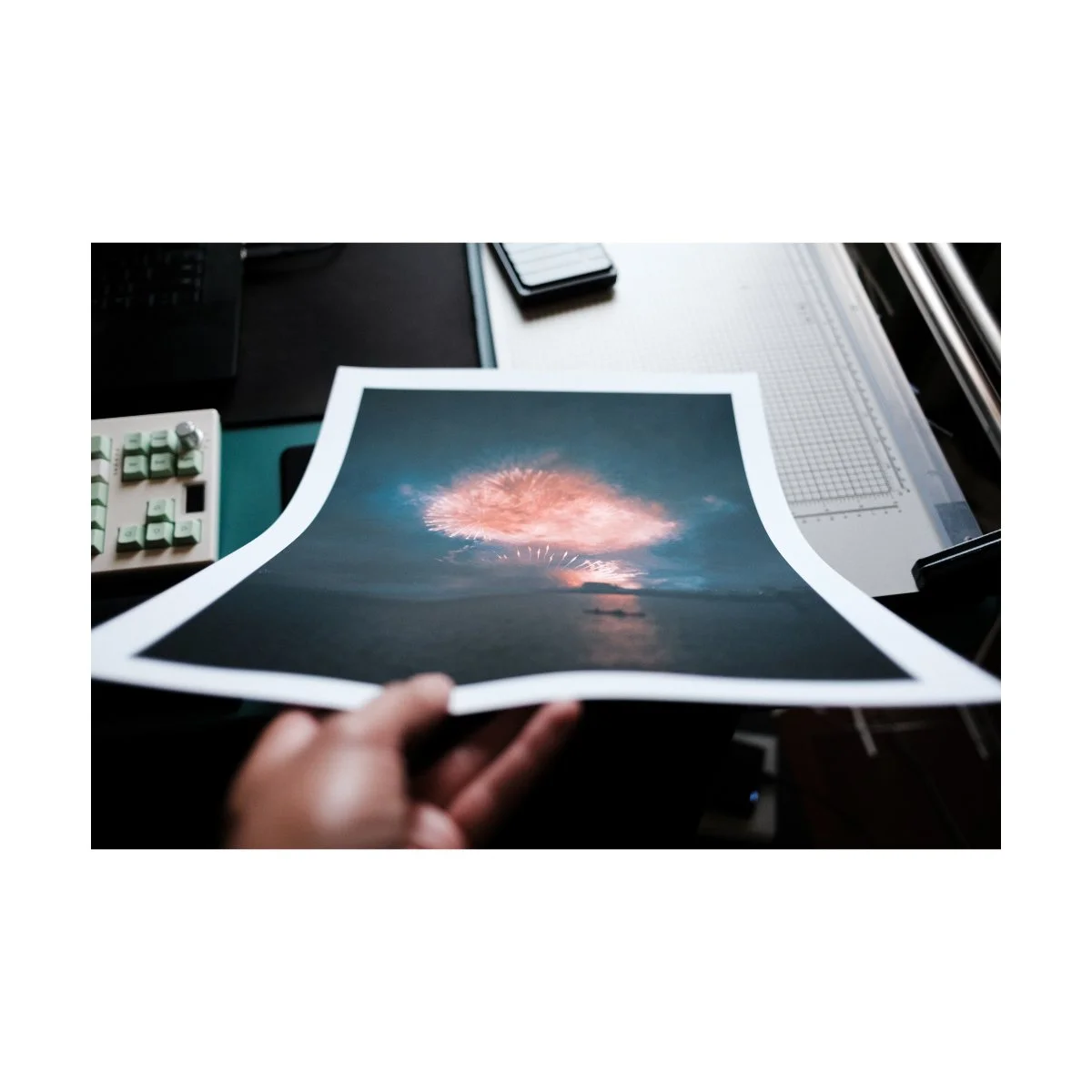
The time you spend working on your photography.
Learning things you need to learn, overcoming weaknesses, and experimentation.
Those are what most photographers are actually limited by: mindset, bad habits/routines, and lack of work/effort - not gear.
I think all of us have experienced this phase at some point in our lives.
Where we’re just sitting there binging gear review videos trying to figure out what lens to buy.
We go through every photographer’s opinion of it, but still can’t come to a decision.
And the months go by and we’re still the same photographer we once were.
But if we spent more time and effort becoming a better photographer, we wouldn’t look to expensive products as the solution for our mediocre photography.
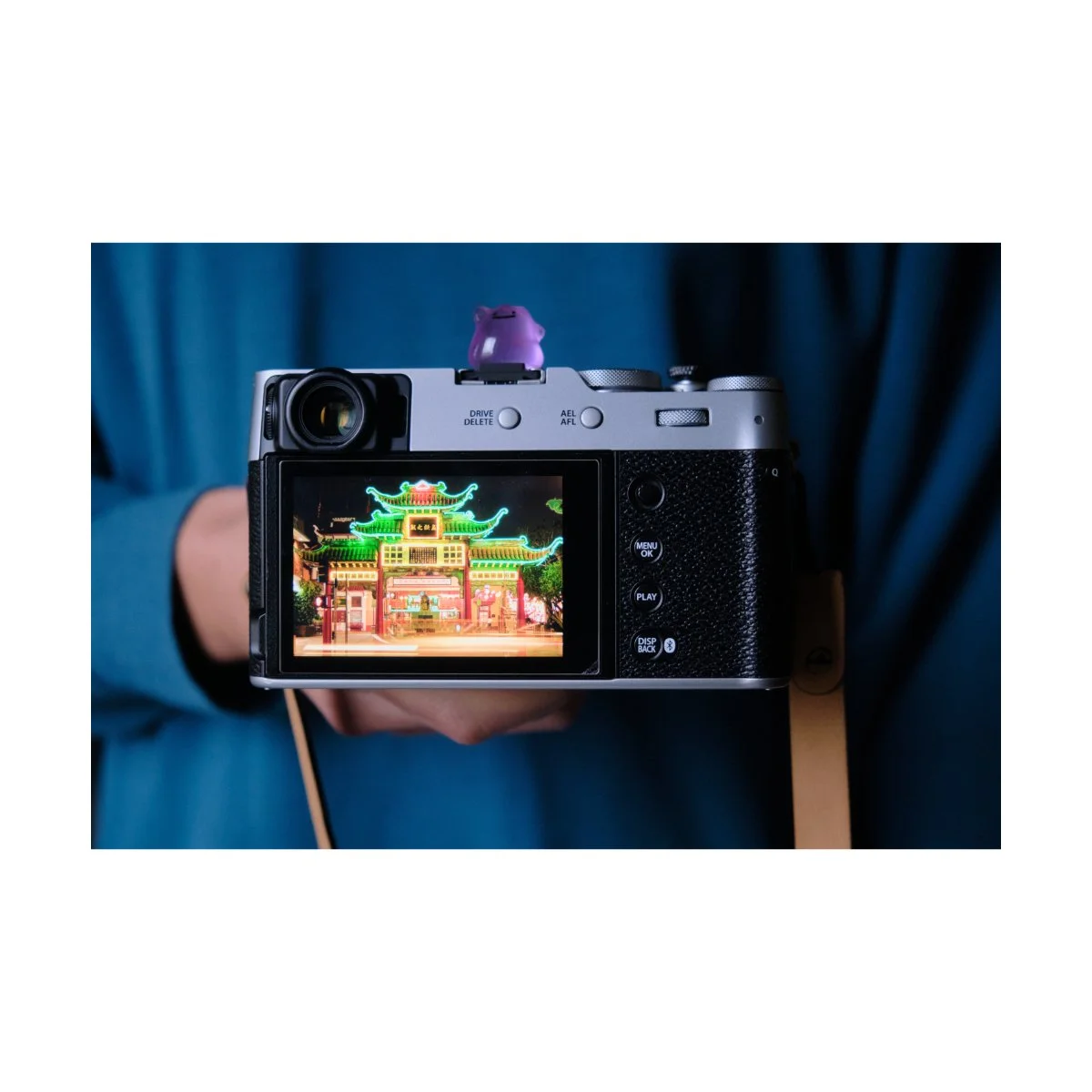
We also wouldn’t look to new gear as the stimulation/motivation to get us back out into the field again.
The gear we use would actually become a tool to get us the results we want, not something we buy just because we think we need it.
Because photography is more about taking photos and making something with them than it is about what you use to take the photos.
Flip the script, get the priorities right, and you’ll find yourself on the right track.
It’s not wrong to invest in good gear.
But if you don’t invest in yourself more, that thousand dollar lens might be wasted on you.
However, the better you are, the more mileage you’ll get out of better gear, and the more you can justify buying it.
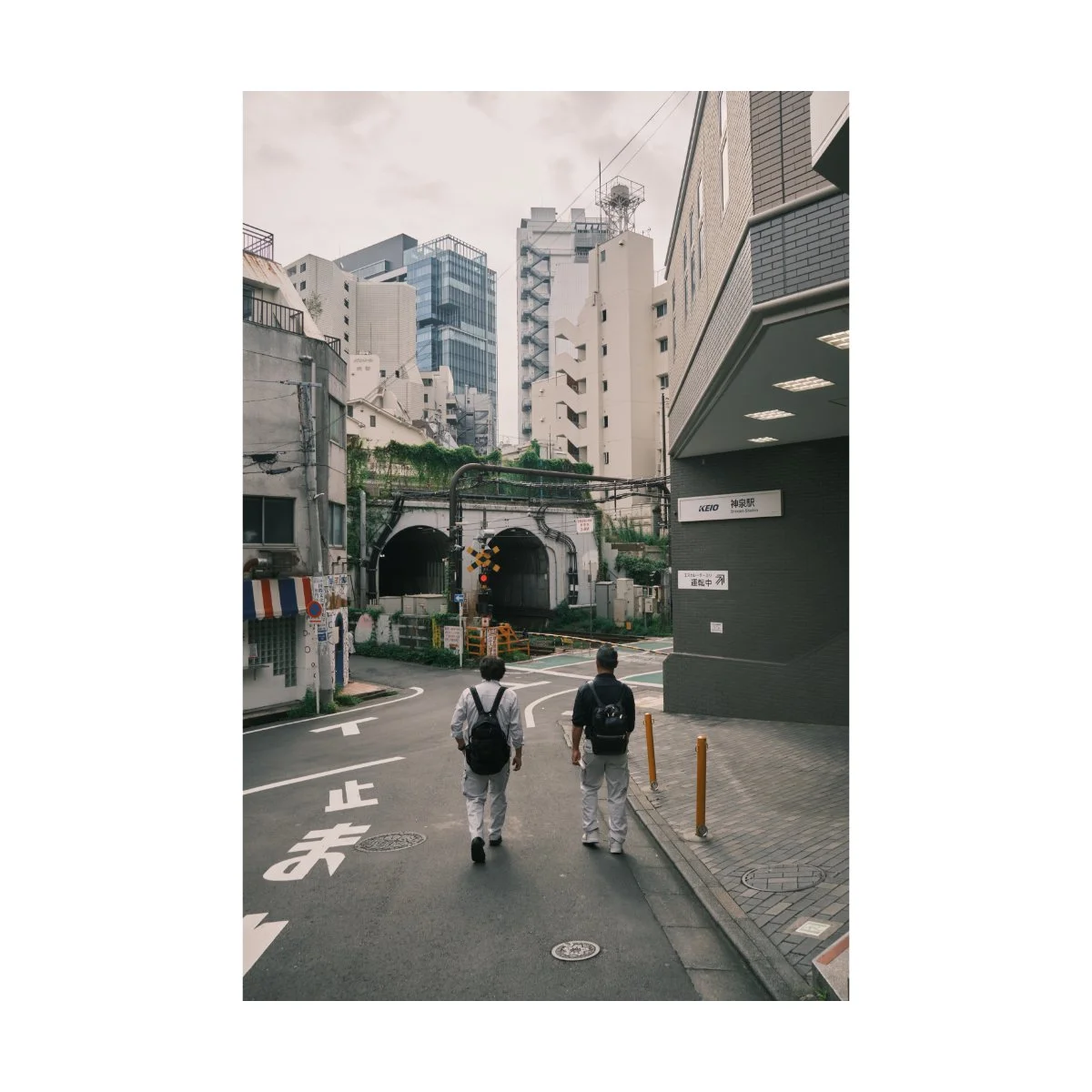
So if you’re sitting around wondering what lens to buy, go out and take pictures.
If you’re frustrated with the poor image quality of your gear, go out and take pictures.
And if you hate your crappy photos,…go out and take pictures.
Funnel those feelings into action, rather than spending more money, and you might get the results you’ve been looking for.
That is what I wish I knew about lenses sooner.
Now, if there’s anything you wish you knew about lenses sooner, leave them in the YouTube comment section.
If you want to learn the foundation and basics of what each tool does, we break that down in Photography Essentials (it’s free).
If you want to level up, break through the intermediate stage, and reframe how you approach the craft, you can do so through Photography Systems - check it out.
Thanks as always for reading, happy shooting.